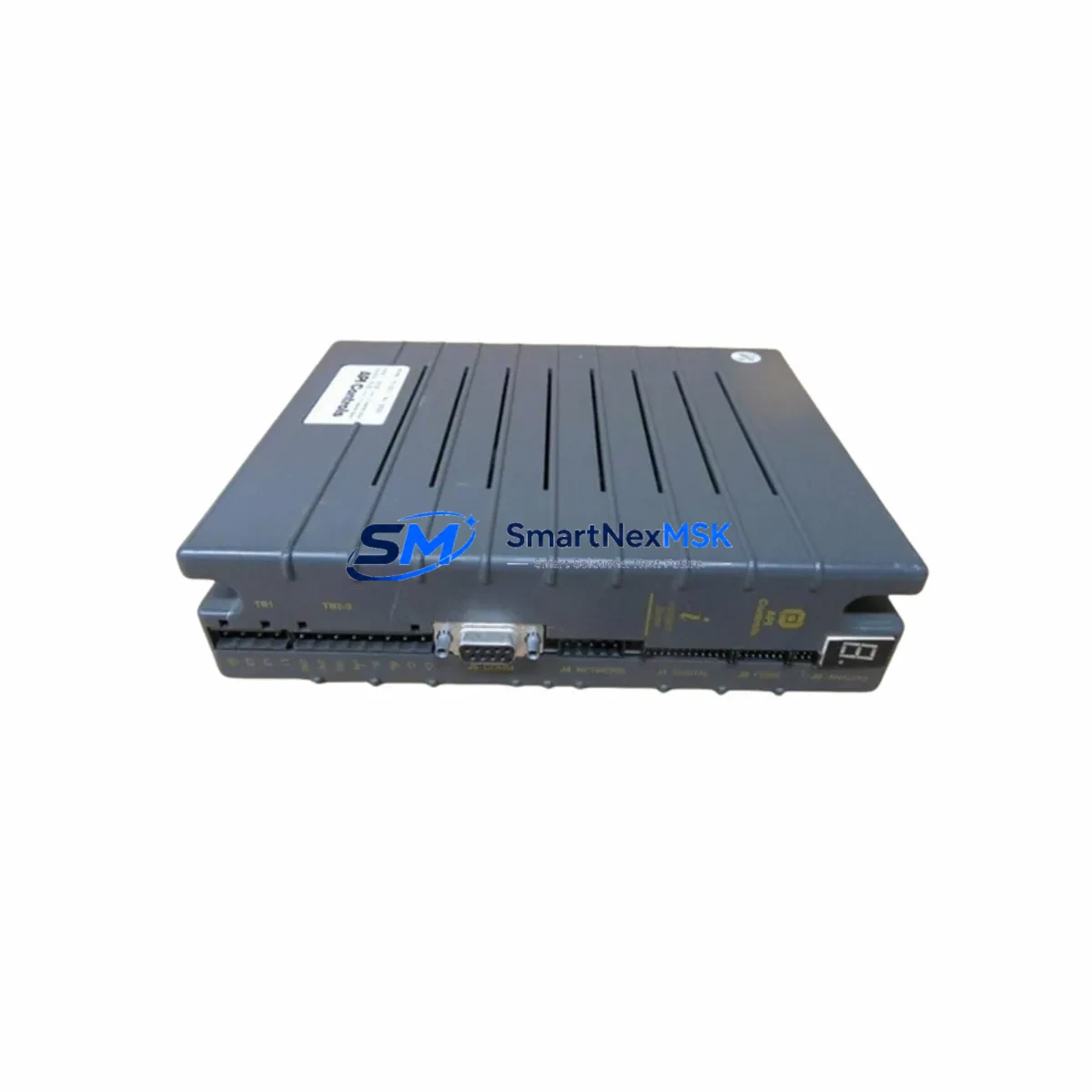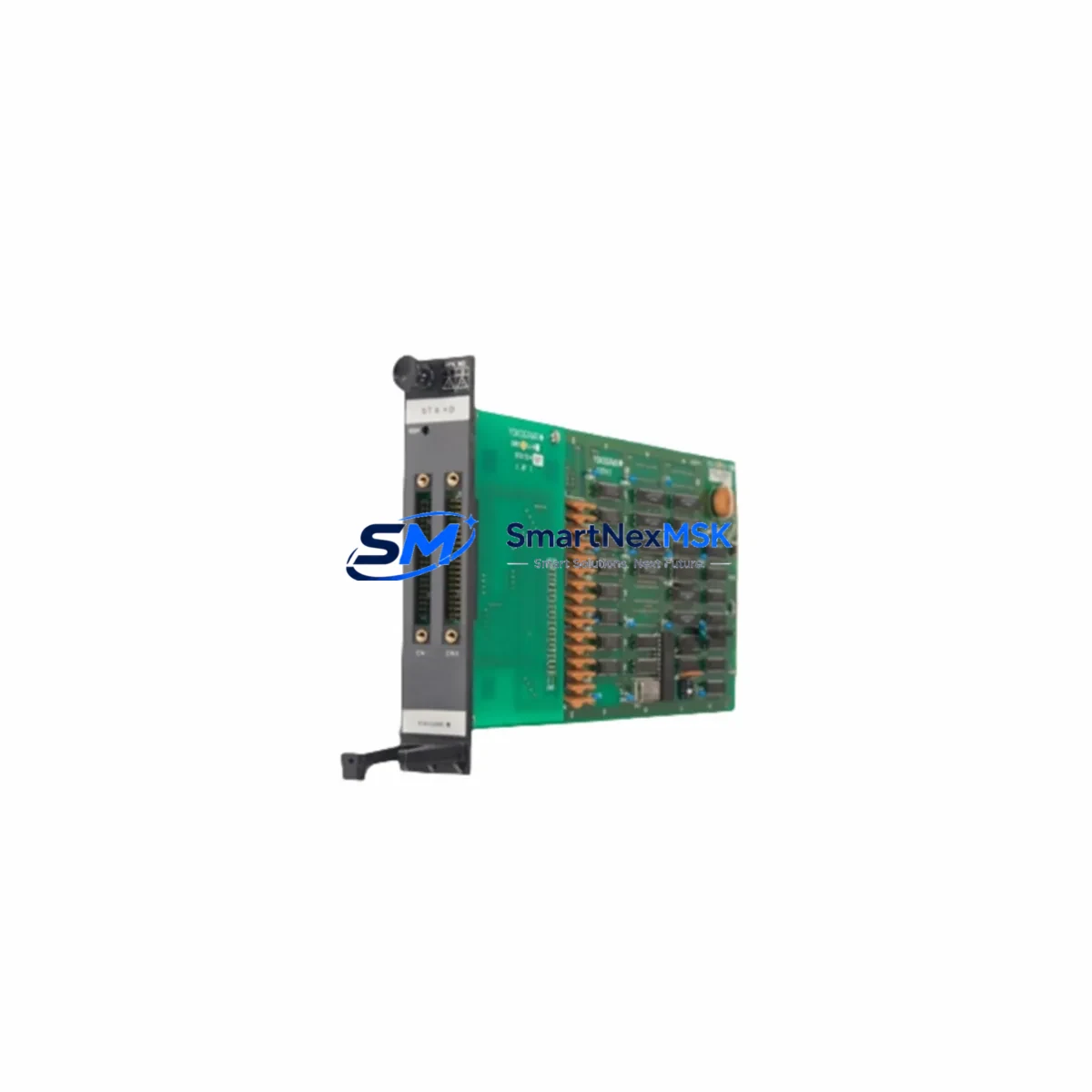
API MAC-B343-GM60 Retrofit-Ready AC Servo Motor for MAC Series Control Systems
The API MAC-B343-GM60 is a 60mm-frame AC servo motor engineered for seamless integration into existing MAC Series automation architectures. Whether you are replacing a discontinued unit on an aging production line, upgrading a legacy control cabinet, or restoring motion control continuity after an unexpected failure, the MAC-B343-GM60 delivers verified electrical and mechanical compatibility with the original MAC Series platform — minimizing engineering rework and keeping your retrofit on schedule.
Industrial facilities running MAC Series servo systems frequently encounter obsolescence challenges as original components reach end-of-life. The MAC-B343-GM60 addresses this directly: it retains the same 60mm frame footprint, shaft dimensions, and encoder feedback interface as the legacy unit it replaces, allowing technicians to reuse existing motor mounts, coupling hardware, and cable assemblies without modification. Before installation, engineers should confirm power supply capacity at the servo drive — typically the API MAC Series servo driver paired with this motor — to ensure the DC bus voltage and continuous current rating remain within specification for the replacement unit.
Terminal wiring is a critical checkpoint during any servo motor swap. The MAC-B343-GM60 uses a standard UVW three-phase power connector and a multi-pin encoder connector consistent with the MAC Series wiring convention. Technicians should cross-reference the original wiring diagram against the replacement motor’s pin-out before energizing the drive. If the control cabinet incorporates an API MAC Series regenerative braking resistor or a dedicated servo filter module, these components should be inspected and retained, as they are sized for the original motor’s inertia and deceleration profile.
Backplane and rack integration is straightforward for systems where the servo drive is mounted in a standard DIN-rail cabinet alongside a PLC CPU module — such as a Siemens S7-300, Mitsubishi Q Series, or equivalent controller — communicating via pulse-direction or analog ±10V command signals. If the existing system uses a fieldbus interface such as EtherCAT, PROFINET, or CANopen, verify that the replacement drive firmware supports the same communication profile as the original. In multi-axis configurations, module addressing and axis numbering within the motion controller program must be preserved to avoid axis mapping errors after the swap.
Program compatibility is another area requiring careful validation. The servo tuning parameters stored in the original drive — including position loop gain, velocity loop gain, acceleration/deceleration ramps, and electronic gear ratio — should be documented before the old unit is removed. These parameters must be re-entered or transferred to the replacement drive during commissioning. If the machine uses an HMI panel (such as a Weintek, Proface, or Siemens TP series touch panel) with servo status screens, verify that the HMI communication address mapping remains consistent after the drive replacement.
For systems migrating from older analog command interfaces to digital fieldbus architectures, the MAC-B343-GM60 supports a phased migration path. The motor itself is protocol-agnostic; the communication upgrade is handled at the drive level. This allows facilities to upgrade the servo drive communication card or replace the drive with a fieldbus-capable model while retaining the MAC-B343-GM60 motor, protecting the mechanical investment and reducing total retrofit cost.
I/O expansion during the retrofit is a common requirement. If the upgraded control system requires additional digital inputs for servo ready, alarm output, or brake control signals, these can be routed through the existing I/O terminal block modules in the control cabinet without rewiring the motor itself. Ensure that the brake power supply — typically 24VDC — is correctly connected if the MAC-B343-GM60 variant includes an integrated holding brake.
All MAC-B343-GM60 units supplied by SMARTNEXMSK are pre-tested prior to shipment. Each motor undergoes insulation resistance testing, no-load run verification, and encoder signal integrity checks. Units are shipped with full documentation and are covered by a 12-month warranty against manufacturing defects. Stock is maintained for immediate dispatch, supporting urgent breakdown recovery scenarios where minimizing downtime is the primary objective.
Upgrade Compatibility Table
| Parameter | Detail |
|---|---|
| SKU / Part Number | MAC-B343-GM60 |
| Brand / Manufacturer | API (Advanced Power Integration) |
| Series | MAC Series |
| Frame Size | 60mm |
| Motor Type | AC Servo Motor |
| Encoder Interface | Incremental / Absolute (MAC Series standard) |
| Power Connector | UVW Three-Phase (MAC Series standard pin-out) |
| Mounting Compatibility | Direct drop-in for MAC Series 60mm frame applications |
| Communication Compatibility | Pulse-Direction, ±10V Analog; fieldbus via drive card |
| Replacement Recommendation | Verified replacement for discontinued MAC Series 60mm servo motors |
| Commissioning Notes | Re-enter original drive tuning parameters; verify encoder wiring polarity |
| Country of Origin | China (CN) |
| Warranty | 12 Months — covers manufacturing defects, includes pre-shipment test report |
Retrofit Planning for Existing Automation Systems
A successful MAC-B343-GM60 retrofit begins with a systematic audit of the existing control architecture. Start by documenting the current servo drive model — typically an API MAC Series servo amplifier — and confirming its rated output current matches the MAC-B343-GM60’s continuous stall current requirement. In cabinets where multiple axes share a common DC bus, check that the power supply module or servo transformer has sufficient headroom to support the replacement motor’s peak current demand during acceleration.
Next, inspect the encoder cable assembly connecting the motor to the drive. MAC Series systems typically use a shielded multi-core cable with a specific connector shell; if the original cable shows signs of insulation degradation or connector wear, replace it during the motor swap rather than after recommissioning. The motor power cable should similarly be inspected for continuity and correct phase sequence before the drive is enabled.
In systems where the MAC Series servo is coordinated with a Mitsubishi MELSEC Q Series PLC or a Siemens S7-300 CPU via a motion control module, the axis configuration in the PLC program must be reviewed. Parameters such as encoder resolution, gear ratio, and software travel limits are stored in the PLC project and must match the replacement motor’s specifications. If the original motor used a 2500 PPR incremental encoder and the replacement uses a higher-resolution encoder, the electronic gear ratio in both the drive and the PLC motion module must be updated accordingly.
For facilities using a PROFIBUS DP communication module or an EtherNet/IP adapter card in the servo drive, confirm that the GSD file or EDS file version is compatible with the network master configuration. Mismatched device descriptions are a common source of communication faults after drive replacement. The HMI operator panel should be tested in simulation mode before live commissioning to confirm that all servo status tags, alarm codes, and jog controls respond correctly through the new drive.
Finally, if the retrofit involves replacing multiple axes simultaneously, consider a phased approach: replace and commission one axis at a time, running production at reduced speed between phases. This strategy, combined with pre-staged spare terminal block wiring harnesses and pre-configured drive parameter files, can reduce total planned downtime to a fraction of a full-system cutover.
Downtime Control During System Migration
Minimizing unplanned downtime during a MAC-B343-GM60 retrofit requires preparation before the maintenance window opens. The most effective approach is to pre-configure the replacement servo drive offline using the original drive’s parameter backup file, so that the new unit is ready to connect and run without on-site parameter entry. If the original drive is still operational, use the drive’s PC configuration software to export a full parameter set before shutdown.
During the physical swap, follow a strict sequence: de-energize the cabinet, lock out the power supply, disconnect the encoder cable before the power cable to protect the encoder interface circuit, remove the motor, install the MAC-B343-GM60, reconnect power cables first, then the encoder cable, and verify connector seating before re-energizing. This sequence protects both the replacement motor and the drive’s input stage.
After power-up, perform a no-load jog test at low speed before engaging the machine’s mechanical load. Confirm that the motor rotates in the correct direction, that encoder feedback is clean (no position error alarms), and that the drive’s current monitor shows values consistent with the motor’s no-load specification. Only after these checks pass should the axis be returned to automatic mode under PLC control. This structured commissioning approach typically allows a single-axis MAC Series servo replacement to be completed within a two-to-four hour maintenance window, preserving the original program logic and HMI screen layouts without modification.
Retrofit Support FAQ
Q: Is the MAC-B343-GM60 a direct drop-in replacement for the original MAC Series 60mm servo motor?
A: Yes. The MAC-B343-GM60 shares the same 60mm frame dimensions, shaft specification, and encoder connector pin-out as the original MAC Series 60mm motor family, allowing direct mechanical and electrical substitution without bracket modification or cable rewiring in most installations.
Q: Do I need to re-tune the servo drive after installing the MAC-B343-GM60?
A: In most cases, the original drive tuning parameters can be retained if the replacement motor’s inertia and torque constant are within the same range as the original. We recommend performing a low-speed jog test and monitoring the drive’s current waveform before returning the axis to full-speed production. If oscillation or following error is observed, minor adjustments to the velocity loop gain may be required.
Q: What pre-shipment testing is performed on each MAC-B343-GM60 unit?
A: Every unit undergoes insulation resistance testing (megger test), no-load run verification at rated speed, and encoder signal integrity checks before dispatch. A test report is available upon request. All units are covered by a 12-month warranty against manufacturing defects from the date of shipment.
Q: Can the MAC-B343-GM60 be used with servo drives from other manufacturers?
A: The MAC-B343-GM60 is optimized for use with API MAC Series servo drives. Compatibility with third-party drives depends on the drive’s motor parameter configuration capability and encoder interface type. Please contact our technical team with your drive model number for a compatibility assessment before ordering.
© 2026 SMARTNEXMSK. All rights reserved.
Original Source: https://smartnexmsk.com
Contact: [email protected] | +86 18259474341