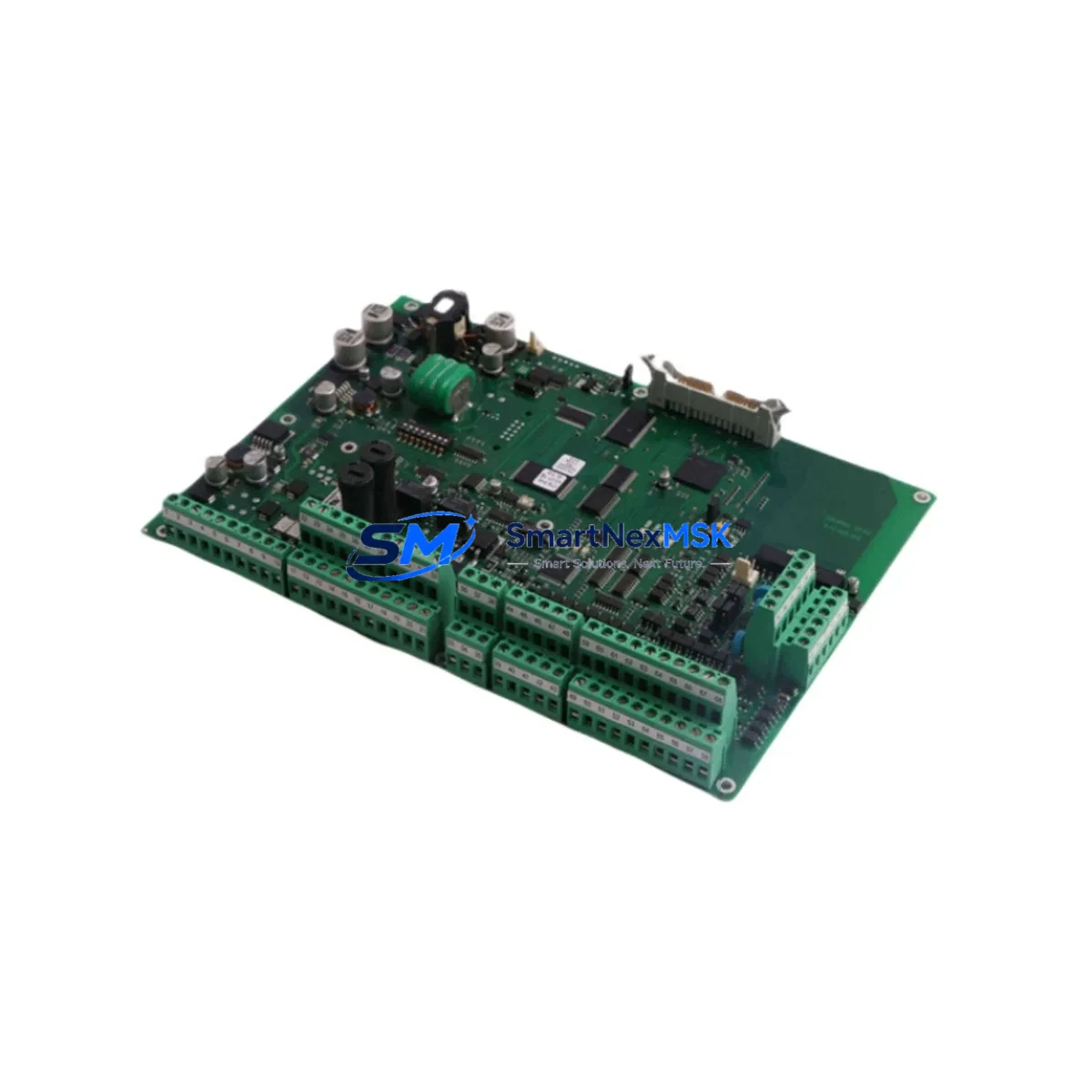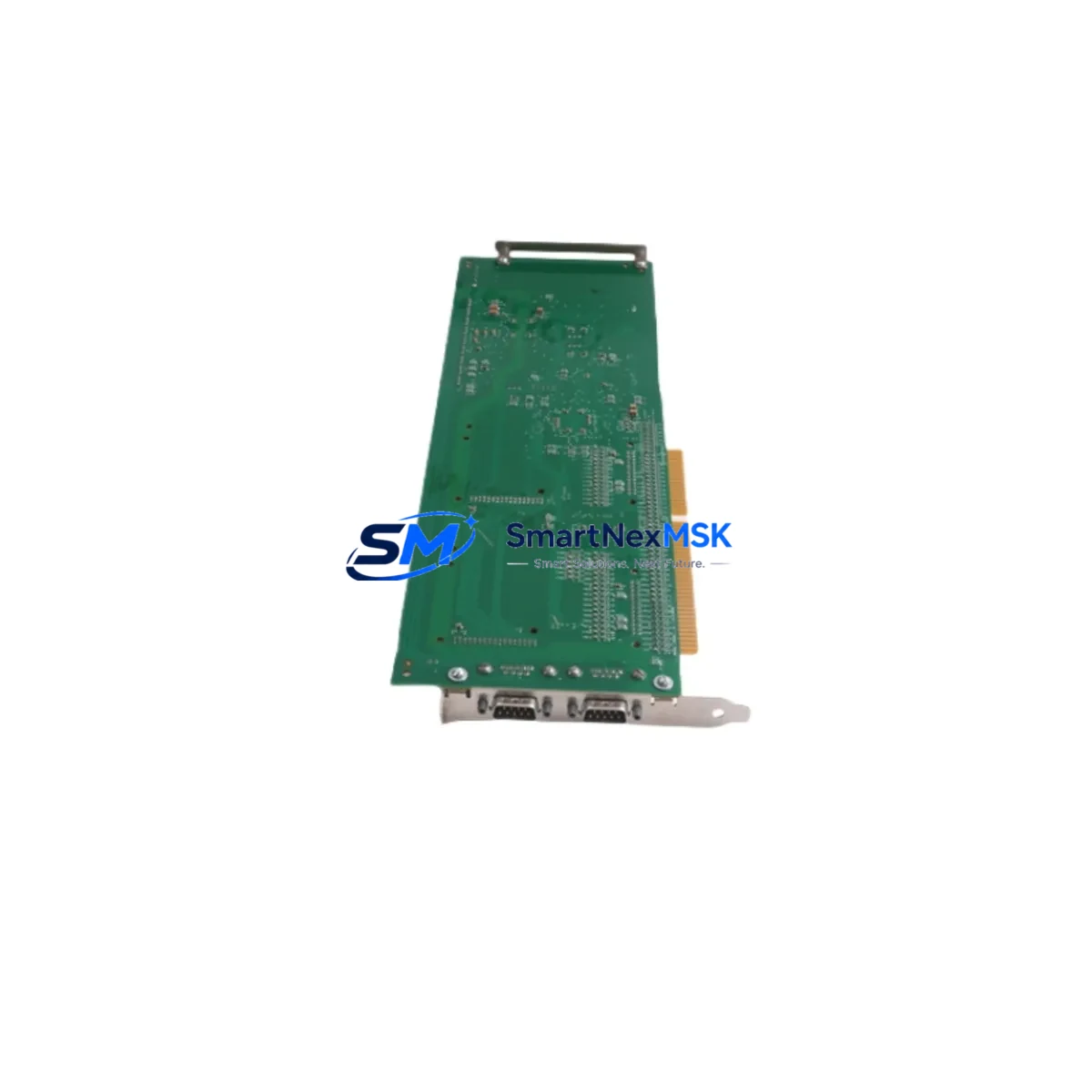
RADISYS SBCP5150 Retrofit-Ready CPU Board for SBCP Series Control Systems
The RADISYS SBCP5150 is a CompactPCI CPU Board engineered for seamless integration into legacy SBCP Series control architectures. As industrial facilities face increasing pressure to modernize aging automation infrastructure without full system overhauls, the SBCP5150 delivers a proven, cost-effective retrofit path. Whether you are replacing a failed board in a production-critical chassis, upgrading processing capacity in an existing CompactPCI rack, or migrating from an end-of-life RADISYS platform, the SBCP5150 is designed to minimize engineering risk and reduce unplanned downtime.
The SBCP5150 is fully compatible with standard 6U CompactPCI backplanes and slots directly into existing SBCP Series chassis without mechanical modification. Its processor architecture supports the real-time operating environments commonly deployed in telecom infrastructure, industrial control, and defense-grade automation systems. Engineers migrating from earlier RADISYS SBCP-generation boards will find that the SBCP5150 preserves backplane pinout compatibility, simplifying the transition from legacy CPU modules while maintaining continuity of the control logic and I/O mapping already in service.
Before beginning a retrofit, system integrators should verify several critical parameters. Power supply capacity within the CompactPCI chassis must be confirmed against the SBCP5150’s rated draw, particularly in high-density configurations where multiple I/O modules, communication cards, and peripheral boards share the same backplane power rail. Terminal wiring connected to front-panel I/O should be documented and cross-referenced against the new board’s connector pinout to avoid signal inversion or ground loop issues during commissioning. Backplane slot addressing must be reconfigured if the SBCP5150 is installed in a different physical slot than its predecessor, as geographic addressing schemes used in CompactPCI systems assign module identity based on slot position.
Program compatibility is a key concern in any CPU board replacement. Application software compiled for earlier RADISYS SBCP-generation processors may require recompilation or binary patching if the SBCP5150 introduces a different processor stepping or memory map. Customers are advised to retain a full backup of the existing application image, BIOS configuration, and boot parameters before removing the legacy board. HMI screen layouts and tag bindings linked to the original CPU’s data addresses should be audited to confirm that variable offsets remain consistent after the board swap. Communication links — including Ethernet-based IPMI management interfaces, serial console connections, and any PCI-to-PCI bridge paths used by co-resident communication modules — must be re-established and tested under live load conditions before returning the system to production.
In multi-board chassis configurations, the SBCP5150 operates alongside companion modules that are commonly found in SBCP Series deployments. These include RADISYS SBCP-series I/O expansion boards, CompactPCI hot-swap controllers, and rear-transition modules (RTMs) that extend front-panel connectivity to the chassis backplane. Systems using RADISYS ENP (Embedded Network Processor) blades or ATCA-compatible carrier boards in adjacent slots should be evaluated for inter-board communication compatibility, particularly where PCI bus mastering or shared memory regions are in use. Customers running legacy OSes on RADISYS SBC platforms — including VxWorks, LynxOS, or embedded Linux distributions — should confirm BSP (Board Support Package) availability for the SBCP5150 before committing to the replacement.
Field commissioning of the SBCP5150 follows a structured sequence. After physical installation and power-on, the board’s POST (Power-On Self-Test) output should be captured via the serial console to confirm memory detection, PCI enumeration, and boot device recognition. Network interface initialization should be verified against the existing IP addressing scheme used by the control system. If the chassis employs a system management controller — such as a RADISYS CompactPCI shelf manager or an IPMI-compliant chassis management module — the SBCP5150’s FRU (Field Replaceable Unit) data should be confirmed as correctly read by the shelf manager before the board is declared operational. Final acceptance testing should include a 24-hour burn-in under representative load conditions to validate thermal performance and memory stability.
Upgrade Compatibility Table
| Parameter | Detail |
|---|---|
| Form Factor | 6U CompactPCI (PICMG 2.0 compliant) |
| Series Compatibility | RADISYS SBCP Series CompactPCI chassis |
| Backplane Interface | 32/64-bit PCI bus, standard CompactPCI J1/J2 connectors |
| Installation Requirement | Standard CompactPCI slot; no chassis modification required |
| Communication Compatibility | Ethernet (10/100), serial console, IPMI management interface |
| OS Support | VxWorks, embedded Linux, LynxOS (BSP confirmation required) |
| Replacement Recommendation | Direct drop-in for SBCP-generation CPU boards; slot address reconfiguration may apply |
| Commissioning Focus | POST verification, PCI enumeration, network init, shelf manager FRU read |
| Warranty | 12-Month Warranty included |
| Origin | China (CN) |
Retrofit Planning for Existing Automation Systems
A successful SBCP5150 retrofit begins with a thorough audit of the existing CompactPCI chassis configuration. Document every occupied slot, including I/O modules, communication cards, power entry modules, and any rear-transition modules (RTMs) installed behind the chassis midplane. In RADISYS SBCP Series deployments, it is common to find a mix of CPU boards, Ethernet switch blades, and serial communication modules sharing a single 9-slot or 14-slot CompactPCI backplane. The SBCP5150 must be evaluated against each co-resident module to confirm that PCI bus bandwidth allocation, interrupt routing, and power budget remain within specification after the board swap.
Power supply sizing is particularly important in dense chassis configurations. CompactPCI power supplies are rated for total chassis load, and adding a higher-performance CPU board like the SBCP5150 may increase peak current draw on the 5V or 3.3V rails. Measure existing rail voltages under load before the swap and recheck them after installation to confirm that the power supply remains within its regulation window. If the chassis uses a redundant power supply pair, verify that each supply individually can sustain the post-retrofit load in the event of a single-supply failure.
For systems that include RADISYS CompactPCI communication modules — such as T1/E1 telephony interface boards, HDLC protocol controllers, or Gigabit Ethernet switch blades — the SBCP5150’s PCI bus mastering behavior should be validated against the communication module’s DMA transfer requirements. Systems using a RADISYS ATCA shelf manager or an external IPMI controller to monitor chassis health should confirm that the SBCP5150’s IPMI sensor data records (SDRs) are correctly imported into the management database. Programming cables and JTAG debug interfaces used during initial board bring-up should be retained for post-installation diagnostics if unexpected boot failures occur.
Downtime Control During System Migration
Minimizing production downtime during a CompactPCI CPU board replacement requires careful pre-staging and a disciplined changeover sequence. Before scheduling the maintenance window, prepare a complete system snapshot: export the current application image, BIOS settings, network configuration, and any chassis management parameters to a secure backup location. If the system supports hot-swap operation at the chassis level, confirm whether the SBCP5150 can be inserted under power — most CompactPCI hot-swap implementations require the board to be pre-configured before hot insertion to avoid bus contention.
During the changeover, keep the original CPU board available as a fallback. Do not dispose of or return the legacy board until the SBCP5150 has completed a full acceptance test cycle under production load. If the control system drives time-sensitive processes — such as motion control sequences, safety interlock logic, or real-time data acquisition — coordinate the board swap with the process control team to ensure that field devices are placed in a safe hold state before power is removed from the chassis slot. After the SBCP5150 is installed and the system has booted successfully, restore the application image from backup, verify all I/O channel assignments, and confirm that HMI displays are reading live process values before releasing the system back to automatic control. A structured post-commissioning checklist, signed off by the responsible engineer, provides the audit trail required by most industrial quality management systems.
Retrofit Support FAQ
Q: Is the SBCP5150 a direct drop-in replacement for earlier RADISYS SBCP-series CPU boards?
A: The SBCP5150 is mechanically compatible with standard 6U CompactPCI chassis used in the SBCP Series. Electrical and software compatibility depends on the specific predecessor model. Customers should confirm processor architecture, memory map, and BSP availability before committing to the replacement. Our technical team can assist with compatibility verification prior to shipment.
Q: What wiring or connector changes are required during installation?
A: In most SBCP Series chassis, the SBCP5150 connects exclusively through the CompactPCI backplane J1/J2 connectors — no field wiring changes are required at the board level. Front-panel I/O connections (serial, Ethernet, USB) should be re-terminated to the SBCP5150’s front panel using the same cable assemblies as the predecessor board, provided connector types are identical. Verify pinout documentation before reconnecting any signal cables.
Q: How is the SBCP5150 tested before shipment?
A: Every SBCP5150 unit undergoes functional verification prior to dispatch, including POST completion, memory test, PCI bus enumeration, and network interface initialization. Units are shipped with a test report confirming pass status. All units are covered by a 12-month warranty from the date of shipment, covering manufacturing defects and functional failures under normal operating conditions.
Q: Can the original application program be reused after the board swap?
A: Application software portability depends on the OS and BSP in use. If the SBCP5150 uses the same processor family and memory layout as the predecessor board, binary compatibility is likely. If processor stepping or memory map differences exist, recompilation from source may be required. Customers are strongly advised to retain source code, build toolchains, and configuration files for all software running on the legacy system before initiating the retrofit.
© 2026 SMARTNEXMSK. All rights reserved.
Original Source: https://smartnexmsk.com
Contact: [email protected] | +86 18259474341