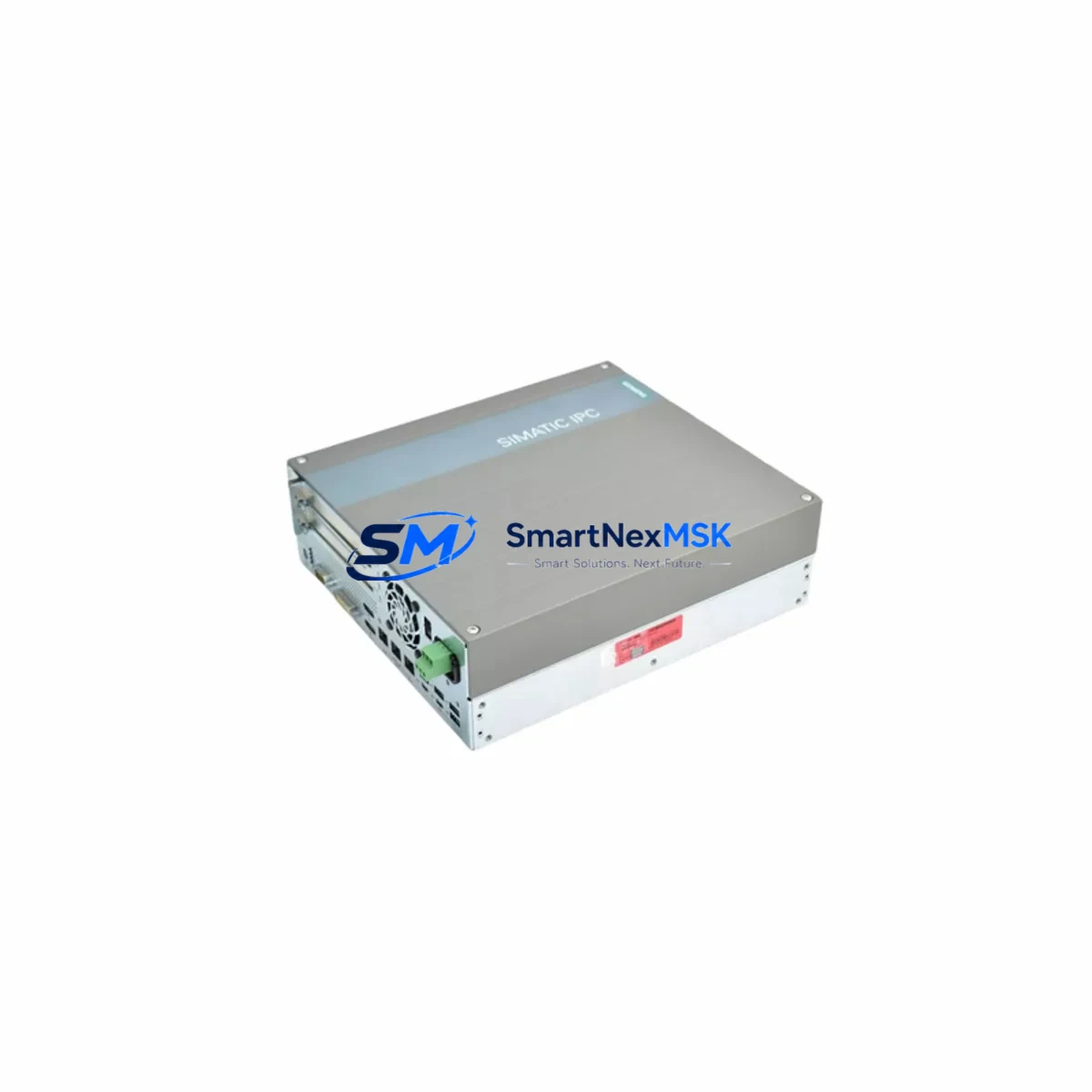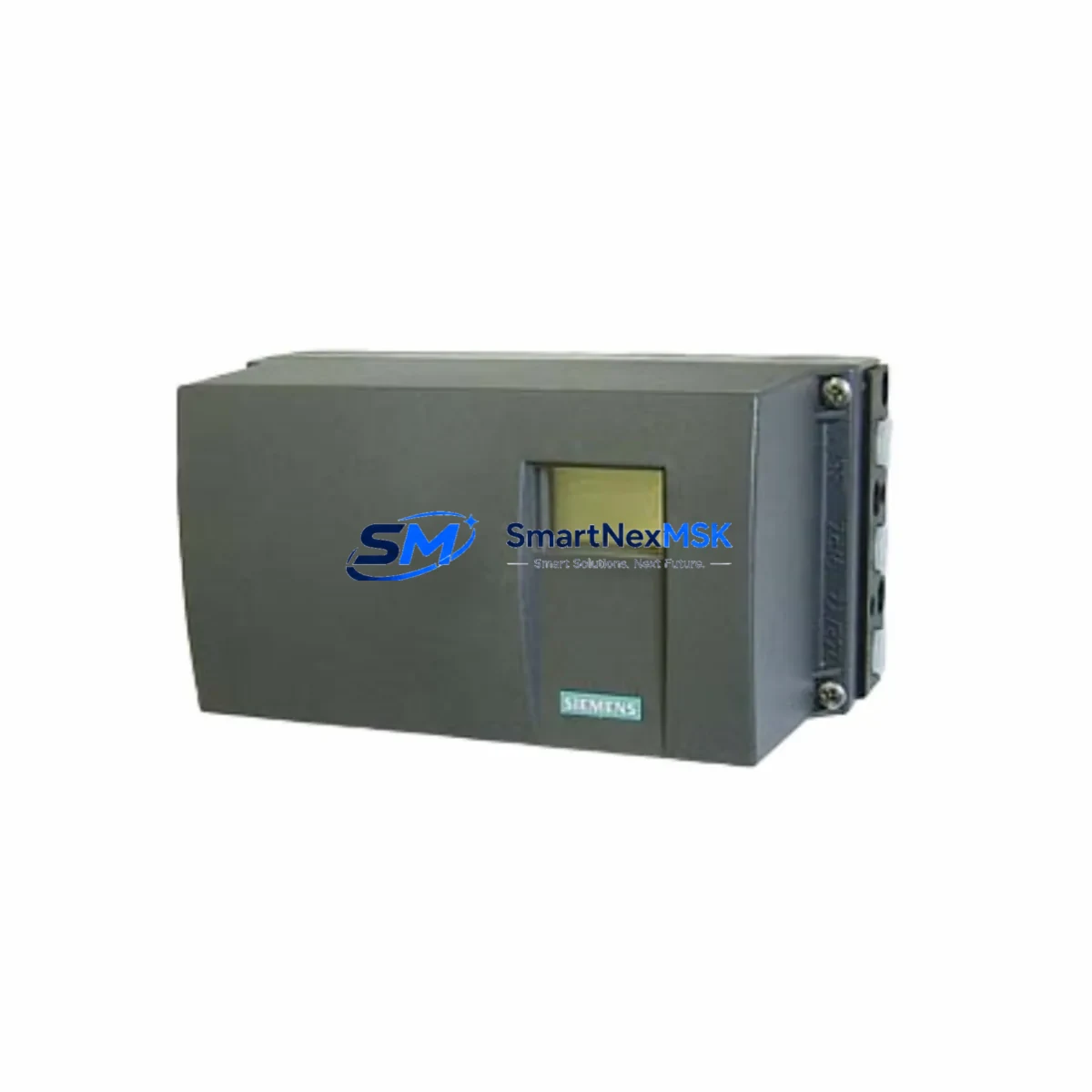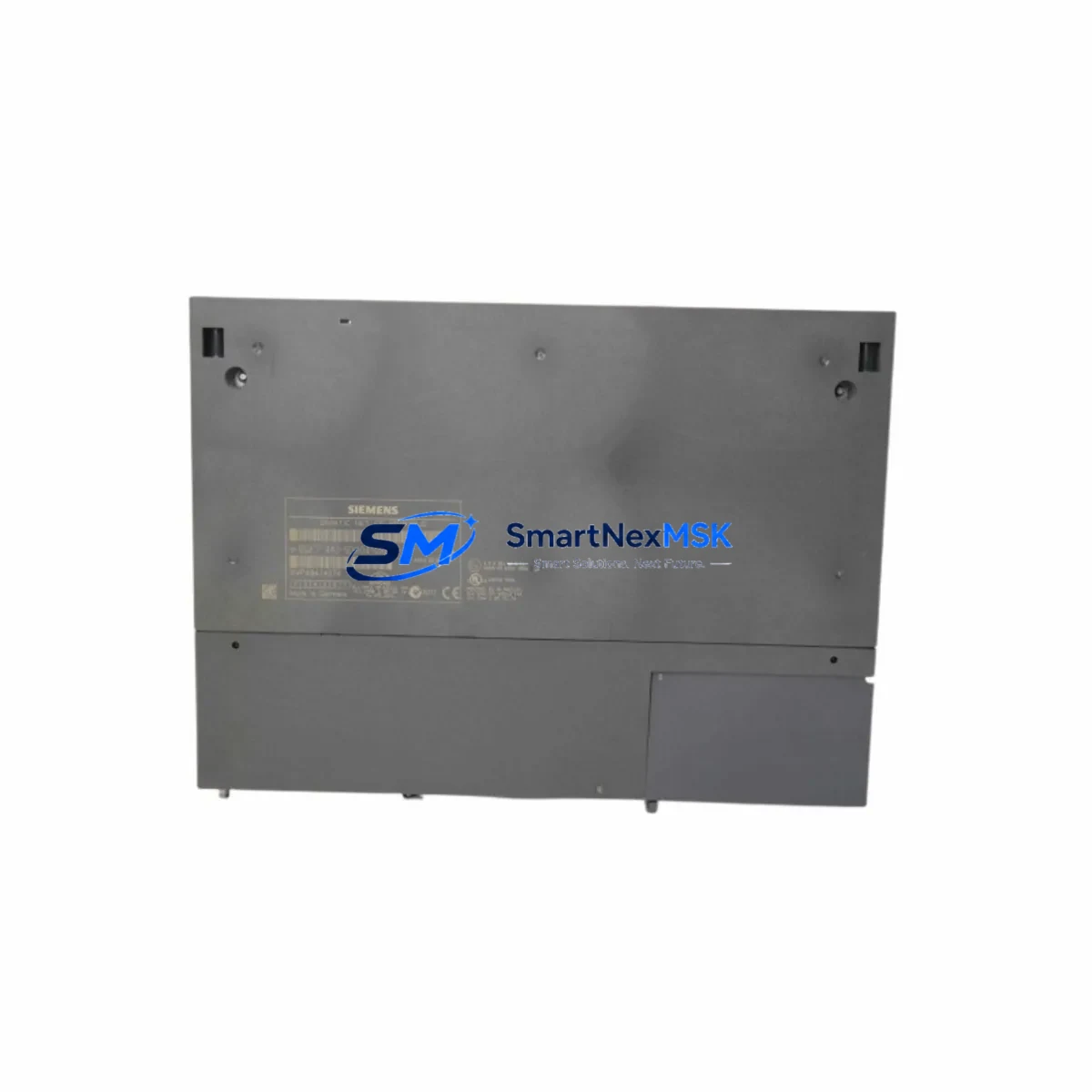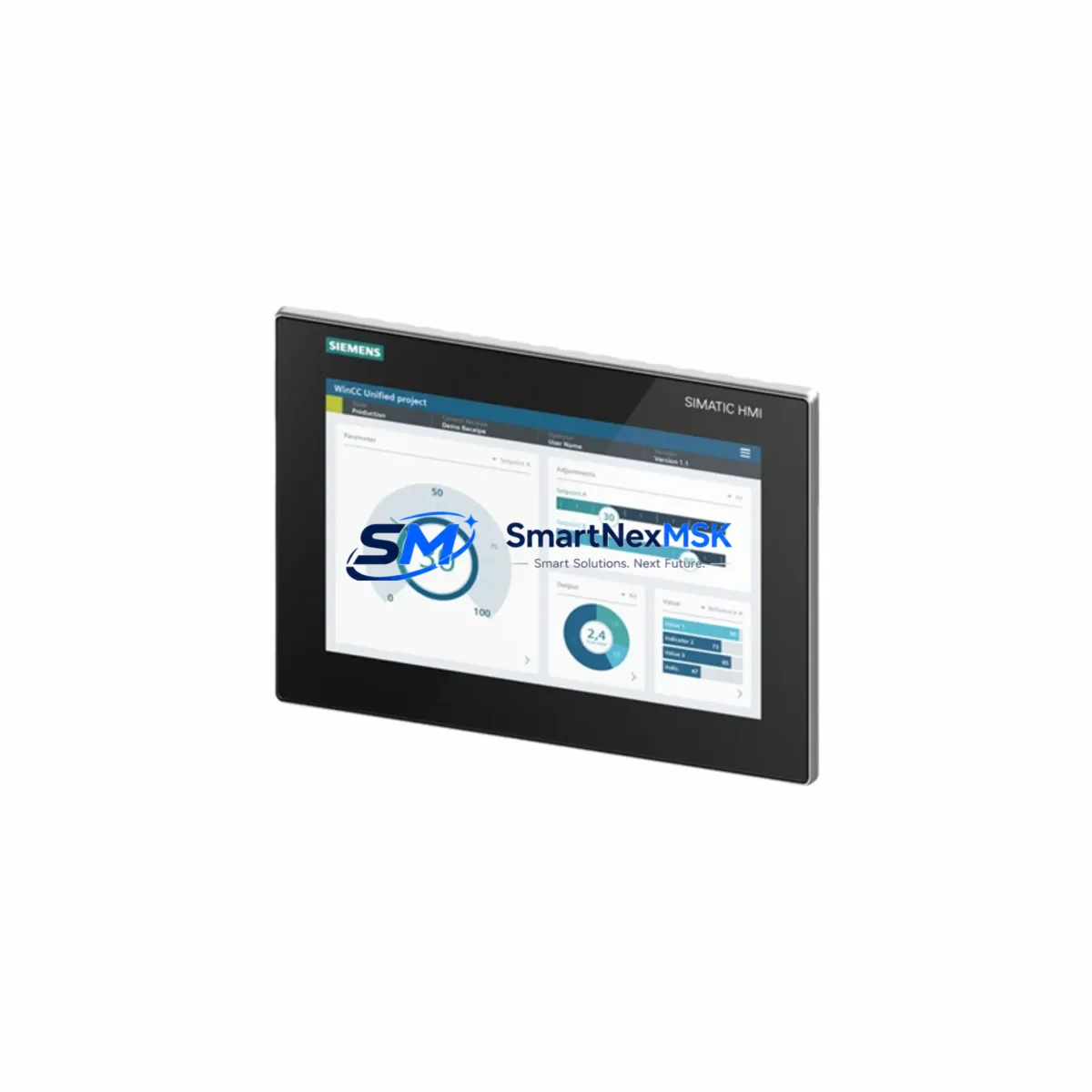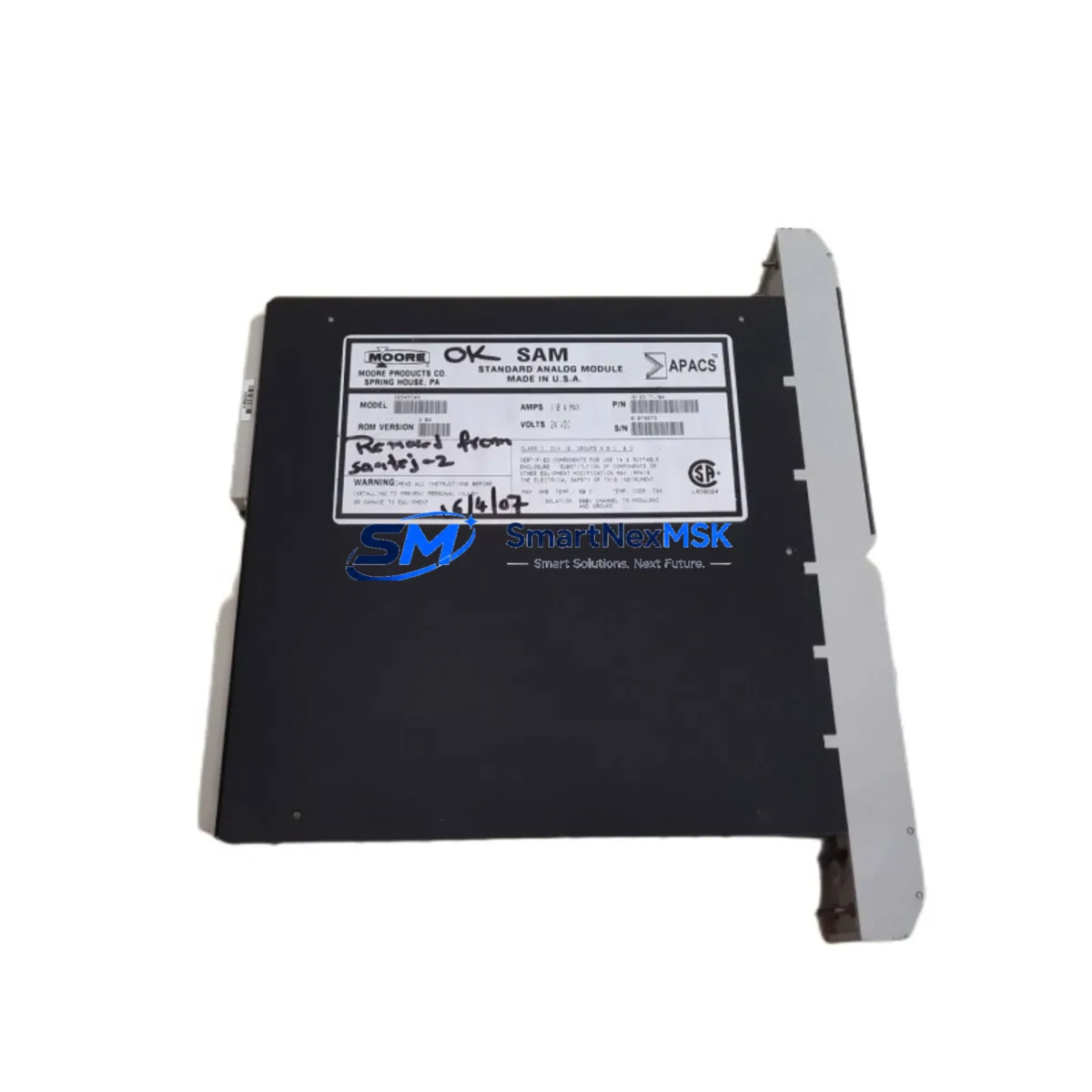
Siemens 39SAMCAN 16133-71/04 Retrofit-Ready SAM Analog Module for SINUMERIK Control Systems
The Siemens 39SAMCAN 16133-71/04 is a Servo Analog Module (SAM) designed for integration into SINUMERIK 840D and SINUMERIK 810D CNC control platforms. As legacy CNC systems age and OEM support windows close, this module has become a critical retrofit component for machine tool operators seeking to extend the operational life of their existing control cabinets without committing to a full platform migration. Whether you are replacing a failed unit on a turning center, upgrading a milling line, or restoring a multi-axis machining cell, the 39SAMCAN 16133-71/04 provides a verified drop-in solution that preserves your existing program logic, axis configurations, and HMI screen layouts.
This module interfaces directly with the SINUMERIK 840D NCU (Numerical Control Unit) via the drive bus backplane, delivering analog setpoint signals to connected servo drives such as the SIMODRIVE 611D or SINAMICS S120 drive systems. During retrofit planning, engineers must confirm the backplane slot assignment, verify the module address configuration in the NCU parameter set (machine data MD30110 and MD30130), and ensure that the analog output voltage range (typically ±10 V) matches the drive’s speed setpoint input specification. Incorrect address mapping is one of the most common causes of axis fault alarms during commissioning after module replacement.
Power supply compatibility is another key verification step. The 39SAMCAN 16133-71/04 draws its operating voltage from the SINUMERIK 840D power supply module (PSM) via the backplane bus. Before installation, confirm that the existing PSM — such as the 6FC5447-0AA00-0AA0 or equivalent — has sufficient residual capacity to support the additional module load. In high-density control cabinets where multiple I/O modules, communication modules, and axis boards share a single rack, power budget analysis is essential to avoid intermittent supply faults after the retrofit.
Terminal wiring on the 39SAMCAN follows the standard SINUMERIK SAM connector pinout. Technicians should reference the original machine wiring diagram and cross-check against the module’s front connector layout before disconnecting any existing cabling. In systems where the original module has been in service for more than a decade, terminal corrosion or insulation degradation on the analog signal cables may be present and should be addressed during the same maintenance window to prevent signal noise on the velocity command channel.
Upgrade Compatibility Table
| Parameter | Details |
|---|---|
| Compatible Control Platform | SINUMERIK 840D, SINUMERIK 810D |
| Replaces / Upgrades | Discontinued SAM analog modules in 840D/810D racks |
| Backplane Interface | SINUMERIK drive bus backplane (standard slot) |
| Analog Output | ±10 V velocity setpoint signal |
| Communication Compatibility | PROFIBUS-DP (via NCU), internal drive bus |
| Installation Requirement | Slot assignment must match NCU machine data MD30110/MD30130 |
| Power Source | Backplane bus from SINUMERIK PSM |
| Commissioning Note | Axis parameter re-verification required after swap |
| Warranty | 12 Months — covers functional defects under normal operating conditions |
Retrofit Planning for Existing Automation Systems
A successful retrofit using the 39SAMCAN 16133-71/04 typically occurs within a broader system modernization effort. In many facilities, the SINUMERIK 840D control cabinet also houses a range of companion modules that must be evaluated for compatibility during the same upgrade cycle. The NCU 572.4 or NCU 573.4 controller board governs overall CNC logic and must be running a firmware version that supports the SAM module’s analog interface protocol. If the NCU firmware is outdated, a coordinated firmware update should be scheduled alongside the module swap to avoid compatibility conflicts.
On the drive side, the SIMODRIVE 611D digital/analog drive modules connected to the SAM’s analog output must have their speed controller gain parameters (KP and TN values) re-verified after the module replacement, as slight differences in output impedance between old and new SAM units can affect the closed-loop velocity response. In systems using SINAMICS S120 booksize drives with analog setpoint input, the same verification applies to the drive’s speed reference scaling parameters.
For facilities running PROFIBUS-DP communication between the NCU and peripheral I/O — such as ET 200S distributed I/O stations or IM 153-2 interface modules — the bus topology should be inspected to confirm that the retrofit does not introduce address conflicts or termination issues. The SINUMERIK 840D’s integrated PROFIBUS master handles I/O mapping automatically, but any changes to the rack configuration require a re-download of the hardware configuration from SIMATIC STEP 7 or TIA Portal, depending on the system generation.
HMI continuity is a priority for most retrofit projects. The SINUMERIK 840D’s OP 010 or OP 012 operator panel, connected via the MPI or Ethernet interface, retains all screen configurations and cycle programs stored in the NCU’s SRAM. Provided the NCU is not replaced during the retrofit, no HMI reprogramming is required. However, if the retrofit involves replacing the NCU board alongside the SAM module, a full backup of the NCU data — including machine data, tool offsets, zero points, and part programs — must be performed using the SINUMERIK 840D’s data backup utility before any hardware is removed.
Programming cable access is also a practical consideration. Technicians performing on-site commissioning will need a PC with SIMATIC STEP 7 or SINUMERIK Operate installed, connected to the NCU via the X127 Ethernet service interface or the MPI adapter cable. Having the correct programming cable and software version on-site before the maintenance window begins is essential to keeping downtime within the planned window.
Downtime Control During System Migration
Minimizing production downtime during a SAM module replacement requires a structured pre-shutdown checklist. Before powering down the control cabinet, perform a complete NCU data backup, document all active axis machine data, record the current tool compensation values, and photograph the existing terminal wiring on the SAM connector. This documentation ensures that if any parameter is inadvertently altered during the swap, the original configuration can be restored without relying on memory or incomplete records.
The physical module swap on a SINUMERIK 840D rack is typically completed in under 30 minutes for a trained technician. The majority of retrofit downtime is consumed by post-installation commissioning: axis reference point runs, velocity loop verification, spindle orientation checks, and a dry-run cycle of the active part program. Planning for a 2–4 hour commissioning window after the physical swap is standard practice for single-axis SAM replacements; multi-axis systems or those with complex PROFIBUS I/O configurations may require additional time.
To protect original program logic during the migration, the NCU’s part program memory and machine data should be treated as read-only during the hardware swap phase. No parameter changes should be made until the new module is physically installed and the system has completed its initial power-on self-test sequence. If the system generates axis-related alarms on first power-up after the swap — such as Alarm 25000 or Alarm 26000 series — these are typically caused by axis enable signal sequencing and can be cleared by cycling the drive enable without modifying any machine data.
Retrofit Support FAQ
Q: Is the 39SAMCAN 16133-71/04 a direct replacement for the original SAM module in my SINUMERIK 840D rack?
A: Yes. The 39SAMCAN 16133-71/04 is designed as a form-fit-function replacement for the original SAM analog module used in SINUMERIK 840D and 810D control systems. No mechanical modifications to the rack or backplane are required. Machine data parameters related to axis analog output (MD30110, MD30130) should be verified after installation to confirm correct slot addressing.
Q: What wiring changes are needed when installing this module?
A: In most cases, no wiring changes are required. The 39SAMCAN uses the same front connector pinout as the original SAM module. Technicians should inspect existing analog signal cables for wear or corrosion before reconnecting, and verify that cable shielding is properly grounded at the cabinet earth bar to prevent velocity command noise.
Q: How is compatibility with my existing SIMODRIVE 611D or SINAMICS S120 drives verified?
A: Compatibility is confirmed by verifying that the drive’s analog speed setpoint input accepts a ±10 V reference signal, which is the standard output of the 39SAMCAN. After installation, perform a velocity loop test at low speed (typically 10% of maximum) and compare the actual speed feedback against the commanded value. Adjust drive KP/TN parameters only if the velocity response deviates from the pre-retrofit baseline.
Q: What does the 12-month warranty cover?
A: The 12-month warranty covers functional defects in the module under normal industrial operating conditions, including failures attributable to manufacturing defects or component failure. It does not cover damage resulting from incorrect installation, overvoltage events, or physical impact. All units are functionally tested prior to shipment. Warranty claims are processed via our sales team at [email protected].
© 2026 SMARTNEXMSK. All rights reserved.
Original Source: https://smartnexmsk.com
Contact: [email protected] | +86 18259474341