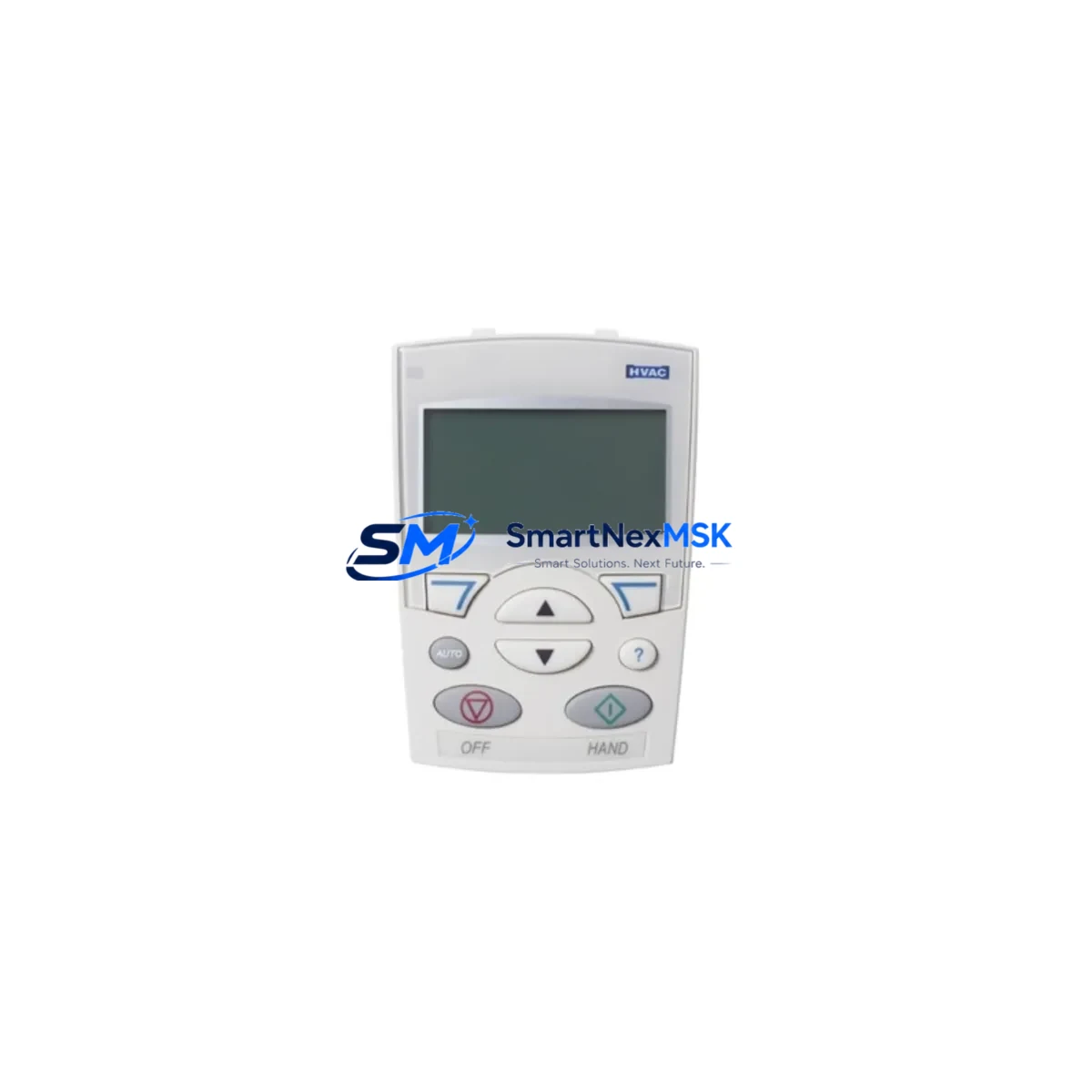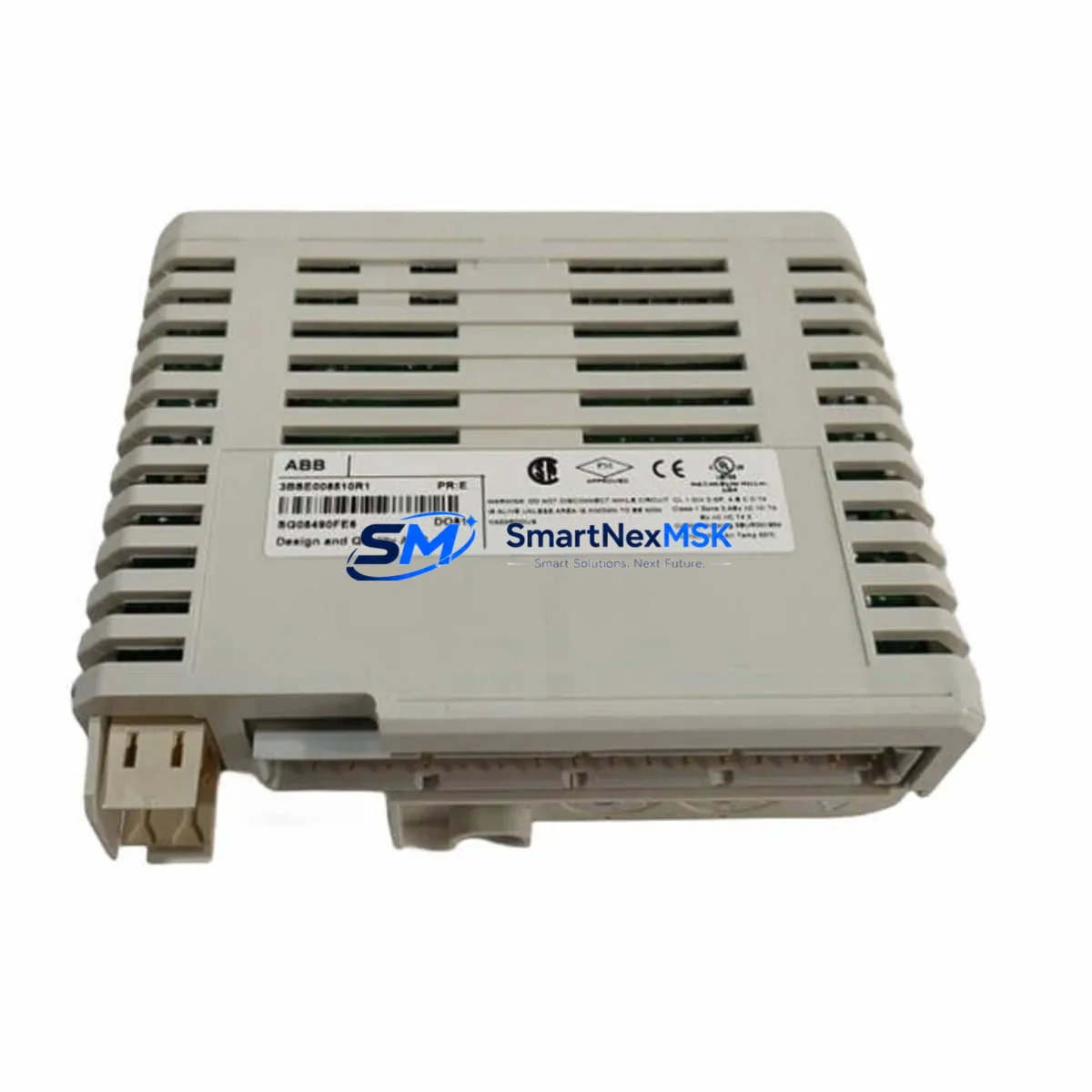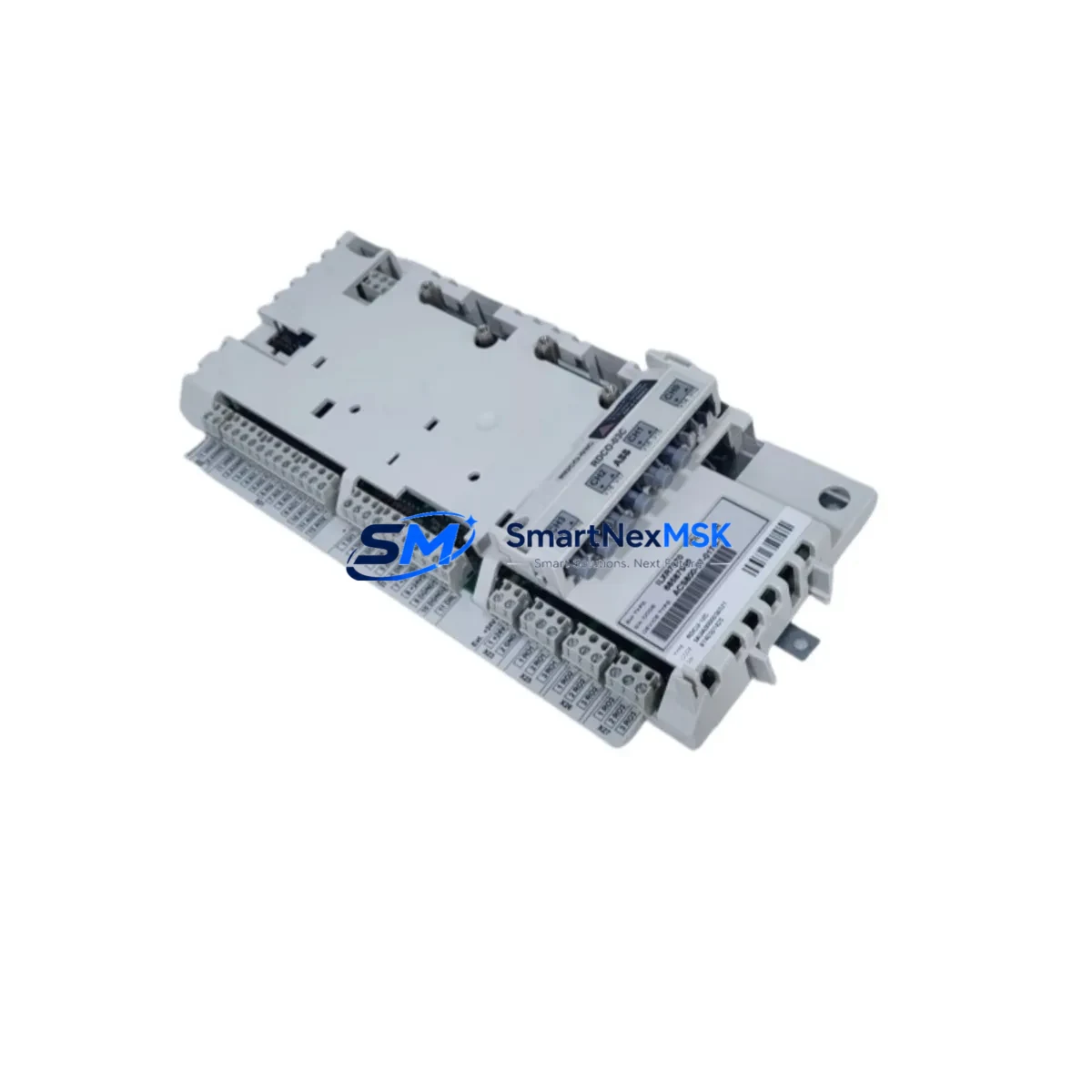
ABB 3AUA0000043722 RDCU-12C Retrofit Drive Control ACS800
The ABB 3AUA0000043722 RDCU-12C is a retrofit-ready drive control unit engineered for seamless integration into ABB ACS800 series variable frequency drive systems. As legacy ACS800 installations age and original control boards reach end-of-life, the RDCU-12C provides a verified drop-in replacement path that preserves existing wiring, program logic, and communication architecture — dramatically reducing the engineering effort and downtime risk associated with full drive replacement. Whether you are managing a planned upgrade cycle or responding to an unplanned control board failure, the RDCU-12C delivers the compatibility and reliability that maintenance and procurement engineers demand.
The RDCU-12C serves as the central intelligence of the ACS800 drive, coordinating motor control algorithms, I/O signal processing, fieldbus communication, and fault diagnostics. When retrofitting this unit, engineers must verify that the existing RMIO-11C or RMIO-12C I/O extension modules remain correctly addressed and that all analog and digital I/O terminal wiring is intact before powering up the replacement board. The 24 VDC auxiliary power supply feeding the control section should be measured and confirmed within specification, as undervoltage conditions during commissioning can cause initialization faults that mask the true system state.
Fieldbus communication is a critical checkpoint during any RDCU-12C retrofit. ACS800 installations commonly use RPBA-01 PROFIBUS adapter modules, RCAN-01 CANopen adapters, or RDNA-01 DeviceNet modules mounted on the drive’s option slots. After installing the replacement RDCU-12C, engineers should verify that the fieldbus node address, baud rate, and communication timeout parameters are correctly restored from the drive backup or re-entered manually. Failure to restore these settings will result in communication loss with the PLC or DCS master, triggering process shutdowns that extend downtime beyond the board swap itself.
Panel-level integration also requires attention. Many ACS800 installations include an ACS-CP-C or CDP312R control panel connected to the drive’s panel bus port. After the RDCU-12C replacement, the panel should be reconnected and the parameter set verified against the site’s documented drive configuration. If the site uses a remote I/O terminal unit or a RETA-01 Ethernet adapter for supervisory control, the IP address and subnet settings stored in the adapter must be confirmed before returning the drive to service. Overlooking these network parameters is a common source of post-retrofit communication failures.
For sites running coordinated multi-drive systems — such as those using the ACS800 in master-follower configurations with DDCS fiber optic links — the RDCU-12C retrofit must include verification of the DDCS channel assignments and the master/follower role parameters. The NDBU-95 or NDBU-85 branching units used in these topologies should be inspected for fiber connector integrity and signal quality before the upgraded drive is brought online. A single degraded fiber link in a multi-drive chain can cause synchronization faults across the entire system.
Upgrade Compatibility Table
| Parameter | Specification |
|---|---|
| Part Number | 3AUA0000043722 |
| Module Designation | RDCU-12C |
| Compatible Series | ABB ACS800 Variable Frequency Drives |
| Function | Drive Control Unit (DCU) — Motor Control & Fieldbus Interface |
| Control Voltage | 24 VDC (auxiliary supply) |
| Communication Interfaces | Panel Bus, DDCS Fiber Optic, Option Module Slots (×2) |
| Compatible Option Modules | RPBA-01, RCAN-01, RDNA-01, RETA-01, RMIO-11C, RMIO-12C |
| Replaces / Upgrades | RDCU-02C, RDCU-12C (earlier revisions) |
| Installation Type | Direct board replacement — no mechanical modification required |
| Origin | Germany |
| Condition | Original, factory-tested |
| Warranty | 12-Month Warranty |
Retrofit Planning for Existing Automation Systems
A successful RDCU-12C retrofit begins well before the replacement board arrives on site. Maintenance engineers should pull the existing drive parameter backup using the ACS-CP-C panel or DriveWindow Light software, saving the full parameter set to a PC or USB memory unit. This backup is the single most important document for the retrofit — it contains motor data, control mode settings, I/O function assignments, and all application-specific tuning values that would otherwise require hours of re-commissioning to restore.
During the pre-retrofit inspection, engineers should also evaluate the condition of adjacent components in the control cabinet. The RMIO-12C I/O extension module, if installed, should be checked for terminal corrosion and secure seating on its connector. The RDIO-11C digital I/O extension and any RAIO-01 analog I/O modules should be inspected similarly. The 24 VDC PSMIO-01 power supply module feeding the control electronics should be load-tested, as aging power supplies are a frequent secondary cause of control board failures. Replacing a degraded power supply at the same time as the RDCU-12C eliminates a common callback scenario.
The control cabinet’s terminal blocks and wiring harnesses connecting to the RDCU-12C should be photographed and labeled before disconnection. Many ACS800 installations use color-coded wiring that does not always match the drive’s terminal numbering, and a clear photographic record prevents miswiring during reassembly. The fiber optic cables connecting to the DDCS ports are particularly sensitive — connectors should be cleaned with appropriate optical cleaning tools before reconnection to ensure reliable DDCS communication in multi-drive systems.
After physical installation of the replacement RDCU-12C, the parameter backup should be restored before the first power-up. Engineers should then perform a no-load test run, verifying that all I/O signals respond correctly, the fieldbus communication link is established, and the drive’s fault log is clear. Only after this verification should the drive be reconnected to the motor load and returned to production service.
Downtime Control During System Migration
Minimizing downtime during an RDCU-12C replacement requires a structured approach that separates preparation, execution, and verification into distinct phases. The preparation phase — parameter backup, spare parts staging, and wiring documentation — should be completed during a scheduled maintenance window or during normal production hours before the actual board swap. This front-loading of preparation work compresses the actual production-impacting downtime to the physical swap and commissioning verification, typically achievable in two to four hours for an experienced technician.
Where production schedules cannot accommodate even a brief planned outage, sites with redundant drive configurations can sequence the retrofit across drives while maintaining partial production capacity. For single-drive critical applications, coordinating the RDCU-12C replacement with a scheduled process shutdown — such as a product changeover or shift break — minimizes the operational impact. Having a pre-tested replacement RDCU-12C on the shelf, with the parameter backup already loaded and verified on a bench drive, reduces the on-site swap time to under one hour in most cases.
Post-retrofit, the original RDCU-12C board — if it failed due to a repairable fault rather than catastrophic damage — should be retained as a secondary spare after professional evaluation and repair. Maintaining at least one verified spare RDCU-12C in the site’s spare parts inventory is strongly recommended for any facility operating multiple ACS800 drives, as the lead time for new units can extend to several weeks during periods of high demand.
Retrofit Support FAQ
Q: Is the 3AUA0000043722 RDCU-12C a direct drop-in replacement for earlier RDCU revisions?
A: Yes. The RDCU-12C is backward compatible with earlier RDCU-02C and prior RDCU-12C revisions used in ACS800 drives. The mechanical form factor, connector pinout, and parameter structure are consistent across revisions, allowing direct board substitution without hardware modification. Parameter restoration from backup is required after replacement.
Q: What fieldbus option modules are compatible with the RDCU-12C?
A: The RDCU-12C supports ABB’s full range of ACS800 option modules, including the RPBA-01 (PROFIBUS-DP), RCAN-01 (CANopen), RDNA-01 (DeviceNet), and RETA-01 (Ethernet/IP and Modbus TCP) adapters. Module compatibility is determined by the option slot hardware and the drive firmware version, both of which should be verified against the site’s existing configuration before ordering.
Q: How is the RDCU-12C tested before shipment?
A: Each RDCU-12C unit undergoes functional testing prior to shipment, including power-up verification, communication interface checks, and I/O signal validation. Units are shipped with protective packaging to prevent ESD damage and physical shock during transit. A 12-month warranty covers all units against manufacturing defects and functional failures under normal operating conditions.
Q: What information should I provide when ordering to confirm compatibility?
A: Please provide the full drive type code from the ACS800 nameplate, the existing control board part number and revision, and the fieldbus option modules currently installed. This allows our technical team to confirm compatibility and advise on any firmware or parameter considerations specific to your installation before shipment.
© 2026 SMARTNEXMSK. All rights reserved.
Original Source: https://smartnexmsk.com
Contact: [email protected] | +86 18259474341