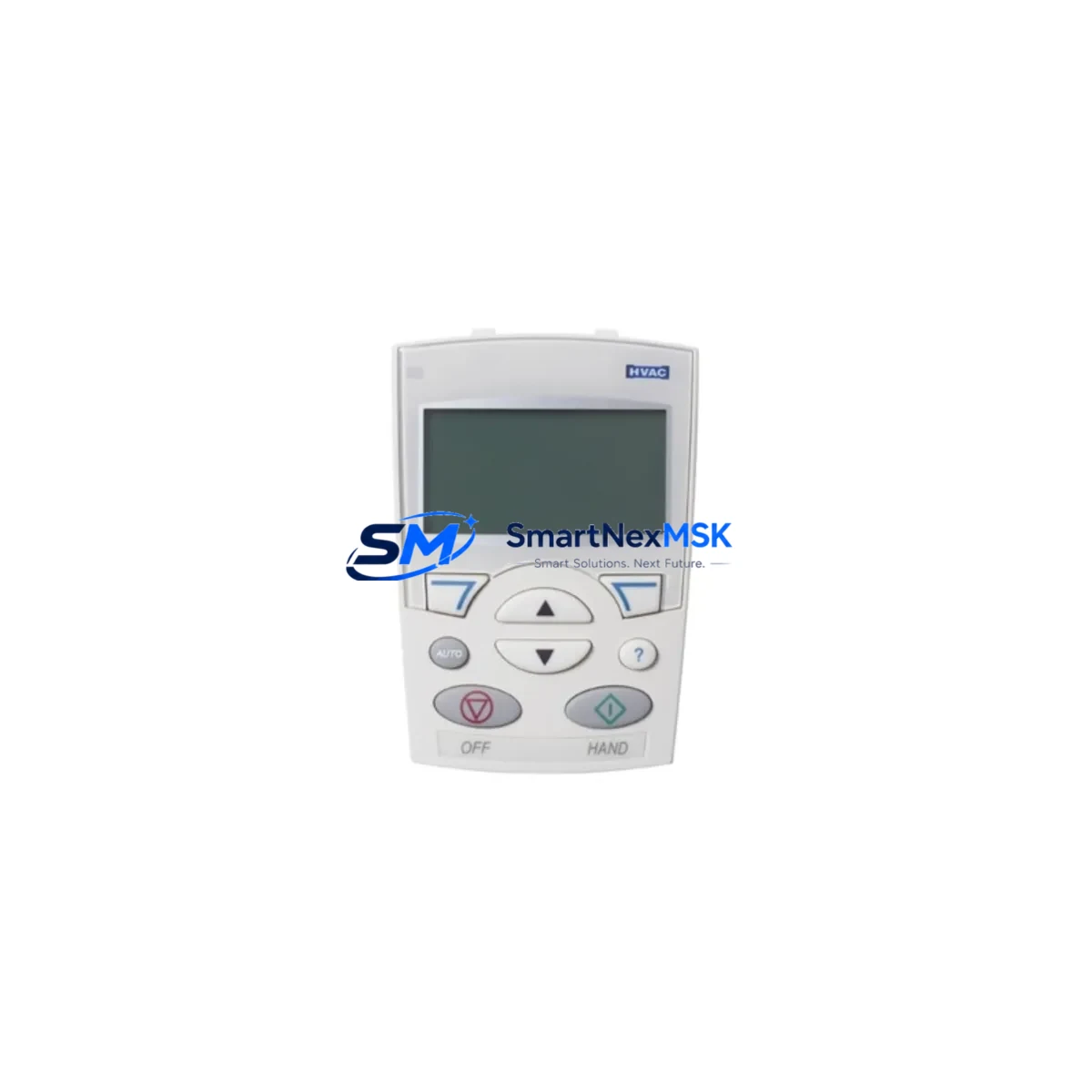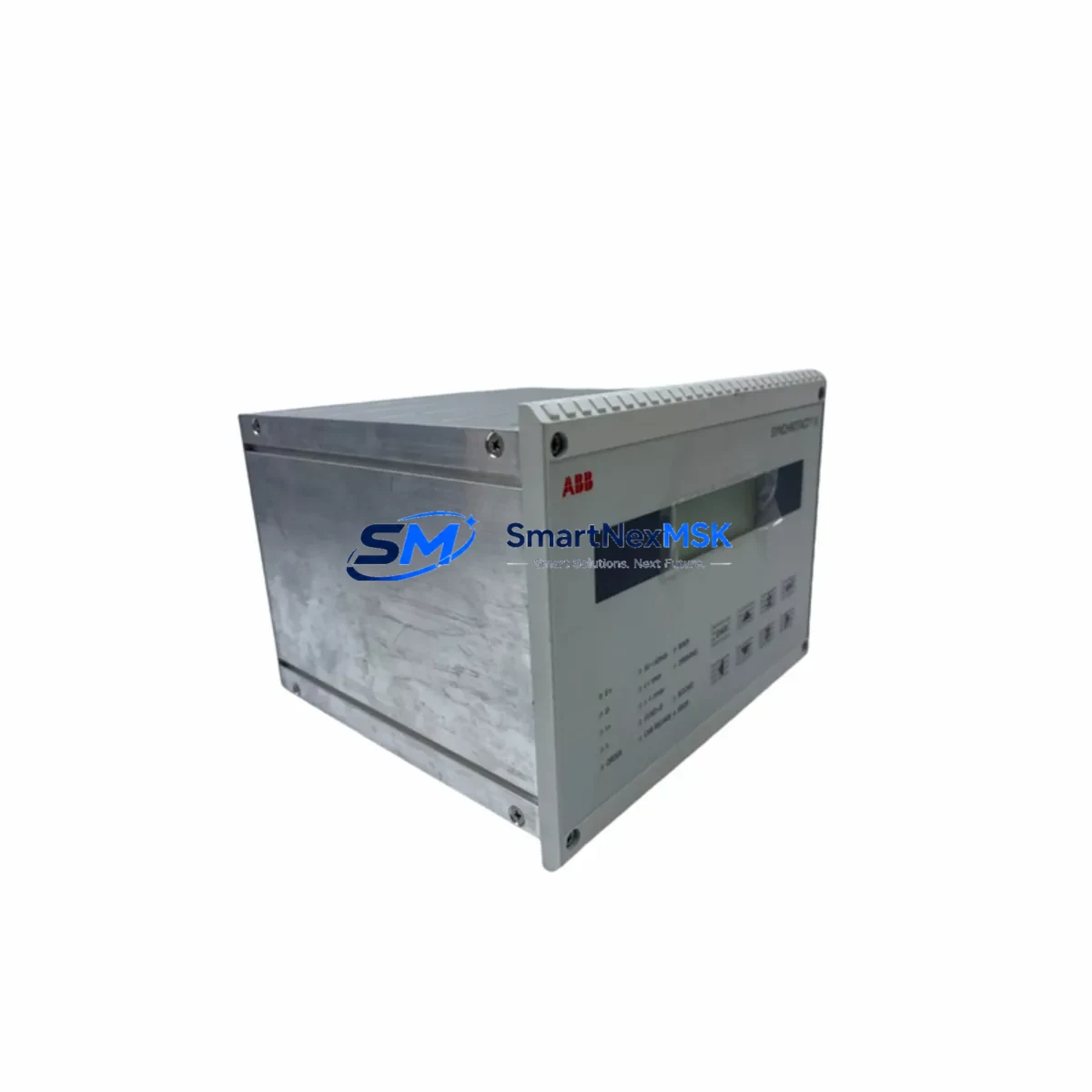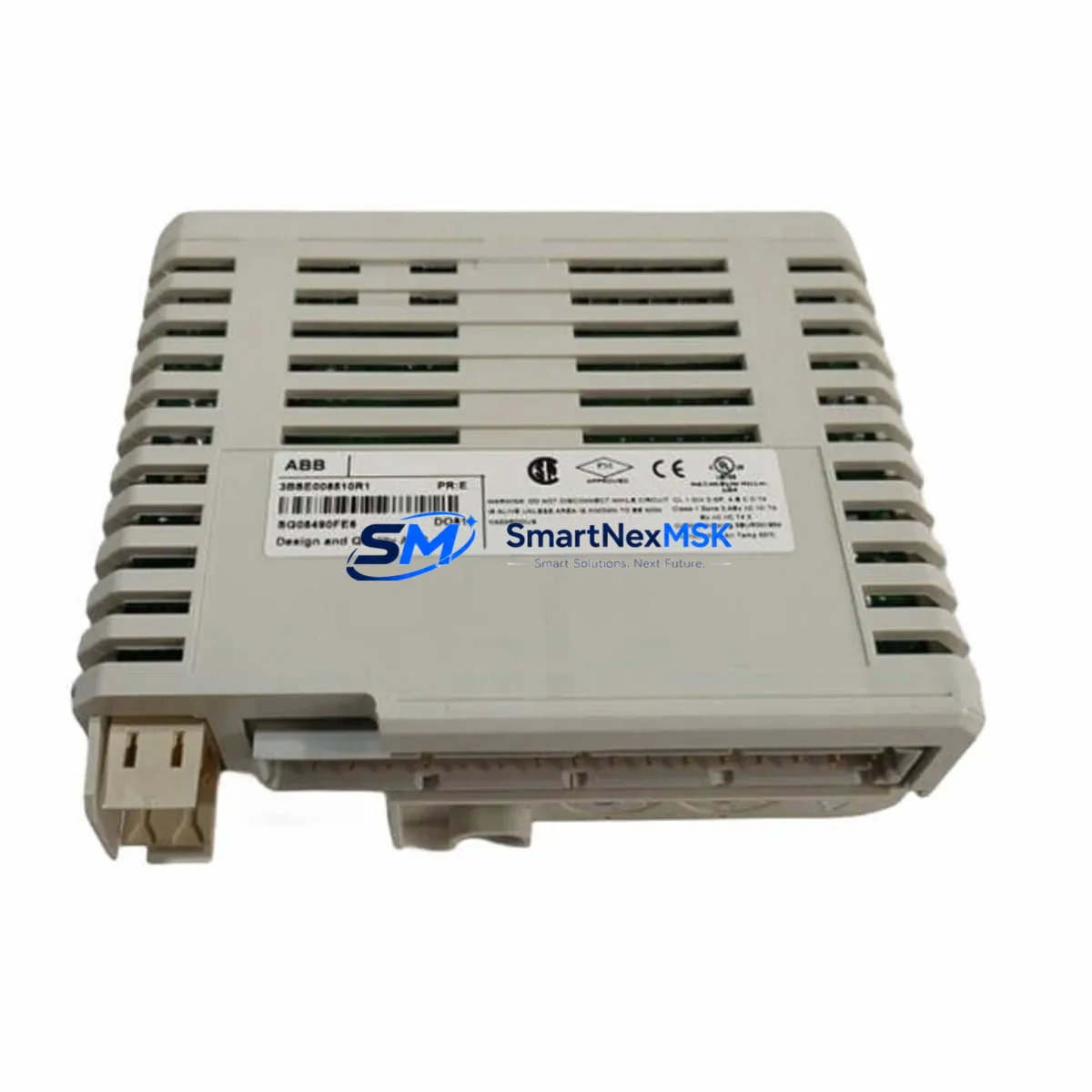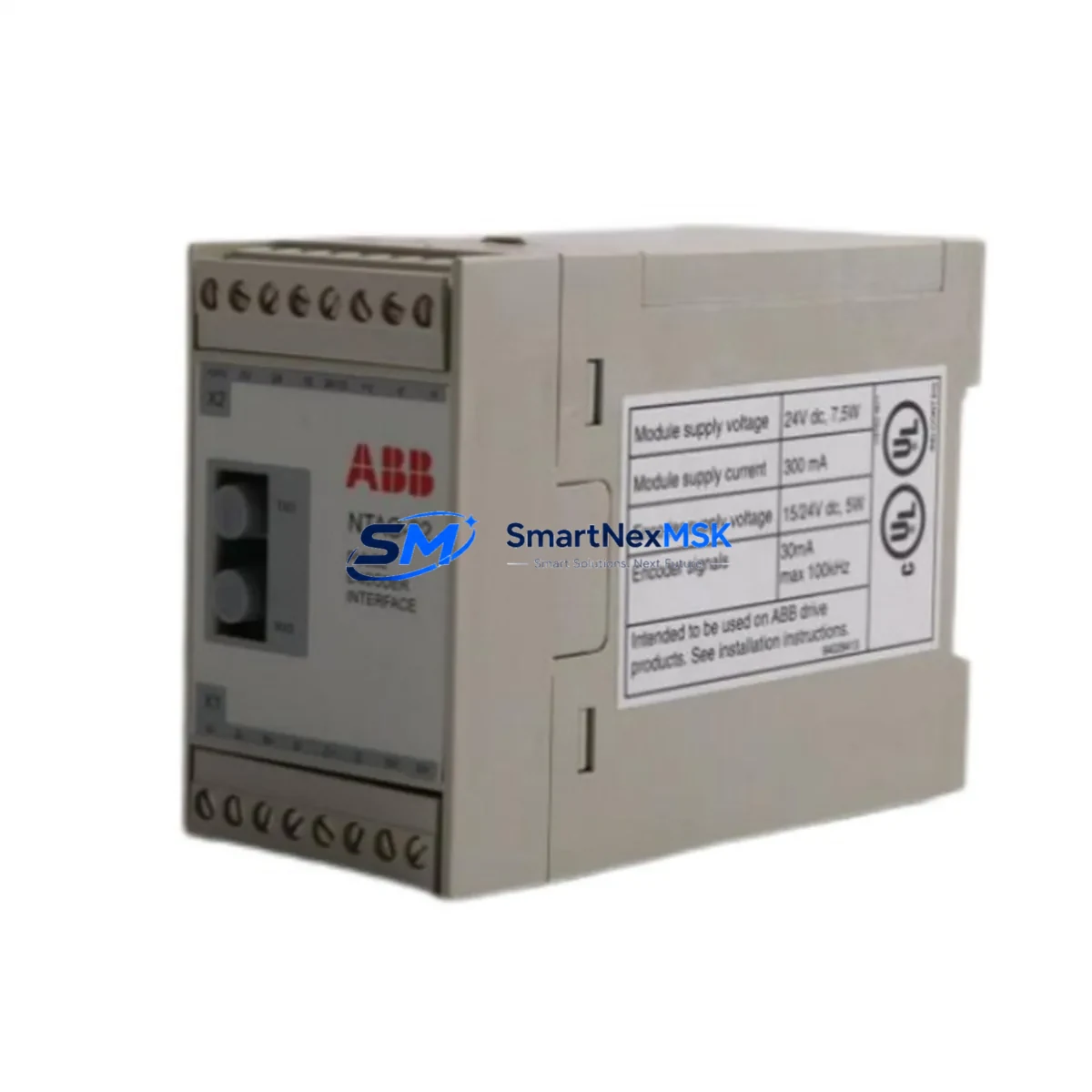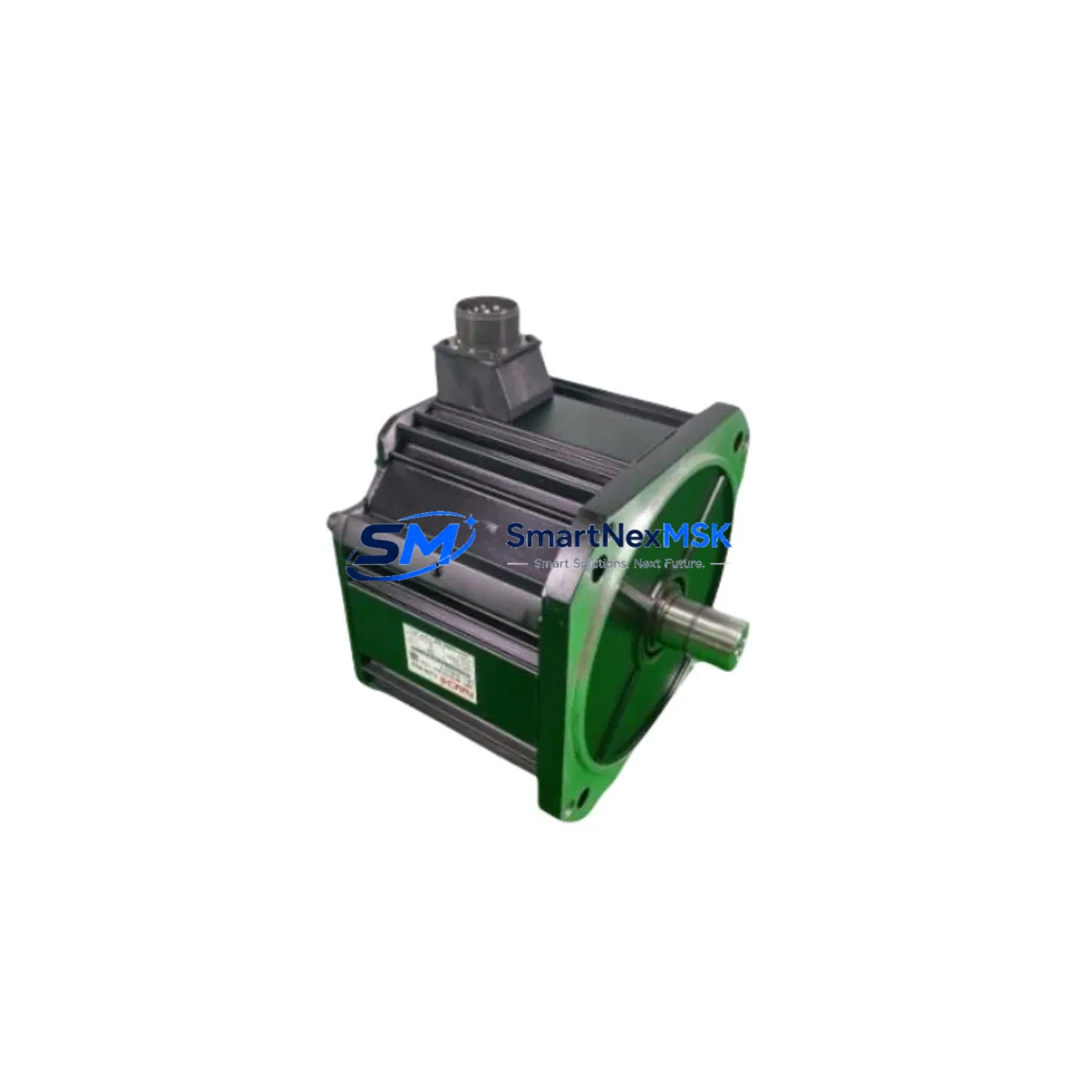
ABB 3HAC040657-002 Retrofit-Ready Servo Motor for MU300 Control Systems
The ABB 3HAC040657-002 is a precision servo motor unit engineered for seamless integration into MU300-series robot control architectures. As legacy IRB robot installations approach end-of-support cycles, this unit serves as the definitive retrofit solution — enabling plant engineers and automation integrators to restore full axis performance without redesigning the control cabinet or rewriting motion programs. Whether you are replacing a failed drive axis, upgrading a decommissioned spare, or executing a planned modernization of an aging robot cell, the 3HAC040657-002 delivers verified compatibility with ABB’s established motion control ecosystem.
This servo motor unit is a direct functional replacement for the earlier 3HAC040657-003 variant, sharing identical mounting geometry, connector pinout, and encoder interface. Procurement teams sourcing emergency replacement stock will find this unit ready for immediate dispatch, backed by a 12-month warranty and pre-shipment functional testing from our Xiamen facility.
Upgrade Compatibility Table
| Parameter | Details |
|---|---|
| SKU / Part Number | 3HAC040657-002 (cross-ref: 3HAC040657-003) |
| Compatible Series | ABB MU300, IRB 6640, IRB 6650, IRB 6700 axis drive configurations |
| Mounting Interface | Drop-in fit; identical flange pattern and shaft dimensions to OEM specification |
| Connector / Pinout | Compatible with ABB DSQC series drive connectors; no rewiring required |
| Communication Compatibility | DeviceNet, PROFIBUS-DP, EtherNet/IP — consistent with MU300 platform protocol stack |
| Encoder Interface | Resolver-based feedback; compatible with ABB IRC5 and S4C+ controller resolver inputs |
| Replacement Recommendation | Direct swap for 3HAC040657-003; verify axis calibration after installation |
| Commissioning Notes | Load motor parameters via RobotStudio or FlexPendant; run fine calibration routine on affected axis |
| Warranty | 12 months from date of shipment; covers manufacturing defects and functional failure |
Retrofit Planning for Existing Automation Systems
A successful retrofit of the 3HAC040657-002 into an existing robot cell requires systematic pre-installation verification across several interdependent subsystems. Begin by auditing the IRC5 controller cabinet’s power supply capacity — confirm that the DSQC 661 or DSQC 662 drive module supplying the target axis can deliver the rated continuous and peak current for the replacement motor. If the existing drive module shows signs of capacitor aging or thermal stress, concurrent replacement with a fresh DSQC 661 drive unit is strongly recommended to avoid a secondary failure shortly after the motor swap.
Terminal wiring at the motor connector should be inspected for corrosion, fretting, and insulation degradation before reconnection. The resolver cable — typically routed alongside the power cable in the robot’s dress package — must be checked for continuity and shielding integrity, as resolver signal noise is a common source of axis fault codes post-retrofit. If the dress package has accumulated significant wear, replacing the complete cable harness assembly at the same maintenance window eliminates a latent failure point.
Backplane and rack integrity within the IRC5 controller should be verified before powering up the retrofitted axis. Inspect the DSQC 400 I/O module and any connected DSQC 328A digital I/O expansion units for loose seating, as vibration over years of operation can cause intermittent backplane contact faults that surface only under load. Similarly, confirm that the SMB (Serial Measurement Board) — which manages resolver data for all robot axes — is functioning correctly, since a degraded SMB can generate false calibration errors that are easily misattributed to the new motor.
For installations where the robot communicates with a Siemens S7-300 or S7-400 PLC via PROFIBUS-DP, verify that the GSD file loaded in the PLC project matches the current IRC5 firmware version. Protocol mismatches between the robot controller and the upstream PLC are a frequent source of communication faults during post-retrofit commissioning. If the site is migrating from PROFIBUS to EtherNet/IP as part of a broader network modernization, the IRC5’s DSQC 669 EtherNet/IP adapter should be installed and configured before the motor replacement to allow parallel testing of both communication paths.
HMI screens linked to axis status — whether running on an ABB FlexPendant or a third-party SCADA panel — should be reviewed to confirm that axis position scaling, speed limits, and alarm thresholds remain valid after the motor swap. In cells where a Cognex vision system or Keyence sensor array is integrated for part detection, re-run the vision calibration routine after axis fine calibration to ensure positional accuracy is maintained across the full work envelope.
Downtime Control During System Migration
Minimizing unplanned downtime during a servo motor replacement on a production robot requires a structured pre-outage preparation protocol. Before the maintenance window opens, use RobotStudio to create a full backup of the IRC5 controller — including all RAPID programs, system parameters, I/O configuration, and axis calibration data. Store this backup on an isolated USB drive and verify its integrity by restoring it to a test controller if one is available. This backup is your primary recovery asset if the commissioning process encounters an unexpected fault.
During the physical swap, tag and photograph all cable connections before disconnection. The motor power connector, resolver connector, and any brake release wiring should be labeled individually. Brake release circuits in particular must be handled carefully — an incorrectly reconnected brake circuit can result in an uncontrolled axis drop when the robot is powered, creating both a safety hazard and potential mechanical damage to the end effector or tooling.
After mechanical installation, perform a controlled power-up sequence: enable the controller in manual mode, clear any accumulated fault logs, and run the axis in low-speed jog mode before executing the fine calibration routine. Verify resolver feedback values against the stored calibration reference. Once calibration is confirmed, run the existing RAPID program in manual reduced-speed mode through a complete cycle before returning the cell to automatic production. This staged recommissioning approach typically allows a production robot cell to return to full-speed automatic operation within two to four hours of the maintenance window opening, even for technicians performing this replacement for the first time on this platform.
Retrofit Support FAQ
Q: Is the 3HAC040657-002 a direct drop-in replacement for the 3HAC040657-003?
A: Yes. Both part numbers share identical mechanical dimensions, connector pinout, and resolver interface. After physical installation, an axis fine calibration routine via the FlexPendant or RobotStudio is required to update the stored calibration reference — this is standard procedure for any servo motor replacement on ABB IRB platforms and does not require program modification.
Q: What pre-shipment testing is performed on this unit?
A: Each 3HAC040657-002 unit undergoes functional verification at our Xiamen facility prior to dispatch, including resolver signal integrity testing, winding resistance measurement, and insulation resistance check. A test report is available upon request. All units are covered by a 12-month warranty from the date of shipment.
Q: Do I need to update the IRC5 controller firmware before installing this motor?
A: Firmware updates are not required solely for this motor replacement. However, if your IRC5 is running a firmware version older than RobotWare 5.14, we recommend reviewing ABB’s compatibility notes for your specific robot model, as older firmware versions may have known resolver handling limitations that a firmware update resolves independently of the motor hardware.
Q: Can this unit be used in a cell that is migrating from PROFIBUS-DP to EtherNet/IP?
A: Yes. The 3HAC040657-002 servo motor is protocol-agnostic at the hardware level — communication protocol selection is managed entirely by the IRC5 controller and its installed fieldbus adapter (DSQC 669 for EtherNet/IP or DSQC 667 for PROFIBUS-DP). The motor replacement can proceed independently of the network migration timeline, allowing both workstreams to be sequenced according to your maintenance schedule.
© 2026 SMARTNEXMSK. All rights reserved.
Original Source: https://smartnexmsk.com
Contact: [email protected] | +86 18259474341