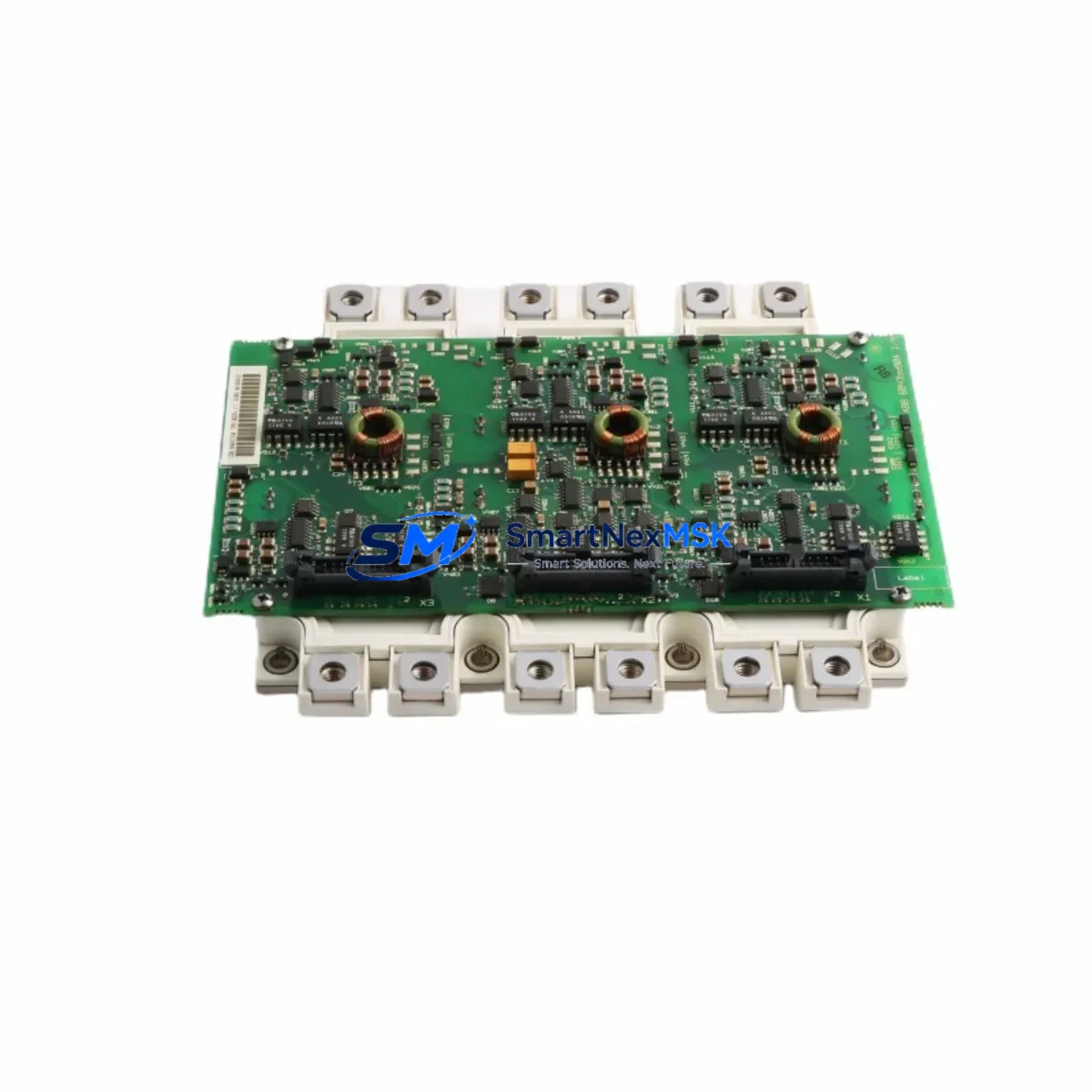
ABB AGDR-71C 68436770 Retrofit-Ready IGBT Gate Driver for ACS800 Control Systems
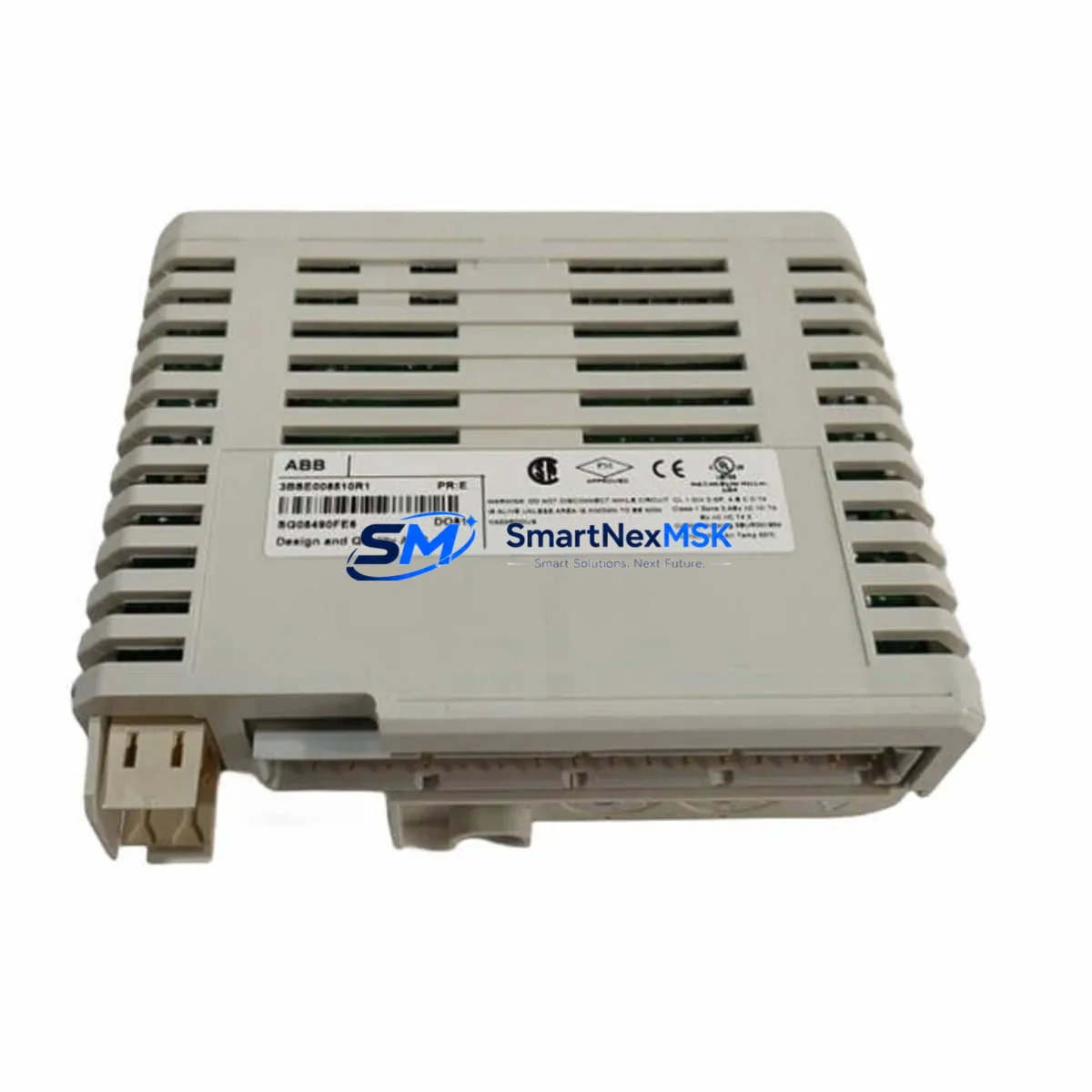
The ABB AGDR-71C (part number 68436770) is a precision-engineered IGBT gate driver board designed for direct retrofit and drop-in replacement within the ACS800 series variable frequency drive platform. As legacy ACS800 installations age and original spare parts become increasingly scarce, the AGDR-71C provides a verified, wiring-compatible upgrade path that preserves existing control logic, minimizes downtime, and restores full drive performance without requiring a complete system overhaul.
This gate driver board interfaces directly with the IGBT power module stack inside the ACS800 drive cabinet. It governs the switching signals that control inverter output, making it a critical component in maintaining accurate motor speed regulation, torque control, and fault protection. When an original AGDR-71C fails or becomes unavailable through standard distribution channels, sourcing a verified replacement is essential to restoring production continuity.
Upgrade Compatibility Table
| Parameter | Details |
|---|---|
| Compatible Drive Series | ABB ACS800 (single drive and multi-drive configurations) |
| Part Number | AGDR-71C / 68436770 |
| Interface | Fiber optic signal input; direct IGBT module gate connection |
| Mounting | Backplane-mounted; aligns with ACS800 standard drive frame |
| Communication Compatibility | Compatible with RDCO-01/02/03 DDCS communication modules and RMIO-11C/12C control boards |
| Replacement Recommendation | Direct swap for failed or end-of-life AGDR-71C units; verify fiber optic connector condition before installation |
| Commissioning Notes | No parameter re-entry required if RMIO board memory is intact; verify DC bus voltage before power-up |
| Warranty | 12 months from date of shipment |
Retrofit Planning for Existing Automation Systems
Successful retrofit of the AGDR-71C within an operational ACS800 installation requires systematic pre-work across several subsystems. Before removing the failed gate driver, engineers should document the existing fiber optic cable routing between the AGDR-71C and the AINT-02C or AINT-14C inverter interface board. These fiber links carry the PWM switching commands from the RMIO-11C or RMIO-12C main control board, and any damage to the plastic fiber connectors during removal will introduce signal integrity issues after reinstallation.
Power supply verification is equally critical. The AGDR-71C draws its operating voltage from the drive’s internal APOW-01C power supply board. Before installing the replacement unit, confirm that the APOW-01C output rails are within specification — an undervoltage condition on the gate driver supply is a common secondary fault that can damage a new AGDR-71C within minutes of energization. Similarly, inspect the AGDR-71C mounting bracket and backplane connector for corrosion or mechanical deformation, particularly in installations where the ACS800 cabinet has been exposed to high humidity or vibration.
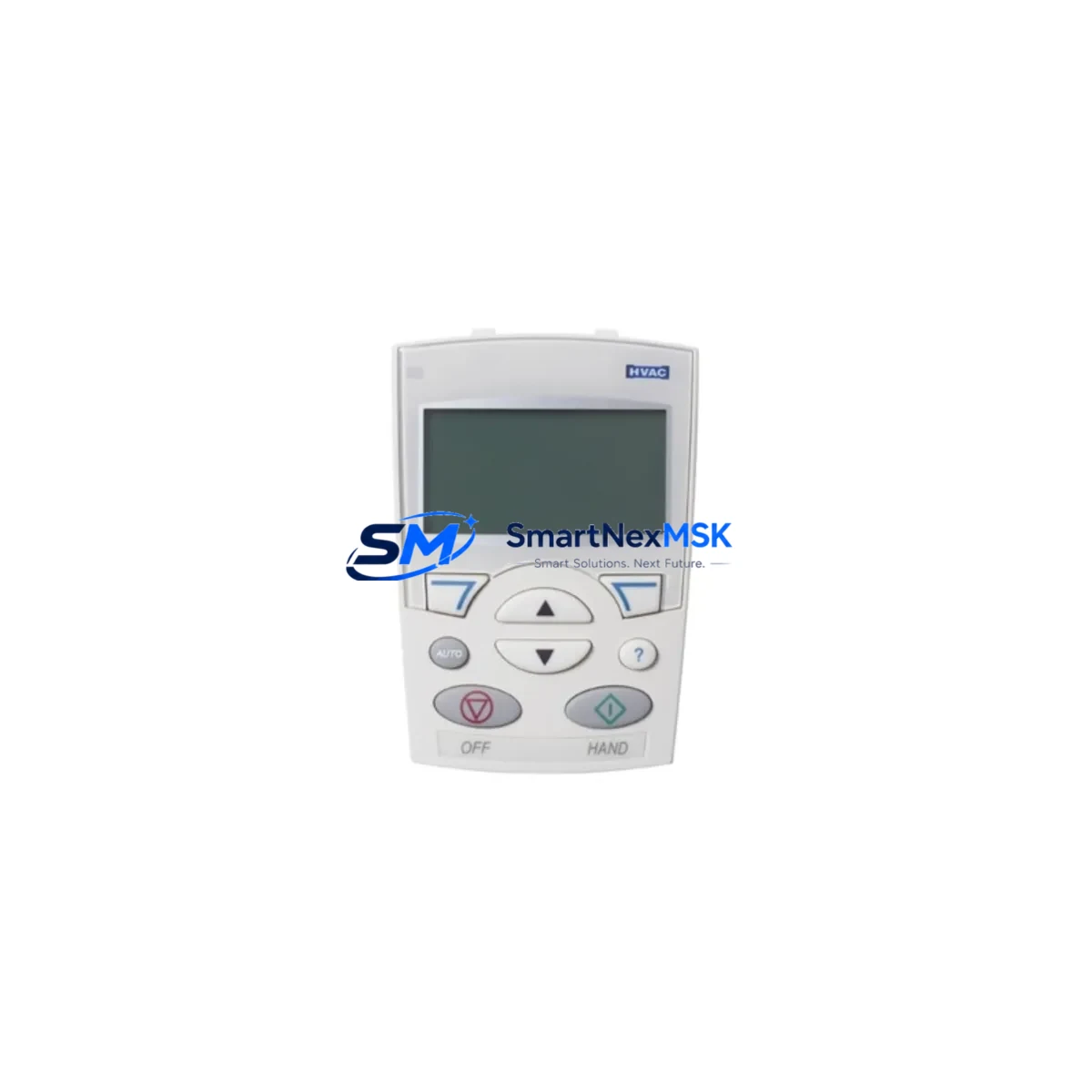
For multi-drive configurations using the ACS800-104 or ACS800-107 inverter units, the AGDR-71C is typically installed in pairs or sets corresponding to the number of IGBT modules per phase leg. Replacing only the failed unit without inspecting adjacent gate drivers is a common oversight — thermal stress and aging affect all units in the same frame simultaneously. Cross-reference the drive’s fault history using the CDP-312R control panel or DriveWindow Light software to identify whether the fault pattern suggests a single-unit failure or a systemic issue across the inverter stack.
If the retrofit involves migrating from an older ACS800 firmware revision, verify that the RMIO board’s parameter set — including motor nameplate data, speed reference scaling, and PID tuning — is backed up to the CDP-312R panel memory or exported via DriveWindow before any hardware is disturbed. This protects against parameter loss if the RMIO board requires replacement as part of the same maintenance event. HMI screens connected via the RDCO-03 DDCS link or Profibus RPBA-01 adapter should be tested for communication continuity after the gate driver swap, as fiber optic signal levels can shift slightly with a new AGDR-71C unit.
Downtime Control During System Migration
Minimizing production downtime during an AGDR-71C replacement begins with pre-staging all required components before the maintenance window opens. In addition to the gate driver board itself, have on hand a set of replacement fiber optic jumpers, a calibrated DC voltmeter for bus voltage verification, and a laptop loaded with DriveWindow Light for fault log review and parameter verification. If the ACS800 is controlling a critical process — such as a compressor, pump, or conveyor — coordinate with operations to identify the shortest acceptable outage window and prepare a manual bypass or standby drive if available.
The physical swap of the AGDR-71C typically takes 20 to 40 minutes for a trained technician familiar with the ACS800 frame layout. The majority of retrofit time is consumed by safe isolation of the DC bus, discharge verification, fiber optic disconnection and reconnection, and post-installation functional testing. Once the replacement unit is seated and fiber connections are secured, a controlled power-up sequence — monitoring the drive’s status LEDs and CDP-312R display for fault codes — confirms successful installation before returning the motor to load. Drives that pass the no-load run test and reach operating speed without triggering IGBT fault codes (fault 2310 or 2340 in ACS800 fault nomenclature) are ready for production restart.
For sites where a cold spare ACS800 drive is not available, maintaining a stocked AGDR-71C in the site’s critical spares inventory is the most cost-effective downtime mitigation strategy. Given the ACS800 platform’s widespread installation base across pulp and paper, metals, oil and gas, and material handling industries, lead times for new gate driver boards from standard distribution can extend to several weeks. Sourcing from a specialist supplier with verified stock and pre-shipment testing eliminates this risk.
Retrofit Support FAQ
Q: Is the AGDR-71C 68436770 a direct replacement for all ACS800 frame sizes?
A: The AGDR-71C is compatible with specific ACS800 frame sizes that use the corresponding IGBT module configuration. Confirm your drive’s frame size and inverter unit type (e.g., ACS800-01, ACS800-04, ACS800-104) against the ACS800 hardware manual before ordering. Our technical team can assist with cross-referencing your drive’s serial number to confirm compatibility.
Q: Do I need to re-enter drive parameters after replacing the AGDR-71C?
A: In most cases, no. The AGDR-71C does not store drive parameters — all application data resides on the RMIO control board. If the RMIO board is undisturbed during the replacement, parameters are retained. However, we recommend backing up parameters to the CDP-312R panel or DriveWindow before any maintenance as a precaution.
Q: What pre-shipment testing is performed on replacement AGDR-71C units?
A: Each AGDR-71C unit undergoes functional verification prior to shipment, including gate signal output testing and visual inspection for component integrity. Units are shipped with protective packaging to prevent ESD damage and mechanical stress during transit. A 12-month warranty covers defects in materials and workmanship from the date of shipment.
Q: Can the AGDR-71C be used in a system that has been upgraded to a newer ABB drive platform?
A: The AGDR-71C is specific to the ACS800 hardware architecture and is not interchangeable with gate driver boards from the ACS880 or ACS580 series. If your retrofit plan involves migrating to a newer ABB drive platform, a full drive replacement including the AINT interface board, RMIO control board, and associated I/O modules will be required. Contact our engineering team for migration planning support.
© 2026 SMARTNEXMSK. All rights reserved.
Original Source: https://smartnexmsk.com
Contact: [email protected] | +86 18259474341