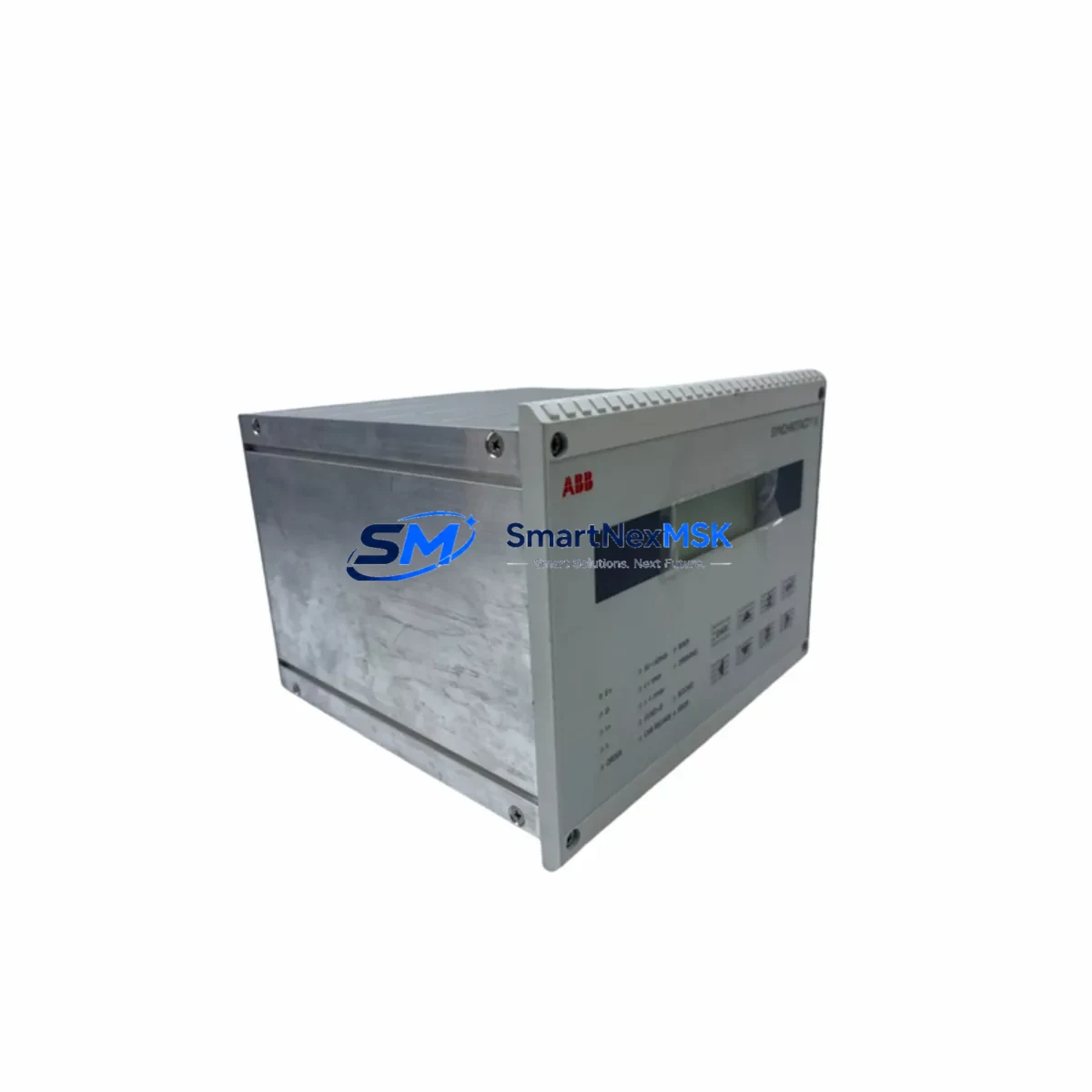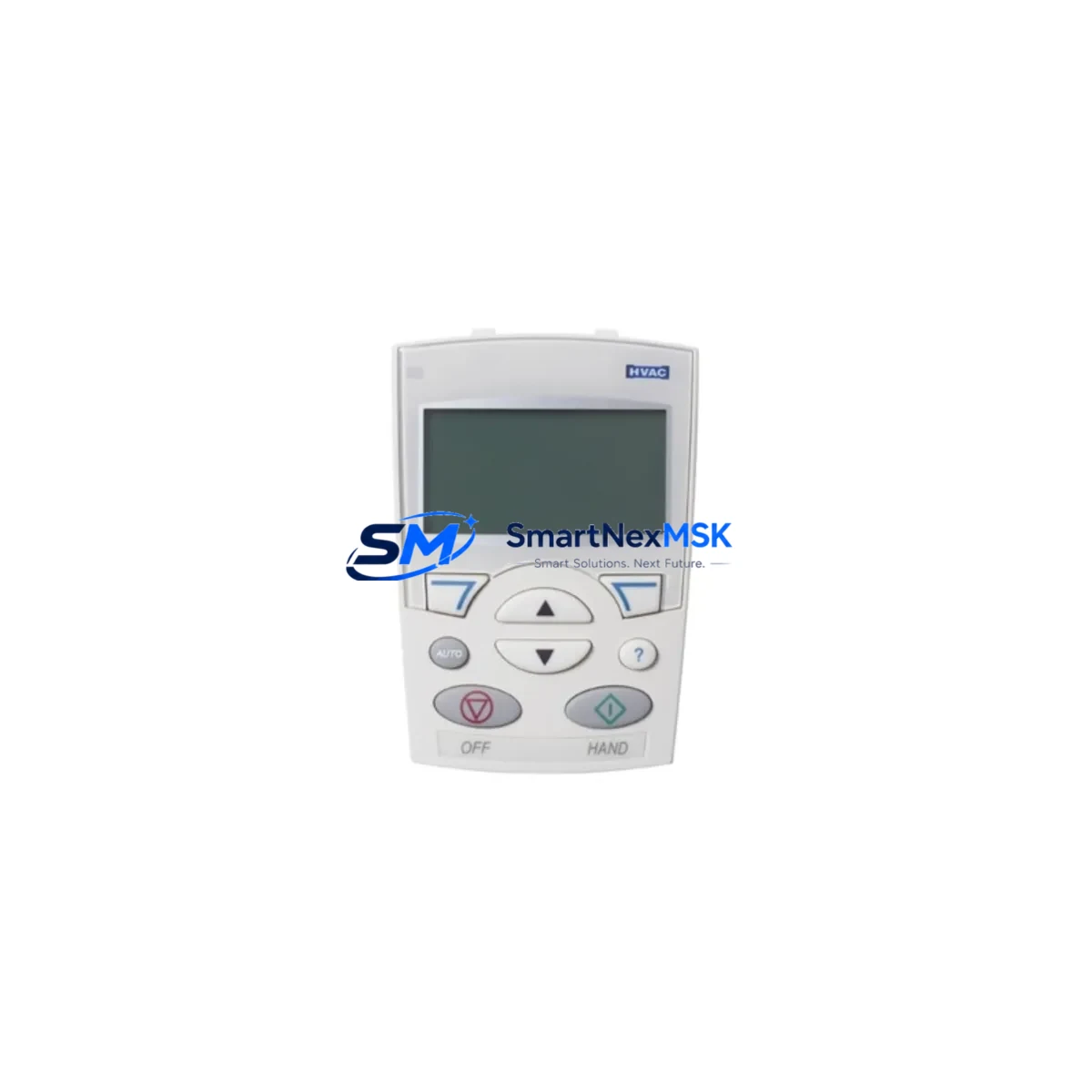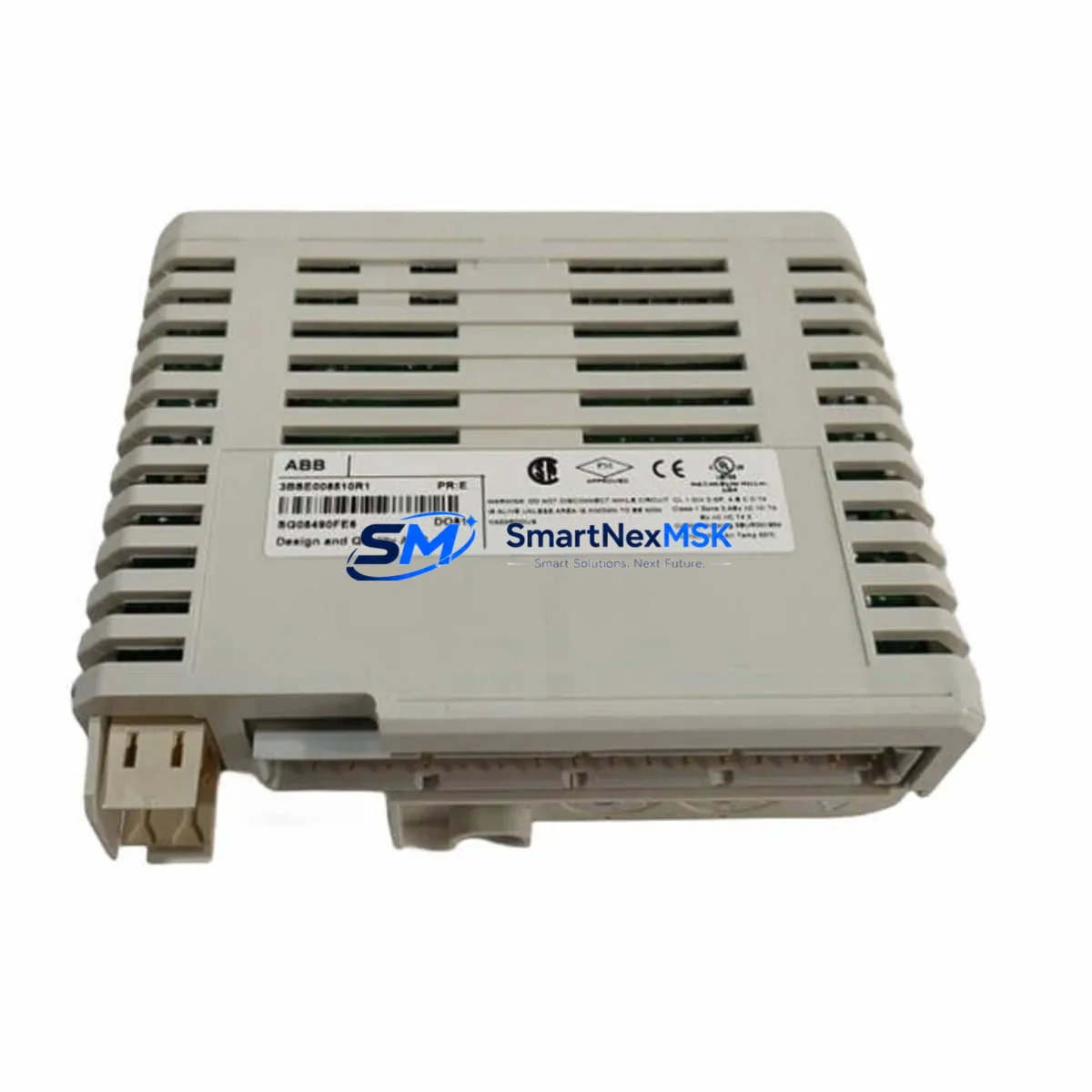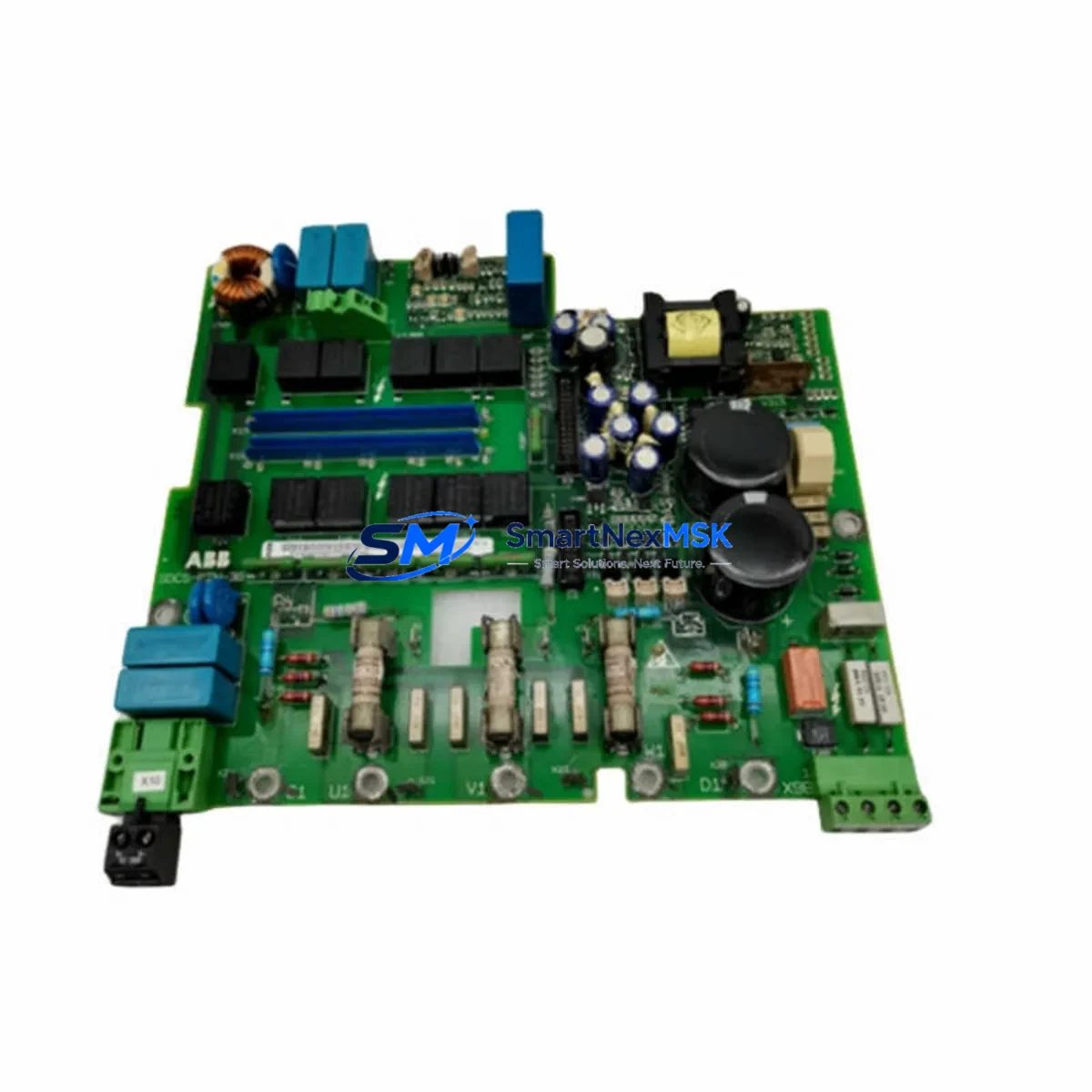
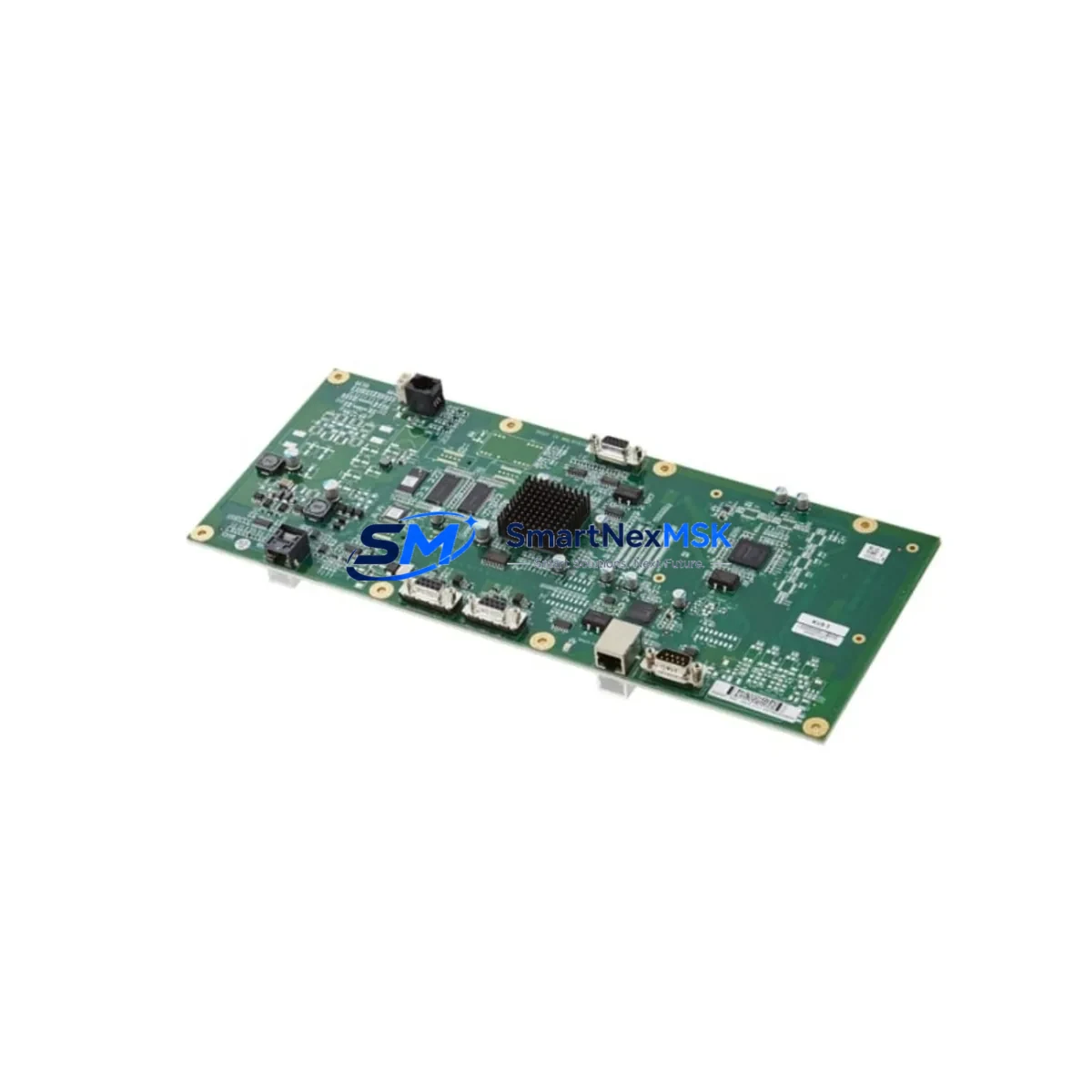
ABB FS300R120E4 Retrofit-Ready IGBT Module for E4 Series Control Systems
The ABB FS300R120E4 is a 1200V / 300A high-power IGBT module engineered for demanding industrial drive and power conversion applications. As legacy E4 Series inverter platforms approach end-of-life, the FS300R120E4 has become a critical retrofit component for engineers tasked with modernizing aging control cabinets, replacing discontinued power semiconductors, and restoring drive system availability without full system replacement. SMARTNEXMSK maintains verified stock of the FS300R120E4 with full pre-shipment functional testing and a 12-month warranty on every unit.
Upgrade Compatibility Table
| Parameter | FS300R120E4 Specification | Retrofit Notes |
|---|---|---|
| Voltage Rating (VCES) | 1200 V | Matches standard E4 Series DC bus voltage range |
| Collector Current (IC) | 300 A (continuous) | Verify drive output current rating before substitution |
| Package / Footprint | 62mm module (IHM standard) | Direct mechanical fit for E4 Series heatsink mounting |
| Gate Drive Interface | ±15V gate drive, standard IGBT gate resistor network | Confirm existing gate driver board compatibility; no PCB modification typically required |
| Thermal Interface | Requires thermal compound reapplication | Clean heatsink surface; apply fresh thermal paste before installation |
| Communication Compatibility | N/A (power module) | No firmware or protocol changes required |
| Replacement Scope | Drop-in for failed or degraded E4 Series IGBT modules | Verify phase leg configuration (single / dual / six-pack) in original drive |
| Commissioning Requirement | Gate drive timing verification recommended | Use oscilloscope to confirm switching waveform after installation |
| Warranty | 12-Month Warranty — covers manufacturing defects and functional failure under rated operating conditions | |
Retrofit Planning for Existing Automation Systems
When integrating the FS300R120E4 into an existing E4 Series drive retrofit, the scope of work typically extends well beyond the IGBT module itself. Engineers must audit the full power stack before committing to a replacement strategy. In many installations, a failed IGBT module is symptomatic of upstream or downstream stress — including degraded DC bus capacitors, weakened snubber circuits, or a gate driver board operating outside its design envelope.
A complete retrofit plan should begin with a review of the drive’s power supply section. The ABB SDCS-POW-4 power supply board, commonly found in DCS 600 and DCS 800 series DC drive cabinets, must be verified for stable auxiliary voltage output before the new IGBT module is energized. Similarly, the ABB SDCS-CON-4 control board governs firing pulse generation and must be confirmed operational to avoid re-damaging the replacement module on first power-up.
For systems using the ABB ACS800 or ACS880 drive platform, the FS300R120E4 is frequently used in the inverter bridge section. In these cases, engineers should also inspect the ABB RINT-5611C or RINT-6411C gate driver interface boards, which translate control signals from the RMIO board to the IGBT gate terminals. A damaged gate driver board is a common secondary failure that must be replaced alongside the IGBT module to prevent repeat failures.
Terminal wiring adaptation is another critical step. The FS300R120E4 uses standard 62mm module collector and emitter terminals. Technicians should verify that existing bus bar connections, flexible copper braids, and terminal torque specifications match the module’s datasheet requirements — typically M6 bolts torqued to 4–6 Nm. Incorrect torque is a leading cause of contact resistance buildup and premature module failure in retrofit applications.
For installations involving ABB AC500 or AC500-S PLC-based control systems managing the drive, the control program logic should be reviewed to confirm that fault response routines — including IGBT overcurrent trips, thermal shutdown sequences, and restart inhibit timers — are correctly parameterized for the replacement module’s switching characteristics. The ABB PM591 or PM592 CPU modules in these systems store the application program and retain parameters through power cycling, simplifying the recommissioning process.
Where the original system used ABB CI854A or CI858 PROFIBUS communication modules to link the drive to a distributed control system, engineers should confirm that the drive’s PROFIBUS node address and baud rate settings are preserved during the retrofit. Loss of communication configuration is a common cause of extended downtime during IGBT replacement projects that involve control cabinet rewiring.
Finally, for systems with an HMI interface — such as an ABB CP600 or third-party panel PC running drive monitoring screens — verify that drive status tags, fault code displays, and current feedback signals are functioning correctly after the module swap. IGBT replacement does not alter drive firmware, but a full I/O check and HMI screen validation should be completed before returning the system to production.
Downtime Control During System Migration
Minimizing unplanned downtime is the primary operational concern when replacing an IGBT module in a live production environment. SMARTNEXMSK recommends a structured pre-replacement preparation protocol to compress the actual cabinet-open time to the shortest possible window.
Before the maintenance window begins, engineers should complete a full parameter backup of the drive controller. For ABB drives, this typically involves saving the parameter set via the drive’s keypad, the ABB DriveWindow PC tool, or the control board’s memory backup function. This ensures that if the control board is disturbed during the IGBT replacement, the parameter set can be restored in minutes rather than hours.
The replacement module should be pre-staged with thermal compound applied, terminal hardware prepared, and all torque tools calibrated before the system is de-energized. DC bus discharge time must be respected — for 1200V-class systems, a minimum 5-minute discharge period after main contactor opening is standard practice, with voltage verification using a calibrated meter before any contact with bus bars.
After installation, a controlled low-voltage power-up sequence — where available — allows gate drive function to be verified before full DC bus voltage is applied. This step, combined with oscilloscope verification of gate-emitter waveforms, catches wiring errors and gate driver incompatibilities before they result in a second module failure. SMARTNEXMSK pre-tests every FS300R120E4 unit under dynamic switching conditions prior to shipment, providing an additional layer of confidence that the module itself is not the source of any post-installation fault.
With proper preparation, most FS300R120E4 retrofit installations can be completed within a 2–4 hour maintenance window, preserving production continuity and avoiding the extended lead times associated with full drive replacement.
Retrofit Support FAQ
Q1: Is the FS300R120E4 a direct drop-in replacement for the original E4 Series IGBT module in my ABB drive?
A: In most E4 Series drive configurations, yes. The FS300R120E4 uses the standard 62mm IHM footprint and is electrically compatible with the original module’s voltage and current ratings. However, engineers should verify the exact phase leg configuration (single switch, dual switch, or six-pack) used in their specific drive model before ordering. SMARTNEXMSK’s technical team can assist with cross-reference confirmation prior to purchase.
Q2: What commissioning steps are required after installing the FS300R120E4?
A: After mechanical installation and terminal torquing, verify gate drive voltage levels (typically ±15V), confirm gate resistor values match the original design, and perform a switching waveform check using an oscilloscope before applying full load. Restore the drive parameter backup and run a no-load test cycle before returning to production. Document all commissioning measurements for maintenance records.
Q3: How do I confirm wiring compatibility between the FS300R120E4 and my existing bus bar arrangement?
A: The FS300R120E4 collector (C) and emitter (E) terminals are located at standard 62mm module positions. Compare the terminal layout drawing in the ABB FS300R120E4 datasheet against your existing bus bar connection points. Flexible copper braid connections are recommended where bus bar alignment is not exact. Confirm M6 terminal bolt torque to 4–6 Nm as specified in the module datasheet.
Q4: What does the 12-month warranty cover, and what is the return process?
A: The 12-month warranty covers manufacturing defects and functional failure under rated operating conditions (within specified voltage, current, and thermal limits). It does not cover damage resulting from installation errors, overvoltage events, or operation outside rated parameters. To initiate a warranty claim, contact SMARTNEXMSK at [email protected] with your order number, a description of the failure, and commissioning documentation. Replacement or refund will be processed within 5 business days of fault verification.
© 2026 SMARTNEXMSK. All rights reserved.
Original Source: https://smartnexmsk.com
Contact: [email protected] | +86 18259474341