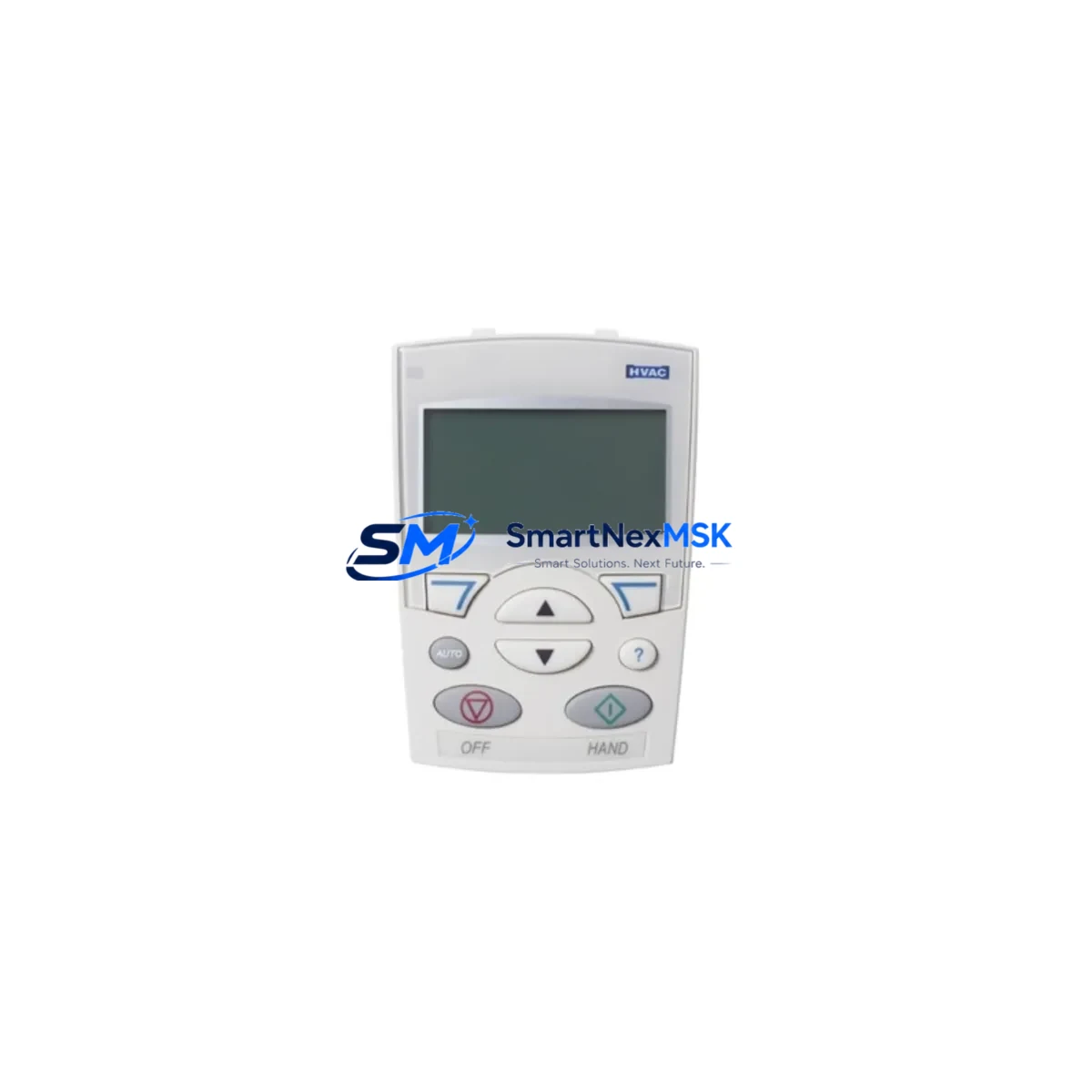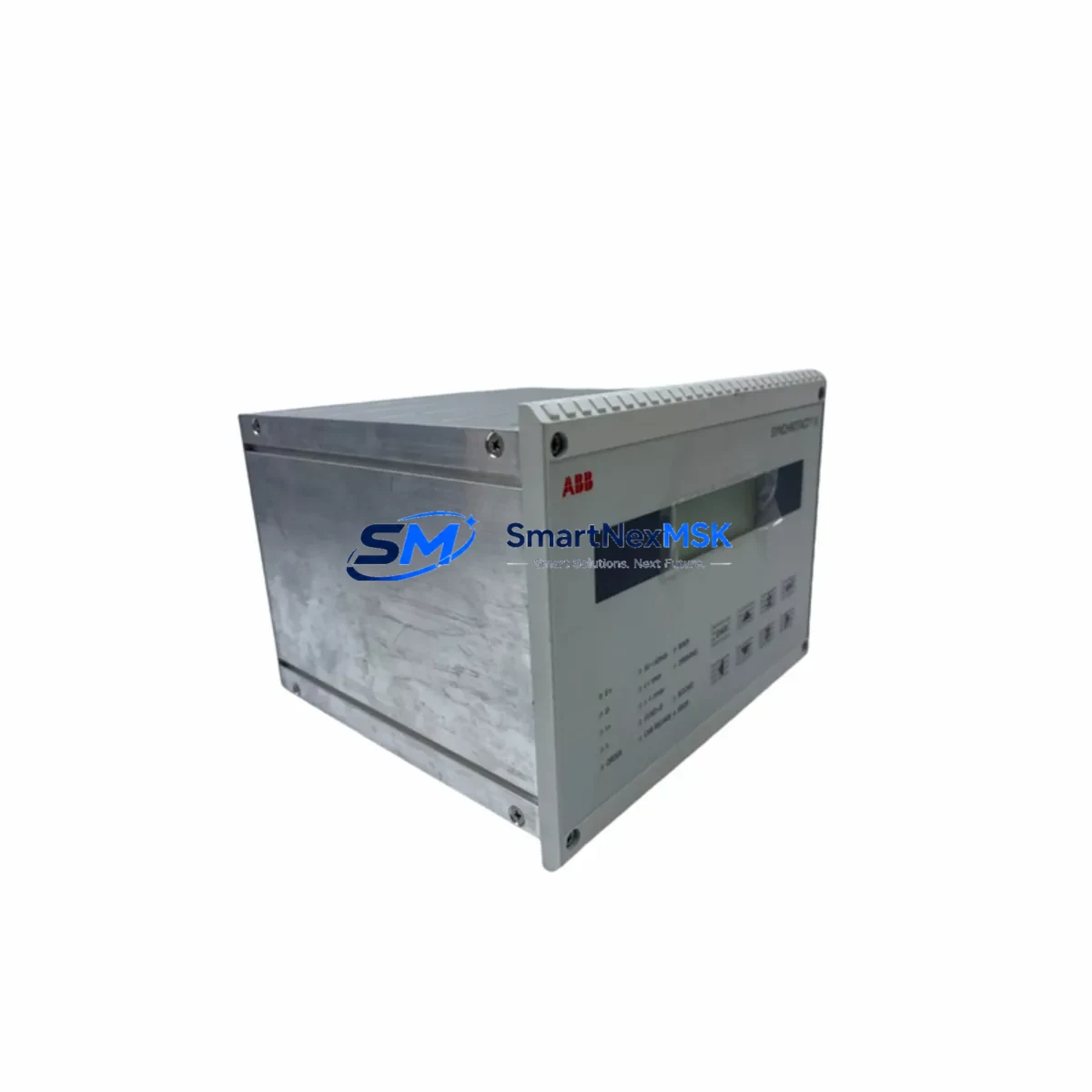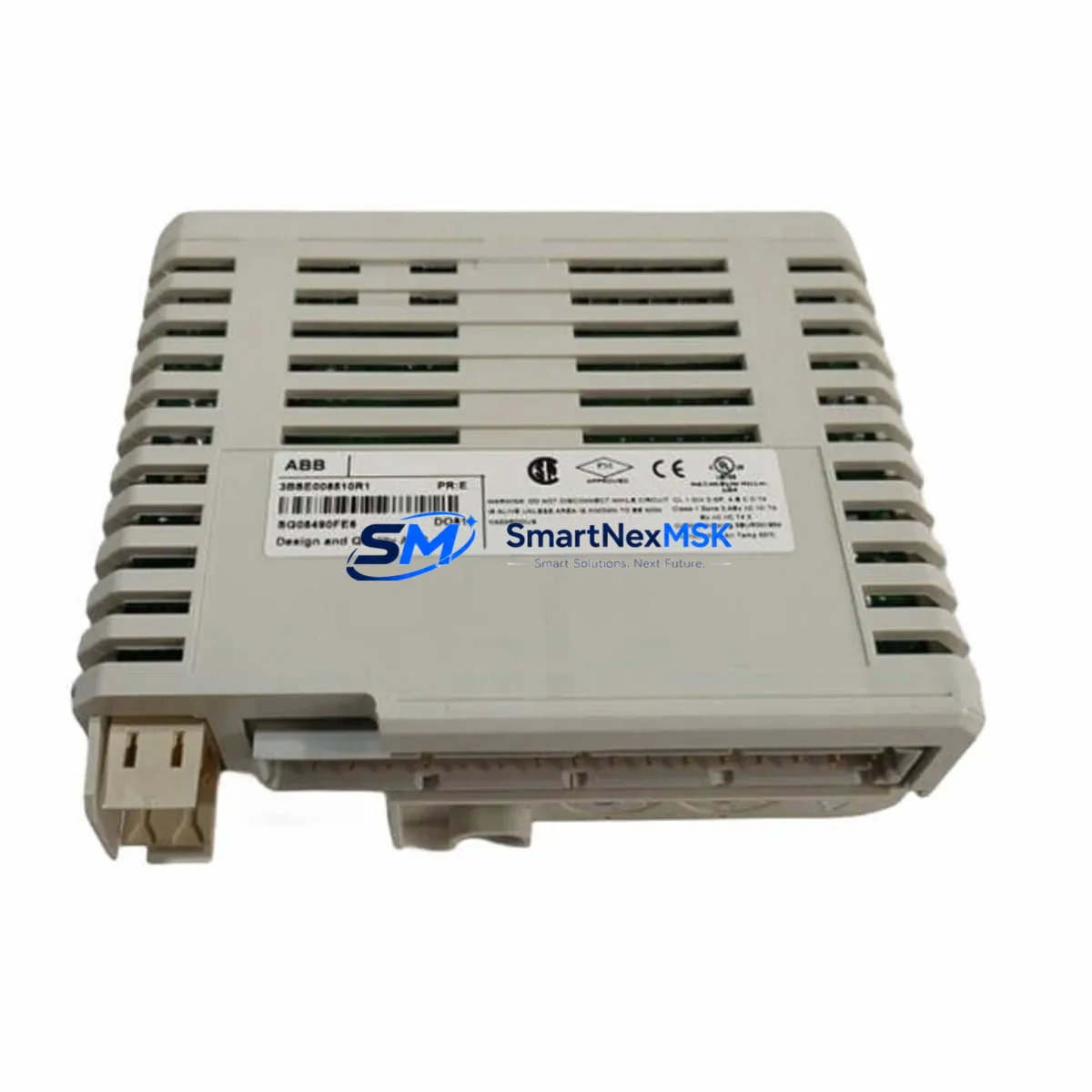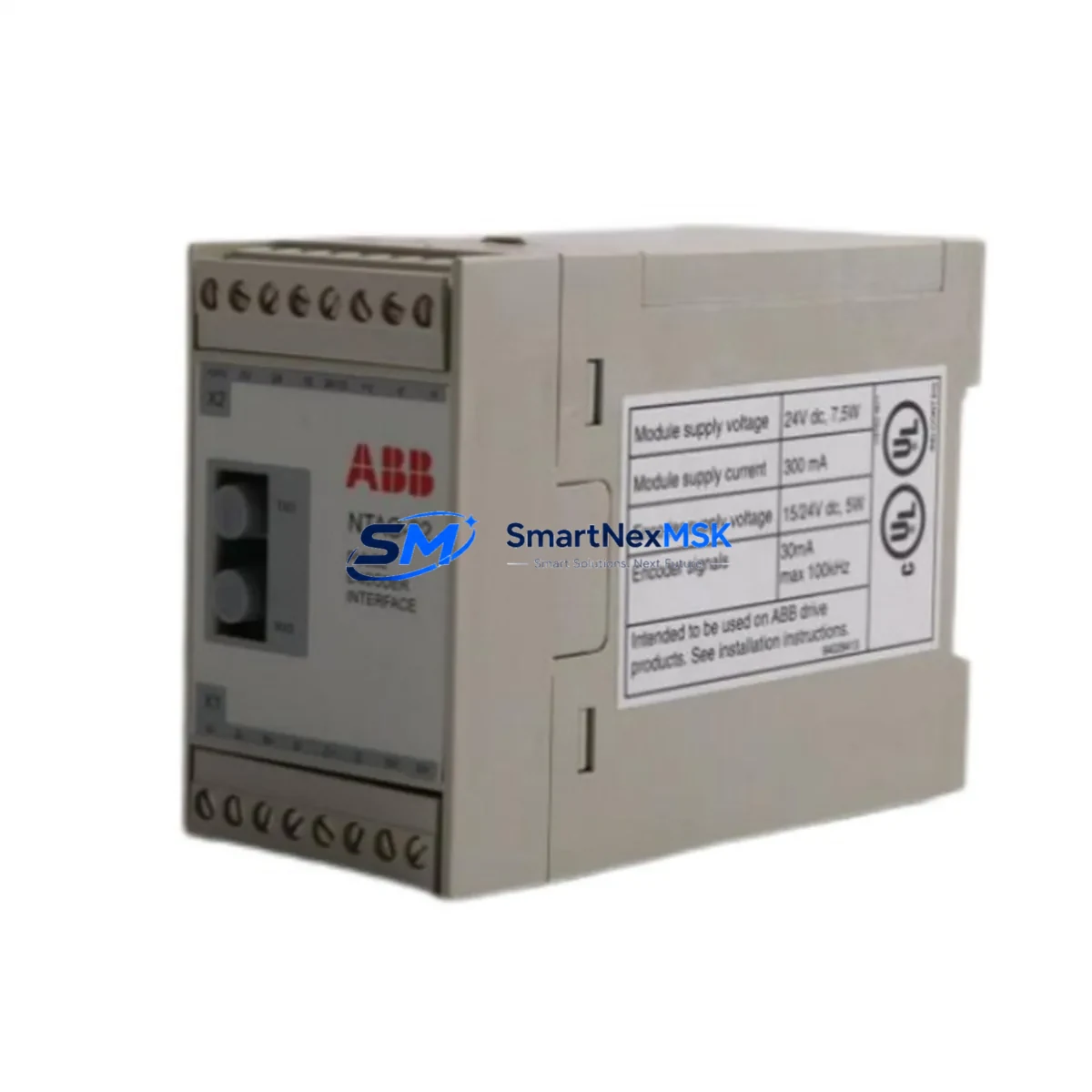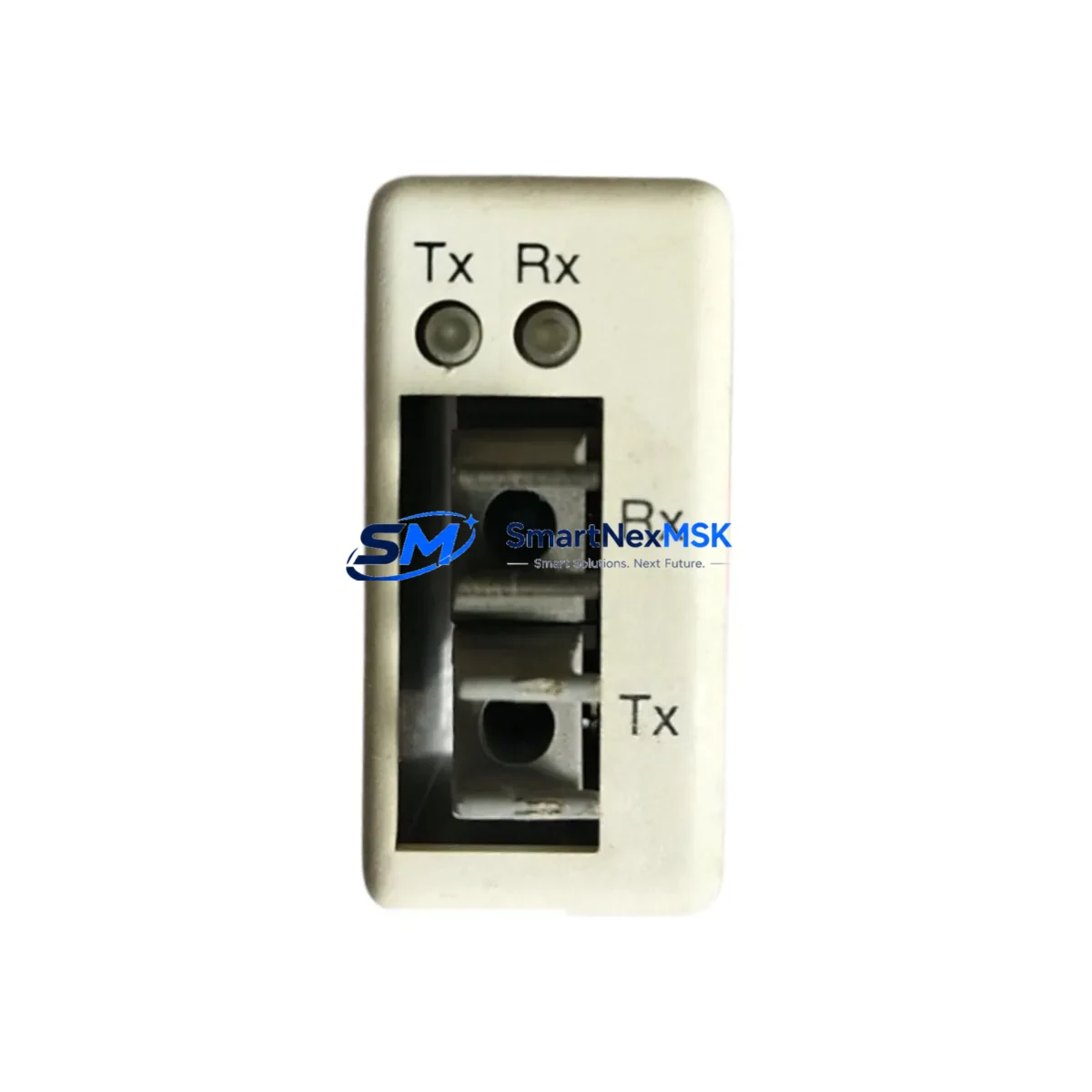
ABB TB810 3BSE008560R1 Retrofit-Ready Modulebus Optical Port for AC800M Control Systems
The ABB TB810 (3BSE008560R1) is a Modulebus Optical Port module designed for the AC800M controller platform — one of ABB’s most widely deployed process automation architectures in power generation, oil & gas, pulp & paper, and chemical processing facilities. As legacy AC800M installations approach end-of-life support cycles, the TB810 has become a critical retrofit and replacement component for engineers tasked with extending system lifespan, restoring failed communication links, and modernizing control cabinet infrastructure without full DCS migration.
This module provides the optical Modulebus interface that connects the AC800M controller (such as the PM861, PM864, or PM866 processor modules) to remote I/O clusters and expansion units. The fiber-optic communication path eliminates ground loop interference and provides electrical isolation between the controller backplane and field-side I/O — a key advantage in high-noise industrial environments. When a TB810 fails or is removed from service, the entire Modulebus segment it supports goes offline, making rapid replacement essential to restoring process control continuity.
Upgrade Compatibility Table
| Parameter | Details |
|---|---|
| Part Number | TB810 / 3BSE008560R1 |
| Compatible Controllers | AC800M (PM861, PM864, PM866) |
| Communication Interface | Modulebus Optical (fiber) |
| Backplane Compatibility | AC800M standard backplane / rack |
| Replaces / Supersedes | TB810 (all prior revisions) |
| Installation Requirement | Module slot on AC800M rack; no tools required |
| Protocol Compatibility | ABB Modulebus (proprietary optical) |
| Retrofit Recommendation | Direct drop-in; verify firmware revision in Control Builder M |
| Commissioning Notes | Re-address module in project; confirm I/O cluster node IDs |
| Warranty | 12 Months |
Retrofit Planning for Existing Automation Systems
Replacing a TB810 in an operational AC800M system requires careful pre-outage planning to minimize disruption. Before the maintenance window, engineers should document the existing Modulebus topology using ABB Control Builder M, noting the node addresses assigned to each TB810 port and the I/O clusters — typically S800 I/O modules such as AI810, AO810, DI810, or DO810 units — connected downstream. Each TB810 supports a defined number of optical Modulebus segments, and the replacement unit must be configured to match the original node addressing scheme exactly to avoid I/O mapping conflicts after restart.
The AC800M rack itself — whether a standard 8-slot or 12-slot backplane — must be inspected for backplane connector condition before inserting the replacement TB810. In aging installations, backplane contacts can oxidize or sustain mechanical damage from repeated module swaps, which can cause intermittent communication faults that are difficult to distinguish from module failure. If the rack is being upgraded at the same time, the TB820 (the successor Modulebus interface module) may be considered as an alternative, though it requires firmware compatibility verification with the installed PM8xx processor.
Power supply capacity is another critical checkpoint. The AC800M rack draws power from dedicated SD821 or SD822 power supply modules, and adding or replacing communication modules changes the total rack power budget. Engineers should verify that the installed power supply can support the full module complement after the retrofit, particularly if additional CI854 PROFIBUS communication interface modules or CI857 Industrial Ethernet modules are being added to the same rack as part of a broader protocol migration project.
For sites migrating from legacy PROFIBUS DP field networks to PROFINET or Industrial Ethernet, the TB810 replacement is often performed in parallel with installing new CI873 PROFINET interface modules, requiring careful coordination of module slot assignments and project re-compilation in Control Builder M. HMI screens built in ABB’s 800xA system or linked via OPC DA/UA servers must be validated after any controller rack change to confirm that all process variable tags remain correctly mapped.
Downtime Control During System Migration
Minimizing unplanned downtime during a TB810 replacement begins with a structured hot-swap assessment. While the AC800M platform supports some level of redundancy configuration, the TB810 itself is not a redundant module — its failure takes the associated Modulebus segment offline immediately. The recommended approach is to schedule replacement during a planned process hold or low-production window, pre-stage the replacement TB810 with its firmware version verified, and prepare a rollback plan that includes the original module if the replacement does not initialize correctly.
Before powering down the rack segment, operators should place the affected control loops in manual mode at the DCS operator station to prevent process upsets from uncontrolled output changes. After the TB810 is replaced and the rack is powered up, Control Builder M should be used to download the existing project to the controller and verify that all I/O cluster nodes on the Modulebus segment report healthy status. Field technicians should confirm terminal wiring integrity on connected S800 I/O modules and check that any programming cables (such as the TK212A USB programming cable) used during commissioning are disconnected before returning loops to automatic control.
Retrofit Support FAQ
Q: Is the TB810 3BSE008560R1 a direct drop-in replacement for all TB810 revisions?
A: Yes. The 3BSE008560R1 is the current production revision of the TB810 and is backward-compatible with all prior revisions installed in AC800M racks. No hardware modification is required. Firmware compatibility should be confirmed in Control Builder M before downloading the project.
Q: What commissioning steps are required after installing a replacement TB810?
A: After physical installation, open the AC800M project in Control Builder M, verify the Modulebus node addresses match the original configuration, download the project to the controller, and confirm that all downstream I/O clusters (S800 modules) report online status. Check the system event log for any address conflict or communication fault messages.
Q: Can the TB810 be used in a system that is being migrated from PROFIBUS to PROFINET?
A: The TB810 handles the Modulebus optical interface only and is independent of the fieldbus protocol used on CI8xx communication modules in the same rack. It can coexist with CI854 PROFIBUS, CI857 Industrial Ethernet, and CI873 PROFINET modules without conflict.
Q: What warranty and testing does this unit include?
A: Every TB810 3BSE008560R1 supplied by SMARTNEXMSK is covered by a 12-month warranty and has been functionally tested prior to shipment. Units are shipped with anti-static packaging and include a test report on request.
© 2026 SMARTNEXMSK. All rights reserved.
Original Source: https://smartnexmsk.com
Contact: [email protected] | +86 18259474341