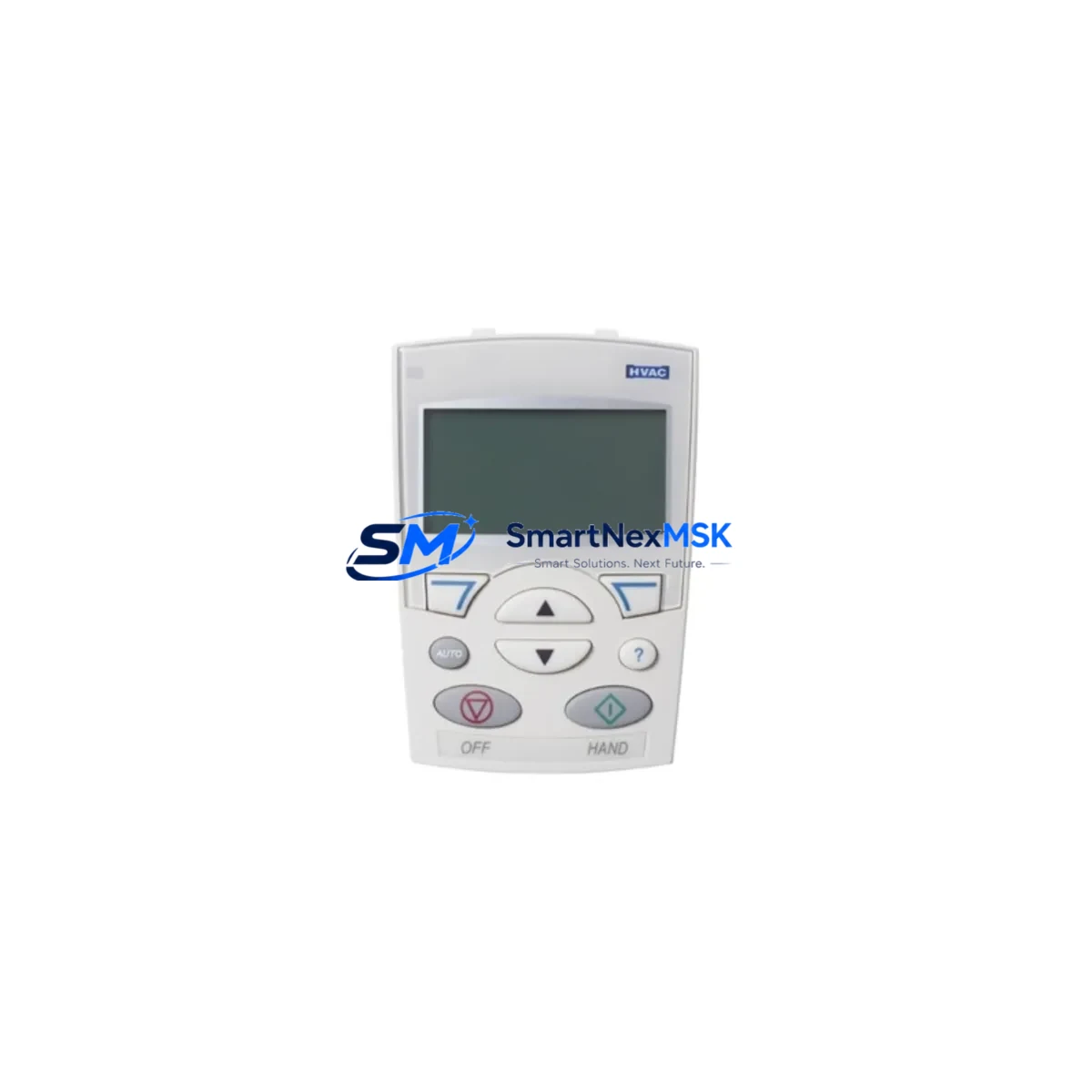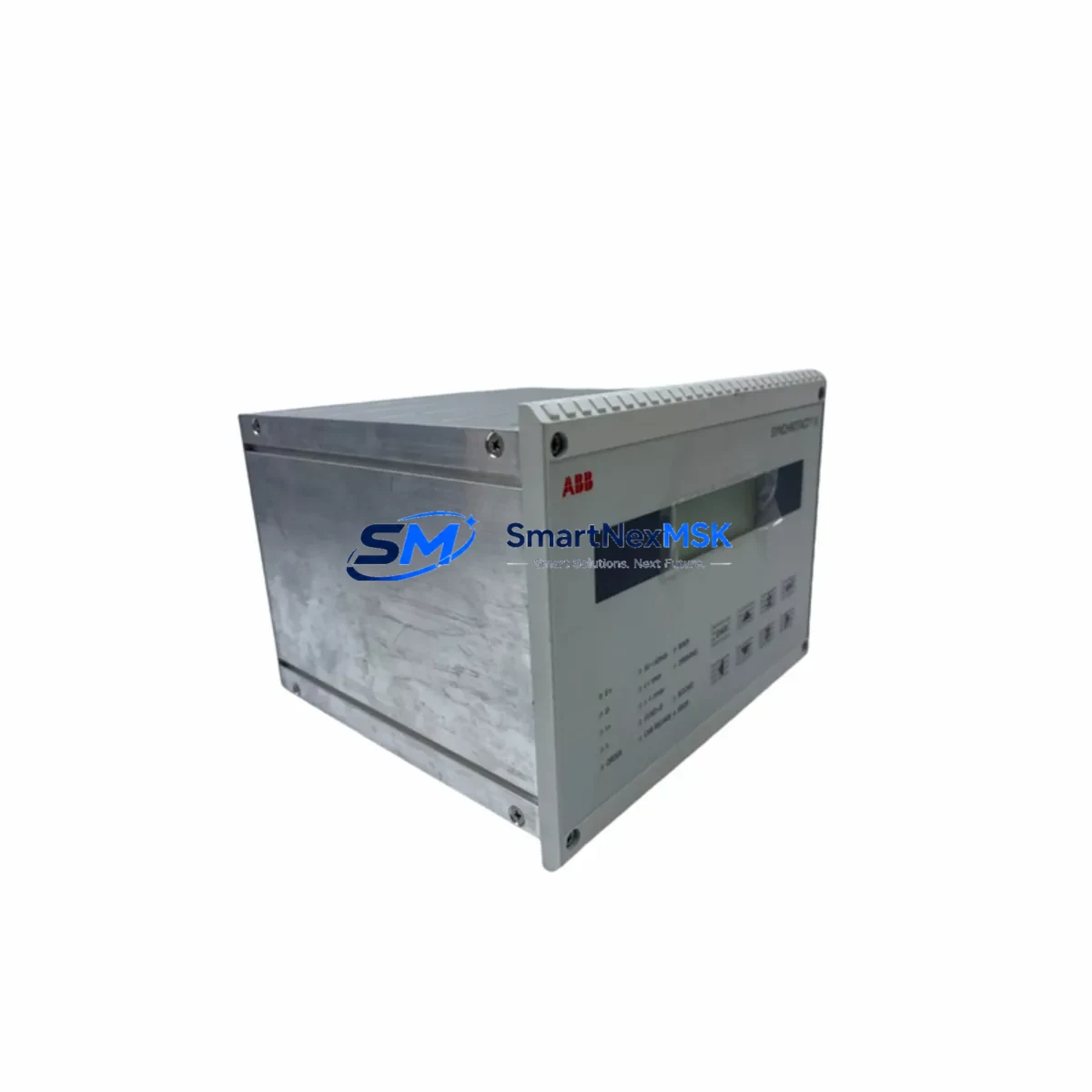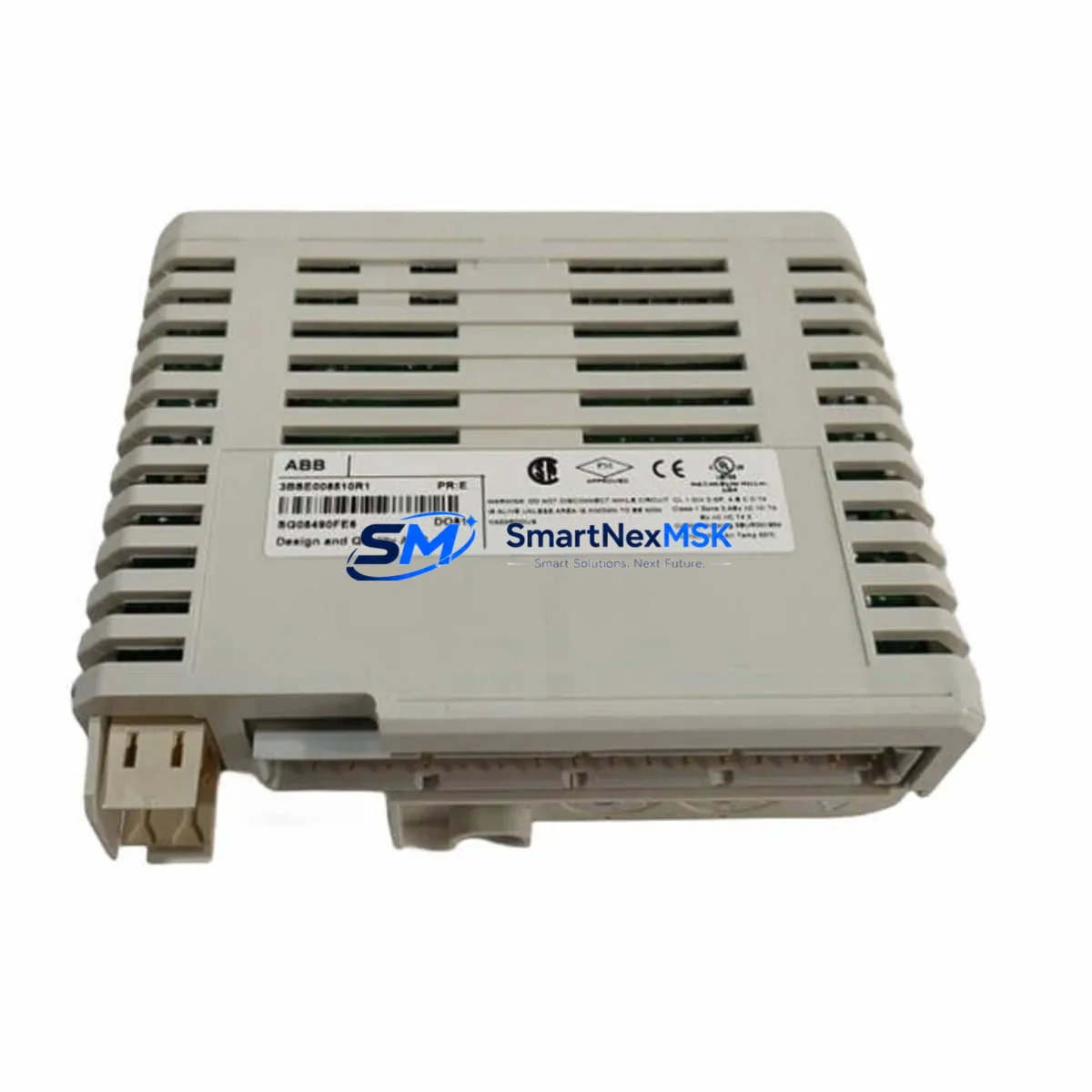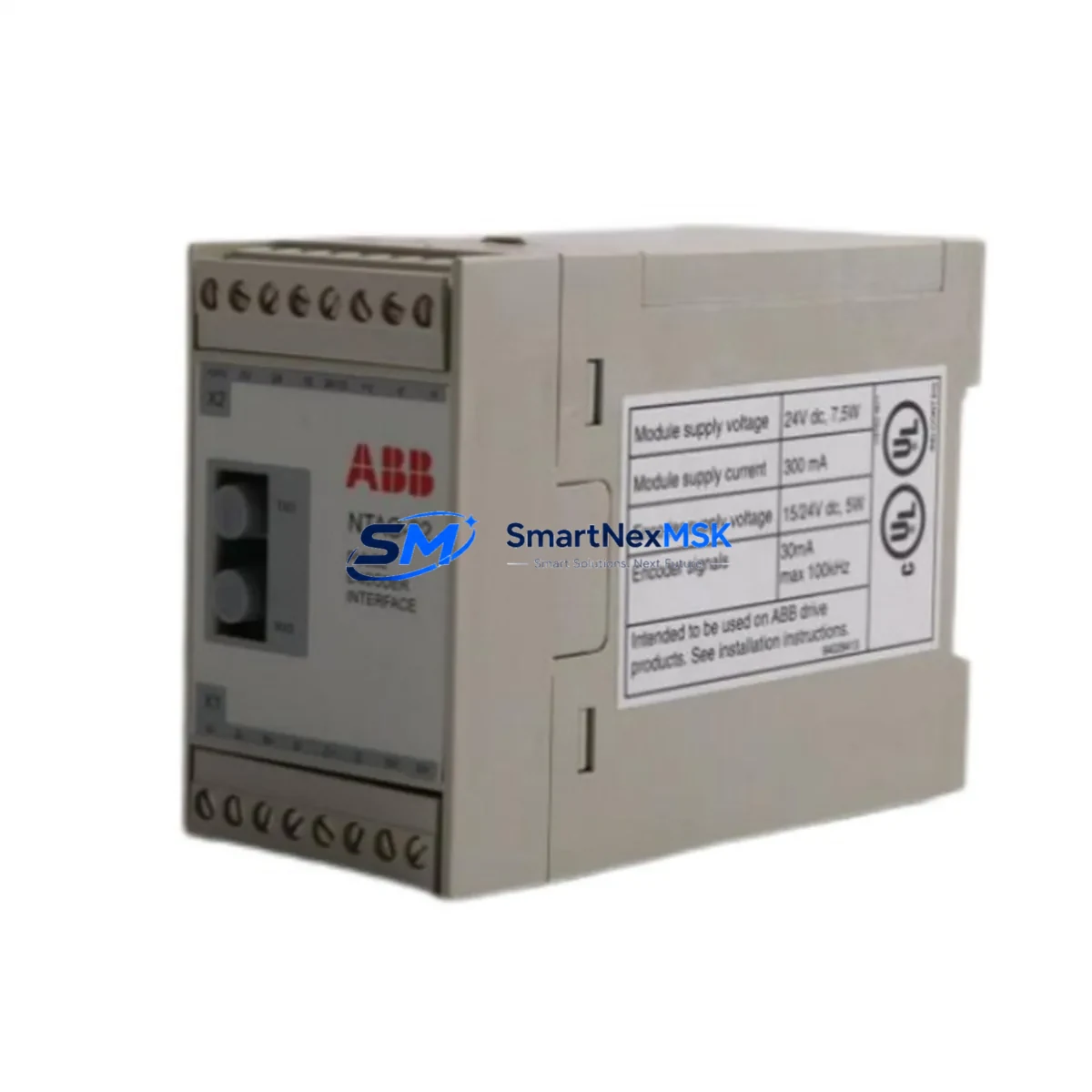
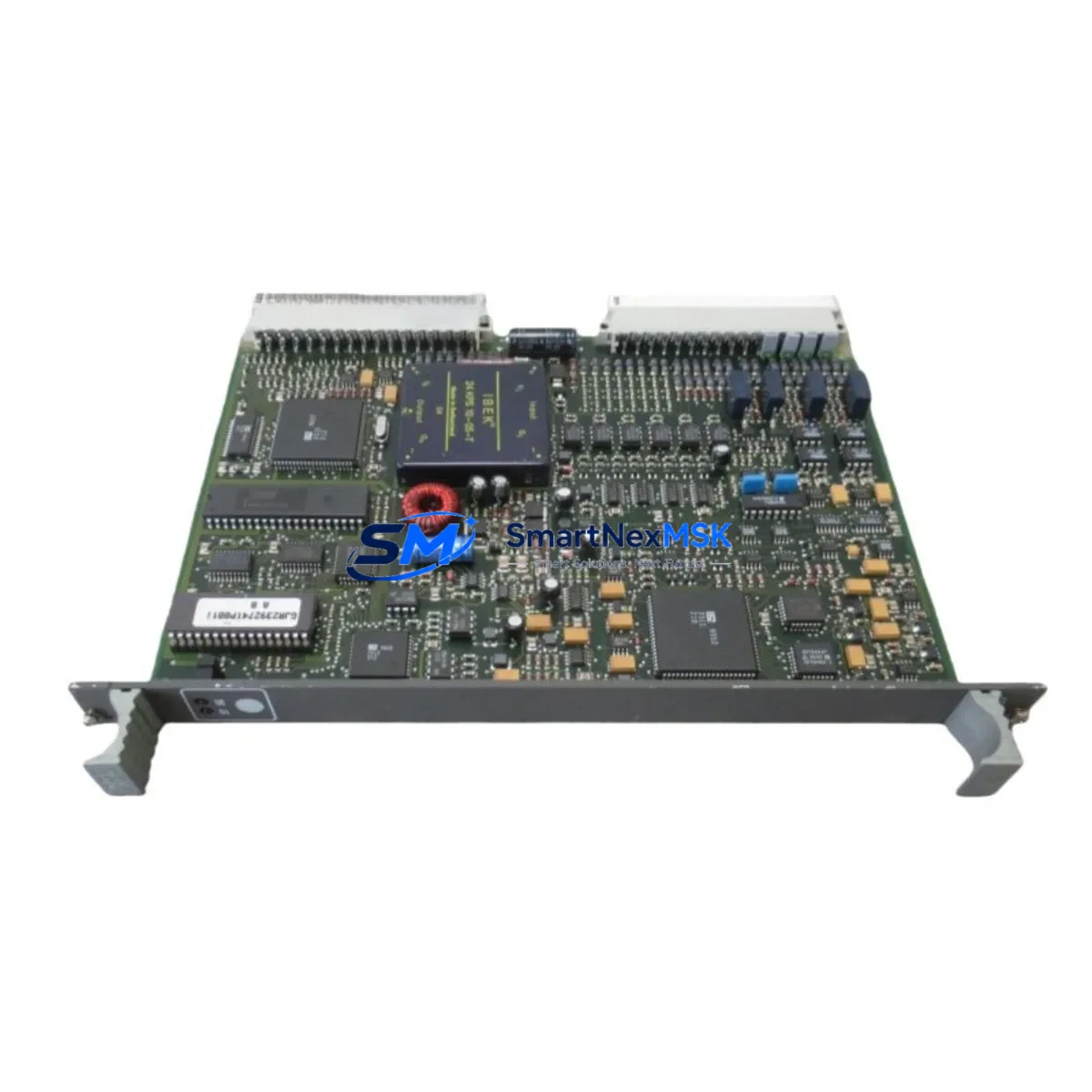
ABB GJR2392700R1210 Retrofit-Ready Redundant CPU for AC800M Control Systems
The ABB GJR2392700R1210 (83SR07A-B) is a redundant CPU module engineered for the AC800M controller platform — one of ABB’s most widely deployed distributed control system (DCS) architectures in process industries including oil & gas, pulp & paper, power generation, and chemical manufacturing. As legacy AC800M installations approach end-of-life or require hardware refresh, this module serves as a direct retrofit replacement, enabling engineers to restore system redundancy, extend operational life, and defer full platform migration without rewriting control logic or reconfiguring field wiring.
Whether you are replacing a failed primary CPU, upgrading a simplex AC800M controller to a fully redundant configuration, or restoring a spare parts inventory for a critical production line, the GJR2392700R1210 83SR07A-B provides the hardware foundation for a controlled, low-risk modernization. The module slots directly into the existing TB820V2 or TB840A backplane without mechanical modification, preserving your existing PM865, PM866, or PM891 controller architecture and all associated I/O wiring.
Upgrade Compatibility Table
| Parameter | Details |
|---|---|
| Module Part Number | GJR2392700R1210 / 83SR07A-B |
| Compatible Platform | ABB AC800M (PM865, PM866, PM891 series) |
| Backplane Compatibility | TB820V2, TB840A |
| Communication Protocols | PROFIBUS DP, MMS (IEC 61850), Modbus TCP, OPC DA/UA |
| Redundancy Mode | Hot-standby CPU redundancy (bumpless switchover) |
| Installation Requirement | No mechanical modification; direct slot replacement |
| Firmware Compatibility | Compatible with AC800M firmware 5.x and 6.x; verify via Control Builder M |
| Power Supply Requirement | 24 VDC via backplane; verify SD821 or SD822 PSU capacity before swap |
| HMI Compatibility | Compatible with 800xA System (v5.1+); no HMI screen rebuild required |
| Replacement Recommendation | Direct drop-in for failed or end-of-life GJR2392700R1210 units |
| Commissioning Note | Verify module address via DIP switch; re-download application from Control Builder M |
| Warranty | 12-Month Warranty — covered against manufacturing defects and functional failure |
Retrofit Planning for Existing Automation Systems
A successful AC800M retrofit begins well before the module arrives on site. Engineers should start by auditing the existing controller cabinet: confirm the SD821 or SD822 power supply module has sufficient current headroom to support the replacement CPU alongside all active I/O modules, including any CI854B PROFIBUS communication interface modules or CI857 PROFINET interface modules already installed in the rack. Undersized power supplies are a leading cause of post-retrofit instability and must be addressed before the CPU swap.
Next, document the existing backplane slot assignments. The GJR2392700R1210 uses DIP switches to set the module node address on the ModuleBus. If the failed unit’s address was set to a non-default value — common in multi-controller cabinets — the replacement must be configured identically before power-up. Failure to match the address will prevent the AC800M from recognizing the module and will trigger a system fault on the 800xA operator station.
For sites running PROFIBUS DP field networks, verify that the CI854B interface module’s GSD file and station address assignments remain intact in the project database. In most cases, the PROFIBUS configuration survives a CPU swap without modification, but engineers should perform a live network scan using a PROFIBUS diagnostic tool to confirm all field devices — including remote I/O stations, variable frequency drives, and intelligent field transmitters — are responding correctly after the new CPU comes online.
If the retrofit involves migrating from an older PM864 or PM865 controller to the current PM866 or PM891 platform, additional steps are required. The Control Builder M project must be re-compiled against the new hardware profile, and any hardware-specific function blocks referencing the old CPU type must be updated. In parallel, the AI810 analog input modules, DI810 digital input modules, and DO810 digital output modules connected via the S800 I/O bus should be verified for firmware compatibility with the new CPU firmware version. This is particularly important for sites running mixed I/O generations across multiple S800 I/O clusters.
HMI integration should be validated before returning the system to automatic control. The ABB 800xA System typically maintains its graphic displays and alarm configurations independently of the CPU hardware, but any faceplates referencing hardware-specific diagnostic tags should be reviewed. Operators should confirm that all process values are updating correctly on the 800xA operator station and that the redundancy status display correctly shows the new module as the active primary CPU.
For sites using the AC800M in conjunction with a Freelance 800F or Symphony Plus control system in a hybrid architecture, the inter-system communication links — typically implemented via OPC DA or Modbus TCP — should be tested end-to-end after the CPU replacement to confirm that data exchange between platforms has not been interrupted.
Downtime Control During System Migration
Minimizing unplanned downtime during a CPU retrofit requires a structured hot-swap procedure. In a fully redundant AC800M configuration, the standby CPU can be replaced while the primary remains in control — a key advantage of the GJR2392700R1210’s hot-standby architecture. The procedure involves: isolating the standby CPU slot, removing the failed module, inserting the replacement, and allowing the system to synchronize application data from the primary before the standby is declared ready.
Before initiating any swap, back up the full Control Builder M project to a secure engineering workstation. This backup preserves the application program, hardware configuration, and all tuning parameters, ensuring that a complete re-download is possible if the synchronization process encounters an error. The backup should also include the current values of all retentive variables, which store process setpoints and accumulated totals that would otherwise be lost during a cold restart.
For simplex (non-redundant) AC800M installations, the CPU swap will require a planned process shutdown. In this scenario, downtime can be minimized by pre-staging the replacement GJR2392700R1210 module with the correct DIP switch settings and having the Control Builder M download sequence prepared and tested on an offline system before the maintenance window begins. Target a total swap-and-restart time of under 30 minutes for experienced engineers working from a documented procedure.
After the new CPU comes online, perform a structured commissioning check: verify all I/O channels are reading correctly, confirm PROFIBUS network health via the CI854B diagnostic display, check that the 800xA alarm system is not generating spurious hardware fault alarms, and validate that the redundancy switchover function operates correctly by performing a manual switchover test before returning the unit to automatic control.
Retrofit Support FAQ
Q: Is the GJR2392700R1210 83SR07A-B a direct replacement for all AC800M CPU variants?
A: The GJR2392700R1210 83SR07A-B is specifically designed for AC800M redundant CPU applications. It is compatible with PM865, PM866, and PM891 controller configurations using TB820V2 or TB840A backplanes. For PM864 or earlier variants, verify firmware and hardware revision compatibility via ABB’s product documentation or contact our technical team before ordering.
Q: What commissioning steps are required after installing the replacement module?
A: After physical installation, set the DIP switch node address to match the original module, power up the backplane, and use Control Builder M to download the application program. Verify PROFIBUS network integrity via the CI854B interface, confirm all S800 I/O modules are online, and perform a manual redundancy switchover test. Total commissioning time for an experienced engineer is typically 1–3 hours.
Q: Does the replacement module require any wiring changes?
A: No field wiring changes are required. The GJR2392700R1210 connects to the process via the existing S800 I/O bus and backplane connectors. All terminal wiring on AI810, DI810, DO810, and AO810 I/O modules remains undisturbed. Only the CPU slot is affected during the swap.
Q: What does the 12-month warranty cover?
A: All units are tested for full functional operation prior to shipment. The 12-month warranty covers manufacturing defects and functional failure under normal operating conditions. Each module ships with a test report. Warranty claims are processed within 5 business days, with advance replacement available for critical production applications.
© 2026 SMARTNEXMSK. All rights reserved.
Original Source: https://smartnexmsk.com
Contact: [email protected] | +86 18259474341