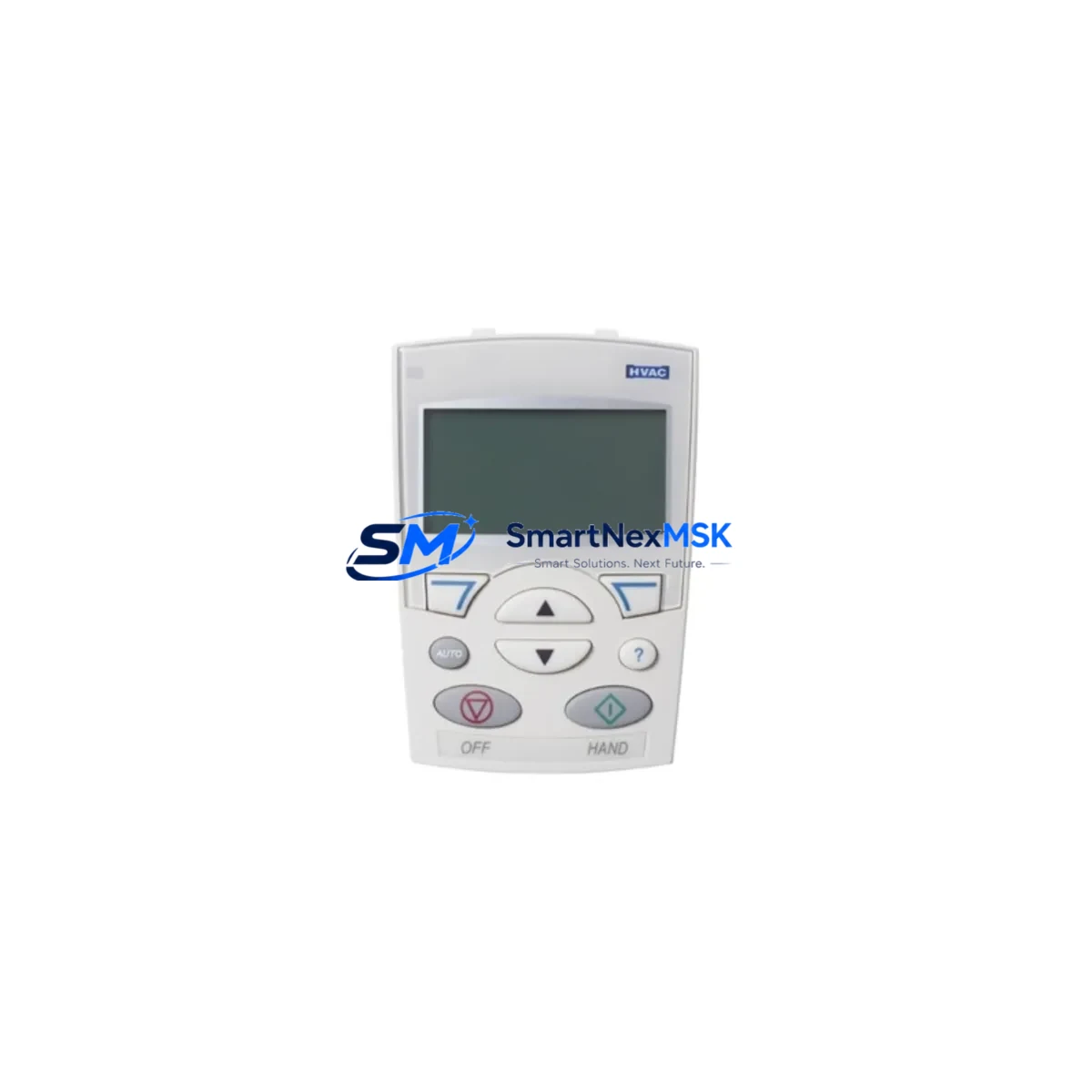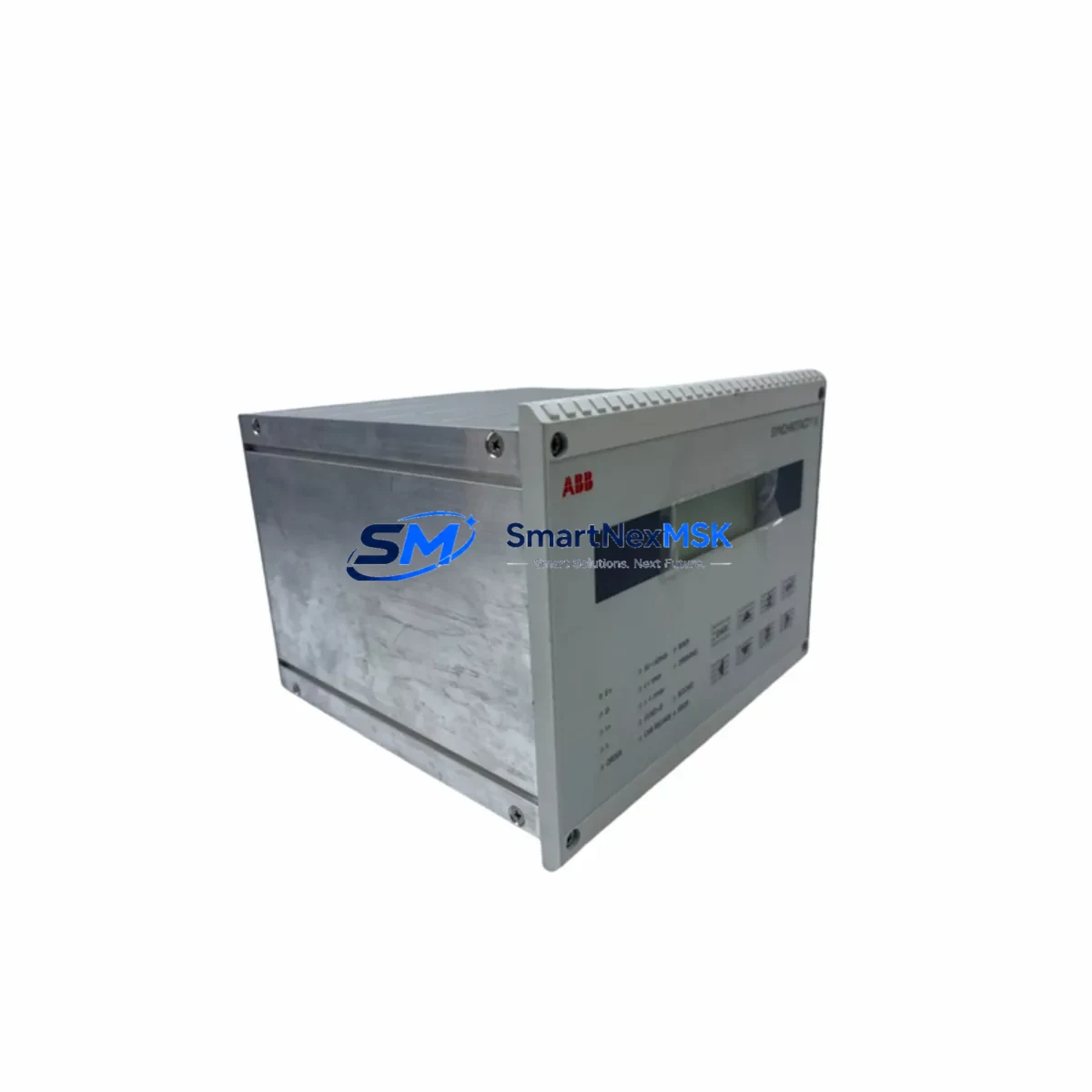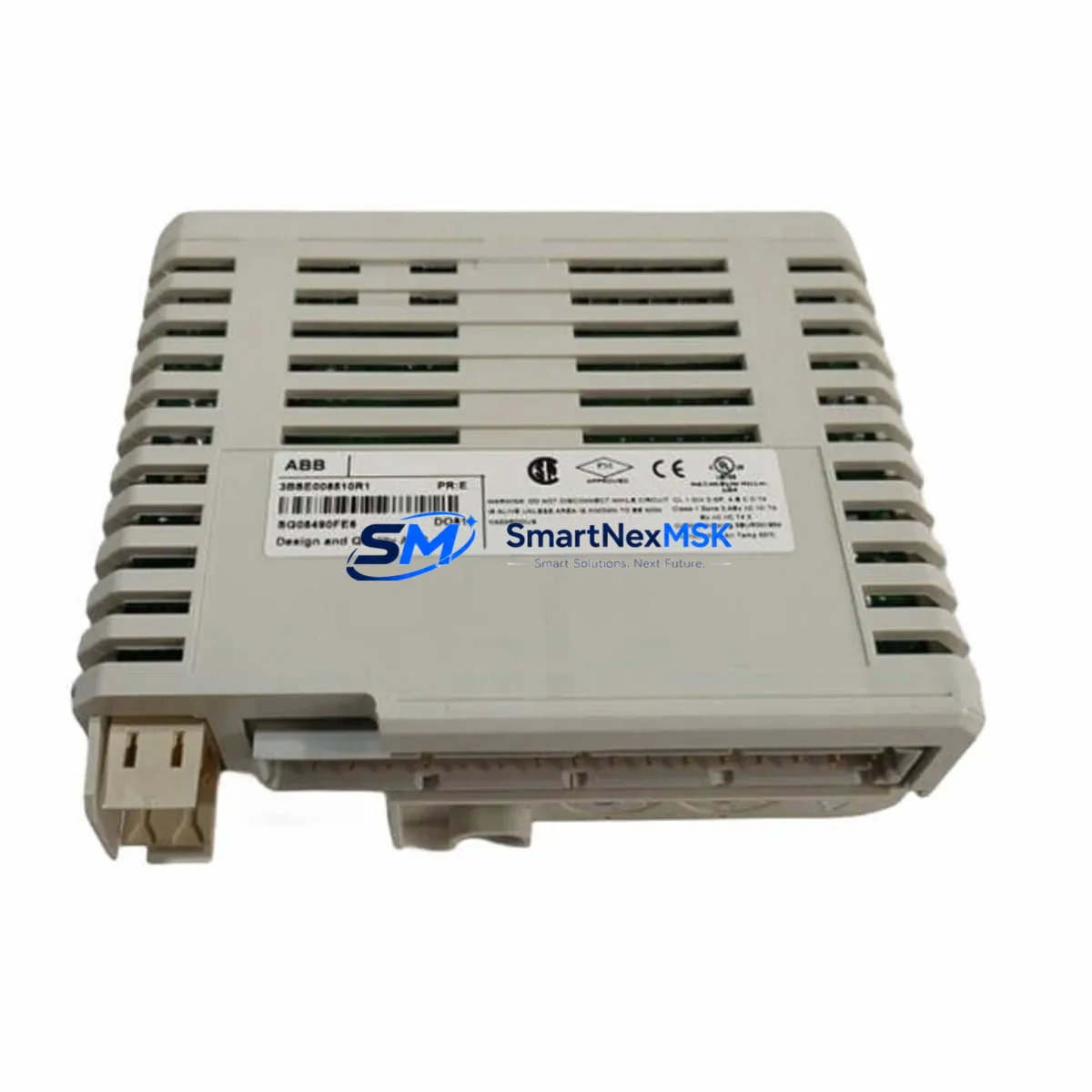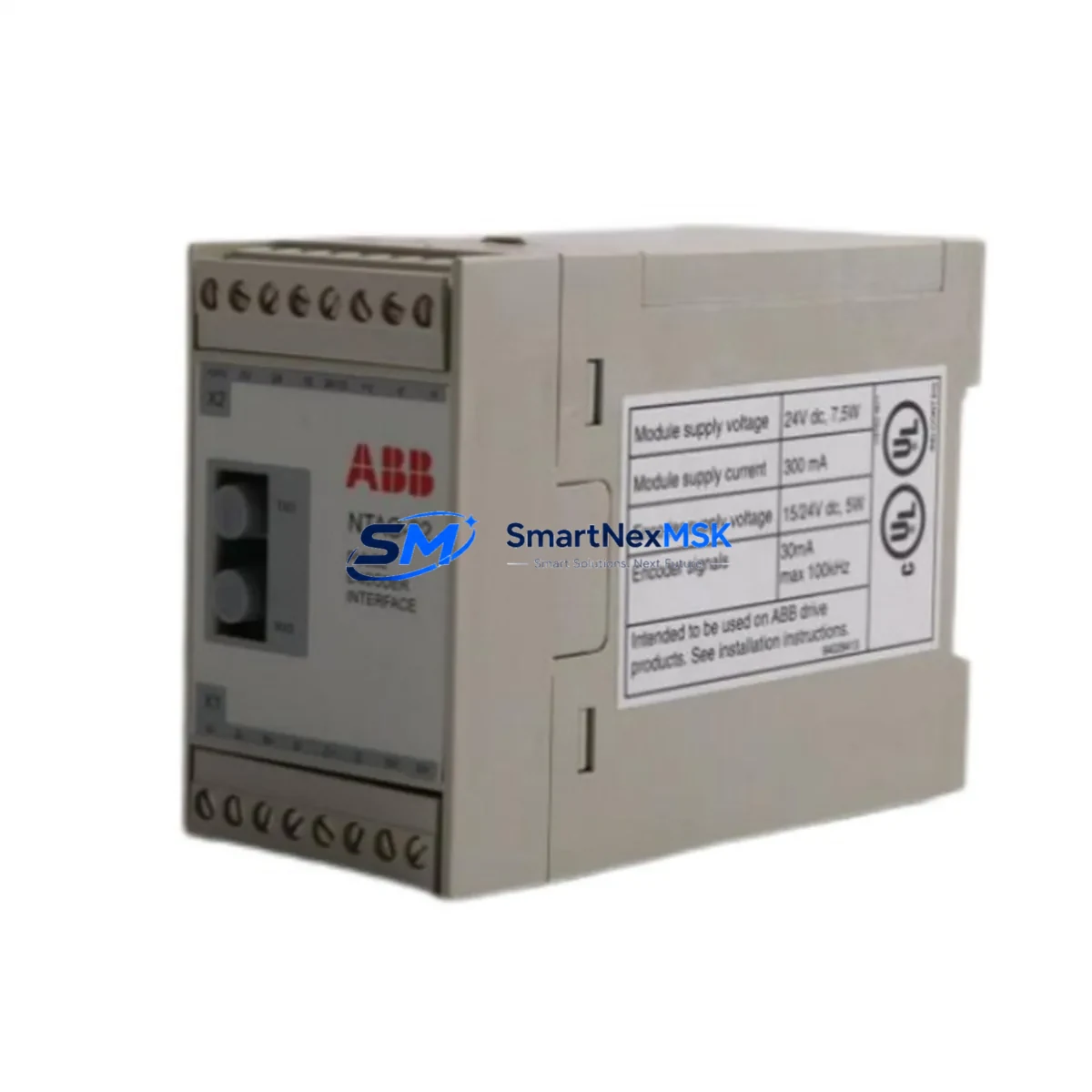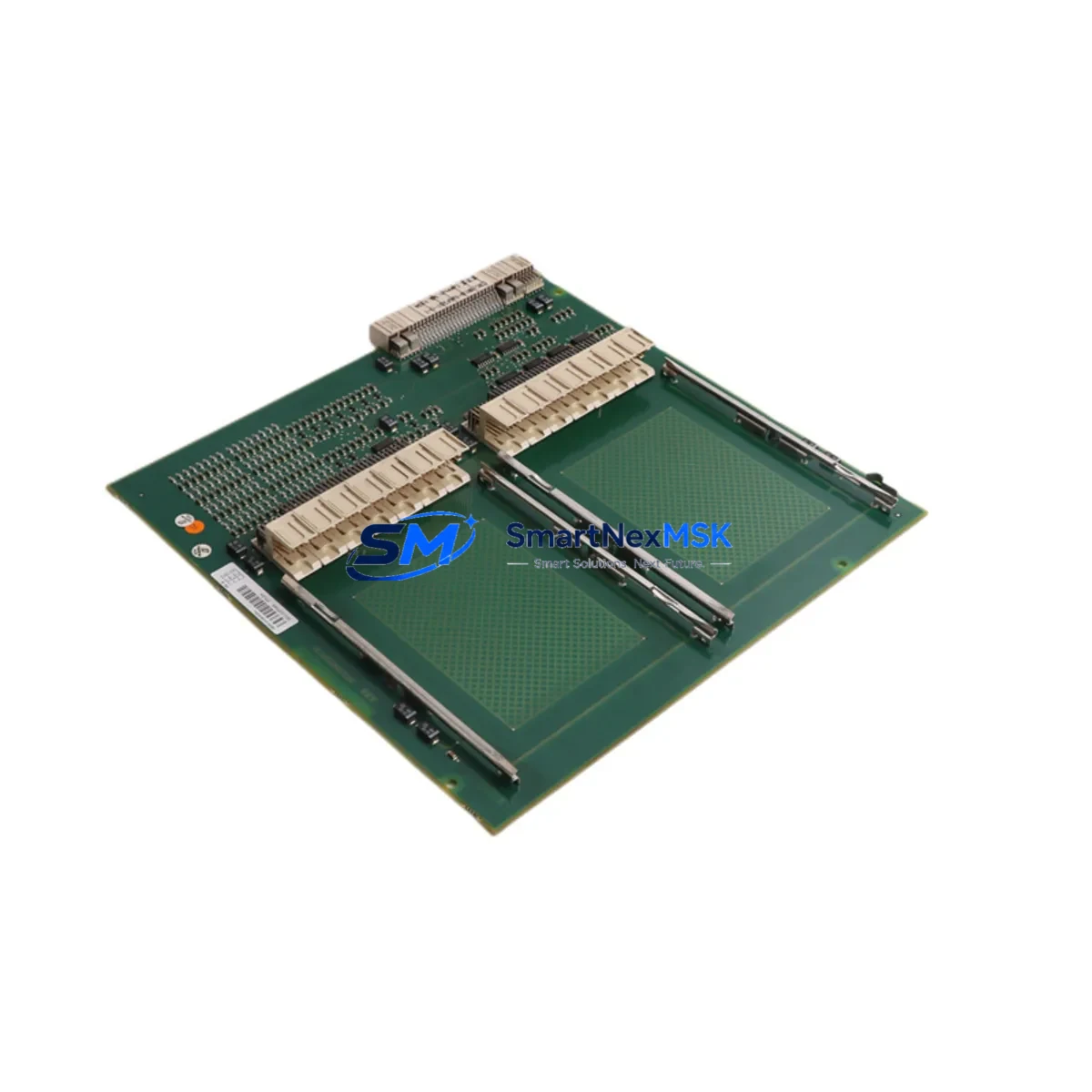
ABB PM154 3BSE003645R1 Retrofit-Ready CPU for Advant OCS Control Systems
The ABB PM154 (3BSE003645R1) is a central processing unit module designed for the Advant OCS (Open Control System) platform, widely deployed across process industries, power generation, and discrete manufacturing. As ABB has progressively phased out legacy Advant OCS hardware, the PM154 has become one of the most sought-after replacement and retrofit components for engineers tasked with extending the operational life of existing control systems or executing a structured migration to modern ABB 800xA or AC 800M architectures.
SMARTNEXMSK maintains verified stock of the PM154 3BSE003645R1, sourced from authorized channels and subject to full functional testing prior to dispatch. Each unit ships with a 12-month warranty covering manufacturing defects and operational failures under normal industrial service conditions.
Upgrade Compatibility Table
| Parameter | Details |
|---|---|
| Part Number | PM154 / 3BSE003645R1 |
| Brand | ABB |
| Compatible Platform | Advant OCS (AC 160, AC 110) |
| Backplane Interface | Advant OCS S100 I/O bus; direct slot replacement |
| Communication Compatibility | MasterBus 300, PROFIBUS DP (via CI522A), Modbus RTU |
| Power Supply Requirement | 24 VDC via backplane; verify PS150 or PS100 capacity before swap |
| Replacement Recommendation | Direct drop-in for PM150, PM153 in same rack; confirm firmware revision |
| Installation Requirement | Standard DIN-rail rack; no mechanical modification required |
| Commissioning Focus | Node address DIP switch, watchdog timer, program download via MasterView 800 |
| Warranty | 12 Months — covers manufacturing defects and operational failure |
Retrofit Planning for Existing Automation Systems
A successful PM154 retrofit begins well before the module arrives on-site. Engineers should start by auditing the existing Advant OCS rack configuration, identifying the current processor variant — whether a PM150, PM153, or an earlier PM154 revision — and confirming that the installed PS150 power supply module can sustain the load of the replacement CPU alongside all active I/O modules in the same rack. Undersized power capacity is one of the most common causes of instability after a processor swap.
Terminal wiring on the PM154 follows the standard Advant OCS backplane pinout, so no rewiring of field cables is required when replacing within the same processor family. However, if the retrofit involves migrating from an older AC 110 rack to an AC 160 rack, engineers must verify that the S100 I/O bus termination resistors are correctly positioned and that any CI522A PROFIBUS communication interface modules are re-addressed to match the new node configuration.
For sites running MasterBus 300 networks, the PM154 must be assigned a unique station address before going online. This is configured via the onboard DIP switch bank and must match the address table defined in the MasterView 800 engineering station. If the site uses a CI810B FieldBus Communication Interface for PROFIBUS DP connectivity to field devices such as ABB drives, valve positioners, or remote I/O stations, the DP master configuration file (GSD) should be re-imported and verified after the CPU swap.
I/O expansion modules — including AI810 analog input, AO810 analog output, DI810 digital input, and DO810 digital output modules — retain their configuration in the S100 I/O bus and do not require re-parameterization when only the CPU is replaced, provided the rack address and slot assignments remain unchanged. Engineers should nonetheless perform a full I/O force test after commissioning to confirm signal integrity across all channels.
HMI screens built on MasterView 800 or migrated to ABB’s Panel 800 operator terminals reference tag names and node addresses rather than hardware slot positions, so existing graphic pages typically remain valid after a CPU replacement. Any dynamic data links that reference the processor node address directly should be reviewed and updated if the node address changes during the retrofit.
Programming cables and the associated Advant Builder or Control Builder M software should be prepared in advance. A full program backup from the outgoing PM154 — or from the engineering station archive — must be verified before the old module is removed. The replacement PM154 should be loaded with the verified program image and cold-started in a bench environment where possible before installation in the live rack.
Downtime Control During System Migration
Minimizing unplanned downtime during a PM154 replacement requires a structured pre-outage checklist. Before the scheduled maintenance window, the engineering team should complete a full program backup, document all current analog calibration values, capture a snapshot of all PID tuning parameters, and confirm that the replacement module has been bench-tested and loaded with the correct firmware and application program.
During the outage, the recommended sequence is: place the process in manual control at the field level, de-energize the rack via the PS150 power supply, remove the failed or end-of-life PM154, seat the replacement module firmly into the backplane connector, restore power, and observe the CPU status LEDs through the startup sequence. A healthy PM154 will cycle through its self-test routine and enter RUN mode within approximately 30 seconds if the program is resident in battery-backed RAM.
If the program must be downloaded from the engineering station, allow additional time for the MasterView 800 or Control Builder M session to establish communication, transfer the application, and perform a warm restart. Field operators should remain at critical control points during this period to manage any process deviations manually. Once the CPU is confirmed in RUN mode, a systematic check of all I/O channels — starting with safety-critical analog loops and then digital outputs — should be completed before returning the process to automatic control.
For sites where continuous operation is mandatory, a hot-standby configuration using a redundant PM154 pair with a CI535V26 communication interface can reduce switchover time to under one second, preserving process continuity even during unplanned CPU failures.
Retrofit Support FAQ
Q1: Is the PM154 3BSE003645R1 a direct replacement for the PM150 and PM153?
Yes. The PM154 is backward-compatible with PM150 and PM153 in the same Advant OCS rack. The backplane connector, power draw, and bus protocol are identical. You should verify the firmware revision matches your application requirements and confirm the DIP switch node address before going online.
Q2: What wiring changes are needed when installing the PM154?
No field wiring changes are required for a like-for-like CPU replacement within the same rack. All field signals connect to the S100 I/O bus modules (AI810, DI810, AO810, DO810), not directly to the processor. If you are changing rack types or adding a CI522A PROFIBUS interface, terminal block reassignment may be needed for the communication cable only.
Q3: How is the PM154 tested before shipment?
Each PM154 3BSE003645R1 unit undergoes functional power-on testing, self-diagnostic verification, and communication port checks before dispatch. Units that fail any test stage are quarantined and not shipped. A test report is available upon request for critical infrastructure projects.
Q4: What does the 12-month warranty cover?
The 12-month warranty covers manufacturing defects, component failures, and operational malfunctions under normal industrial service conditions. It does not cover damage caused by incorrect installation, overvoltage, or physical impact. Warranty claims are processed within 5 business days of receipt of the returned unit, with a replacement dispatched upon confirmation of the defect.
© 2026 SMARTNEXMSK. All rights reserved.
Original Source: https://smartnexmsk.com
Contact: [email protected] | +86 18259474341