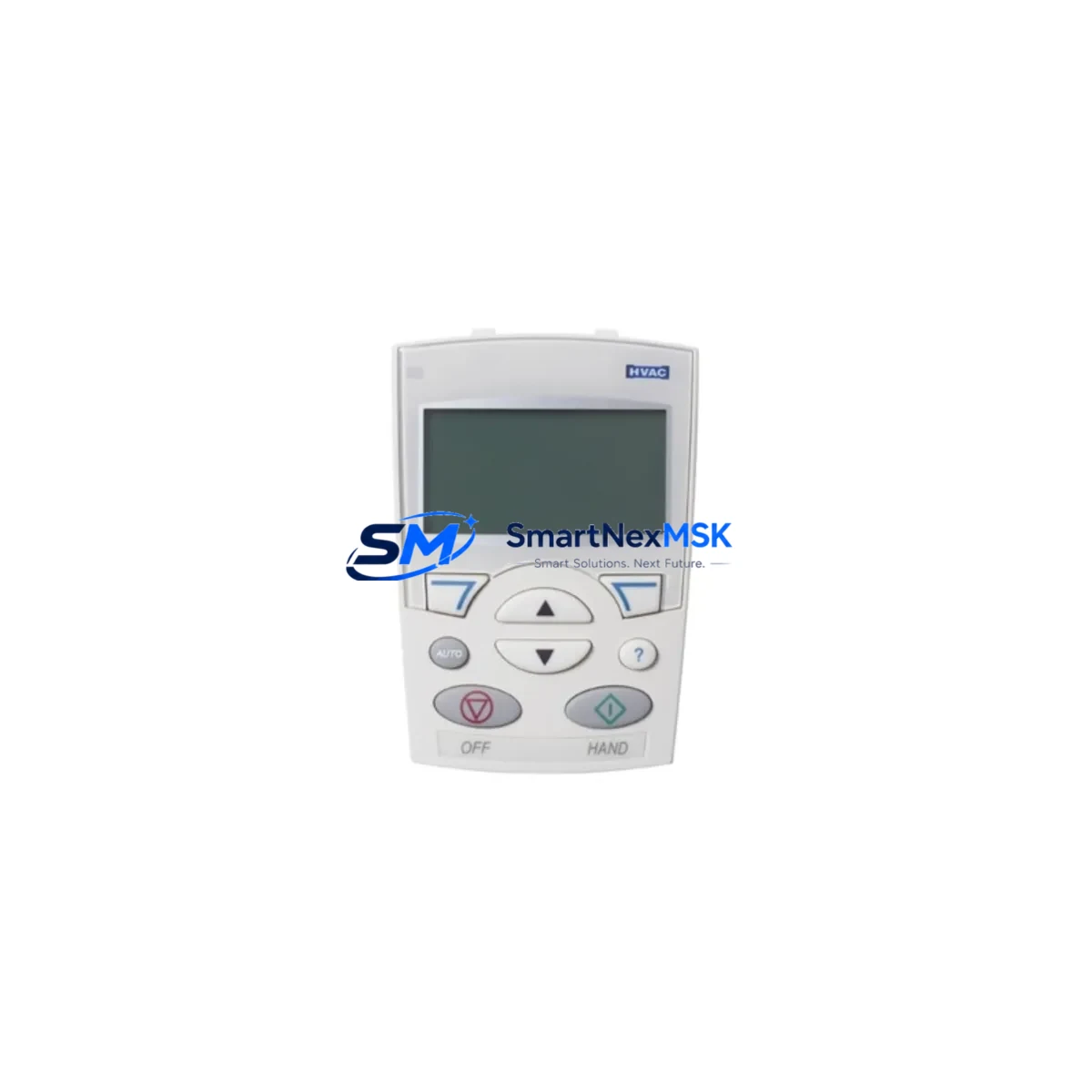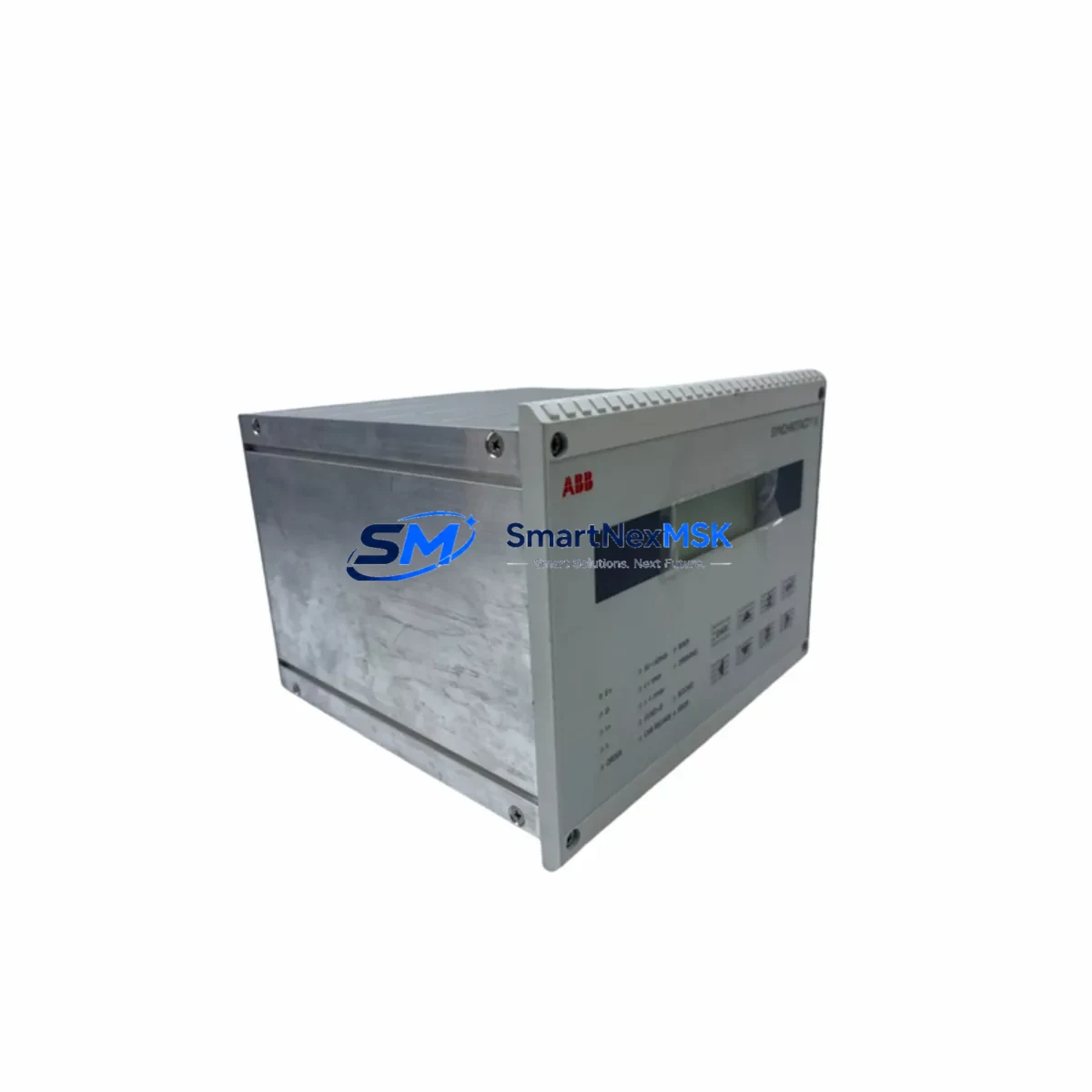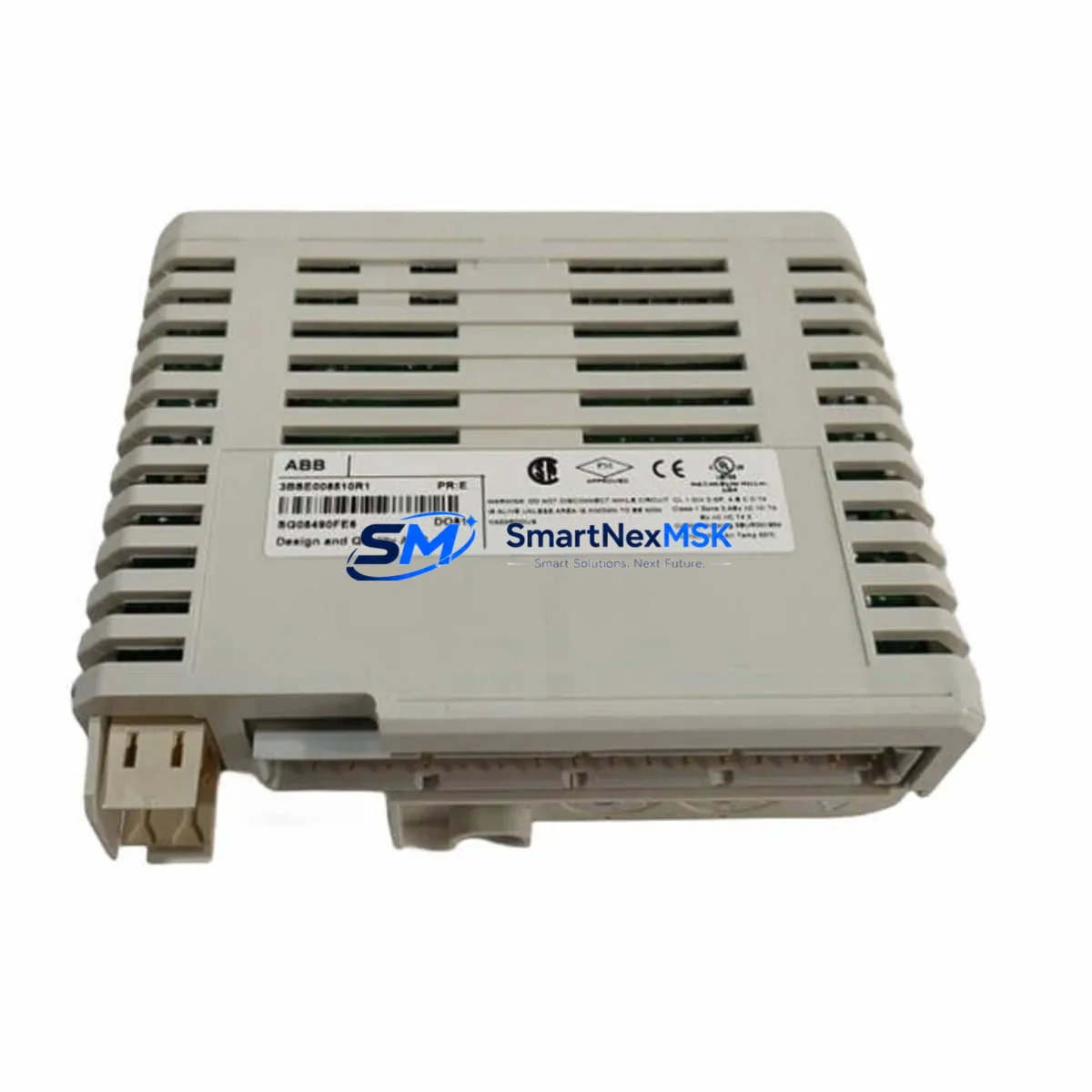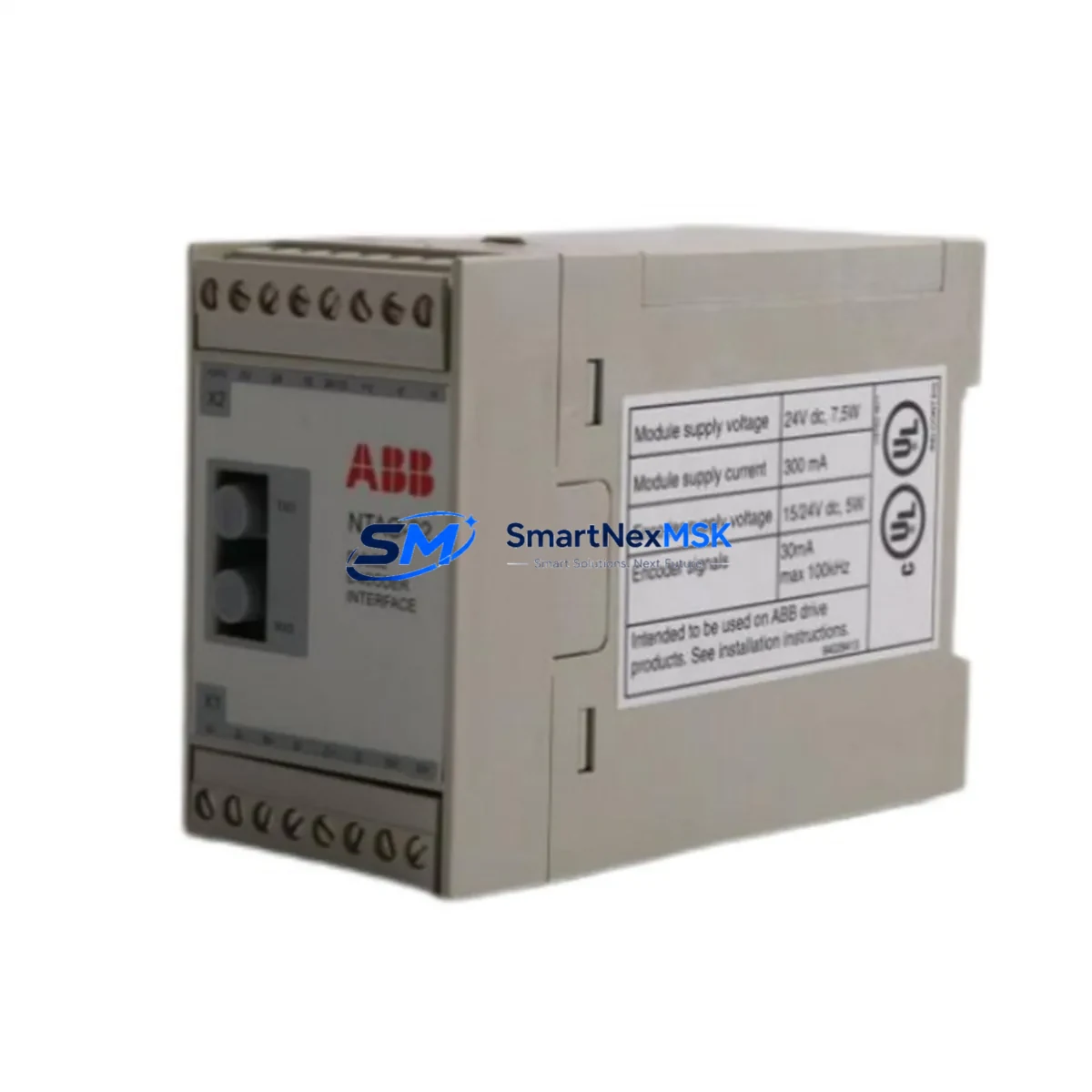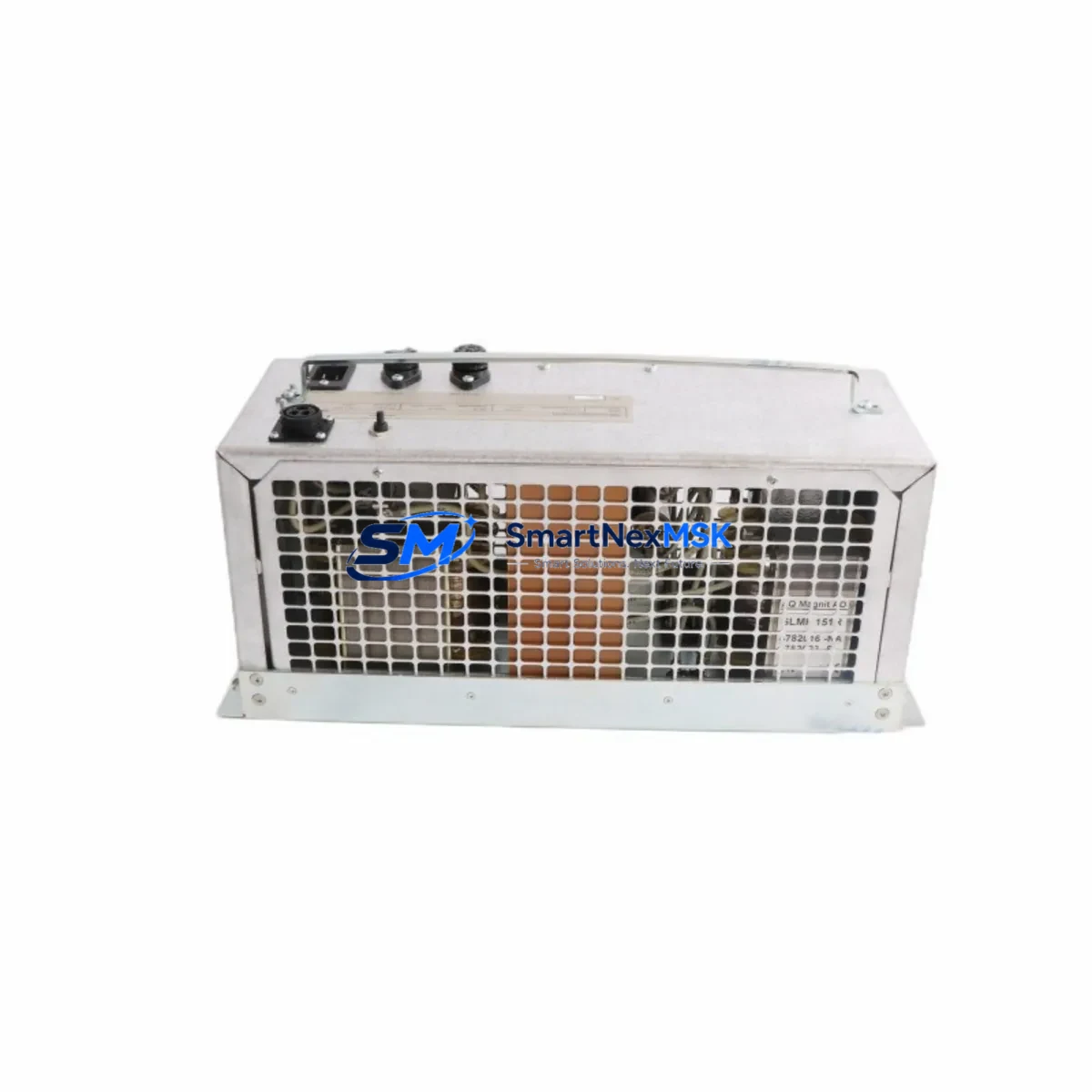
ABB SA167 3BSE003390R1 Retrofit-Ready Rack Power Supply for MOD 300 Control Systems
The ABB SA167 (3BSE003390R1) is a rack-mounted DC power supply module engineered for the ABB Advant OCS MOD 300 distributed control platform. As legacy MOD 300 installations approach end-of-support milestones, the SA167 has become one of the most sought-after retrofit components for engineers tasked with extending the operational life of existing control cabinets — or executing a controlled migration to a modern ABB 800xA or AC 800M architecture.
Whether you are replacing a failed unit on a running line, pre-stocking critical spares for a scheduled turnaround, or planning a phased system upgrade, the SA167 3BSE003390R1 provides the electrical backbone that keeps your MOD 300 rack energized and your I/O modules online. This unit supplies regulated DC power to the backplane, supporting co-installed modules such as the DSAI 130 analog input card, DSDO 115 digital output module, and DSDP 150 pulse counter — all of which draw their operating voltage directly from the rack power bus.
Upgrade Compatibility Table
| Parameter | SA167 3BSE003390R1 Details |
|---|---|
| Compatible Platform | ABB Advant OCS MOD 300 / MOD 300E |
| Mounting | Standard MOD 300 19″ rack backplane slot |
| Output Voltage | Regulated DC (24 V bus, refer to datasheet for tolerance) |
| Communication Compatibility | Passive power rail — compatible with RCOM, MasterBus 300, and PROFIBUS DP co-installed modules |
| Replacement For | SA167, earlier SA163 / SA164 variants (verify backplane connector revision) |
| Installation Requirement | De-energize rack before swap; verify terminal block torque spec per ABB installation guide |
| Commissioning Note | No firmware configuration required; module is recognized automatically by the MOD 300 rack controller |
| Warranty | 12 Months — covers manufacturing defects and functional failure under normal operating conditions |
Retrofit Planning for Existing Automation Systems
A successful MOD 300 power supply retrofit begins well before the module arrives on site. Engineers should audit the full rack assembly to confirm that the existing ABB DSBC 172 backplane bus coupler and DSBC 176 communication interface are in serviceable condition, since a degraded backplane can cause intermittent faults that are incorrectly attributed to the power supply itself.
Terminal wiring on the SA167 follows the standard MOD 300 AC input terminal block layout. Before disconnecting the old unit, photograph or document the existing wiring against the as-built drawings. Pay particular attention to the neutral and protective earth connections — incorrect PE bonding is a common source of ground-loop noise that can affect the DSAI 155 high-density analog input modules sharing the same rack.
If the retrofit is part of a broader control cabinet upgrade that includes replacing the PM511 processor module or migrating the operator interface from a legacy Advant Station 500 HMI to a modern PC-based system, the power budget of the new rack configuration must be recalculated. Adding higher-density I/O cards or a CI854 PROFIBUS DP communication interface module can increase total rack current draw, and the SA167 capacity must be confirmed against the updated load list before commissioning.
For sites running MasterBus 300 as the inter-controller communication backbone, verify that the bus termination resistors remain correctly installed after the power supply swap. A momentary power interruption during module replacement can cause MasterBus nodes to lose synchronization, requiring a controlled restart sequence from the AC 410 controller or equivalent MOD 300 master station.
Where the retrofit scope includes I/O expansion — for example, adding a new DSDI 110 digital input module to an existing rack — confirm that the SA167 power budget accommodates the additional load before the expansion card is inserted. Overloading the power supply is the leading cause of premature failure in retrofitted MOD 300 racks operating in high-ambient-temperature environments.
Downtime Control During System Migration
Minimizing unplanned downtime is the primary constraint in any live-plant power supply replacement. The recommended approach is a hot-standby swap protocol: where a redundant power supply slot exists in the rack, install and verify the SA167 in the standby slot before taking the primary unit offline. This approach keeps all I/O modules — including the DSDO 115 digital outputs driving field actuators — continuously powered throughout the exchange.
Where redundancy is not available, coordinate the replacement with the process control team to schedule a brief, planned shutdown window. Before de-energizing the rack, use the MOD 300 engineering workstation to force all critical outputs to their safe-state values and confirm that the AC 410 or AC 450 controller has saved its current program state to non-volatile memory. This protects the application logic, setpoints, and PID tuning parameters accumulated over years of operation.
After the SA167 is installed and the rack is re-energized, allow a full self-test cycle to complete before releasing control back to automatic mode. Monitor the rack status LEDs and the operator HMI for any module fault alarms. If the site uses a Advant Station 500 Series operator console, verify that all process graphics are updating correctly and that no communication alarms are active on the MasterBus 300 segment before signing off on the replacement.
All units supplied by SMARTNEXMSK are function-tested prior to shipment and covered by a 12-month warranty against manufacturing defects. In-stock units typically ship within 1–3 business days, supporting tight turnaround schedules for unplanned outages.
Retrofit Support FAQ
Q1: Is the SA167 3BSE003390R1 a direct drop-in replacement for earlier SA163 or SA164 power supply modules?
In most MOD 300 rack configurations, yes — the SA167 uses the same backplane connector footprint and terminal block layout as the SA163 and SA164. However, you should verify the backplane hardware revision and confirm that the AC input voltage range of the SA167 matches your site supply (typically 115 V or 230 V AC). Contact our technical team with your existing module part number for a confirmed compatibility check before ordering.
Q2: What commissioning steps are required after installing the SA167?
The SA167 is a passive power module — it does not require firmware loading or address configuration. After installation, re-energize the rack and confirm that the green POWER LED illuminates and that all co-installed I/O modules (e.g., DSAI 130, DSDO 115) return to normal operating status within one scan cycle. If any module shows a fault LED, check the backplane seating and terminal wiring before escalating.
Q3: How do I verify wiring compatibility before the replacement?
Reference the ABB MOD 300 Hardware Installation Manual (document 3BSE002413) for terminal block pinout and torque specifications. Compare the as-built wiring diagram against the SA167 terminal layout. Pay particular attention to the AC input, DC output sense lines, and protective earth terminal. If as-built drawings are unavailable, our team can provide a wiring reference guide based on the standard SA167 installation configuration.
Q4: What does the 12-month warranty cover, and what is the return process?
The 12-month warranty covers functional failure and manufacturing defects under normal operating conditions (within rated voltage, temperature, and load specifications). It does not cover damage from incorrect installation, overvoltage events, or physical mishandling. To initiate a warranty claim, contact [email protected] with your order number and a description of the fault. We will arrange return shipping and either repair or replace the unit within 10 business days of receipt.
© 2026 SMARTNEXMSK. All rights reserved.
Original Source: https://smartnexmsk.com
Contact: [email protected] | +86 18259474341