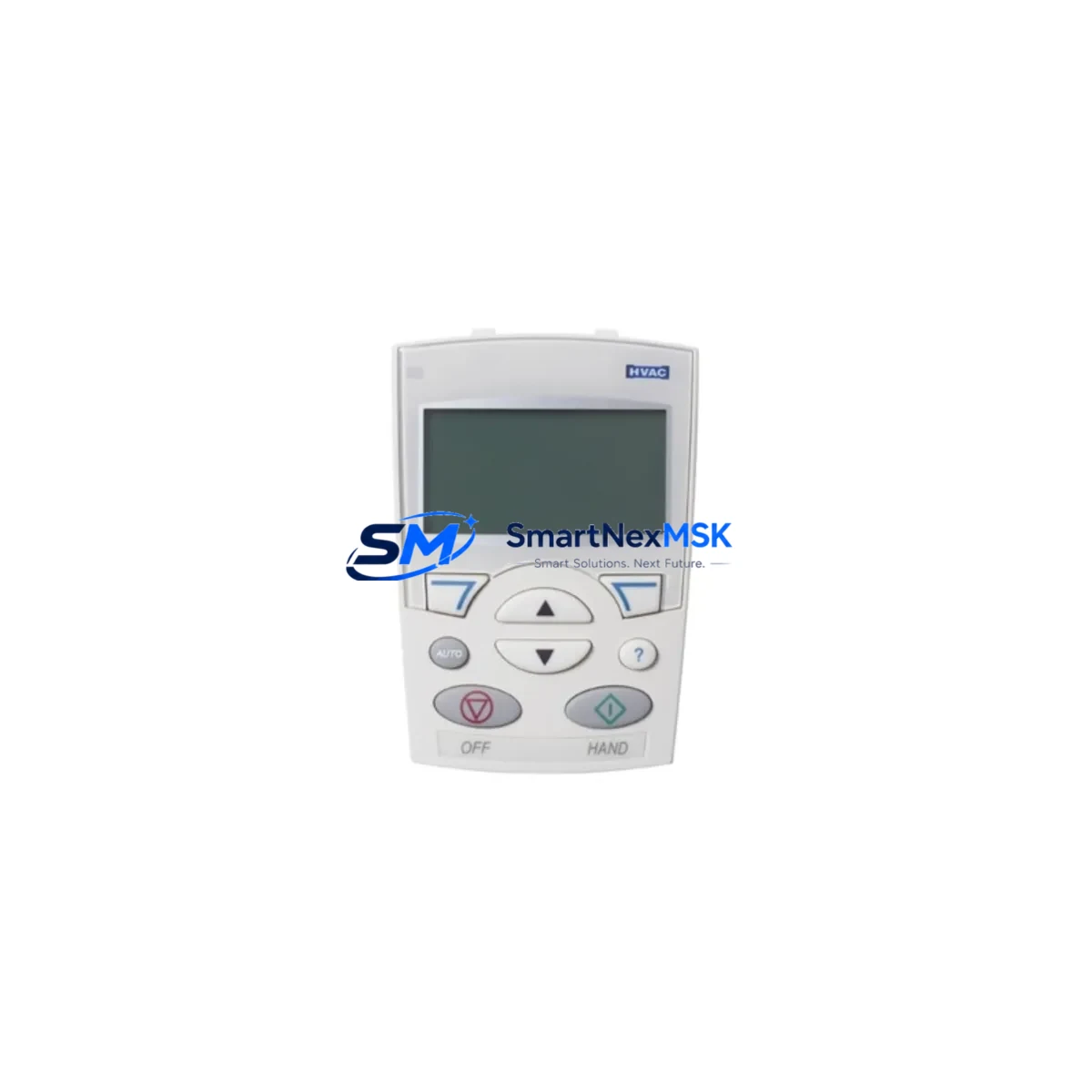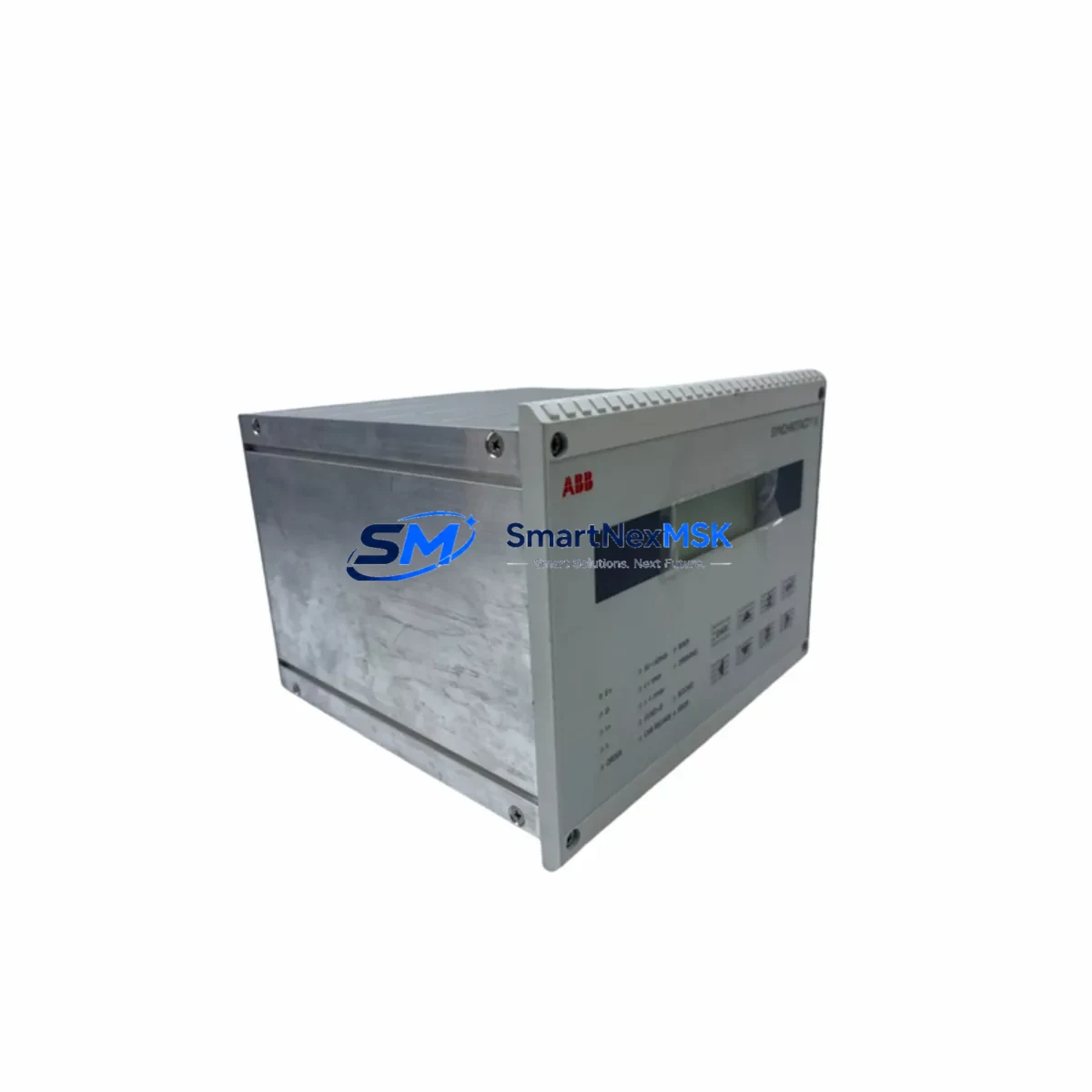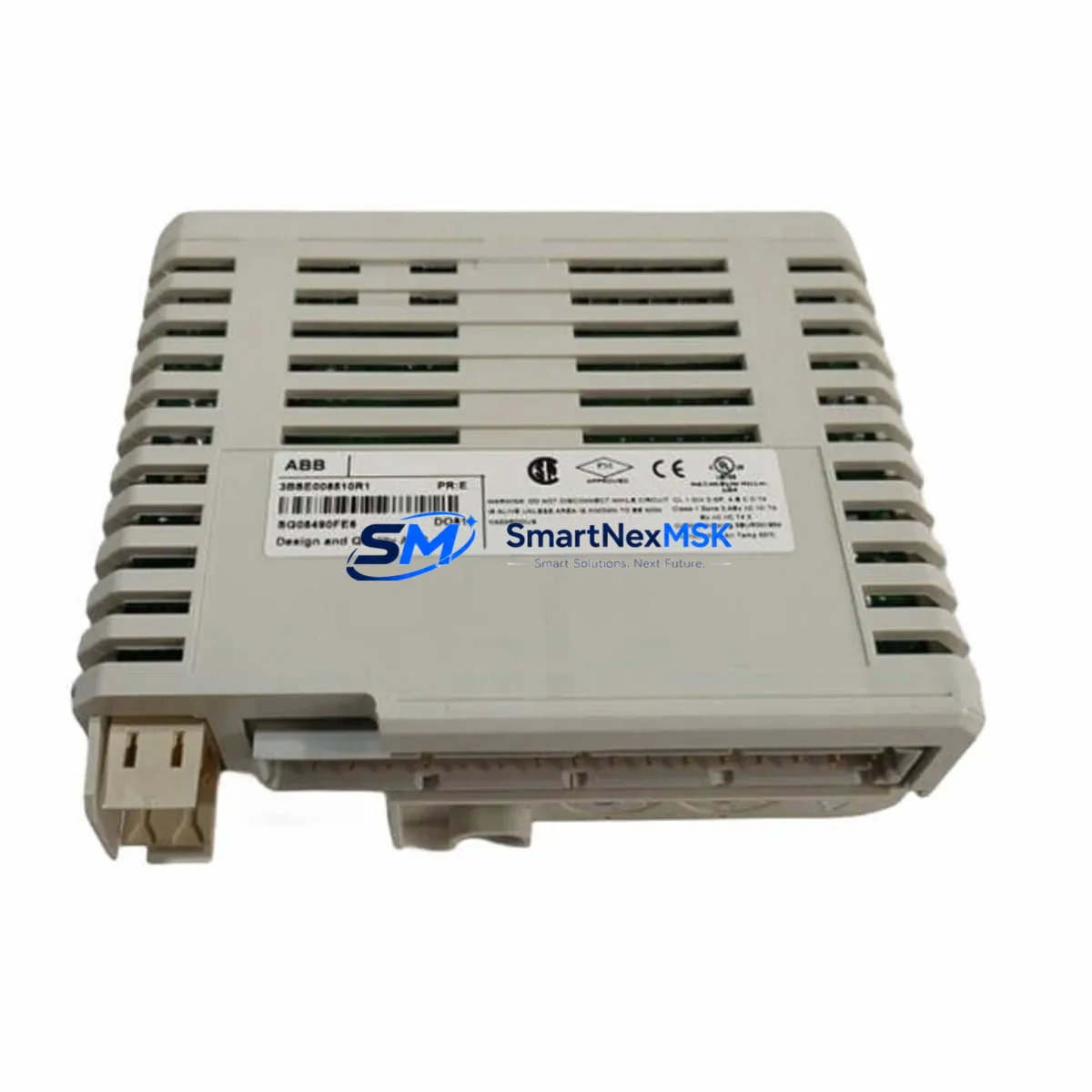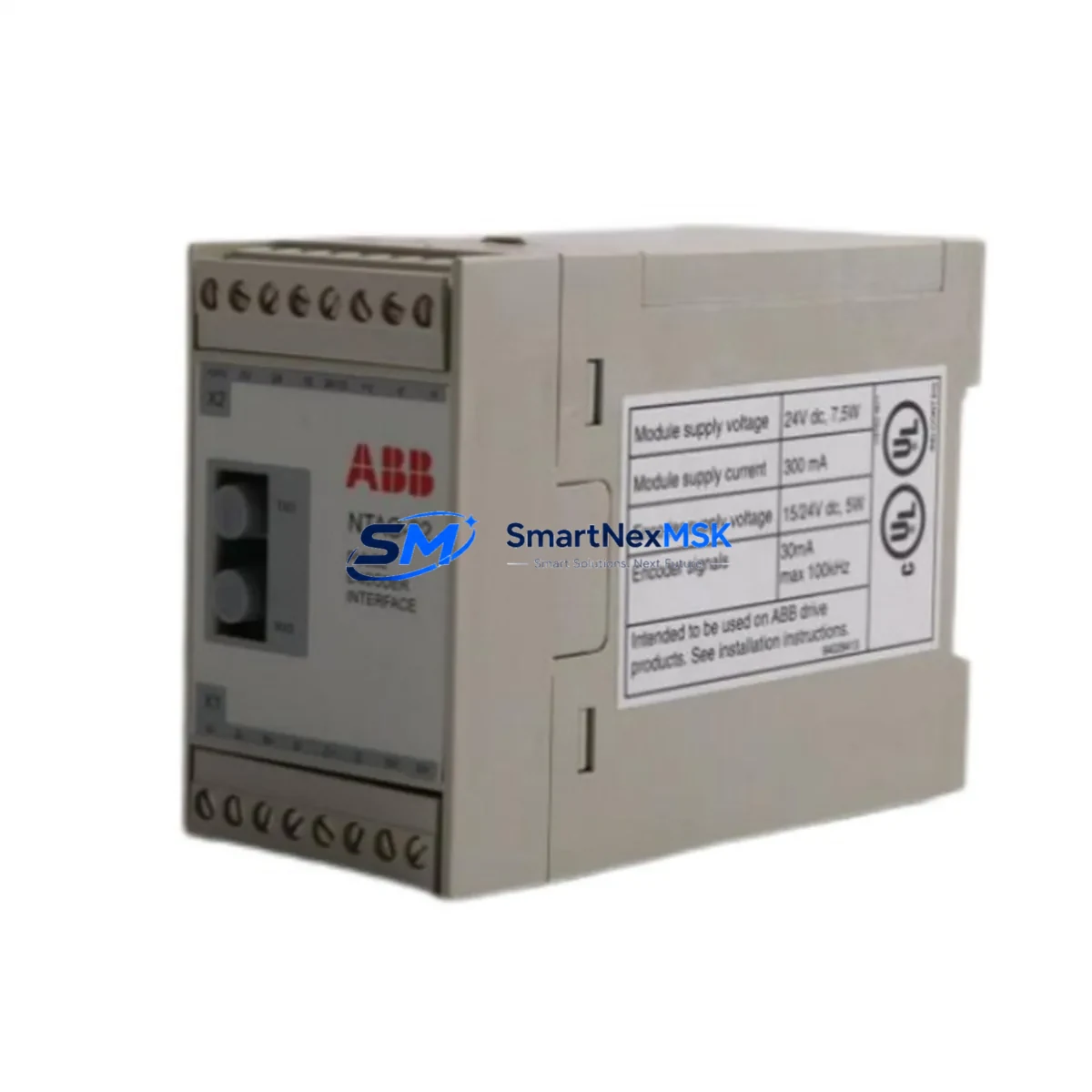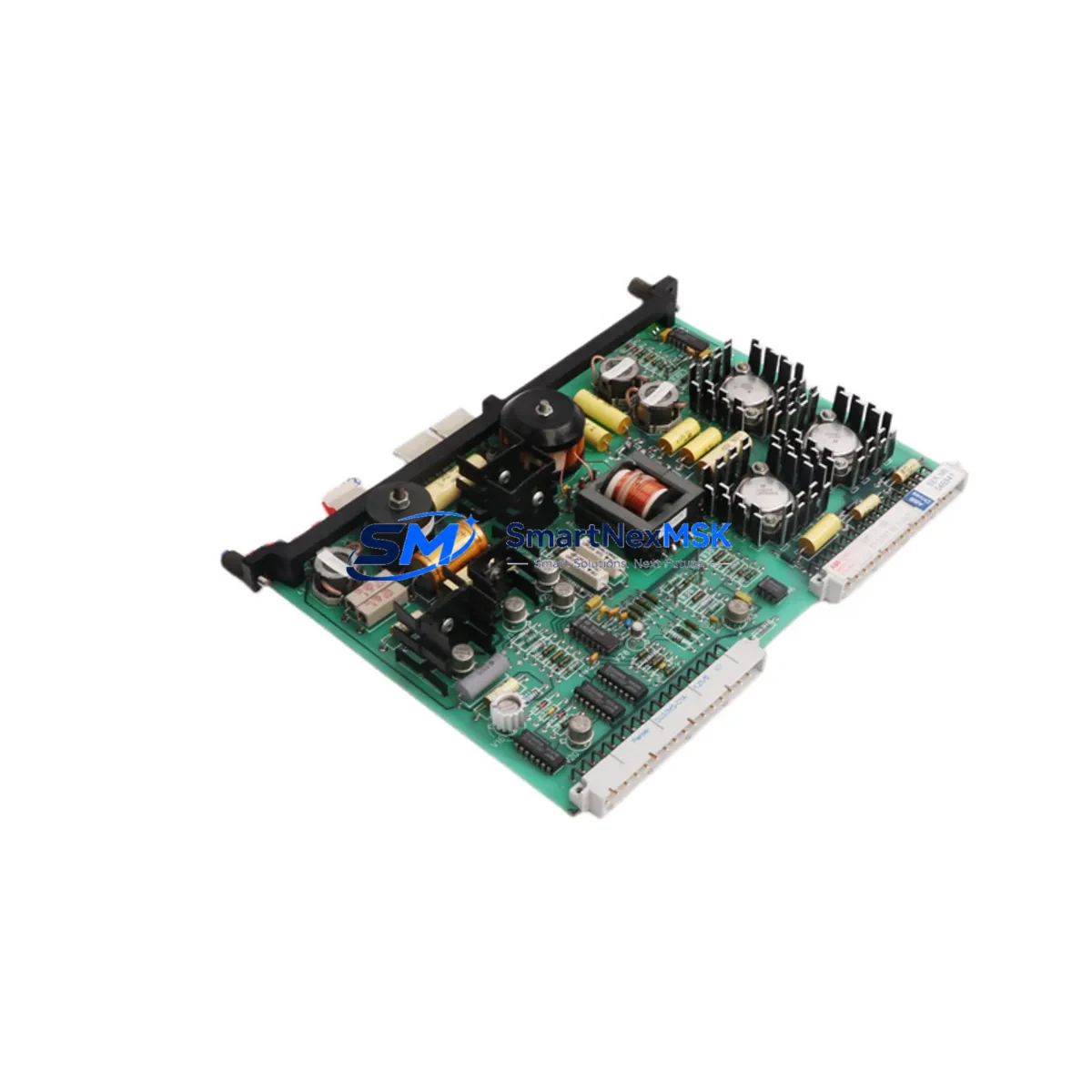
ABB SAMC11POW Retrofit-Ready DCS Power Supply for Advant Master Control Systems
The ABB SAMC11POW is a proven DCS power supply module engineered for seamless integration into ABB Advant Master Series distributed control systems. As legacy Advant Master installations approach end-of-life support cycles, the SAMC11POW remains one of the most sought-after retrofit components for engineers tasked with sustaining operational continuity without full platform migration. Whether you are replacing a failed unit, building a spare-parts buffer, or executing a phased control-system upgrade, the SAMC11POW delivers the electrical stability and backplane compatibility your existing architecture demands.
Sourced from verified supply channels and subject to pre-shipment functional testing, each SAMC11POW unit is inspected for output voltage regulation, inrush current behavior, and connector integrity before dispatch. All units are covered by a 12-month warranty against manufacturing defects and functional failure under normal operating conditions.
Upgrade Compatibility Table
| Parameter | Details |
|---|---|
| Compatible Platform | ABB Advant Master Series (AC 110, AC 160, AC 410, AC 450) |
| Module Function | DCS Backplane Power Supply |
| Mounting / Installation | Direct rack-mount; compatible with standard Advant Master subrack |
| Communication Compatibility | Passive power role; compatible with MasterBus, RCOM, and INSUM communication backbones |
| Replacement Recommendation | Direct drop-in for failed or end-of-life SAMC11POW units; verify output rail voltages post-installation |
| Commissioning Notes | Confirm terminal block torque spec; check backplane slot address assignment; validate with MasterView 800 or equivalent HMI |
| Warranty | 12 months from shipment date |
Retrofit Planning for Existing Automation Systems
Retrofitting an Advant Master control system requires careful sequencing of hardware, firmware, and field wiring verification. The SAMC11POW typically resides in the power supply slot of the Advant Master subrack alongside processor modules such as the DSPC110 or DSPC172, and communicates indirectly through the backplane with I/O modules including the DSDI110A digital input board and the DSDO110A digital output board. Before removing the existing power supply, engineers should document the current terminal block wiring layout and photograph the backplane connector seating to ensure accurate reinstallation.
In systems where the SAMC11POW feeds multiple subracks via a shared DC bus, it is essential to verify that the replacement unit’s output current capacity matches the aggregate load of all connected modules. Installations that include analog I/O modules such as the DSAI130A or DSAO120A are particularly sensitive to supply ripple, and a post-installation oscilloscope check on the 24 VDC rail is recommended before returning the system to automatic control.
For sites migrating from older Advant Master configurations to newer ABB 800xA or AC 800M platforms, the SAMC11POW often serves as a bridge component — keeping the legacy rack operational while new controller hardware is commissioned in parallel. During this transition, the NTAI05 analog input termination unit and NTDO01 digital output termination panel may remain in service on the legacy side, and the SAMC11POW must continue to supply stable power to these field termination assemblies throughout the cutover window.
Communication modules such as the DSMB127 MasterBus interface board and the DSCS140 serial communication module draw their operating power from the backplane supply rail. Any instability in the SAMC11POW output during a live migration can cause MasterBus dropouts or RCOM link resets, which may trigger spurious alarms or force the DCS into a degraded operating mode. Replacing the SAMC11POW during a planned maintenance window — rather than under emergency conditions — is strongly advised.
Programming cable connectivity to the Advant Master processor, typically via the DSTK01 or compatible programming interface, should be verified after power supply replacement to confirm that the engineering workstation can re-establish communication with the controller for any required program verification or parameter re-entry.
Downtime Control During System Migration
Minimizing unplanned downtime during a SAMC11POW replacement begins with pre-staging. Before the maintenance window opens, the replacement module should be bench-tested for correct output voltages using a calibrated load bank. All terminal block assignments should be mapped against the original wiring diagram, and a copy of the current PLC or DCS program should be archived to a secure engineering workstation.
During the physical swap, the subrack should be de-energized at the upstream circuit breaker rather than at the module level, to avoid transient voltages on the backplane. After seating the new SAMC11POW, power should be restored incrementally — first verifying the 5 VDC logic rail, then the 24 VDC field supply — before enabling the processor module and allowing the DCS to resume scan cycle execution.
Field control continuity can be maintained during short-duration power supply replacements by placing the affected control loops in manual mode at the operator station prior to de-energization. HMI screens built on MasterView 800 or equivalent visualization platforms should display a clear “Controller Offline” status to prevent operator intervention during the swap. Once the SAMC11POW is confirmed stable and the processor has completed its restart sequence, loops can be returned to automatic control in priority order, starting with the most critical process variables.
Total planned downtime for a single SAMC11POW replacement in a well-prepared environment is typically 30 to 90 minutes, depending on subrack accessibility and the number of I/O modules requiring post-power verification.
Retrofit Support FAQ
Q1: Is the SAMC11POW a direct drop-in replacement for the original unit in my Advant Master subrack?
Yes. The SAMC11POW is designed to occupy the standard power supply slot in the Advant Master subrack without mechanical modification. Verify that the backplane connector pins are clean and undamaged before insertion, and confirm output rail voltages with a multimeter before enabling the processor module.
Q2: What commissioning steps are required after installing a replacement SAMC11POW?
After physical installation, restore power incrementally and verify 5 VDC and 24 VDC output rails. Re-establish communication between the engineering workstation and the DSPC processor module via the programming interface. Confirm that all I/O modules report healthy status in the DCS diagnostic view, and return control loops to automatic mode in sequence.
Q3: Can the SAMC11POW support systems that have been upgraded with additional I/O expansion modules?
The SAMC11POW’s output current capacity should be evaluated against the total load of all modules in the subrack, including any expansion I/O added after the original system commissioning. If the aggregate load approaches the rated output, consider load balancing across multiple power supply slots if the subrack architecture supports it.
Q4: What does the 12-month warranty cover, and how is a warranty claim initiated?
The 12-month warranty covers functional failure and manufacturing defects under normal operating conditions. To initiate a claim, contact our sales team with the unit serial number, purchase order reference, and a description of the observed fault. Replacement or repair will be arranged within the warranty period at no additional cost.
© 2026 SMARTNEXMSK. All rights reserved.
Original Source: https://smartnexmsk.com
Contact: [email protected] | +86 18259474341