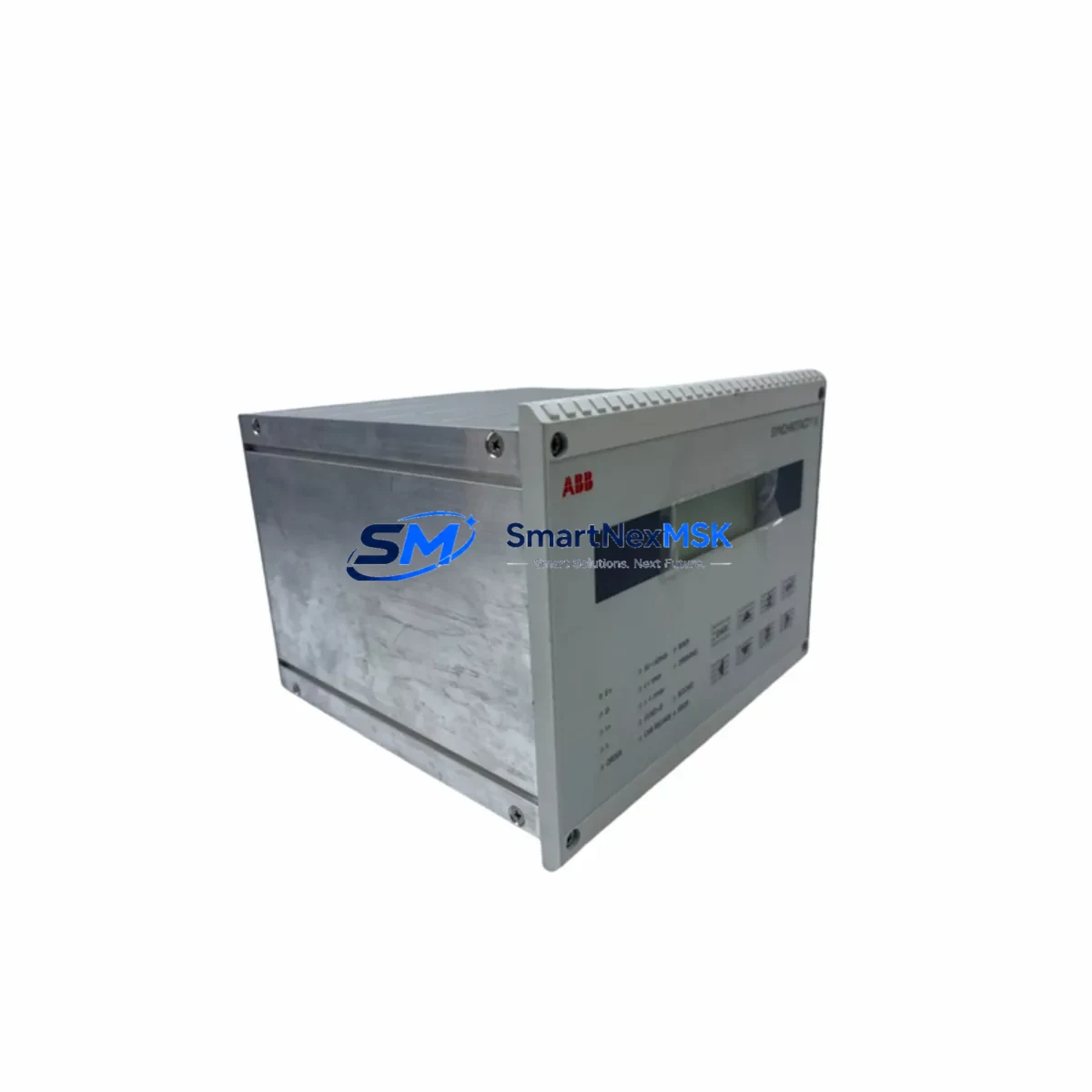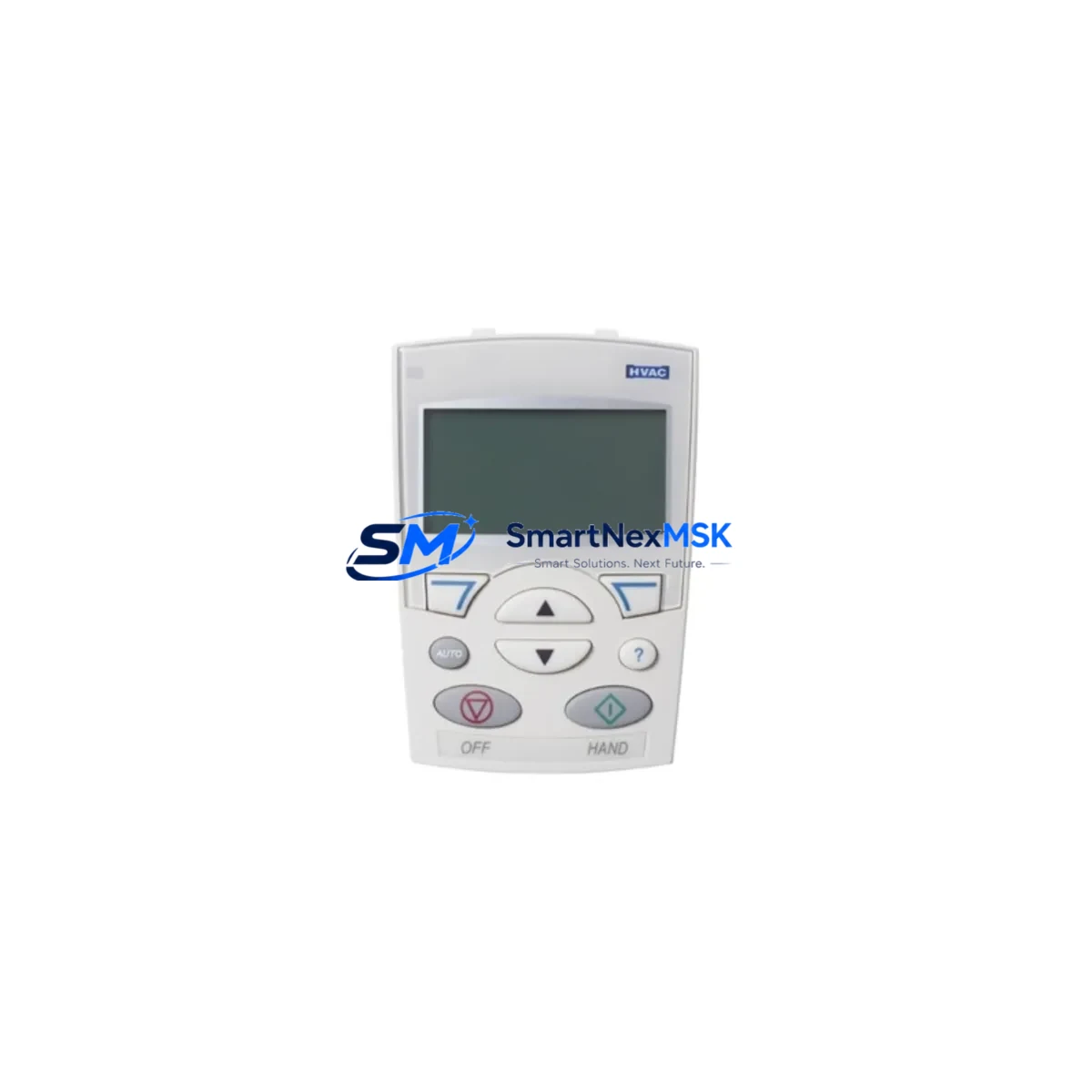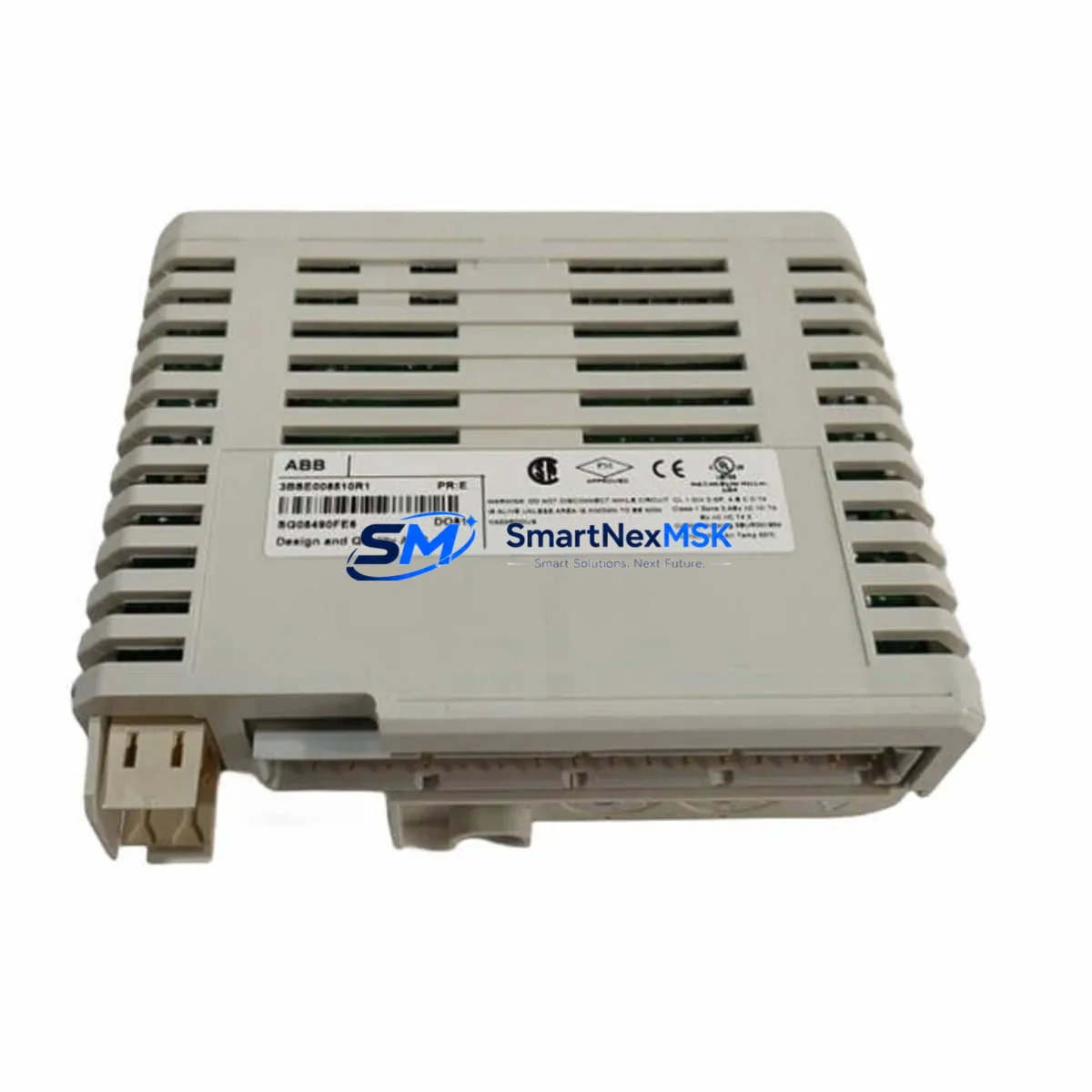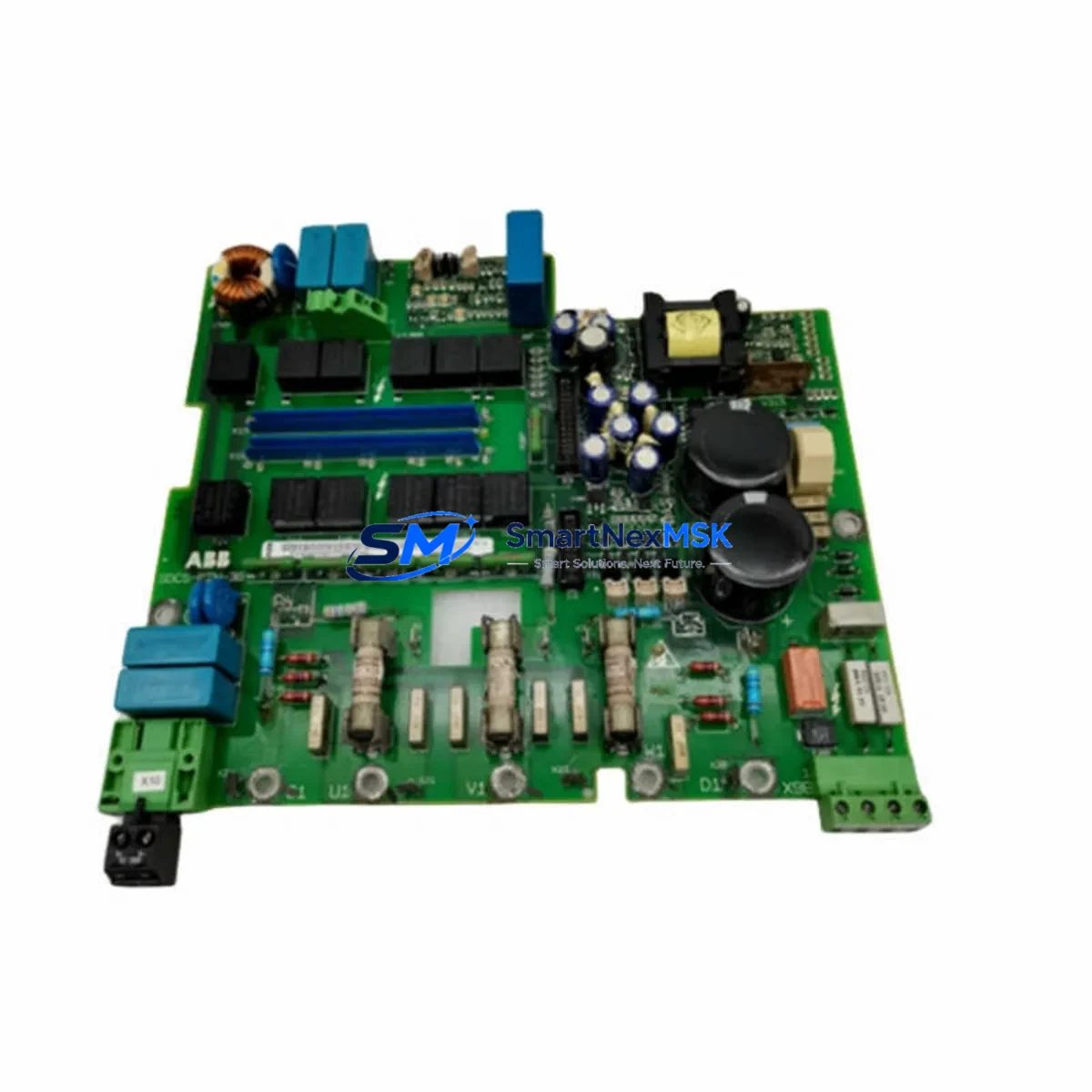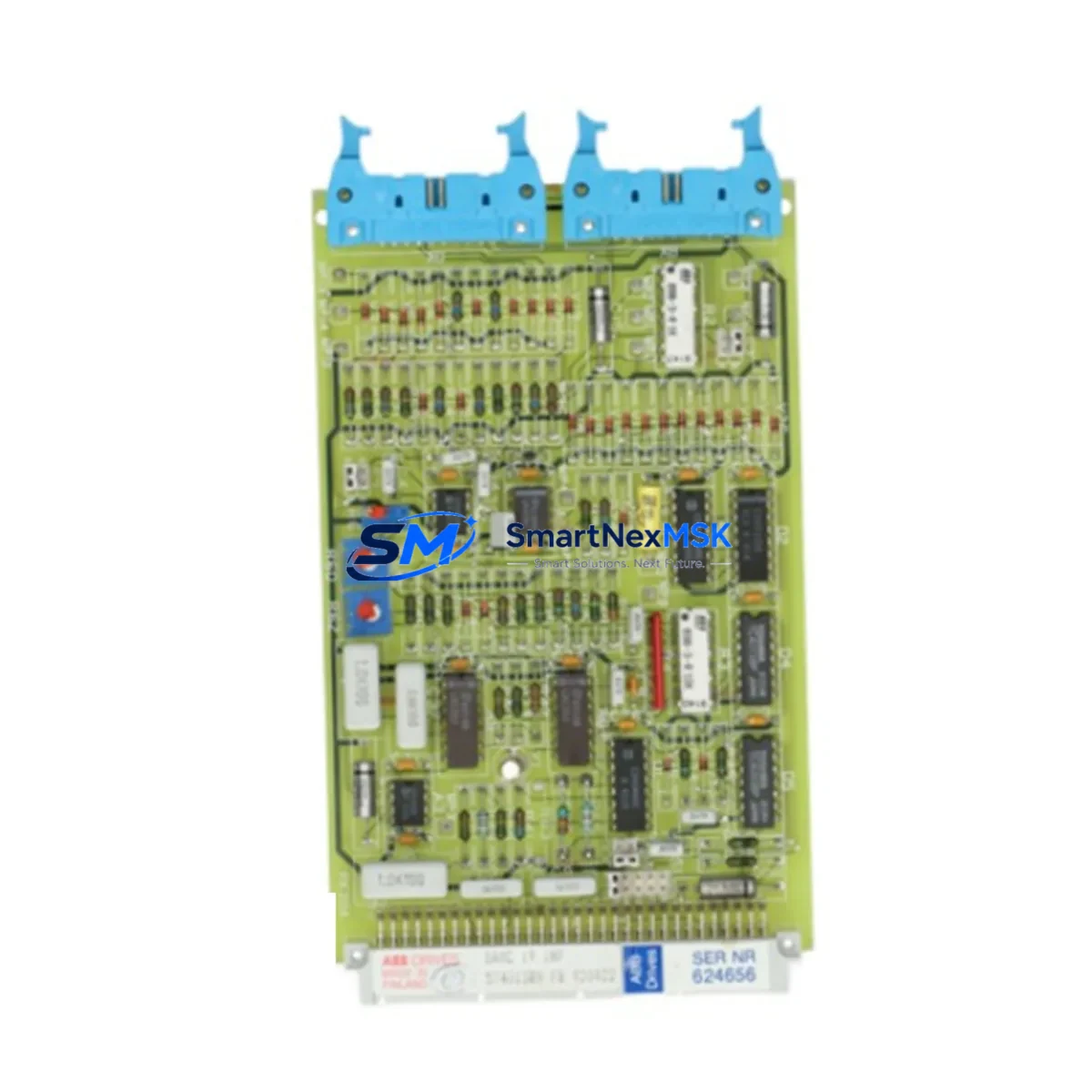
ABB SAMC19INF Retrofit-Ready DCS Interface for SAMC Series Control Systems
The ABB SAMC19INF is a high-reliability DCS interface module engineered for seamless integration into ABB SAMC Series distributed control systems. As legacy automation infrastructure ages and OEM support windows close, the SAMC19INF has become a critical retrofit component for engineers managing control cabinet upgrades, I/O expansion projects, and communication protocol migrations across process industries including power generation, chemical processing, pulp and paper, and oil & gas.
Whether you are replacing a failed unit on an active production line, modernizing a legacy control architecture, or sourcing verified backup inventory for a long-term maintenance contract, the SAMC19INF delivers the electrical and functional compatibility required to restore system integrity with minimal engineering rework. Each unit is sourced from verified supply channels, subjected to pre-shipment functional testing, and backed by a 12-month warranty.
Upgrade Compatibility Table
| Parameter | SAMC19INF Specification | Retrofit Notes |
|---|---|---|
| Compatible Series | ABB SAMC Series DCS | Verify rack slot assignment before installation |
| Module Function | DCS Interface / Communication Bridge | Replaces SAMC19INF on a 1:1 basis |
| Backplane Interface | SAMC Series standard backplane connector | Confirm backplane revision; no adapter required for standard racks |
| Terminal Wiring | Matches original SAMC19INF pinout | Retain original field wiring; no re-termination needed |
| Communication Protocol | ABB proprietary DCS bus | Verify node address and baud rate settings post-installation |
| Power Consumption | Per SAMC Series rack power budget | Audit rack PSU capacity before adding modules |
| Module Address | Configurable via DCS engineering station | Re-confirm address map in control program after swap |
| HMI Compatibility | Compatible with existing SAMC HMI screens | No HMI graphic rebuild required for direct replacement |
| Installation Type | Hot-swap capable (verify with site SOP) | Follow site lockout/tagout procedures |
| Warranty | 12 Months | Covers functional defects; includes pre-shipment test report |
Retrofit Planning for Existing Automation Systems
A successful SAMC19INF retrofit begins well before the module arrives on site. Engineers should start by auditing the existing SAMC Series rack configuration, documenting the current slot assignments for all installed modules including the SAMC19INF, adjacent I/O modules, and any SAMC power supply units occupying the same chassis. The rack’s backplane revision should be confirmed against the module’s hardware compatibility matrix to avoid unexpected interface mismatches.
Terminal wiring documentation is equally critical. The SAMC19INF connects to field devices through a defined terminal block layout, and any deviation from the original wiring schedule — even a single transposed pair — can cause signal errors or communication faults after restart. Technicians should photograph or scan the existing terminal connections before removal and cross-reference against the original engineering drawings.
For sites running mixed ABB architectures, the SAMC19INF often serves as the communication bridge between the SAMC Series rack and upstream controllers or historian systems. In these environments, the module’s node address, baud rate, and protocol parameters must be recorded from the live system before shutdown. After installation, these parameters are re-entered via the ABB DCS engineering workstation — typically running AC 800M or System 800xA software — and verified against the control program’s I/O mapping tables.
Projects involving broader control cabinet upgrades frequently require coordinating the SAMC19INF replacement alongside related components. It is common to simultaneously address aging SAMC power supply modules, deteriorated SAMC analog input cards, and worn SAMC digital output modules within the same maintenance window. Communication infrastructure such as PROFIBUS DP adapters or Modbus RTU gateway modules may also require firmware updates to maintain compatibility with the refreshed interface layer. In some modernization projects, the SAMC19INF replacement is paired with an HMI panel upgrade — migrating from legacy operator panels to current-generation ABB CP600 or CP635 touch panels — which requires verifying that the existing HMI tag database correctly maps to the new module’s I/O addresses.
For I/O expansion projects, the SAMC19INF’s installation is often the first step in a phased upgrade that subsequently adds SAMC Series expansion racks, additional analog I/O modules, and updated programming cables for re-commissioning. Sites using ABB’s AC 31 or Advant Controller families as upstream systems should verify inter-system communication link integrity after the SAMC19INF swap, particularly if the module handles data exchange between the SAMC rack and a higher-level process control network.
Downtime Control During System Migration
Minimizing production downtime during a SAMC19INF replacement requires a structured pre-outage preparation protocol. Before the planned maintenance window opens, the control program currently executing on the SAMC Series system should be fully backed up to the engineering workstation and archived to an offline storage medium. This backup preserves all function block configurations, I/O assignments, alarm setpoints, and communication parameters — ensuring that if the replacement introduces any unexpected behavior, the original logic can be restored rapidly.
Where site safety procedures permit, a cold-swap approach is preferred: the rack is de-energized, the failed SAMC19INF is removed, the replacement module is seated and secured, and the rack is re-energized in a controlled sequence. The DCS engineering station should be connected and monitoring during power-up to capture any fault codes or communication errors in real time. Node address verification and a short I/O loop test — confirming that field signals are correctly read and written through the new module — should be completed before returning the system to automatic control.
For critical processes where even brief interruptions are costly, a parallel commissioning approach can be used: the replacement SAMC19INF is pre-configured and tested on a bench rack using the backed-up program parameters, then swapped into the live system during a scheduled micro-outage. This approach compresses the live outage window to the physical swap and power-cycle time, typically under 30 minutes for an experienced technician. Maintaining field control continuity through the transition — by holding output states at their last known values during the brief outage — is a standard practice supported by the SAMC Series architecture.
Retrofit Support FAQ
Q1: Is the SAMC19INF a direct drop-in replacement for the original module?
Yes. The SAMC19INF is designed as a direct replacement for the original ABB SAMC19INF module. The backplane connector, terminal block pinout, and communication parameters are identical to the factory specification. No hardware adapters or wiring modifications are required for a standard replacement in an unmodified SAMC Series rack.
Q2: What pre-shipment testing is performed on each unit?
Each SAMC19INF unit undergoes functional verification prior to shipment, including power-on self-test, backplane communication check, and I/O channel integrity verification. A test report is available upon request. All units are covered by a 12-month warranty against functional defects from the date of delivery.
Q3: How do I verify module address and communication settings after installation?
Module address and communication parameters are configured via the ABB DCS engineering workstation connected to the SAMC Series system. After physical installation, open the system configuration tool, navigate to the rack’s module list, and confirm that the SAMC19INF appears at the correct slot address. Re-enter the node address and protocol parameters recorded from the original module, then perform a communication link test before returning the system to service.
Q4: Can you supply multiple units for a planned maintenance stock program?
Yes. We maintain available inventory of the SAMC19INF and can supply multiple units for planned maintenance programs, spare parts contracts, or multi-site upgrade projects. Lead times and volume pricing are available upon inquiry. Contact our team to discuss your project requirements and confirm current stock levels before placing a bulk order.
© 2026 SMARTNEXMSK. All rights reserved.
Original Source: https://smartnexmsk.com
Contact: [email protected] | +86 18259474341