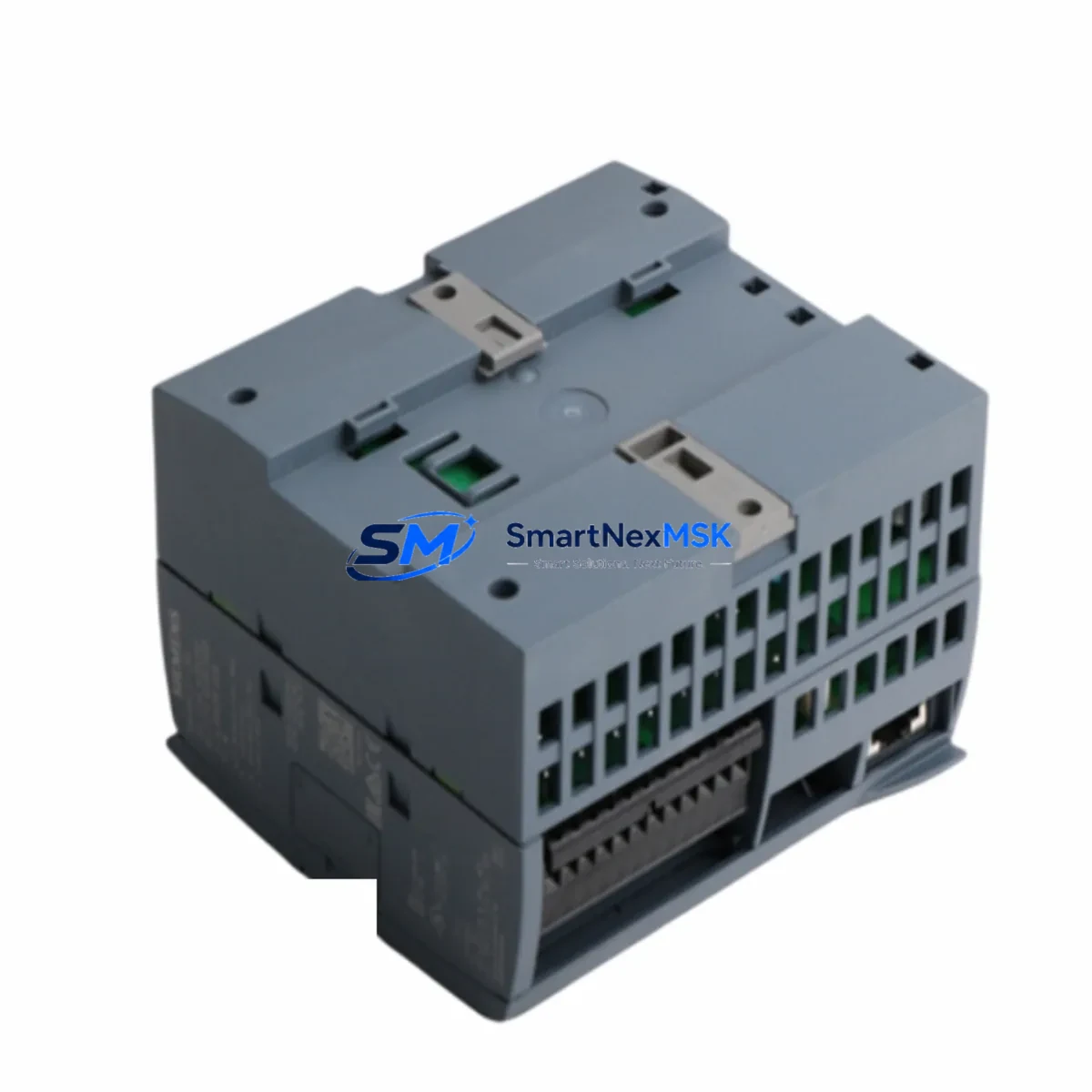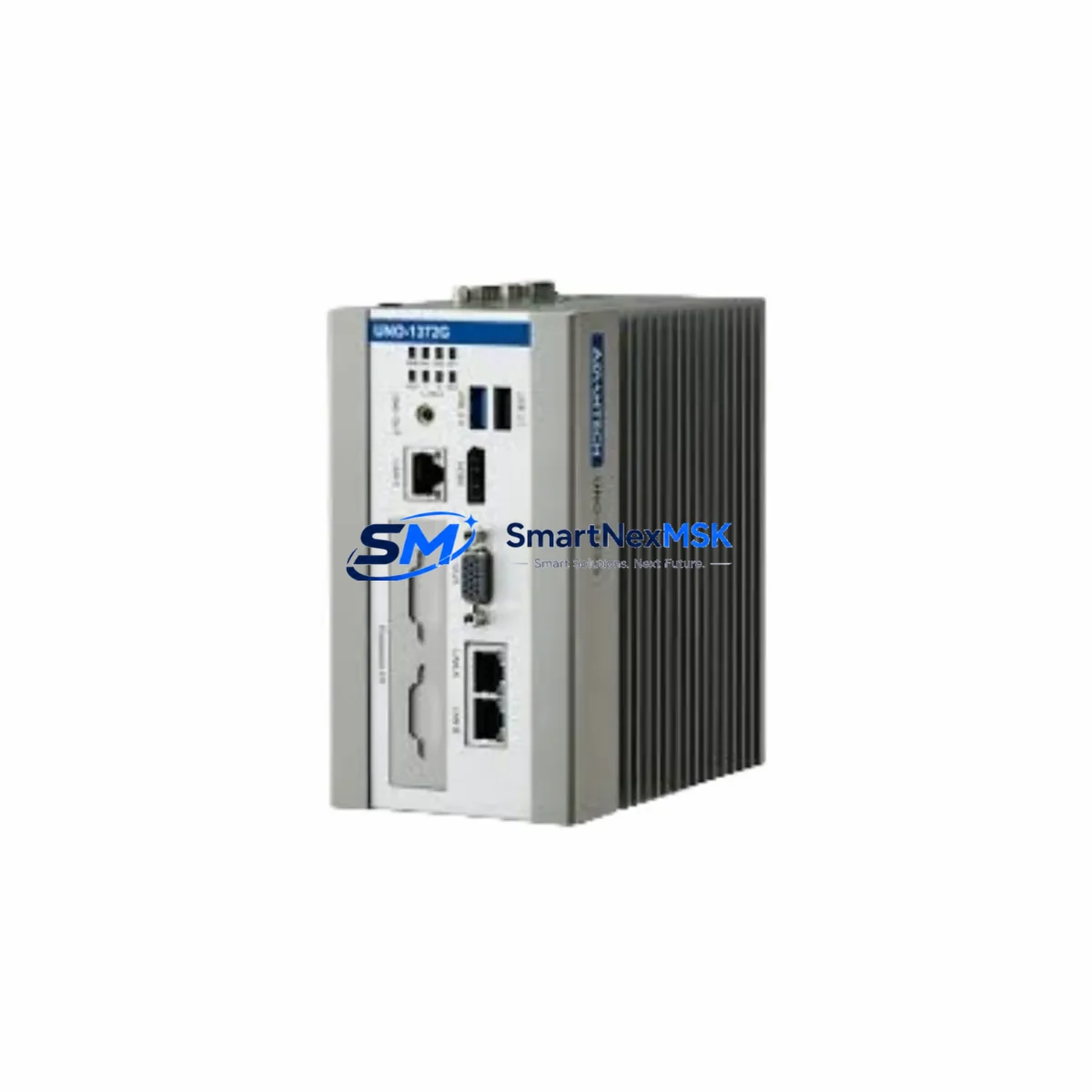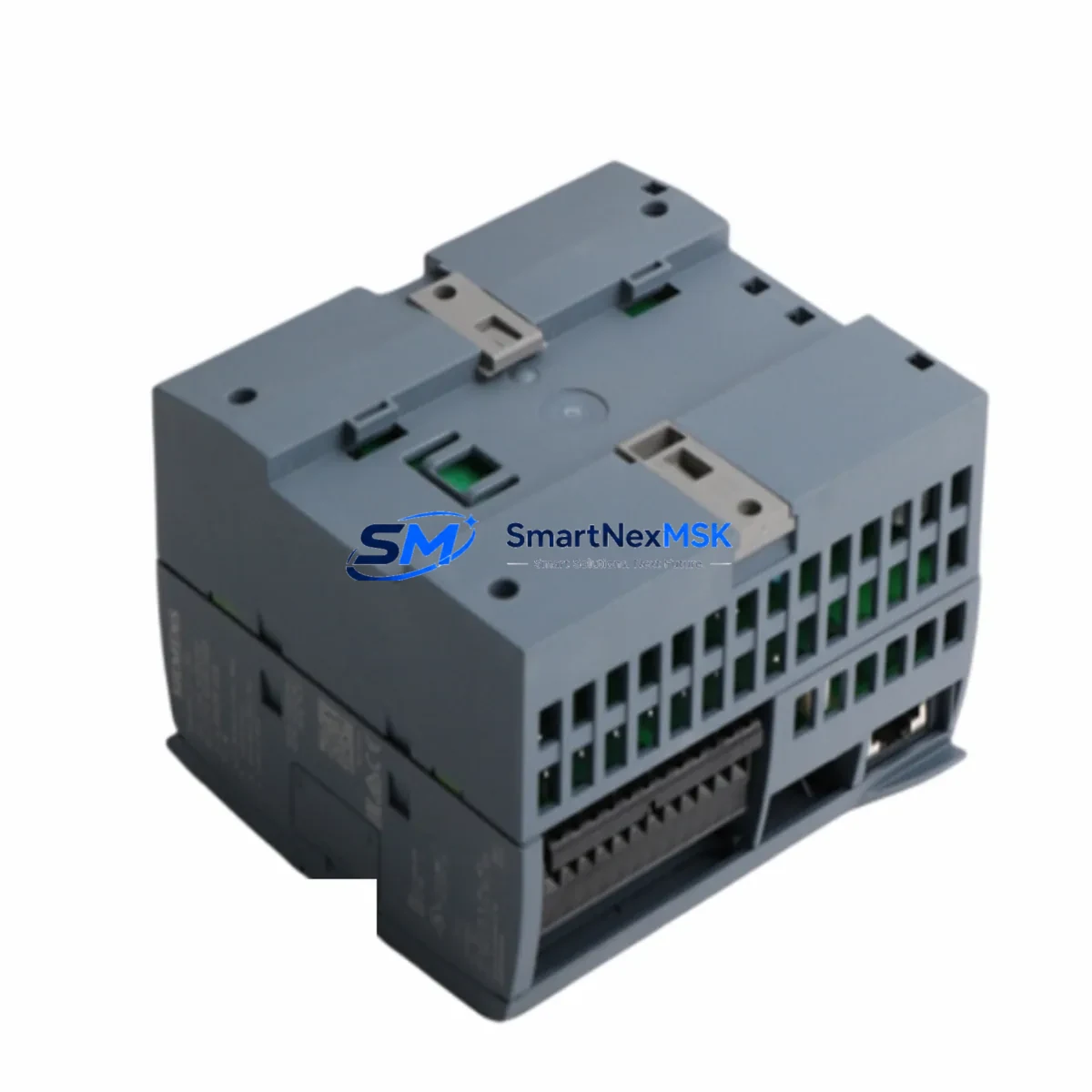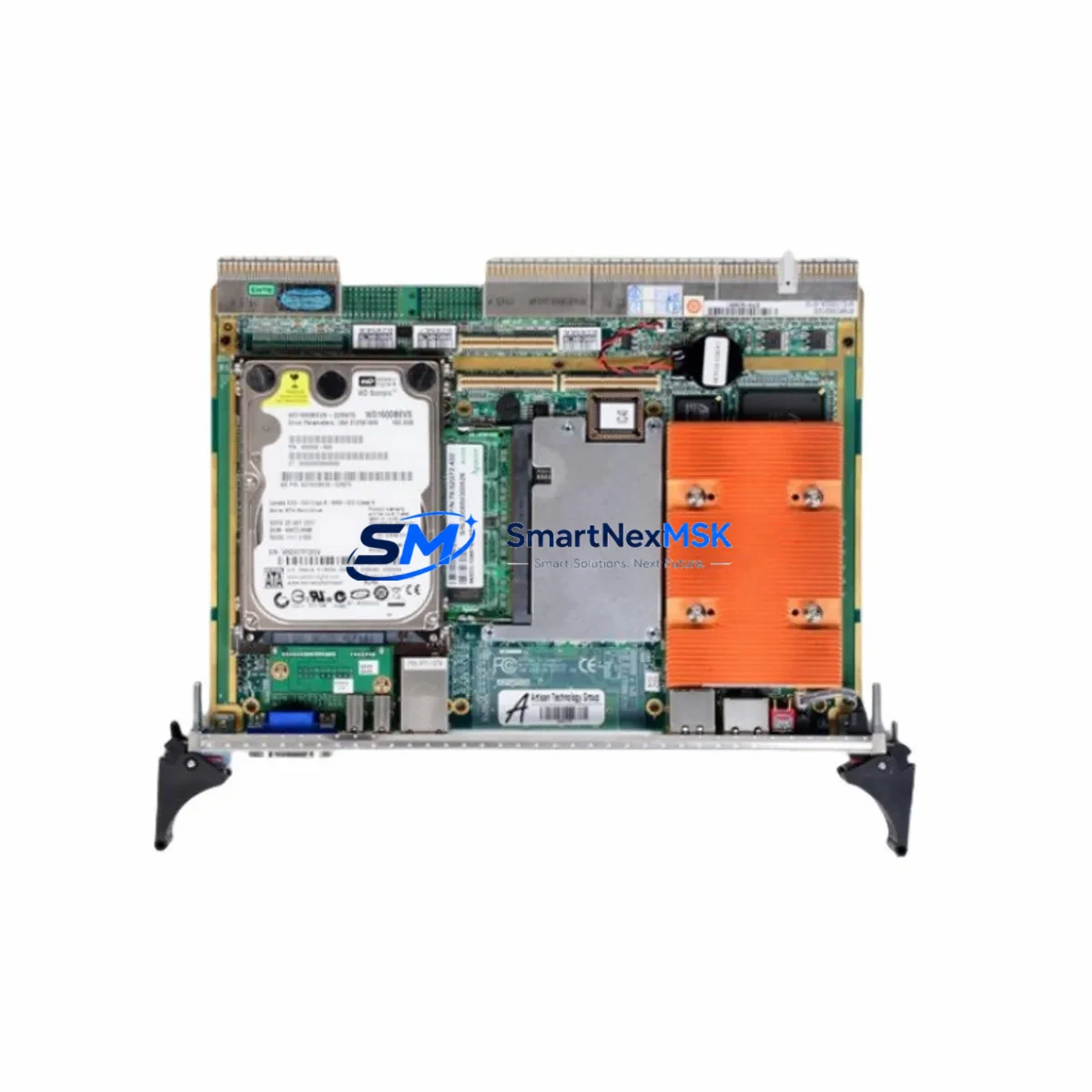
ADVANTECH MIC-3392MIL Retrofit-Ready Rugged SBC for MIC Military Systems
The ADVANTECH MIC-3392MIL is a 6U CompactPCI MIL-grade Single Board Computer engineered for mission-critical industrial and defense-grade automation environments. As legacy rugged control platforms reach end-of-life, the MIC-3392MIL serves as a validated retrofit solution for aging MIC Military Series chassis, enabling engineers to modernize control infrastructure without redesigning the entire system architecture. Whether you are replacing a discontinued SBC in a deployed CompactPCI rack or upgrading a control cabinet that has been in service for over a decade, the MIC-3392MIL provides a reliable, specification-matched migration path with minimal disruption to existing program logic and field wiring.
Procurement teams and system integrators working on legacy platform modernization frequently encounter the challenge of sourcing discontinued MIL-grade boards that are no longer available through standard distribution channels. The MIC-3392MIL addresses this gap directly — stocked, tested, and shipped with a 12-month warranty to support both emergency replacement and planned upgrade cycles. Each unit undergoes pre-shipment functional verification to confirm board initialization, backplane interface integrity, and communication link stability before dispatch.
Upgrade Compatibility Table
| Parameter | Details |
|---|---|
| Form Factor | 6U CompactPCI (PICMG 2.0 compliant) |
| Series Compatibility | ADVANTECH MIC Military Series CompactPCI chassis |
| Backplane Interface | CompactPCI J1/J2 connector; verify slot pitch and pinout against existing backplane |
| Communication Compatibility | Ethernet (10/100/1000), RS-232/422/485 serial; confirm protocol mapping to existing HMI and SCADA links |
| Power Requirements | +3.3V / +5V / ±12V via CompactPCI backplane; verify PSU capacity before installation |
| Installation Requirement | Standard 6U CompactPCI slot; confirm chassis slot availability and ejector handle clearance |
| Replacement Recommendation | Direct retrofit for discontinued MIC Military SBC variants; validate OS image and driver compatibility |
| Commissioning Focus | BIOS configuration, IRQ mapping, COM port address assignment, network interface initialization |
| Warranty | 12-Month Warranty — covers manufacturing defects and functional failure under normal operating conditions |
Retrofit Planning for Existing Automation Systems
A successful MIC-3392MIL retrofit begins well before the physical swap. Engineers should start by auditing the existing CompactPCI chassis configuration — documenting each occupied slot, the board type installed, and the backplane revision. In a typical MIC Military Series rack, the SBC slot is flanked by I/O expansion boards such as the MIC-3756 digital I/O module or the MIC-3780 analog I/O board, both of which must remain operational throughout the migration. Disrupting their address mapping or interrupt assignments during the SBC replacement is one of the most common causes of extended commissioning time.
Power budget verification is equally critical. The MIC-3392MIL draws power from the CompactPCI backplane, and the existing power supply module — often an ADVANTECH MIC-3200 series PSU — must have sufficient headroom to support the replacement board alongside all co-installed modules. If the chassis is running near its rated capacity, a PSU upgrade may be required before the SBC swap proceeds.
Communication continuity is another key planning area. Many legacy MIC Military deployments use RS-485 serial links to connect field devices, PLCs, or remote I/O stations. The MIC-3392MIL supports RS-232/422/485 via its onboard COM ports, but engineers must verify that the COM port addresses and baud rate settings match those configured in the existing SCADA or HMI application — typically a panel running ADVANTECH WebAccess or a third-party SCADA platform connected via the MIC-3922 communication module. Any mismatch in port addressing will prevent the HMI from re-establishing its data link after the board swap.
For systems that include a MIC-3395 or similar processor board in a multi-slot configuration, the MIC-3392MIL must be assigned a unique slot address to avoid bus conflicts. This is configured via the board’s rotary switch or BIOS menu, depending on the chassis revision. Confirm the slot addressing scheme with the chassis documentation before powering up the new board.
Field wiring connected to terminal blocks on co-installed I/O modules does not need to be disturbed during an SBC replacement, which significantly reduces retrofit risk. However, if the system includes a MIC-3910 backplane extender or a secondary chassis linked via a CompactPCI bridge, the bridge configuration must be validated post-swap to ensure inter-chassis communication is restored correctly. Programming cables used for initial board configuration — such as a USB-to-serial adapter connected to the SBC’s debug port — should be prepared in advance to minimize time spent on bench setup during the maintenance window.
Downtime Control During System Migration
Minimizing unplanned downtime during an SBC retrofit requires a structured pre-migration checklist and a clear rollback plan. Before removing the legacy board, create a full backup of the existing OS image, application software, and configuration files — including network interface settings, COM port assignments, and any real-time task schedules. Store this backup on an external medium that is independent of the chassis being serviced.
Where possible, perform a bench validation of the MIC-3392MIL before the scheduled maintenance window. Power the board in a test chassis, load the target OS image, and verify that all communication interfaces initialize correctly. This eliminates the risk of discovering a configuration issue during a live system outage.
During the physical swap, follow an ESD-safe procedure and document the slot position of the original board before extraction. After installing the MIC-3392MIL, restore the OS image and configuration backup, then bring up each subsystem incrementally — starting with the network interface, followed by serial communication links, and finally the application layer. Verify HMI data display and SCADA tag updates before declaring the system operational. This staged bring-up approach isolates faults quickly and prevents cascading failures that extend the maintenance window.
For systems where continuous control is mandatory, consider a hot-standby arrangement using a secondary chassis running a parallel instance of the control application. This allows the primary SBC to be swapped while the standby system maintains field control, reducing effective downtime to the switchover interval rather than the full replacement duration.
Retrofit Support FAQ
Q: Is the MIC-3392MIL a direct drop-in replacement for other MIC Military Series SBCs?
A: The MIC-3392MIL is form-factor compatible with 6U CompactPCI MIC Military Series chassis. However, processor architecture, chipset, and OS support may differ from the board being replaced. Always validate OS image compatibility and driver availability before committing to the replacement. Our technical team can assist with compatibility assessment prior to purchase.
Q: What wiring changes are required when installing the MIC-3392MIL?
A: No field wiring changes are required for I/O modules co-installed in the same chassis. The MIC-3392MIL connects to the system via the CompactPCI backplane. External connections such as Ethernet cables, serial interface cables, and programming cables connect directly to the board’s front panel I/O — verify connector types and pinouts against your existing cable assemblies before installation.
Q: How is the MIC-3392MIL tested before shipment?
A: Every unit undergoes a pre-shipment functional test covering board power-on initialization, backplane interface continuity, Ethernet link establishment, and serial port operation. Units that do not pass all test criteria are not shipped. A test report is available upon request for quality-critical procurement processes.
Q: What does the 12-month warranty cover?
A: The 12-month warranty covers manufacturing defects and functional failures under normal operating conditions from the date of shipment. It does not cover damage resulting from incorrect installation, ESD mishandling, overvoltage, or unauthorized modification. Warranty claims are processed within 5 business days of receipt of the returned unit, with replacement or repair at our discretion.
© 2026 SMARTNEXMSK. All rights reserved.
Original Source: https://smartnexmsk.com
Contact: [email protected] | +86 18259474341