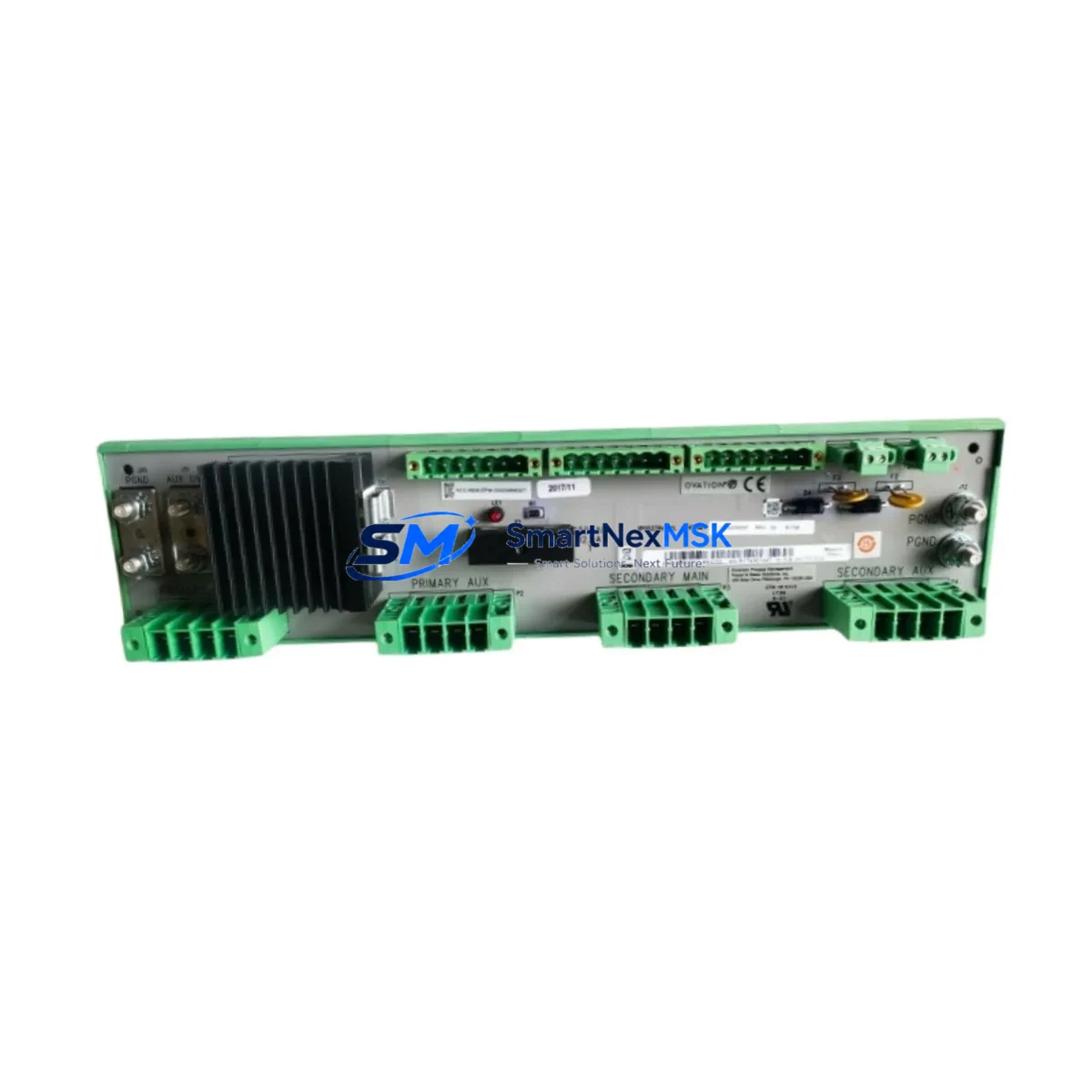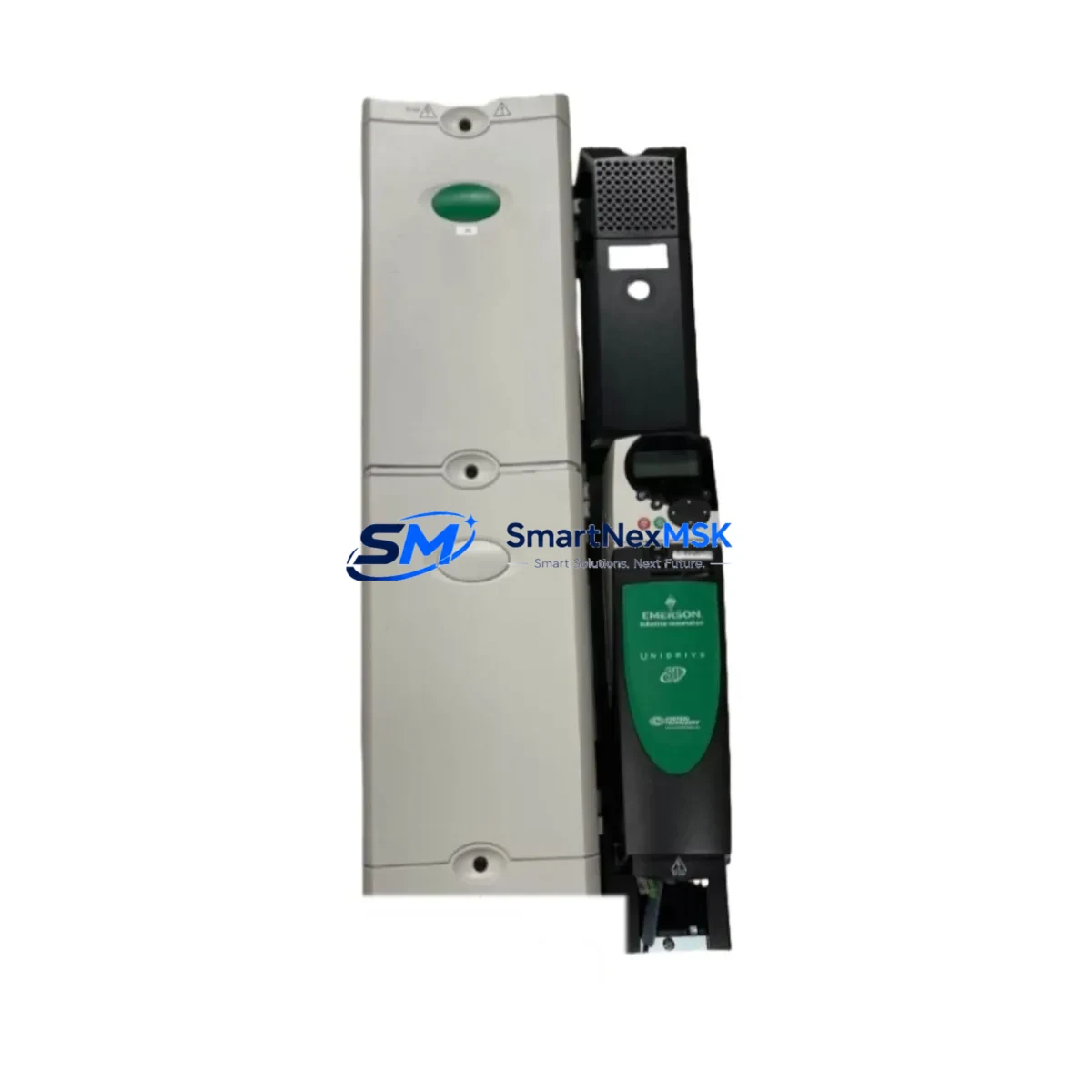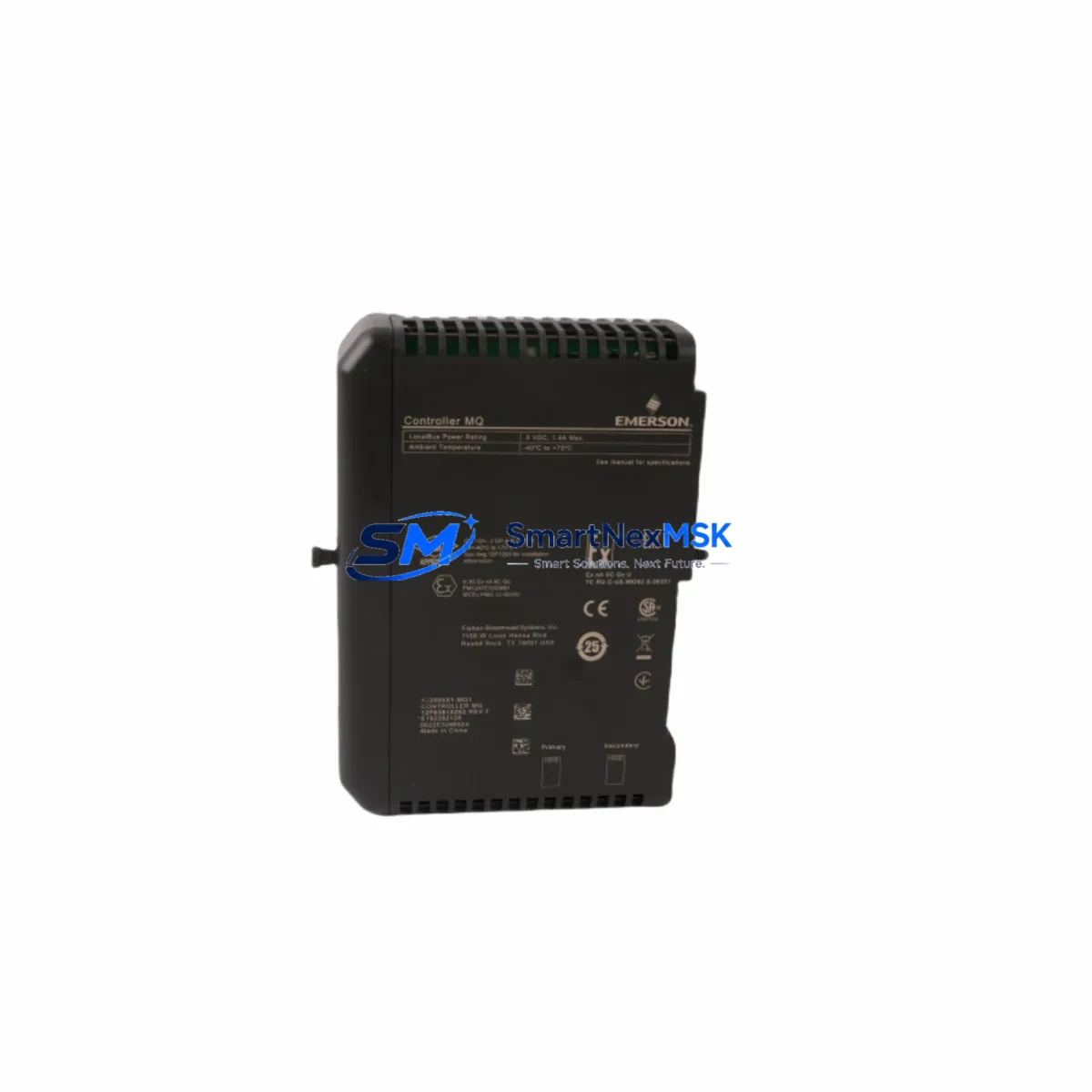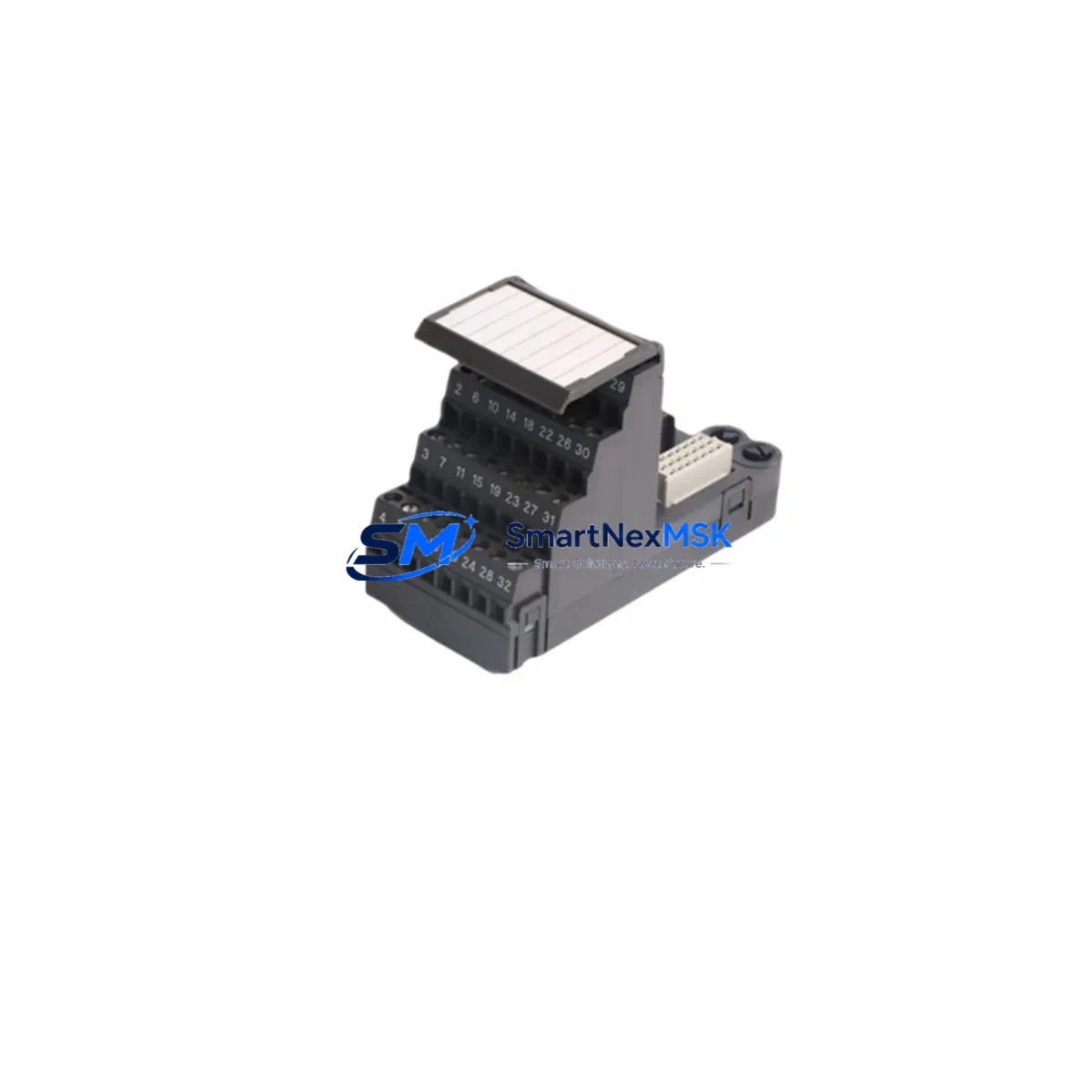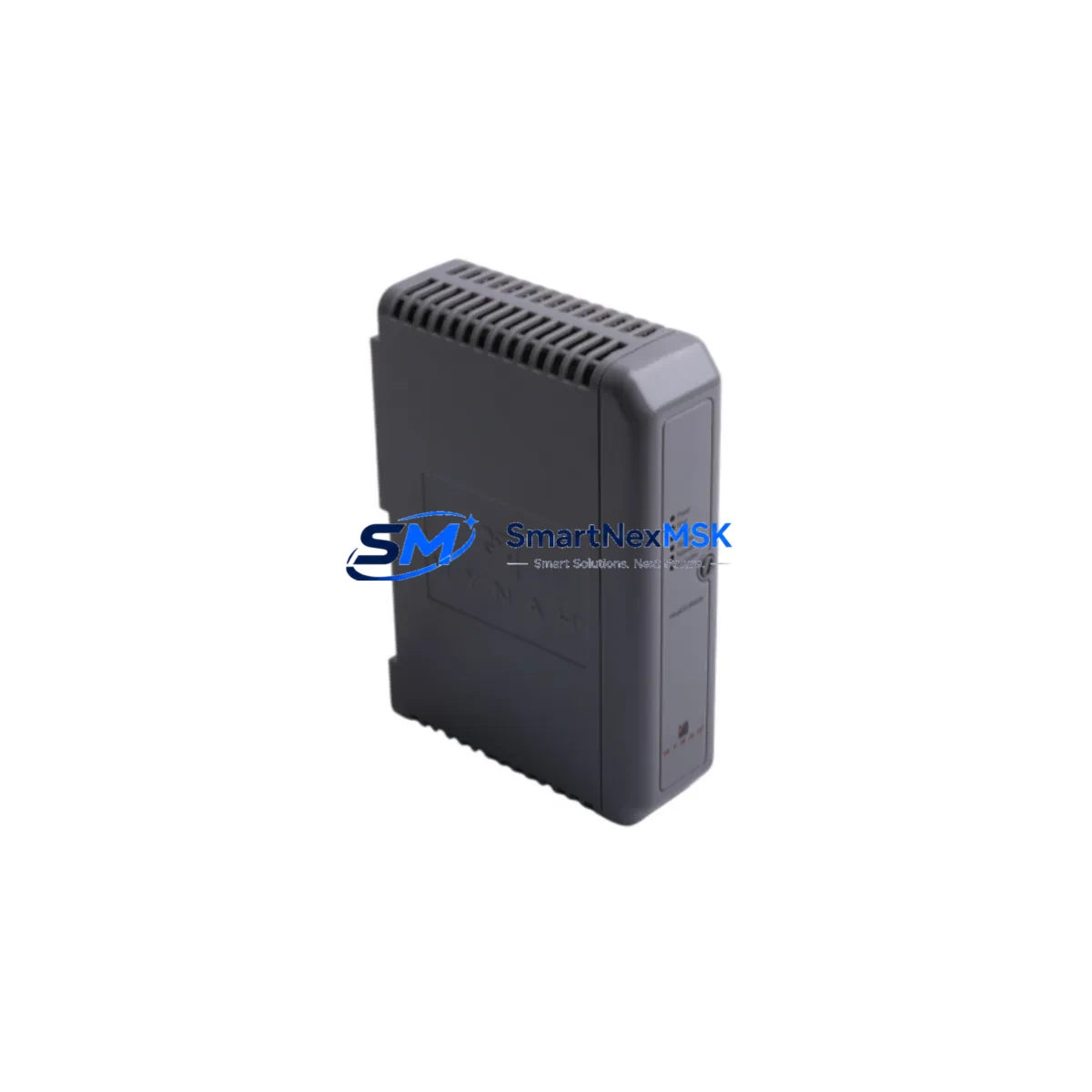
Emerson VIM-4201 Retrofit-Ready Virtual I/O Module for DeltaV Control Systems
The Emerson VIM-4201 is a Virtual I/O Module (VIM) designed for seamless integration within the DeltaV distributed control system architecture. As legacy DeltaV installations age and original VIM hardware reaches end-of-life or becomes increasingly difficult to source, the VIM-4201 serves as a proven retrofit solution for plants seeking to extend system life, restore redundancy, or migrate from discontinued I/O subsystems without a full platform overhaul. Whether you are replacing a failed module in a running process unit or planning a phased upgrade of your control infrastructure, the VIM-4201 provides the compatibility, reliability, and documentation support that industrial buyers require.
This module is engineered to operate within the DeltaV S-series and M-series controller environments, communicating over the DeltaV proprietary backplane bus. It supports virtual I/O mapping, allowing field signals to be logically assigned and re-routed within the DeltaV configuration environment without physical rewiring. This capability is particularly valuable during control cabinet upgrades where minimizing field cable disturbance is a priority. The VIM-4201 is compatible with DeltaV Operate HMI environments, and existing faceplates and graphic displays typically require no modification when performing a like-for-like module swap.
Upgrade Compatibility Table
| Parameter | Details |
|---|---|
| Compatible Platform | Emerson DeltaV S-Series, M-Series DCS |
| Module Type | Virtual I/O Module (VIM) |
| Backplane Interface | DeltaV carrier/backplane bus — standard 2-slot or 4-slot carrier compatible |
| Communication Protocol | DeltaV internal bus; FOUNDATION Fieldbus and HART pass-through supported via associated I/O cards |
| Installation Requirement | DIN-rail or rack-mount carrier; no additional power supply required beyond carrier bus |
| Replacement Compatibility | Direct replacement for legacy VIM modules in DeltaV subsystems; verify carrier slot assignment in DeltaV Explorer before installation |
| HMI Compatibility | DeltaV Operate — existing graphics and faceplates remain valid; no display reconfiguration required for like-for-like swap |
| Commissioning Note | Module address must be confirmed in DeltaV Explorer; download and commission via DeltaV Diagnostics after physical installation |
| Firmware | Compatible with DeltaV v11.x through v14.x; verify firmware revision against site DeltaV version before deployment |
| Warranty | 12-Month Warranty — covers manufacturing defects and functional failure under normal operating conditions |
Retrofit Planning for Existing Automation Systems
A successful VIM-4201 retrofit begins well before the module arrives on site. Engineers should pull the existing DeltaV system configuration and confirm the carrier slot assignment, module tag, and I/O channel mapping currently in use. In many aging DeltaV installations, the VIM occupies a shared carrier alongside a DeltaV CIOC (Controller I/O Card) or a redundant controller module such as the MD Plus or MD Controller. Confirming that the carrier type — whether a 2-slot, 4-slot, or 8-slot DeltaV I/O carrier — is compatible with the VIM-4201 form factor is a mandatory pre-installation step.
Terminal wiring on the associated marshalling cabinet should be reviewed against the original loop drawings. In many retrofit scenarios, the field cables terminate on DeltaV CHARM I/O cards or traditional hardwired terminal blocks feeding analog input or discrete output modules such as the DeltaV AI 4-20mA HART card or the DeltaV DO 24VDC module. These field-side connections are unaffected by the VIM swap, but technicians should verify signal continuity and loop integrity after module replacement using a HART communicator or the DeltaV Diagnostics tool.
Power budget verification is essential. The DeltaV power supply module feeding the I/O subsystem — typically a PS2 or redundant PS2 power supply — must have sufficient headroom to support the VIM-4201 alongside all co-located I/O modules. Review the power consumption figures in the DeltaV Hardware Reference Manual and compare against the installed power supply capacity before proceeding. In older cabinets where the power supply has been running at near-capacity for years, this step can prevent unexpected shutdowns during commissioning.
For sites migrating from older DeltaV subsystems that used legacy VIM hardware or early-generation PROVOX I/O interfaces, the VIM-4201 provides a clean migration path. The module supports virtual I/O assignment within DeltaV Explorer, allowing engineers to remap signal tags without modifying field wiring. This is particularly useful when upgrading a control loop that previously relied on a discontinued DeltaV ELIM (Electronic Marshalling Interface Module) or an aging DeltaV CHARM baseplate that has reached end-of-support. The programming logic in the DeltaV control module — including PID function blocks, cascade structures, and interlock logic — remains intact and does not require recompilation when the VIM-4201 is installed as a direct replacement.
Communication link integrity should be validated after installation. If the DeltaV subsystem communicates upstream via a DeltaV ENET card or a redundant DeltaV controller with dual Ethernet ports, confirm that the network switch port assignments and IP addressing are unchanged. Sites using OPC DA or OPC UA data historians connected to the DeltaV system should verify that tag subscriptions remain active after the module replacement and that no alarms are suppressed or masked in the DeltaV Operate alarm management system.
Downtime Control During System Migration
Minimizing process downtime during a VIM-4201 replacement requires a structured pre-outage preparation plan. The recommended approach is to perform all configuration verification, spare module testing, and documentation review during normal operation, reserving the physical swap for a planned maintenance window. Before the outage begins, export the current DeltaV configuration database and create a backup of the controller download. This ensures that if any unexpected issue arises during commissioning, the original program logic can be restored within minutes.
During the physical swap, the DeltaV controller should be placed in a safe state — typically with critical outputs held at their last value or driven to a defined safe position using the DeltaV SIS or the process unit’s safety instrumented system. If the site operates a redundant DeltaV controller pair, the switchover to the secondary controller should be executed before removing the VIM-4201 from the carrier, allowing the process to continue running on the redundant path while the primary subsystem is serviced.
After physical installation, the VIM-4201 should be commissioned using DeltaV Diagnostics to confirm module recognition, channel assignment, and communication status. A partial download — targeting only the affected module and its associated control modules — is preferred over a full controller download to minimize the risk of disrupting unrelated control loops. Once the module is online and all I/O channels report healthy status in DeltaV Diagnostics, the process can be returned to automatic control. Total planned downtime for a like-for-like VIM-4201 swap in a well-prepared environment is typically under two hours.
Retrofit Support FAQ
Q1: Is the VIM-4201 a direct drop-in replacement for my existing DeltaV VIM module?
In most cases, yes. The VIM-4201 is designed to occupy the same carrier slot and use the same backplane interface as legacy DeltaV VIM hardware. However, you should confirm the carrier type, slot assignment, and DeltaV version compatibility before installation. Our technical team can assist with pre-installation compatibility verification based on your system configuration details.
Q2: Will my existing DeltaV control module programs and HMI graphics need to be modified?
For a like-for-like replacement, no program modifications are required. The VIM-4201 retains the same module tag and I/O channel mapping as the original module. DeltaV Operate HMI faceplates and graphics will continue to function without modification. A partial download to the affected controller is recommended after installation to confirm module recognition.
Q3: What wiring checks are required before and after installation?
Before installation, verify field cable continuity at the marshalling terminal blocks and confirm that all loop drawings match the current physical wiring. After installation, use a HART communicator or DeltaV Diagnostics to confirm signal integrity on all I/O channels. Check that the power supply module has sufficient capacity to support the VIM-4201 alongside all co-located modules.
Q4: What does the 12-month warranty cover, and how is it handled?
The 12-month warranty covers manufacturing defects and functional failure under normal operating conditions from the date of shipment. Each VIM-4201 unit undergoes functional testing prior to dispatch. In the event of a warranty claim, contact our support team with the order reference and a description of the fault. Replacement or repair will be arranged promptly to minimize your system downtime.
© 2026 SMARTNEXMSK. All rights reserved.
Original Source: https://smartnexmsk.com
Contact: [email protected] | +86 18259474341