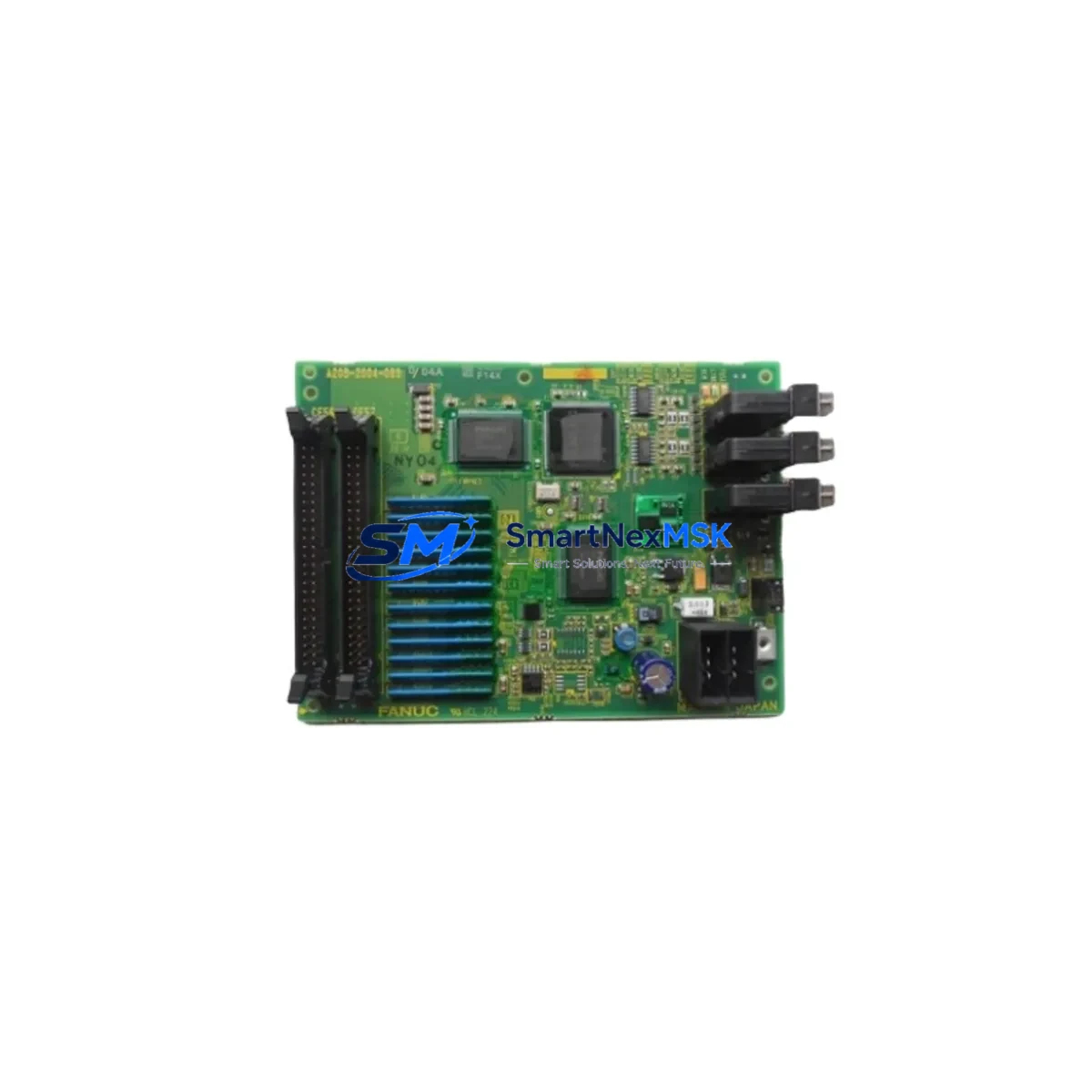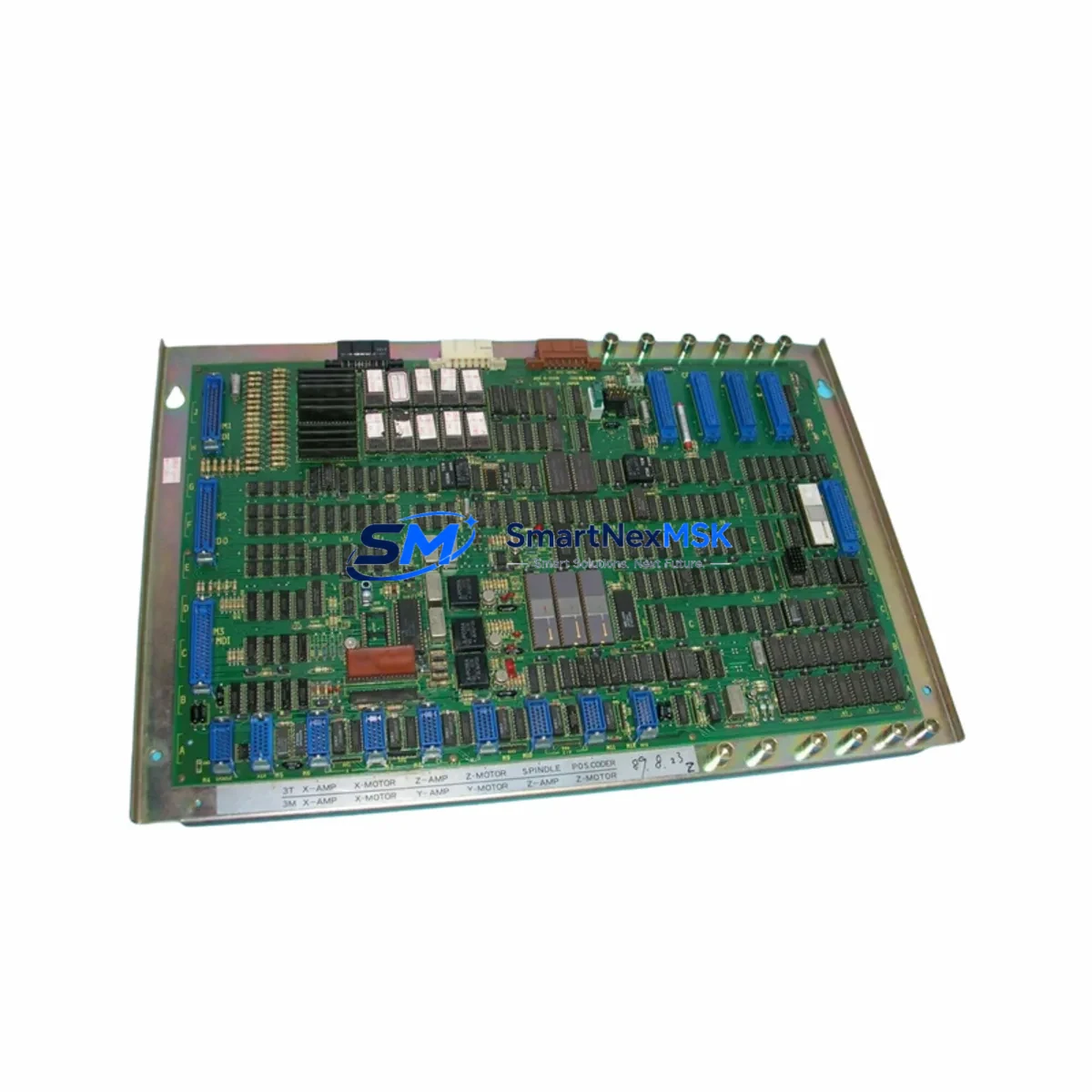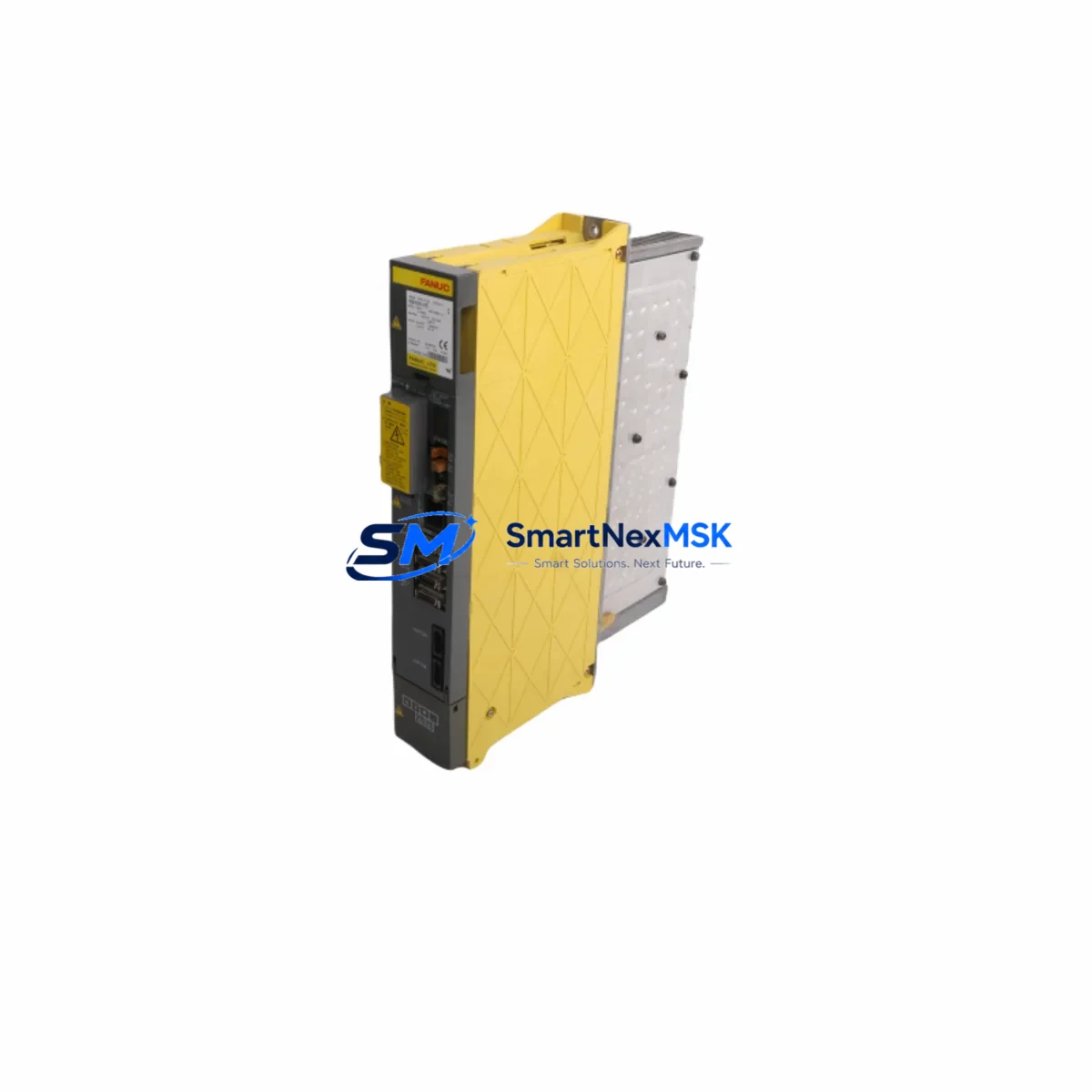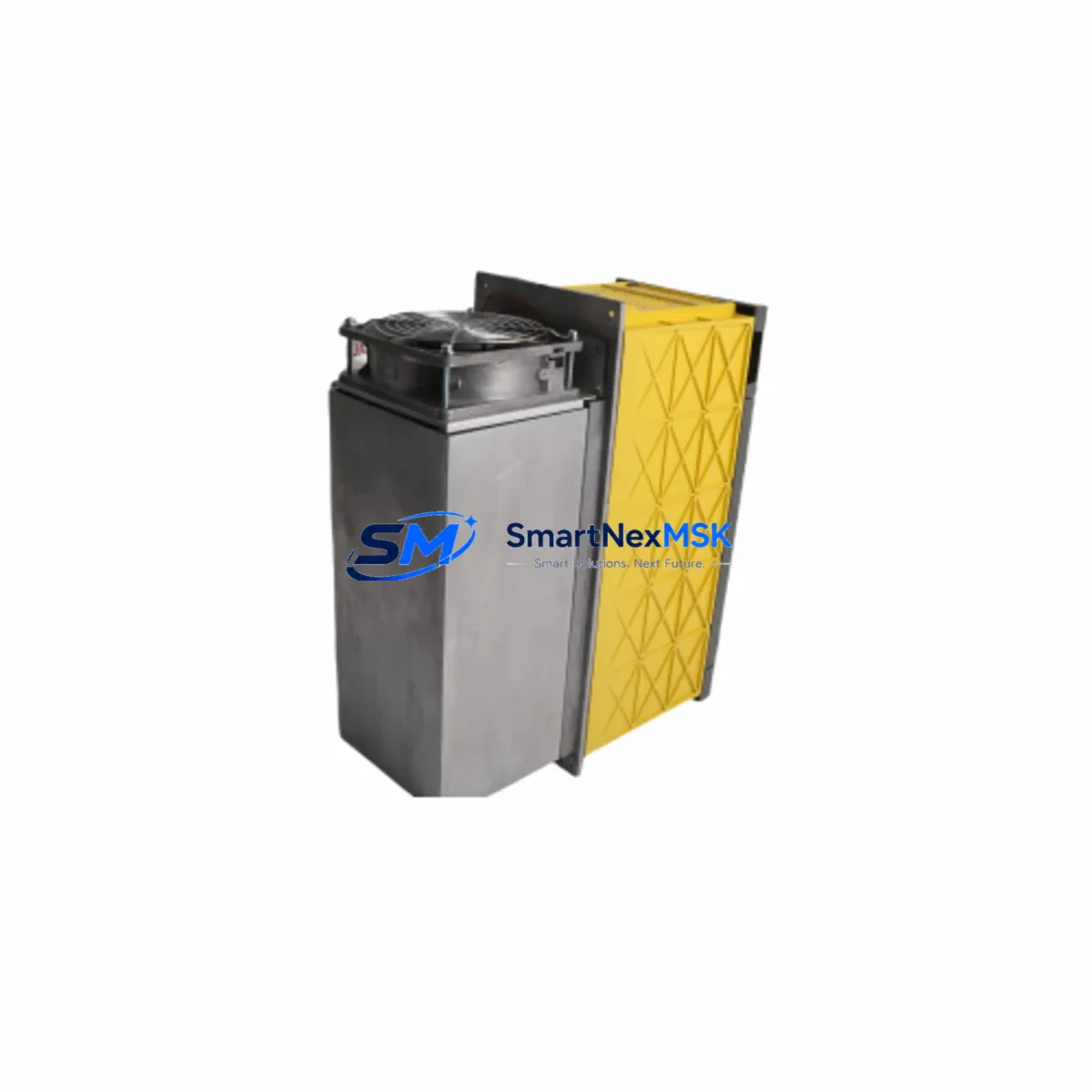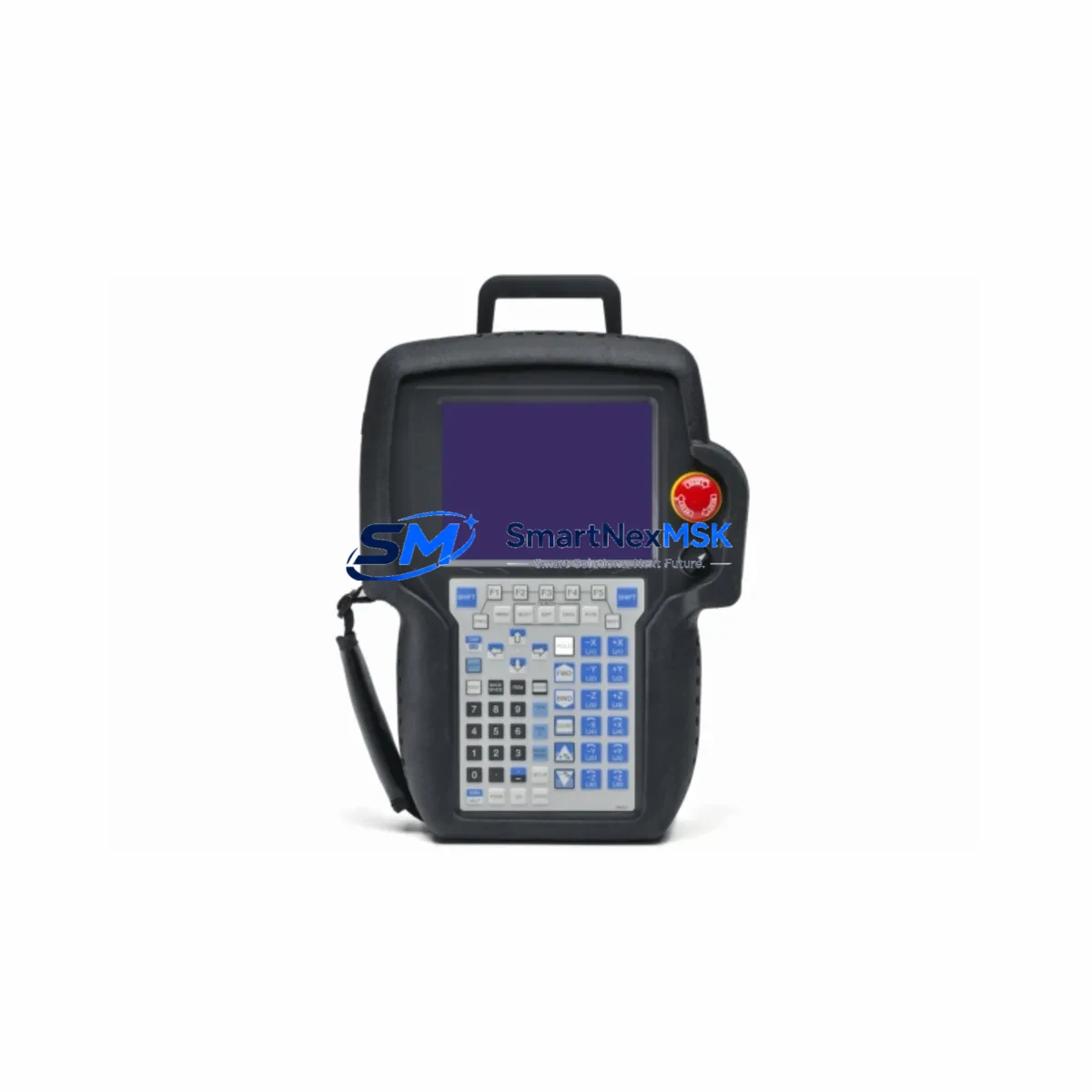
FANUC M-10iA Retrofit-Ready Robot Arm for M-10i Control Systems
The FANUC M-10iA is the designated retrofit-ready successor to the legacy M-10i series, engineered to deliver a smooth, low-risk migration path for production lines that have relied on FANUC’s M-10i platform for years. With a 10 kg payload capacity, 1,422 mm maximum reach, and a compact J1-axis footprint, the M-10iA slots into existing cell layouts with minimal mechanical rework. For system integrators and maintenance engineers managing aging automation infrastructure, this unit represents the most cost-effective path to restoring full production uptime without redesigning the surrounding control architecture.
Upgrade Compatibility Table
| Parameter | Legacy M-10i | M-10iA (This Unit) | Retrofit Note |
|---|---|---|---|
| Payload Capacity | 10 kg | 10 kg | Direct match — no fixture redesign required |
| Maximum Reach | 1,420 mm | 1,422 mm | Negligible delta; existing tooling paths remain valid |
| Mounting Interface | Floor / Ceiling / Wall | Floor / Ceiling / Wall / Angle | Expanded mounting options; existing bolt pattern compatible |
| Controller Compatibility | R-J3iB / R-30iA | R-30iA / R-30iB | Verify controller firmware revision before swap |
| Communication Protocol | DeviceNet / Profibus | DeviceNet / Profibus / EtherNet/IP | Backward compatible; EtherNet/IP adds future-proofing |
| Wiring Harness | Standard M-10i pinout | Compatible pinout | Confirm cable dress routing at J1 base |
| Installation Requirement | Standard robot cell | Standard robot cell | No additional safety fence modification needed |
| Program Compatibility | TP / Karel programs | TP / Karel programs | Load backup; verify mastering offsets post-swap |
| Debugging Focus | — | Zero-point mastering, I/O mapping | Run dry cycle before live production restart |
| Warranty | End-of-life / no support | 12-Month Warranty | Covered from date of shipment |
Retrofit Planning for Existing Automation Systems
A successful M-10i to M-10iA migration begins well before the robot is physically removed from the cell. The first step is a full backup of all TP programs, Karel source files, system variables, and I/O configuration from the existing R-30iA controller or legacy R-J3iB controller. Engineers should document every I/O assignment, particularly the digital inputs and outputs mapped to the FANUC A20B I/O base board and any connected A03B-0819 I/O expansion modules, since address conflicts are the most common cause of post-swap commissioning delays.
On the mechanical side, inspect the existing cable management at the J1 base and J3 wrist. The M-10iA uses a compatible but slightly revised cable dress, so confirm that the A660-8013 mechanical unit cable set routing does not create interference with the updated J2/J3 arm geometry. If the cell uses a FANUC A05B-2450 servo amplifier module within the controller cabinet, verify that the amplifier firmware supports the M-10iA’s servo parameter file before loading the new system software.
For lines that communicate over DeviceNet using a A20B-8101 DeviceNet master board, the node address and baud rate settings carry over without modification. Lines that are being upgraded simultaneously to EtherNet/IP should configure the R-30iB EtherNet/IP adapter and update the PLC scanner table — typically a Siemens S7-300 CP343-1 or Allen-Bradley ControlLogix 1756-EN2T — before the robot swap to avoid network topology changes during the critical cutover window.
If the cell includes a FANUC iPendant or a third-party Proface GP4000 HMI displaying robot status, confirm that the screen tag addresses referencing robot register R[1]–R[50] and position register PR[1]–PR[20] remain consistent after the program restore. HMI screen validation is frequently overlooked and can extend commissioning time by several hours if deferred to the final stage.
Downtime Control During System Migration
Minimizing production downtime during an M-10i replacement requires a structured pre-staging approach. Before the scheduled maintenance window, pre-configure the M-10iA on a bench: load the backed-up TP programs, set the mastering data using the FANUC zero-point master fixture, and perform a dry-run simulation against the restored program to confirm joint limits and tool center point (TCP) accuracy. This bench validation step alone typically reduces in-cell commissioning time from four to six hours down to under ninety minutes.
During the physical swap, tag and photograph every connector at the R-30iA controller before disconnection. The teach pendant cable, the mechanical unit power cable (CRR32A), and the signal cable (CRR33A) must be reconnected in the correct sequence to avoid controller boot errors. After reconnection, perform a controlled power-on with the robot in a known safe position, verify the mastering offsets against the pre-recorded values, and execute a single-step dry cycle through the full program before releasing the cell to automatic mode.
For multi-robot cells where the M-10i operates in coordination with a FANUC M-20iA or a FANUC LR Mate 200iD on a shared R-30iB dual-arm controller, the coordinated motion parameters must be re-validated after the swap. Coordinate system definitions and interference zone settings are not automatically preserved during a robot unit replacement and must be re-entered manually or restored from a full system image backup.
Retrofit Support FAQ
Q1: Is the FANUC M-10iA a direct drop-in replacement for the M-10i without reprogramming?
In most cases, yes. The M-10iA shares the same payload, reach envelope, and mounting bolt pattern as the M-10i. Existing TP programs can be restored directly from backup. However, zero-point mastering must be performed after installation, and joint limit parameters should be verified against the M-10iA specification sheet before running in automatic mode.
Q2: What wiring changes are required when replacing the M-10i with the M-10iA?
The M-10iA uses a compatible connector pinout at the J1 base. In most retrofit scenarios, the existing mechanical unit cable set can be reused. Engineers should inspect the cable dress at J2 and J3 for any interference with the updated arm geometry and replace any cables showing insulation wear before the swap.
Q3: Can the M-10iA operate with our existing R-J3iB controller?
The M-10iA is optimized for the R-30iA and R-30iB controller platforms. Compatibility with the legacy R-J3iB controller depends on the firmware revision and servo amplifier configuration. We recommend confirming the controller software version with your FANUC system integrator before proceeding. In many cases, a controller upgrade to the R-30iA is performed concurrently with the robot unit replacement.
Q4: What does the 12-month warranty cover, and how is it validated?
All M-10iA units shipped by SMARTNEXMSK carry a 12-month warranty from the date of shipment, covering manufacturing defects in the mechanical unit, servo motors, and wiring harness. Each unit undergoes pre-shipment functional testing including axis movement verification, brake check, and connector integrity inspection. Warranty claims are processed via our after-sales support team with a documented fault report and photographic evidence of the defect.
© 2026 SMARTNEXMSK. All rights reserved.
Original Source: https://smartnexmsk.com
Contact: [email protected] | +86 18259474341