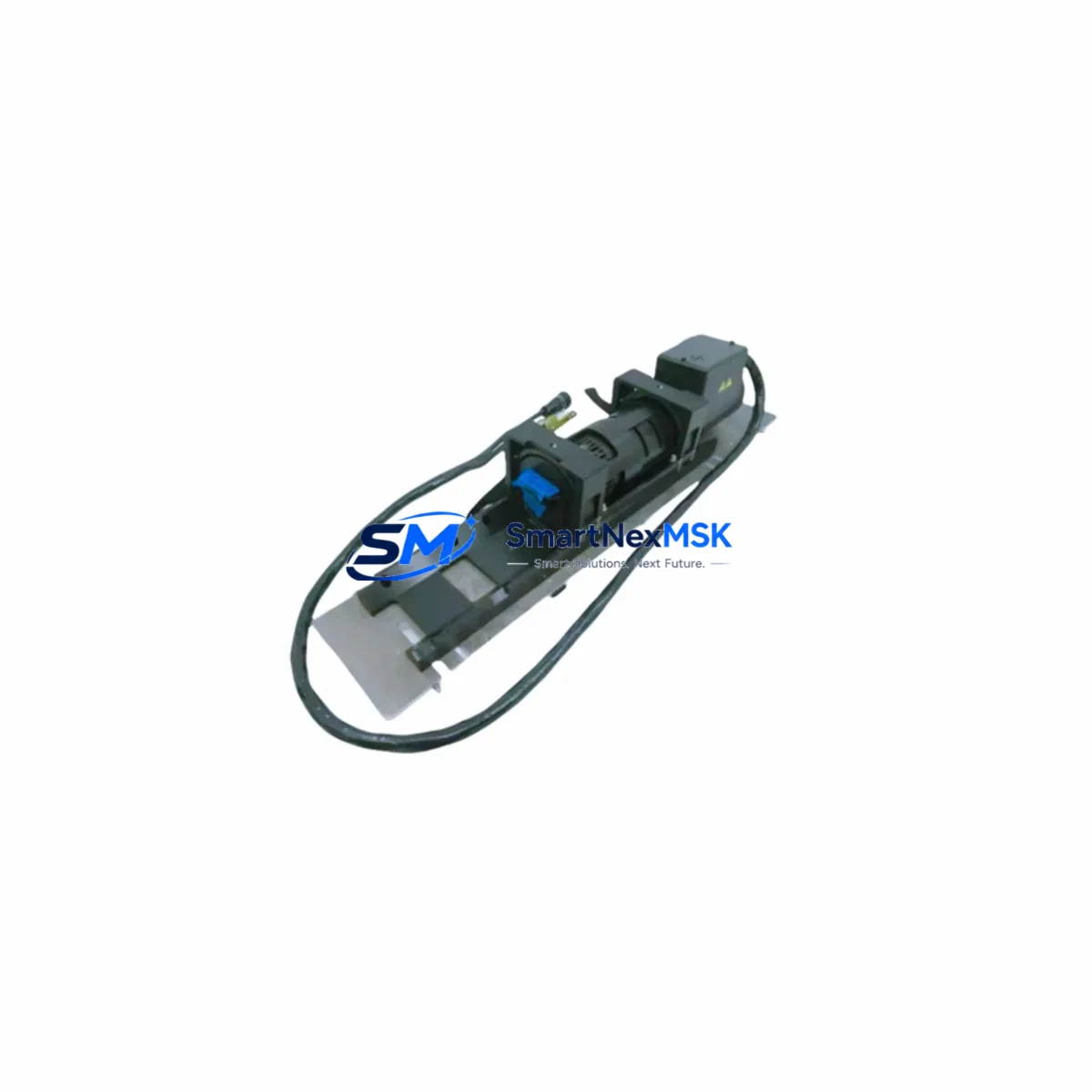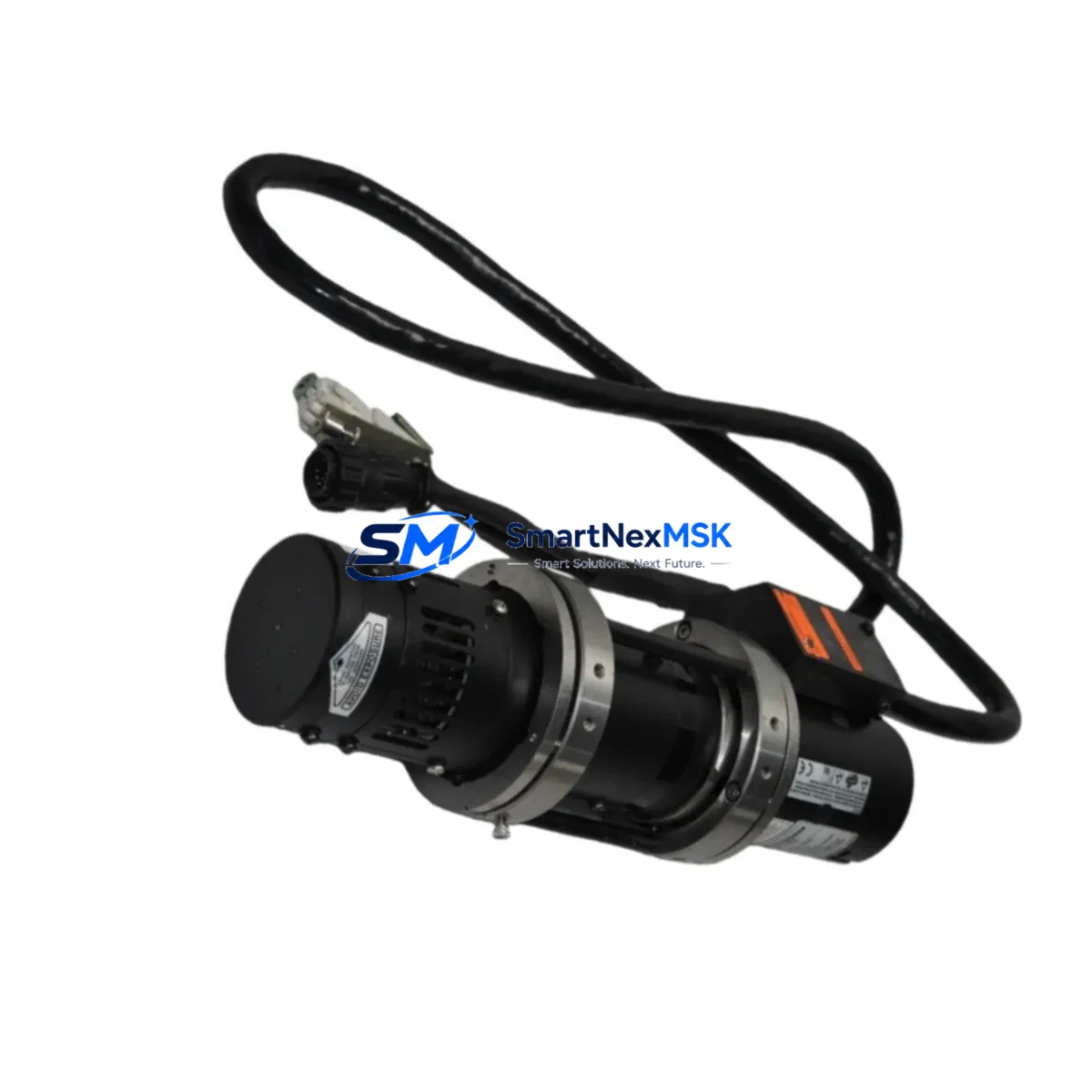
JDSU 2214-30SLQTC Retrofit-Ready He-Ne Laser for 2214 Series Control Systems
The JDSU 2214-30SLQTC is a 632.8 nm single-mode helium-neon laser module engineered for seamless integration into legacy 2214 Series optical measurement, alignment, and industrial inspection platforms. As original JDSU 2214-series units approach end-of-life and OEM support is discontinued, the 2214-30SLQTC provides a verified drop-in replacement path that preserves existing beam geometry, power output, and polarization characteristics — minimizing retrofit engineering time and protecting capital investment in installed optical systems.
Whether you are upgrading a coordinate measurement machine (CMM), interferometric inspection station, laser Doppler velocimeter, or a precision alignment bench that originally shipped with a JDSU 1125, JDSU 1135, or JDSU 1145 He-Ne tube assembly, the 2214-30SLQTC delivers the output stability and beam quality required for continued production-grade operation. The module is fully compatible with standard JDSU 2214-series laser power supplies, including the JDSU 2801 and JDSU 2802 driver units, eliminating the need for power-supply redesign during the upgrade cycle.
Upgrade Compatibility Table
| Parameter | JDSU 2214-30SLQTC | Retrofit Notes |
|---|---|---|
| Wavelength | 632.8 nm | Matches legacy 2214 Series specification; no optical filter change required |
| Output Power | ≥ 0.5 mW (typical 0.8 mW) | Verify detector sensitivity range on existing signal chain |
| Mode | Single longitudinal mode (TEM₀₀) | Direct replacement for single-mode 2214 variants |
| Beam Diameter | 0.48 mm (1/e²) | Compatible with standard 2214 Series beam-shaping optics |
| Polarization | Linear, >500:1 | Confirm polarization axis orientation before installation |
| Power Supply Compatibility | JDSU 2801 / 2802 driver | No driver replacement needed; verify ballast resistor setting |
| Mechanical Interface | Standard 2214 Series mount pattern | Drop-in fit; confirm tube length variant (30 = 30 mW class body) |
| Communication / Control | Analog power modulation input | Compatible with existing APC loop; no firmware change required |
| Warm-up Time | ≤ 15 minutes to rated stability | Schedule maintenance window accordingly |
| Warranty | 12 Months | Covers output power, mode stability, and mechanical integrity |
Retrofit Planning for Existing Automation Systems
A successful 2214-30SLQTC retrofit begins with a thorough audit of the host system’s optical and electrical architecture. Technicians should document the existing JDSU 1125 or JDSU 1135 tube’s operating hours, current output power (measured at the detector plane), and beam pointing stability before initiating the swap. This baseline data is essential for post-installation acceptance testing and for validating that the replacement module meets or exceeds the original system specification.
On the electrical side, confirm that the JDSU 2801 laser power supply — or equivalent third-party driver — is set to the correct starting voltage and ballast resistance for the 2214-30SLQTC tube geometry. Incorrect ballast settings are the most common cause of premature cathode degradation in retrofit scenarios. If the host system uses a JDSU 2802 dual-channel driver to power both the main measurement laser and a reference channel (for example, a JDSU 1107 reference laser), verify that channel isolation is maintained and that the reference channel’s operating point is not disturbed during the main tube replacement.
Mechanical alignment is the next critical step. The 2214-30SLQTC ships pre-aligned to the 2214 Series mount standard, but thermal cycling and shipping vibration can introduce minor pointing offsets. Use the system’s existing beam-steering mirrors and the JDSU 2214 Series alignment fixture (or equivalent kinematic mount) to restore the beam path to within the original specification. In interferometric systems, this typically means achieving fringe contrast above 90% before releasing the system back to production. For CMM and surface-inspection platforms, re-run the standard calibration artifact cycle using a NIST-traceable gauge block or optical flat to confirm measurement accuracy.
If the host system incorporates a JDSU 2460 or compatible fiber-coupling assembly, inspect the fiber input coupler for contamination before installing the new tube. A contaminated coupler face will degrade coupling efficiency and may be misattributed to the replacement laser module. Clean with appropriate IPA-grade fiber optic cleaning tools and re-measure coupling efficiency before final sign-off. Similarly, if the system uses a JDSU 2550 beam expander or spatial filter assembly downstream of the laser, verify that the pinhole aperture is free of debris — a common issue in systems that have operated for several years without preventive maintenance.
For systems that integrate the He-Ne laser with a digital signal processor or FPGA-based fringe counter (such as those found in Renishaw-compatible or HP 5529A-class interferometer retrofits), confirm that the analog power modulation input on the 2214-30SLQTC is correctly terminated and that the APC (automatic power control) loop gain is within the controller’s capture range. Document all settings in the system’s maintenance log before closing the control cabinet.
Downtime Control During System Migration
Minimizing production downtime during a He-Ne laser replacement requires advance preparation and a structured swap protocol. Begin by pre-staging the 2214-30SLQTC module at least 24 hours before the scheduled maintenance window, allowing the tube to thermally equilibrate to the facility environment. This reduces the warm-up time required after installation and shortens the alignment verification cycle.
Preserve the original program logic and calibration data stored in the host controller or metrology software before beginning any physical work. For CMM platforms, export the current probe calibration file and part programs to a network share or USB backup. For interferometer-based systems, record the current wavelength compensation coefficients and environmental correction factors (temperature, pressure, humidity) used by the measurement software. These values are independent of the laser hardware but must be verified against the new tube’s actual output wavelength after installation — the 2214-30SLQTC’s wavelength is specified at 632.8 nm ± 0.001 nm, consistent with the original 2214 Series specification, so compensation coefficients typically require no adjustment.
Execute the physical swap with the power supply de-energized and the interlock circuit confirmed open. Re-energize the JDSU 2801 driver only after all mechanical connections are secured and the beam path is enclosed. Allow the full 15-minute warm-up period before beginning alignment verification — attempting to align a cold He-Ne tube introduces pointing errors that disappear once the tube reaches thermal equilibrium, wasting time and potentially introducing unnecessary adjustments. With proper preparation, total downtime from power-off to production release can be held to under two hours for experienced technicians.
Retrofit Support FAQ
Q: Is the JDSU 2214-30SLQTC a direct drop-in replacement for the JDSU 1125 and JDSU 1135 He-Ne tubes?
A: Yes, for systems originally configured with the 2214 Series mount standard. The 2214-30SLQTC uses the same mechanical interface and is compatible with the JDSU 2801/2802 power supply family. Confirm the tube body length variant matches your enclosure clearance before ordering.
Q: What pre-shipment testing is performed on each unit?
A: Every 2214-30SLQTC is tested for output power (≥ 0.5 mW at rated drive current), mode stability (single longitudinal mode confirmed via Fabry-Pérot analysis), polarization ratio (>500:1), and beam pointing (within 2 mrad of mechanical axis). A test report is included with each shipment. All units carry a 12-month warranty covering output power, mode stability, and mechanical integrity.
Q: Can the module be used with third-party laser drivers not from the JDSU 2801/2802 family?
A: Yes, provided the driver supplies the correct starting voltage (typically 9–12 kV open-circuit) and operating current (3.5–4.5 mA) with appropriate ballast resistance. Consult the 2214-30SLQTC datasheet for exact electrical specifications and verify compatibility with your driver before installation.
Q: What should I do if beam output is lower than expected after installation?
A: First, confirm the tube has completed its full 15-minute warm-up cycle. Next, verify the power supply ballast setting and operating current. Check the beam path for contaminated optics — particularly the JDSU 2460 fiber coupler or JDSU 2550 beam expander if present. If output remains below specification after these checks, contact our technical support team. Units confirmed defective within the 12-month warranty period will be replaced at no charge.
© 2026 SMARTNEXMSK. All rights reserved.
Original Source: https://smartnexmsk.com
Contact: [email protected] | +86 18259474341