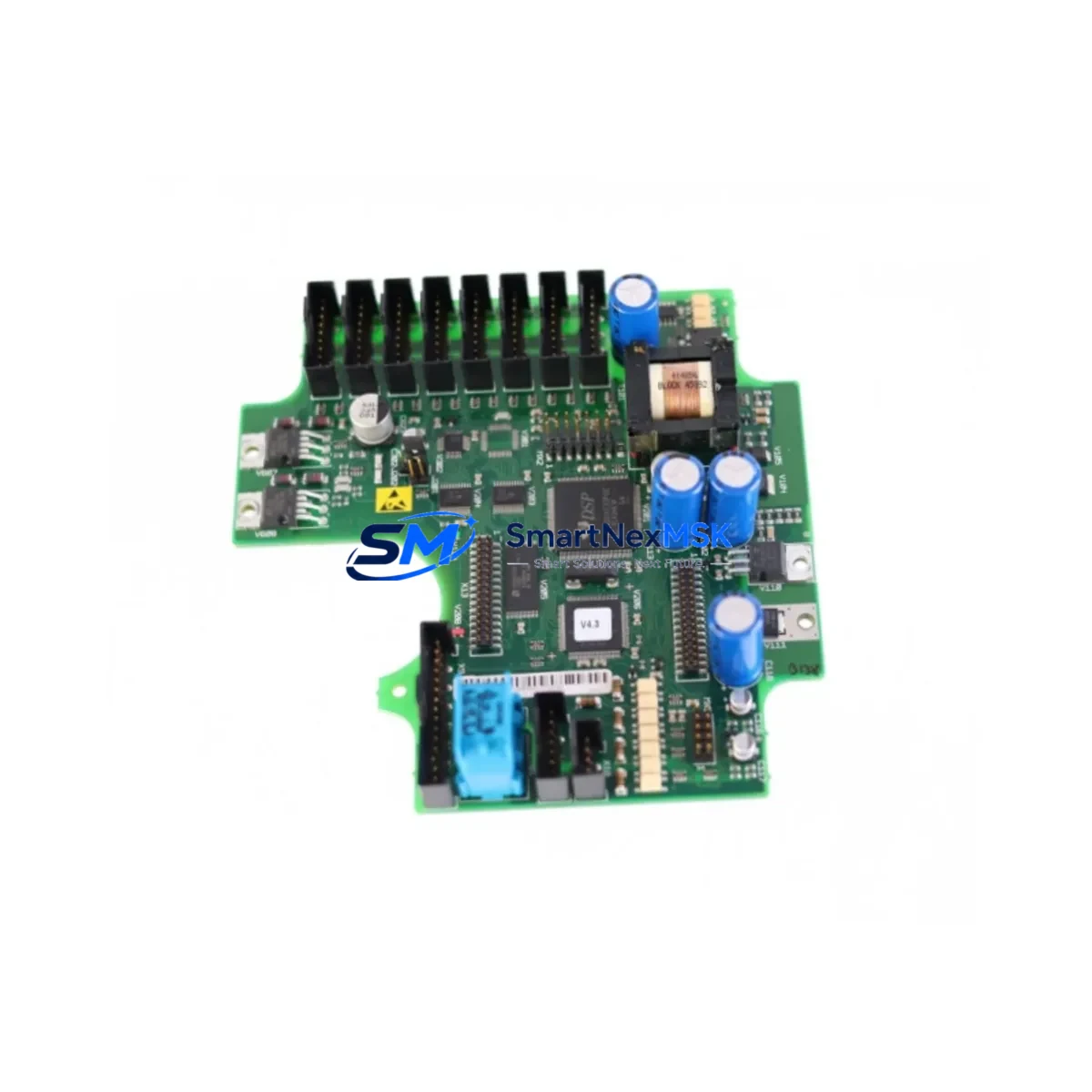
KUKA 00-178-915 Retrofit-Ready Axis Gear Reducer for KR Series Control Systems
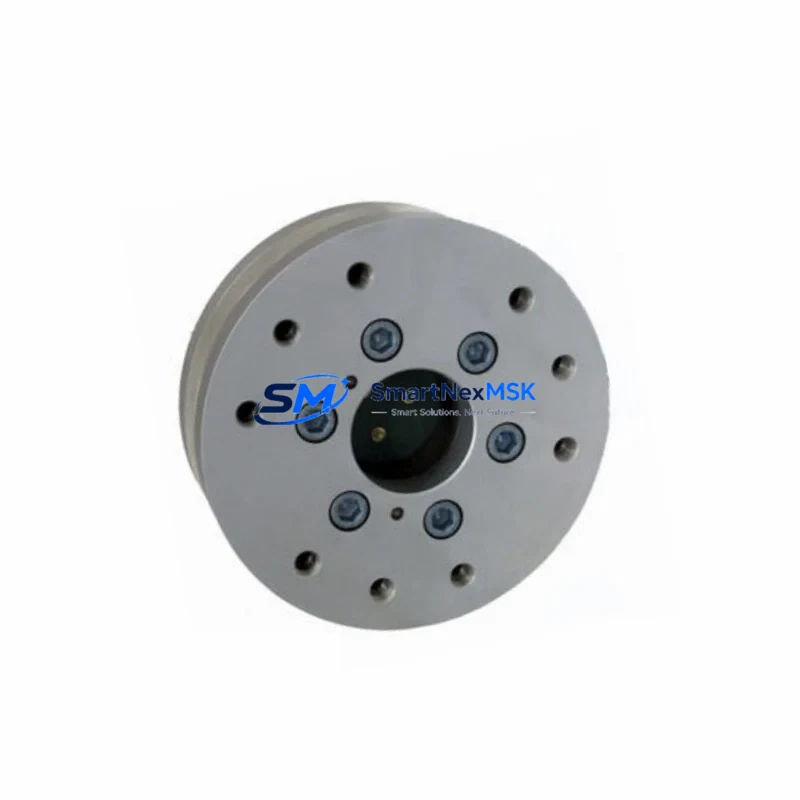
The KUKA 00-178-915 is a precision axis gear reducer engineered for seamless integration into KUKA KR series industrial robots. Designed as a retrofit-ready replacement for aging or discontinued drivetrain components, this unit supports smooth migration from legacy axis configurations to current-generation mechanical assemblies — without requiring structural modifications to the robot arm or control cabinet. Cross-reference model 00-178-916 shares identical mounting geometry and torque ratings, making both part numbers interchangeable in most KR series retrofit scenarios.
For facilities running KUKA KR 6, KR 16, KR 30, KR 60, or KR 150 platforms, the 00-178-915 reducer addresses one of the most common failure points in long-cycle automation lines: axis joint wear and gear backlash accumulation. When paired with a recalibrated KUKA KRC4 controller or legacy KRC2 cabinet, this reducer restores positional repeatability to factory specification, extending the productive life of existing robot cells by several years without full system replacement.
Upgrade Compatibility Table
| Parameter | Details |
|---|---|
| Part Number | 00-178-915 (Cross-ref: 00-178-916) |
| Brand | KUKA |
| Compatible Series | KR 6, KR 16, KR 30, KR 60, KR 150 (KR Series) |
| Compatible Controllers | KRC2, KRC4, KRC4 compact |
| Mounting Interface | Standard KUKA flange pattern — direct bolt-on replacement |
| Communication Compatibility | EtherCAT, PROFIBUS-DP, DeviceNet (controller-dependent) |
| Installation Requirement | Axis mastering required post-installation (EMT or dial gauge) |
| Replacement Recommendation | Replace in pairs on symmetric axes when backlash exceeds 0.05 mm |
| Commissioning Note | Zero-point calibration via WorkVisual or KUKA smartPAD required |
| Warranty | 12 Months — covers manufacturing defects and premature failure |
| Origin | Germany |
| Stock Status | Available — ships within 3–5 business days |
Retrofit Planning for Existing Automation Systems
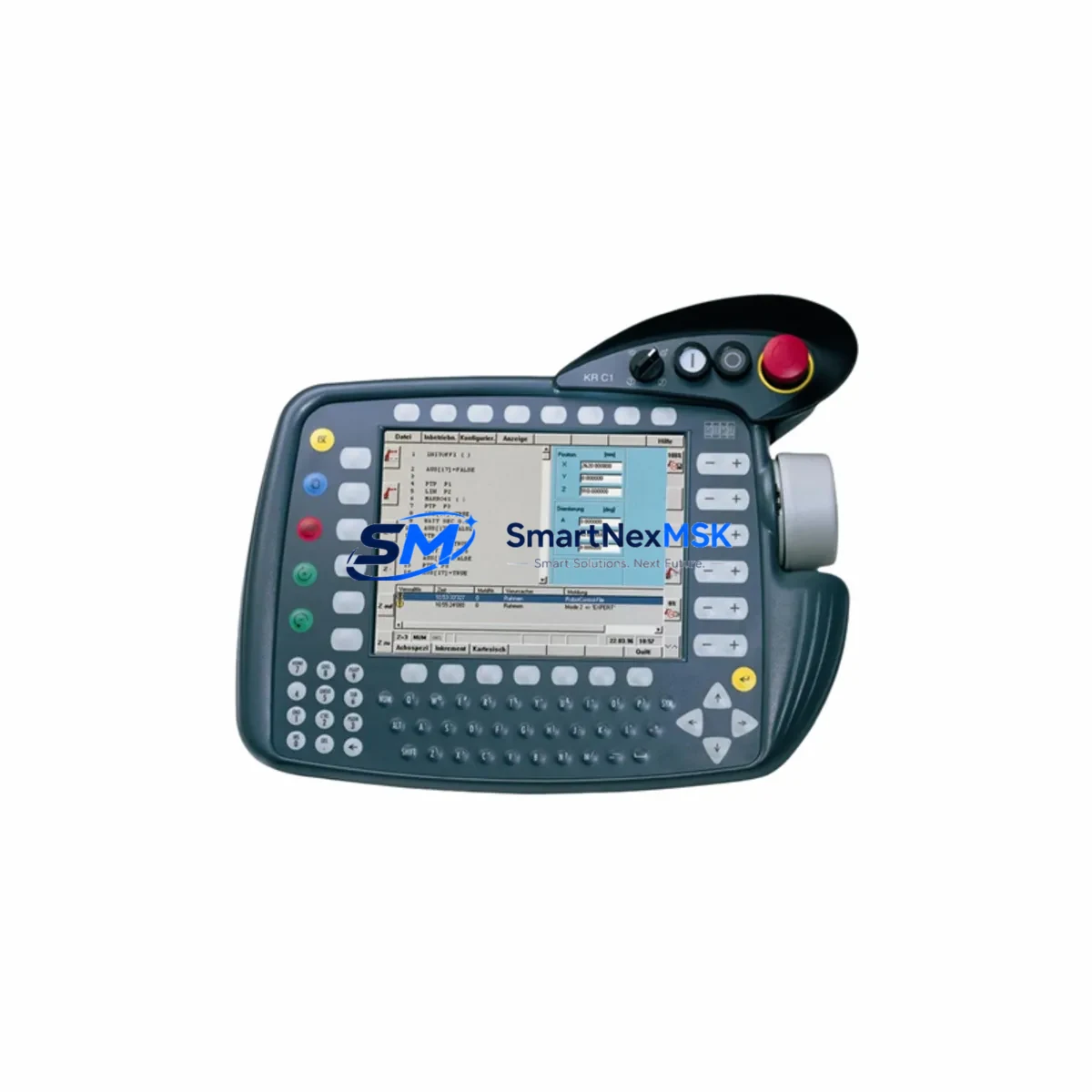
Replacing an axis reducer in an active production cell requires careful pre-planning to avoid extended downtime and program drift. Before removing the worn unit, engineers should document the current axis mastering values from the KUKA smartPAD teach pendant and export a full machine data backup via WorkVisual. This backup preserves all axis-specific parameters, load data, and safety zone configurations stored in the KRC4 controller.
The 00-178-915 reducer interfaces directly with the existing servo motor — typically a KUKA servo motor type 1FK7 or equivalent — via a standard spline coupling. Verify that the motor encoder cable and power connector are undamaged before reinstallation. In older KRC2-based cells, the RDC (Resolver Digital Converter) board may need firmware verification to ensure compatibility with the replacement axis assembly.
For systems using KUKA KL linear tracks or external axes coordinated through the KRC4, confirm that the external axis mastering sequence is re-executed after the primary axis reducer swap. Cells integrating KUKA.SafeOperation or KUKA.SafeRangeMonitoring will require safety parameter re-validation and customer sign-off before returning to automatic mode.
When the robot is part of a multi-robot cell coordinated via KUKA.RoboTeam or synchronized through a PROFINET network with a Siemens S7 PLC or Allen-Bradley ControlLogix, the axis replacement must be scheduled during a planned maintenance window. Notify the PLC program logic of the robot’s offline status to prevent upstream conveyor faults or downstream gripper collisions. After reinstallation, run a slow-speed verification cycle at 10–20% override before restoring full production speed.
Facilities upgrading from KRC2 to KRC4 architecture simultaneously with this reducer replacement should also plan for KUKA MxAutomation or KUKA.PLC mxA integration updates, as the communication driver stack between the robot controller and the supervisory PLC may require reconfiguration. In such cases, the KUKA Ethernet KRL interface or EtherNet/IP adapter settings must be re-mapped to match the new controller’s IP addressing scheme.
Downtime Control During System Migration
Minimizing unplanned downtime during an axis reducer replacement begins with a structured pre-swap checklist. Before the maintenance window opens, stage all required tools: torque wrench set, axis mastering gauge (EMT or dial indicator), grease cartridge (KUKA-approved Optimol Longtime PD0), and a laptop with WorkVisual installed and licensed.
The physical swap of the 00-178-915 reducer typically takes 2–4 hours for a trained KUKA-certified technician on a KR 16 or KR 30 platform. The subsequent mastering and verification cycle adds 1–2 hours. Total planned downtime for a single-axis replacement is therefore 3–6 hours — significantly less than the multi-day outage associated with unplanned gear failure.
To protect original program logic, never delete or overwrite the robot’s existing program archive before confirming that the replacement axis performs within tolerance. Keep the pre-swap WorkVisual project file as a rollback reference. If the cell uses KUKA.ConveyorTech for conveyor tracking, re-verify the encoder calibration and belt speed parameters after the axis is re-mastered, as conveyor synchronization is sensitive to axis position offsets.
For multi-shift operations, schedule the swap at the start of the lowest-demand shift and coordinate with the production scheduler to buffer upstream and downstream inventory. A well-executed 00-178-915 reducer replacement restores full cell throughput within a single shift, preserving weekly production targets and avoiding the cascading delays of an emergency repair scenario.
Retrofit Support FAQ
Q1: Is the 00-178-915 a direct drop-in replacement for the 00-178-916?
Yes. Both part numbers share identical flange geometry, gear ratio, and torque capacity. The 00-178-916 is the updated revision of the 00-178-915 and is fully interchangeable in KR series axis positions. Either unit can be installed without mechanical modification to the robot arm structure.
Q2: What commissioning steps are required after installation?
After mechanical installation and torque verification, the axis must be re-mastered using the KUKA smartPAD (T1 mode, Mastering menu). Use the Electronic Mastering Tool (EMT) or a precision dial gauge at the mastering notch. Once mastering is confirmed, run a slow-speed test program at 10% override for a minimum of 10 cycles before returning to production speed. Re-validate any active SafeOperation zones.
Q3: How do I verify wiring and connector compatibility before installation?
Compare the motor power connector (X20 series on KRC4) and encoder connector (X30 series) pinouts against the KUKA electrical documentation for your specific KR model. The 00-178-915 does not alter the motor-to-reducer interface, so existing motor cables remain connected. Only the reducer-to-arm mechanical interface is disturbed during the swap.
Q4: What does the 12-month warranty cover?
The 12-month warranty covers manufacturing defects, premature bearing failure, and gear surface defects under normal operating loads. It does not cover damage resulting from improper installation torque, contamination, or operation outside the rated load envelope. Warranty claims require photographic documentation of the failed component and the original purchase invoice. Contact [email protected] to initiate a warranty claim.
© 2026 SMARTNEXMSK. All rights reserved.
Original Source: https://smartnexmsk.com
Contact: [email protected] | +86 18259474341