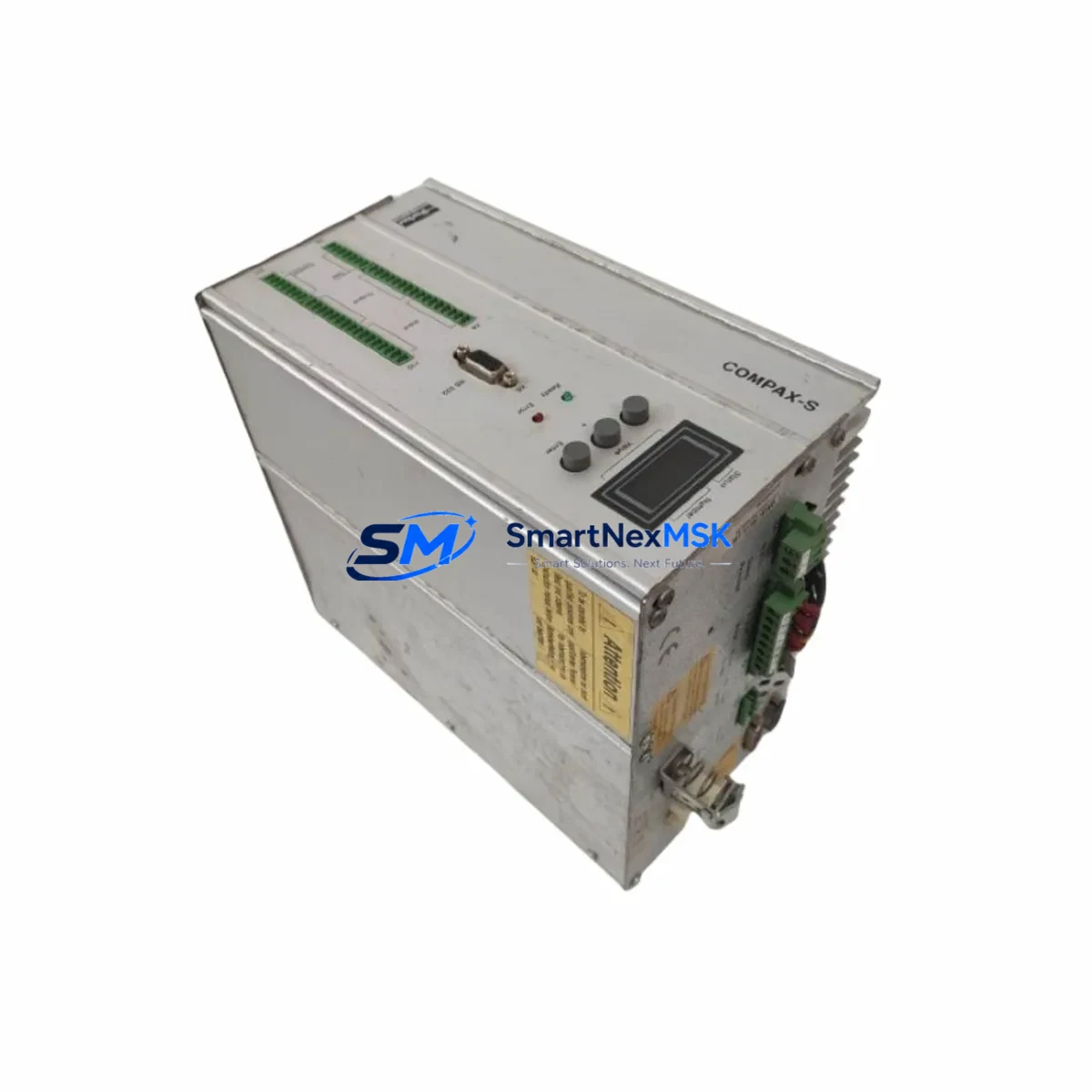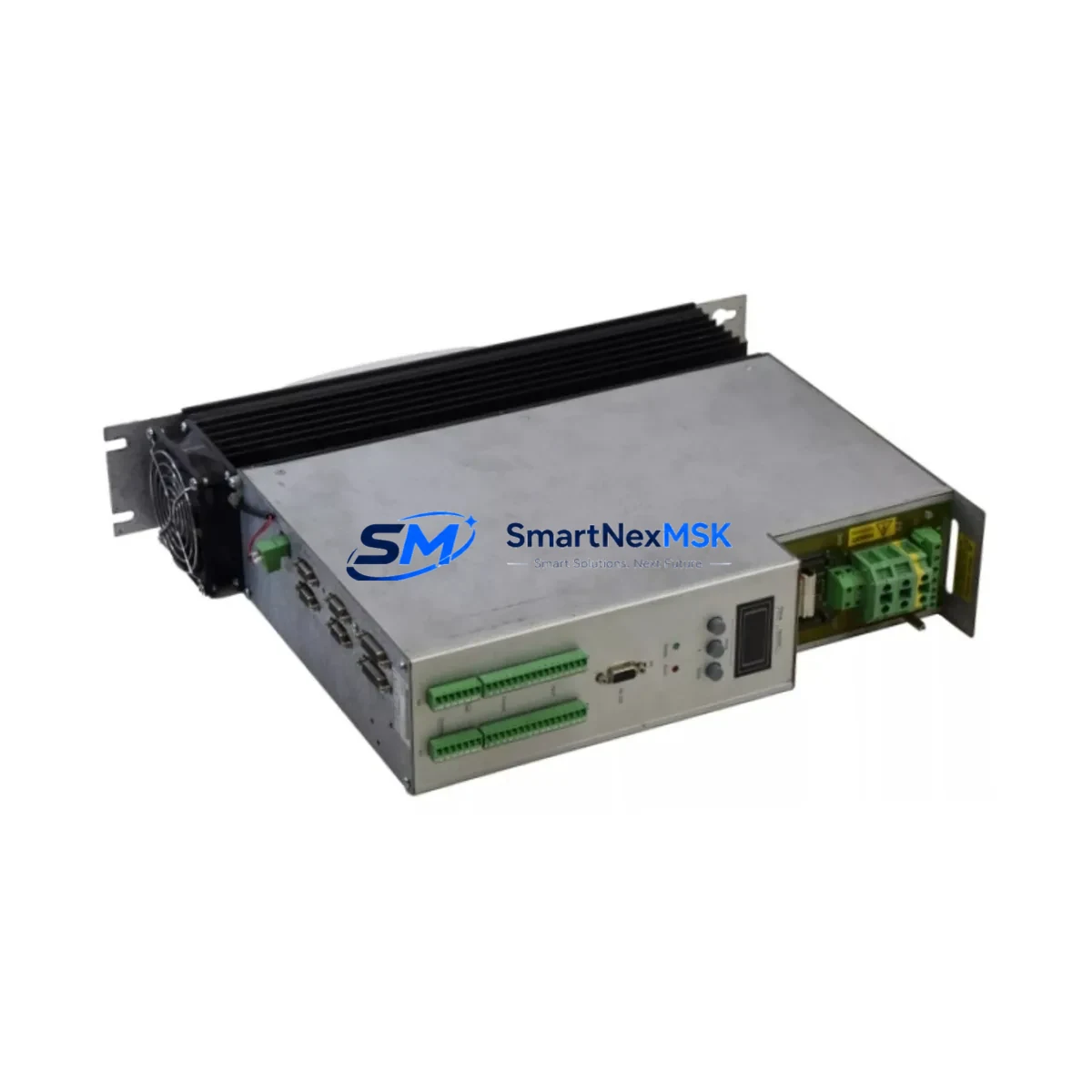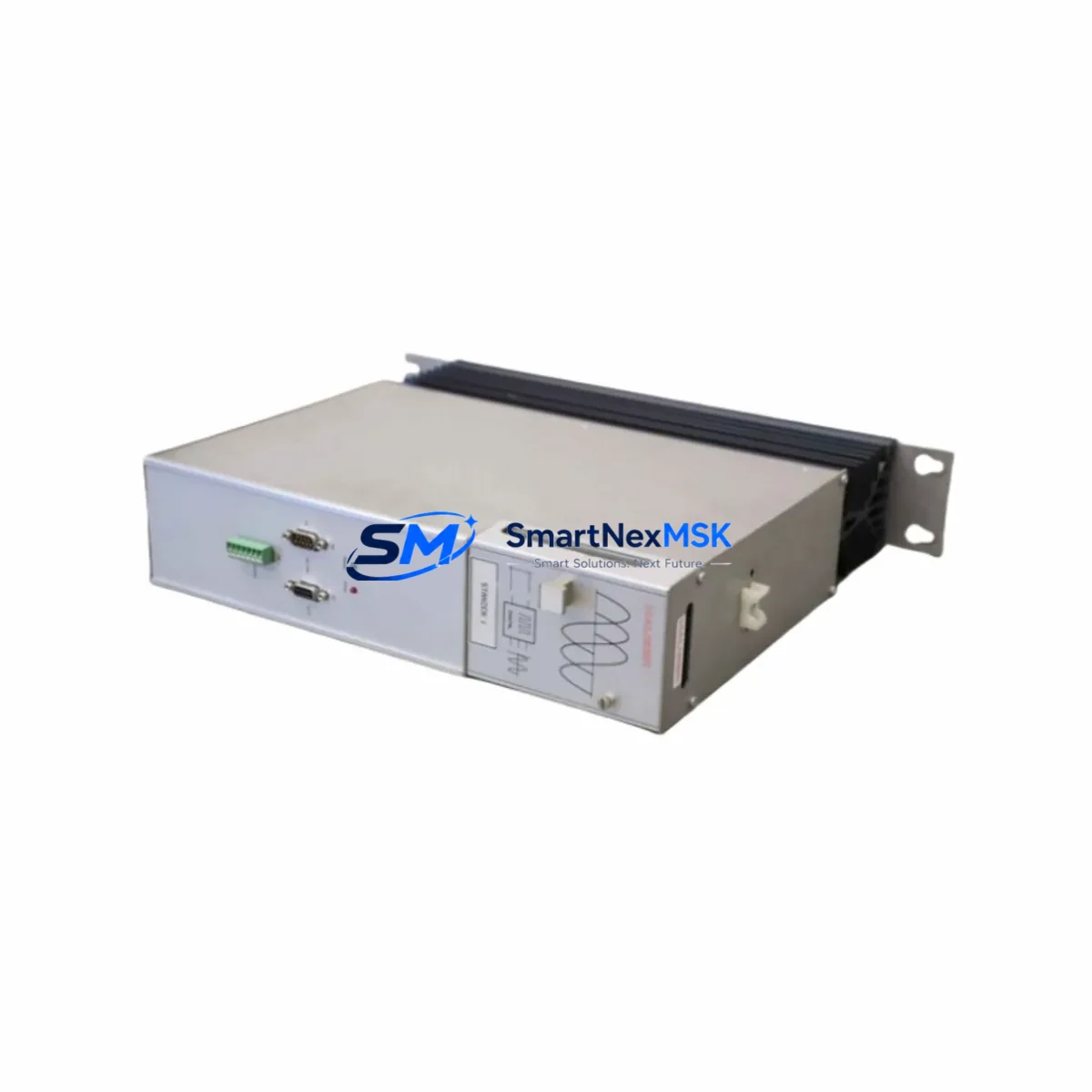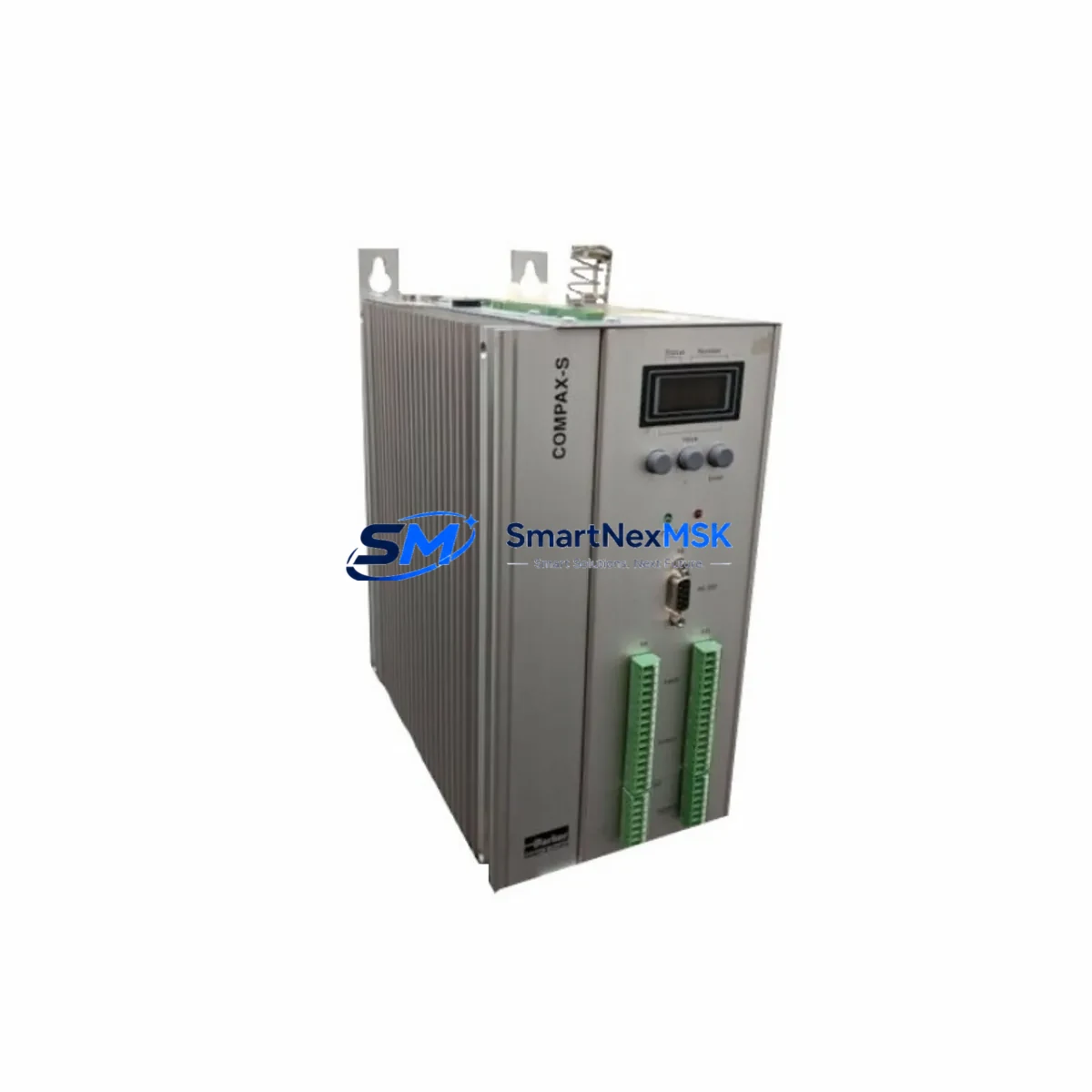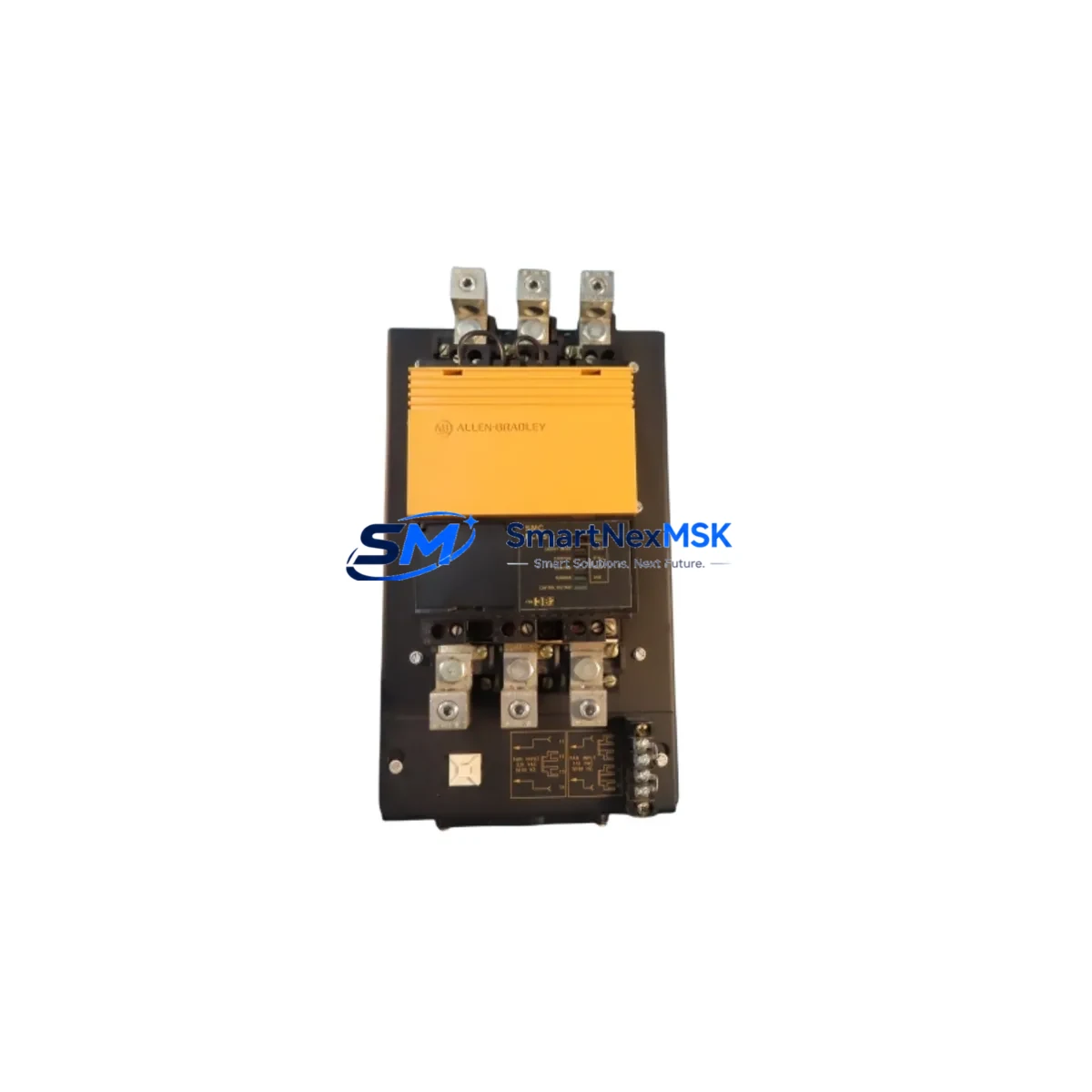
Parker 150-A135NBDB Retrofit-Ready SCR DC Drive for 150 Series Control Systems
The Parker 150-A135NBDB is a regenerative SCR DC drive engineered for seamless integration into legacy and modernized control architectures. As a direct retrofit-ready replacement within the Parker 150 Series platform, this unit addresses the growing demand for reliable, drop-in upgrades in aging industrial facilities where downtime tolerance is near zero and original equipment is no longer in production. Whether you are restoring a failed drive in a paper mill, upgrading a steel processing line, or migrating a legacy DC motor control cabinet to a current-generation platform, the 150-A135NBDB delivers the electrical and mechanical compatibility required to complete the job with confidence.
Procurement engineers and maintenance teams sourcing this unit typically operate in environments where the original Parker 590 Series or SSD 590+ drives have reached end-of-life, or where older Eurotherm DC drives require a platform-compatible substitute. The 150-A135NBDB fits directly into existing 150 Series rack assemblies, preserving original terminal block layouts and minimizing re-wiring scope. Before installation, engineers should verify armature current rating, field supply voltage, and feedback device compatibility — particularly when the existing system uses a tachogenerator or encoder for closed-loop speed regulation.
Upgrade Compatibility Table
| Parameter | Detail |
|---|---|
| Model | Parker 150-A135NBDB |
| Series | Parker 150 Series SCR DC Drive |
| Drive Type | Regenerative SCR DC (4-Quadrant) |
| Armature Current | 135 A continuous |
| Supply Voltage | 3-Phase AC input (confirm local voltage rating) |
| Field Supply | Integrated field controller — verify field voltage against motor nameplate |
| Feedback Interface | Tachogenerator / Encoder (confirm existing feedback wiring) |
| Mounting / Rack | Compatible with standard 150 Series backplane and chassis |
| Communication | Analog reference + hardwired I/O; optional serial interface depending on firmware |
| Common Replacement For | Parker 590 Series, SSD 590+, Eurotherm DC drives (verify ratings) |
| Installation Requirement | Confirm terminal block pinout, armature fusing, and contactor sizing |
| Commissioning Note | Re-tune speed loop PID after replacement; verify autotune sequence |
| Warranty | 12-Month Warranty — covers manufacturing defects under normal operating conditions |
Retrofit Planning for Existing Automation Systems
A successful retrofit of the Parker 150-A135NBDB begins well before the unit arrives on site. Maintenance engineers should pull the existing drive’s parameter printout or configuration backup — if the original unit is still partially functional — to preserve speed reference scaling, ramp rates, current limits, and field weakening setpoints. These values will need to be re-entered or re-tuned on the replacement unit during commissioning.
In multi-drive systems, the 150-A135NBDB typically operates alongside other components in the same control cabinet. Common co-installed hardware includes the Parker 150-A075NBDB for lower-current axes, Parker 590P DC drives on adjacent motor circuits, and Parker ACR Series motion controllers coordinating multi-axis sequences. Power distribution within the cabinet often involves a dedicated Parker 150 Series power supply module or an external transformer feeding the SCR bridge. Engineers should confirm that the existing AC supply bus can sustain the 135 A armature demand under full-load acceleration without tripping upstream protection.
Terminal wiring is a critical checkpoint. The 150-A135NBDB uses a standard 150 Series terminal layout, but field wiring polarity, tachogenerator shielding, and enable/inhibit signal routing must be verified against the original schematic. In systems where a Parker HMI or SSD operator panel provides speed reference via analog 0–10 V or 4–20 mA, the signal scaling on the new drive must match the panel’s output range. If the existing system uses a Modbus RTU or DeviceNet communication module for supervisory control, confirm that the replacement drive’s firmware supports the same protocol and node addressing.
For facilities running Parker 150 Series I/O expansion modules or external relay logic boards, verify that the digital input/output assignments on the new drive match the original interlock wiring. Mismatched enable logic or inverted fault relay polarity is a common source of commissioning delays. Where the control system includes a Parker SSD 6901 programming cable or DSELite configuration software, ensure the software version is compatible with the 150-A135NBDB firmware revision before attempting parameter upload.
Backplane and rack integrity should also be inspected during the swap. Corroded backplane connectors or damaged rack guides can cause intermittent faults that are difficult to diagnose after the new drive is installed. Clean and inspect the rack assembly, and confirm that the module address switches — if present — are set to match the original drive’s position in the system.
Downtime Control During System Migration
Minimizing production downtime during a DC drive replacement requires a structured pre-outage preparation protocol. Before the scheduled maintenance window, gather the following: original drive parameter list, motor nameplate data, existing wiring diagrams, and a confirmed spare fuse set for the armature circuit. If the motor has not been tested recently, a megger insulation test on the armature and field windings before energizing the new drive can prevent a repeat failure caused by a degraded motor rather than the drive itself.
During the outage, follow a sequential isolation procedure: de-energize the AC supply, discharge the DC bus, lock out the main contactor, and verify zero voltage at the armature terminals before disconnecting any wiring. Label all terminals before removal — even if the wiring appears obvious — to eliminate re-connection errors under time pressure.
After physical installation of the Parker 150-A135NBDB, perform a no-load power-up with the motor disconnected to verify that the drive initializes without fault codes. Re-connect the motor and run the autotune or self-commissioning sequence to establish current loop and speed loop parameters. Gradually increase the speed reference while monitoring armature current, field current, and tachogenerator feedback signal quality. Confirm that the drive responds correctly to the enable, inhibit, and fault reset signals from the PLC or hardwired interlock circuit before returning the system to automatic operation.
Where the control system is supervised by a Siemens S7 PLC, Allen-Bradley ControlLogix, or similar programmable controller, verify that the PLC program’s drive fault monitoring and speed feedback scaling remain valid after the drive swap. No PLC program changes should be required if the replacement drive’s I/O behavior matches the original — but this must be confirmed, not assumed, before releasing the line to production.
Retrofit Support FAQ
Q1: Is the Parker 150-A135NBDB a direct drop-in replacement for the Parker 590 Series DC drives?
The 150-A135NBDB is a 150 Series platform unit and is not pin-for-pin identical to the 590 Series. However, it is commonly used as a functional replacement where the motor ratings and control architecture are compatible. Engineers should compare armature current, field voltage, feedback interface, and terminal assignments before committing to the substitution. In many retrofit projects, minor wiring adaptations are required, but the core motor control functionality is equivalent.
Q2: What commissioning steps are required after installing the 150-A135NBDB?
After physical installation, the drive should be powered up without load to confirm fault-free initialization. The autotune sequence should then be run to calibrate current loop gain and speed loop PID parameters. Speed reference scaling, ramp rates, current limits, and field weakening curves must be set to match the original application requirements. Final verification includes a loaded run at incremental speed steps, monitoring armature current, field current, and speed feedback signal integrity throughout the ramp profile.
Q3: Can the existing tachogenerator wiring be reused with the 150-A135NBDB?
In most cases, yes — provided the tachogenerator output voltage range is within the drive’s feedback input specification. Verify the tachogenerator scaling (V/1000 RPM) against the drive’s feedback input range and adjust the scaling parameter accordingly. Shielded cable should be used for the tachogenerator circuit, with the shield grounded at one end only to prevent ground loop interference. If the existing cable is unshielded or shows signs of insulation degradation, replacement is recommended before commissioning.
Q4: What does the 12-month warranty cover, and what is the shipping lead time?
The 12-month warranty covers manufacturing defects and component failures under normal operating conditions. It does not cover damage resulting from incorrect installation, overvoltage events, motor faults, or environmental contamination. Units are inspected and function-tested prior to dispatch. Standard global shipping is available, with expedited options for urgent retrofit projects. Contact the sales team to confirm current stock availability and lead time for your specific delivery location.
© 2026 SMARTNEXMSK. All rights reserved.
Original Source: https://smartnexmsk.com
Contact: [email protected] | +86 18259474341