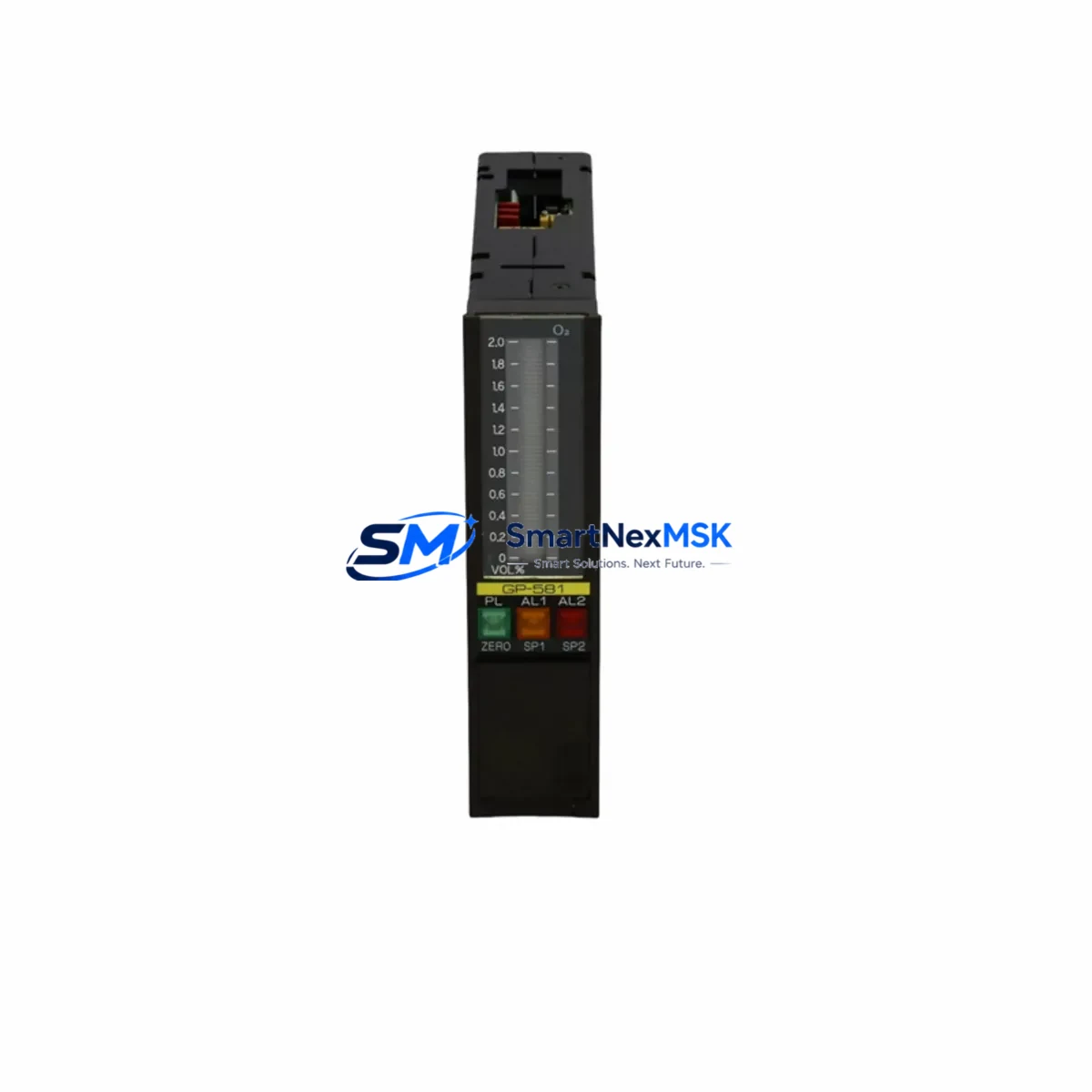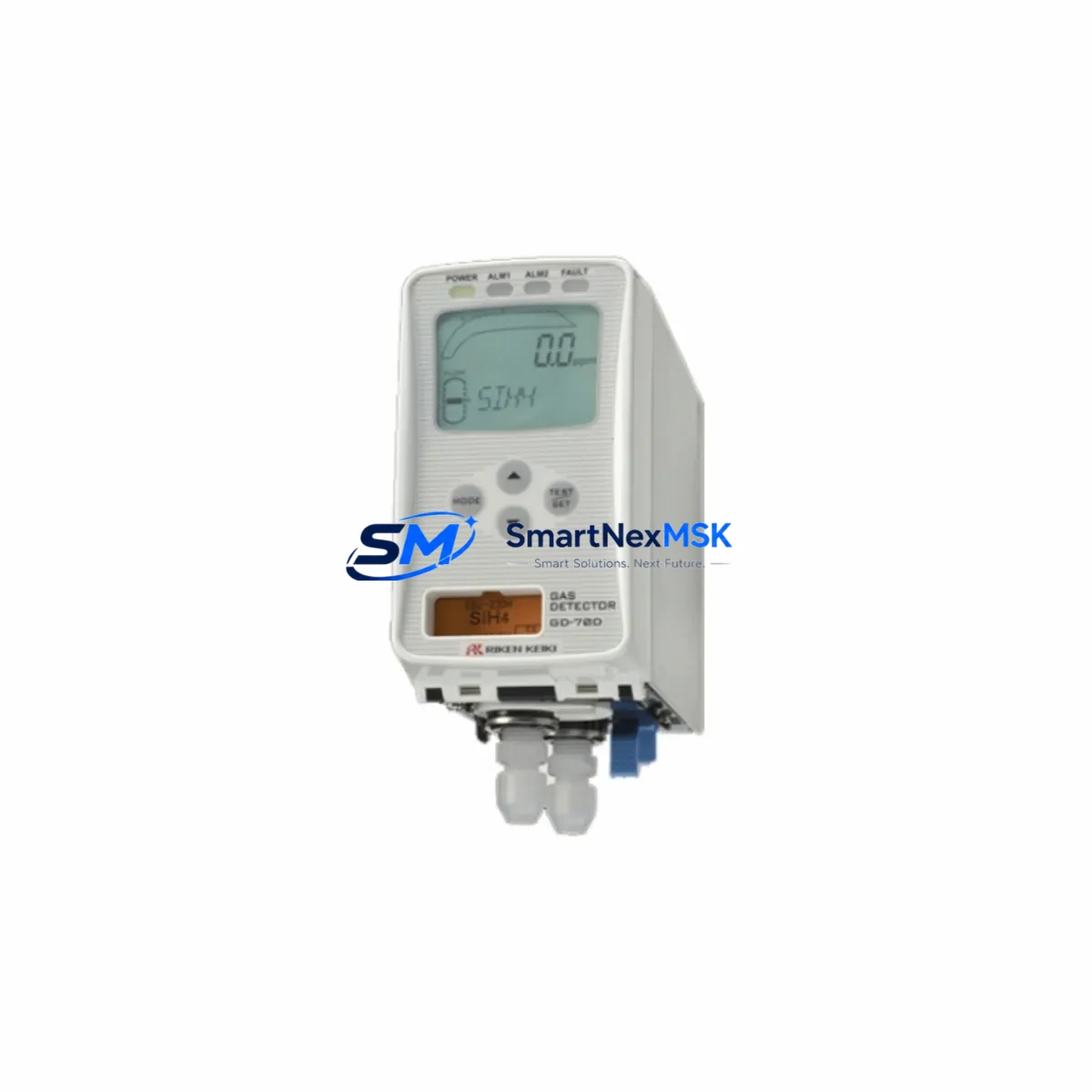
RIKEN KEIKI GD-70D Spare for GD Series Automation: Spare Replacement & Industrial Downtime Risk Control
The RIKEN KEIKI GD-70D is a field-proven portable multi-gas detector widely deployed across industrial facilities, chemical plants, confined space entry operations, and process automation environments. As a maintenance-ready original spare, the GD-70D supports rapid on-site replacement to minimize unplanned downtime and restore personnel safety monitoring capability without delay. Whether you are managing a scheduled turnaround, responding to a sensor fault alarm, or building a strategic spare parts inventory for your safety instrumentation system, sourcing a verified GD-70D replacement unit is a critical step in maintaining continuous gas detection coverage across your facility.
Maintenance engineers and procurement engineers working with RIKEN KEIKI GD Series instruments understand that the GD-70D is not an isolated device — it operates as part of a broader safety and automation ecosystem. When replacing or rotating a GD-70D unit, it is equally important to inspect and verify the condition of associated components including the sensor calibration gas cylinders, the GD-70D charging cradle and docking station, and the communication interface cables used for data download and configuration. Facilities running centralized gas monitoring panels should also confirm that the fixed gas detection controller — such as the RIKEN KEIKI GD-A8 or compatible multi-channel controller — is correctly receiving signals from the replacement unit after commissioning.
For sites where the GD-70D is integrated into a broader industrial control cabinet or safety relay circuit, maintenance teams should simultaneously inspect the associated safety relay modules, terminal blocks, and signal isolators to ensure the replacement unit’s 4–20 mA or digital output is correctly terminated and free from wiring degradation. Fuse holders and circuit protection components within the instrument power distribution panel should be checked as part of the same maintenance window to prevent nuisance trips after the new unit is energized.
Spare Maintenance Table
| Parameter | Specification / Details |
|---|---|
| SKU | GD-70D |
| Brand | RIKEN KEIKI |
| Series | GD Series |
| Product Type | Portable Multi-Gas Detector |
| Origin | Japan |
| Detectable Gases | O₂, CO, H₂S, LEL (combustible gases); multi-gas configuration |
| Display | LCD with backlight; simultaneous multi-channel readout |
| Alarm Type | Audible, visual (LED), and vibration alarms |
| Power Supply | Rechargeable Li-ion battery pack; compatible with GD-70D docking cradle |
| Operating Temperature | -20°C to +50°C (typical industrial range) |
| Protection Rating | IP67 dust and water ingress protection |
| Communication | USB / IR data download; compatible with RIKEN KEIKI data management software |
| Compatibility | GD Series accessories, calibration adapters, and docking stations |
| Installation | Portable, clip-on belt carry; no panel mounting required |
| Maintenance Interval | Sensor bump test: daily; full calibration: per site SOP (typically 3–6 months) |
| Warranty | 12 Months — tested and verified before shipment |
| Condition | Original spare; new-in-box or equivalent certified stock |
Maintenance Planning for Continuous Operation
Effective maintenance planning for the GD-70D extends well beyond the detector unit itself. A comprehensive spare parts strategy for facilities relying on RIKEN KEIKI GD Series instruments should include the following associated components and assemblies:
Sensor Cartridges and Calibration Consumables: Electrochemical sensor cells for O₂, CO, and H₂S have defined service lives and must be replaced on schedule. Maintaining a stock of certified calibration gas cylinders and demand-flow regulators ensures that replacement GD-70D units can be bump-tested and fully calibrated before deployment, eliminating delays during emergency changeovers.
Charging Cradle and Docking Station: The GD-70D docking cradle is a critical support component. A faulty cradle can prevent proper battery charging and data synchronization, rendering a replacement unit non-operational before it reaches the field. Spare cradles should be included in the instrument room inventory alongside the detector units.
Battery Packs: Li-ion battery packs degrade over charge cycles. Facilities with high-rotation GD-70D fleets should maintain spare battery packs to ensure that units returning from the field can be rapidly re-energized without waiting for a full charge cycle.
Fixed Gas Detection Controllers (e.g., RIKEN KEIKI GD-A8): Where the GD-70D feeds data into a centralized fixed gas monitoring panel, the controller’s input channels, relay outputs, and alarm set-points should be verified after any portable unit replacement to confirm system-level integrity.
Signal Isolators and Safety Relays: In facilities where gas detector outputs are wired into safety relay circuits or DCS/PLC I/O modules, signal isolators protect the control system from ground loops and transient faults. These components should be inspected during the same maintenance window as the GD-70D replacement.
Terminal Blocks and Wiring Harnesses: Corroded or loose terminal connections are a common root cause of intermittent gas detector faults. Replacing terminal blocks and inspecting wiring harnesses during a planned GD-70D swap prevents repeat call-outs and improves system reliability.
HMI and Data Management Interface: If your facility uses RIKEN KEIKI’s PC-based data management software or a third-party HMI to log GD-70D readings, verify that the communication driver and USB/IR interface are functioning correctly after the replacement unit is commissioned.
Fuse Holders and Circuit Protection: Instrument power circuits feeding the docking station and associated control panels should be checked for blown fuses or degraded fuse holders as part of the maintenance round.
Site Replacement Workflow
Replacing a GD-70D in the field is a straightforward process when the correct spare is available and pre-tested. The following workflow is recommended for maintenance engineers managing GD Series instrument replacements:
Step 1 — Pre-Replacement Verification: Confirm the replacement GD-70D unit matches the original configuration: same gas channels (O₂, CO, H₂S, LEL), same alarm set-points, and same firmware version if applicable. Retrieve the unit’s calibration certificate and verify it is within the valid calibration window before deployment.
Step 2 — Bump Test: Perform a bump test using certified calibration gas to confirm all sensor channels respond correctly. Do not deploy a unit that fails the bump test — return it for sensor replacement or recalibration.
Step 3 — Field Swap: Remove the faulty GD-70D from service, tag it for repair or sensor replacement, and issue the pre-tested replacement unit to the operator. Confirm the replacement unit’s alarm set-points match the site’s safety requirements before the operator enters the hazardous area.
Step 4 — Data Continuity: If the facility logs GD-70D readings for compliance or incident investigation purposes, ensure the replacement unit’s ID is registered in the data management system and that historical data from the retired unit is archived correctly.
Step 5 — Inventory Replenishment: After issuing a spare unit, immediately initiate a replenishment order to maintain the minimum spare stock level. For facilities with large GD-70D fleets, a rolling replacement strategy — retiring units at a defined age or cycle count — reduces the risk of simultaneous multi-unit failures.
By maintaining a pre-tested, calibration-ready GD-70D spare on the shelf, maintenance teams can reduce gas detector downtime from days to hours, ensuring continuous personnel protection and regulatory compliance without disrupting production operations.
Spare Parts Support FAQ
Q1: Is this GD-70D spare compatible with my existing GD Series accessories and docking stations?
Yes. The GD-70D is designed for full compatibility with the RIKEN KEIKI GD Series accessory ecosystem, including standard docking cradles, calibration adapters, and data download interfaces. If your facility has been operating GD-70D units previously, the replacement spare will integrate directly without requiring new accessories or infrastructure changes. Always confirm the firmware version if your site uses centralized data management software.
Q2: What pre-shipment testing is performed on the GD-70D spare before delivery?
Each GD-70D unit is functionally tested and verified before shipment. Testing covers power-on self-test, sensor channel response, alarm activation (audible, visual, and vibration), battery charge status, and communication interface functionality. A test report is available upon request. All units are shipped with a 12-month warranty covering manufacturing defects and sensor performance.
Q3: How should I manage GD-70D spare inventory for a large industrial facility?
For facilities operating fleets of 10 or more GD-70D units, a minimum spare ratio of 10–15% of the active fleet is recommended. Spares should be stored in a climate-controlled instrument room, charged and bump-tested quarterly, and rotated into active service on a defined schedule to prevent battery degradation and sensor drift in storage. Calibration records for all spare units should be maintained in the facility’s instrument management system.
Q4: Can the GD-70D replacement spare be used to extend the life of an aging GD Series safety system?
Absolutely. The GD-70D is a proven platform for long-term GD Series system life extension. By maintaining a stock of original spare units and sensor cartridges, facilities can continue operating their existing GD Series infrastructure without migrating to a new platform — preserving operator familiarity, calibration procedures, and compliance documentation. Long-term supply availability is confirmed; contact our team for volume pricing and multi-year supply agreements.
© 2026 SMARTNEXMSK. All rights reserved.
Original Source: https://smartnexmsk.com
Contact: [email protected] | +86 18259474341