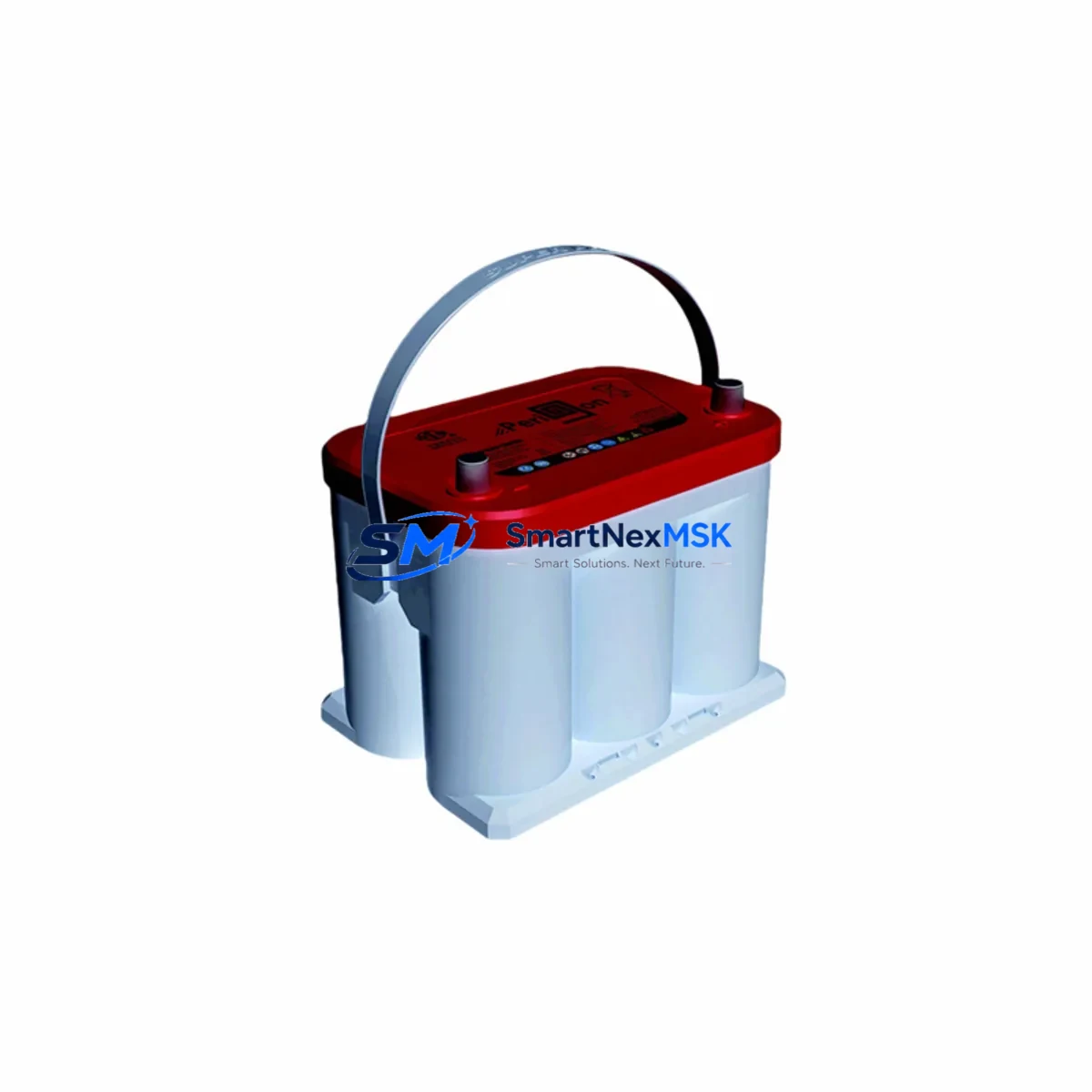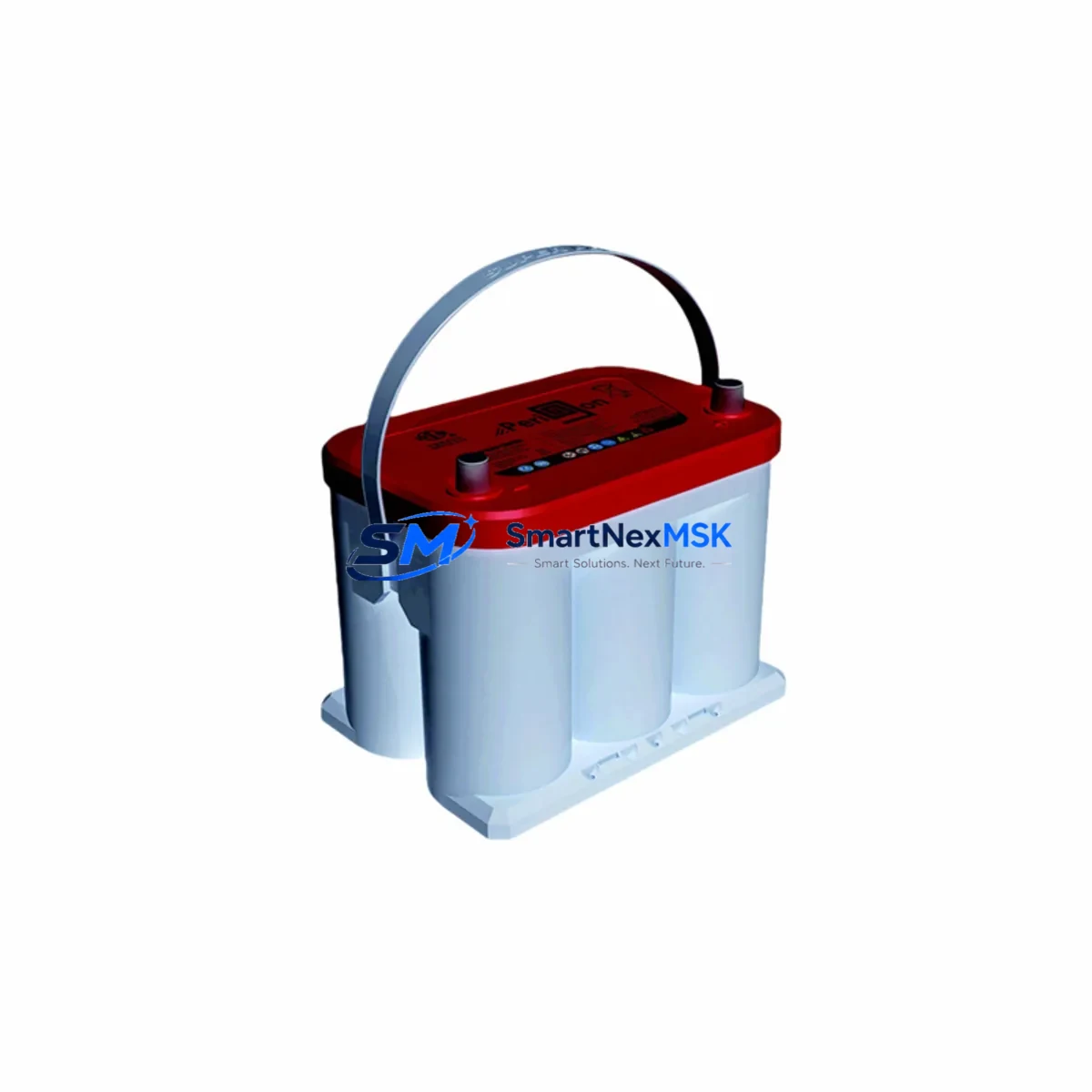
Shuangdeng 6-SPB-75 Spare for SPB Series Automation: Backup Power Replacement & Downtime Risk Control
The Shuangdeng 6-SPB-75 is a 12V 75Ah Lead-Carbon VRLA battery engineered for continuous-duty industrial applications where unplanned downtime carries significant operational and financial consequences. As a maintenance-ready spare for the SPB Series, this battery supports UPS systems, DC control power supplies, emergency lighting circuits, and backup power rails in automation cabinets, substations, and process control rooms. Sourced as an original Shuangdeng component, the 6-SPB-75 delivers the cycle life, charge acceptance, and deep-discharge recovery characteristics demanded by maintenance engineers managing aging infrastructure and critical backup systems.
For procurement engineers, stocking the 6-SPB-75 as a certified spare eliminates the lead-time risk associated with emergency sourcing. Every unit shipped by SMARTNEXMSK undergoes pre-shipment electrical verification — open-circuit voltage, internal resistance check, and capacity confirmation — before dispatch. A 12-month warranty covers manufacturing defects and premature capacity loss under normal operating conditions.
Spare Maintenance Table
| Parameter | Specification |
|---|---|
| Model / SKU | 6-SPB-75 |
| Brand | Shuangdeng (双登集团) |
| Series | SPB Series (Lead-Carbon VRLA) |
| Nominal Voltage | 12V |
| Rated Capacity | 75Ah (10-hour rate) |
| Battery Technology | Lead-Carbon, Valve-Regulated, Sealed (VRLA/AGM) |
| Terminals | M6 bolt terminal (compatible with standard industrial connectors) |
| Float Charge Voltage | 13.5V – 13.8V (per cell group) |
| Equalization Charge Voltage | 14.4V – 14.7V |
| Operating Temperature | -15°C to +50°C (discharge); 0°C to +40°C (charge) |
| Design Life | ≥10 years (float service at 25°C) |
| Self-Discharge Rate | ≤3% per month at 25°C |
| Compatibility | SPB Series UPS, DC panel backup, substation control power, emergency lighting |
| Origin | China (Shuangdeng Group, Jiangsu) |
| Warranty | 12 Months — covers manufacturing defects and premature capacity loss |
| Pre-Shipment Test | OCV check, internal resistance measurement, capacity verification |
| Shipping Condition | Charged and sealed; compliant with IATA/IMDG dangerous goods regulations |
Maintenance Planning for Continuous Operation
When replacing the 6-SPB-75 in a live industrial environment, a disciplined inspection of the surrounding electrical system is essential to prevent repeat failures and ensure the new battery operates within its design parameters. Maintenance engineers should treat a battery replacement as a trigger for a broader cabinet audit rather than an isolated swap.
Begin with the DC charger or UPS rectifier module — verify that float voltage output is within the 13.5V–13.8V range specified for the SPB Series. An overcharging rectifier is the most common cause of premature VRLA battery failure and will destroy a replacement unit within months. If the site uses a Shuangdeng SPB Series battery management module or a third-party battery monitoring unit, confirm that the SOC thresholds and alarm setpoints are recalibrated after installation.
Inspect the DC bus fuse or circuit breaker protecting the battery string. A fuse rated incorrectly for the 75Ah capacity can either fail to protect during a fault or introduce excessive voltage drop under high-discharge conditions. Replace any fuse showing signs of heat discoloration or corrosion. Check the battery interconnect cables and terminal lugs — loose M6 connections generate resistance heat that accelerates plate sulfation; torque all terminals to the manufacturer’s specification and apply anti-oxidant compound.
For sites running Shuangdeng 6-GFM Series or 6-EVF Series batteries in adjacent strings or parallel banks, verify that the replacement 6-SPB-75 is not mixed into a string with batteries of different age or chemistry — mismatched strings cause chronic undercharge of the newer unit. If the control cabinet also houses a DC/DC converter module supplying 24VDC logic power to PLC I/O racks or relay panels, confirm that the converter’s input voltage range accommodates the battery’s end-of-discharge voltage (typically 10.5V for a 12V VRLA under high-rate discharge).
During planned maintenance windows, also inspect the battery room or cabinet ventilation — even sealed VRLA batteries vent hydrogen under overcharge conditions. Blocked ventilation slots in the control cabinet can create a flammable atmosphere. Check the temperature compensation sensor if the charger supports it; a failed sensor causes the charger to apply fixed voltage regardless of ambient temperature, accelerating degradation in hot environments. Finally, review the earth fault relay or insulation monitoring device (IMD) on the DC bus — a degraded battery with internal micro-shorts can trigger nuisance earth fault alarms that mask genuine insulation failures elsewhere in the system.
Site Replacement Workflow
Step 1 — Isolation and Safety: De-energize the load circuit before disconnecting the battery. For UPS-backed systems, transfer the load to bypass or alternate supply. Confirm DC bus voltage is within safe working range before opening the cabinet.
Step 2 — Record Existing Condition: Photograph terminal connections, cable routing, and polarity markings before removal. Note the existing battery’s date code and any visible swelling, leakage, or terminal corrosion — this informs root-cause analysis and helps justify the replacement to asset management teams.
Step 3 — Verify Replacement Compatibility: Confirm the 6-SPB-75 matches the existing battery’s voltage (12V), capacity class (75Ah), and terminal type before installation. If replacing an older model such as the Shuangdeng 6-GFM-75 or a competing brand’s equivalent, verify that the physical dimensions and terminal pitch are compatible with the existing battery tray and cable harness.
Step 4 — Install and Torque: Install the 6-SPB-75 in the correct polarity orientation. Torque M6 terminals to specification. Reconnect cables in reverse order of removal. Apply terminal covers or insulating boots where required by site safety standards.
Step 5 — Commission and Test: Restore the charger and allow the battery to reach float voltage. Perform a partial discharge test if site procedures permit — measure terminal voltage under a known load to confirm capacity. Log the installation date, serial number, and initial OCV reading in the site maintenance register.
Step 6 — Update Spare Parts Inventory: Record the replacement in the CMMS and reorder a spare 6-SPB-75 to restore buffer stock. For critical sites, maintain a minimum of one spare unit per battery string to support rapid replacement without waiting for procurement lead times.
Spare Parts Support FAQ
Q1: What is the expected service life of the 6-SPB-75, and when should it be replaced proactively?
The 6-SPB-75 is rated for ≥10 years of float service at 25°C. In practice, industrial environments with elevated ambient temperatures (above 30°C) or frequent partial-state-of-charge cycling will reduce service life. Proactive replacement is recommended when capacity drops below 80% of rated (measurable via discharge test), when internal resistance increases more than 25% above the baseline recorded at installation, or at the 7–8 year mark for critical backup applications regardless of measured capacity.
Q2: Can the 6-SPB-75 replace older Shuangdeng models or competing brands in the same battery tray?
The 6-SPB-75 is dimensionally and electrically compatible with most 12V 75Ah VRLA batteries in the same capacity class, including older Shuangdeng 6-GFM-75 units and equivalent models from other manufacturers. Always verify physical dimensions (length × width × height) and terminal type against the existing installation before ordering. Do not mix the 6-SPB-75 with batteries of significantly different age or state of health in the same series string.
Q3: What pre-shipment checks does SMARTNEXMSK perform before dispatching the 6-SPB-75?
Every 6-SPB-75 unit undergoes open-circuit voltage measurement (confirming full charge state), internal resistance testing (confirming plate condition), and visual inspection for case integrity, terminal condition, and vent valve seating before dispatch. Units that fail any check are quarantined and not shipped. A test report is available upon request for quality-critical procurement.
Q4: What does the 12-month warranty cover, and how is a warranty claim processed?
The 12-month warranty covers manufacturing defects including premature capacity loss (below 80% of rated capacity within the warranty period under normal float service conditions), terminal defects, and case integrity failures. Warranty claims require the original invoice, installation date, and a brief description of the failure mode. Contact [email protected] with your order reference to initiate a claim. Replacement units are dispatched after fault confirmation; return of the defective unit may be required for quality analysis.
© 2026 SMARTNEXMSK. All rights reserved.
Original Source: https://smartnexmsk.com
Contact: [email protected] | +86 18259474341