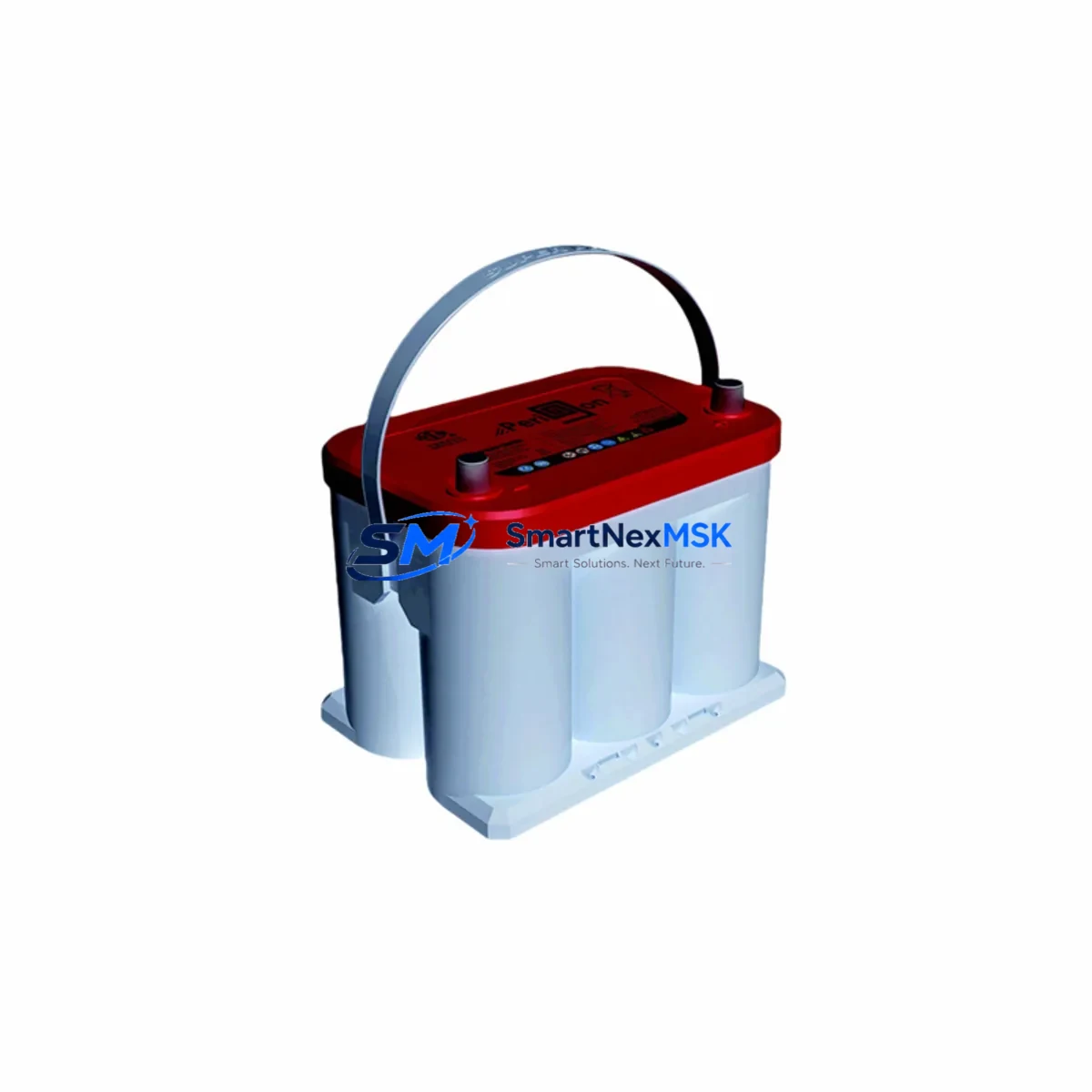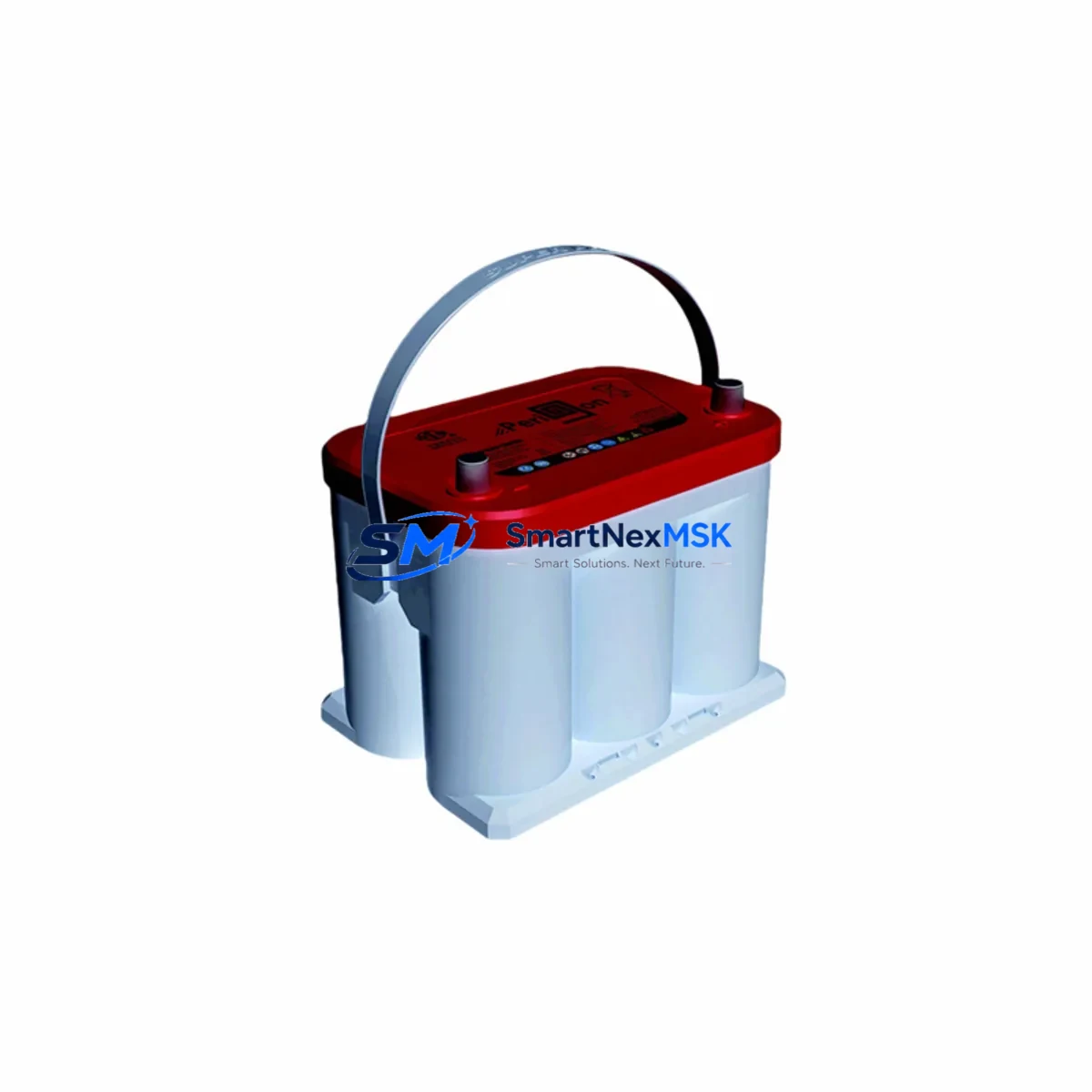
Shuangdeng 6-SPB-50B Retrofit-Ready Lead-Carbon Battery for SPB Series Control Systems
The Shuangdeng 6-SPB-50B is a 12V 50Ah Lead-Carbon deep cycle battery engineered for seamless retrofit integration into existing SPB-series backup power systems, UPS cabinets, telecom base stations, and distributed energy storage racks. As legacy VRLA and standard AGM batteries reach end-of-life, the 6-SPB-50B provides a technically validated, drop-in compatible upgrade path that preserves original wiring layouts, rack dimensions, and charge controller settings — minimizing downtime and eliminating the need for cabinet redesign.
Designed for engineers and procurement teams managing aging infrastructure, the 6-SPB-50B addresses the most common retrofit challenges: terminal polarity compatibility, float voltage alignment, rack footprint matching, and cycle-life improvement over the units being replaced. Its Lead-Carbon electrode technology delivers significantly extended cycle life compared to conventional flooded or AGM predecessors, making it the preferred choice for high-frequency partial-state-of-charge (HRPSoC) applications common in telecom and industrial UPS environments.
Upgrade Compatibility Table
| Parameter | 6-SPB-50B (This Unit) | Typical Legacy Replacement Target |
|---|---|---|
| Nominal Voltage | 12V | 12V |
| Rated Capacity | 50Ah (10HR) | 50Ah / 45Ah |
| Chemistry | Lead-Carbon (AGM) | VRLA AGM / Flooded |
| Terminal Type | M6 bolt terminal (F11) | M6 / M5 bolt terminal |
| Dimensions (mm) | 229 × 138 × 211 (±2mm) | 229 × 138 × 210 standard |
| Float Charge Voltage | 13.5–13.8V (25°C) | 13.5–13.8V |
| Cycle Charge Voltage | 14.4–14.9V | 14.4–15.0V |
| Installation Orientation | Upright / horizontal | Upright preferred |
| Communication Protocol | N/A (passive cell) | N/A |
| Rack Compatibility | Standard 19″ / open frame | Standard 19″ / open frame |
| Retrofit Recommendation | Direct drop-in for SPB-50 class | Verify terminal torque spec |
| Commissioning Note | Equalization charge recommended before first use | Per OEM manual |
| Warranty | 12 Months | Varies |
Retrofit Planning for Existing Automation Systems
When planning a battery retrofit within an existing UPS or backup power cabinet, a systematic component review is essential before the 6-SPB-50B units are installed. Begin by auditing the battery charger module — confirm that the charge controller supports Lead-Carbon chemistry profiles, as some older VRLA-only chargers may require firmware updates or replacement with a multi-chemistry unit to avoid overcharging the carbon-enhanced negative plates.
Next, inspect the battery management bus bar and inter-cell connectors. In SPB-series string configurations, the 6-SPB-50B is typically deployed in series strings of 4 units (48V nominal) or 8 units (96V nominal). Verify that existing copper bus bars and M6 terminal hardware are rated for the full string current and that torque specifications (typically 4–6 N·m for M6 terminals) are applied uniformly to prevent hot spots during high-rate discharge events.
For cabinets using a battery monitoring unit (BMU) or string-level voltage sensor, reconfigure the monitoring thresholds to match the 6-SPB-50B’s end-of-discharge voltage (10.5V per unit at 1C rate). Systems previously calibrated for flooded cells may trigger premature low-voltage alarms if thresholds are not updated. In installations where a SNMP-capable UPS controller or Modbus RTU battery monitor is present, update the battery capacity parameter in the controller configuration to reflect the 50Ah rating.
Rack-level considerations include verifying that the battery tray or slide rail assembly accommodates the 6-SPB-50B’s 229 × 138 × 211 mm footprint. In most SPB-class installations, the physical envelope is identical to the predecessor unit, but confirm clearance for the M6 terminal bolt heads, particularly in high-density 2U battery trays. Where the original installation used a battery disconnect switch or manual isolation breaker, test continuity and contact rating before reconnecting the new string.
For telecom base station applications, the 6-SPB-50B integrates directly with 48V rectifier systems and DC power distribution units (PDUs) from major platform vendors. The battery’s low self-discharge rate (≤3% per month at 25°C) makes it well-suited for remote sites with infrequent maintenance cycles. When replacing batteries in a hybrid solar-diesel backup system, reconfigure the solar charge controller’s absorption and float setpoints to match the Lead-Carbon charge profile to maximize cycle life.
In industrial UPS applications supporting PLC control panels, DCS marshalling cabinets, or SCADA server rooms, the 6-SPB-50B’s improved HRPSoC performance ensures reliable runtime during grid disturbances without the accelerated sulfation that limits conventional AGM batteries in partial-charge duty cycles. Always perform a full capacity test (discharge to 10.5V/unit at 0.1C) after installation to establish a baseline for future maintenance scheduling.
Downtime Control During System Migration
Minimizing operational downtime during a battery string replacement is the primary concern for any facility running continuous processes. For the 6-SPB-50B retrofit, the recommended approach is a staged string replacement: isolate one battery string at a time using the existing bypass or redundancy path, replace the full string with new 6-SPB-50B units, perform terminal torque verification, and restore that string to float before proceeding to the next.
Before beginning any string swap, confirm that the UPS or backup system is operating in online double-conversion mode with sufficient redundant capacity to carry the full load on the remaining strings. Document the existing battery string voltages, internal resistance readings (if a battery tester is available), and charger output current before disconnection — this baseline data supports post-installation verification and warranty claims.
To protect original program logic in connected PLC systems or DCS controllers during the battery maintenance window, ensure that the UPS runtime on remaining strings exceeds the estimated replacement duration by a safety margin of at least 30 minutes. For critical processes where even momentary power interruption is unacceptable, coordinate with the control system engineer to place the PLC in a safe hold state or activate the manual bypass on the UPS before beginning work.
After installation, perform a controlled discharge test at 50% load for 30 minutes to verify that all cells in the new string are contributing equally. Monitor individual unit voltages during discharge; any unit deviating more than 0.3V from the string average should be flagged for inspection. Re-torque all terminals after the first full charge-discharge cycle, as new battery terminals may settle slightly under thermal cycling. All 6-SPB-50B units supplied by SMARTNEXMSK are covered by a 12-month warranty from the date of shipment, with pre-shipment load testing and capacity verification included as standard.
Retrofit Support FAQ
Q1: Is the 6-SPB-50B a direct replacement for my existing SPB-50 or 6-GFM-50 battery?
In most cases, yes. The 6-SPB-50B shares the same 12V / 50Ah rating, M6 terminal configuration, and standard AGM footprint as the widely deployed 6-GFM-50 and SPB-50 class batteries. The primary difference is the Lead-Carbon negative electrode, which improves cycle life and HRPSoC performance. Verify terminal polarity markings and physical dimensions before installation. If your existing charger is set for standard VRLA float voltage (13.5–13.8V), no adjustment is required.
Q2: What commissioning steps are required after installing the 6-SPB-50B?
After physical installation and terminal torquing, apply an equalization charge at 14.4–14.9V (constant voltage, current-limited to 0.1C) for 8–12 hours before placing the battery into service. Update battery capacity and chemistry parameters in any connected BMU, UPS controller, or Modbus battery monitor. Perform an initial capacity verification discharge and record baseline internal resistance values for each unit in the string.
Q3: How do I verify wiring and terminal compatibility before ordering?
Confirm the terminal type (M6 bolt, F11 layout), inter-cell connector length, and bus bar hole spacing on your existing installation. The 6-SPB-50B uses a standard F11 terminal layout with positive terminal on the left (viewed from front). If your existing connectors use M5 hardware, M5-to-M6 terminal adapters are available. Provide your existing battery model number and cabinet drawing to our technical team for pre-order compatibility confirmation.
Q4: What does the 12-month warranty cover, and what is the claims process?
The 12-month warranty covers manufacturing defects, premature capacity loss (below 80% of rated capacity within the warranty period under normal operating conditions), and terminal or case integrity failures. Each unit undergoes pre-shipment load testing and capacity verification. To initiate a warranty claim, provide the shipment date, installation date, site operating conditions (temperature, charge voltage, discharge rate), and capacity test data. SMARTNEXMSK will arrange replacement or credit within 10 business days of claim verification.
© 2026 SMARTNEXMSK. All rights reserved.
Original Source: https://smartnexmsk.com
Contact: [email protected] | +86 18259474341