
Automation Spare Test Reports: Read the Limits
Review automation spare test reports for unit identity, functional scope, test conditions and exclusions before accepting a replacement.
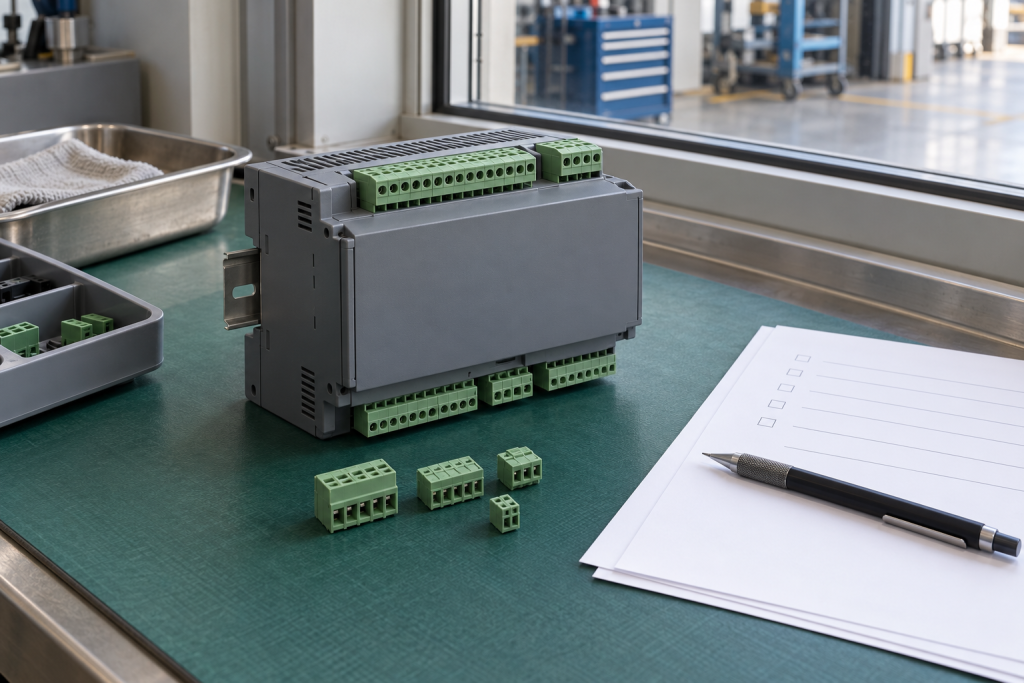
A replacement PLC arrives with a photograph of its status lights and the words “tested OK.” That evidence may show that the unit powered up. It does not tell maintenance whether its communication port exchanged data, whether the relevant inputs and outputs operated, or whether the test covered the configuration used in the plant. The problem is not necessarily a bad component; it is an undefined claim.
For MRO buyers, the automation spare test report should make the decision easier by describing the checks actually performed and their limits. This guide concerns evidence review before acceptance, not instructions for conducting energized tests. Qualified personnel must use the applicable manufacturer procedures, suitable equipment and site safety controls.
Start by connecting the report to the unit
A useful report identifies the complete model, serial number where present, revision, firmware if relevant, test date and unit condition. Those details should match the purchase request, received hardware and supplier photographs. If the report covers a batch rather than one unit, ask which checks were performed on each item and which were sampling checks.
Keep the original report and receiving record together. The site’s automation spare receiving inspection checklist provides the physical-acceptance context. A test report adds functional evidence; it does not replace checking identity, damage, accessories or the condition agreed in the order.
Distinguish a power check from functional evidence
Power-up observations can reveal limited startup behavior. They do not automatically cover every interface or operating state. Ask whether the report describes communications, relevant channel checks, memory behavior, diagnostic results and any model-specific features needed for the intended installation. Avoid accepting a familiar photograph as proof of all these functions.
Rockwell Automation’s industrial repair services description distinguishes automated and functional testing and gives examples involving product-specific test environments. That is an OEM service description, not proof that a third-party supplier used the same method. Ask the actual supplier to describe its own scope without claiming an authorization relationship it has not established.
Read the conditions behind the result
Request the test configuration: supply conditions, fixture or companion equipment, relevant software, connected interfaces and duration where meaningful. A short unloaded check differs from operation with representative interfaces or a defined load. Neither should be described as a full environmental qualification unless such testing was actually performed and documented.
The purpose is not to demand every possible test for every inexpensive module. Select evidence proportionate to the installed function, failure consequence and uncertainty. If a critical feature was not checked, record that limitation explicitly and decide how it will be verified before the part is accepted as ready stock.
Separate component health from installation compatibility
A component can pass its documented bench checks yet remain unsuitable for the destination rack. Revision support, firmware, terminal bases, supply requirements, protocols and project compatibility still matter. A report for the exact supplied unit should be reviewed alongside the manufacturer’s documentation and approved installed configuration.
The PLC and controller spare category can support identification when preparing a sourcing request. Do not interpret a catalog listing or a general test report as a site-specific compatibility approval. No single model is recommended here because evidence requirements depend on the actual asset.
Make exclusions visible before shipment
Ask the supplier to state what was not tested, what could not be checked without the site’s project or companion hardware, and whether any observed fault or repair remains relevant. Clarify whether firmware or hardware was changed during repair. Those changes may require a fresh engineering review even when the final test passed.
Agree how discrepancies will be handled: which evidence is required for acceptance, who evaluates a mismatch, and which commercial terms apply. A warranty is a remedy under its terms, not evidence that every function has already been verified. Keep claims about warranty scope separate from the technical test scope.
Protect operational files during evidence gathering
Do not send a production PLC project, passwords or sensitive network information simply because a supplier requests “the program.” Establish what information is necessary, who is authorized to release it and whether a sanitized test configuration can answer the question. Access and confidentiality decisions belong to the asset owner.
NIST’s OT Backup Quick Start Guide, published June 17, 2026, emphasizes tested backups and change-management integration. A documented restore check provides different evidence from a component bench test. Keep configuration recovery results in the site’s controlled records rather than assuming a supplier’s power-up check proves the application can be restored.
Translate the report into an acceptance decision
Use three explicit outcomes: accepted for the defined application, held pending named checks, or rejected against an identified requirement. Record who made the decision and what evidence supported it. Do not relabel a held unit as ready stock because a delivery deadline is approaching.
After installation, retain the commissioning results separately. Field acceptance can establish behavior in the actual system that a bench report did not cover. Conversely, a field problem should be investigated before blaming the component: wiring, software, configuration and connected equipment can change the observed behavior.
Frequently asked questions
Does “tested OK” prove every function works?
No. Ask which functions were tested, under what conditions, and how the result is tied to the supplied unit. Undefined wording is not a complete acceptance record.
Is a test video enough?
A video can support a report, but it should identify the unit and show the relevant checks. It rarely explains every condition, exclusion or compatibility requirement by itself.
Does a warranty replace functional evidence?
No. Warranty terms describe a commercial remedy. Test evidence describes observed behavior within a defined scope. Review both, without treating them as interchangeable.
Should every spare receive the same test?
No. Evidence should reflect the component’s functions, the intended installation and the consequences of failure. Define critical checks rather than requesting a generic certificate.
Can I share the production project to speed testing?
Only through the asset owner’s approved information-sharing process. Protect credentials and sensitive configuration; explore a limited or sanitized test arrangement first.
Prepare an evidence-based request
Send the model, nameplate photos, condition requirement, discontinued-part replacement need and delivery requirement to [email protected] or WhatsApp/Phone +86 18259474341. State the functions requiring evidence and any known compatibility constraints, without disclosing protected operational files.
Route this topic into a sourcing request
Connect the article topic to a model number, category, brand, quantity, and destination before opening the RFQ.
Related Insights
Continue with sourcing and model matching guides
 Nov 28, 2026
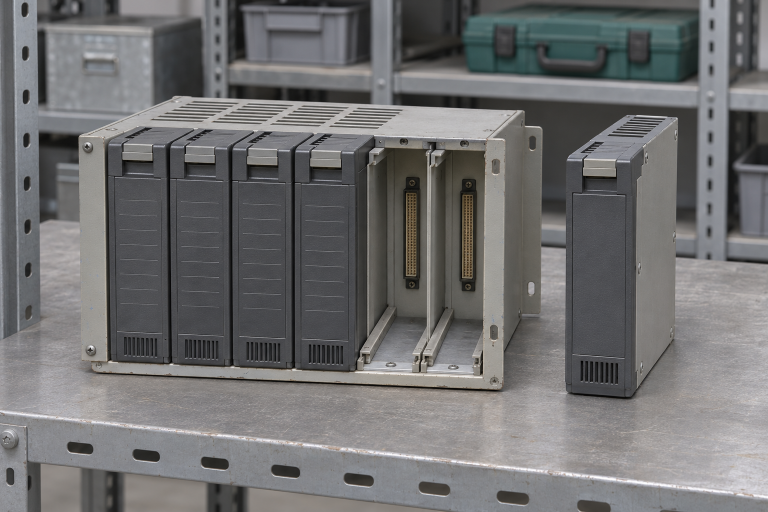
Series 90-30 Spares: Check the RX3i Rack Boundary
Separate exact Series 90-30 spares from the verified RX3i rack, processor and retained I/O needed for a planned migration.
Read guide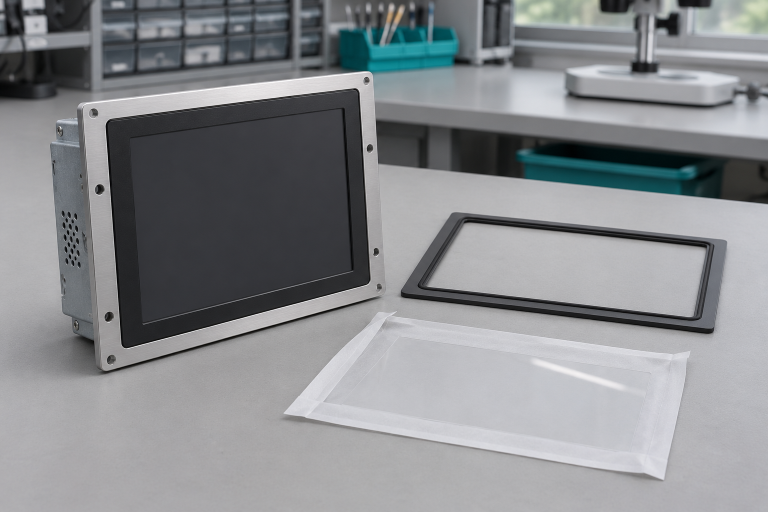 Nov 27, 2026
HMI Screen Spares: Identify the Failed Layer
Separate surface damage, touch input and the supported display assembly before specifying an HMI hardware spare.
Read guide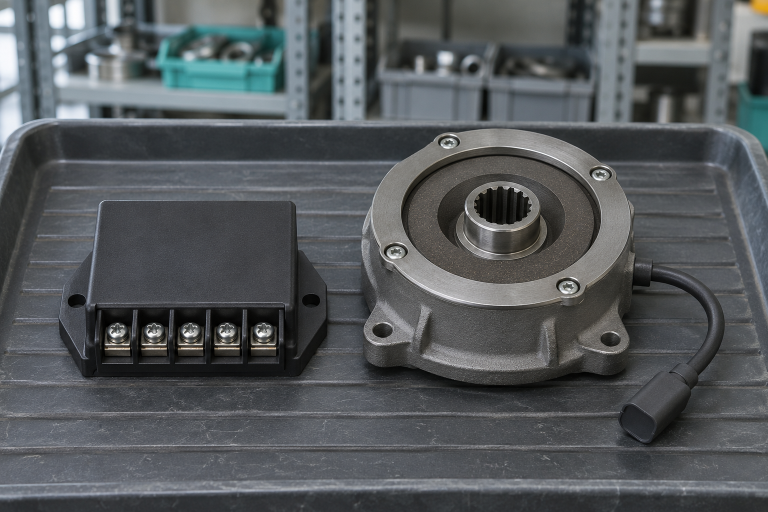 Nov 26, 2026
Motor Brake Rectifier Spares: Match the Coil
Check the fitted brake coil and approved control function before treating a motor brake rectifier as an exact spare.
Read guide