
Braking Resistor Spares: Ohms Are Not Duty
Check braking resistor spares against the drive limits, energy pulse, operating cycle and thermal arrangement before approving a replacement.
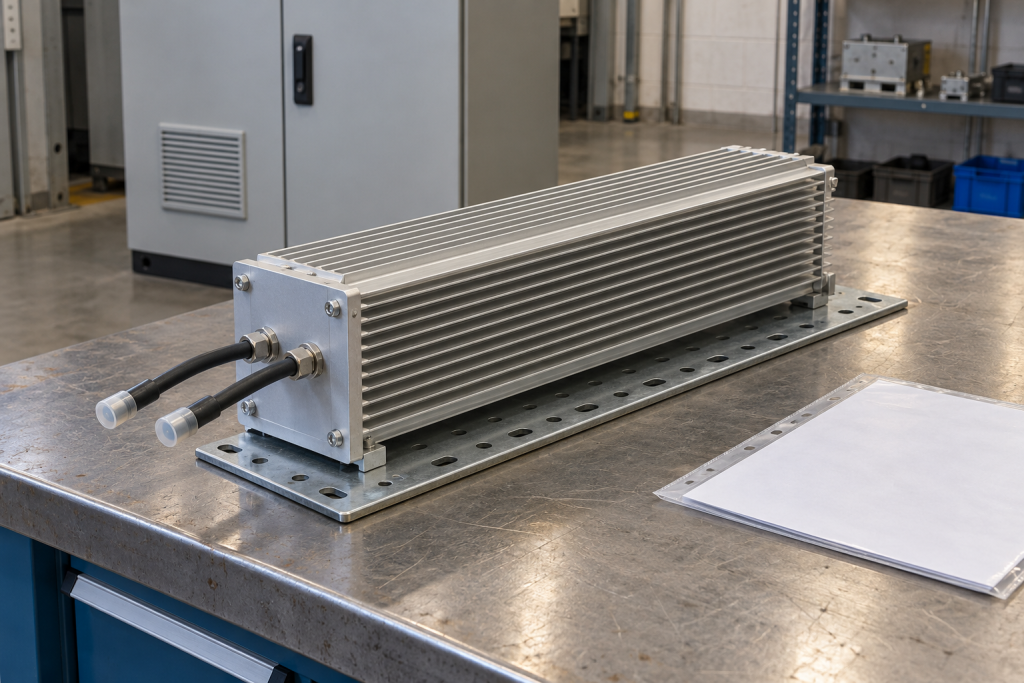
A dynamic braking resistor spare may match the original resistance marking yet remain unsuitable for the machine’s stopping duty. The missing evidence is often the energy in each stop, how frequently the stop repeats, or how the installed assembly loses heat. A purchase request containing only an ohmic value leaves those conditions outside the quotation.
For maintenance and MRO teams, the useful question is whether the complete braking arrangement can support the approved operating cycle. This guide sets out a qualification record for braking resistor spares. It is not a resistor-sizing calculation, a wiring instruction or an interchange approval for a particular drive.
Identify the energy path before the part
Record the exact drive, braking chopper and resistor identities separately, along with the machine function and approved drawings. Establish whether the installed system actually uses resistor braking. Do not treat a braking module, regenerative supply and resistor as different names for the same spare.
ABB’s Electrical Braking technical guide explains that a chopper switches the drive’s DC bus to a resistor, where braking energy becomes heat. It also distinguishes this arrangement from solutions that return energy to the supply. That distinction belongs in the sourcing record before any replacement is considered.
Keep resistance inside the drive’s limits
The installed resistance is an identification field, not the entire acceptance specification. Keep the applicable drive and chopper documentation with the request. Ask the responsible engineer to confirm the permitted resistance and braking limits for the exact equipment, rather than carrying a value from another cabinet into the comparison.
The resistor-braking chapter of ABB’s ACS850 hardware manual treats minimum resistance, maximum and average braking power, energy capacity and thermal-overload protection as separate constraints. Its limits apply to the documented equipment; they are not universal values for other drives. A resistance below the specified minimum can overload the drive or chopper.
Do not interpret a larger wattage label as permission to change resistance, connect assemblies differently or omit a protection device. Any proposed alternative needs a documented engineering comparison against the installed system, with unresolved differences kept visible to purchasing.
Specify the cycle, not just a percentage
Describe the braking duty cycle with its approved braking duration, complete cycle time, repetition pattern and operating modes. Identify normal production stops separately from other stopping duties. Retain the load and speed context used by the engineer; do not invent a demanding test cycle simply to see whether the spare survives.
The Danfoss iC2-Micro design guide describes intermittent duty as braking time divided by cycle time and relates permissible resistor loading to peak power at a stated duty. A percentage without its time basis is therefore an incomplete comparison. Preserve both the duration of a braking event and the interval available before it repeats.
Have the circuit owner document the required energy, peak and average power, and the rating basis of the proposed assembly. A routine production change that increases stop frequency should trigger review of the old spare specification, even when the original resistor’s identity has not changed.
Carry the cooling arrangement into the specification
The resistor’s mounting and surroundings are part of the comparison. Record the approved enclosure, orientation, ventilation or heat-sink requirements, ambient conditions and nearby equipment. Photograph the complete installation only where access is permitted and safe. Keep physical dimensions and fixing details alongside the electrical requirements.
ABB’s hardware manual requires sufficient resistor cooling and thermal-overload protection. Its technical guide also identifies heat and combustible contamination as concerns for resistor braking. A physically smaller offered assembly should not be accepted merely because it fits the available space; the documented thermal arrangement must still be established.
Separate failure investigation from the shopping list
Retain alarms, recent operating changes and the circumstances of the failure. Ask the qualified maintainer to establish which part of the braking arrangement requires attention. A damaged resistor does not, on its own, prove that another resistor will close the underlying problem.
Keep protection devices, monitoring connections and required accessories in the agreed scope. Do not bypass a thermal contact, suppress a fault or alter stopping parameters to make an offered spare appear acceptable. Record who owns the technical decision and which checks remain open before procurement approval.
Make the quotation and receiving record comparable
Send the installed identification, approved duty information, photographs, drawing references, quantity and required delivery date. State whether the request is for an exact spare or an engineered alternative. Require the offered identity, rating documents, mounting requirements and deviations to be stated explicitly.
The variable-frequency inverter category can help organize the associated drive enquiry. It is not evidence that a particular resistor is stocked or compatible. Keep the drive identification attached to the resistor request rather than approving a catalog item from a shared resistance marking.
At receipt, use the automation spare receiving checklist to reconcile identity, condition and documents. Hold discrepancies before labeling the item ready stock. Preserve the engineer-approved acceptance method and its limits with the purchase record.
FAQ
Does the same resistance prove interchangeability?
No. Confirm the drive and chopper limits, braking energy, duty, cooling, protection and complete assembly identity.
Is a higher continuous power rating always better?
Not by itself. It does not establish pulse capability, allowed resistance, thermal arrangement or suitability for the actual cycle.
Can two equal duty percentages be treated as identical?
Not without the associated braking duration, cycle time and rating conditions. Keep those values with the engineering comparison.
Does Safe Torque Off make electrical replacement work safe?
STO is not electrical isolation. ABB’s hardware manual explicitly distinguishes it from isolating electrical circuits. Qualified personnel must follow the exact equipment instructions and the site’s isolation, discharge, verification and return-to-service procedures. This guide does not authorize live work or safety-function changes.
Prepare the spare review
Send complete model numbers, nameplate photos, discontinued-part replacement needs and delivery requirements to [email protected] or WhatsApp/Phone +86 18259474341. Include the braking cycle and available drive, chopper and resistor documentation so technical gaps can be identified before a quotation is accepted.
Route this topic into a sourcing request
Connect the article topic to a model number, category, brand, quantity, and destination before opening the RFQ.
Related Insights
Continue with sourcing and model matching guides
 Nov 28, 2026
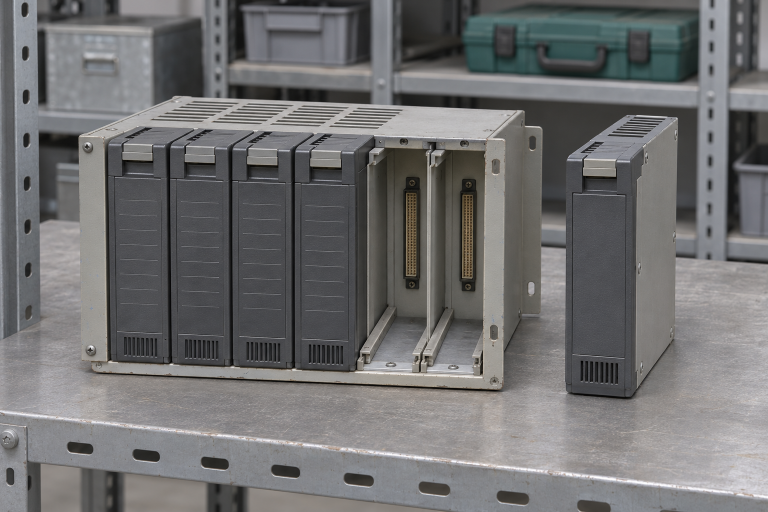
Series 90-30 Spares: Check the RX3i Rack Boundary
Separate exact Series 90-30 spares from the verified RX3i rack, processor and retained I/O needed for a planned migration.
Read guide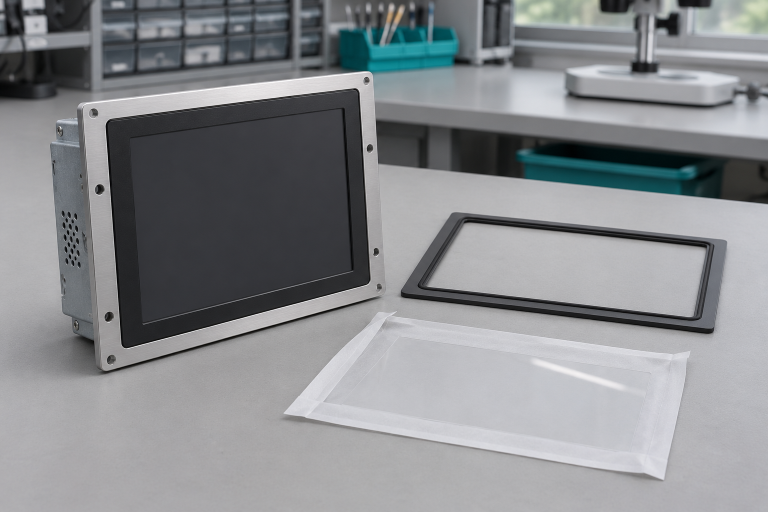 Nov 27, 2026
HMI Screen Spares: Identify the Failed Layer
Separate surface damage, touch input and the supported display assembly before specifying an HMI hardware spare.
Read guide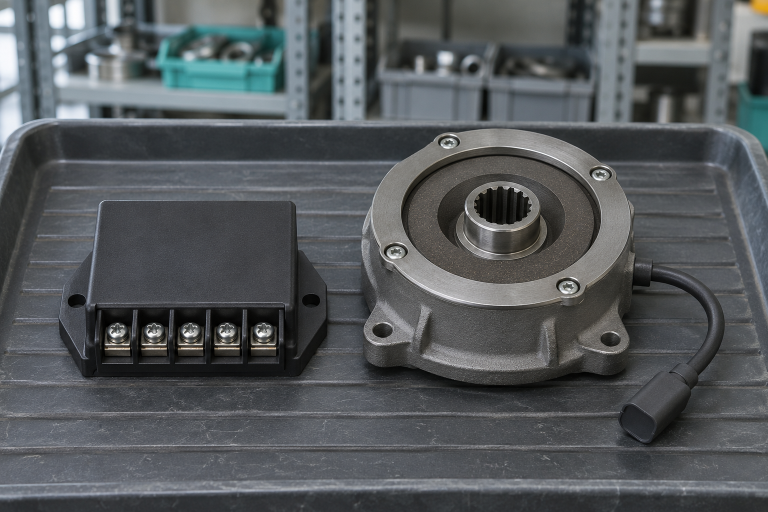 Nov 26, 2026
Motor Brake Rectifier Spares: Match the Coil
Check the fitted brake coil and approved control function before treating a motor brake rectifier as an exact spare.
Read guide