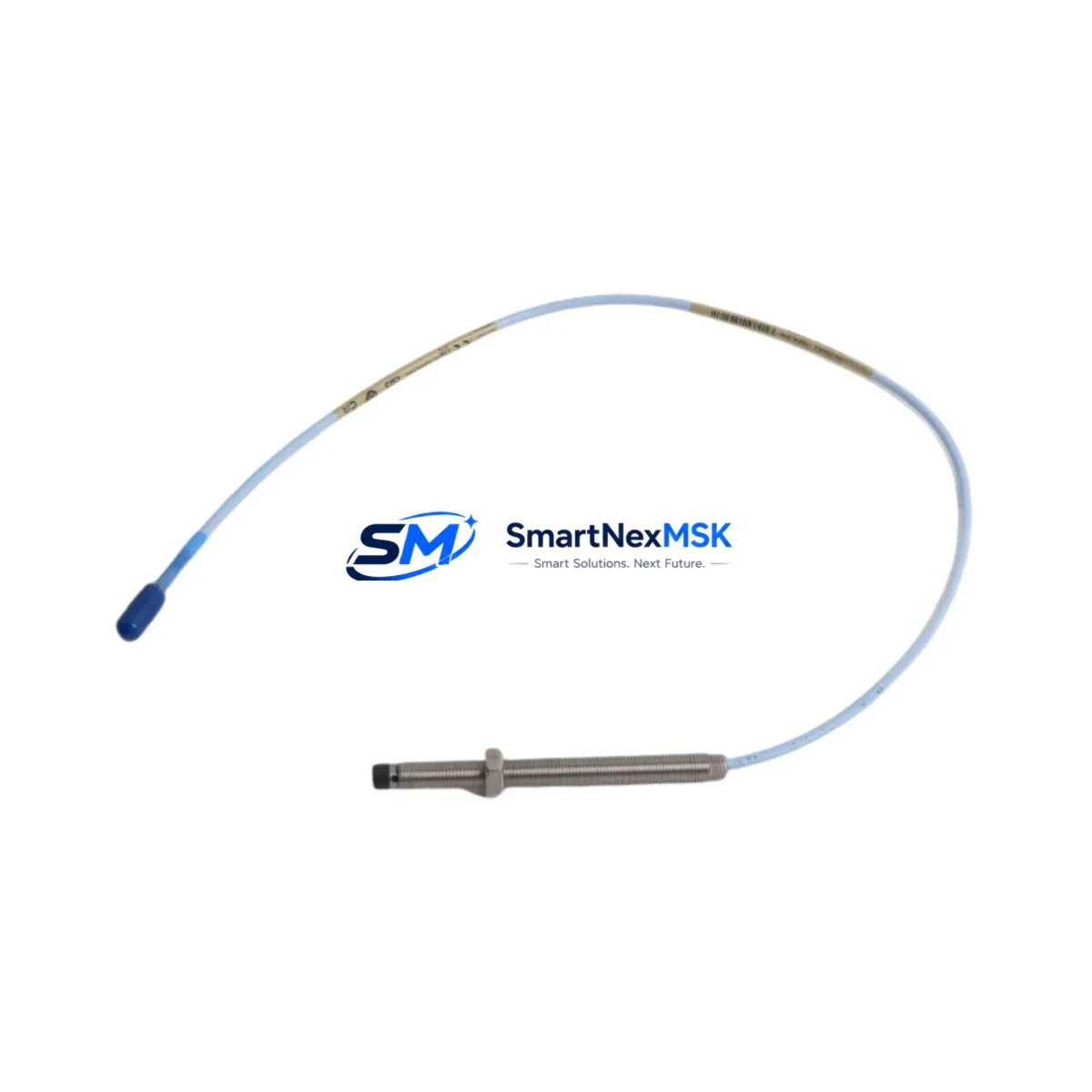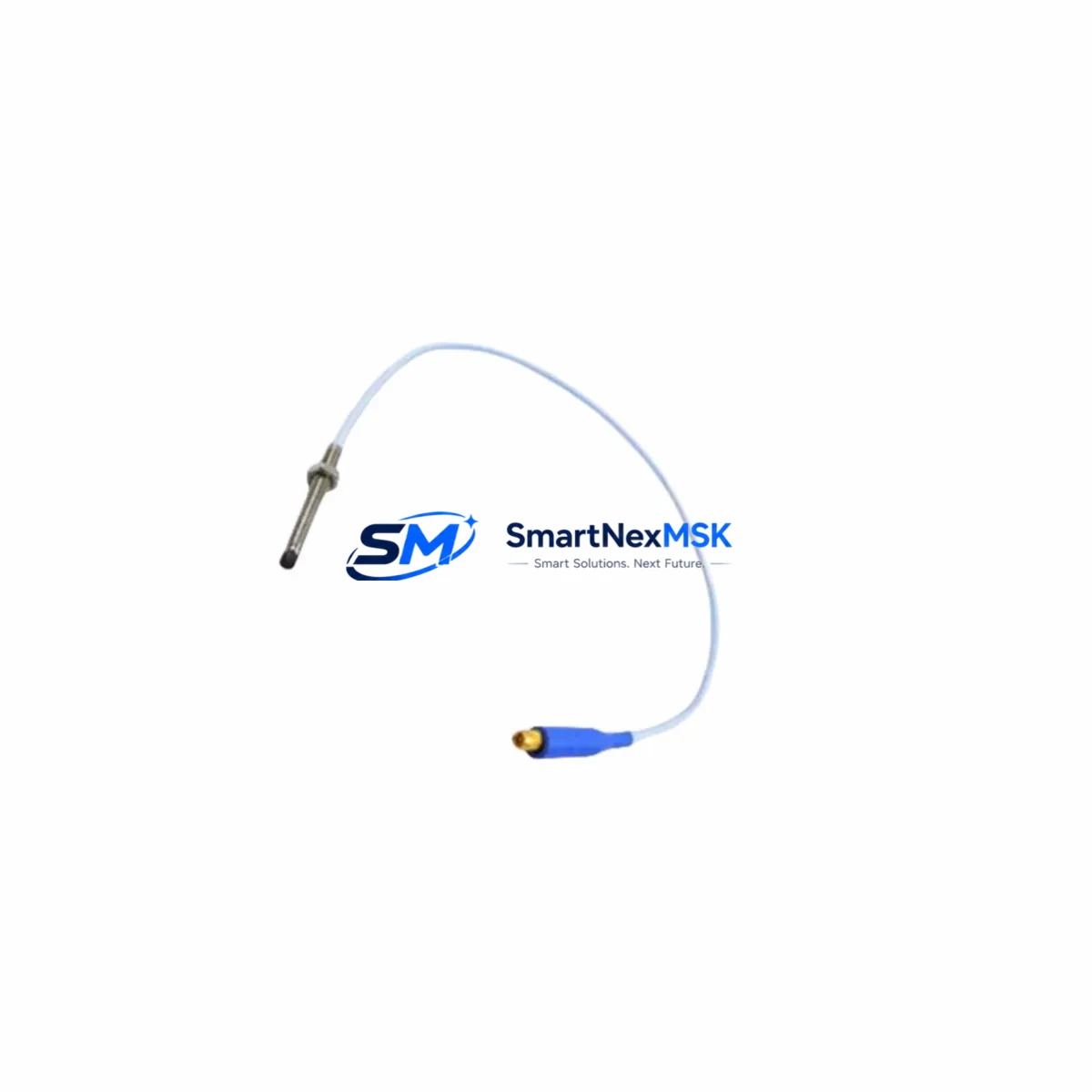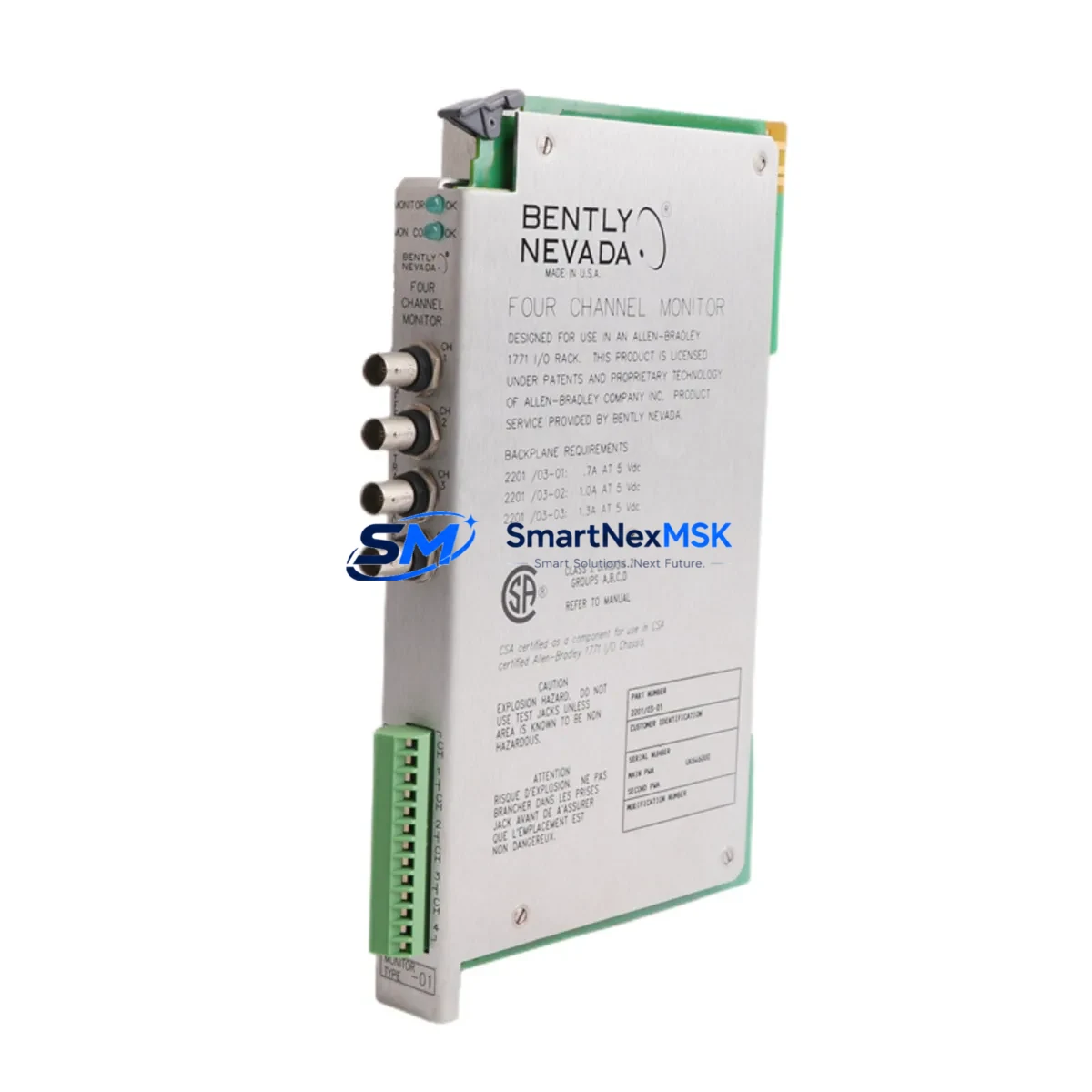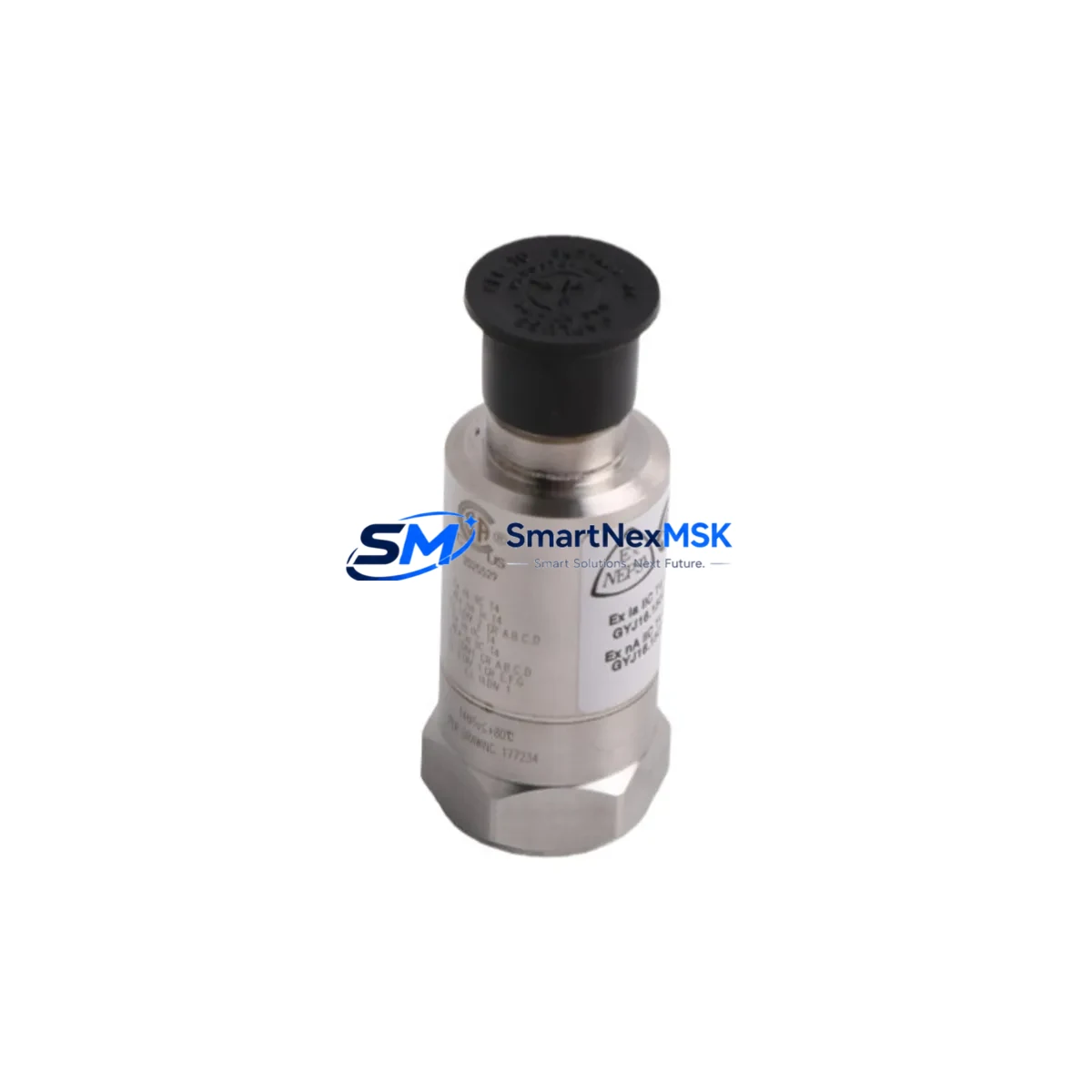
Bently Nevada 177230-02-02-05 Retrofit-Ready Seismic Transmitter for 3500 Series Control Systems
The Bently Nevada 177230-02-02-05 is a retrofit-ready seismic transmitter module engineered for seamless integration into existing 3500 Series machinery protection systems. As aging plant infrastructure reaches end-of-life and OEM support for legacy vibration monitoring hardware becomes increasingly limited, the 177230-02-02-05 provides a verified drop-in upgrade path that preserves your existing rack architecture, wiring topology, and program logic — minimizing both capital expenditure and unplanned downtime during the transition.
Designed for industrial environments where continuous machinery protection is non-negotiable, this module delivers accurate casing vibration measurement across rotating equipment including turbines, compressors, pumps, and motors. Its compatibility with the 3500 Series backplane and I/O architecture means that field engineers can complete a module swap without restructuring the control cabinet or rewriting HMI screens, making it the preferred choice for maintenance teams executing planned turnarounds or emergency replacements.
Upgrade Compatibility Table
| Parameter | Details |
|---|---|
| Compatible Rack | Bently Nevada 3500 Series Rack (3500/01, 3500/05, 3500/15, 3500/22M) |
| Module Slot Type | Standard 3500 Series I/O slot — no mechanical modification required |
| Communication Interface | Compatible with 3500 Series TDI (Transient Data Interface) and System 1 software |
| Wiring Compatibility | Retains existing terminal block wiring; verify cable shielding and grounding per BN installation guide |
| Power Requirement | Supplied via 3500 Series rack backplane; confirm rack PSU (e.g. 3500/15 Power Supply) capacity before installation |
| Replacement Recommendation | Direct replacement for discontinued 177230-series seismic transmitter variants |
| Commissioning Note | Verify module address configuration via DIP switch or software; re-confirm alert/danger setpoints in System 1 |
| Warranty | 12-Month Warranty — covers manufacturing defects and functional performance |
Retrofit Planning for Existing Automation Systems
Successful integration of the 177230-02-02-05 into a live plant environment requires a structured pre-installation review. Before pulling the legacy module, maintenance engineers should document the existing rack configuration, including the slot assignments of adjacent modules such as the 3500/40M Proximitor/Seismic Monitor, 3500/42M Proximitor/Seismic Monitor, and any 3500/50 Tachometer modules sharing the same rack. These neighboring modules may share communication resources or alarm relay outputs that must remain active during the swap window.
Power budget verification is a critical first step. The 3500/15 Power Supply module feeding the rack must have sufficient headroom to support the 177230-02-02-05 alongside co-installed modules. If the rack is near capacity, consider redistributing loads or upgrading the power supply before proceeding. Terminal block wiring should be photographed and labeled prior to disconnection — the 177230-02-02-05 uses the same terminal layout as its predecessor, but field verification against the as-built wiring diagram is mandatory.
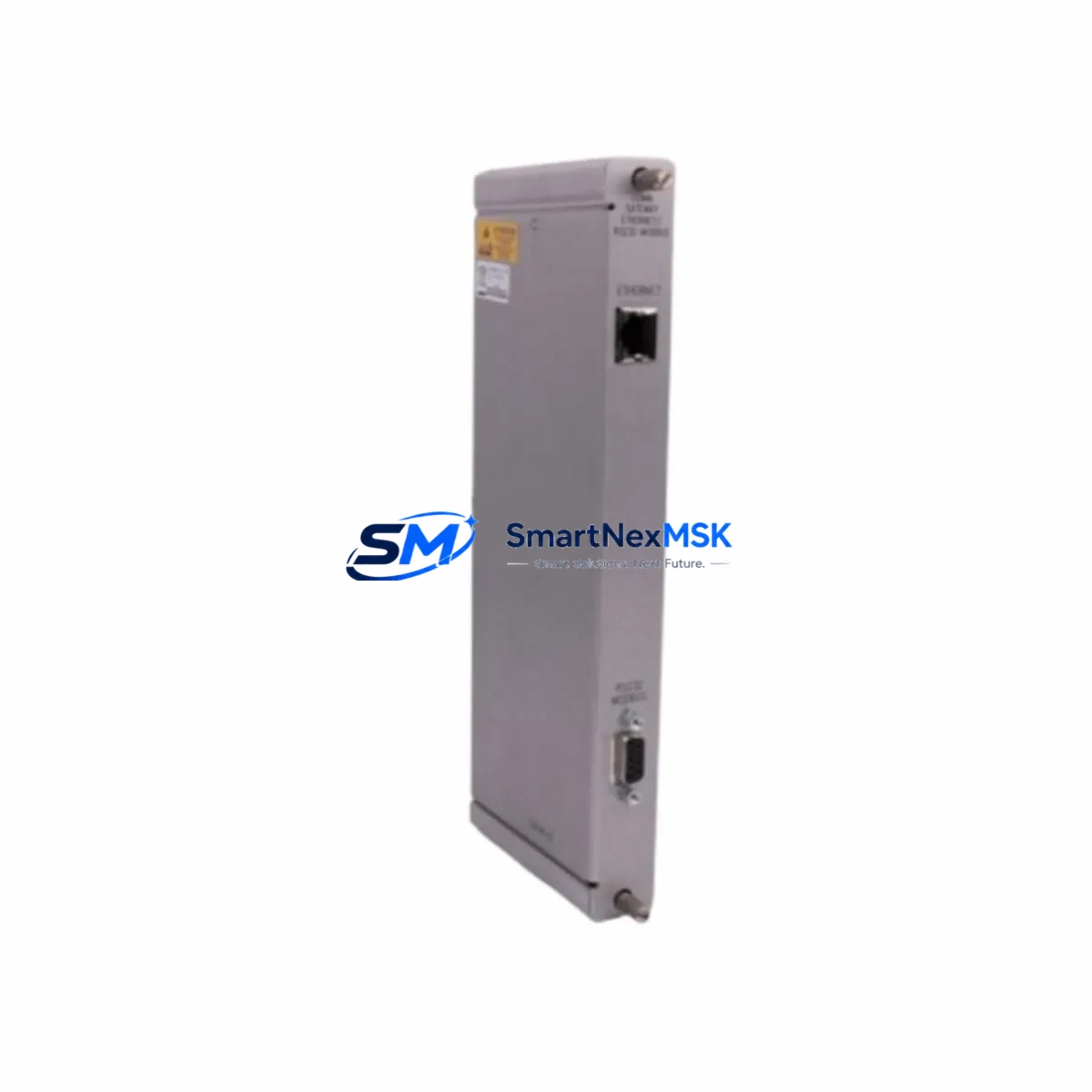
For sites running System 1 Evolution or System 1 Classic, the replacement module must be recognized and configured within the software before it can contribute to alarm management. This involves assigning the correct channel type, engineering units, and full-scale range. If the plant uses a 3500/22M Communications Gateway to relay vibration data to a DCS or SCADA platform via Modbus or OPC, the gateway configuration should be reviewed to confirm that the new module’s data tags map correctly to the existing historian or control system variables.
Sites that have integrated the 3500 rack with a DCS platform — such as those using Emerson DeltaV I/O cards or Honeywell Experion controller nodes — should verify that the process variable outputs from the seismic transmitter are correctly received at the DCS input cards after module replacement. Any 4–20 mA analog output loops connected to DCS analog input modules must be loop-checked post-installation. Similarly, if the plant uses a 3500/92 Rack Interface Module for Ethernet-based communication, confirm that the module firmware version is compatible with the replacement transmitter.
For facilities managing multiple protection racks across a turbine train, it is advisable to stage the replacement during a planned outage window rather than a hot-swap, particularly if the 177230-02-02-05 is protecting a critical bearing position. Coordinate with the control room to place the affected channel in bypass mode within System 1 before extraction, and restore monitoring immediately after the new module is seated and configured. All out-of-service periods should be logged in the plant’s maintenance management system.
Downtime Control During System Migration
Minimizing production impact during a seismic transmitter replacement requires advance preparation and a disciplined execution sequence. Begin by exporting the current System 1 configuration database as a backup — this preserves all setpoint values, channel descriptors, and alarm relay assignments that would otherwise need to be re-entered manually if the configuration is lost. If the rack hosts a 3500/05 System Monitor, verify that the system status outputs are not tied to any interlock or trip logic that could be inadvertently triggered during the module removal.
Where possible, schedule the swap during a low-load period or planned maintenance window. Notify the control room operator before beginning work so that any automated alarm responses can be temporarily suppressed for the affected channel. Once the 177230-02-02-05 is installed and powered, perform a bench-level functional check using a calibrated vibration simulator before restoring the channel to active monitoring. Confirm that the module’s OK relay output is healthy and that System 1 is receiving valid engineering unit data before removing the bypass.
For sites where continuous monitoring is contractually required, consider maintaining a spare 177230-02-02-05 in local inventory to enable same-shift replacement in the event of an unplanned module failure. Our standard lead time for in-stock units is 1–3 business days for international express shipment, and all units are function-tested prior to dispatch. Each module ships with a 12-month warranty covering manufacturing defects and out-of-tolerance performance.
Retrofit Support FAQ
Q1: Is the 177230-02-02-05 a direct drop-in replacement for my existing 3500 Series seismic transmitter?
A: Yes. The 177230-02-02-05 is designed to occupy the same rack slot and use the same terminal block wiring as the original module. No mechanical modification to the rack or cabinet is required. However, you should verify the DIP switch address settings and re-confirm your alert/danger setpoints in System 1 after installation, as these are stored in the module and may need to be re-entered.
Q2: How do I verify wiring compatibility before installation?
A: Cross-reference your as-built wiring diagram against the 177230-02-02-05 terminal assignment drawing. Pay particular attention to the sensor input terminals, shield grounding point, and any 4–20 mA output loops connected to downstream DCS or SCADA input cards. If the existing cable uses a different connector type, a terminal adapter may be required — contact our technical team for guidance.
Q3: What commissioning steps are required after installing the module?
A: After seating the module, power up the rack and confirm the OK LED is illuminated. Open System 1 and verify that the channel is recognized and displaying valid data. Re-enter or confirm all setpoint values (alert, danger, full-scale range, engineering units). Perform a loop check on any 4–20 mA outputs. If the rack communicates via a 3500/22M gateway, verify that the data tags are updating correctly in the connected DCS or historian. Document all commissioning steps in your plant maintenance record.
Q4: What does the 12-month warranty cover, and what is the return process?
A: The 12-month warranty covers manufacturing defects and functional performance failures under normal operating conditions. It does not cover damage resulting from incorrect installation, overvoltage, or physical impact. To initiate a warranty claim, contact our sales team with the module serial number and a description of the fault. We will arrange return shipping and provide a replacement or repair within the agreed service window.
© 2026 SMARTNEXMSK. All rights reserved.
Original Source: https://smartnexmsk.com
Contact: [email protected] | +86 18259474341