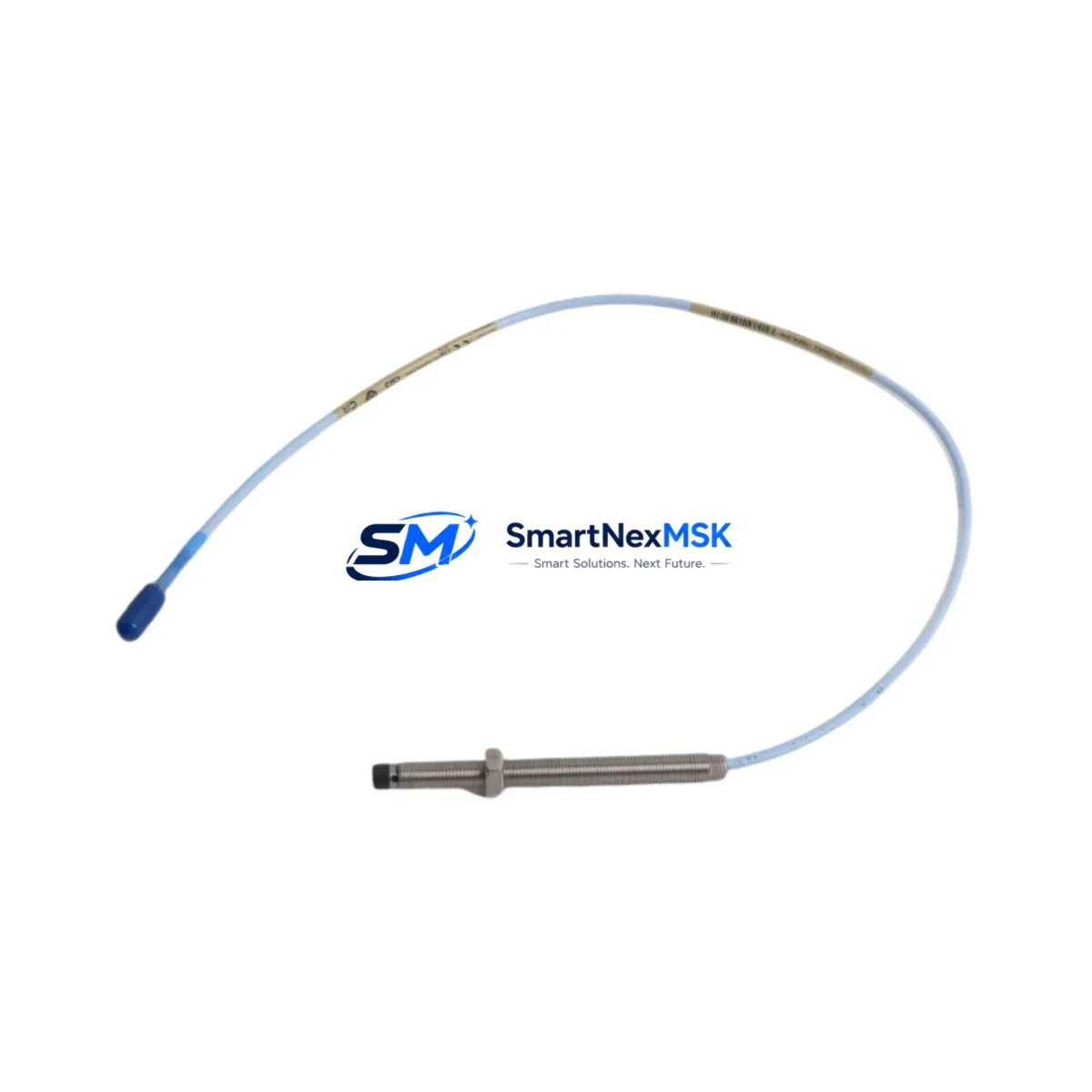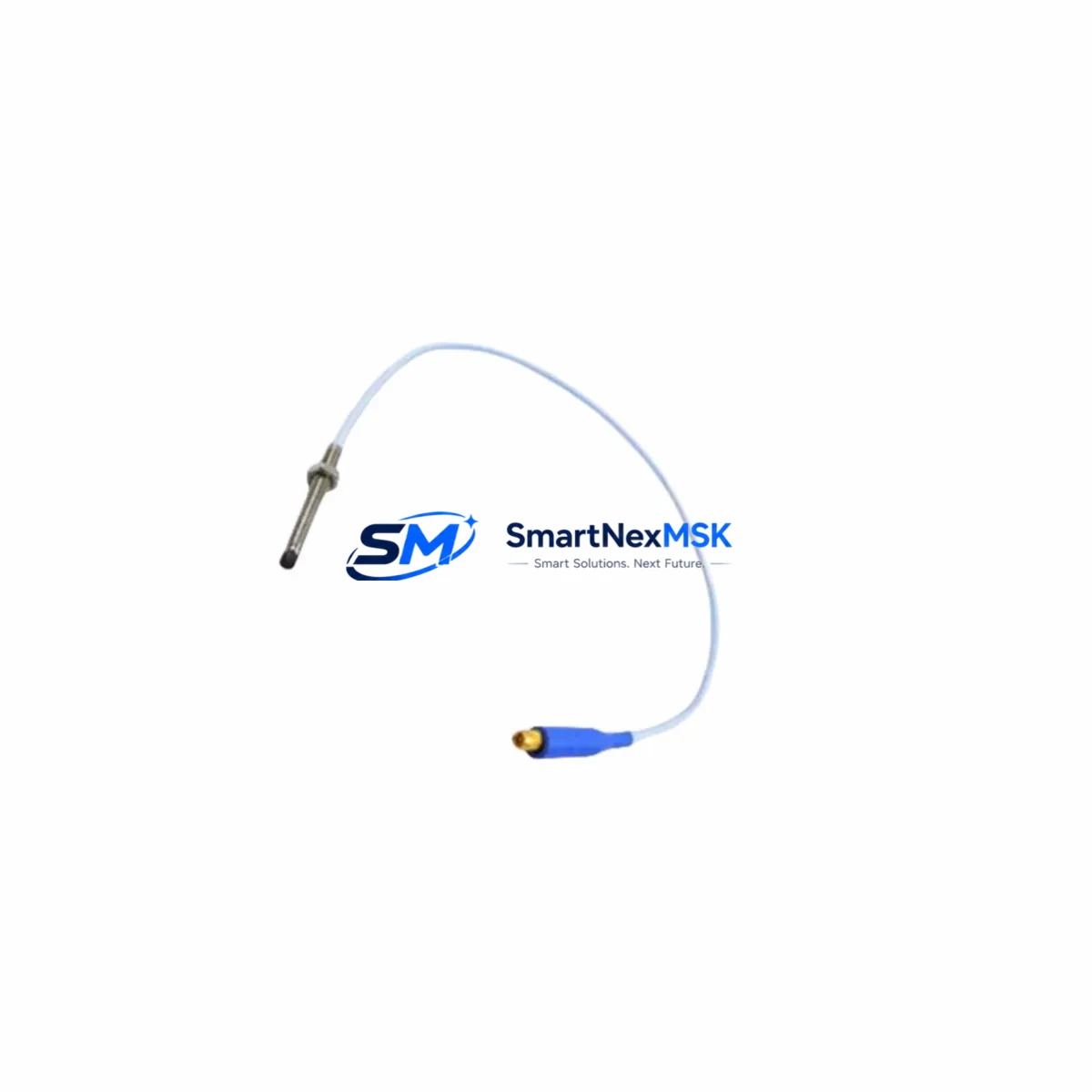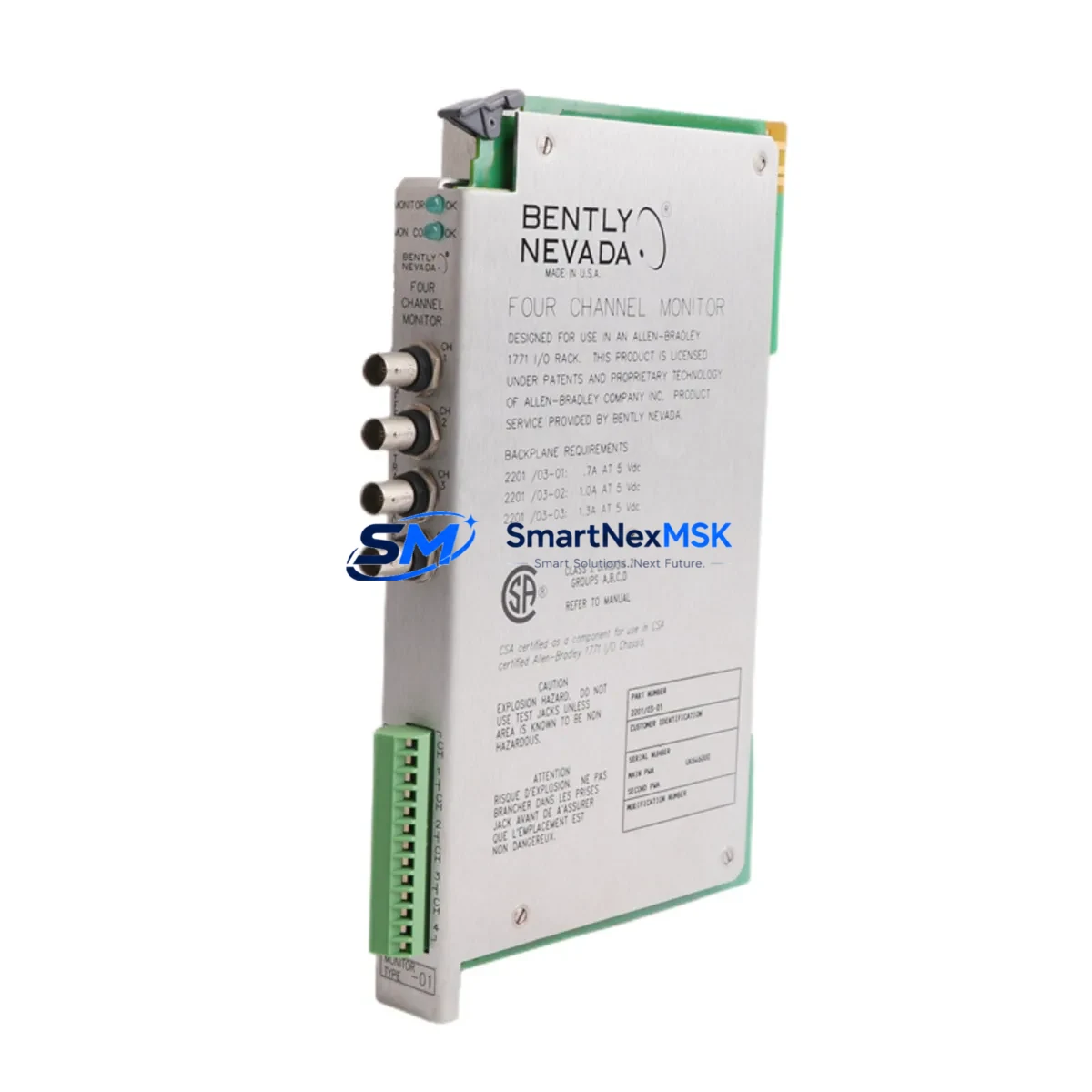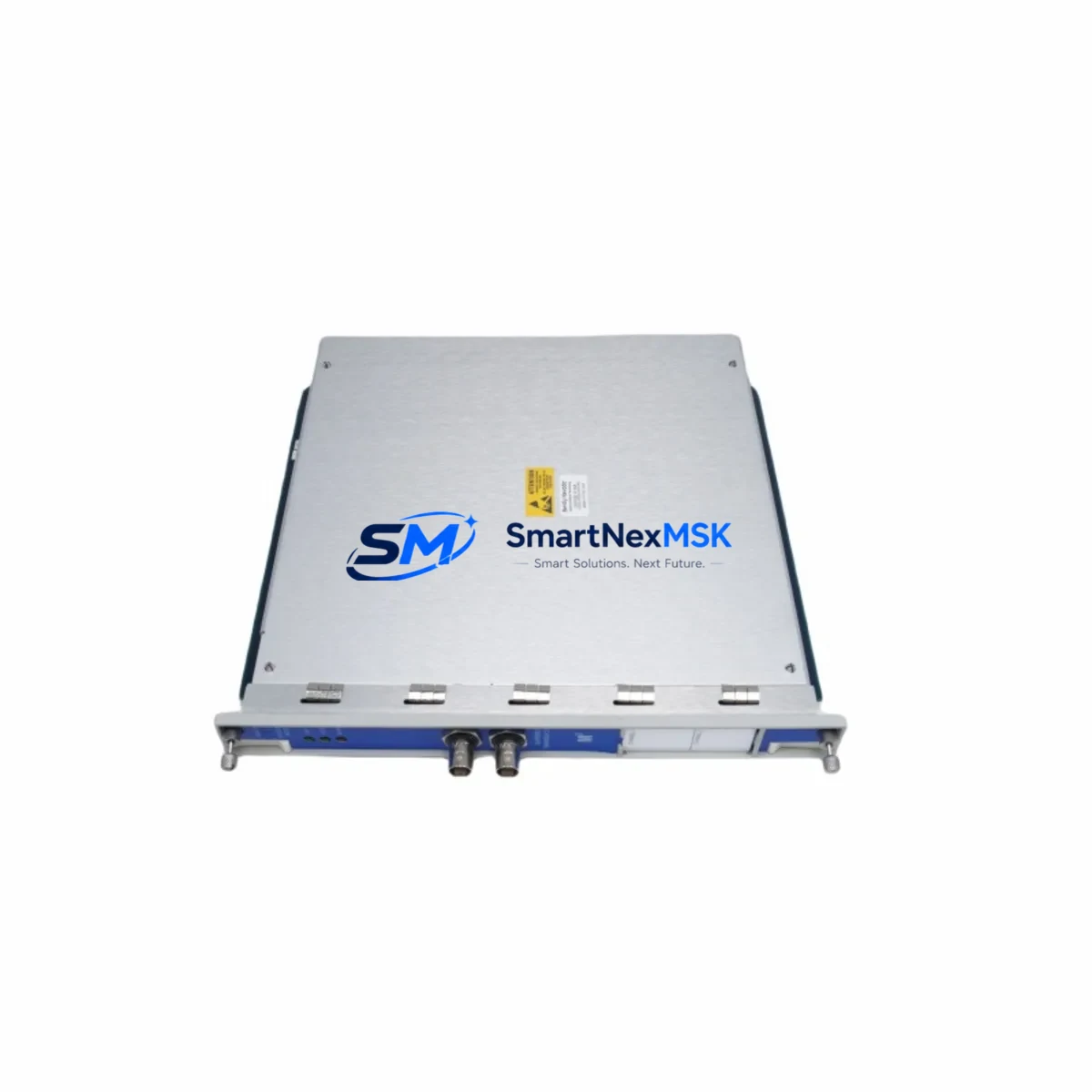
Bently Nevada 3500/50M 286566-02 Retrofit-Ready Tachometer for 3500 Series Control Systems
The Bently Nevada 3500/50M 286566-02 (also catalogued as 288062-02) is a precision tachometer module engineered for the 3500 Series machinery protection system platform. Designed to measure shaft rotational speed and phase reference signals, this module serves as a direct retrofit replacement for aging or discontinued tachometer cards in legacy 3500 rack installations. Whether you are executing a planned control system upgrade, recovering from an unplanned module failure, or modernising a multi-rack protection system across a compressor train or turbine skid, the 3500/50M 286566-02 delivers verified drop-in compatibility with minimal re-engineering effort.
Industrial facilities operating rotating machinery — including gas turbines, steam turbines, centrifugal compressors, and large motor-driven pumps — rely on the 3500 Series for continuous vibration and speed monitoring. When a tachometer module reaches end-of-life or becomes unavailable through OEM channels, the impact on plant availability can be severe. This module addresses that gap with a tested, shelf-ready replacement that supports the same terminal wiring, rack backplane interface, and configuration parameters as the original factory unit.
Upgrade Compatibility Table
| Parameter | Details |
|---|---|
| Compatible Platform | Bently Nevada 3500 Series Machinery Protection System |
| Replaces / Supersedes | 3500/50M 286566-02, 288062-02 (alternate part number) |
| Rack Interface | 3500 Series standard backplane — no adapter required |
| Terminal Wiring | Compatible with existing field wiring; verify probe cable shield grounding |
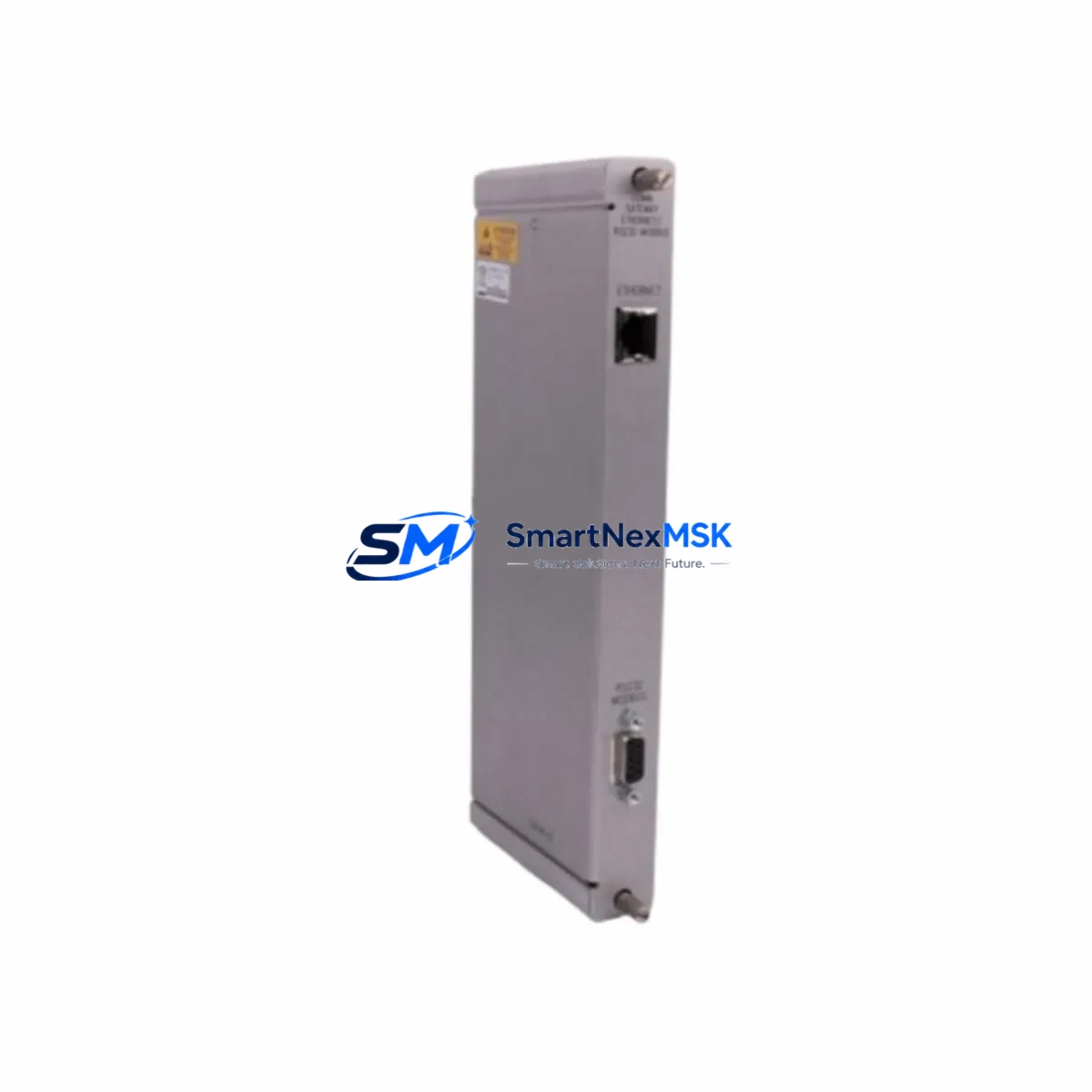
| Communication | Rack-internal data bus; integrates with 3500/22M Communication Gateway for Modbus/TCP or FOUNDATION Fieldbus output |
| Power Supply Compatibility | Powered via 3500 rack; verify 3500/15 Power Supply capacity before installation |
| Configuration Tool | System 1 Software or Rack Configuration Software (RCS) |
| Retrofit Complexity | Low — slot-for-slot replacement; re-apply existing configuration file |
| Commissioning Requirement | Speed channel calibration verification; probe gap check recommended |
| Warranty | 12 Months from date of shipment |
Retrofit Planning for Existing Automation Systems
Successful integration of the 3500/50M 286566-02 into an existing protection system begins well before the module arrives on site. Engineers should first audit the target rack to confirm available slot positions and verify that the 3500/15 Power Supply module has sufficient current headroom to support the replacement tachometer alongside other installed cards such as the 3500/40M Proximitor/Seismic Monitor and the 3500/42M Proximitor/Seismic Monitor. Power budget shortfalls are a common oversight during rack-level retrofits and can cause intermittent resets or false trip events after commissioning.
Terminal block wiring should be documented before removal of the legacy module. The 3500/50M uses a standard I/O module terminal block; however, field cable labelling on older installations may not reflect current as-built drawings. Photograph or sketch the existing wiring before disconnection. Confirm that the proximity probe or magnetic pickup sensor connected to the tachometer input is within the specified gap range and that the cable shield is terminated correctly at the I/O module end only, with the field end floating, to avoid ground loops that can corrupt speed signals.
For racks that also house a 3500/20 Rack Interface Module or a 3500/22M Communication Gateway, verify that the rack configuration file stored in the gateway reflects the correct slot assignment for the replacement module. If the rack was previously configured with System 1 Software, export the existing configuration before the swap and re-import it after installation to preserve alarm setpoints, full-scale ranges, and transducer type settings. Racks integrated with a DCS via the 3500/22M gateway — whether using Modbus RTU, Modbus/TCP, or FOUNDATION Fieldbus — should have their communication link verified post-commissioning to confirm that speed and phase data are being correctly transmitted to the host controller or historian.
Sites that use a Bently Nevada 3300 XL NSv or 3300 RAM proximity transducer system alongside the 3500 rack should note that probe compatibility is determined by the transducer type setting in the module configuration, not by physical connector type. Confirm the transducer series before finalising the configuration file upload. Where the existing installation includes a 3500/53 Overspeed Detection Module in the same rack, verify that the tachometer channel feeding the overspeed logic is correctly re-mapped after the module replacement to avoid a gap in overspeed protection during the transition window.
Downtime Control During System Migration
Minimising unplanned downtime during a tachometer module replacement requires a structured hot-swap or planned-outage strategy. For critical machinery where continuous monitoring is mandatory, coordinate the module swap with the operations team to align with a scheduled maintenance window or a planned process shutdown. Before removing the legacy 3500/50M, place the affected channel in bypass mode using the rack keyswitch or via the System 1 Software interface to prevent a spurious trip signal from reaching the emergency shutdown system.
Preserve the original rack configuration file on a dedicated engineering workstation before beginning any hardware changes. This file contains all channel setpoints, full-scale ranges, transducer types, and alarm relay assignments. If the configuration was last modified several years ago, cross-check it against the current P&ID and instrument data sheets to identify any undocumented field changes that may have been made without a formal MOC. Uploading an outdated configuration to a new module can silently introduce incorrect alarm thresholds that pass initial loop checks but fail under operating conditions.
After physical installation, perform a bench-level continuity check on the field wiring before powering the rack. Apply a simulated speed signal using a signal generator or a dedicated tachometer calibrator to verify that the module responds correctly across the full measurement range. Confirm that the OK relay output is energised and that the speed reading displayed in System 1 or on the connected HMI panel matches the applied signal within the specified accuracy band. Only after successful signal verification should the channel bypass be removed and the machinery returned to service. This sequence protects both the process and the integrity of the original control logic without requiring any PLC program modifications.
Retrofit Support FAQ
Q1: Is the 3500/50M 286566-02 a direct replacement for the 288062-02 part number?
Yes. The 286566-02 and 288062-02 are alternate part numbers for the same 3500/50M Tachometer Module. Both designations refer to the same hardware revision and are fully interchangeable within the 3500 Series rack platform. No wiring or configuration changes are required when substituting one part number for the other.
Q2: Can I reuse the existing field wiring and terminal block when replacing the module?
In most cases, yes. The 3500/50M uses a standard I/O module terminal block that is compatible with existing field wiring. Before reinstalling the terminal block, inspect the wiring for insulation damage, verify shield termination practice, and confirm that the probe cable length and type match the transducer specifications in the module configuration. If the terminal block itself shows signs of corrosion or mechanical damage, replace it separately before installing the new module.
Q3: What configuration steps are required after installing the replacement module?
After physical installation, connect a laptop running Rack Configuration Software (RCS) or System 1 Software to the 3500/20 Rack Interface Module. Upload the previously saved configuration file to the new 3500/50M. Verify all channel parameters including transducer type, full-scale range, alarm setpoints, and relay assignments. Apply a simulated speed signal to confirm correct channel response. If the rack communicates with a DCS or historian via the 3500/22M Communication Gateway, verify that data is being correctly received at the host system before removing the channel from bypass.
Q4: What does the 12-month warranty cover, and how is it validated?
The 12-month warranty covers manufacturing defects and functional failures under normal operating conditions from the date of shipment. Each unit undergoes functional testing prior to dispatch, including power-on verification, channel response testing, and output relay check. A test report is available upon request. Warranty claims are processed through our sales team at [email protected]. Physical damage resulting from incorrect installation, overvoltage, or environmental exposure outside the module’s rated specifications is not covered under the standard warranty terms.
© 2026 SMARTNEXMSK. All rights reserved.
Original Source: https://smartnexmsk.com
Contact: [email protected] | +86 18259474341