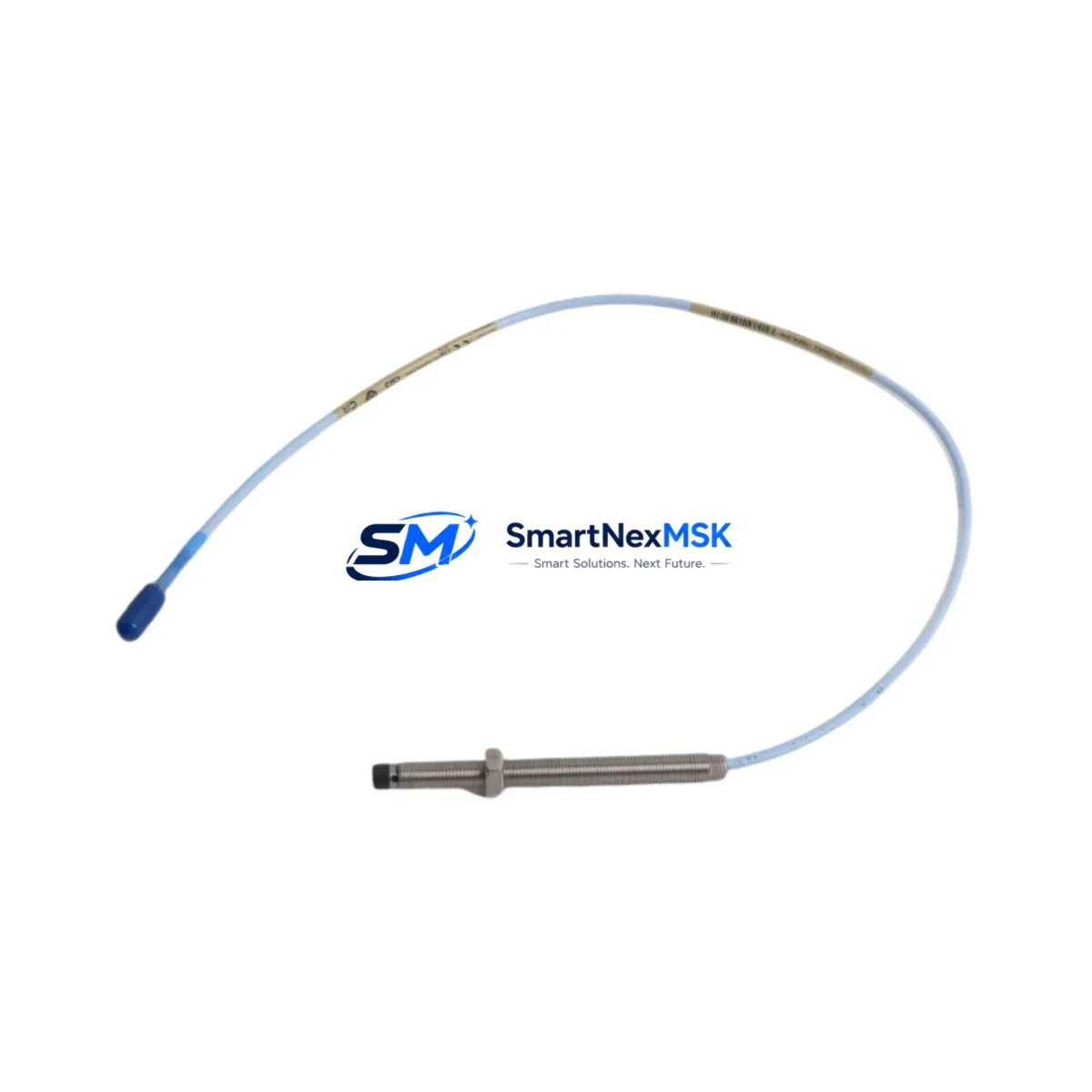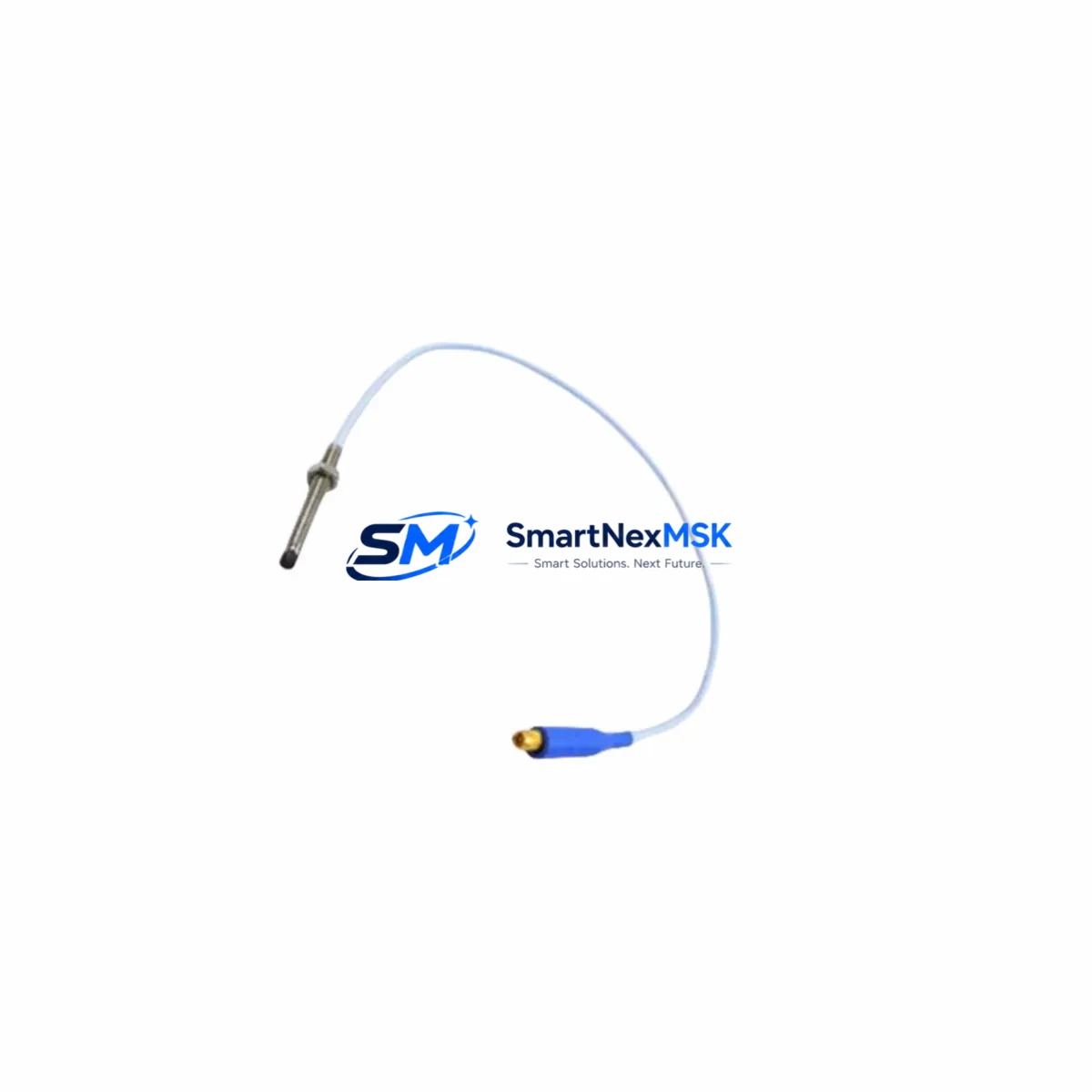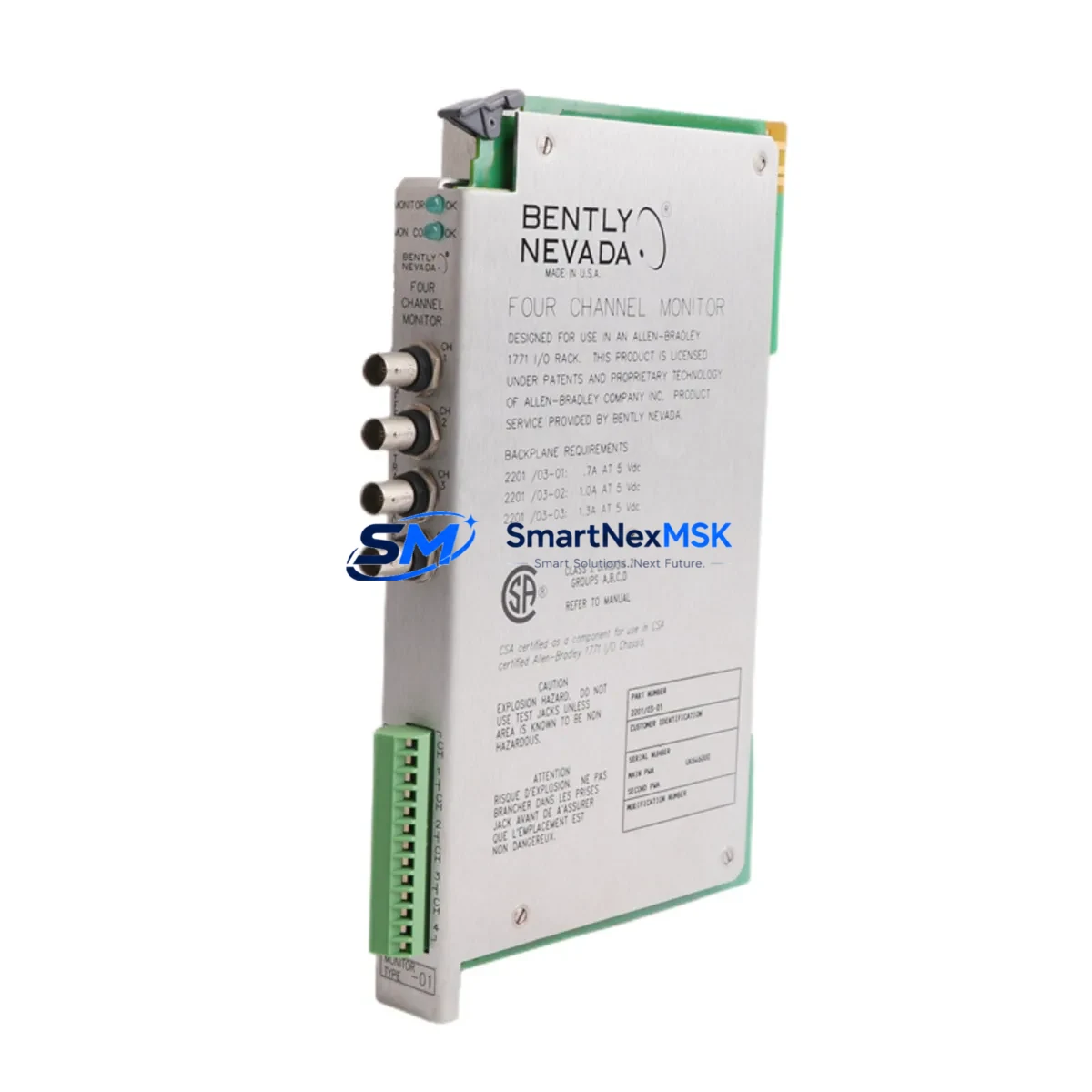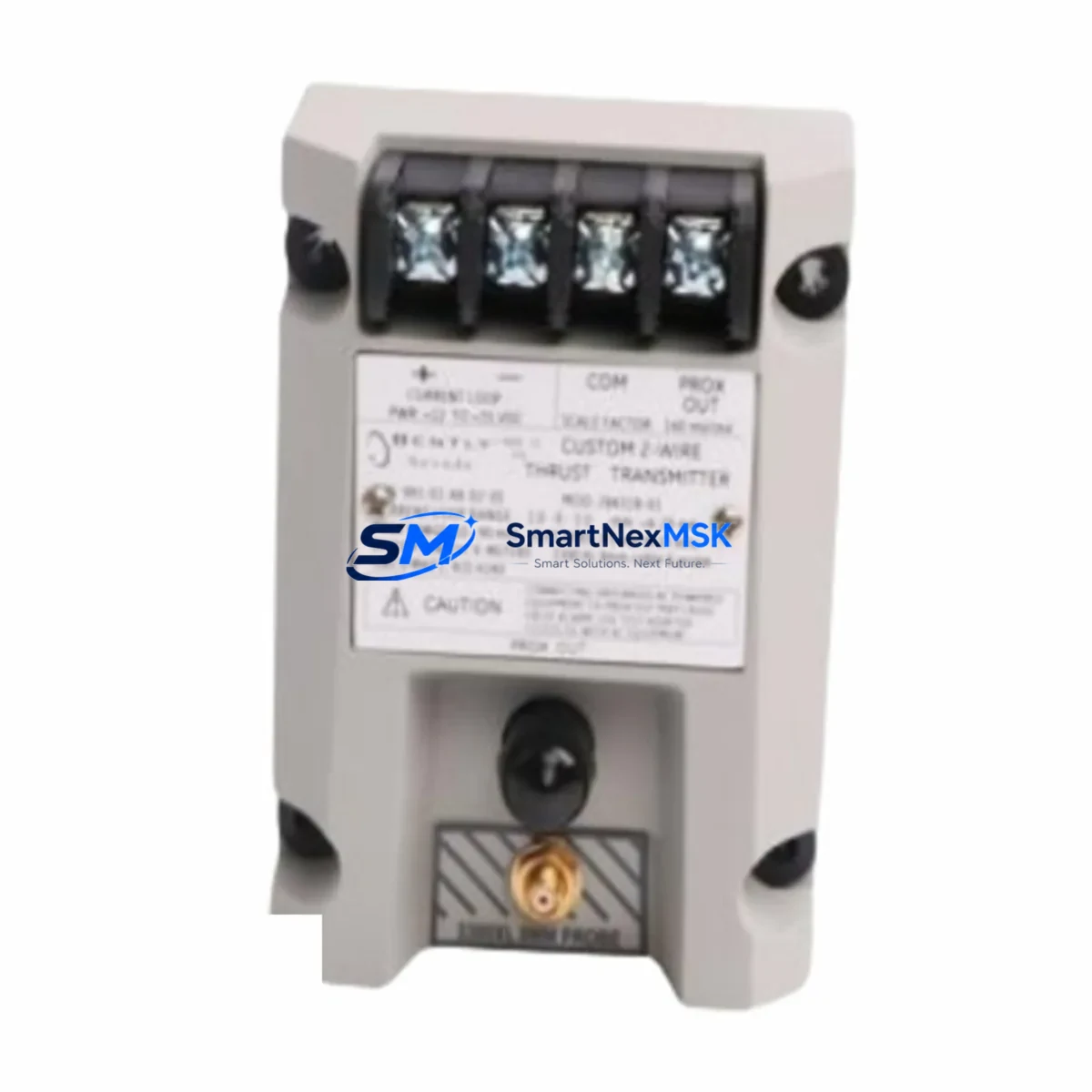
Bently Nevada 991-06-XX-01-00 Retrofit-Ready Thrust Position Transmitter for 3500 Series Control Systems
The Bently Nevada 991-06-XX-01-00 is a retrofit-ready thrust position transmitter engineered for seamless integration into Bently Nevada 3500 Series machinery protection systems. As legacy rotating machinery monitoring platforms age and original spare parts become increasingly difficult to source, the 991-06-XX-01-00 provides a verified drop-in replacement path that preserves existing wiring infrastructure, maintains signal compatibility with the 3500/40M Proximitor I/O Module, and eliminates the need for full-system overhaul. Whether you are managing a planned outage, responding to an unplanned trip, or executing a phased modernization of your turbine protection rack, this transmitter is stocked, tested, and ready to ship.
Industrial facilities operating steam turbines, gas compressors, centrifugal pumps, and large rotating equipment depend on continuous axial position monitoring to prevent catastrophic thrust bearing failures. The 991-06-XX-01-00 delivers the precision eddy-current proximity output required by the 3500 Series rack to maintain API 670 compliance. Its signal conditioning is pre-calibrated to interface directly with the 3500/22M Transient Data Interface and the 3500/42M Proximitor I/O Module without requiring software reconfiguration of the System 1 condition monitoring platform.
Upgrade Compatibility Table
| Parameter | Detail |
|---|---|
| SKU / Part Number | 991-06-XX-01-00 |
| Compatible Platform | Bently Nevada 3500 Series Machinery Protection System |
| Replaces / Upgrades | 991-06-XX-01-00 (OEM), legacy 3300 Series thrust transmitters (with adapter) |
| Signal Output | Eddy-current proximity, -18 VDC bias voltage, standard Bently Nevada signal range |
| Interface Modules | 3500/40M, 3500/42M Proximitor I/O, 3500/22M Transient Data Interface |
| Connector / Termination | Standard Bently Nevada coaxial connector; existing field wiring reusable |
| Mounting / Installation | Direct backplate mount; no rack modification required |
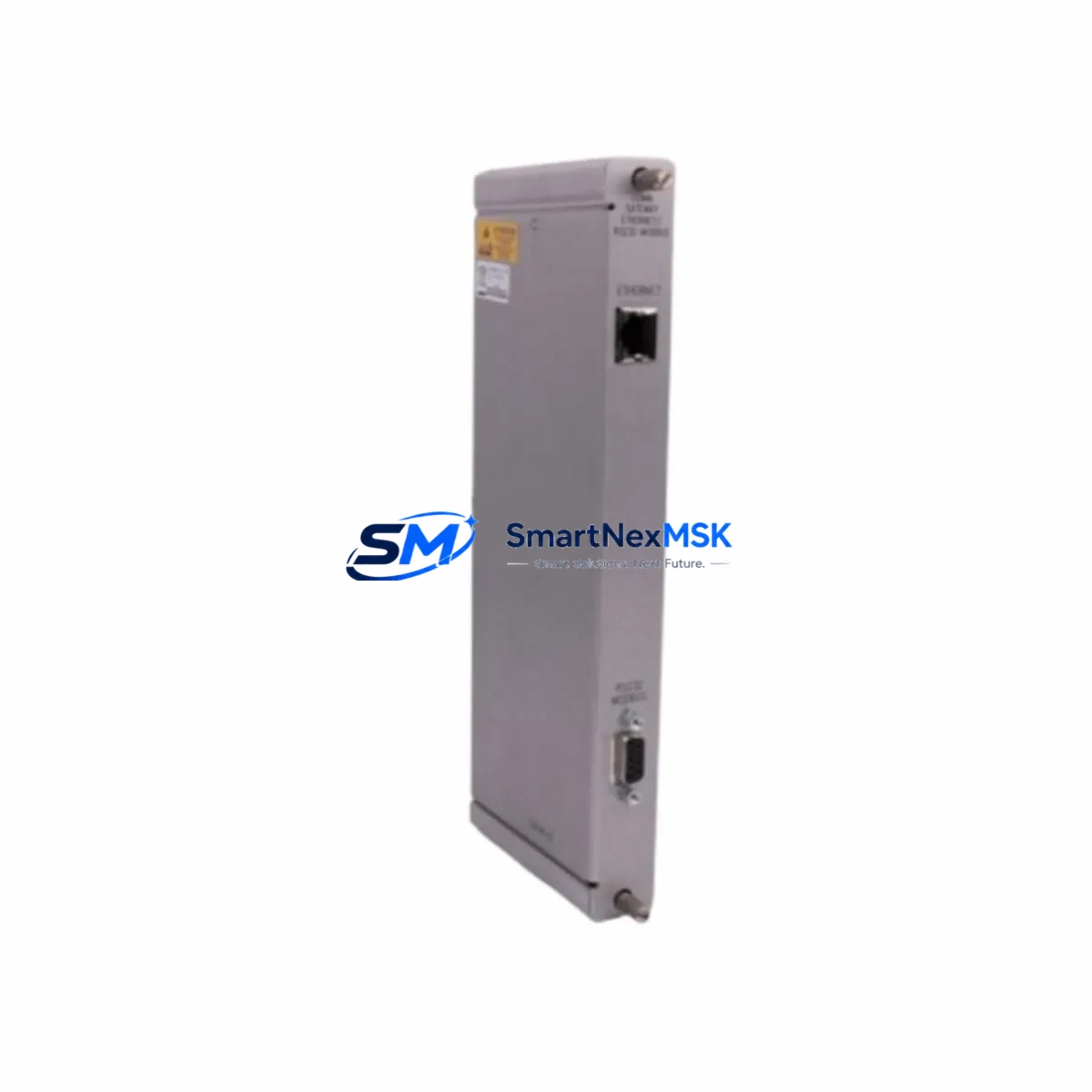
| Communication Compatibility | Compatible with System 1 software via 3500 rack Ethernet/Modbus gateway |
| Retrofit Recommendation | Verify gap voltage and sensitivity setting in 3500/40M before energizing |
| Commissioning Focus | Confirm OK relay output, alert/danger setpoints, and channel configuration in rack software |
| Warranty | 12-Month Warranty — covers manufacturing defects and signal performance |
Retrofit Planning for Existing Automation Systems
A successful retrofit of the 991-06-XX-01-00 begins well before the maintenance window opens. Engineers should pull the existing channel configuration from the 3500 rack using the Rack Configuration Software (RCS) and document the current gap voltage, sensitivity (V/mm or V/mil), and OK relay thresholds. This baseline ensures that the replacement transmitter is configured identically to the outgoing unit, preventing nuisance trips during restart.
In most 3500 Series installations, the 991-06-XX-01-00 shares the same backplane slot as the 3500/40M Proximitor I/O Module. Before removal, confirm that the 3500/15 Power Supply Module is de-energized and that the 3500/05 System Monitor has logged the pre-shutdown vibration and position data for post-maintenance comparison. If the facility runs a dual-redundant protection architecture, the standby channel on the 3500/42M should remain active throughout the swap to maintain continuous monitoring.
Field wiring for the 991-06-XX-01-00 typically runs through armored coaxial extension cable — commonly the 330130 series — from the probe tip through the junction box to the rack termination. Inspect the extension cable for continuity and insulation resistance before reusing it; a degraded cable is a frequent source of erratic gap readings that are misattributed to the transmitter itself. If the extension cable is being replaced simultaneously, ensure the total cable length matches the calibrated range of the proximitor driver to avoid sensitivity errors.
For facilities migrating from older 3300 Series monitoring racks to the 3500 platform, the 991-06-XX-01-00 can serve as the sensor-side anchor while the rack-side upgrade proceeds. The 3500/20 Rack Interface Module and 3500/32 4-Channel Relay Module are commonly installed alongside the transmitter replacement to complete the rack modernization. Communication continuity is maintained by mapping the existing Modbus register addresses in the 3500 System Monitor to the SCADA or DCS — typically a Honeywell Experion PKS or Emerson DeltaV — so that historian tags and alarm setpoints require no re-engineering at the control room level.
HMI screens tied to the machinery protection system should be reviewed before restart. Operators relying on System 1 Evolution or third-party SCADA displays should confirm that the thrust position trend tags are receiving live data from the updated channel. If the facility uses a 3500/92 Communication Gateway Module for OPC-DA or OPC-UA data export, verify that the tag mapping file reflects the current slot and channel assignment of the 991-06-XX-01-00 after installation.
I/O expansion considerations are also relevant when the retrofit coincides with a broader control cabinet upgrade. Adding a 3500/64 Dynamic Pressure Monitor or a 3500/50 Tachometer Module to the same rack during the same outage window is a common efficiency measure, as it avoids a second planned shutdown. Ensure the 3500/15 Power Supply Module has sufficient current headroom to support any additional modules before finalizing the rack layout.
Downtime Control During System Migration
Minimizing unplanned downtime is the primary operational concern when replacing a thrust position transmitter in a live production environment. The 991-06-XX-01-00 is pre-tested and shipped with a factory acceptance test (FAT) report, allowing maintenance teams to verify signal output on the bench before the machine is taken offline. This bench verification — using a portable oscilloscope or the Bently Nevada TK-3 calibration tool — confirms that the replacement unit meets the original sensitivity and linearity specifications before it enters the critical path of the outage.
During the physical swap, the original program logic in the 3500 rack is preserved entirely; no firmware changes or rack re-initialization are required for a like-for-like replacement. The channel configuration stored in the 3500/40M or 3500/42M module is retained in non-volatile memory and remains valid as long as the module itself is not replaced. This means the maintenance window for a transmitter-only swap can be as short as 30–60 minutes, including cable inspection, installation, gap setting verification, and OK relay confirmation.
For facilities with strict change management protocols, the 991-06-XX-01-00 can be staged in the spare parts room and pre-configured offline using a laptop running RCS software connected to a bench-mounted 3500 rack. This approach allows the configuration to be validated and signed off by the reliability engineer before the outage begins, further compressing the on-site installation time and reducing the risk of configuration errors under time pressure.
Post-installation, a 30-minute run-up observation period is recommended to confirm stable gap voltage readings, absence of OK relay chatter, and consistent position trend data in the historian. Any deviation from the pre-shutdown baseline should be investigated before returning the machine to full load. SMARTNEXMSK provides remote technical support during commissioning for customers who require real-time guidance during the startup sequence.
Retrofit Support FAQ
Q1: Is the 991-06-XX-01-00 a direct drop-in replacement for the original Bently Nevada part?
Yes. The 991-06-XX-01-00 is a verified replacement for the original Bently Nevada OEM part of the same number. It uses the same connector type, signal output range, and sensitivity specification, allowing it to be installed in the existing 3500 Series rack slot without modification to the backplane, wiring, or rack configuration software settings.
Q2: What commissioning steps are required after installation?
After physical installation, verify the gap voltage using the 3500/40M or 3500/42M front-panel display or RCS software. Confirm the OK relay is energized and that alert and danger setpoints are active. Run a static position check by manually displacing the target (if accessible) and confirming the position reading tracks correctly in System 1 or the connected SCADA historian before returning the machine to service.
Q3: Can this transmitter be used with older 3300 Series racks or only 3500 Series?
The 991-06-XX-01-00 is optimized for the 3500 Series platform. Use with 3300 Series racks requires verification of signal conditioning compatibility and may require an adapter or signal conditioner. For 3300-to-3500 migration projects, SMARTNEXMSK can advise on the appropriate transition path including rack interface modules and wiring adapter requirements.
Q4: What does the 12-month warranty cover, and what is the shipping lead time?
The 12-month warranty covers manufacturing defects, signal performance out-of-specification conditions, and connector integrity failures under normal operating conditions. Units are inspected and function-tested prior to shipment. Standard lead time is 3–7 business days from order confirmation, with expedited shipping available for emergency maintenance situations. Contact [email protected] or call +86 18259474341 to confirm current stock availability before placing your order.
© 2026 SMARTNEXMSK. All rights reserved.
Original Source: https://smartnexmsk.com
Contact: [email protected] | +86 18259474341