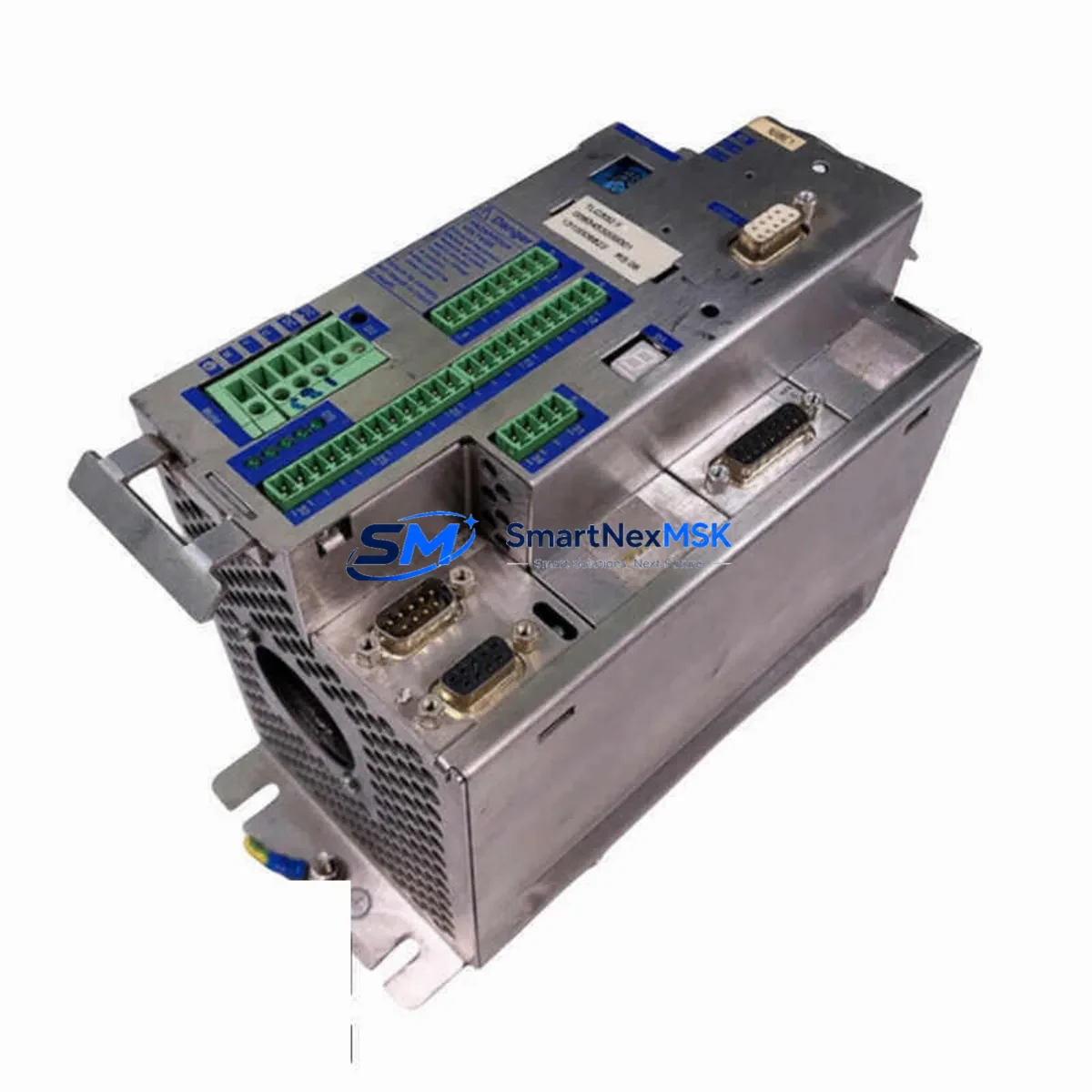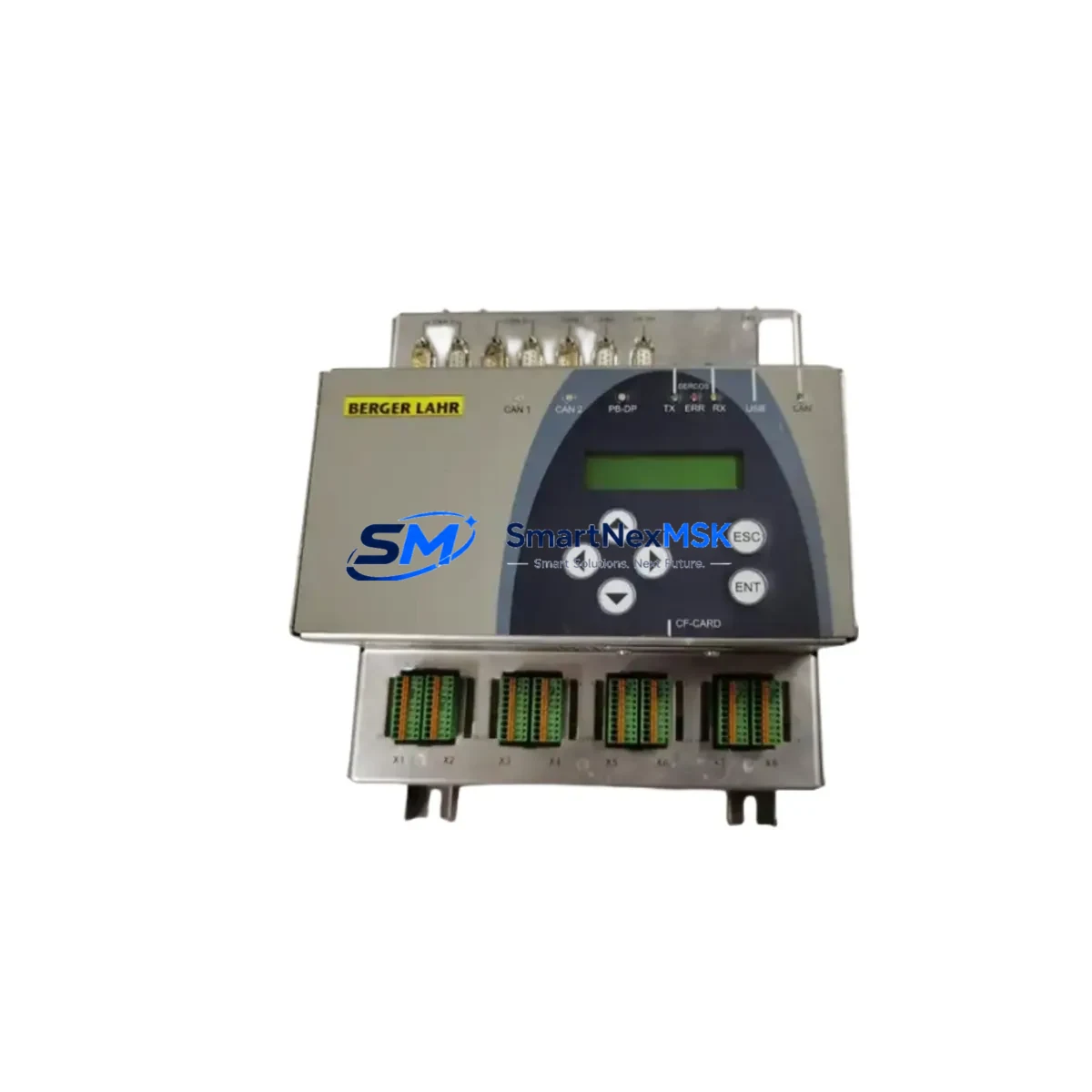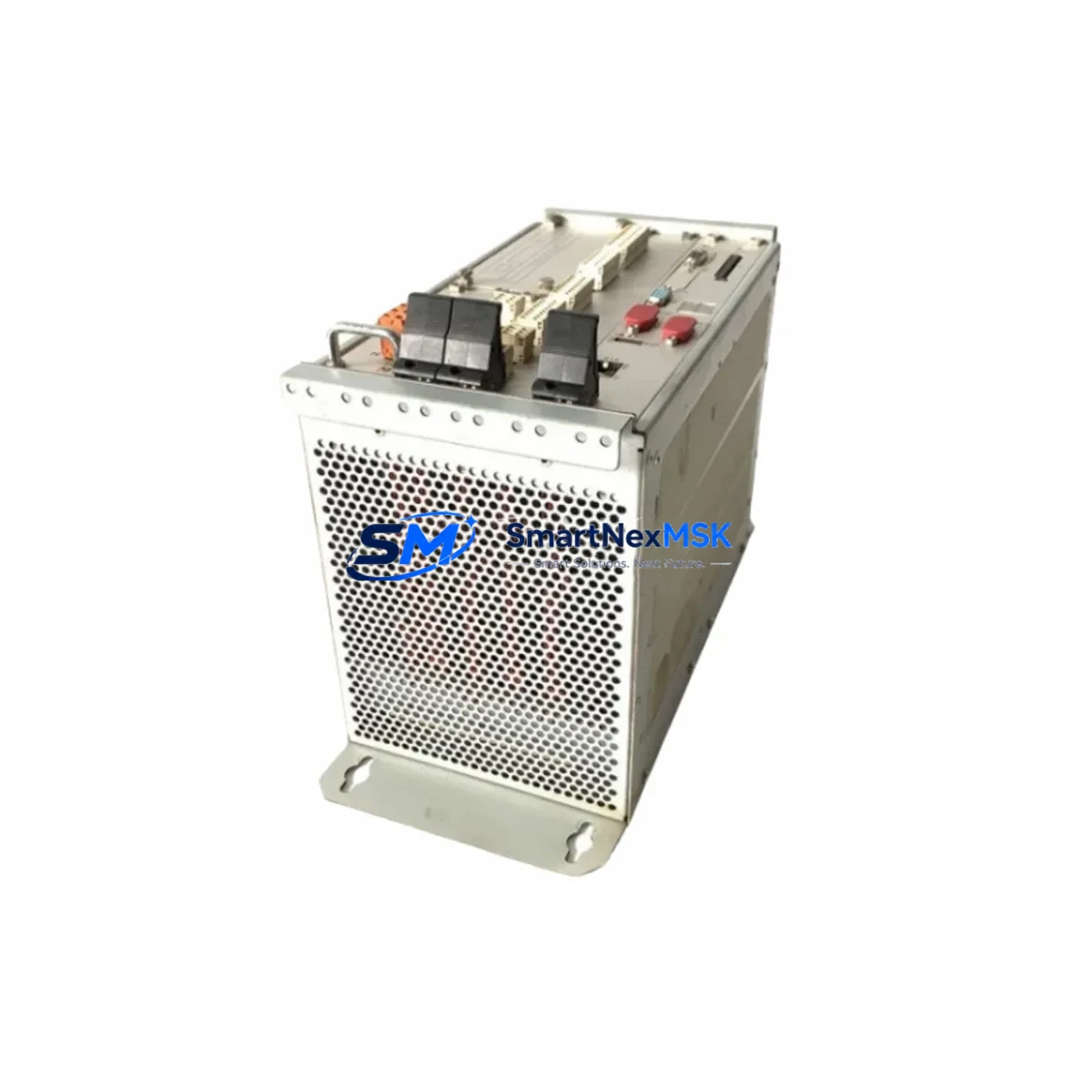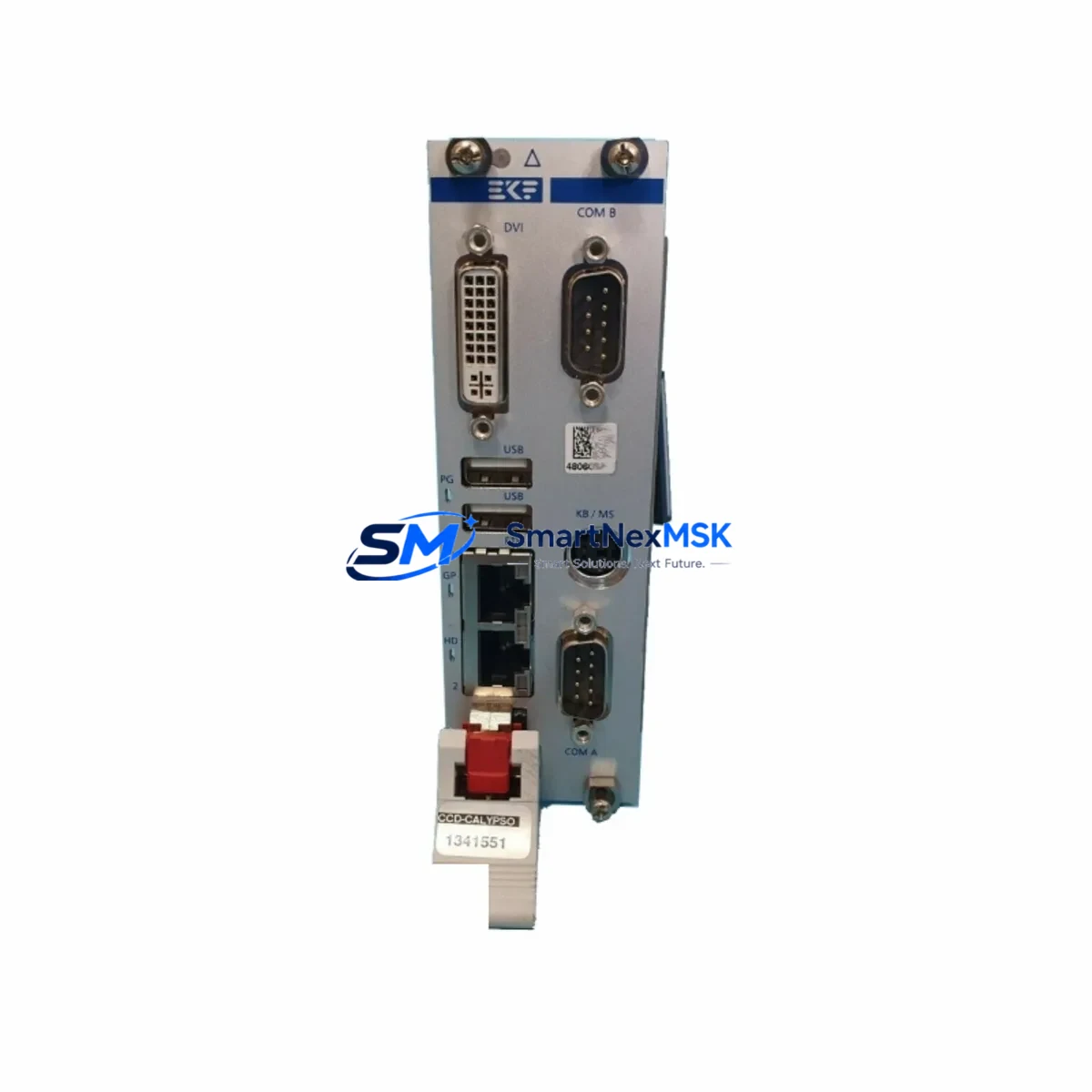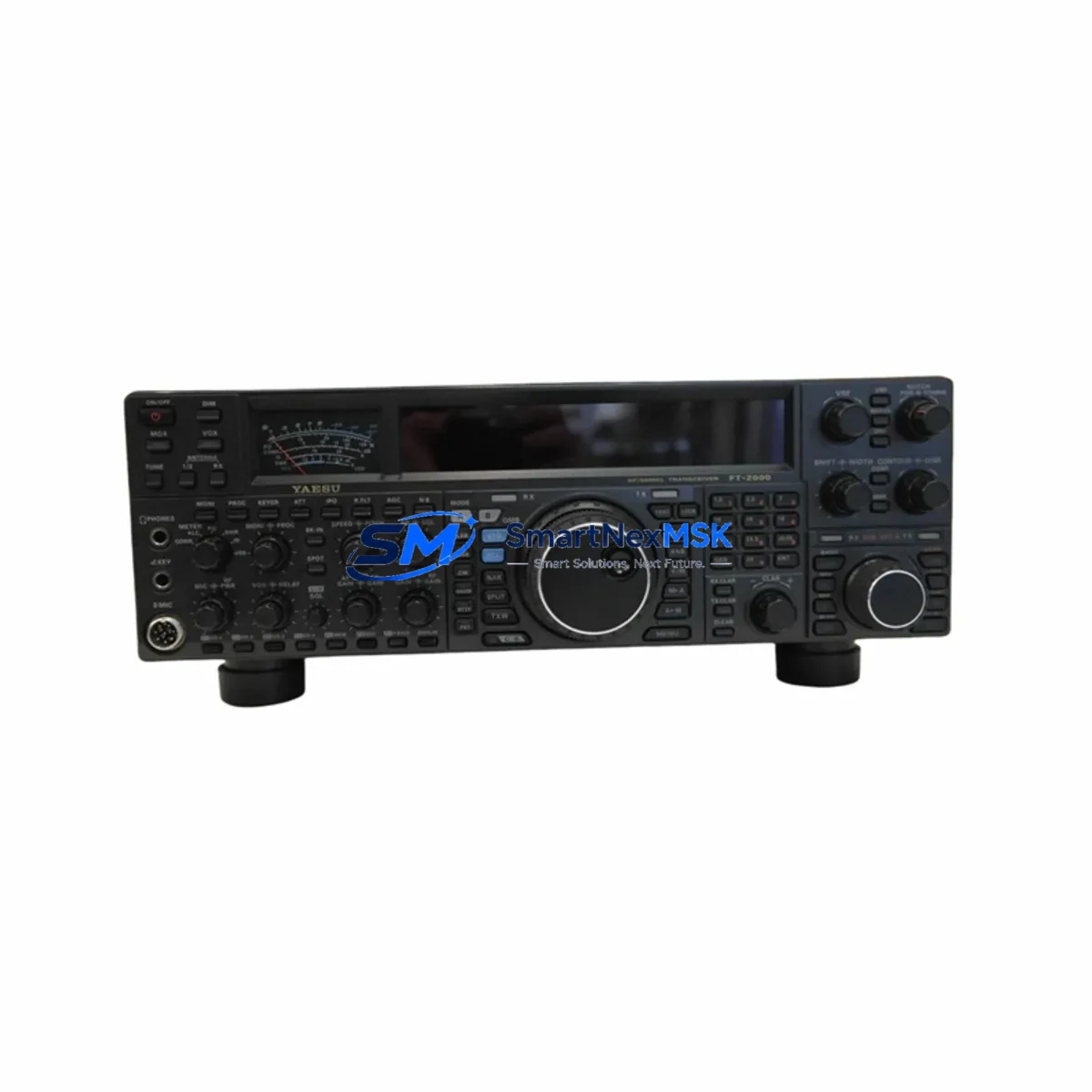
BERGER LAHR FT2000 Retrofit-Ready Transceiver for FT Series Control Systems
The BERGER LAHR FT2000 is a retrofit-ready transceiver module engineered for seamless integration into legacy FT Series automation platforms. As industrial facilities face increasing pressure to modernize aging control infrastructure without full system overhauls, the FT2000 delivers a proven, cost-effective path to upgrade communication and signal transmission capabilities while preserving existing rack architecture, wiring layouts, and PLC program logic.
Designed as a direct replacement for discontinued FT Series transceiver components, the FT2000 supports the full range of electrical and protocol specifications required for drop-in substitution. Engineers and maintenance teams can deploy this module with confidence, knowing that terminal assignments, backplane interface pinouts, and communication timing parameters align with the original BERGER LAHR FT Series design specifications. This compatibility eliminates the need for costly rewiring or PLC program restructuring during the changeover process.
When planning a retrofit around the FT2000, technicians should verify the power supply capacity of the existing control cabinet. The FT Series rack typically draws regulated 24 VDC from a dedicated rail, and the FT2000 must be confirmed within the total current budget alongside co-installed modules such as the BERGER LAHR FT1000 digital input module and the BERGER LAHR FT3000 analog output module. Overloading the power rail during a module swap is a common source of post-retrofit instability and should be assessed before any physical installation begins.
Terminal wiring compatibility is a critical checkpoint. The FT2000 uses the same screw-terminal block layout as its predecessor, allowing field cables to be reconnected without re-labeling or re-routing. However, engineers should cross-reference the original wiring diagram against the FT2000 datasheet to confirm signal polarity, shielding requirements, and cable gauge tolerances — particularly for long-distance runs where impedance matching affects transceiver performance.
Backplane interface compatibility is fully maintained. The FT2000 slots directly into standard FT Series rack positions, including the BERGER LAHR FT-RACK-8 and FT-RACK-16 chassis variants. Module addressing is configured via DIP switch settings on the module face, consistent with the addressing scheme used across the FT Series platform. No firmware update or rack reconfiguration is required when replacing a failed or end-of-life transceiver with the FT2000.
For systems that include a BERGER LAHR FT-CPU controller or a compatible third-party PLC communicating over RS-485 or PROFIBUS DP, the FT2000 maintains full protocol transparency. Communication parameters — baud rate, station address, and telegram structure — are preserved without modification. This is especially important in multi-drop network topologies where changing one node’s configuration can disrupt the entire communication chain.
HMI screen mappings and SCADA tag assignments linked to the original transceiver’s data addresses remain valid after the FT2000 installation. Operators using BERGER LAHR FT-HMI panels or third-party visualization systems connected via OPC or Modbus TCP will not need to remap process variables, reducing commissioning time significantly.
For facilities upgrading from older serial communication architectures to Ethernet-based control networks, the FT2000 can serve as an interim transceiver solution while a phased migration to modern fieldbus infrastructure is completed. In such scenarios, it is common to see the FT2000 operating alongside a BERGER LAHR FT-GW protocol gateway, which bridges legacy FT Series communication to PROFINET or EtherNet/IP without requiring a full controller replacement.
I/O expansion during the retrofit is straightforward. The FT2000 coexists with additional BERGER LAHR FT-DI16 digital input expansion modules and BERGER LAHR FT-DO16 digital output modules installed in the same rack. System integrators can expand the I/O footprint incrementally, adding capacity as production requirements evolve without disrupting the transceiver’s communication role.
All FT2000 units supplied by SMARTNEXMSK undergo pre-shipment functional testing, including power-on verification, communication loop-back testing, and terminal continuity checks. Each unit is shipped with a 12-month warranty covering manufacturing defects and functional failures under normal operating conditions. Inventory is maintained in stock for immediate dispatch, supporting urgent maintenance scenarios where production downtime must be minimized.
Upgrade Compatibility Table
| Parameter | Original FT Series Transceiver | BERGER LAHR FT2000 | Retrofit Notes |
|---|---|---|---|
| Backplane Interface | FT Series Standard | FT Series Standard | Direct slot-in replacement; no adapter required |
| Terminal Wiring | Screw-terminal, 24 VDC signal | Screw-terminal, 24 VDC signal | Reconnect field cables directly; verify polarity |
| Communication Protocol | RS-485 / PROFIBUS DP | RS-485 / PROFIBUS DP | No baud rate or address reconfiguration needed |
| Module Addressing | DIP switch (hardware) | DIP switch (hardware) | Match original address settings before power-on |
| Power Requirement | 24 VDC, rack-supplied | 24 VDC, rack-supplied | Confirm total rack current budget before installation |
| Rack Compatibility | FT-RACK-8 / FT-RACK-16 | FT-RACK-8 / FT-RACK-16 | Compatible with all standard FT Series chassis |
| HMI / SCADA Tags | Mapped to original data addresses | Same data address structure | No tag remapping required post-installation |
| PLC Program Compatibility | FT-CPU native | FT-CPU native | Existing ladder/function block logic remains valid |
| Installation Requirement | Rack slot, DIN rail optional | Rack slot, DIN rail optional | No mechanical modification to cabinet required |
| Warranty | — | 12 Months | Covers manufacturing defects and functional failures |
Retrofit Planning for Existing Automation Systems
A successful FT2000 retrofit begins with a thorough audit of the existing control cabinet. Before removing the failed or end-of-life transceiver, document the current DIP switch address configuration, photograph all terminal wiring connections, and record the rack slot position. This documentation serves as the baseline for reinstallation and commissioning verification.
In multi-module racks, the FT2000 must be installed with awareness of neighboring modules. Systems running a BERGER LAHR FT-CPU controller alongside FT-DI16 input modules, FT-DO16 output modules, and a BERGER LAHR FT-AI8 analog input module require careful slot sequencing to maintain correct I/O addressing. Inserting the FT2000 into a slot that shifts the address map of adjacent modules will cause the PLC program to read incorrect process values until the program is updated to reflect the new addressing.
Power distribution within the cabinet should be re-evaluated during the retrofit. If the existing BERGER LAHR FT-PSU power supply module is operating near its rated output, adding or replacing modules is an opportunity to assess whether a higher-capacity power supply is warranted. Undersized power supplies are a leading cause of intermittent communication faults in retrofitted FT Series systems.
For systems that include a BERGER LAHR FT-GW protocol gateway connecting the FT Series network to a supervisory Ethernet layer, the gateway’s routing table should be reviewed after the FT2000 installation to confirm that the transceiver’s station address is correctly registered. In PROFIBUS DP networks, an unregistered or duplicate station address will prevent the master controller from establishing communication with the new module.
Programming cable access is required if the FT-CPU controller needs a program backup before the retrofit begins. A BERGER LAHR FT-PC programming cable connected to the controller’s serial port allows a full program upload to the engineering workstation, ensuring that the original logic is preserved regardless of what occurs during the physical module swap.
Downtime Control During System Migration
Minimizing production downtime during an FT2000 installation requires a structured pre-shutdown checklist. Before taking the system offline, confirm that all process setpoints, PLC program versions, and HMI screen configurations are backed up. For continuous-process industries where even brief interruptions carry significant cost, a hot-standby strategy using a pre-configured spare FT2000 module — with DIP switches pre-set to the correct station address — allows the physical swap to be completed in under ten minutes.
During the module exchange, the PLC program should remain loaded in the controller’s non-volatile memory. The BERGER LAHR FT-CPU retains program logic through power cycles, so the controller does not need to be reprogrammed after the transceiver is replaced. Upon power restoration, the system should be brought up in manual mode first, with operators verifying that all I/O signals — including those routed through the FT-DI16 and FT-DO16 modules — are reading correctly before returning to automatic control.
Communication link verification is the final step before resuming production. Using the FT Series diagnostic software or a PROFIBUS DP network analyzer, confirm that the FT2000 is visible on the network at the correct station address, that telegram exchange with the master controller is error-free, and that all process data values displayed on the HMI match the physical field signals. This end-to-end verification loop — from field sensor through the FT2000 transceiver to the HMI display — confirms that the retrofit is complete and the system is ready for production restart.
Retrofit Support FAQ
Q: Is the BERGER LAHR FT2000 a direct drop-in replacement for the original FT Series transceiver?
A: Yes. The FT2000 is designed as a form-fit-function replacement for the original FT Series transceiver. Backplane connector pinouts, terminal wiring layouts, DIP switch addressing, and communication protocol parameters are fully compatible. No mechanical modification, rewiring, or PLC program changes are required for a standard replacement.
Q: What commissioning steps are required after installing the FT2000?
A: After physical installation, verify that the DIP switch address matches the original module’s setting. Power on the rack and confirm that the FT-CPU controller establishes communication with the FT2000 within the expected network scan cycle. Use the FT Series diagnostic tool or a PROFIBUS DP analyzer to confirm error-free telegram exchange. Finally, verify all associated I/O signals at the HMI before returning the system to automatic operation.
Q: Can the FT2000 operate in racks that also contain FT-AI8 analog input modules and FT-GW protocol gateways?
A: Yes. The FT2000 is fully compatible with all standard FT Series rack modules, including analog input modules, digital I/O modules, protocol gateways, and power supply modules. Ensure that the total rack current draw remains within the rated output of the installed FT-PSU power supply module after adding or replacing any module.
Q: What does the 12-month warranty cover, and how is it processed?
A: The 12-month warranty covers manufacturing defects and functional failures under normal operating conditions from the date of shipment. Each FT2000 unit is pre-tested before dispatch, including power-on verification and communication loop-back testing. To initiate a warranty claim, contact SMARTNEXMSK at [email protected] with the order reference and a description of the observed fault. Replacement units are dispatched upon fault confirmation.
© 2026 SMARTNEXMSK. All rights reserved.
Original Source: https://smartnexmsk.com
Contact: [email protected] | +86 18259474341