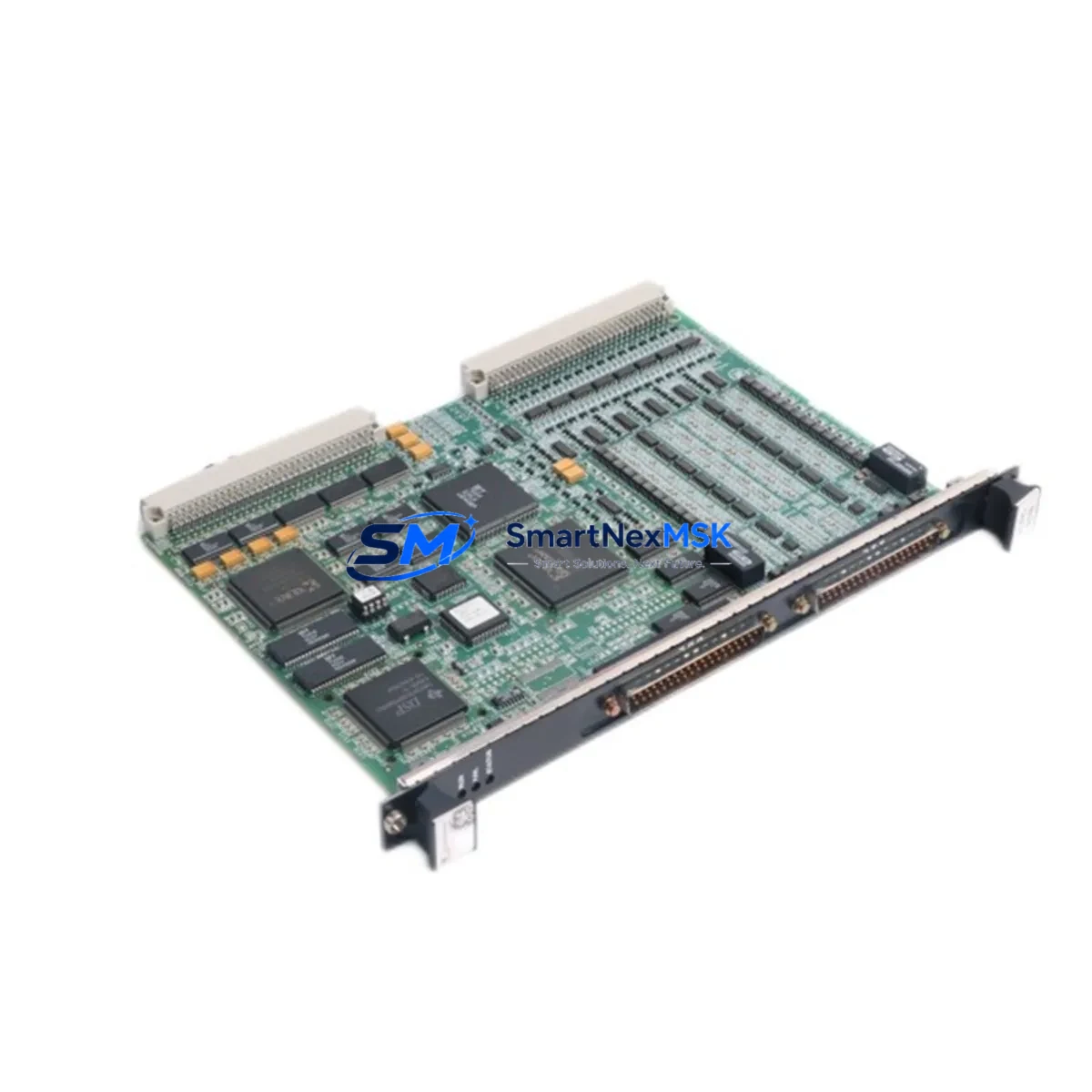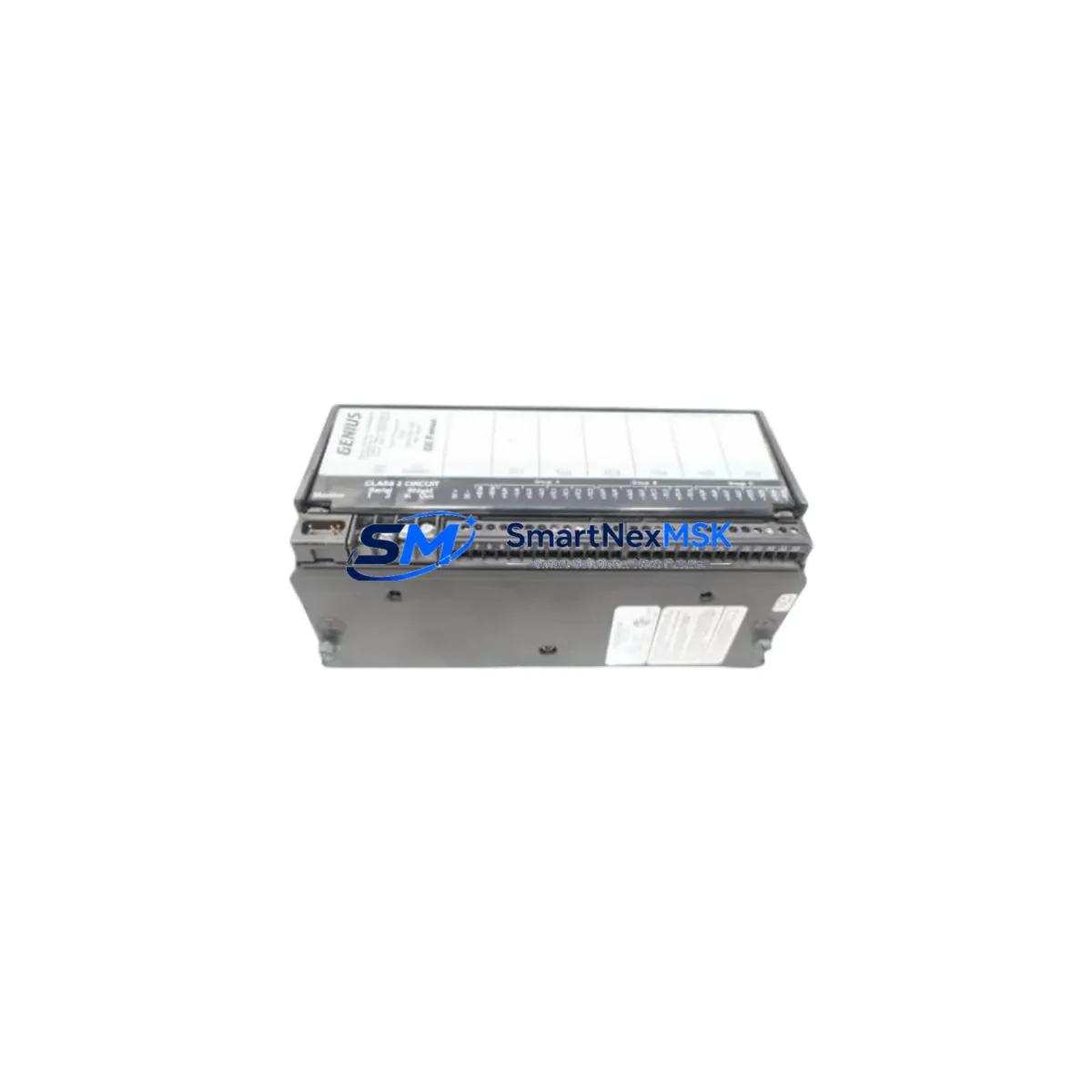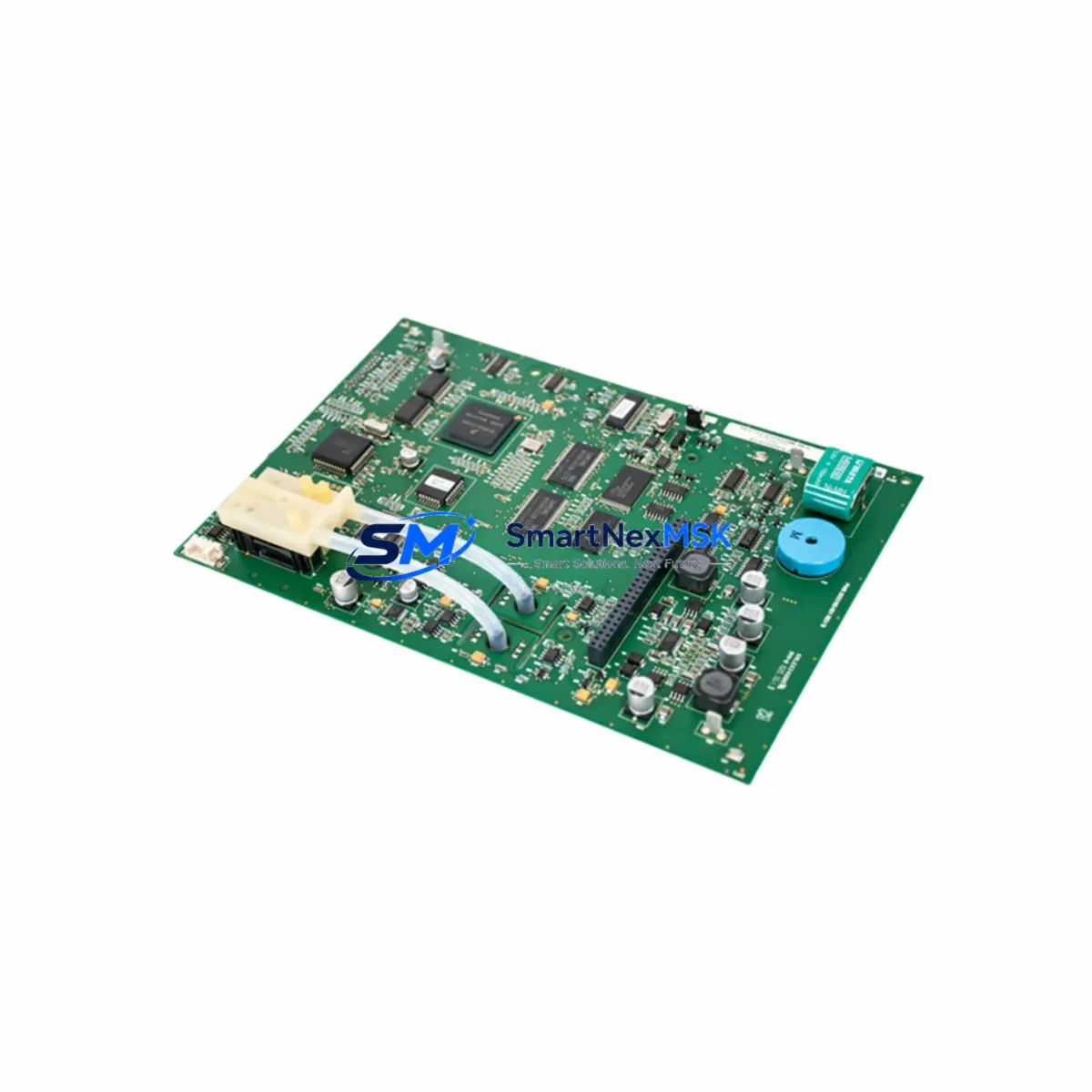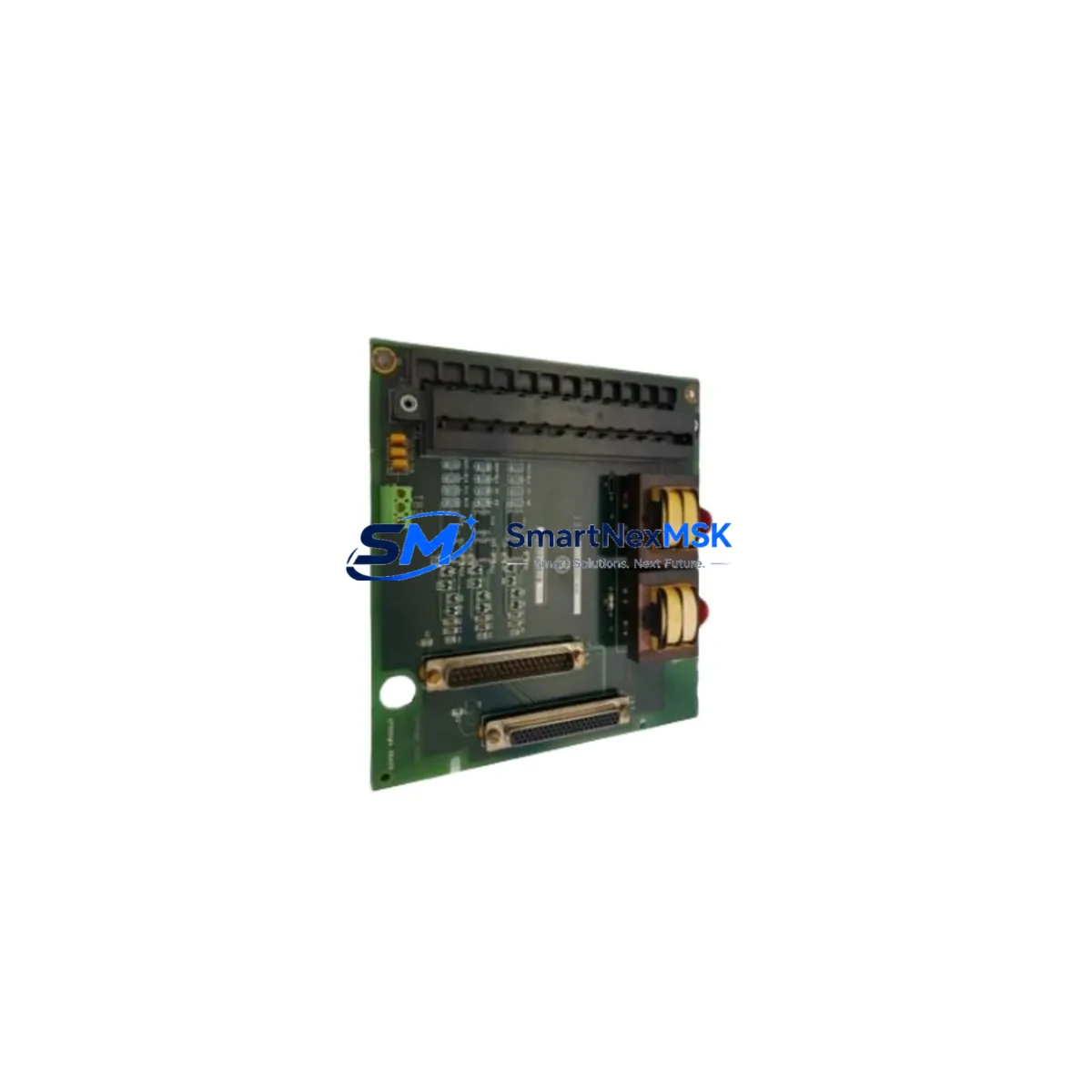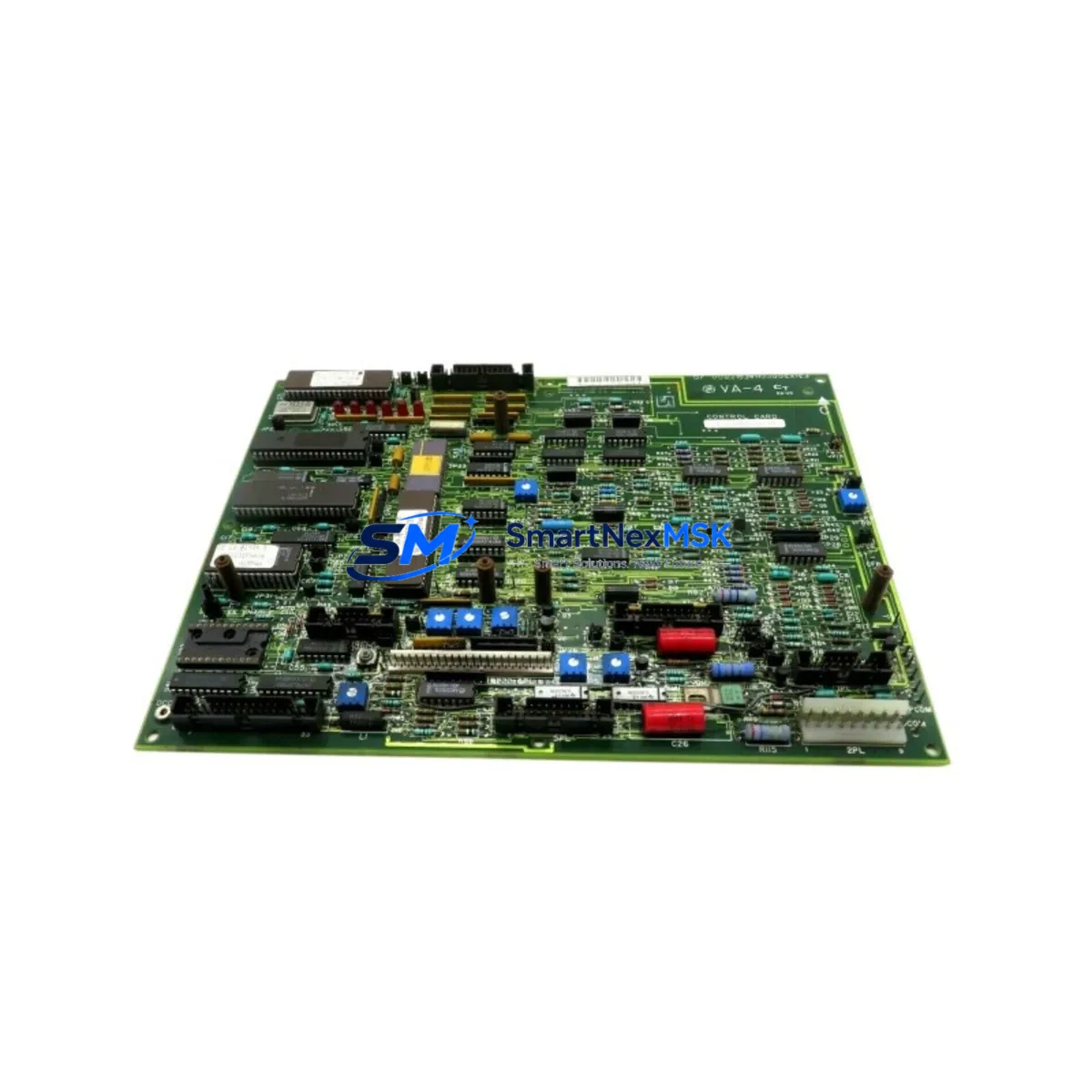
GE 531X133PRUALG1 Retrofit-Ready Process Interface Board for Mark VI Control Systems
The GE 531X133PRUALG1 is a retrofit-ready Process Interface Board (PIB) engineered for seamless integration into GE Mark VI turbine control systems. As legacy Mark V and early Mark VI installations reach end-of-support milestones, plant engineers and automation integrators increasingly rely on verified replacement modules like the 531X133PRUALG1 to restore system integrity without requiring a full control platform overhaul. This board serves as a direct functional replacement in applications where the original module has failed, become obsolete, or is no longer available through OEM channels.
The 531X133PRUALG1 interfaces directly with the Mark VI I/O terminal boards, including the TRPG and TTUR terminal boards, and is designed to operate within the standard Mark VI VME-based backplane architecture. Engineers undertaking a retrofit must verify the backplane slot assignment and confirm that the module address configuration matches the existing system layout before installation. Incorrect slot addressing can cause the UCSC or UCCA controller cards to fail recognition of the module during the boot sequence, resulting in a fault condition that delays restart.
When replacing a failed 531X133PRUALG1 in an operating plant, the first step is to document the existing terminal wiring on the associated I/O terminal board. The field wiring connections — including analog input signal pairs, shield grounds, and power feed terminals — must be transferred exactly to the replacement board’s terminal strip. Any deviation in wiring polarity or terminal assignment will produce erroneous process variable readings and may trigger protective trips on the turbine control logic.
Upgrade Compatibility Table
| Parameter | Details |
|---|---|
| Compatible Platform | GE Mark VI Turbine Control System |
| Replaces / Upgrades From | GE Mark V PIB modules; earlier 531X133 series revisions |
| Backplane Interface | VME-based Mark VI backplane; standard slot pitch |
| Terminal Board Compatibility | TRPG, TTUR, and compatible Mark VI I/O terminal boards |
| Communication Compatibility | Mark VI internal I/O bus; compatible with IONET and ARCNET configurations |
| Installation Requirement | Verify slot address, backplane power rail, and firmware revision on UCSC/UCCA |
| Wiring Adaptation | Direct terminal-for-terminal replacement; no adapter required for standard Mark VI wiring |
| Commissioning Focus | Module address confirmation, analog signal calibration, I/O scan verification in ToolboxST |
| Warranty | 12-Month Warranty — covers manufacturing defects and functional failure under normal operating conditions |
Retrofit Planning for Existing Automation Systems
A successful retrofit using the 531X133PRUALG1 requires a structured pre-installation audit of the existing Mark VI control cabinet. Begin by reviewing the system’s I/O configuration in GE ToolboxST to identify the module’s assigned I/O group, slot number, and signal tag list. This ensures that the replacement board is recognized by the controller without requiring a full I/O reconfiguration, which would otherwise necessitate a program download and a controlled shutdown of the turbine unit.
In many retrofit scenarios, the 531X133PRUALG1 is installed alongside other Mark VI components that may also require attention. The IS200TRPGH1B terminal board, which provides the field wiring interface for the PIB, should be inspected for terminal corrosion, loose screw connections, and damaged cable shields. Similarly, the IS200TTURH1BCC terminal board used in speed and temperature signal conditioning circuits should be verified for continuity before the new PIB is powered up.
Power supply integrity is a critical factor in any Mark VI retrofit. The IS200EPCTG1A power conditioner and the associated PPDA or PPDB power distribution boards must be confirmed to deliver stable 28 VDC and 5 VDC rails to the backplane. Voltage sag or ripple on these rails can cause the 531X133PRUALG1 to report intermittent faults even when the module itself is fully functional. A power rail measurement at the backplane connector prior to module insertion is strongly recommended.
For plants operating Mark VI systems with IONET or ARCNET communication backbones, the network topology should be reviewed to confirm that the replacement PIB does not disrupt the existing node addressing scheme. The UCSC controller card manages the I/O network scan list, and any change in module type or slot assignment must be reflected in the ToolboxST configuration before the updated program is downloaded to the controller. Failure to synchronize the configuration will result in a mismatch alarm and potential I/O inhibit on the affected channels.
In control cabinets where the Mark VI system shares a rack with legacy Mark V LCC or Mark V SLCC components during a phased migration, special attention must be paid to the inter-system communication links. The IS200DSPXH1D digital signal processor board and the IS200VSVOH1B servo driver board are commonly encountered in mixed-generation cabinets and must be confirmed compatible with the updated I/O configuration before the retrofit is finalized.
HMI integration is another key consideration. Plants using GE Cimplicity or third-party SCADA systems connected via OPC to the Mark VI controller must verify that the process variable tags associated with the 531X133PRUALG1 channels are correctly mapped in the HMI database. Tag renaming or channel reordering during the retrofit can cause display anomalies or alarm suppression in the control room, which must be resolved before returning the unit to service.
Downtime Control During System Migration
Minimizing unplanned downtime is the primary operational objective when replacing a 531X133PRUALG1 in a live plant environment. The recommended approach is a hot-swap procedure performed during a scheduled maintenance window, with the turbine unit in a controlled shutdown state and the Mark VI system in a maintenance mode that inhibits protective trips during the module exchange.
Before removing the failed module, export the current I/O configuration from ToolboxST and save a timestamped backup of the controller program. This backup preserves the existing logic, setpoints, and calibration data and serves as the recovery baseline if the replacement module requires a fresh configuration download. The backup should be stored on an isolated engineering workstation and verified for completeness before the physical swap begins.
During the physical replacement, the terminal board wiring should remain undisturbed. The 531X133PRUALG1 connects to the terminal board via a standard Mark VI ribbon cable or direct backplane interface, depending on the cabinet configuration. After seating the new module, the system should be powered up in stages — first confirming backplane power rail stability, then verifying module recognition in ToolboxST, and finally performing a channel-by-channel analog signal verification against the process transmitter outputs.
Once the module is recognized and the I/O scan is confirmed healthy, the turbine control program can be reloaded from the backup and the unit brought back to service. Total downtime for a well-prepared 531X133PRUALG1 replacement in a Mark VI system typically ranges from two to four hours, depending on the complexity of the I/O configuration and the availability of calibrated test equipment on site. Our pre-shipment functional test and 12-month warranty ensure that the replacement module performs to specification from the moment it is installed.
Retrofit Support FAQ
Q: Is the 531X133PRUALG1 a direct drop-in replacement for earlier Mark VI PIB revisions?
A: In most cases, yes. The 531X133PRUALG1 is designed to be functionally compatible with earlier revisions of the 531X133 series Process Interface Board used in Mark VI systems. However, engineers should confirm the firmware revision on the UCSC or UCCA controller card to ensure compatibility with the specific hardware revision of the replacement module. Minor firmware updates in ToolboxST may be required in some installations.
Q: What pre-shipment testing is performed on the 531X133PRUALG1?
A: Each 531X133PRUALG1 unit undergoes a functional power-on test and I/O channel verification before shipment. The module is confirmed to initialize correctly, respond to simulated input signals within specification, and communicate on the Mark VI backplane bus without errors. A test report is available upon request for critical plant applications.
Q: What does the 12-month warranty cover?
A: The 12-month warranty covers manufacturing defects, component failures, and functional non-conformance under normal operating conditions consistent with GE Mark VI system specifications. It does not cover damage resulting from incorrect installation, overvoltage events, or physical mishandling. Warranty claims are processed with priority turnaround to minimize plant downtime.
Q: Can this module be used in a phased migration from Mark V to Mark VI?
A: The 531X133PRUALG1 is a Mark VI native module and is not directly compatible with Mark V backplane architecture. In phased migration projects where Mark V and Mark VI components coexist in the same control cabinet, the PIB must be installed in the Mark VI rack section. Communication between the Mark V and Mark VI subsystems during the transition period is typically managed through dedicated inter-system communication links, which should be configured and tested by a qualified GE controls engineer before the migration is declared complete.
© 2026 SMARTNEXMSK. All rights reserved.
Original Source: https://smartnexmsk.com
Contact: [email protected] | +86 18259474341