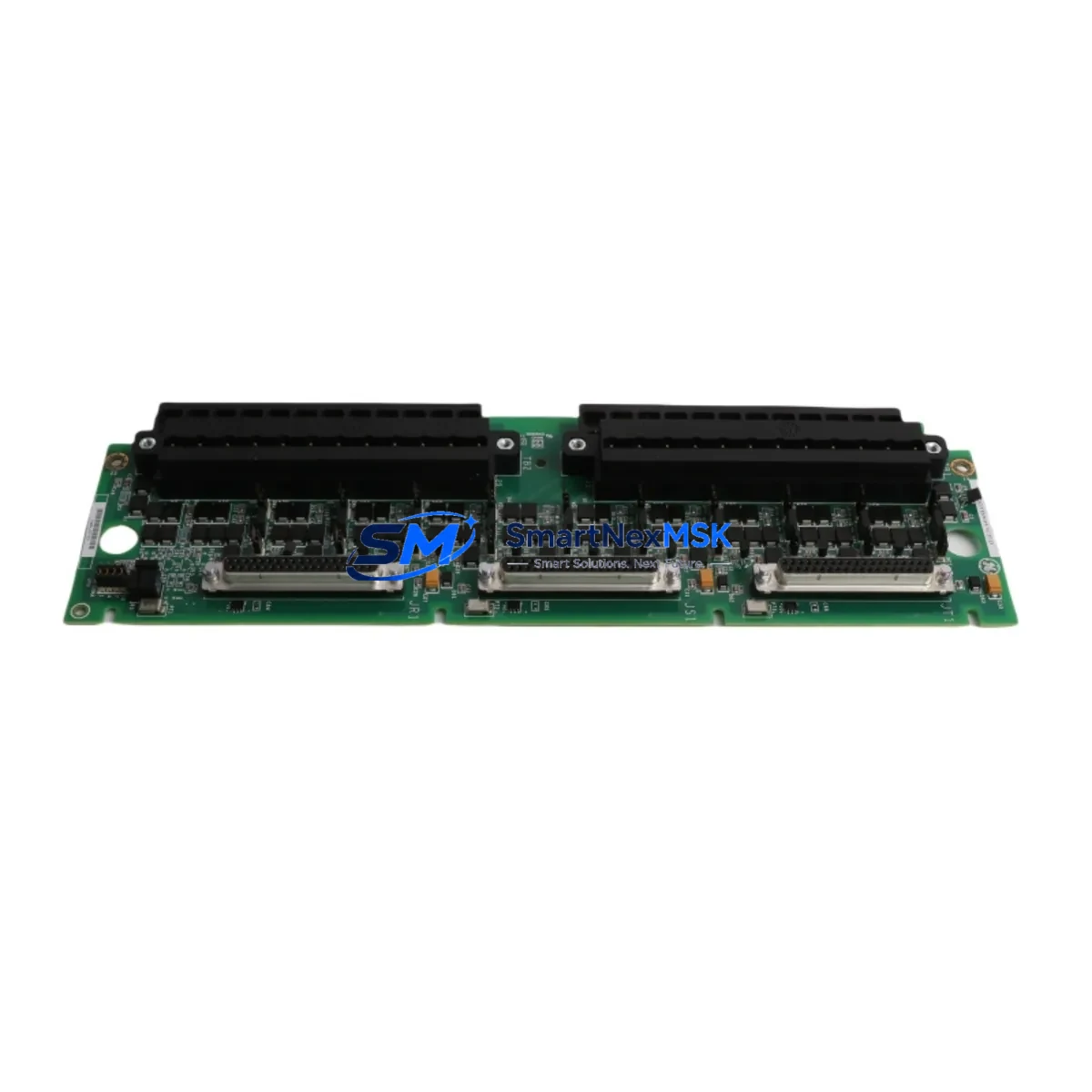
GE IS200TBAIS1C Retrofit-Ready Analog I/O Terminal Board for Mark VI Control Systems
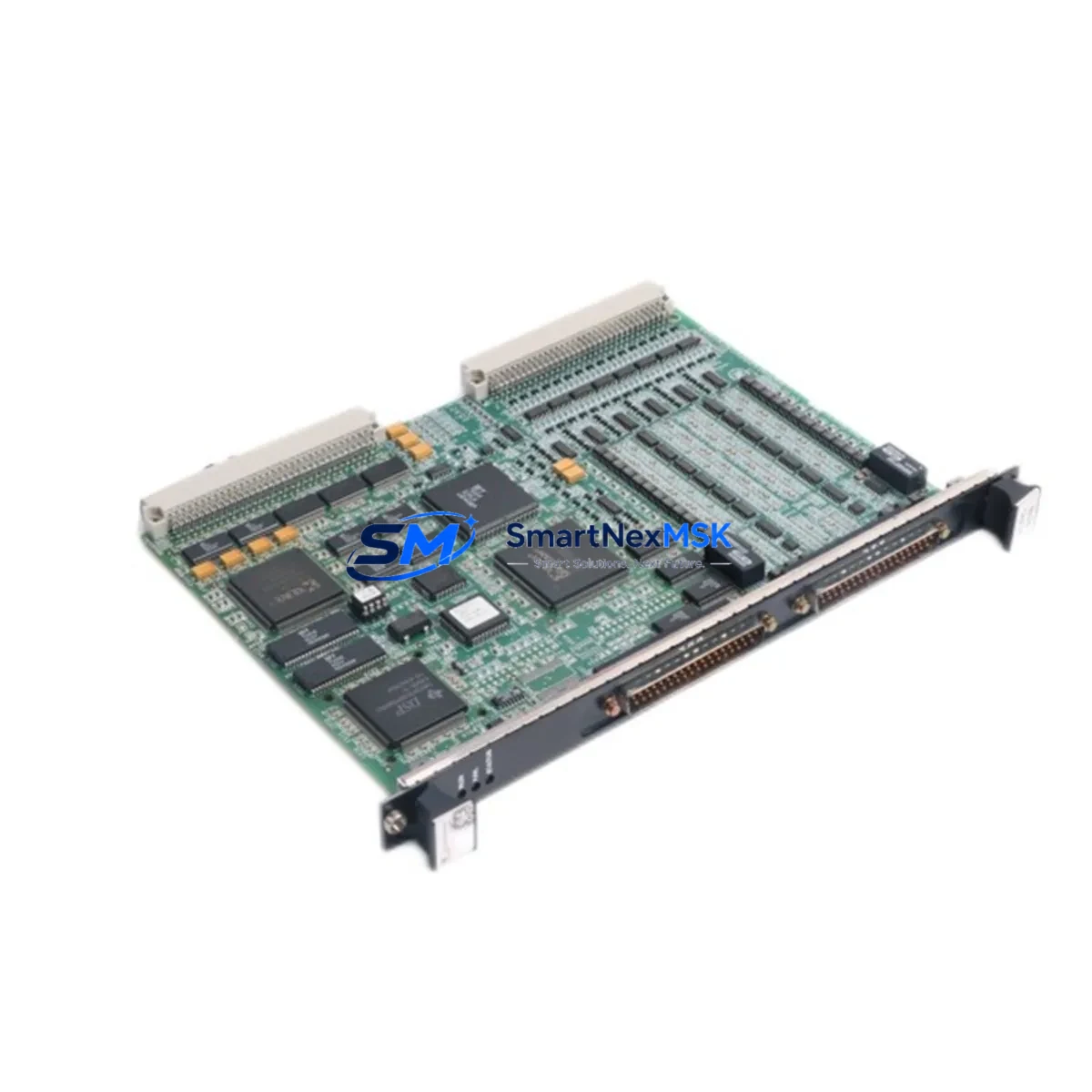
The GE IS200TBAIS1C is a high-reliability Analog I/O Terminal Board engineered for the GE Speedtronic Mark VI turbine control platform. As legacy Mark VI systems approach end-of-support milestones, plant engineers and automation integrators increasingly rely on verified replacement boards like the IS200TBAIS1C to sustain operational continuity without committing to a full control system overhaul. This board serves as a direct retrofit solution for aging or failed analog input/output terminal assemblies, enabling facilities to extend the productive life of their existing Mark VI control cabinets by years — often at a fraction of the cost of a platform migration.
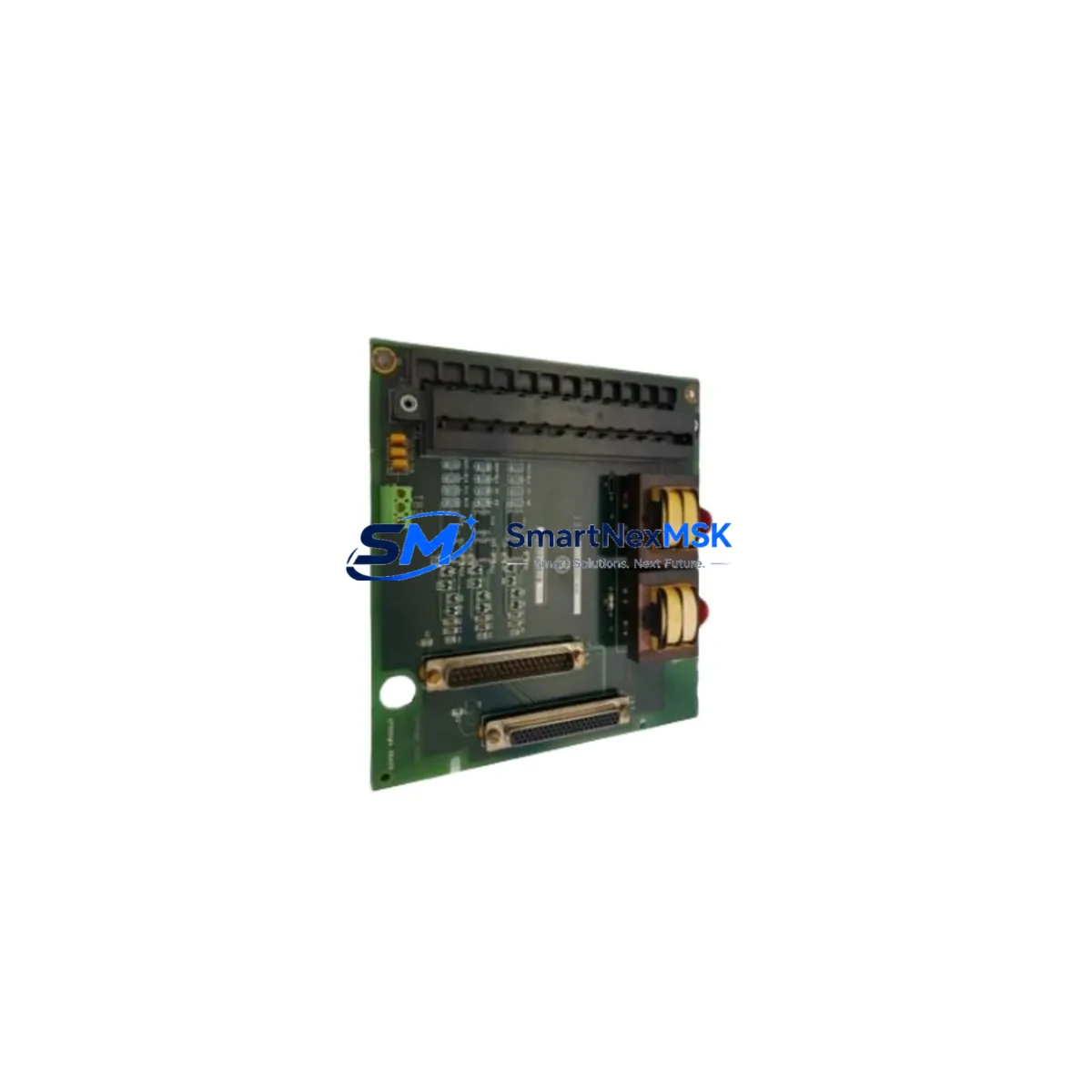
The IS200TBAIS1C interfaces directly with the Mark VI I/O processor modules, providing conditioned analog signal termination for process variables including temperature, pressure, flow, and speed feedback loops. Its terminal block layout is compatible with existing field wiring, minimizing rewiring labor during replacement. Engineers performing a like-for-like swap should verify the board revision level against the installed IS200TBAIS1C variant to confirm firmware and hardware compatibility with the resident IS200VTURH1B or IS200VTURH1C turbine control cards already installed in the rack.
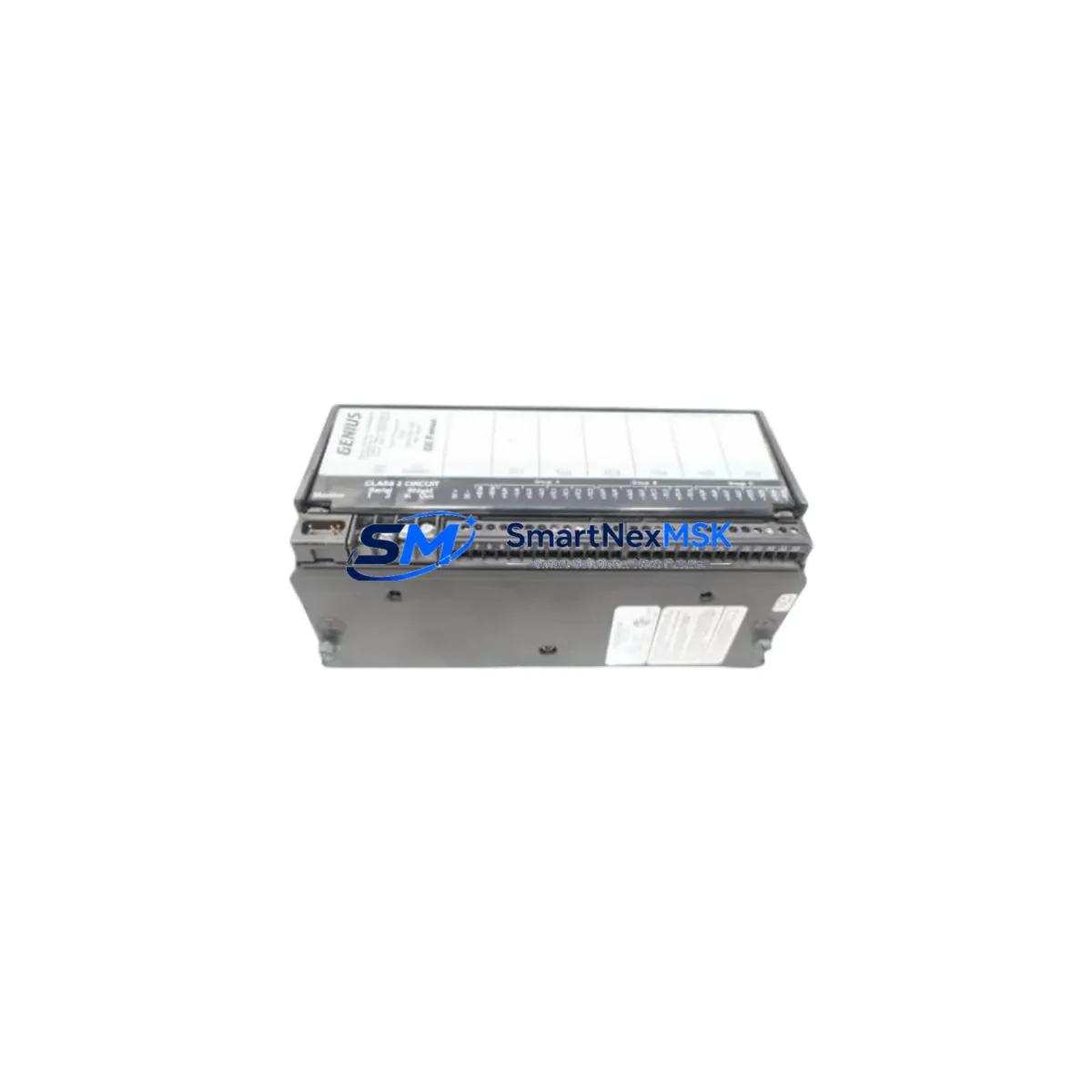
When planning a retrofit around this terminal board, the broader system context matters. The IS200TBAIS1C typically operates within a Mark VI I/O rack alongside companion modules such as the IS200TBAIH1C analog input terminal board, the IS200TBCIH1C contact input terminal board, and the IS200TBCOH1C contact output terminal board. Power distribution within the cabinet is managed through the IS200JPDS1A power distribution board, and the rack backplane — typically the IS200BPROS1A — must be inspected for connector wear before seating the replacement board. A damaged backplane connector is a common root cause of intermittent analog signal faults that are misdiagnosed as terminal board failures.
Upgrade Compatibility Table
| Parameter | Details |
|---|---|
| Compatible Platform | GE Speedtronic Mark VI / Mark VIe |
| Board Function | Analog I/O Signal Termination |
| Replaces / Upgrades | IS200TBAIS1C (all revisions) |
| Backplane Interface | IS200BPROS1A / IS200BPROS1B |
| Companion I/O Modules | IS200TBAIH1C, IS200TBCIH1C, IS200TBCOH1C |
| Power Requirement | +5 VDC via backplane; verify IS200JPDS1A output |
| Terminal Wiring | Compatible with existing Mark VI field wiring harness |
| Communication Protocol | Internal Mark VI I/O bus (IONet) |
| Installation Type | Direct rack-mount, no bracket modification required |
| Commissioning Tool | GE Toolbox (Mark VI configuration software) |
| Retrofit Recommendation | Verify board revision; re-calibrate analog channels post-swap |
| Warranty | 12 Months — covers manufacturing defects and functional failure |
Retrofit Planning for Existing Automation Systems
A successful IS200TBAIS1C replacement begins well before the board arrives on-site. The first step is a full audit of the Mark VI cabinet’s power budget. The IS200JPDS1A power distribution board must be confirmed to deliver stable +5 VDC and ±15 VDC rails; degraded capacitors in aging power supplies are a frequent cause of analog signal drift that can be incorrectly attributed to the terminal board itself. If the power supply shows any signs of ripple or voltage sag under load, replacing it concurrently with the IS200TBAIS1C eliminates a second unplanned outage.
Next, the backplane — typically the IS200BPROS1A — should be visually inspected and cleaned. Oxidized or bent connector pins on the backplane will prevent the new IS200TBAIS1C from making reliable contact, leading to nuisance faults during commissioning. If the backplane shows significant wear, sourcing a replacement backplane in parallel with the terminal board is strongly recommended.
Field wiring termination should be documented before removal. Photograph or log every terminal connection on the existing IS200TBAIS1C, noting wire labels, signal types (4–20 mA, 0–10 V, thermocouple, RTD), and shield grounding points. The IS200TBAIS1C’s terminal layout is consistent across revisions, but confirming signal assignments against the plant’s loop drawings prevents wiring errors during reinstallation.
For facilities also upgrading their HMI layer — for example, migrating from a legacy GE Cimplicity workstation to a modern SCADA platform — the analog channel tag names and scaling parameters configured in the Mark VI Toolbox must be exported and preserved before any hardware swap. The IS200VTURH1B or IS200VTURH1C turbine control cards retain their configuration in non-volatile memory, but a full Toolbox backup to a portable drive is mandatory before disconnecting any I/O board. This backup also captures the IONet node addressing, which governs how the IS200TBAIS1C communicates with the controller over the internal I/O bus.
Sites running dual or triple redundant Mark VI configurations must coordinate the replacement sequence carefully. In a TMR (Triple Modular Redundant) system, the IS200TBAIS1C in one voting leg can typically be replaced while the other two legs maintain control — but this requires confirmation with the site’s DCS engineer and the plant’s safety instrumented system (SIS) documentation. Never remove a terminal board from a redundant leg without first verifying that the remaining legs are healthy and that the system is not already in a degraded voting state.
Downtime Control During System Migration
Minimizing unplanned downtime during an IS200TBAIS1C swap requires a structured pre-outage checklist. Before the maintenance window opens, confirm that the replacement board has been bench-tested and that all analog channels respond correctly to a known signal source. A portable signal generator capable of sourcing 4–20 mA and 0–10 V signals is sufficient for pre-installation verification.
During the outage window, follow a strict sequence: isolate the affected I/O rack from field power, remove the faulty IS200TBAIS1C, seat the replacement, reconnect field wiring per the documented terminal assignments, restore rack power, and then use GE Toolbox to force-read each analog channel before returning the loop to automatic control. This sequence typically takes 45–90 minutes for a single-board swap by an experienced technician.
To protect original program logic, never modify the Mark VI Toolbox configuration during a hardware swap unless a channel re-calibration is explicitly required. The controller’s logic — including PID tuning parameters, alarm setpoints, and interlock logic — resides in the IS200VTURH1B/C controller card and is unaffected by terminal board replacement. However, if the replacement IS200TBAIS1C has a different hardware revision that alters the analog input filter characteristics, a re-calibration of affected loops may be necessary to maintain process accuracy.
For sites where continuous control is non-negotiable, a hot-standby spare IS200TBAIS1C held in the plant’s critical spares inventory eliminates the lead-time risk entirely. SMARTNEXMSK maintains in-stock inventory of the IS200TBAIS1C and can ship same-day to support emergency maintenance scenarios, with full functional test documentation included in the shipment.
Retrofit Support FAQ
Q: Is the IS200TBAIS1C a direct drop-in replacement for all Mark VI analog terminal board variants?
A: The IS200TBAIS1C is compatible with standard Mark VI I/O racks using the IS200BPROS1A backplane. Verify the board revision (A, B, C suffix) against your existing installation. Minor revision differences are generally backward-compatible, but always cross-reference the GE Mark VI hardware manual or contact our technical team for confirmation before installation.
Q: What wiring changes are required when replacing a failed IS200TBAIS1C?
A: In most cases, no wiring changes are required. The terminal block layout is consistent across IS200TBAIS1C revisions. Document all existing terminations before removal, reinstall to the same positions, and verify signal integrity on each channel using GE Toolbox after power-up. If field wiring has been modified since the original installation, reconcile against current loop drawings before reconnecting.
Q: How is the replacement board tested before shipment?
A: Every IS200TBAIS1C shipped by SMARTNEXMSK undergoes a functional test that verifies analog channel continuity, terminal block integrity, backplane connector condition, and board-level power rail stability. A test report is included with each shipment. The board is covered by a 12-month warranty against manufacturing defects and functional failure from the date of delivery.
Q: Can the IS200TBAIS1C be used in a Mark VIe system as well as Mark VI?
A: The IS200TBAIS1C is primarily designed for the Mark VI platform. Mark VIe systems use a different I/O architecture with updated terminal board form factors. If you are migrating from Mark VI to Mark VIe, the terminal boards are not directly interchangeable, and a full I/O re-termination to Mark VIe-compatible boards will be required. Contact our engineering support team to discuss the correct Mark VIe analog terminal board for your upgrade path.
© 2026 SMARTNEXMSK. All rights reserved.
Original Source: https://smartnexmsk.com
Contact: [email protected] | +86 18259474341