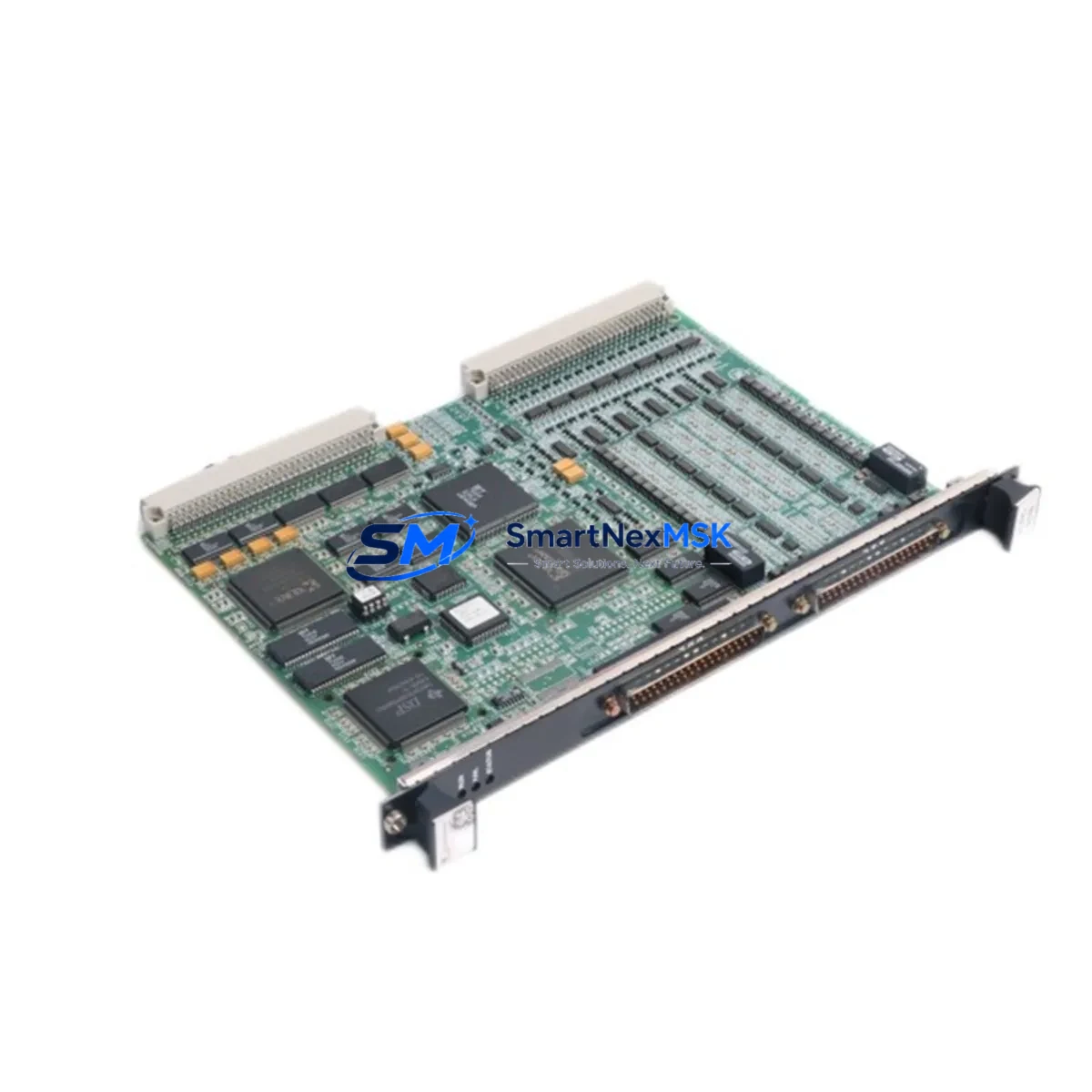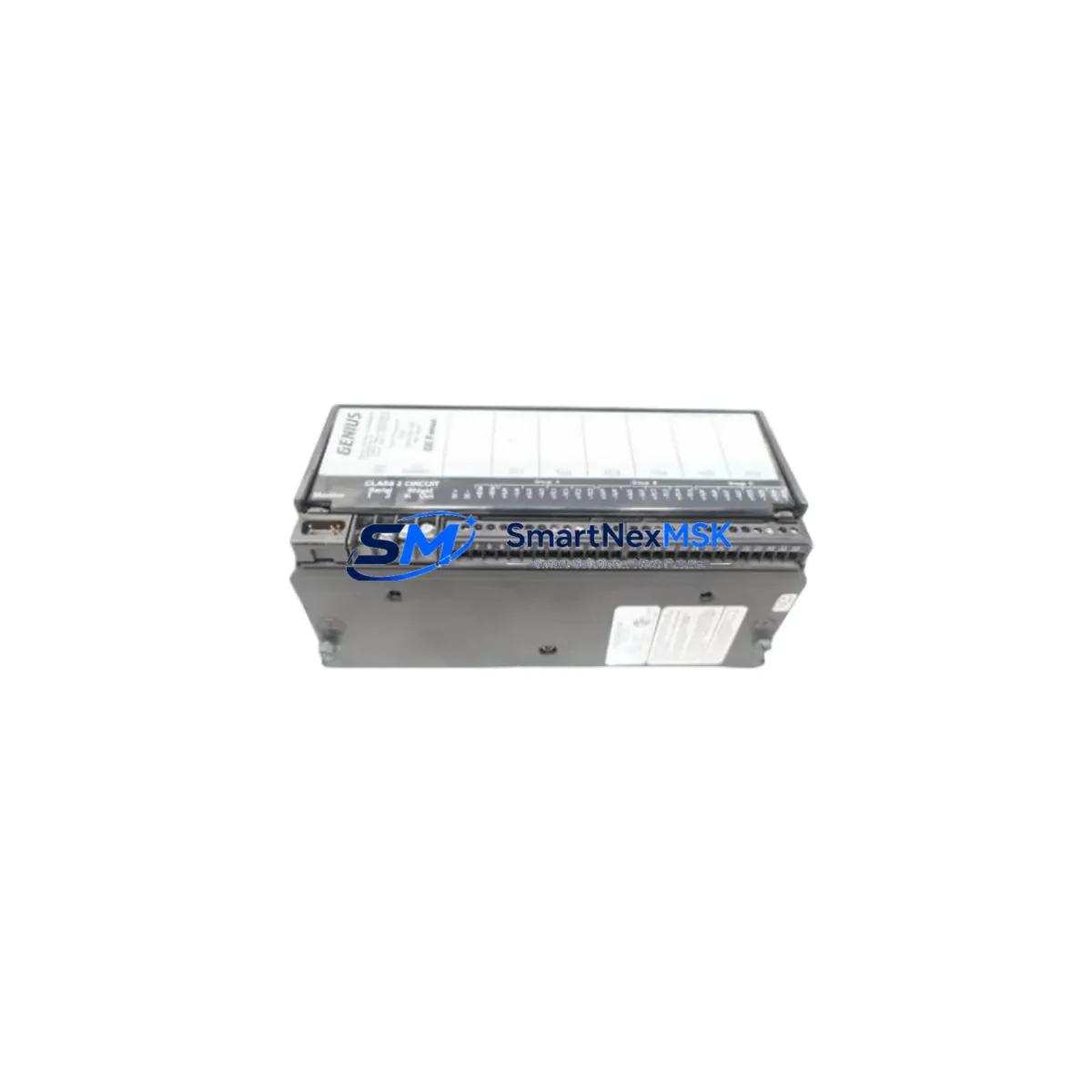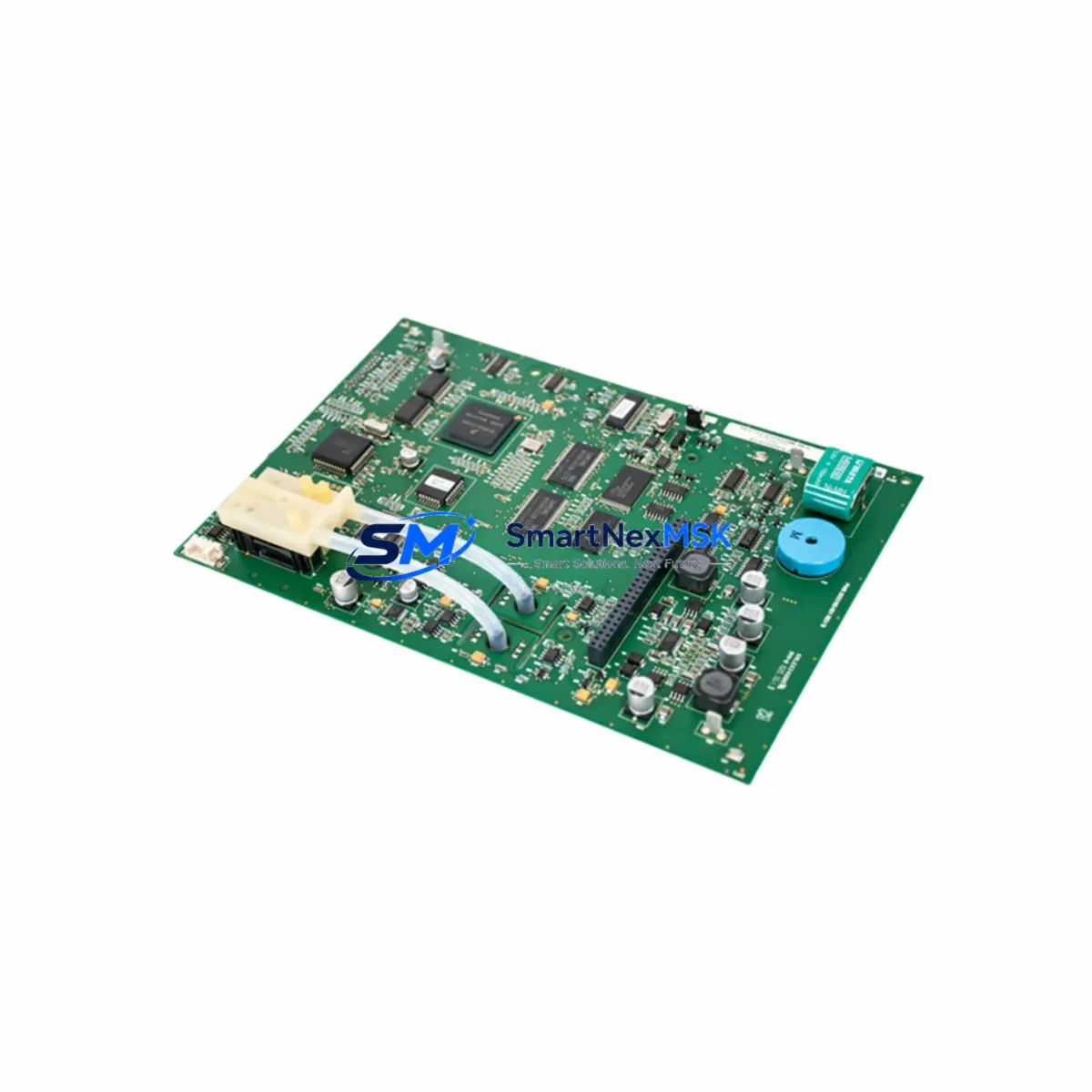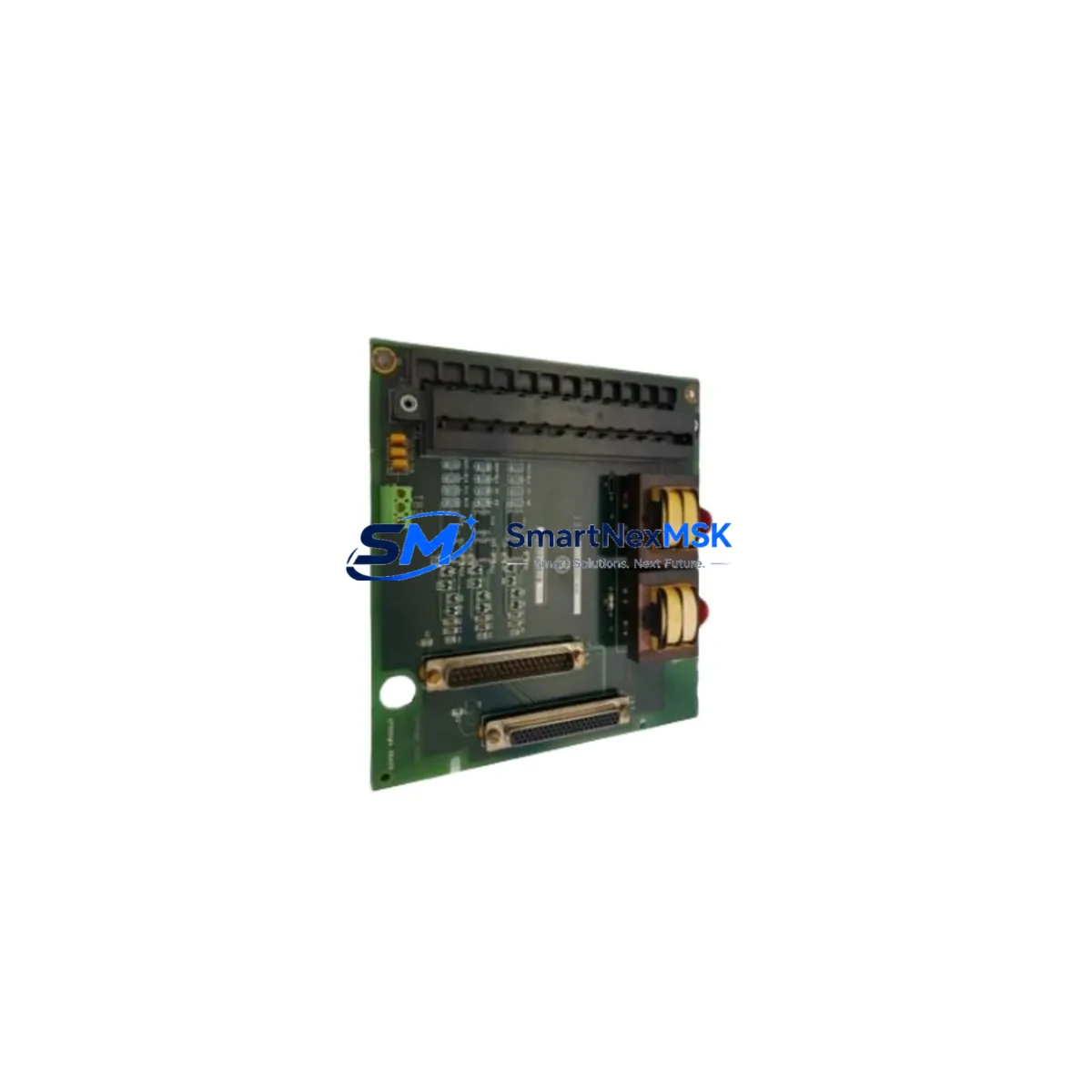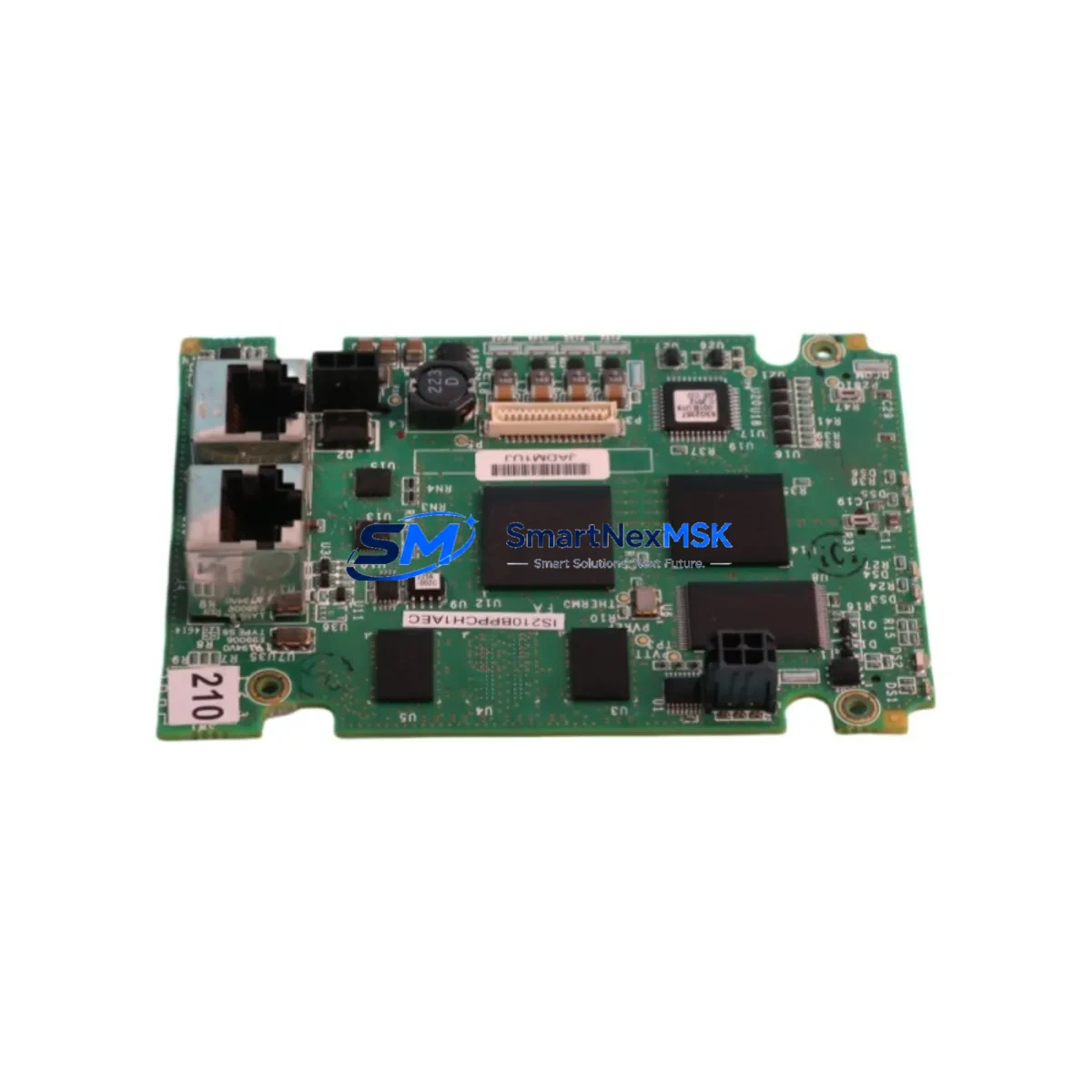
GE IS210BPPBH2BLD Retrofit-Ready BOP Processor for Mark VI Control Systems
The GE IS210BPPBH2BLD is a BOP (Balance of Plant) Processor Card engineered for the GE Mark VI turbine control platform. As legacy Mark VI installations approach end-of-support cycles, the IS210BPPBH2BLD has become a critical retrofit component for power generation facilities, petrochemical plants, and industrial automation environments seeking to extend operational life without committing to a full control system overhaul. This module provides a direct, verified replacement path for discontinued or degraded BOP processor cards, enabling engineers to restore system integrity while preserving existing I/O wiring, rack architecture, and application logic.
Whether you are managing an unplanned failure or executing a scheduled upgrade, the IS210BPPBH2BLD supports a smooth transition with minimal disruption to plant operations. Its compatibility with the Mark VI backplane and VME-based rack structure means that installation teams can swap the module without redesigning the control cabinet or re-engineering the terminal block layout. The card interfaces directly with the Mark VI VCMI communication board and maintains compatibility with the existing IONET or Ethernet-based control network, preserving the communication links between the turbine controller, the HMI operator station, and the plant DCS.
Upgrade Compatibility Table
| Parameter | Details |
|---|---|
| Compatible Platform | GE Mark VI Turbine Control System |
| Module Function | Balance of Plant (BOP) Processor |
| Rack / Backplane | Mark VI VME-based rack; direct backplane insertion |
| Communication Interface | IONET / Ethernet (compatible with VCMI board) |
| Terminal Wiring | Compatible with existing Mark VI terminal board layouts; no rewiring required in standard retrofit |
| Replacement Candidates | IS210BPPBH1BLD, IS210BPPBH2ALD, and other BOP processor variants |
| Commissioning Requirement | Toolbox software configuration; I/O address verification; HMI screen validation |
| Installation Environment | Control cabinet; DIN rail or rack-mount per Mark VI enclosure standard |
| Warranty | 12 months from date of shipment |
| Pre-shipment Testing | Functional burn-in and communication link verification performed before dispatch |
Retrofit Planning for Existing Automation Systems
A successful IS210BPPBH2BLD retrofit begins well before the module arrives on site. Engineers should start by auditing the existing Mark VI rack configuration, confirming the slot assignment of the BOP processor and verifying that the adjacent IS200VCMIH2B communication module and IS200TBAIH2C terminal board are in serviceable condition. If the terminal board shows signs of corrosion or mechanical wear, replacing it alongside the processor card eliminates a common source of post-retrofit signal faults.
Power supply capacity is a critical pre-check. The Mark VI rack typically draws from a redundant IS200EPSMH1A power supply module, and engineers must confirm that available headroom is sufficient to support the IS210BPPBH2BLD without triggering undervoltage alarms. Where power margins are tight, a parallel audit of the IS200EPSMH1A output rails is recommended before committing to the swap.
For sites running redundant BOP processor configurations, the IS210BPPBH2BLD supports hot-standby operation when paired with a matching redundant card in the adjacent rack slot. This architecture allows the replacement to be staged during live operation, with the standby card taking control while the primary is swapped — a technique that has proven effective in reducing planned outage windows from hours to under thirty minutes in documented field retrofits.
I/O mapping must be validated against the existing Toolbox configuration file before the new card is powered. Address conflicts between the IS210BPPBH2BLD and any IS200IOCIH2B I/O controller modules in the rack can cause silent failures that are difficult to diagnose after commissioning. Exporting the current I/O map and cross-referencing it against the replacement module’s default address table is a mandatory step in any structured retrofit plan.
HMI screen validation is equally important. Operator stations running GE Cimplicity or iFIX connected to the Mark VI via OPC-DA or OPC-UA must be tested after the module swap to confirm that all BOP-related faceplates, trend displays, and alarm groups are reading correctly from the new processor. A pre-defined HMI validation checklist, covering at minimum the BOP status summary screen, individual I/O point readbacks, and interlock logic displays, should be signed off before the system is returned to automatic control.
Communication link integrity between the IS210BPPBH2BLD and the plant DCS — whether connected via Modbus RTU, Profibus DP, or a hardwired I/O gateway — should be verified using loop-back tests and live signal injection before the retrofit is declared complete. Sites using IS200VCMIH2B for network bridging should confirm firmware compatibility between the communication board and the replacement processor card prior to installation.
Downtime Control During System Migration
Minimizing unplanned downtime during a Mark VI BOP processor replacement requires a structured pre-outage preparation protocol. The most effective approach is to prepare a shadow configuration: export the active Toolbox project, create a verified backup on an isolated engineering workstation, and stage the IS210BPPBH2BLD in a bench test environment where its I/O addresses, communication parameters, and diagnostic outputs can be confirmed against the live system’s expected values before the outage window opens.
During the physical swap, the original application logic stored in the Mark VI controller is not resident on the BOP processor card itself — it is held in the VCMI and controller memory — which means that a card replacement does not inherently require a full program reload. However, any site-specific calibration data, module-level parameters, or custom diagnostic thresholds that were written directly to the IS210BPPBH2BLD must be re-entered after installation. Maintaining a documented parameter record for each installed BOP processor card is therefore a best practice that directly reduces commissioning time during emergency replacements.
For sites where continuous control is non-negotiable, a pre-staged spare IS210BPPBH2BLD held in climate-controlled storage — tested, configured, and ready for immediate installation — is the most reliable downtime mitigation strategy. Combined with a documented swap procedure that assigns specific tasks to each team member, this approach has consistently delivered sub-one-hour restoration times in field-reported Mark VI retrofit projects.
Retrofit Support FAQ
Q: Is the IS210BPPBH2BLD a direct drop-in replacement for the IS210BPPBH1BLD?
A: In most Mark VI rack configurations, yes. The IS210BPPBH2BLD is the H2 hardware revision of the BOP processor family and is backward-compatible with H1-generation racks. However, engineers should verify the Toolbox software version and confirm that the rack’s backplane revision supports the H2 module before installation. Minor firmware updates to the VCMI board may be required in older rack assemblies.
Q: What wiring changes are required during the retrofit?
A: In a standard like-for-like replacement, no wiring changes to the terminal boards are required. The IS210BPPBH2BLD uses the same backplane connector and I/O terminal mapping as its predecessors. If the retrofit involves upgrading from an earlier BOP processor generation with a different terminal board, a wiring adapter or terminal board replacement may be necessary — this should be confirmed against the site’s as-built drawings before the outage.
Q: How is the IS210BPPBH2BLD tested before shipment?
A: Each unit undergoes a functional burn-in test and communication link verification prior to dispatch. Test records are available upon request. All units are covered by a 12-month warranty from the date of shipment, covering manufacturing defects and functional failures under normal operating conditions.
Q: Can the IS210BPPBH2BLD be used in a redundant BOP processor configuration?
A: Yes. The IS210BPPBH2BLD supports redundant operation when installed in a Mark VI rack configured for dual BOP processor slots. Both cards must be of compatible hardware and firmware revisions. Redundancy switchover behavior should be validated during commissioning using the Mark VI Toolbox diagnostic tools before the system is returned to service.
© 2026 SMARTNEXMSK. All rights reserved.
Original Source: https://smartnexmsk.com
Contact: [email protected] | +86 18259474341