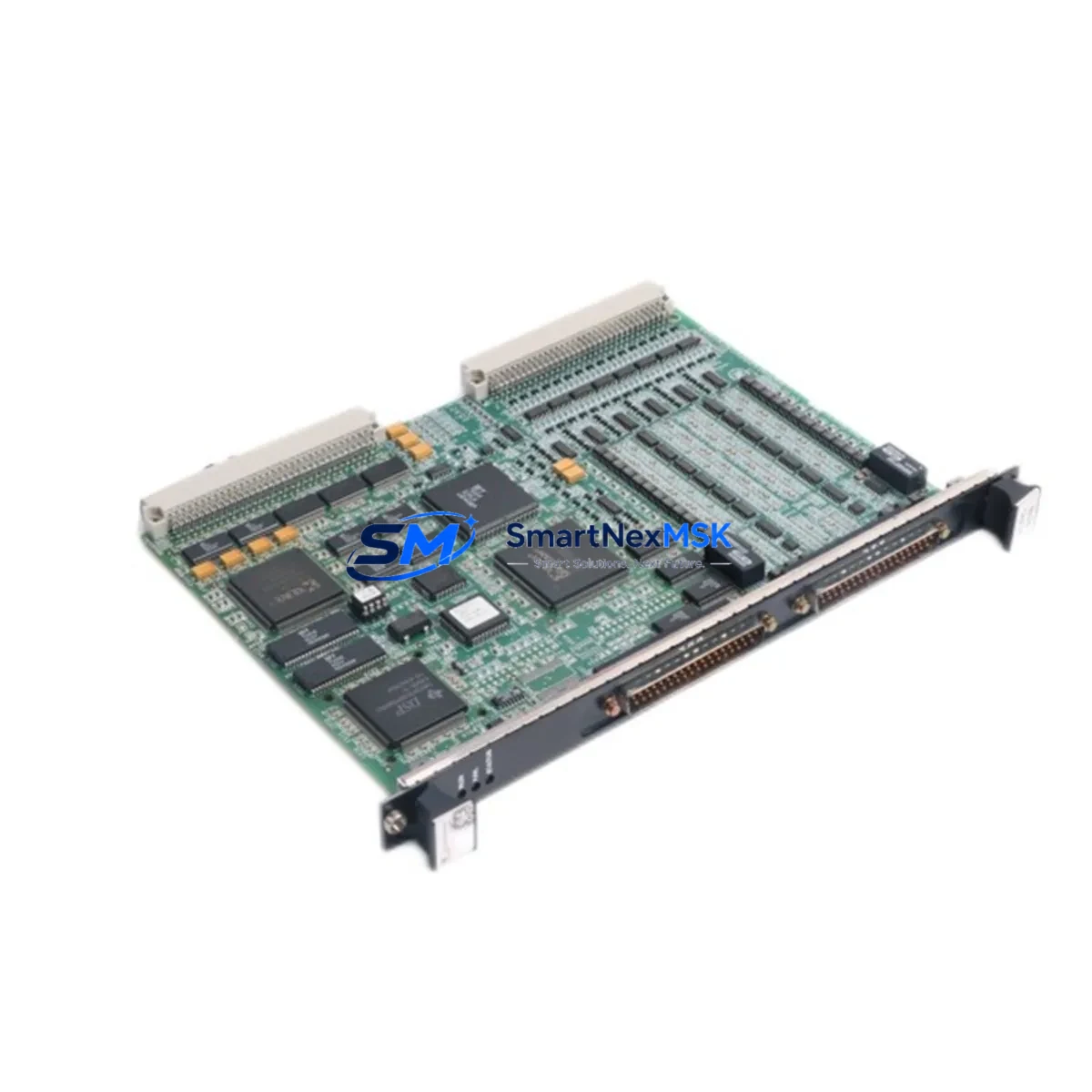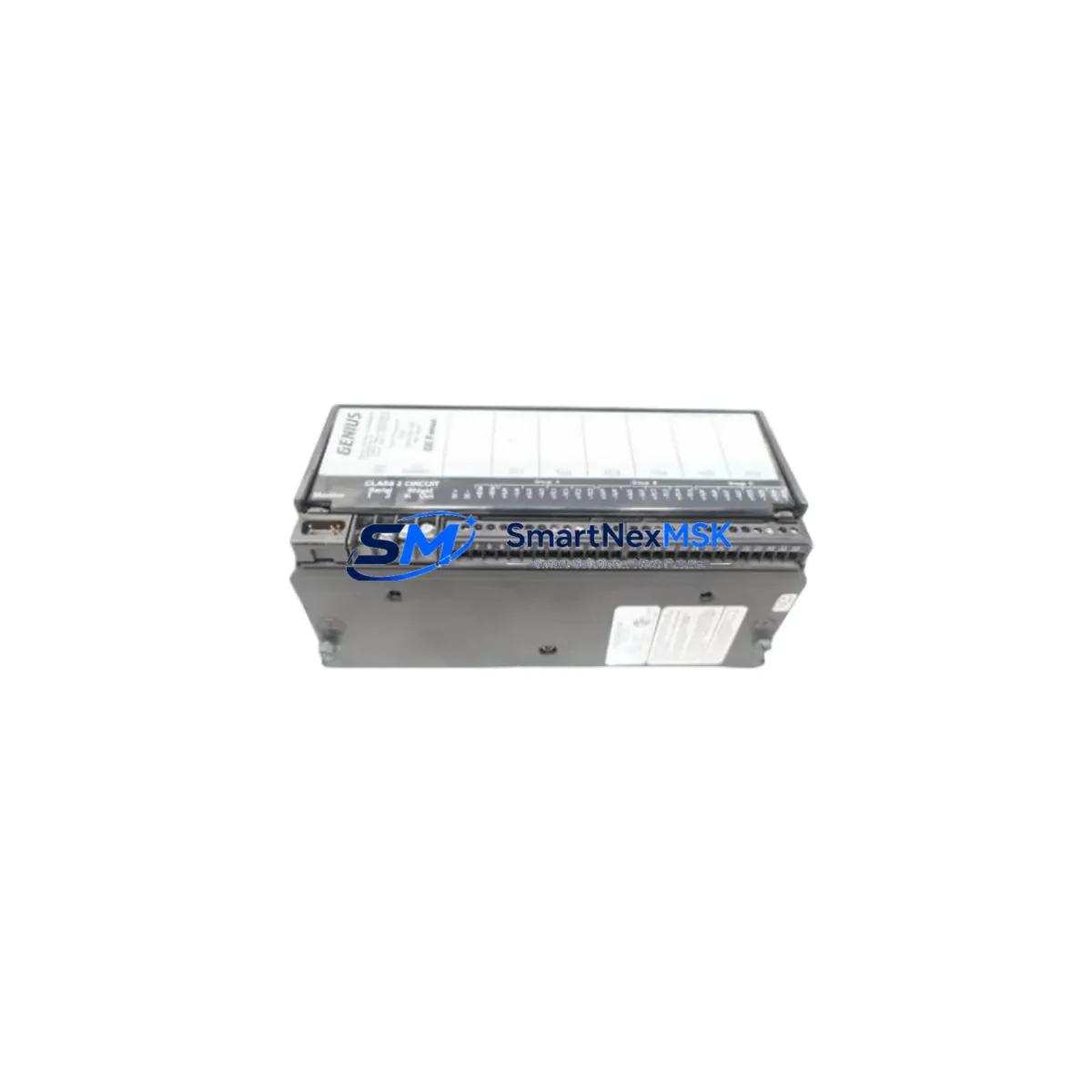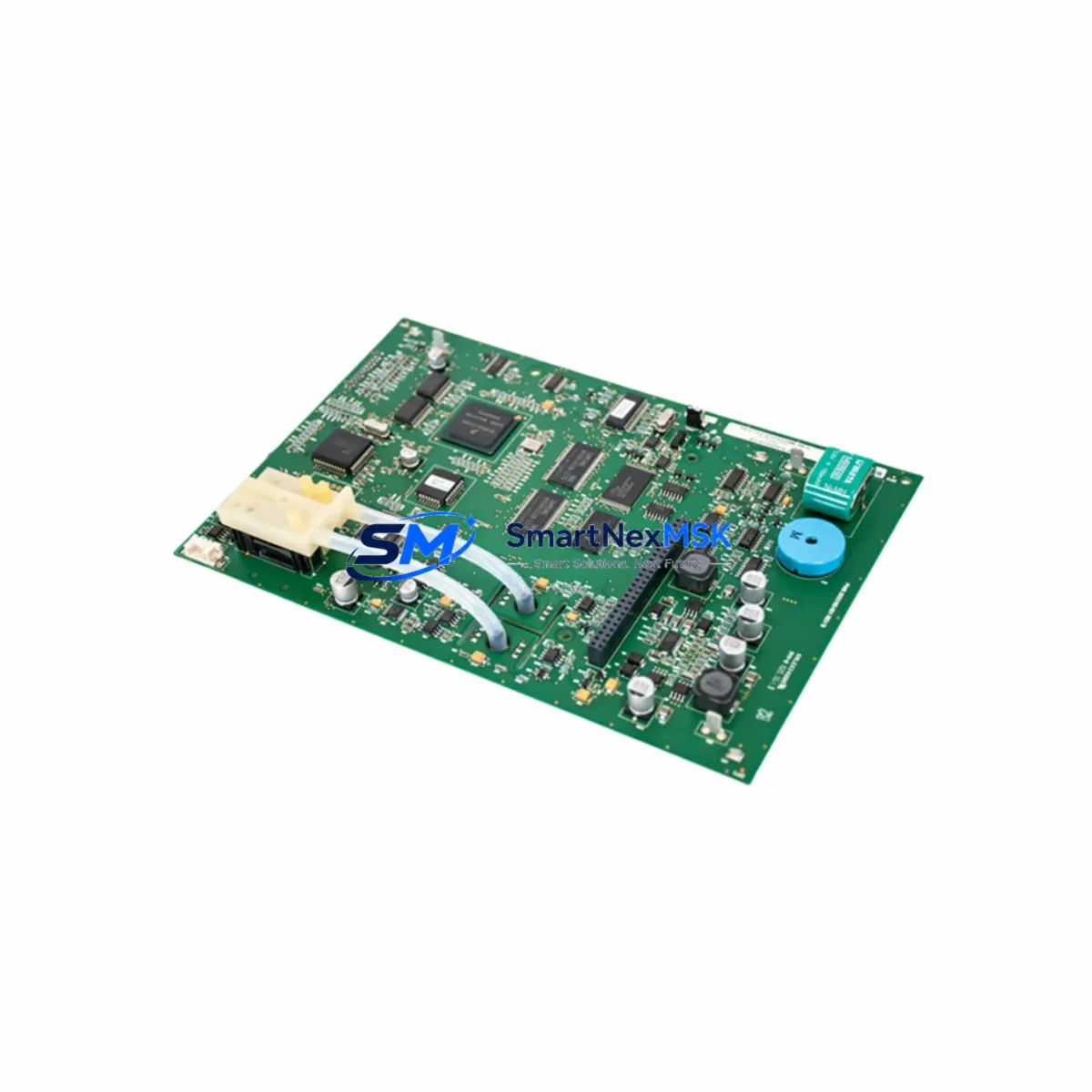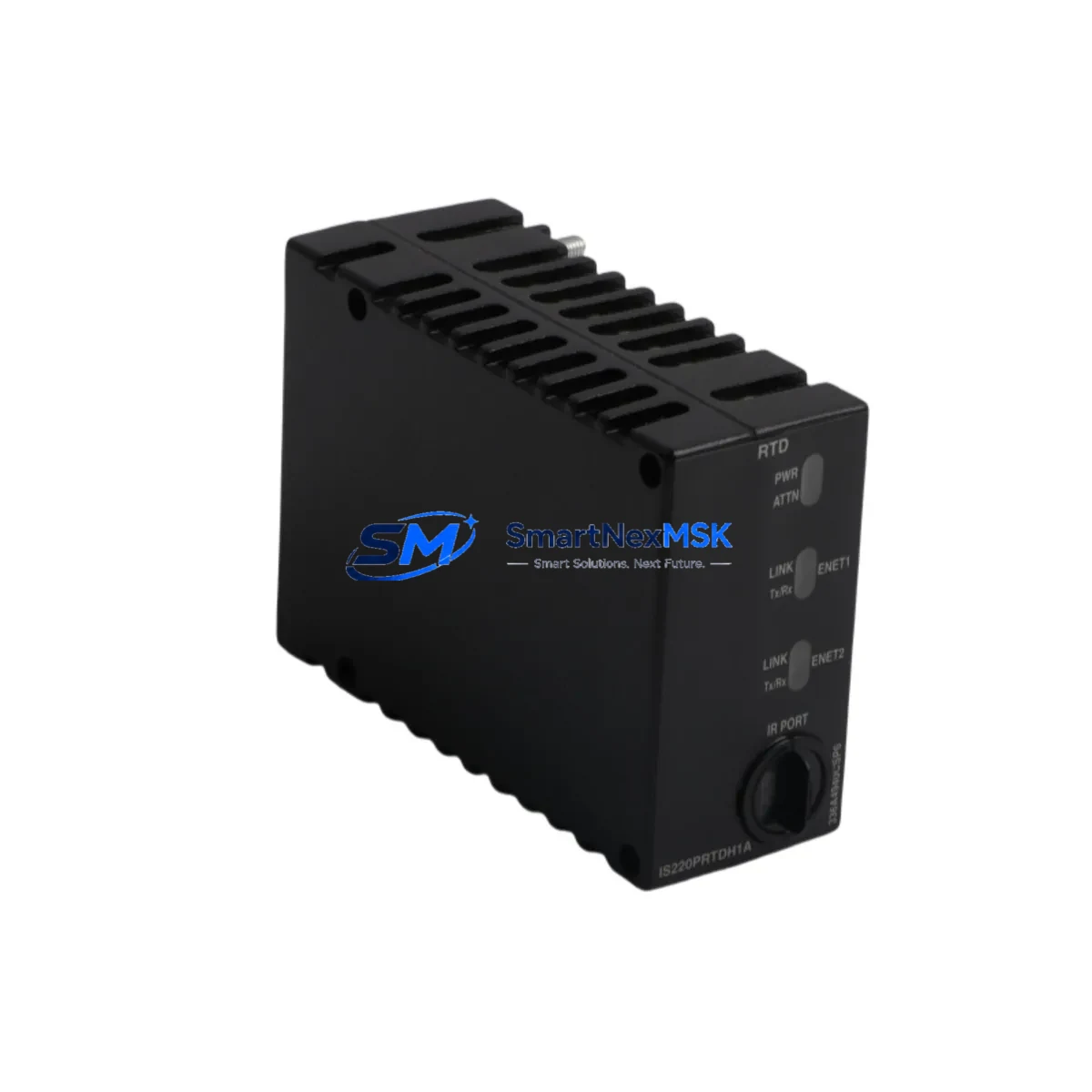
GE IS220PRTDH1A Retrofit-Ready RTD Input Module for Mark VIe Control Systems
The GE IS220PRTDH1A is a high-precision RTD (Resistance Temperature Detector) Input Module engineered for the GE Mark VIe Distributed Control System. As legacy Mark VI and early Mark VIe installations approach end-of-life, the IS220PRTDH1A has become a critical retrofit component for power generation facilities, turbine control panels, and process automation systems seeking to extend operational life without a full platform migration. Whether you are replacing a failed module, upgrading a degraded I/O rack, or restoring a mothballed control cabinet, this module delivers the signal accuracy and backplane compatibility required for seamless integration into existing Mark VIe architectures.
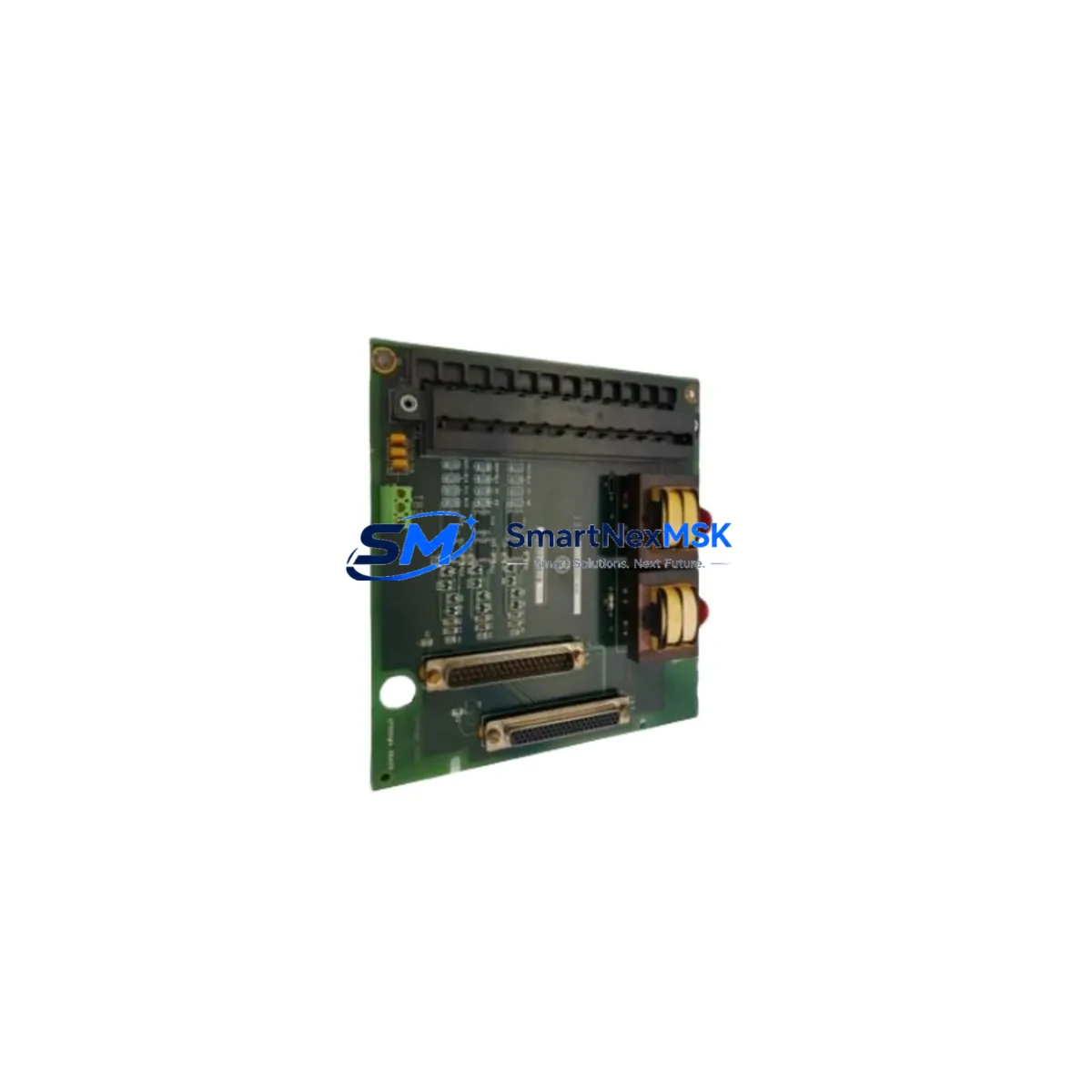
The IS220PRTDH1A accepts multiple RTD input types — including PT100, PT200, PT1000, and Ni120 — and provides direct compatibility with the IS215TRTDH1A terminal board, which handles all field wiring termination. During a retrofit, engineers must verify that the existing terminal board is correctly matched to the module, as mismatched terminal boards are one of the most common causes of commissioning delays. The module slots into the standard IS200 series I/O pack rack and communicates over the Mark VIe IONet Ethernet backbone, eliminating the need for proprietary serial cabling used in older Mark V systems.
Upgrade Compatibility Table
| Parameter | Details |
|---|---|
| Compatible Platform | GE Mark VIe DCS (IS2xx series I/O) |
| Terminal Board | IS215TRTDH1A (required for field wiring termination) |
| Backplane Interface | IS200 series I/O rack — standard slot fit, no mechanical modification |
| Communication Protocol | IONet (100 Mbps Ethernet, Mark VIe native) |
| RTD Input Types | PT100, PT200, PT1000, Ni120 (software-configurable per channel) |
| Replacement Compatibility | Direct drop-in for failed or degraded IS220PRTDH1A units in Mark VIe racks |
| Upgrade Path | Replaces Mark V TCCA / Mark VI VCMI-era I/O with IONet-native architecture |
| Commissioning Focus | IONet node address assignment, RTD channel calibration, HMI tag verification |
| Warranty | 12-Month Warranty — all units function-tested before shipment |
Retrofit Planning for Existing Automation Systems
A successful IS220PRTDH1A retrofit begins well before the module arrives on site. The first step is auditing the existing IS200 series rack to confirm available slot positions and verify that the rack’s power supply — typically the IS200EPSMG1A power supply module — can support the additional load of the replacement I/O pack. Undersized or aging power supplies are a frequent oversight in legacy control cabinets and can cause intermittent faults that are difficult to trace after installation.
Field wiring must be mapped against the IS215TRTDH1A terminal board pinout before disconnecting any existing cables. RTD sensors in turbine exhaust, bearing, and lube oil temperature circuits are often wired in 3-wire or 4-wire configurations; confirming the wiring scheme prevents signal errors during startup. If the original terminal board shows signs of corrosion or terminal fatigue, replacement with a new IS215TRTDH1A is strongly recommended as part of the same maintenance window.
On the software side, the GE Mark VIe Toolbox engineering configuration environment must be used to assign the correct I/O pack address and map RTD channels to the appropriate control logic blocks. Engineers migrating from a Mark V TCCA controller or a Mark VI VCMI communication module should note that the IONet-based addressing scheme in Mark VIe differs fundamentally from the older serial-based I/O addressing — a full I/O map review is essential before going live.
For facilities running mixed-generation turbine control panels, the IS220PRTDH1A is frequently installed alongside other IS220-series modules such as the IS220PSCAH1A speed and current input module and the IS220PVIBH1A vibration monitor module, which share the same rack and IONet infrastructure. Coordinating the replacement of multiple I/O packs in a single outage window significantly reduces total downtime compared to sequential module-by-module replacements. Where the control system also manages generator protection functions, the IS220PPDAH1A protective relay input module may also require inspection during the same retrofit campaign.
HMI screens connected via the GE Cimplicity SCADA platform or third-party OPC-DA/OPC-UA clients should be validated after module replacement to confirm that temperature trend displays, alarm setpoints, and historian tags are correctly mapped to the new module’s channel assignments. Any discrepancy in tag addressing will result in flat-line trends or spurious alarms that can trigger unnecessary process shutdowns. For sites using a GE Mark VIe controller (IS420UCSBH3A) as the primary CPU, the controller’s I/O configuration file must be synchronized with the updated module map before the system is returned to automatic control.
Downtime Control During System Migration
Minimizing downtime during an IS220PRTDH1A replacement requires a structured pre-outage preparation protocol. Before the maintenance window opens, the existing module’s configuration should be exported from the Mark VIe Toolbox and archived. This backup preserves all channel assignments, scaling parameters, and alarm limits, allowing rapid restoration if the replacement module requires reconfiguration.
Where process conditions permit, a hot-standby approach using the Mark VIe’s redundant I/O capability — available when a second IS220PRTDH1A is installed in a redundant I/O pack pair — allows the failed module to be swapped without interrupting temperature monitoring on critical circuits. For simplex (non-redundant) installations, the replacement window should be coordinated with the process team to identify the lowest-risk period for a brief monitoring gap on the affected RTD channels. Having a pre-configured IS215TRTDH1A terminal board and a tested programming cable (IC693CBL316) on hand before the outage begins eliminates the most common sources of unplanned delay.
After physical installation, the IONet link should be verified using the Mark VIe Toolbox’s diagnostic view before re-enabling control logic that depends on the module’s outputs. A channel-by-channel RTD input verification — comparing live sensor readings against a calibrated reference thermometer — confirms signal integrity before the module is returned to service. All pre-shipment testing records and the 12-month warranty documentation should be retained in the plant’s maintenance management system for audit and insurance purposes.
Retrofit Support FAQ
Q: Is the IS220PRTDH1A a direct replacement for an existing failed unit in a Mark VIe rack?
A: Yes. The IS220PRTDH1A is a direct slot-compatible replacement for any existing IS220PRTDH1A unit in a Mark VIe I/O rack. No mechanical modifications are required. Module address and channel configuration must be verified in the Mark VIe Toolbox after installation to ensure correct IONet node assignment.
Q: Do I need to replace the terminal board when replacing the IS220PRTDH1A?
A: Not necessarily. If the existing IS215TRTDH1A terminal board is in good condition with no corroded terminals or damaged connectors, it can remain in service. However, if the terminal board shows wear or the field wiring has been disturbed, replacing it during the same outage window eliminates a potential future failure point and avoids a second maintenance event.
Q: How is the module commissioned after installation?
A: Use the GE Mark VIe Toolbox to assign the I/O pack’s IONet node address, download the updated configuration, and verify each RTD channel’s live reading against known reference values. Full commissioning — including HMI tag verification and alarm setpoint confirmation — typically takes 1–3 hours depending on the number of active channels and the complexity of the existing control logic.
Q: What warranty and pre-shipment testing does the IS220PRTDH1A include?
A: Every IS220PRTDH1A unit is function-tested prior to shipment and covered by a 12-month warranty against manufacturing defects and operational failures. Test reports are available upon request. Units are packaged in anti-static ESD-safe materials to prevent damage during transit. Contact our team for expedited shipping options if your facility is facing an unplanned outage.
© 2026 SMARTNEXMSK. All rights reserved.
Original Source: https://smartnexmsk.com
Contact: [email protected] | +86 18259474341