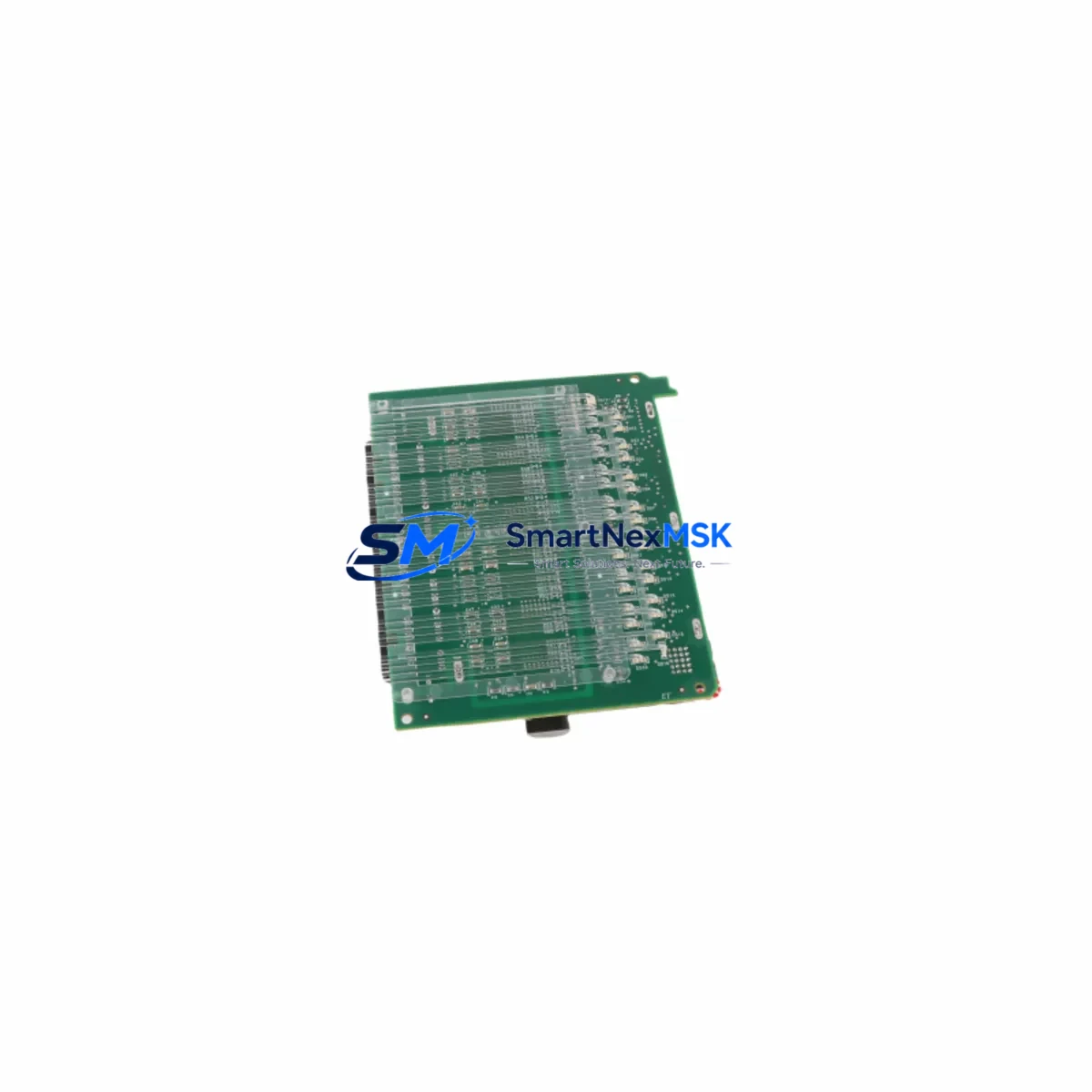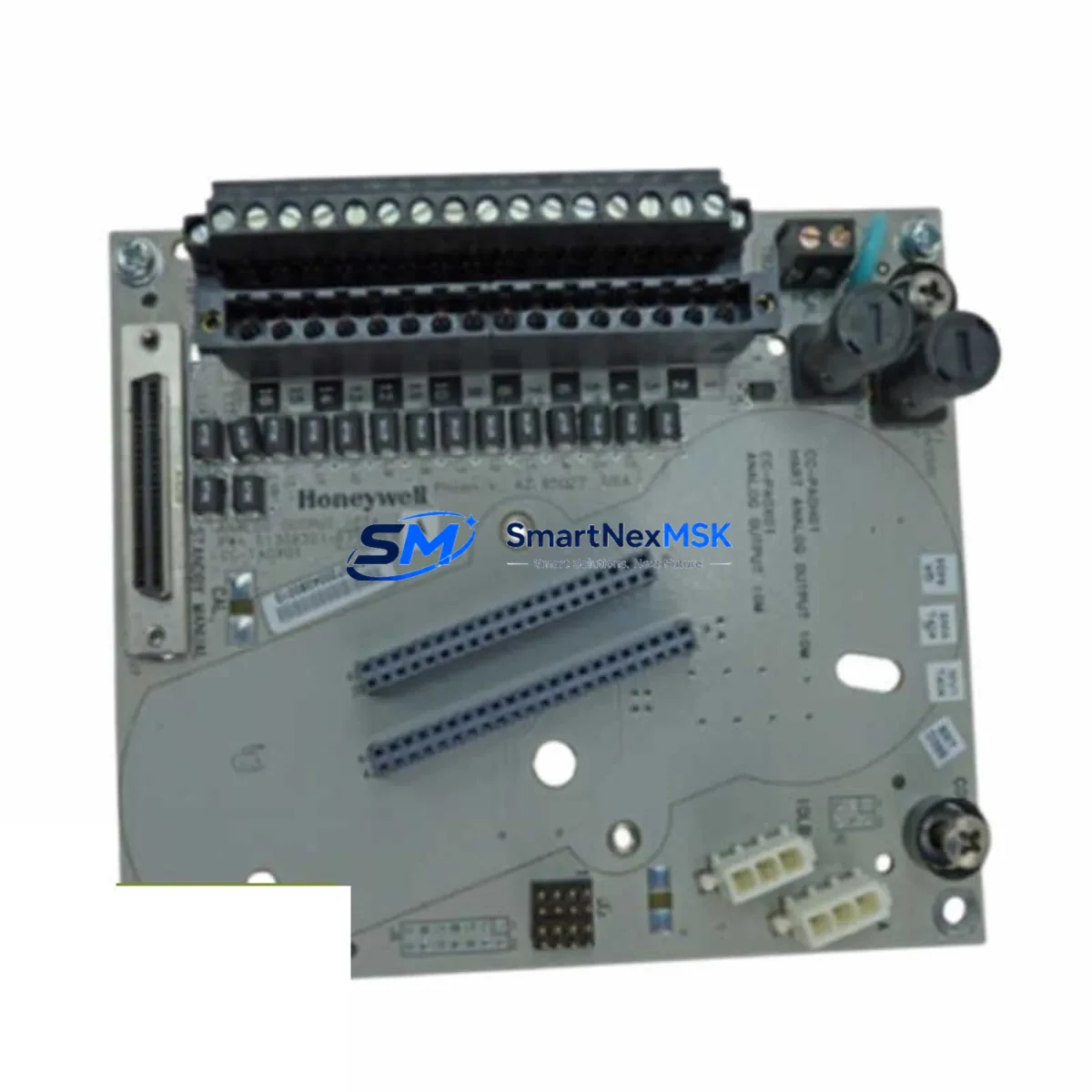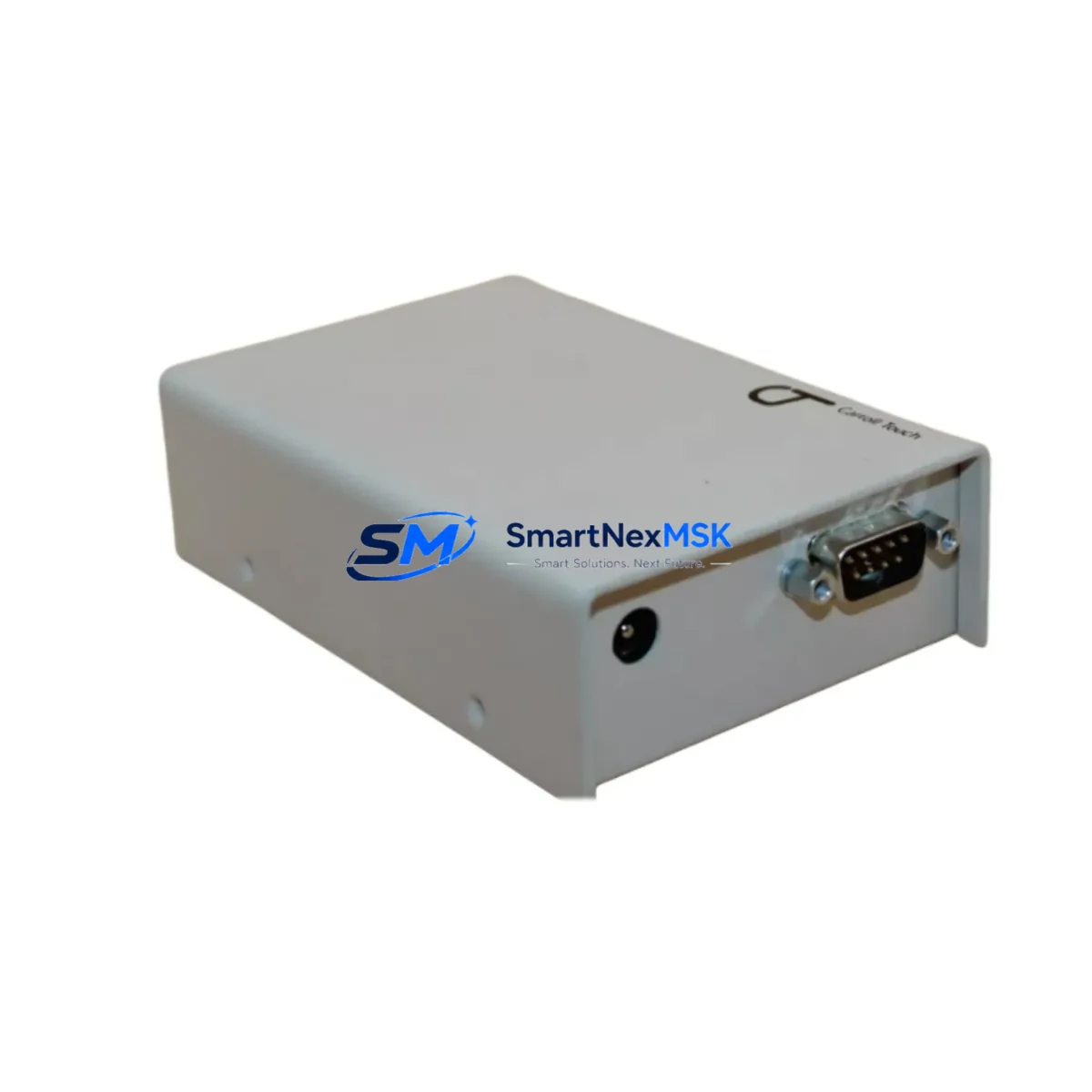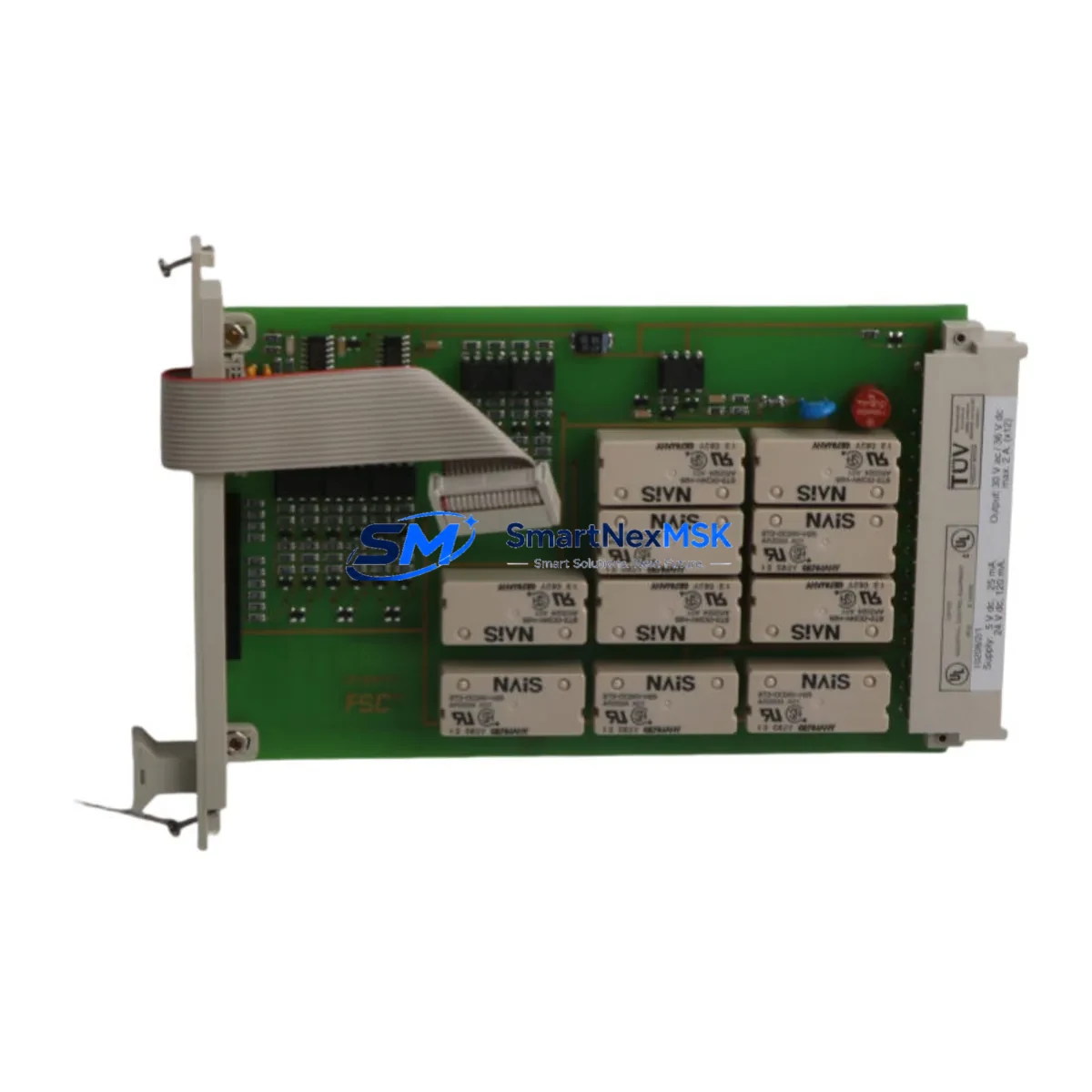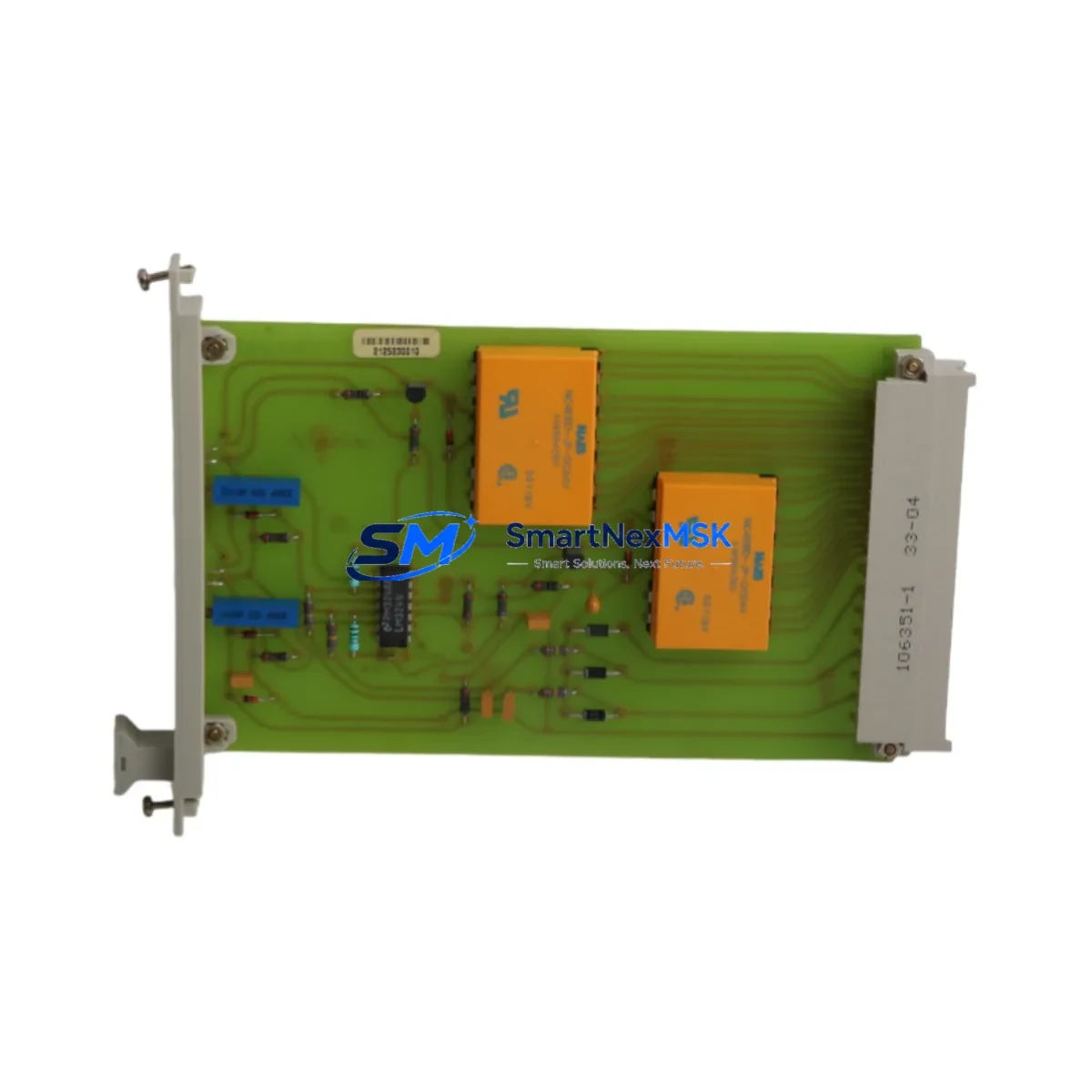
Honeywell 16159/1/1 Retrofit-Ready DCS Input Module for 16000 Series Control Systems
The Honeywell 16159/1/1 is a DCS input module engineered for seamless integration into Honeywell 16000 Series distributed control systems. As legacy automation infrastructure ages and OEM support windows close, the 16159/1/1 has become a critical retrofit component for facilities managing older control cabinets, marshalling panels, and field junction boxes. Whether you are executing a planned system upgrade, responding to an unplanned module failure, or consolidating spare parts inventory ahead of a scheduled turnaround, the 16159/1/1 delivers verified drop-in compatibility with the 16000 Series backplane architecture.
This module is sourced, inspected, and dispatched from our Xiamen warehouse. Each unit undergoes pre-shipment functional testing to confirm signal integrity, terminal continuity, and communication handshake with the host controller. A 12-month warranty is included as standard, covering manufacturing defects and functional failures under normal operating conditions.
Upgrade Compatibility Table
| Parameter | Details |
|---|---|
| SKU / Part Number | 16159/1/1 |
| Brand | Honeywell |
| Compatible Series | Honeywell 16000 Series DCS |
| Module Type | DCS Input Module |
| Backplane Interface | 16000 Series standard backplane slot — direct plug-in replacement |
| Terminal Wiring | Compatible with existing field wiring; verify terminal block pitch before installation |
| Communication Compatibility | Supports 16000 Series native communication protocol; verify firmware revision with host controller |
| Installation Requirement | Rack-mount into 16000 Series chassis; no additional hardware adapter required |
| Replacement Recommendation | Direct replacement for discontinued 16159/1/1 variants; confirm module address assignment in engineering station |
| Commissioning Focus | Module address configuration, I/O channel mapping, loop check, and HMI tag verification |
| Origin | China (Xiamen) |
| Warranty | 12 Months — covers manufacturing defects and functional failures under normal operating conditions |
Retrofit Planning for Existing Automation Systems
Retrofitting a Honeywell 16000 Series system requires a structured approach that accounts for every layer of the control architecture. The 16159/1/1 input module sits at the field interface layer, receiving analog or digital signals from transmitters, switches, and sensors wired into the marshalling cabinet. Before removing the legacy module, engineers should document the existing terminal block assignments, verify the field cable labeling against the as-built loop drawings, and confirm that the replacement module’s channel count and signal type match the original specification.
Power supply capacity is a frequent oversight in retrofit projects. The 16000 Series rack power supply — often a dedicated 24 VDC or 120 VAC unit mounted in the same control cabinet — must have sufficient headroom to support the replacement module alongside any other modules sharing the same chassis. If the existing power supply is already operating near its rated output, a parallel or upgraded power supply module should be sourced as part of the same retrofit kit.
The backplane of the 16000 Series chassis uses a proprietary slot interface. The 16159/1/1 is designed to seat directly into this backplane without mechanical adapters, but the slot address must be correctly assigned in the Honeywell engineering workstation before the module is powered. Incorrect address assignment will cause the host controller to flag a hardware mismatch alarm and prevent the I/O channel from being scanned. This step is particularly important when replacing a module that was originally configured with a non-default address.
Communication link integrity is another critical checkpoint. In 16000 Series architectures, the controller communicates with I/O modules over an internal bus. If the retrofit also involves upgrading the controller node — for example, migrating from an older 16000 Series controller card to a current-generation Honeywell C300 controller or HC900 hybrid controller — the communication protocol mapping must be re-validated. In mixed-generation installations, a Honeywell FIM (Field Interface Module) or equivalent gateway may be required to bridge legacy and modern communication segments.
I/O expansion during a retrofit is a common requirement. Facilities that are adding measurement points or replacing failed channels often take the opportunity to install additional analog input modules or digital input modules alongside the 16159/1/1. The 16000 Series chassis supports multiple module slots, and unused slots can be populated with compatible I/O modules without requiring a new chassis. Terminal modules and field termination assemblies (FTAs) mounted on the marshalling panel must be verified for compatibility with any newly added I/O modules.
HMI screen updates are frequently underestimated in retrofit scope. When the 16159/1/1 is replaced and the module address or tag name changes, the corresponding HMI faceplates — whether running on a Honeywell Experion PKS station, a legacy HMIWeb display, or a third-party SCADA system — must be updated to reflect the new tag mapping. Failure to update HMI references will result in stale or missing process values on operator displays, which can create safety and compliance issues in regulated environments.
Programming cable and engineering workstation access are prerequisites for any 16000 Series retrofit. The Honeywell Control Builder or equivalent configuration tool must be connected to the controller via the appropriate programming cable or Ethernet link before the replacement module is inserted. This allows the engineer to pre-load the module configuration, verify the I/O channel assignments, and confirm that the control strategy compiles without errors before the system is returned to service.
Downtime Control During System Migration
Minimizing unplanned downtime is the primary operational constraint in any DCS retrofit. For the 16159/1/1 replacement, the recommended approach is to complete all pre-work — documentation review, spare parts staging, engineering workstation preparation, and loop drawing verification — before the maintenance window begins. The module swap itself, including terminal disconnection, backplane removal, replacement insertion, and terminal reconnection, can typically be completed within a single shift if the preparatory steps are thorough.
To protect the original control program logic, a full controller backup should be exported from the engineering workstation before any hardware changes are made. This backup preserves the function block diagram, tag database, alarm configuration, and module address table. If the retrofit introduces any configuration changes — such as a new module address or a revised I/O channel mapping — the updated configuration should be saved as a separate revision to maintain a clear audit trail.
Where process continuity is critical and a hot-standby or redundant controller architecture is in place, the retrofit can be executed on the standby path first, with a controlled switchover performed after the replacement module has been verified online. This approach eliminates process interruption entirely and is strongly recommended for continuous process industries such as refining, petrochemicals, and power generation.
After the 16159/1/1 is installed and powered, a structured loop check should be performed on each I/O channel before the module is released to automatic control. This includes injecting a known signal at the field terminal, verifying the correct engineering unit value at the controller, and confirming that the HMI display reflects the expected process value. Any discrepancy at this stage should be resolved before the maintenance window closes.
Retrofit Support FAQ
Q1: Is the 16159/1/1 a direct drop-in replacement for the original Honeywell module of the same part number?
Yes. The 16159/1/1 is designed to seat into the same backplane slot as the original module. Field wiring connections at the terminal block are compatible with the existing cable layout. However, you should verify the module address assignment in the engineering workstation after installation, as address settings are not retained in the backplane and must be re-entered if the original module’s configuration was not backed up.
Q2: What commissioning steps are required after installing the replacement module?
After physical installation, connect the engineering workstation and confirm that the controller recognizes the new module at the correct slot address. Perform a channel-by-channel loop check to verify signal integrity from the field terminal to the controller tag. Update any HMI faceplates that reference the affected I/O tags, and confirm that all alarm setpoints and engineering unit conversions are correctly applied before returning the loop to automatic control.
Q3: Can the 16159/1/1 be used in a mixed-generation 16000 Series chassis alongside newer I/O modules?
In most cases, yes. The 16000 Series backplane supports mixed module populations, provided that all modules are compatible with the chassis revision and the controller firmware version. If you are combining the 16159/1/1 with newer analog output modules, digital output modules, or communication modules in the same chassis, verify that the controller’s I/O scan configuration includes all populated slots and that no address conflicts exist.
Q4: What does the 12-month warranty cover, and what is the process for a warranty claim?
The 12-month warranty covers manufacturing defects and functional failures that occur under normal operating conditions within 12 months of the shipment date. It does not cover damage resulting from incorrect installation, overvoltage, reverse polarity, or physical impact. To initiate a warranty claim, contact our sales team with the order reference number, a description of the failure symptom, and photographic evidence of the module condition. Replacement or repair will be arranged within the warranty period at no additional cost.
© 2026 SMARTNEXMSK. All rights reserved.
Original Source: https://smartnexmsk.com
Contact: [email protected] | +86 18259474341