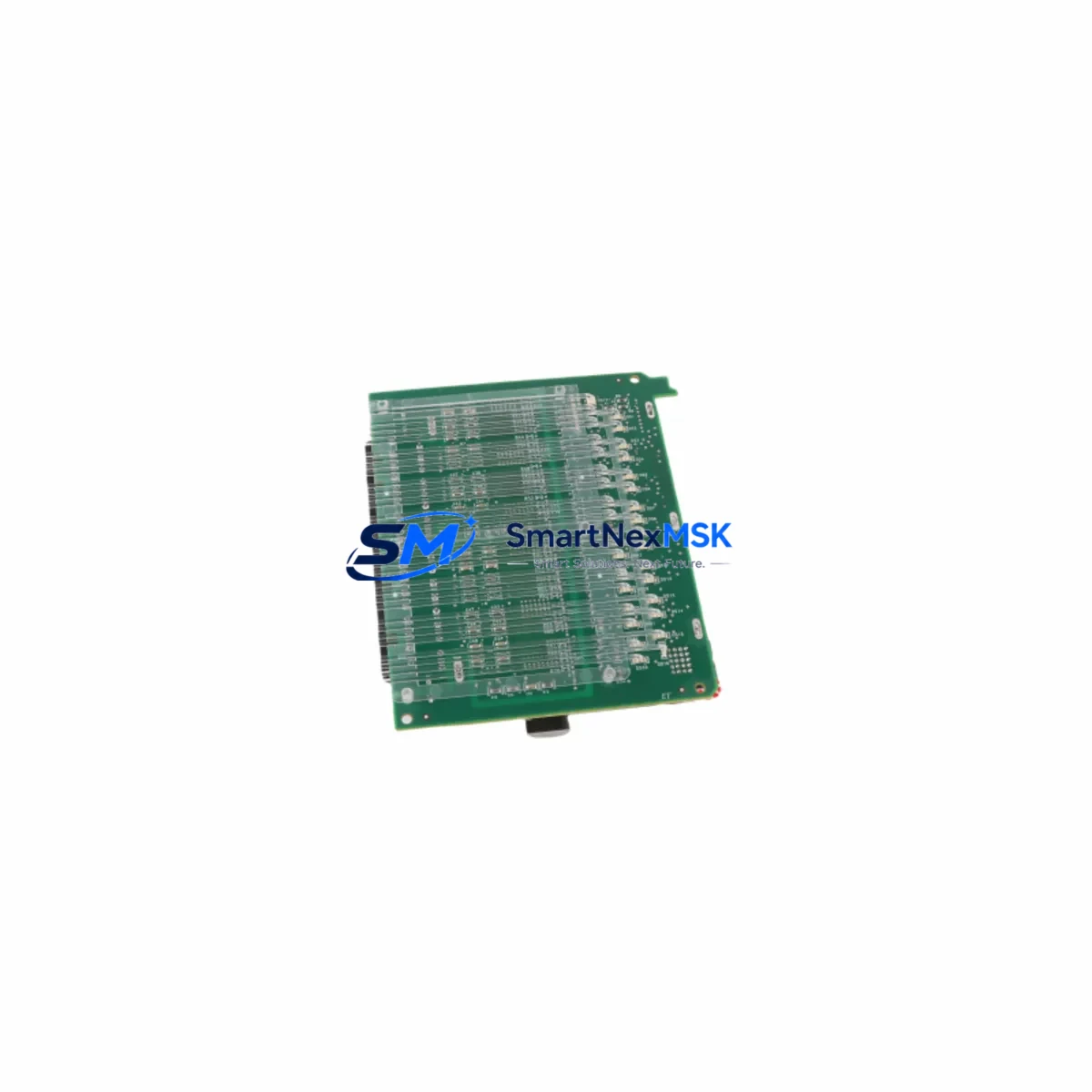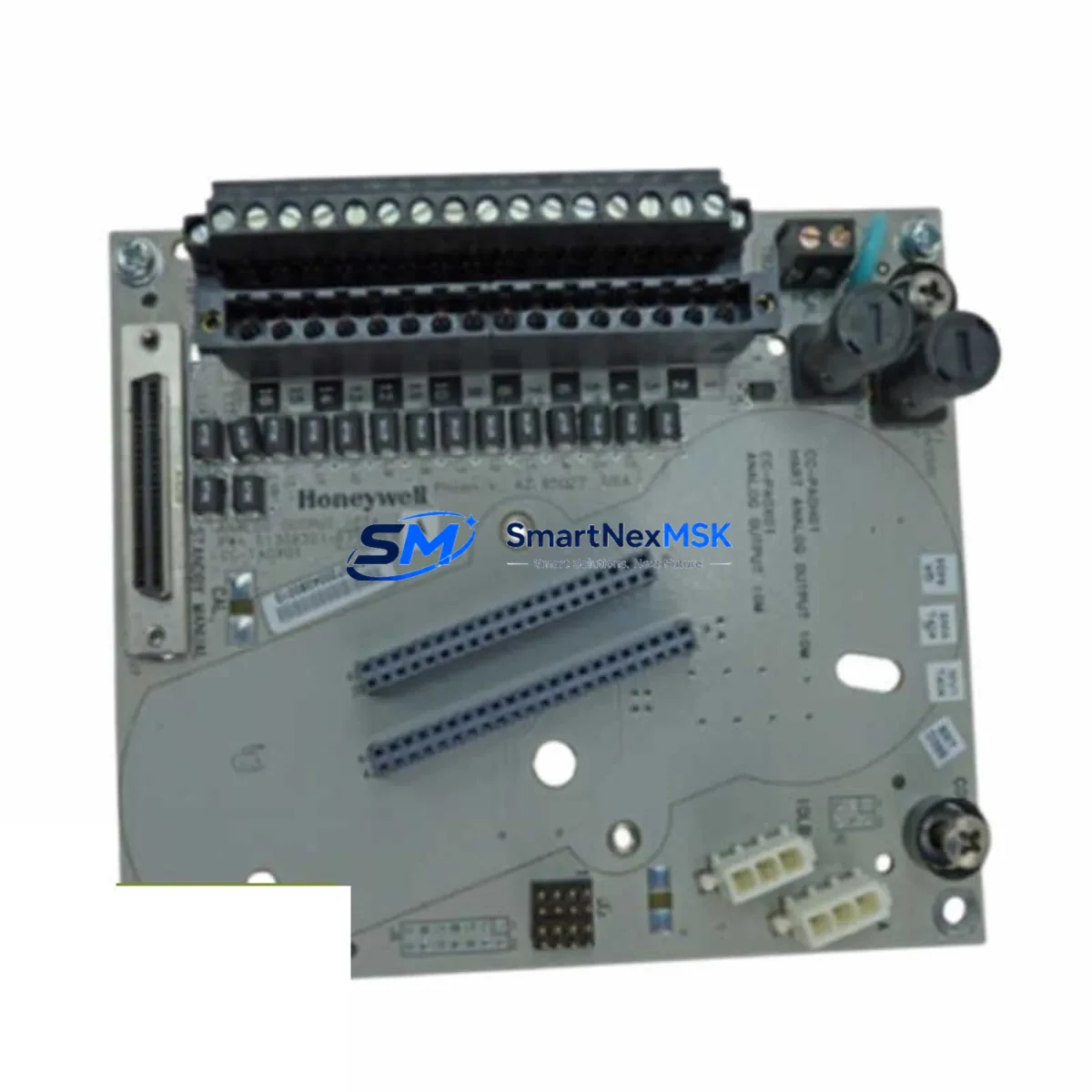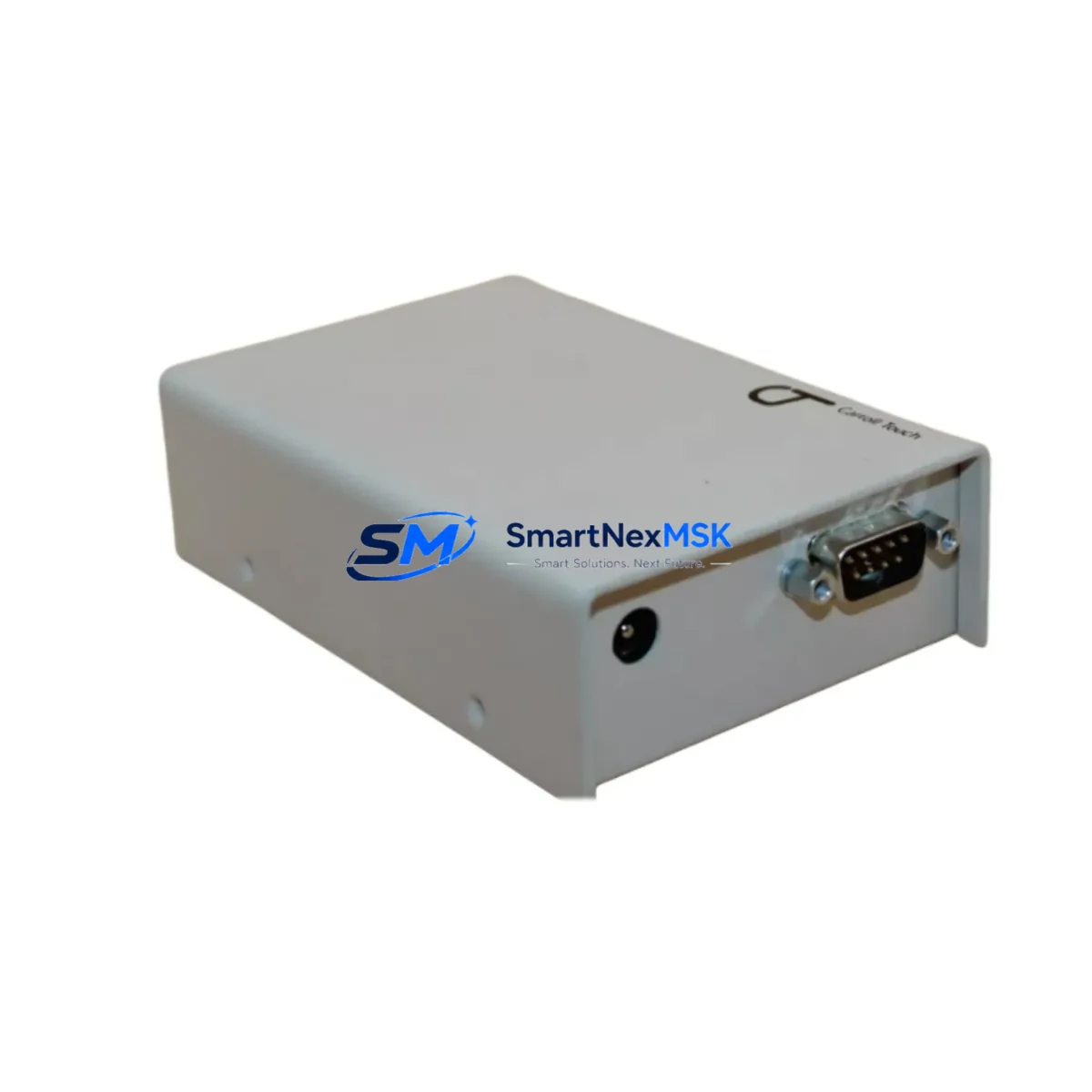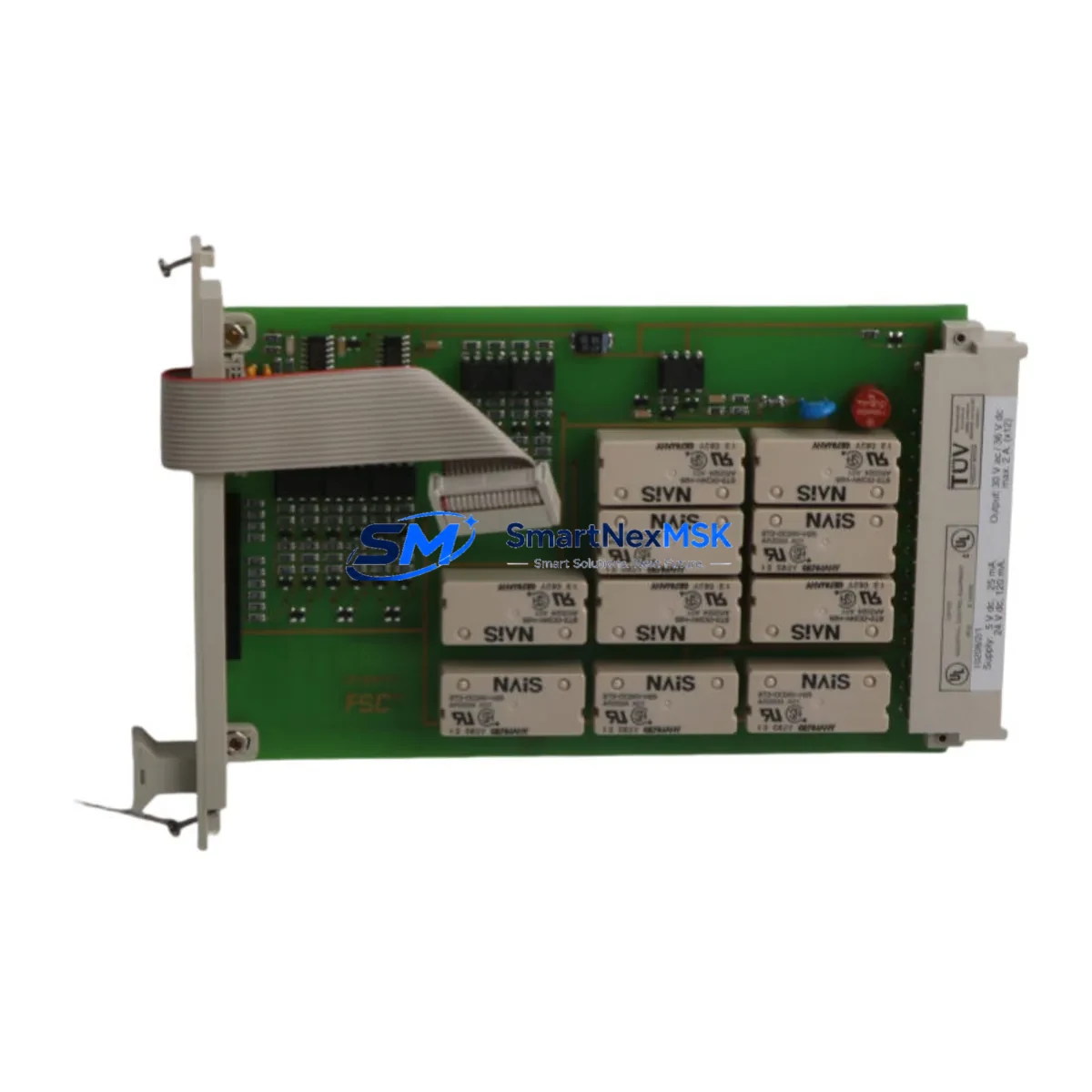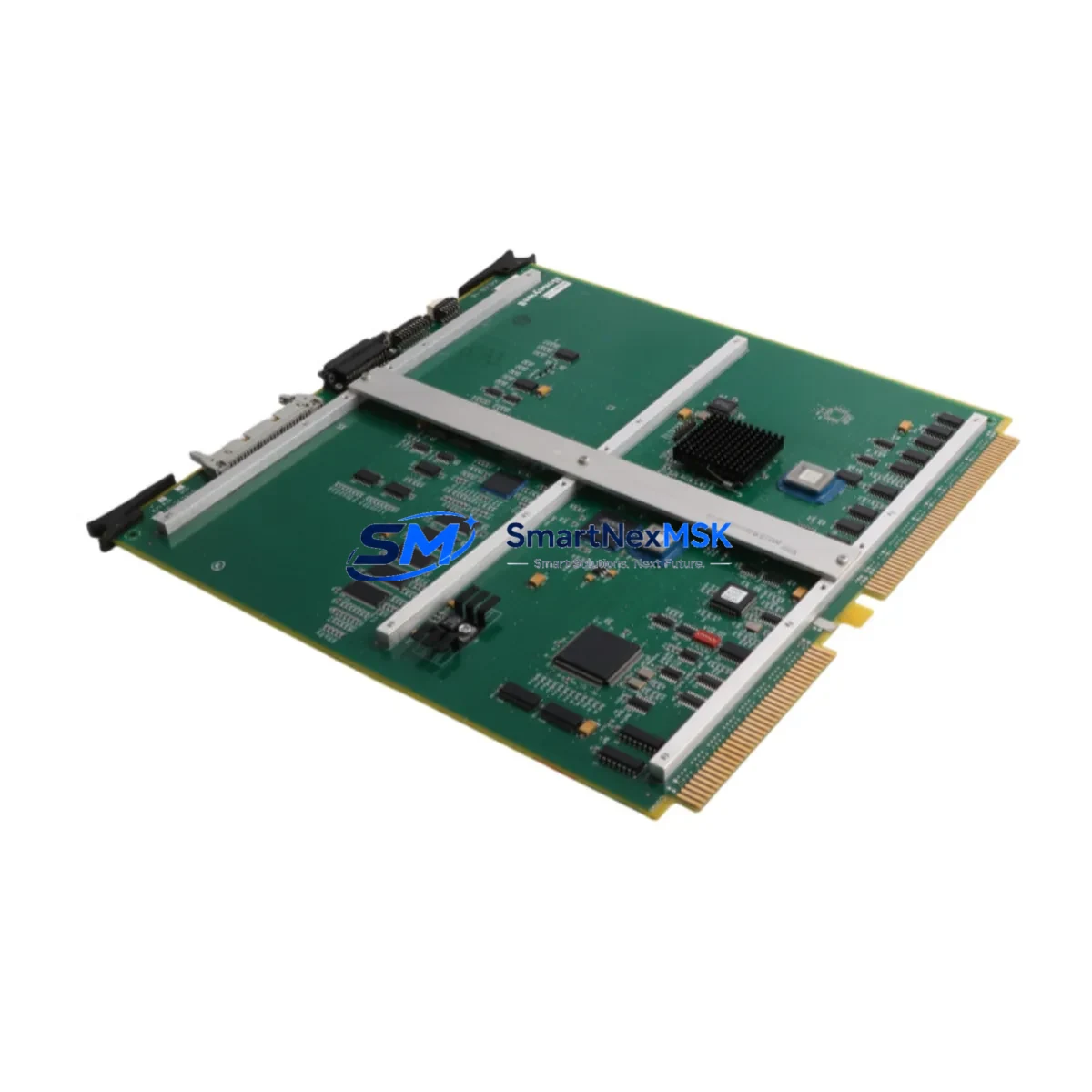
Honeywell K4LCN-16 51403519-160 Retrofit-Ready LCN Memory Processor for TDC 3000 Control Systems
The Honeywell K4LCN-16 (part number 51403519-160) is a Local Control Network (LCN) Memory Processor Module designed for the Honeywell TDC 3000 Distributed Control System platform. As legacy TDC 3000 installations continue to operate across refining, petrochemical, power generation, and continuous process industries, the K4LCN-16 remains a critical spare and retrofit component for engineers managing aging control infrastructure. This module provides program memory storage, node address management, and LCN bus communication functions that are essential to the stable operation of any TDC 3000 control node.
Whether you are replacing a failed unit, building a cold-standby spare inventory, or executing a phased modernization of your distributed control architecture, the K4LCN-16 51403519-160 is a verified drop-in replacement that preserves your existing wiring, backplane connections, and application logic without requiring a full system migration. Our stock is sourced, inspected, and function-tested prior to shipment, and every unit is covered by a 12-month warranty.
Upgrade Compatibility Table
| Parameter | Details |
|---|---|
| Part Number | K4LCN-16 / 51403519-160 |
| Platform Compatibility | Honeywell TDC 3000, TDC 3000X, LCN-based control nodes |
| Module Function | LCN Memory Processor — program storage, node addressing, LCN bus interface |
| Backplane Interface | Standard TDC 3000 LCN node backplane; compatible with HPM, AM, and NIM node chassis |
| Installation Type | Direct card-slot replacement; no rewiring required for same-generation chassis |
| Communication Protocol | Honeywell LCN (Local Control Network) proprietary bus |
| Replacement Compatibility | Replaces K4LCN-16 variants; verify firmware revision with site engineer before installation |
| Commissioning Notes | Node address must be confirmed post-insertion; reload application database from UCN/LCN backup |
| Power Requirement | Supplied via node backplane; verify PSU capacity before hot-swap or cold-swap procedure |
| Warranty | 12-Month Warranty — covers manufacturing defects and functional failure under normal operating conditions |
Retrofit Planning for Existing Automation Systems
Retrofitting a TDC 3000 control node requires careful pre-planning across hardware, software, and field instrumentation layers. The K4LCN-16 51403519-160 is typically installed within an HPM (High-Performance Process Manager) or AM (Application Module) node chassis, sharing the backplane with companion cards such as the I/O Link module, the UCN Interface Module (UIM), and the node power supply assembly. Before initiating a swap, engineers should document the current node address, verify the LCN segment load, and confirm that the replacement K4LCN-16 carries a compatible firmware revision relative to the existing node software baseline.
In many retrofit scenarios, the K4LCN-16 is replaced alongside other aging components in the same node. It is common to simultaneously address the HPM I/O Processor card, the LCN Coax Interface card, and the node’s internal power supply module during the same maintenance window to minimize future unplanned downtime. If the site is also upgrading communication infrastructure, the Network Interface Module (NIM) and associated LCN coaxial or fiber media converters should be evaluated as part of the same project scope.
For sites migrating from older TDC 3000 nodes toward Experion PKS or a hybrid architecture, the K4LCN-16 often serves as a bridge component — keeping legacy LCN nodes operational while the UCN (Universal Control Network) and Experion server infrastructure is staged in parallel. During this transition, the existing Honeywell GUS (Global User Station) or Universal Station operator consoles may remain in service, and HMI display databases should be backed up and validated before any node hardware is disturbed.
Terminal wiring on TDC 3000 I/O subsystems is typically managed through field termination assemblies (FTAs) connected to I/O Link cables. The K4LCN-16 itself does not interface directly with field wiring, but any disruption to the node backplane can affect all I/O channels served by that node. A full I/O channel list, loop drawing set, and cause-and-effect matrix should be reviewed before the retrofit window is opened. Spare FTA connectors and I/O Link cables should be staged on-site as a precaution.
If the retrofit scope includes expanding I/O capacity, this is an appropriate time to evaluate additional HPM I/O Processor slots, remote I/O extenders, or LLMUX (Low-Level Multiplexer) modules for thermocouple and RTD inputs. All new hardware should be addressed and loaded into the system database prior to the maintenance window to reduce live commissioning time.
Downtime Control During System Migration
Minimizing control system downtime during a K4LCN-16 replacement requires a structured pre-outage preparation protocol. The most effective approach is to perform a full backup of the node’s application database, including all control strategies, tuning parameters, and alarm configurations, using the Honeywell Engineering Workstation or equivalent backup utility. This backup should be verified for completeness and stored on both local and remote media before the maintenance window begins.
Where process conditions permit, regulatory control loops served by the affected node should be placed in manual mode and handed off to field operators prior to the card swap. Safety instrumented system (SIS) interlocks that rely on data from the TDC 3000 node should be reviewed with the process safety team to confirm that manual bypass procedures are in place and authorized.
The physical card replacement procedure for the K4LCN-16 is straightforward: power down the node (or perform a live swap if the chassis supports it), extract the failed module, insert the replacement, and restore power. The node will then attempt to reload its application database from the LCN network or from local memory, depending on the site configuration. If the node fails to auto-load, the application database must be downloaded manually from the Engineering Workstation. Node communication status should be confirmed on the LCN Network Manager display before returning loops to automatic control.
Post-replacement verification should include a point-by-point I/O check for all channels served by the node, confirmation of alarm setpoints and control parameters, and a review of historian data continuity. Where HMI faceplates reference the replaced node, display navigation and data link integrity should be confirmed at the operator console before the maintenance window is formally closed. All steps should be documented in the site’s management of change (MOC) record.
Retrofit Support FAQ
Q: Is the K4LCN-16 51403519-160 a direct replacement for all K4LCN-16 variants?
A: The 51403519-160 is the primary part number for the K4LCN-16 LCN Memory Processor. Most TDC 3000 LCN nodes accept this module as a direct replacement. However, firmware revision compatibility should always be confirmed with your site’s TDC 3000 software baseline before installation. Contact our technical team with your node software version and we will verify compatibility prior to shipment.
Q: What pre-shipment testing is performed on each unit?
A: Every K4LCN-16 51403519-160 unit undergoes functional verification testing prior to dispatch, including power-on self-test confirmation and board-level inspection. Units are shipped with anti-static packaging and include a test report. All units are covered by a 12-month warranty against manufacturing defects and functional failure under normal operating conditions.
Q: What information do I need to provide to confirm wiring and backplane compatibility?
A: For backplane compatibility, provide your node chassis type (HPM, AM, or other LCN node variant) and the existing module slot assignment. The K4LCN-16 does not connect directly to field wiring — it interfaces exclusively through the node backplane. If you are unsure of your chassis configuration, share your node layout drawing or cabinet label photograph and our team will advise.
Q: Can this module be used during a phased migration to Experion PKS?
A: Yes. The K4LCN-16 51403519-160 is commonly used to maintain TDC 3000 LCN node stability during phased Experion PKS migrations, where legacy nodes must remain operational while new Experion controllers and server infrastructure are commissioned in parallel. The module supports continued LCN bus participation and application database operation throughout the transition period.
© 2026 SMARTNEXMSK. All rights reserved.
Original Source: https://smartnexmsk.com
Contact: [email protected] | +86 18259474341