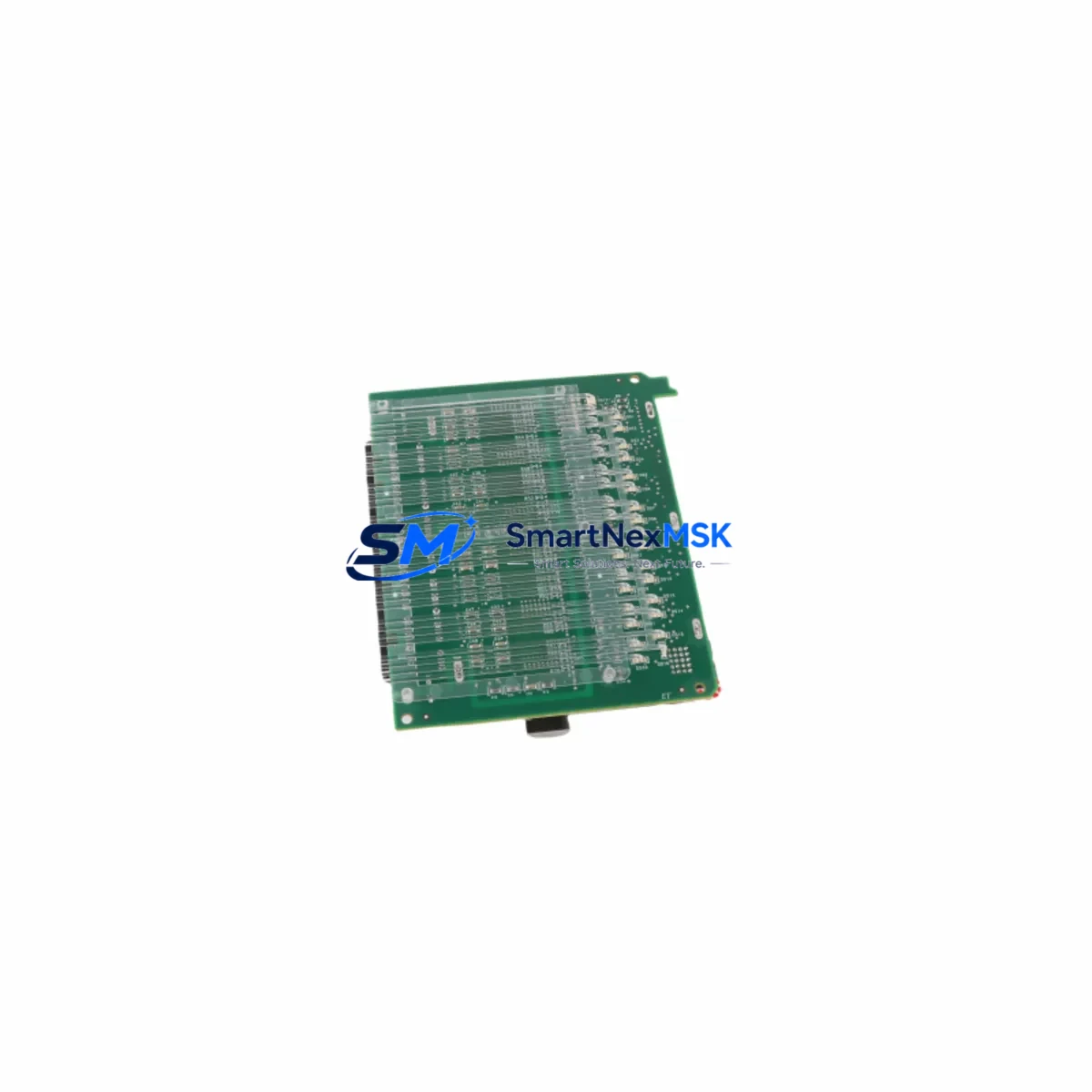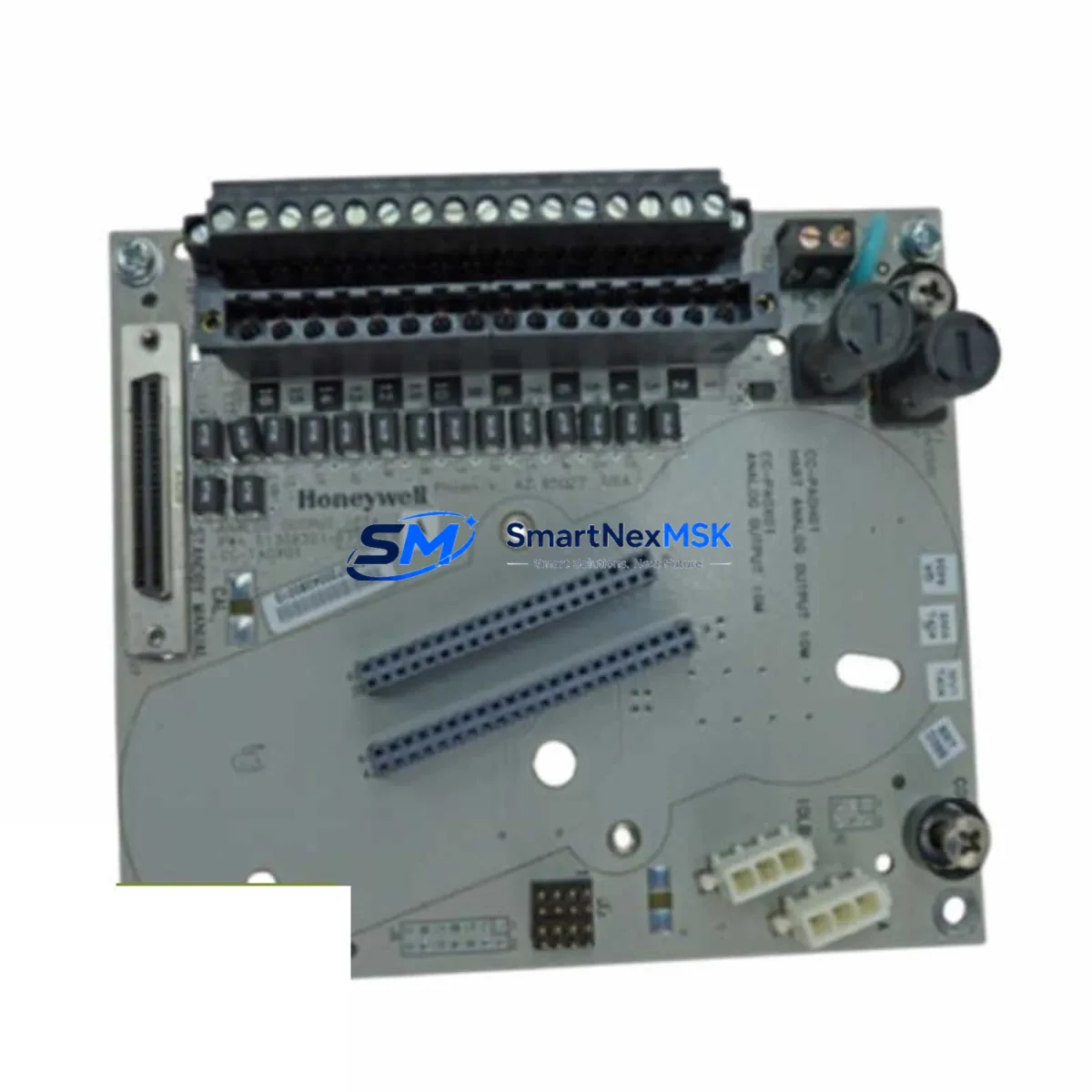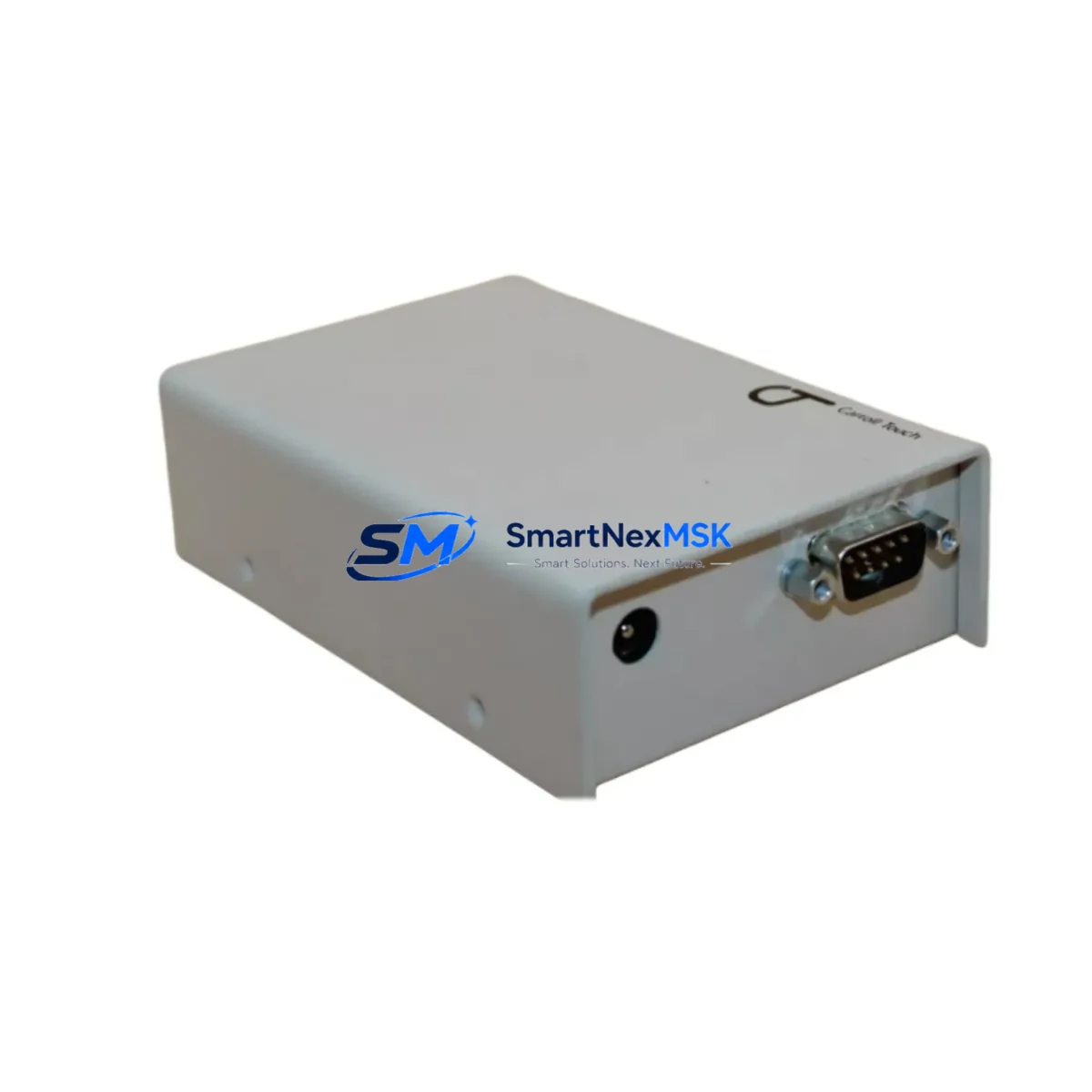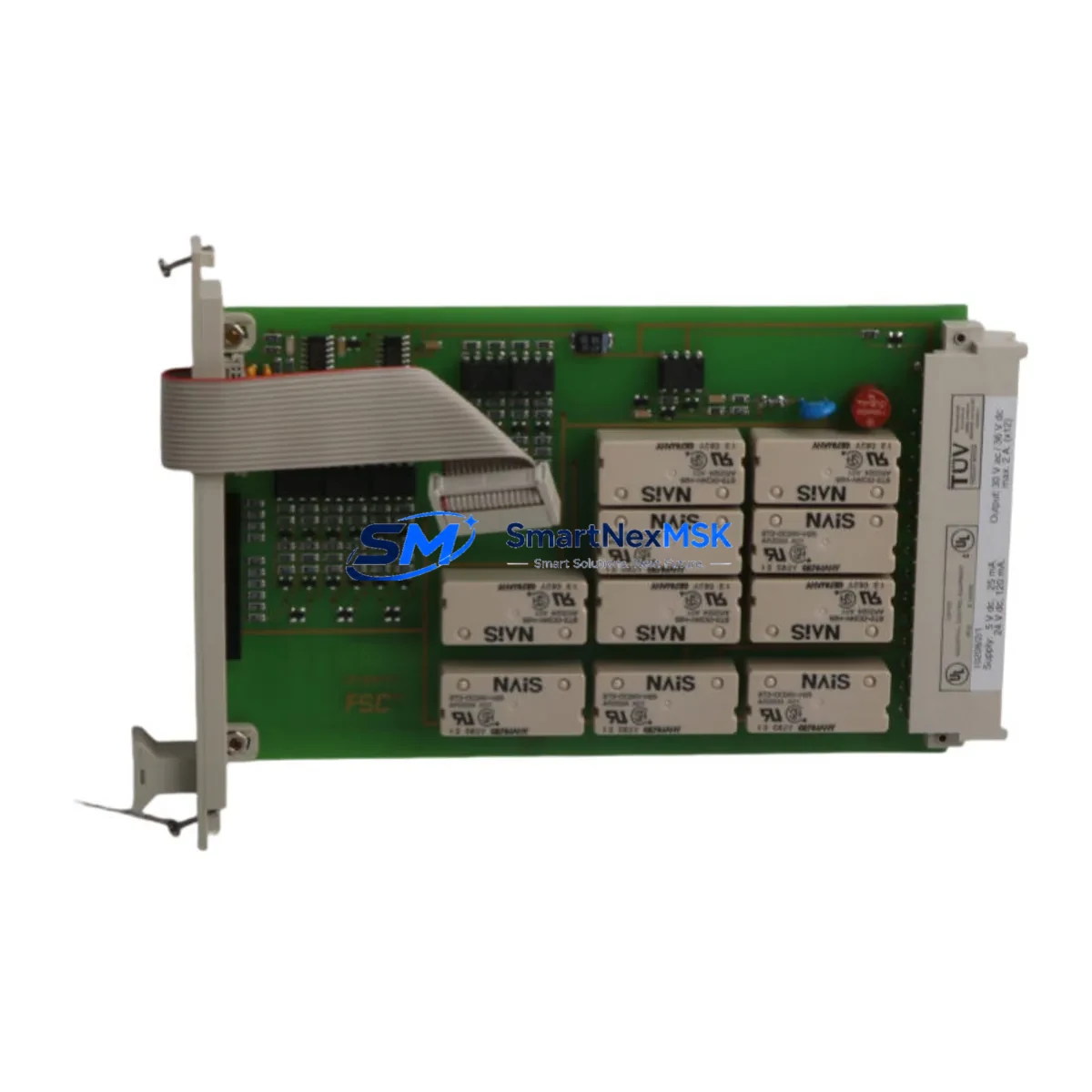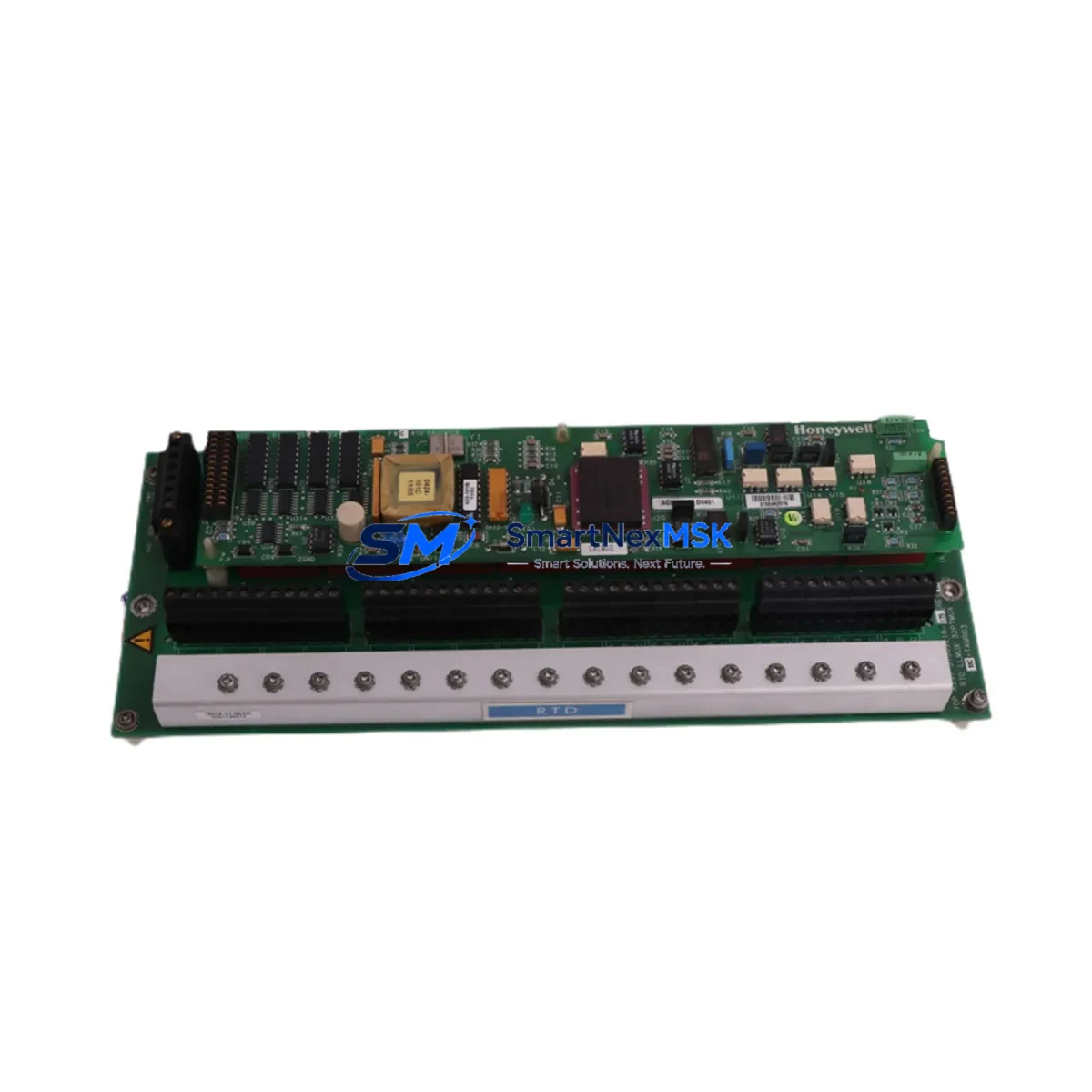
Honeywell MC-TAMR03 51309218-175 Retrofit-Ready Analog Mux for Experion PKS: Compatible Modernization for Legacy DCS Systems
The Honeywell MC-TAMR03 (part number 51309218-175) is a Low Level Analog Multiplexer Module originally designed for Honeywell’s TotalPlant Solution (TPS) and Experion PKS Distributed Control Systems. As aging TPS infrastructure reaches end-of-support and facilities transition toward Experion PKS R500 and later platforms, the MC-TAMR03 remains a critical component for maintaining analog signal integrity across thermocouple, RTD, and millivolt input channels. Our stock is sourced, inspected, and shipped with a 12-month warranty to support both emergency replacement and planned retrofit programs.
Upgrade Compatibility Table
| Parameter | MC-TAMR03 (51309218-175) | Retrofit Notes |
|---|---|---|
| Compatible Platforms | TPS, Experion PKS (all revisions) | Verify firmware revision of host controller (MC-PAPM02 or MC-PAPM03) before installation |
| Backplane Interface | LLAI Mux Backplane (MC-TAMR01 series rack) | Confirm backplane slot assignment matches existing I/O map; no re-addressing required for direct swap |
| Input Channel Type | Low-level analog: TC, RTD, mV | Verify field wiring terminal block (MC-TAIX03 or equivalent) is undamaged before module swap |
| Communication Link | FTA-to-IOP via Honeywell LLAI bus | No protocol migration required; bus topology unchanged in TPS-to-Experion migration paths |
| Power Requirement | Supplied via backplane (24 VDC nominal) | Confirm PM power module (MC-PDPY22 or MC-PDPY23) capacity before adding modules to existing rack |
| Installation Method | Hot-swap capable (with controller redundancy active) | Recommended: place controller in manual mode and verify redundant path before module extraction |
| Replacement Scope | Direct drop-in for MC-TAMR03 variants | Cross-reference 51309218-175 against site BOM; confirm revision suffix compatibility with site engineer |
| Warranty | 12-Month Warranty — covers functional failure under normal operating conditions. Includes pre-shipment functional test report. | |
Retrofit Planning for Existing Automation Systems
Replacing the MC-TAMR03 within a live TPS or Experion PKS environment requires careful pre-planning to avoid unintended process upsets. The module sits within the Low Level Analog Input (LLAI) subsystem, interfacing between field-mounted thermocouples or RTDs and the IOP (Input/Output Processor). Before initiating a swap, engineers should audit the full rack assembly: confirm the MC-TAIX03 field termination assembly is correctly wired and that the associated MC-PAPM02 or MC-PAPM03 processor module holds a current, backed-up configuration.
In facilities running parallel TPS and Experion PKS nodes during a phased migration, the MC-TAMR03 may serve both legacy and modernized segments of the control network. It is common in such environments to also encounter the MC-TDID12 digital input module, MC-TDOD08 digital output module, and MC-TAOY22 analog output module within the same cabinet. Ensuring that the power module — typically an MC-PDPY22 or MC-PDPY23 — has sufficient headroom to support the full complement of I/O modules is a prerequisite step that is frequently overlooked during emergency replacements.
For sites upgrading from TPS to Experion PKS C300 or C200E controllers, the LLAI bus architecture is preserved, meaning the MC-TAMR03 does not require re-configuration of module addresses or channel assignments. However, the Control Builder engineering tool should be used to verify that the associated Function Block (FB) definitions reference the correct hardware tag and slot position. If the facility uses an Experion Station HMI or a legacy GUS (Global User Station), display faceplates tied to the affected analog loops should be validated post-swap to confirm correct engineering unit scaling and alarm setpoint retention.
Communication continuity is another key consideration. In systems where the LLAI subsystem feeds data upstream to an Experion server via the FTE (Fault Tolerant Ethernet) backbone, a brief module interruption may trigger a communication alarm at the server level. Coordinating the swap with the control room operator and pre-acknowledging expected alarms reduces confusion and prevents spurious interlock activation. Sites using Profibus DP or HART pass-through for field device diagnostics should also verify that the HART multiplexer configuration is re-established after module reinsertion.
Downtime Control During System Migration
Minimizing downtime during an MC-TAMR03 replacement begins with a structured pre-outage checklist. First, export and archive the current controller configuration using Honeywell’s Control Builder or the legacy TPS Engineering Console — this preserves all loop parameters, PID tuning values, and interlock logic before any hardware is disturbed. Second, if the system supports controller redundancy (primary/secondary MC-PAPM03 pair), confirm that the secondary controller is synchronized and healthy before extracting the module from the primary rack.
For non-redundant installations, the affected analog loops should be placed in manual mode at the operator station, with field operators stationed at critical control valves to maintain process stability during the swap window. The MC-TAMR03 is hot-swap capable in redundant configurations, but in single-controller environments a brief scan-cycle interruption is expected. Typical module swap time is under five minutes; however, the full verification sequence — including channel-by-channel signal check, alarm reinstatement, and HMI faceplate confirmation — should be budgeted at 30–60 minutes per rack.
Post-installation, perform a live signal verification by comparing raw input values at the IOP level against field instrument readings. Any offset or scaling discrepancy should be investigated at the field termination assembly before returning loops to automatic control. All replacement activities should be documented in the site’s Management of Change (MOC) system, referencing the module serial number, installation date, and technician sign-off to satisfy audit and compliance requirements.
Retrofit Support FAQ
Q1: Is the MC-TAMR03 51309218-175 a direct replacement for all MC-TAMR03 variants?
The 51309218-175 is the primary part number for the standard MC-TAMR03 Low Level Analog Mux Module. Most TPS and Experion PKS installations accept this revision without modification. However, sites with early-revision backplanes should confirm compatibility with their Honeywell site engineer or our technical team before ordering, as minor hardware revision differences may affect connector keying.
Q2: What pre-shipment testing is performed on this module?
Each MC-TAMR03 unit undergoes a functional power-on test and channel continuity verification before shipment. A test report is included with the module. Our 12-month warranty covers functional failure under normal operating conditions and excludes damage caused by incorrect installation, overvoltage, or environmental factors outside Honeywell’s published specifications.
Q3: Can this module be used during a phased TPS-to-Experion PKS migration without reconfiguring the I/O map?
Yes. The LLAI bus architecture used by the MC-TAMR03 is preserved across TPS and Experion PKS platforms. Module slot addresses and channel assignments remain valid without re-engineering, provided the host IOP firmware is at a compatible revision. Use Honeywell’s Control Builder to verify FB-to-hardware tag bindings after migration.
Q4: What is the lead time and shipping arrangement for urgent replacement orders?
In-stock units ship within 1–2 business days via DHL, FedEx, or customer-nominated freight. For urgent plant-down situations, contact our sales team directly to arrange same-day dispatch. Export documentation, including commercial invoice and packing list, is prepared for all international shipments to minimize customs clearance delays.
© 2026 SMARTNEXMSK. All rights reserved.
Original Source: https://smartnexmsk.com
Contact: [email protected] | +86 18259474341