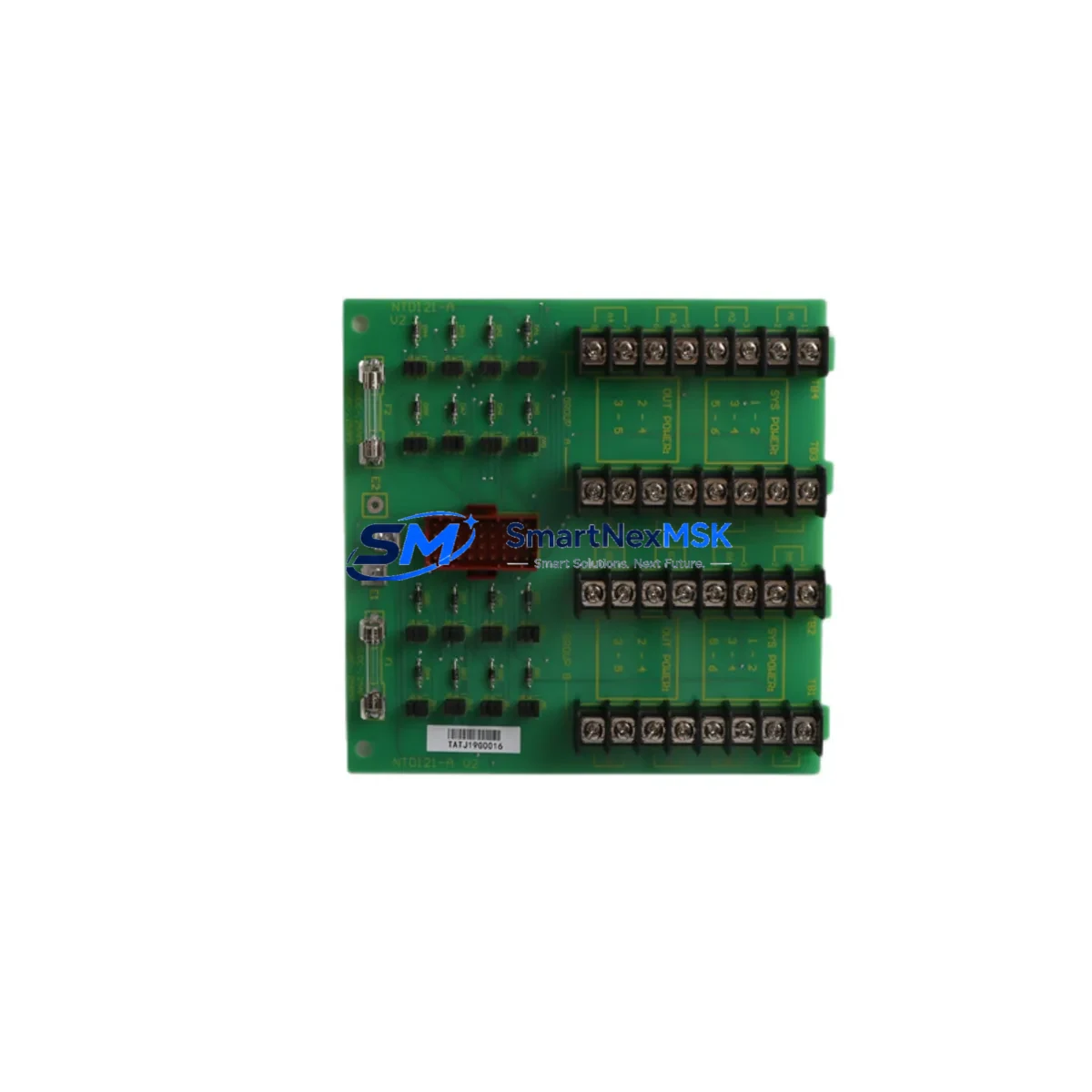
Honeywell NTDI21-A Spare for TDC 3000 DCS Automation: Spare Parts Replacement & Downtime Risk Control
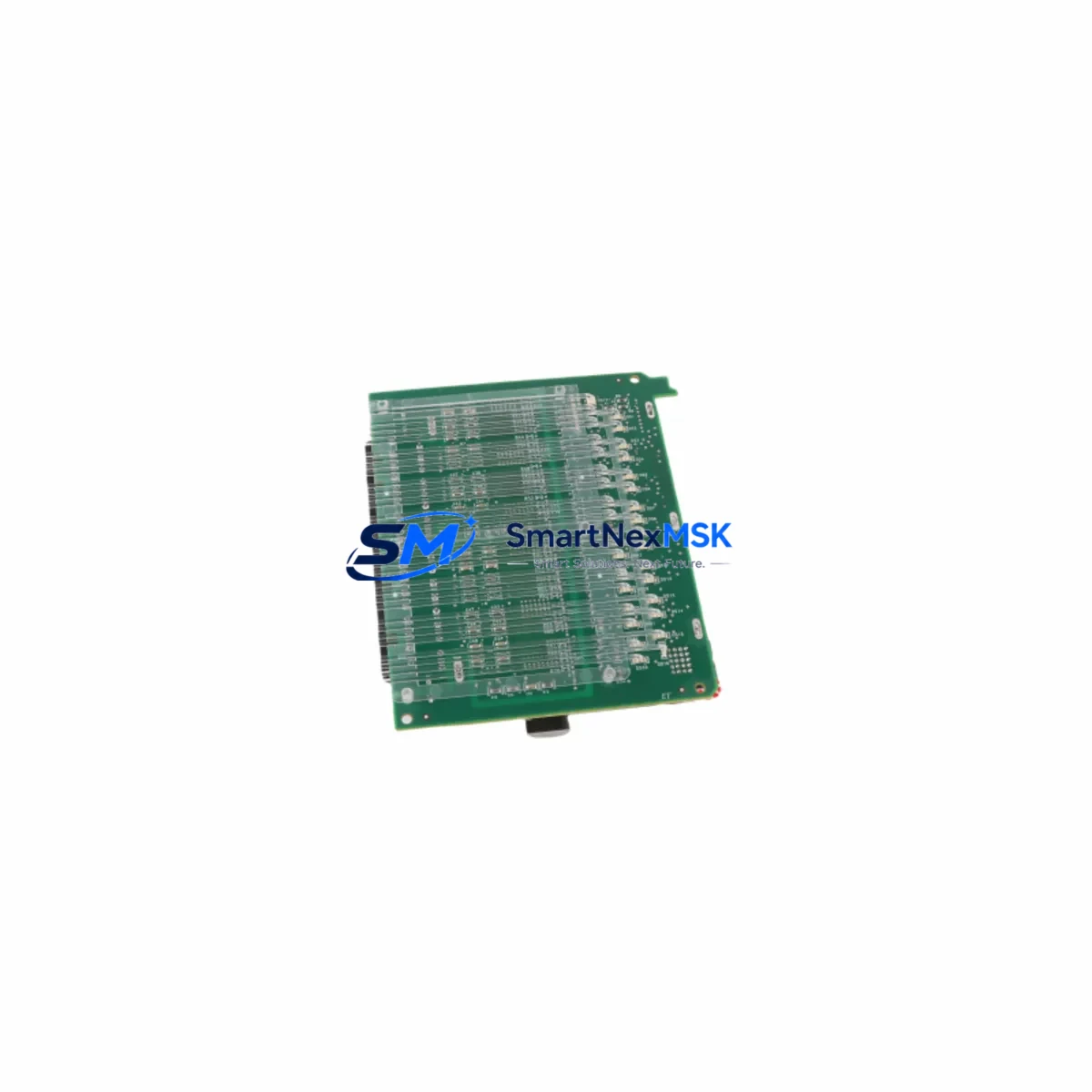
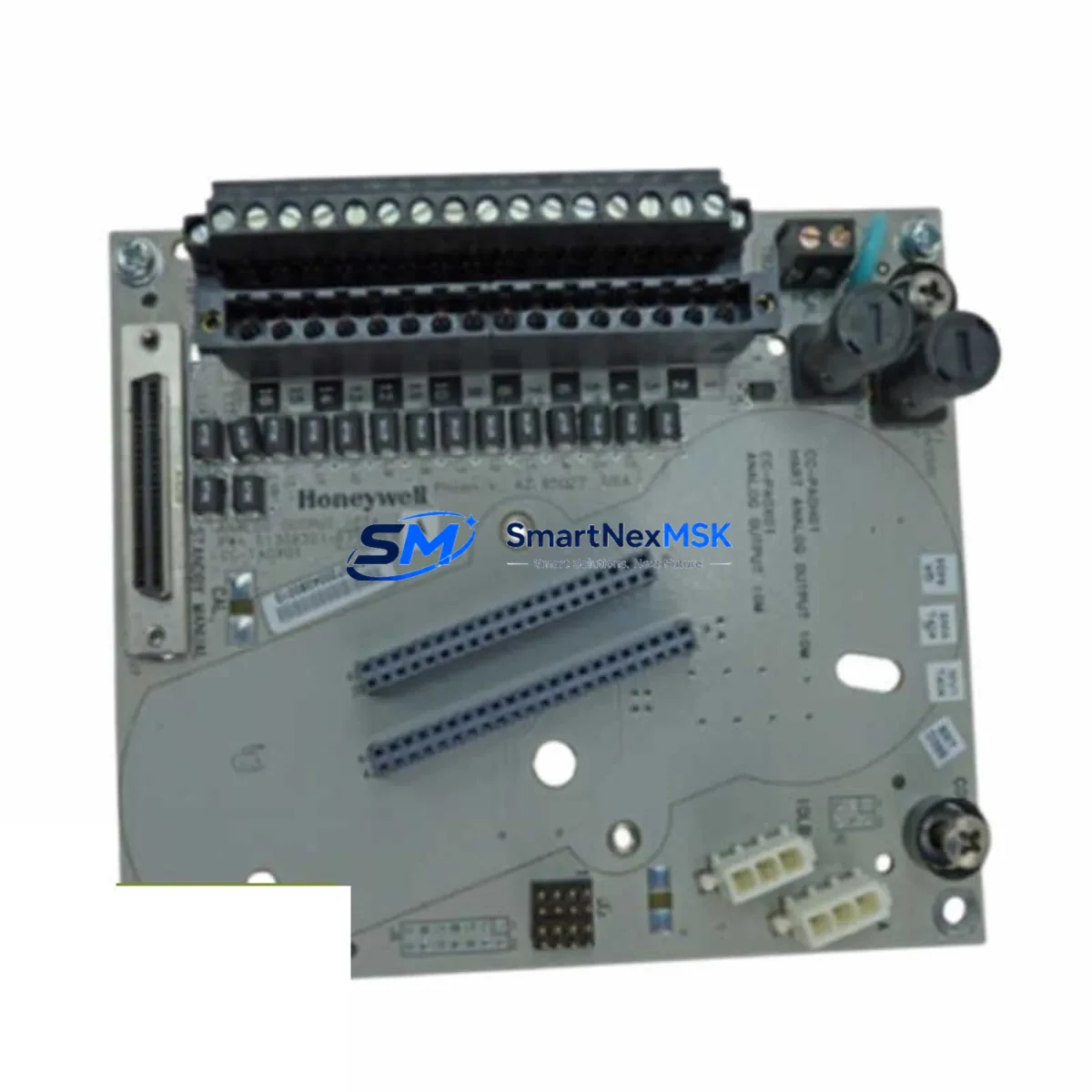
The Honeywell NTDI21-A is a digital input termination unit designed for use within the TDC 3000 and Experion PKS distributed control system architecture. As a field-side termination assembly, it serves as the critical interface between field wiring and the DCS I/O subsystem, routing discrete input signals from process instrumentation, limit switches, and field devices into the control network. In aging process plants and continuous manufacturing environments, the NTDI21-A is a high-priority spare — its failure directly interrupts signal acquisition, triggers diagnostic alarms, and can force unplanned shutdowns of entire control loops.
For maintenance engineers managing TDC 3000 cabinets, the NTDI21-A is typically installed alongside the NIDI module (Digital Input I/O Module) and shares the same backplane slot architecture. When a termination unit degrades — due to connector oxidation, terminal block fatigue, or PCB contamination from cabinet humidity — the fastest path to recovery is a pre-tested, ready-to-install replacement. Sourcing a verified NTDI21-A spare in advance eliminates the multi-week lead time risk that comes with OEM procurement channels, particularly for legacy TDC 3000 hardware that Honeywell no longer actively manufactures.
Spare Maintenance Table
| Parameter | Specification / Detail |
|---|---|
| Part Number / SKU | NTDI21-A |
| Manufacturer | Honeywell Process Solutions |
| Product Type | Digital Input Termination Unit |
| Compatible Systems | TDC 3000, Experion PKS (legacy I/O subsystem) |
| Signal Type | Discrete / Digital Input (DI) |
| Mounting | DCS Cabinet Backplane / Termination Panel |
| Application Environment | Industrial process control, continuous manufacturing, refinery, petrochemical, power generation |
| Installation | Direct replacement — no firmware configuration required for termination unit swap |
| Compatibility Verification | Confirm backplane slot type and NIDI module revision before installation |
| Condition | Original spare — tested prior to shipment |
| Warranty | 12 Months |
| Lead Time | Ships within 3–5 business days (subject to stock confirmation) |
| Origin | United States |
Maintenance Planning for Continuous Operation
When a maintenance or reliability engineer schedules a planned inspection or responds to a DCS diagnostic fault involving the NTDI21-A, the replacement workflow rarely ends with the termination unit alone. A thorough cabinet inspection should address the full signal path and power distribution chain to prevent repeat failures and ensure system stability after the swap.
Begin by verifying the 24 VDC field power supply feeding the termination panel — a degraded power module such as the Honeywell MC-PDOX02 or equivalent DCS power supply can cause intermittent input faults that mimic termination unit failure. Check the associated NIDI Digital Input I/O Module seated in the same backplane slot; connector wear or firmware mismatch between the I/O module and the termination unit is a common root cause of persistent diagnostic alarms even after a termination swap.
Inspect the field wiring terminal blocks on the NTDI21-A for signs of loose connections, corrosion, or insulation breakdown — particularly in high-humidity or high-vibration environments. If the cabinet also houses analog input channels, review the NTAI termination assemblies in adjacent slots for similar degradation patterns. For plants running mixed I/O architectures, the NTDO (Digital Output Termination Unit) and NTAI (Analog Input Termination Unit) are logical next items on the inspection checklist.
Communication integrity should also be validated. If the affected I/O subsystem connects to the Highway Gateway or Local Control Network (LCN) via a Data Hiway interface, verify that the associated communication modules and coaxial cable terminations are intact. Signal isolation barriers installed between field devices and the termination panel — particularly in hazardous area installations — should be tested for drift or failure, as a degraded isolator can corrupt digital input states and generate false process alarms.
For plants with aging TDC 3000 infrastructure, it is also advisable to maintain a minimum buffer stock of fuse holders and blade fuses rated for the termination panel’s field circuit protection. A blown fuse on a field circuit is frequently misdiagnosed as a termination unit fault until the fuse rail is individually tested. Keeping the NTDI21-A alongside a set of compatible fuses, a spare NIDI module, and a tested power supply module in the site spare parts cabinet significantly reduces mean time to repair (MTTR) for digital input faults.
Site Replacement Workflow
Replacing the NTDI21-A on a live TDC 3000 system requires coordination between the maintenance engineer and the control room operator to minimize process impact. The recommended procedure is as follows:
Step 1 — Pre-Replacement Verification: Confirm the replacement NTDI21-A part number matches the installed unit. Check the backplane slot designation and verify the associated NIDI module revision is compatible. Document the current field wiring terminal assignments using the as-built cabinet drawing before disconnecting any wiring.
Step 2 — Process Isolation: Place the affected I/O channels in manual mode at the operator station. Notify the control room of the planned maintenance window. For critical interlock circuits, confirm that the safety system is not dependent on the affected digital input channels before proceeding.
Step 3 — Physical Swap: Disconnect field wiring from the terminal blocks in the documented sequence. Remove the faulty NTDI21-A from the backplane. Install the replacement unit, ensuring the backplane connector is fully seated. Reconnect field wiring per the terminal assignment documentation.
Step 4 — Functional Test: From the operator station, verify that all digital input channels associated with the replaced termination unit are reading correctly. Cycle field devices (limit switches, proximity sensors, or push buttons) to confirm signal state changes are reflected in the DCS. Clear any latched diagnostic alarms and return the I/O channels to automatic mode.
Step 5 — Documentation: Record the replacement in the maintenance management system (CMMS) with the date, technician ID, and new part serial number. Update the spare parts inventory to trigger reorder of the consumed NTDI21-A unit, maintaining the minimum stock level defined in the site spare parts strategy.
This workflow is applicable to both emergency corrective maintenance and planned preventive replacement cycles. For old-system life extension programs targeting TDC 3000 platforms beyond their original design life, proactive replacement of termination units on a scheduled basis — rather than waiting for failure — is the most effective strategy for sustaining system availability.
Spare Parts Support FAQ
Q1: Is the NTDI21-A still available as a new original spare, or only as refurbished stock?
The NTDI21-A is sourced as an original spare from authorized distribution and legacy inventory channels. Each unit undergoes functional testing prior to shipment to verify electrical integrity and connector condition. Units are supplied with a 12-month warranty covering manufacturing defects and functional failure under normal operating conditions.
Q2: How do I verify compatibility between the NTDI21-A and my installed NIDI module revision?
Compatibility is determined by the backplane slot type and the NIDI module hardware revision installed in your TDC 3000 cabinet. Reference the Honeywell TDC 3000 I/O subsystem documentation (PM12-230 or equivalent) for the termination unit-to-I/O module compatibility matrix. If you provide your cabinet configuration details, our technical team can confirm compatibility before shipment.
Q3: What is the recommended minimum stock level for the NTDI21-A in a site spare parts strategy?
For process plants with 10 or more NTDI21-A units installed, a minimum buffer of 2 units is recommended to cover both emergency corrective replacement and planned preventive swap cycles. Plants operating in remote locations or with extended OEM lead times should consider holding 3–5 units to ensure availability during peak maintenance periods or multi-unit failure events.
Q4: What pre-shipment testing is performed on each NTDI21-A unit?
Each NTDI21-A is tested for backplane connector integrity, terminal block continuity, and PCB visual inspection prior to packaging. Units that do not meet functional test criteria are rejected from inventory. A test report is available upon request for quality-critical procurement processes. All units ship with a 12-month warranty and are packaged in anti-static protective materials to prevent transit damage.
© 2026 SMARTNEXMSK. All rights reserved.
Original Source: https://smartnexmsk.com
Contact: [email protected] | +86 18259474341