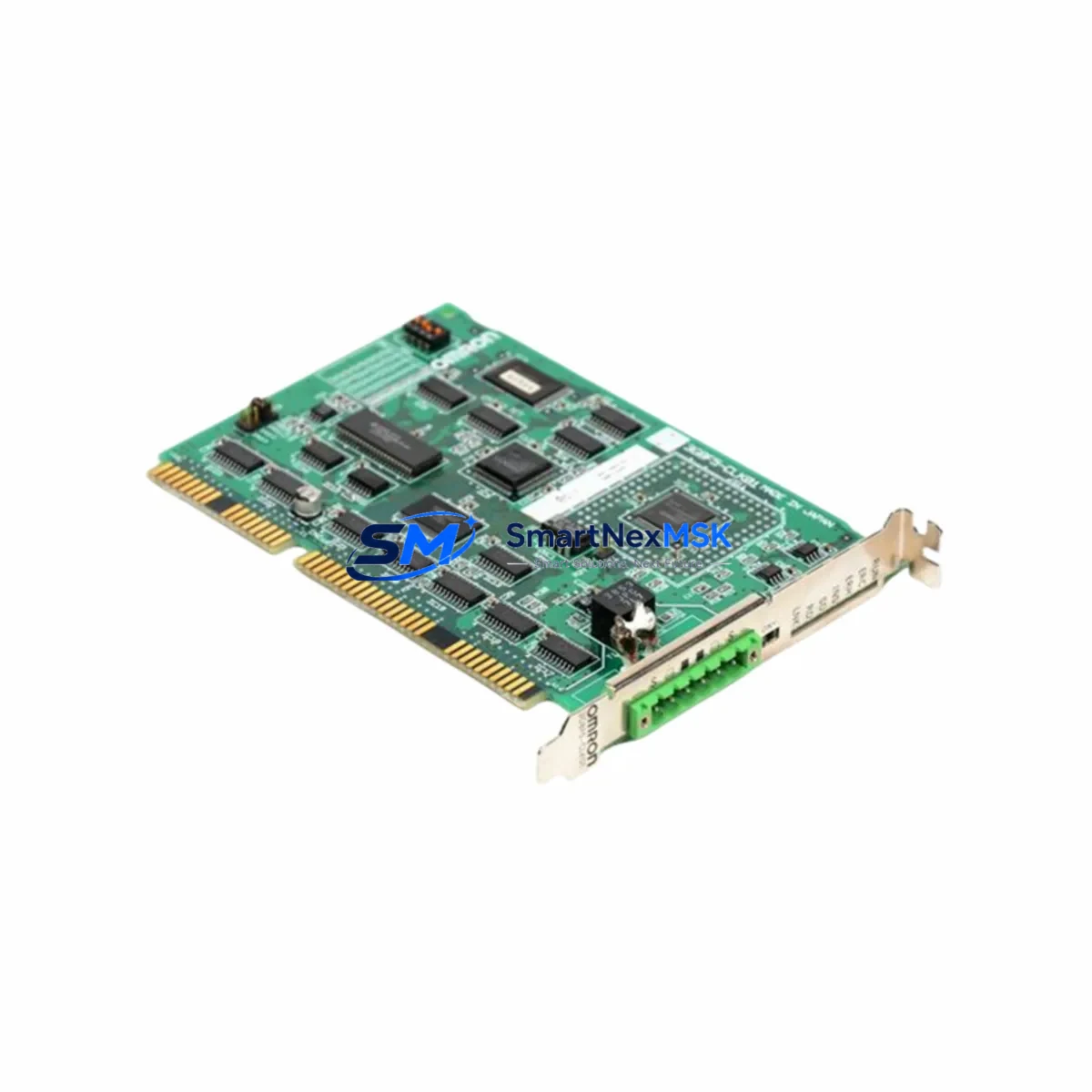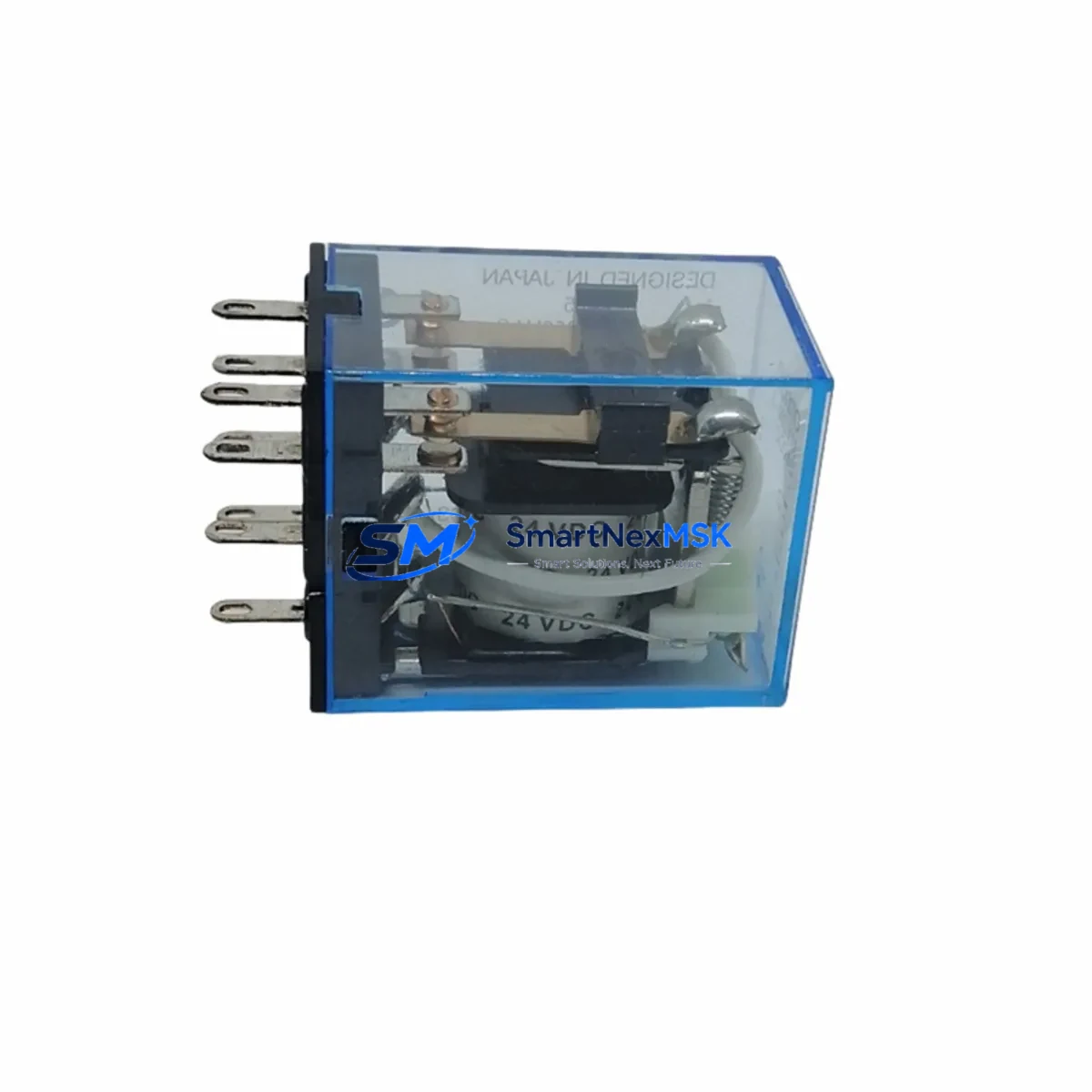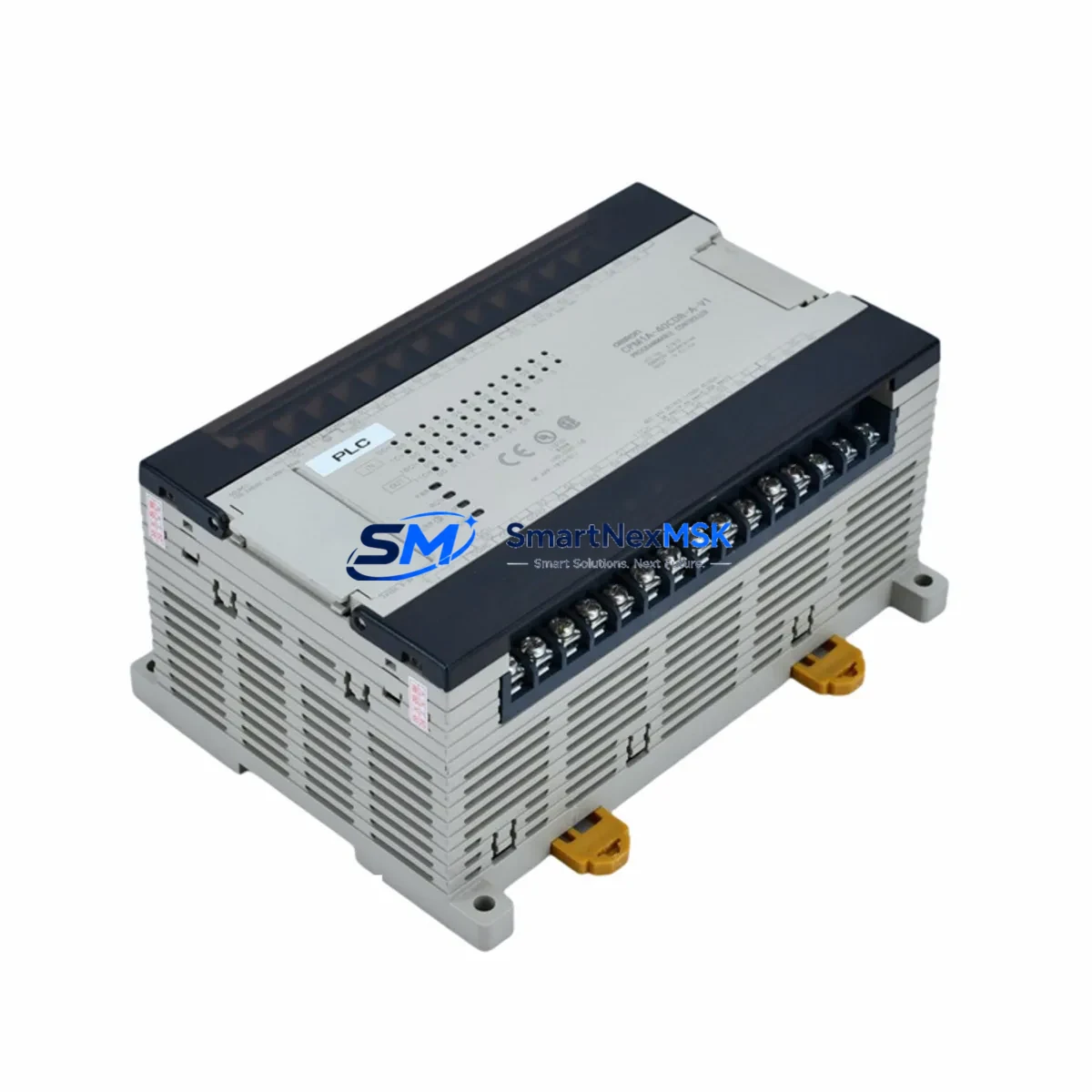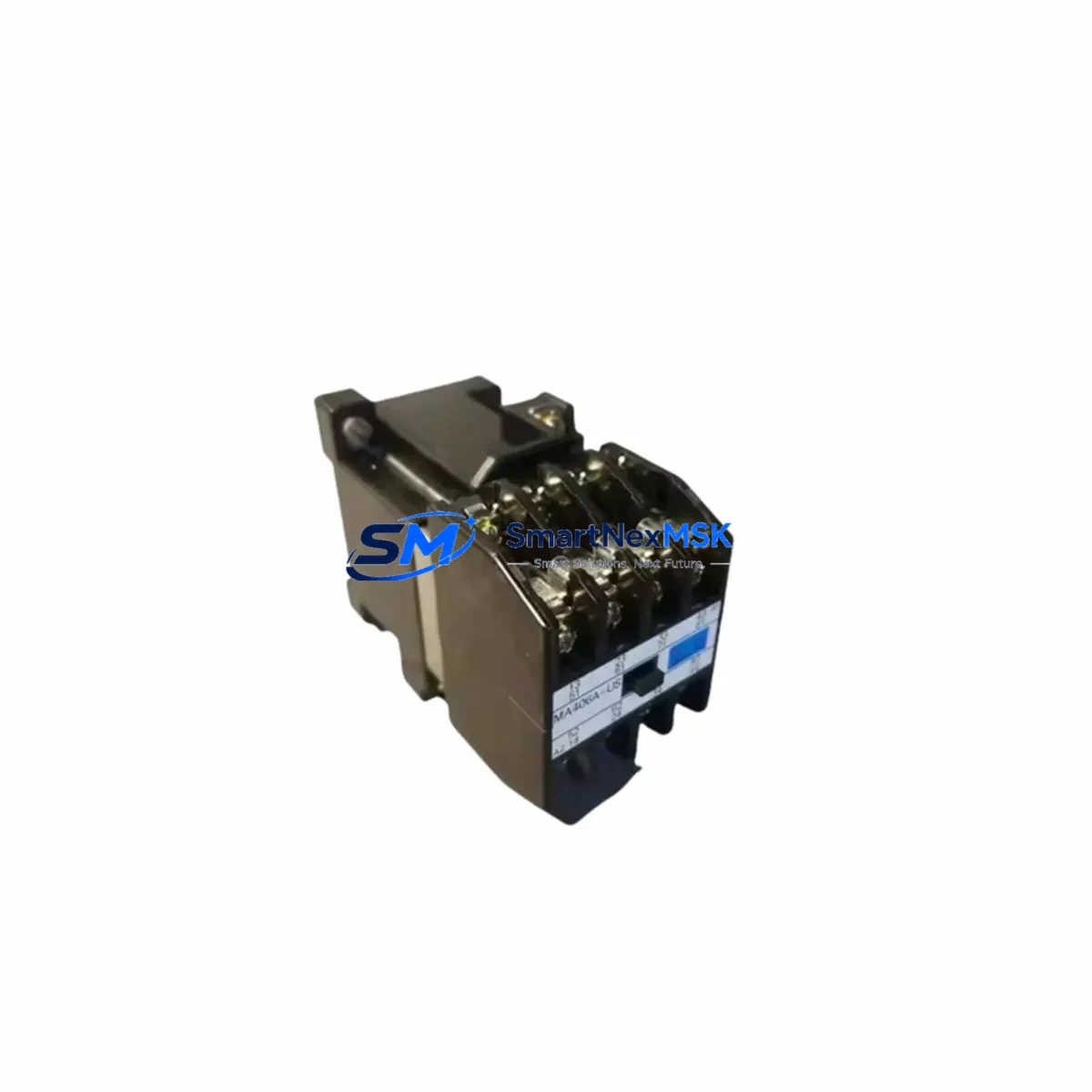
OMRON MA406A-62: Retrofit-Ready Varactor Diode for MA406A Series Control Systems
The OMRON MA406A-62 is a precision varactor diode engineered for seamless integration into legacy and modern OMRON-based control architectures. As industrial facilities face increasing pressure to extend the operational life of existing automation infrastructure while migrating toward current-generation platforms, the MA406A-62 serves as a critical retrofit component — enabling engineers to replace discontinued or degraded tuning diodes without redesigning surrounding circuitry or interrupting production continuity.
Whether you are restoring a legacy OMRON C200H programmable controller system, upgrading signal conditioning circuits within a CS1 or CJ1 series control cabinet, or replacing worn components in a frequency-sensitive I/O module, the MA406A-62 delivers the capacitance-voltage characteristics required for stable, repeatable performance. Its compatibility with OMRON’s broader MA406A component family makes it a preferred choice for maintenance engineers managing aging automation assets across discrete manufacturing, process control, and building automation environments.
In retrofit scenarios, engineers frequently encounter situations where the original varactor diode has drifted out of specification due to thermal cycling, electrostatic discharge events, or simple end-of-life degradation. The MA406A-62 provides a verified drop-in replacement that restores tuning accuracy in oscillator circuits, phase-locked loop modules, and voltage-controlled filter stages — all without requiring firmware changes or recalibration of upstream OMRON PLCs such as the CP1H, CJ2M, or NX1P2 series controllers.
Upgrade Compatibility Table
| Parameter | Detail |
|---|---|
| SKU / Part Number | MA406A-62 |
| Brand | OMRON |
| Series Compatibility | MA406A Series; compatible with OMRON C200H, CS1, CJ1, CJ2, CP1H, NX1P2 platform ancillary circuits |
| Component Type | Varactor Diode (Tuning Diode) |
| Replacement For | MA406A series varactor diodes; discontinued or degraded equivalents in OMRON signal conditioning modules |
| Interface / Mounting | Through-hole; compatible with standard PCB footprints used in OMRON control and I/O modules |
| Communication Compatibility | Passive component — no protocol dependency; supports circuits interfacing with EtherNet/IP, DeviceNet, and SYSMAC bus architectures |
| Installation Requirement | ESD-safe handling; verify reverse voltage and capacitance range against original circuit specification before installation |
| Commissioning Notes | Post-replacement: verify oscillator frequency, PLL lock status, and I/O signal integrity using OMRON CX-Programmer or equivalent diagnostic tool |
| Retrofit Recommendation | Suitable for board-level repair of OMRON modules; recommended as a stocked spare for facilities running legacy C200H or CS1 systems |
| Warranty | 12 Months from date of shipment |
| Origin | Japan |
Retrofit Planning for Existing Automation Systems
Successful integration of the MA406A-62 into an existing OMRON control system begins with a thorough pre-retrofit assessment. Engineers should document the current control cabinet layout, including the positions of the OMRON C200H-CPU43-E or CS1G-CPU45H central processing units, associated I/O expansion racks, and any OMRON CJ1W-SCU41-V1 serial communication units that may be sensitive to signal-level changes introduced by a component swap.
Before removing the degraded varactor diode, capture the current program logic using CX-Programmer and back up all PLC memory areas — including DM, EM, and IR regions — to ensure that no data is lost during the maintenance window. If the control system includes an OMRON NS-series HMI or NB-series touch panel, verify that screen tag addresses remain valid after the repair, as some legacy HMI configurations reference I/O addresses that may be affected by module-level changes.
During the physical replacement, observe strict ESD precautions. The MA406A-62 should be handled using grounded wrist straps and anti-static mats. Inspect the PCB pad condition and solder joints on the host module — commonly an OMRON C200H-AD003 analog input unit or a custom signal conditioning board — before soldering the new component. Confirm that terminal wiring to adjacent OMRON G7TC I/O relay terminals or OMRON G3PE solid-state relays has not been disturbed during the repair process.
For systems that include OMRON CJ1W-ETN21 EtherNet/IP communication modules or DeviceNet master units such as the CJ1W-DRM21, verify network connectivity and node addressing after the repair is complete. A varactor diode replacement in an oscillator or clock circuit can, in rare cases, affect the timing characteristics of communication interfaces if the replacement component’s capacitance-voltage curve deviates from the original specification. Use OMRON CX-Integrator to confirm that all network nodes are online and communicating correctly before returning the system to production.
Facilities operating OMRON NX-series safety controllers or NX1P2 standalone controllers in adjacent control panels should also verify that safety I/O modules — such as the NX-SIH400 — continue to report correct input states following the repair, as cross-panel signal references may be indirectly affected by changes in signal conditioning circuit behavior.
Downtime Control During System Migration
Minimizing unplanned downtime is the primary operational concern when performing board-level component replacements in live production environments. For the MA406A-62 retrofit, the recommended approach is to pre-stage a tested replacement module or PCB assembly before scheduling the maintenance window, rather than performing the component-level repair in situ under time pressure.
Where a spare OMRON module is available, the preferred strategy is a hot-swap or cold-swap module replacement using a pre-repaired board, reducing the actual control system downtime to the time required for module removal, insertion, and I/O verification — typically under 30 minutes for experienced technicians. The original program logic, stored in the OMRON CJ2M-CPU34 or equivalent CPU’s flash memory, is preserved throughout this process and does not require re-download unless the CPU itself is being replaced.
For systems without a spare module, schedule the MA406A-62 replacement during a planned maintenance shutdown. Use the pre-shutdown period to prepare all tools, verify component specifications, and brief the maintenance team on the wiring diagram and terminal layout of the affected module. After the replacement, follow a structured commissioning sequence: power-on self-test, I/O force test using CX-Programmer, HMI screen verification, and a supervised production trial run before releasing the line to full automatic operation.
Stocking the MA406A-62 as a critical spare — alongside other high-wear passive components used in OMRON control modules — is strongly recommended for facilities with low tolerance for unplanned downtime. A minimum stock of two to three units per production line provides adequate coverage for most maintenance scenarios without excessive inventory carrying cost.
Retrofit Support FAQ
Q1: Is the MA406A-62 a direct drop-in replacement for the original varactor diode in my OMRON module?
The MA406A-62 is designed as a compatible replacement within the MA406A series. Before installation, verify that the capacitance range, reverse voltage rating, and package type match the original component specification documented in your OMRON module’s service manual. In most MA406A series applications, the MA406A-62 is a direct substitute; however, circuit-level verification is recommended for non-standard or modified control boards.
Q2: What commissioning steps are required after replacing the MA406A-62?
After installation, perform the following: (1) visual inspection of solder joints and adjacent PCB traces; (2) power-on self-test of the host OMRON module; (3) oscillator frequency or PLL lock verification using an oscilloscope or the module’s built-in diagnostic LEDs; (4) I/O signal integrity check using CX-Programmer force I/O function; (5) full system functional test under supervised conditions before returning to automatic operation.
Q3: Can I use the MA406A-62 in systems that have been upgraded from C200H to CS1 or CJ1 series?
Yes. The MA406A-62 is a passive component whose application is determined by the circuit design of the host module, not the PLC platform. If the upgraded system retains legacy signal conditioning boards or I/O modules that originally used MA406A series varactor diodes, the MA406A-62 remains the correct replacement component regardless of the CPU platform migration.
Q4: What does the 12-month warranty cover, and how is it supported?
All MA406A-62 units supplied by SMARTNEXMSK are covered by a 12-month warranty from the date of shipment. The warranty covers manufacturing defects and component failures under normal operating conditions. Each unit undergoes pre-shipment functional testing. In the event of a warranty claim, contact our technical support team with the order reference and a description of the failure mode. Replacement units are dispatched promptly to minimize impact on your production schedule.
© 2026 SMARTNEXMSK. All rights reserved.
Original Source: https://smartnexmsk.com
Contact: [email protected] | +86 18259474341