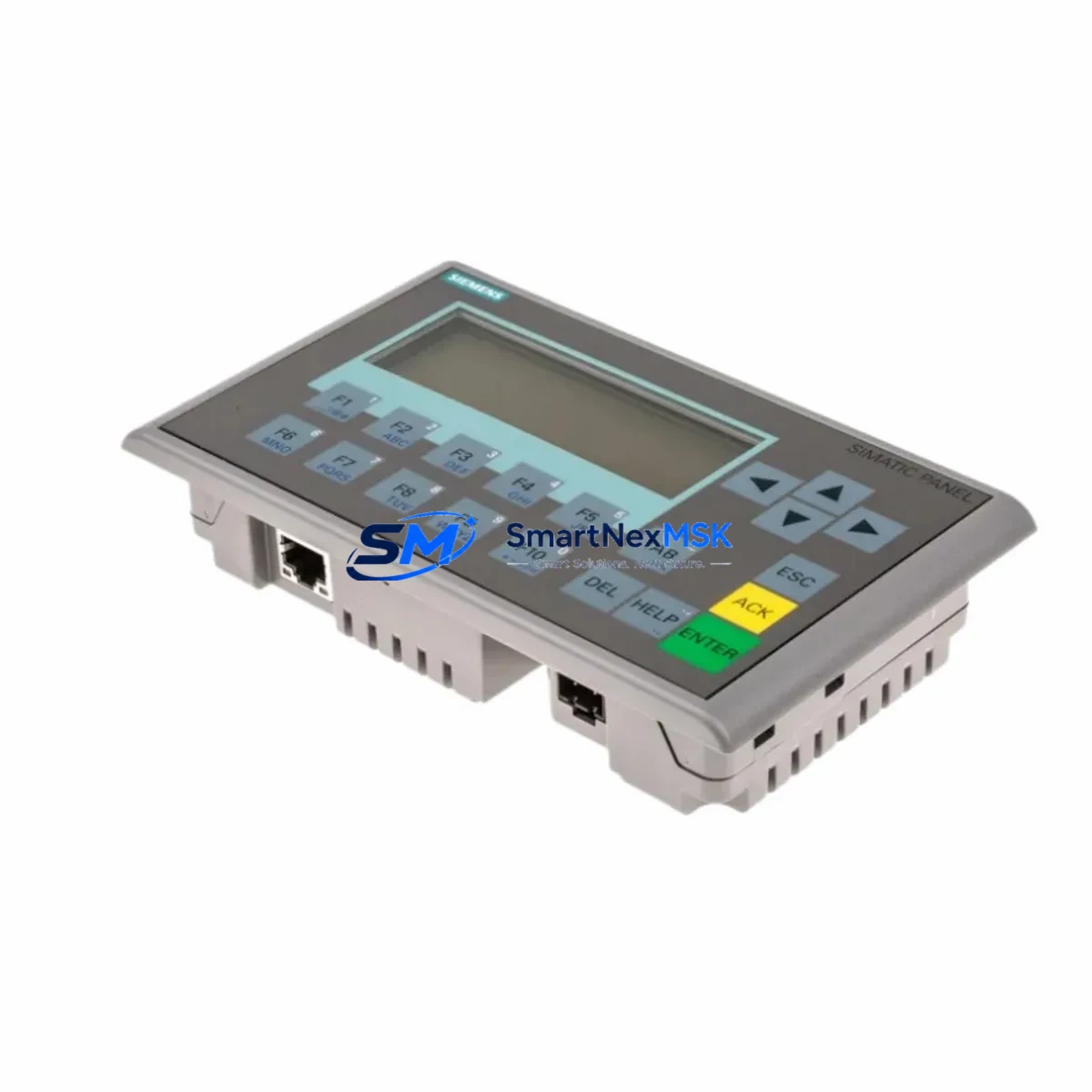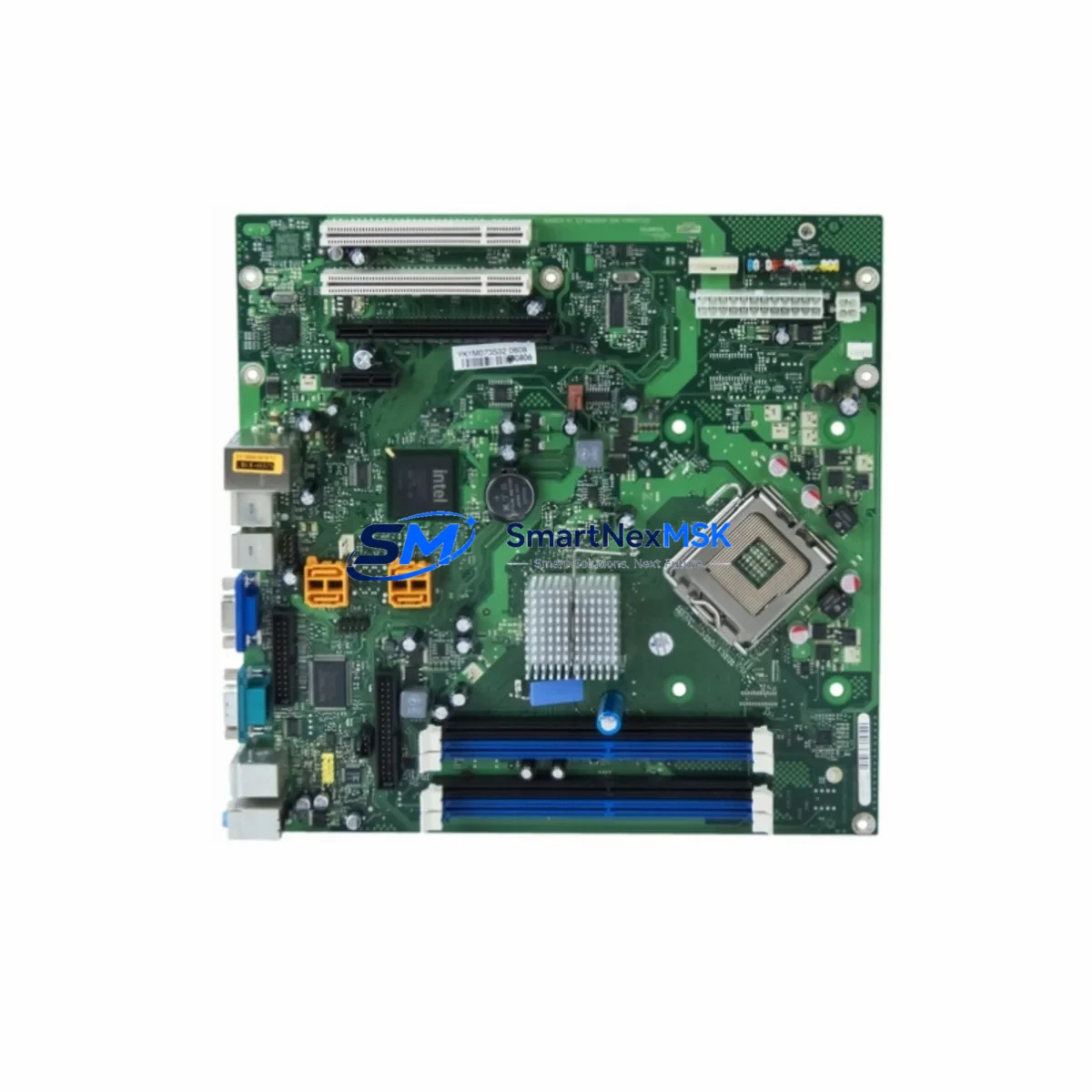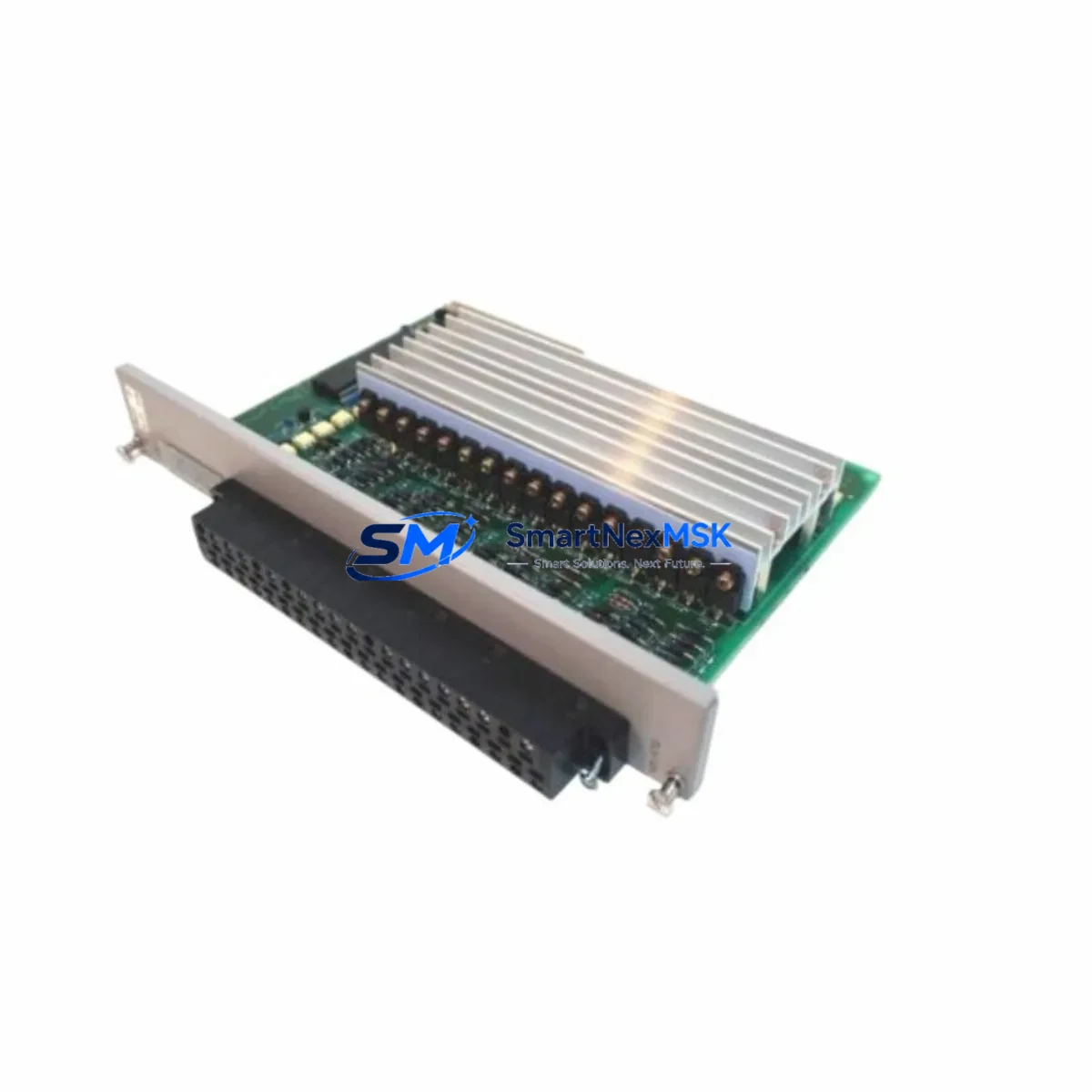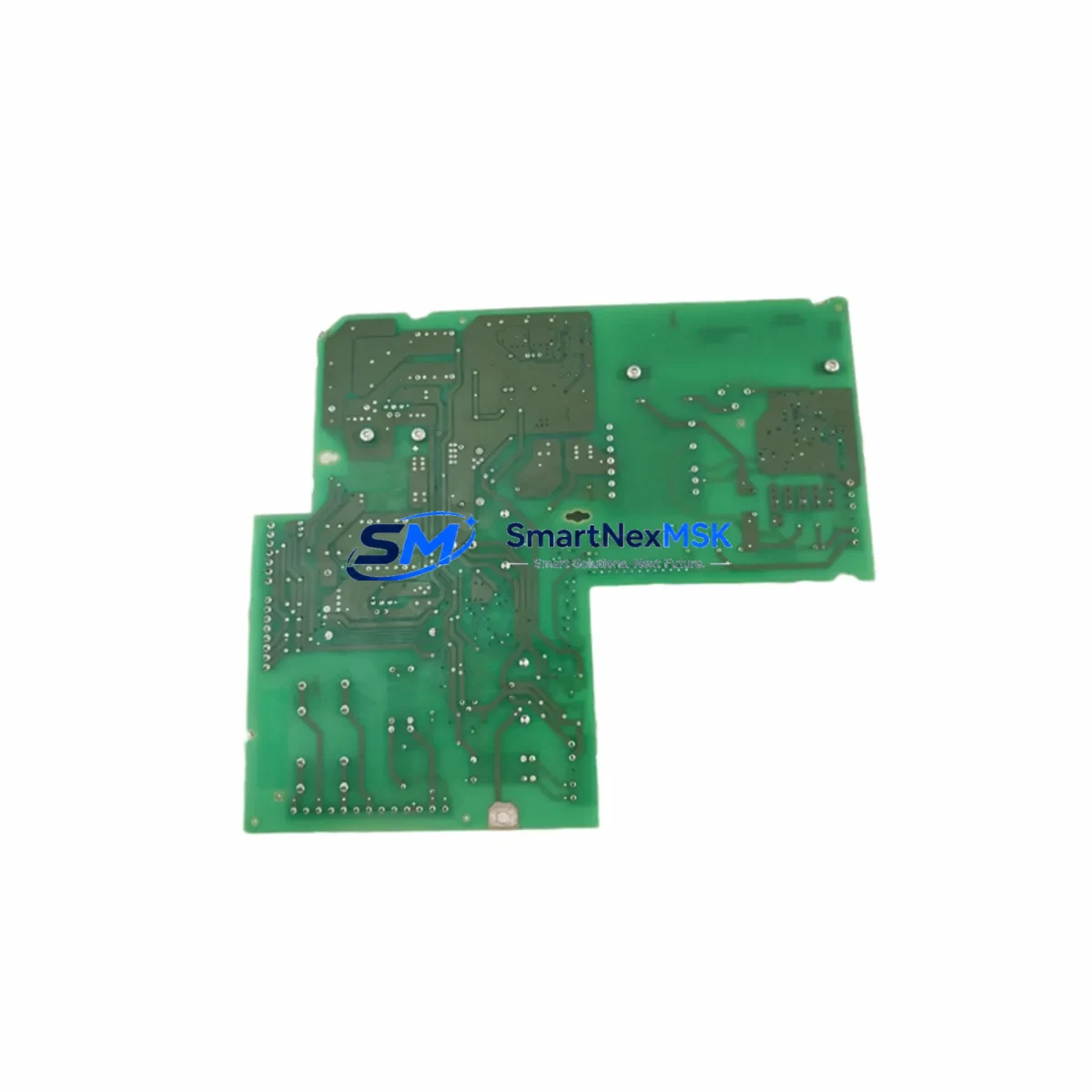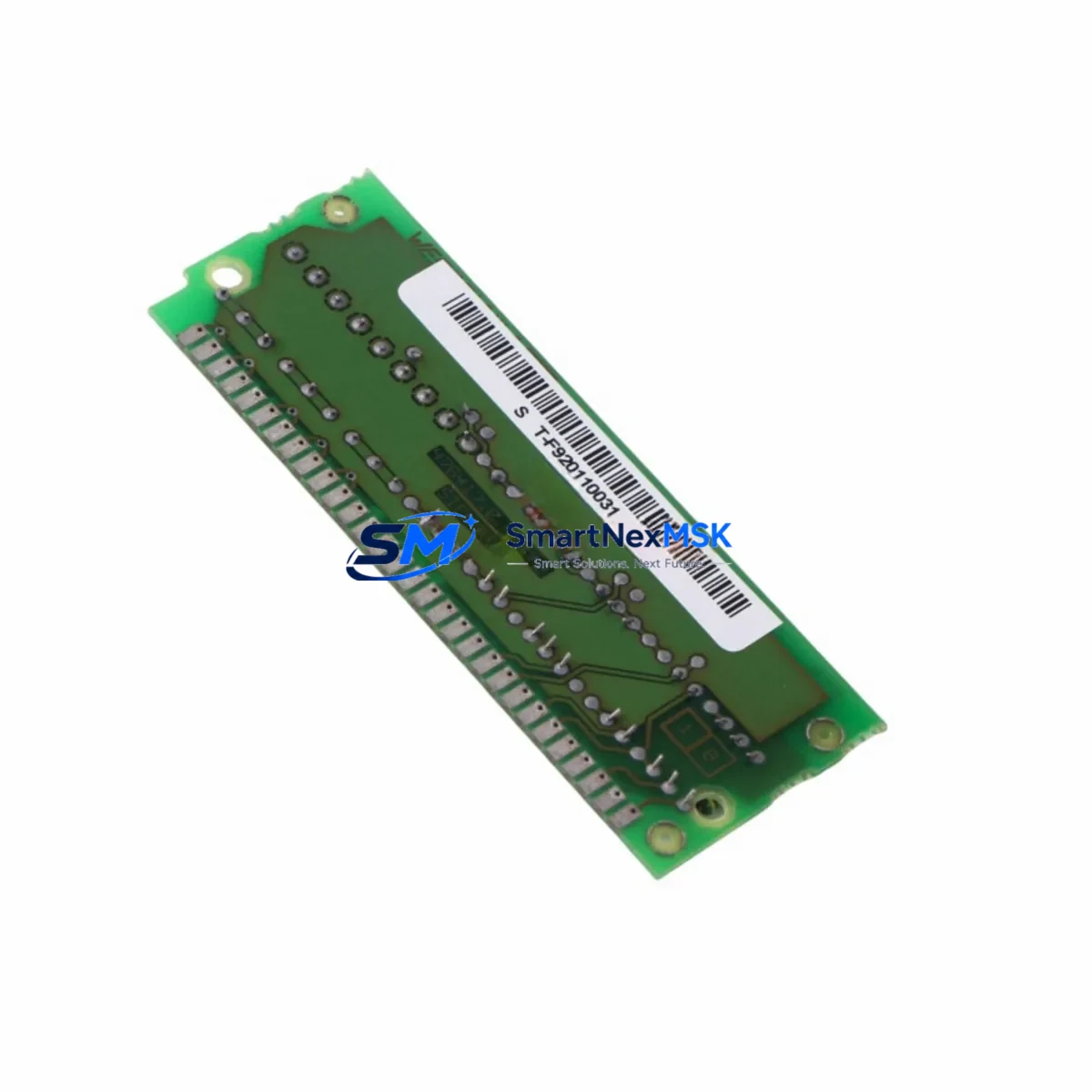
Siemens 6DD1606-0AD1 Retrofit-Ready CPU for SIMATIC TDC Control Systems
The Siemens 6DD1606-0AD1 (A5E00496009) is a high-performance CPU module engineered for the SIMATIC TDC (Technology and Drive Control) platform — one of Siemens’ most capable closed-loop control architectures deployed across steel mills, paper machines, rolling lines, and heavy-process industries. As original production of this module has been discontinued, sourcing a verified, tested replacement is critical for facilities that depend on SIMATIC TDC for real-time multi-axis coordination and high-speed process control.
This unit is supplied as a retrofit-ready replacement, fully tested prior to dispatch, and backed by a 12-month warranty. Each module undergoes functional verification including backplane communication, memory integrity, and I/O bus handshake checks before shipment. Stock is maintained to support urgent breakdown recovery and planned upgrade projects alike.
Upgrade Compatibility Table
| Parameter | Details |
|---|---|
| SKU / Part Number | 6DD1606-0AD1 / A5E00496009 |
| Platform | Siemens SIMATIC TDC (Technology & Drive Control) |
| Module Type | CPU Module (Central Processing Unit) |
| Backplane Interface | TDC rack bus — compatible with UR2, UR2-H, and UR5 rack configurations |
| Communication Compatibility | PROFIBUS-DP, MPI; compatible with CP51M1 and CP52M1 communication processors |
| Replaces / Supersedes | 6DD1606-0AD0 (earlier revision); direct form-fit-function replacement |
| Installation Requirement | Slot assignment must match original rack addressing; no hardware modification required |
| Firmware / Software | Compatible with SIMATIC TDC Engineering Tool (ET); program reload required after swap |
| Commissioning Note | Verify module address DIP switches and re-download project from PG/PC after installation |
| Warranty | 12 months from date of dispatch, covering manufacturing defects and functional failure |
Retrofit Planning for Existing Automation Systems
Replacing the 6DD1606-0AD1 in a live SIMATIC TDC installation requires careful pre-planning to protect existing program logic and minimize disruption to the production line. Before pulling the module, engineers should archive the full TDC project using the SIMATIC TDC Engineering Tool, including all CFC (Continuous Function Chart) charts, drive parameter sets, and inter-module communication configurations.
The SIMATIC TDC rack — typically a UR2 or UR2-H rack — houses multiple function modules alongside the CPU. Common co-installed modules include the TP41 technology processor for axis interpolation, the CP51M1 PROFIBUS communication processor for field device connectivity, and SM500 series I/O modules for analog and digital signal acquisition. All of these modules communicate over the TDC internal bus and must remain undisturbed during the CPU swap.
Power supply integrity is a prerequisite for any retrofit. The PS405 or PS407 power supply modules feeding the rack should be load-tested before the swap to ensure they can sustain the full module complement without voltage sag. Terminal wiring on the I/O side — particularly for high-density analog inputs connected to process sensors — should be documented with photographs and wiring diagrams before any physical work begins.
For systems where the TDC CPU interfaces with a SINAMICS S120 or MASTERDRIVES MC drive system via PROFIBUS or direct backplane coupling, the drive parameter memory (p-list) should be backed up independently using STARTER or SCOUT software. After the CPU replacement, the drive link must be re-established and the communication cycle time verified to match the original configuration.
HMI systems connected to the TDC platform — whether SIMATIC Panel PCs, TP/OP series operator panels, or SCADA stations running WinCC — communicate via MPI or PROFIBUS. These connections do not require reconfiguration after a CPU swap, but operators should be briefed on the expected control gap during the changeover window. Where a CP52M1 Ethernet communication module is installed for plant network integration, its IP settings and routing tables are stored independently and will be unaffected by the CPU replacement.
For multi-rack TDC installations, the SMP module (Synchronization Master Processor) governs inter-rack timing. Confirm that the replacement CPU’s firmware revision is compatible with the SMP version in use, as mismatched revisions can cause synchronization faults on startup. Programming cables such as the PC Adapter USB A2 or MPI/PROFIBUS interface cards should be on hand for the commissioning engineer to perform the program download and online diagnostics immediately after module installation.
Downtime Control During System Migration
Minimizing unplanned downtime during a SIMATIC TDC CPU replacement begins with preparation, not execution. The physical swap itself typically takes under 30 minutes; the majority of migration time is consumed by program verification, drive re-parameterization, and I/O signal checks.
The recommended sequence is: (1) archive the full TDC project and drive parameters to a secure engineering PC; (2) notify all connected HMI and SCADA operators of the planned control gap; (3) bring the process to a safe hold state and de-energize the rack following Siemens lockout/tagout procedures; (4) replace the 6DD1606-0AD1 module, ensuring the DIP switch address settings match the original unit exactly; (5) re-energize and download the archived project from the engineering tool; (6) perform a cold restart and verify all I/O, drive links, and communication statuses in the TDC diagnostic buffer; (7) run a supervised test cycle before returning the line to automatic mode.
For facilities that cannot tolerate any control gap, a parallel commissioning approach is possible: configure the replacement CPU offline in a bench rack, pre-load the program, and perform a hot-swap during a scheduled micro-stop. This approach requires a spare UR2 rack and power supply but reduces live downtime to under five minutes. All units supplied by SMARTNEXMSK are pre-tested and ready for immediate installation, eliminating the bench burn-in phase from your critical path.
Retrofit Support FAQ
Q1: Is the 6DD1606-0AD1 a direct drop-in replacement for the 6DD1606-0AD0?
Yes. The -0AD1 revision is the direct successor to the -0AD0 and is form-fit-function compatible. No rack modification, wiring change, or software re-engineering is required. The existing TDC project can be reloaded without modification after the swap.
Q2: Do I need to reconfigure PROFIBUS addresses after replacing the CPU?
No. PROFIBUS node addresses for field devices (drives, I/O stations, HMI panels) are stored in the project file and will be restored when the program is downloaded to the new CPU. Confirm that the module slot address DIP switches on the replacement unit match the original before powering up.
Q3: What testing is performed before dispatch?
Every 6DD1606-0AD1 unit is powered up, subjected to backplane communication verification, memory read/write cycle testing, and I/O bus handshake confirmation before packaging. A test report is available on request. All units are covered by a 12-month warranty from the date of dispatch.
Q4: Can this module be used in a SIMATIC TDC system running an older version of the TDC Engineering Tool?
The 6DD1606-0AD1 is compatible with SIMATIC TDC ET versions commonly deployed in the field. If your engineering tool version is below the minimum supported revision, a firmware compatibility check is recommended before installation. Contact our technical team with your ET version number and we will confirm compatibility prior to shipment.
© 2026 SMARTNEXMSK. All rights reserved.
Original Source: https://smartnexmsk.com
Contact: [email protected] | +86 18259474341