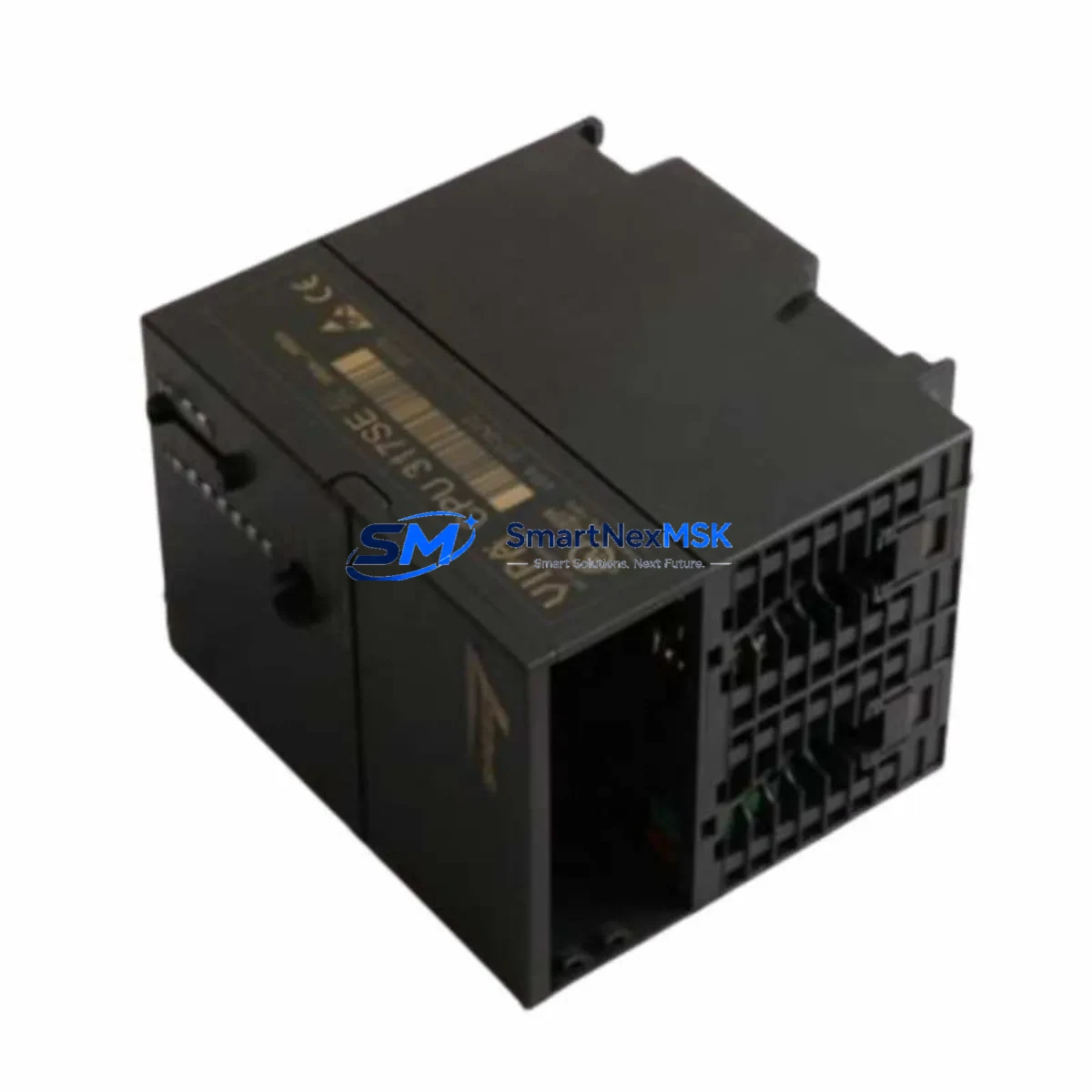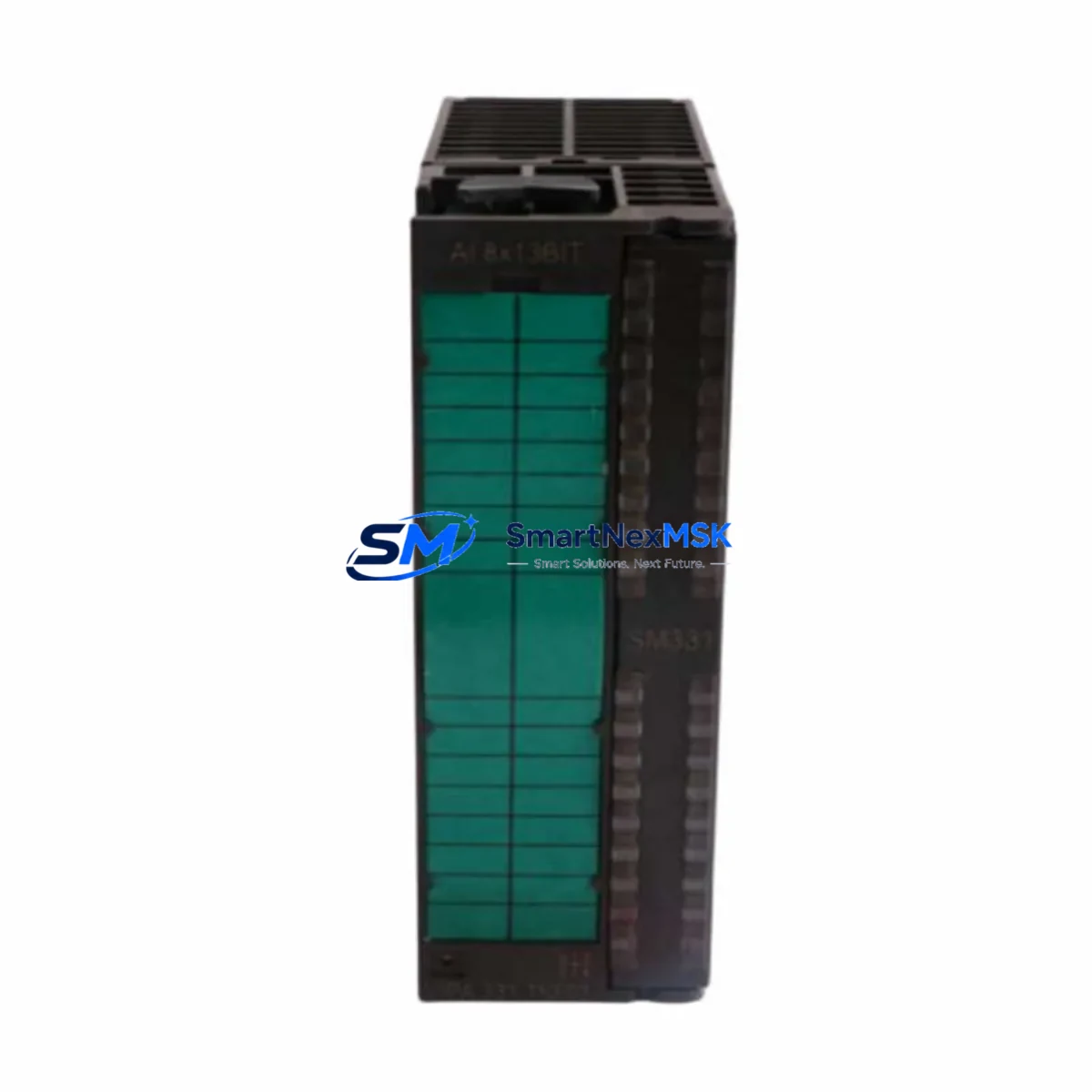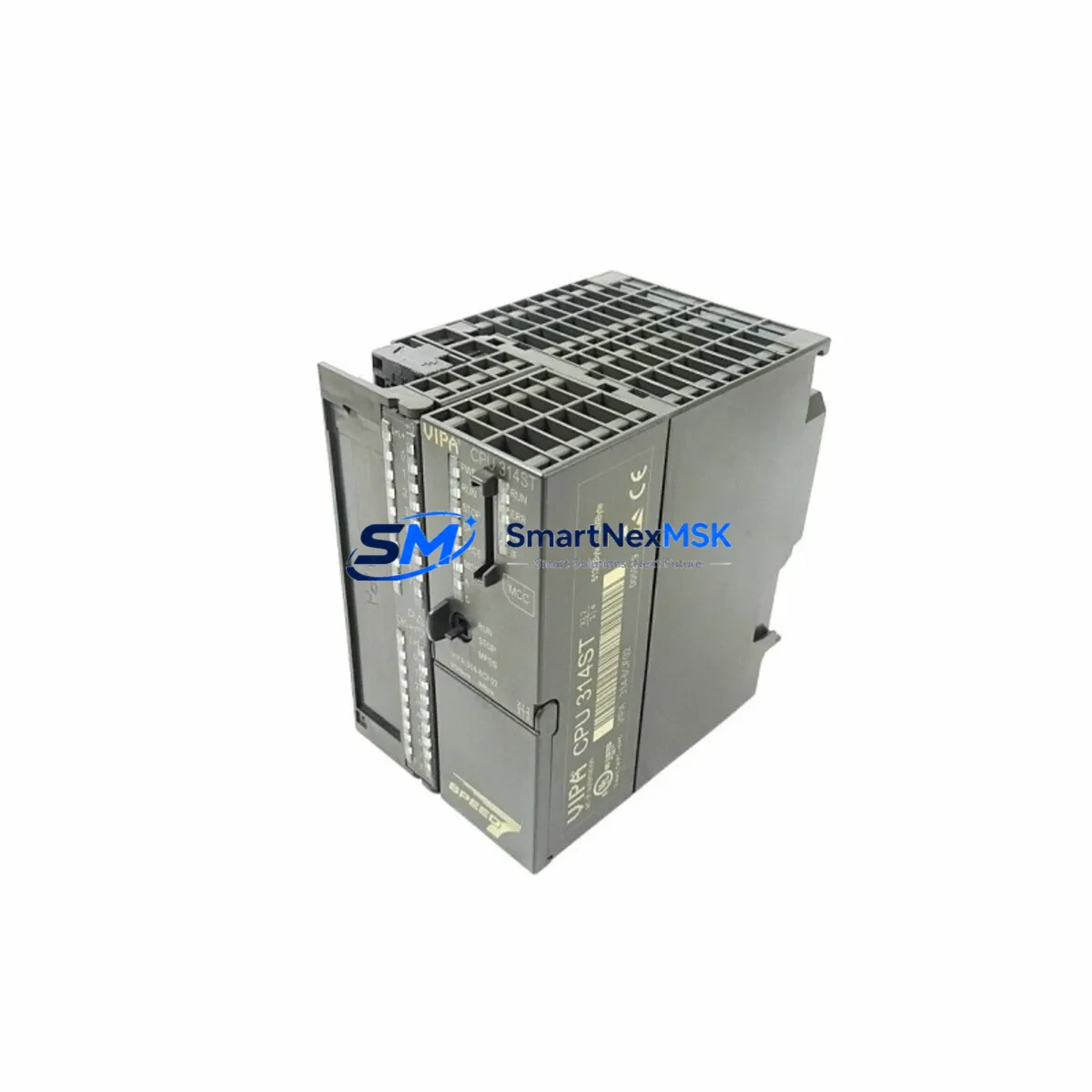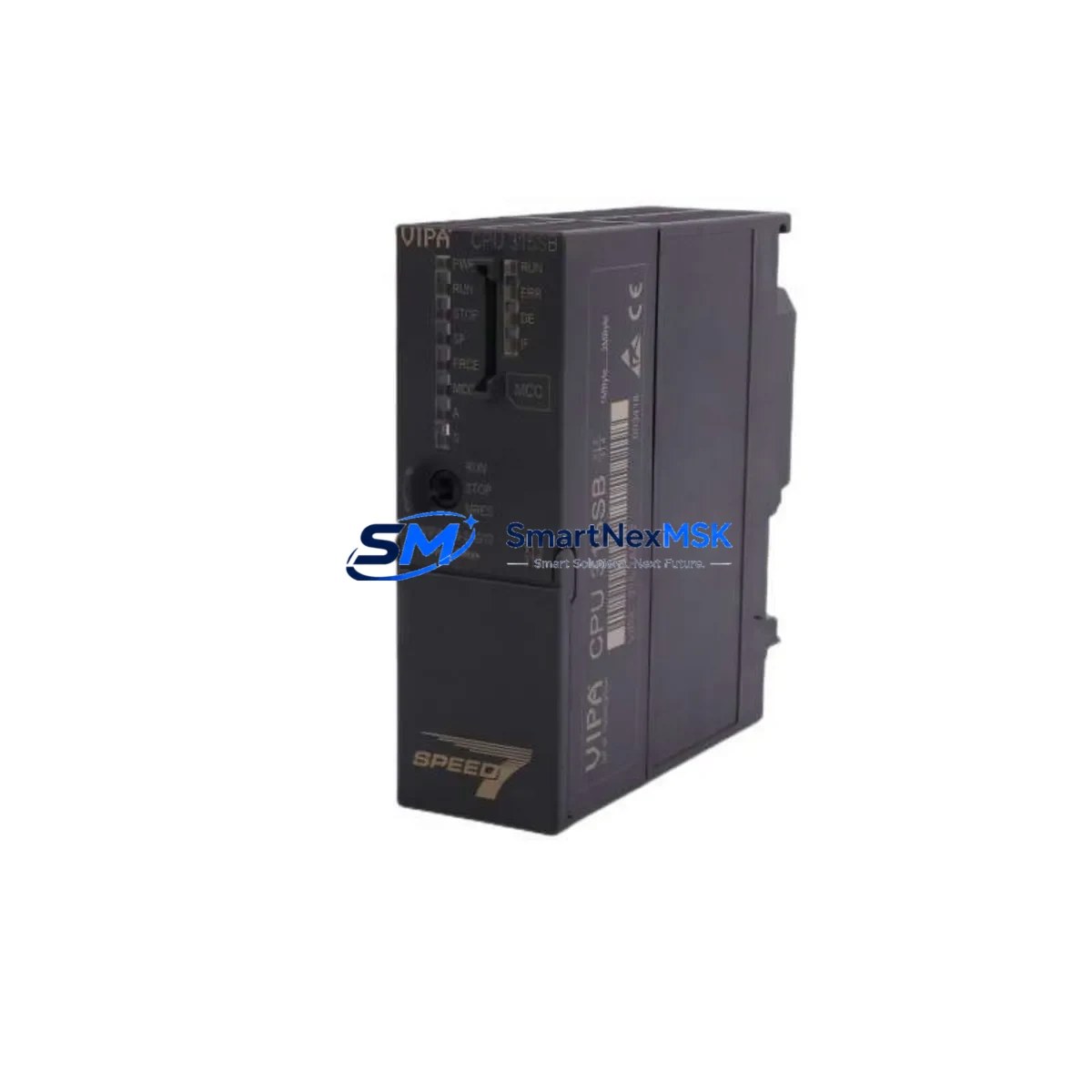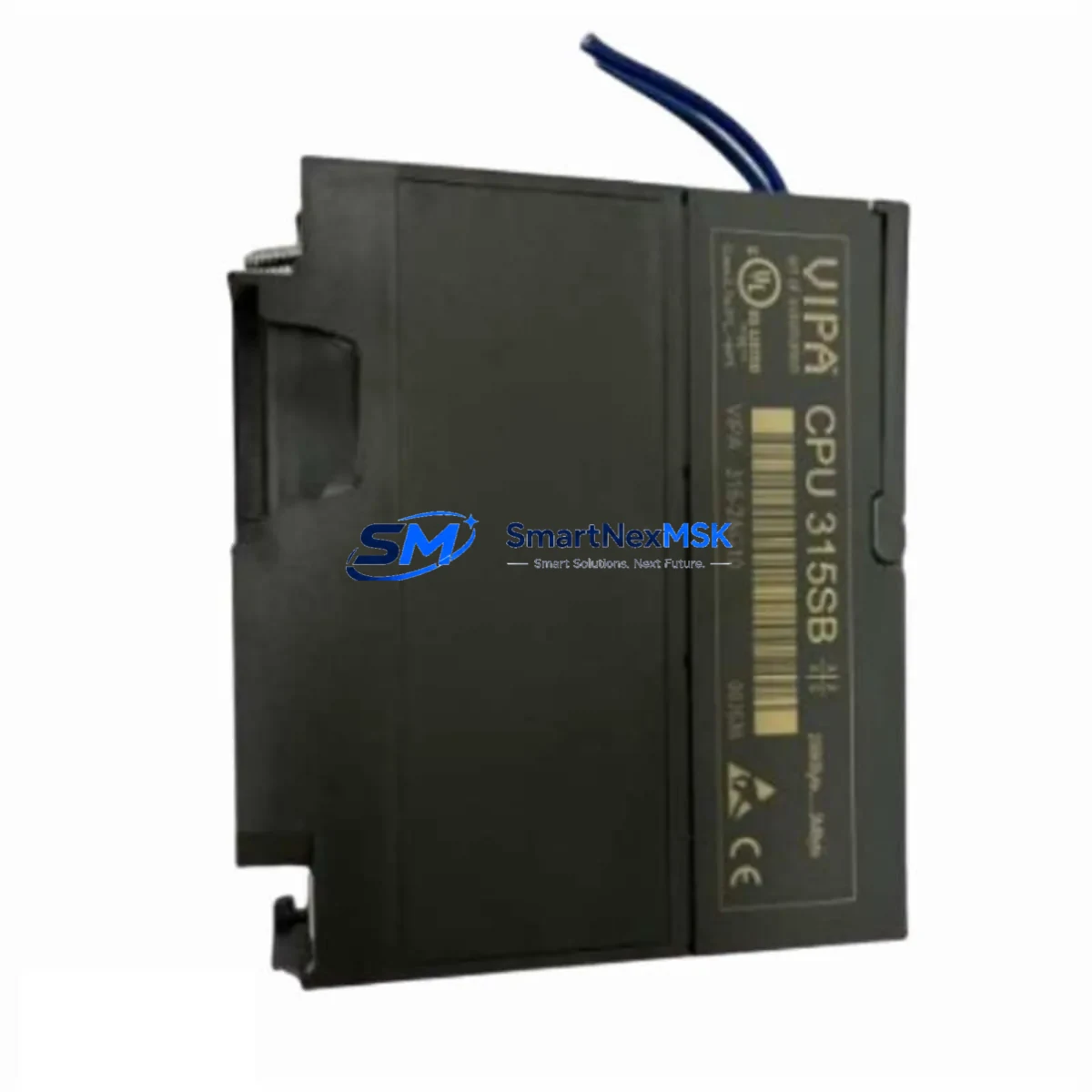
VIPA CPU 314SB 314-2AG13 Retrofit-Ready CPU for SPEED7 Control Systems
The VIPA CPU 314SB (314-2AG13) is a high-performance SPEED7 central processing unit engineered for seamless integration into existing SIMATIC S7-300 control architectures and legacy VIPA SPEED7 installations. As industrial facilities face increasing pressure to modernize aging automation infrastructure without full system overhauls, the CPU 314SB 314-2AG13 delivers a cost-effective, drop-in compatible upgrade path that preserves existing wiring, rack configurations, and program logic. Whether you are replacing a discontinued Siemens CPU 314 or migrating from an earlier VIPA SPEED7 variant, this module provides the processing headroom, communication capability, and I/O compatibility required for a smooth, low-risk retrofit.
Designed for installation in standard S7-300 rail systems, the CPU 314SB 314-2AG13 supports the same 40-pin front connector pinout and DIN rail mounting dimensions as the original S7-300 CPU family. Engineers replacing a Siemens 6ES7 314-6CG03-0AB0 or similar discontinued CPU will find that terminal wiring, backplane bus connections, and module addressing require minimal rework. The integrated PROFIBUS-DP master/slave interface eliminates the need for a separate CP 342-5 communications processor in most retrofit scenarios, reducing rack space consumption and simplifying the overall control cabinet layout.
Before committing to a retrofit using the CPU 314SB 314-2AG13, site engineers should verify several critical compatibility parameters. Power supply capacity is the first checkpoint: the VIPA PS 307 power supply module or equivalent 24 VDC rail-mount supply must deliver sufficient current for the CPU plus all connected signal modules, including SM 321 digital input modules, SM 322 digital output modules, and any SM 331 or SM 332 analog I/O modules installed in the same rack. The CPU 314SB draws approximately 800 mA from the 5 VDC backplane bus, and this figure must be summed against all co-installed modules to confirm the power budget is not exceeded.
Terminal wiring compatibility should be confirmed against the original CPU’s front connector assignment. In most S7-300 retrofit scenarios, the MPI/PROFIBUS port wiring, battery connector, and memory card slot position are preserved, allowing the existing SIMATIC Micro Memory Card or equivalent to be transferred directly. Program compatibility is typically high: STEP 7 projects compiled for the original CPU 314 can be downloaded to the CPU 314SB 314-2AG13 via the MPI interface using a PC Adapter USB or PROFIBUS programming cable, with only minor hardware configuration adjustments required in the HW Config editor to reflect the new CPU order number.
HMI screen compatibility is another area requiring attention during retrofit planning. Existing WinCC flexible or SIMATIC HMI TP panels communicating via MPI or PROFIBUS-DP will continue to operate without screen redesign, provided the DB and variable address structure in the replacement CPU program matches the original. Where the retrofit involves migrating from a VIPA SPEED7 Studio project to a STEP 7 or TIA Portal environment, engineers should audit all symbolic addresses and data block structures before the cutover window begins.
Communication link integrity must be validated end-to-end before the system is returned to production. PROFIBUS-DP segment termination, bus cable shielding, and station address assignments should be documented and verified against the original network topology. Where the retrofit also involves upgrading remote I/O stations — for example, replacing ET 200M distributed I/O racks or IM 153 interface modules — the CPU 314SB 314-2AG13’s DP master functionality supports up to 125 slave stations, providing substantial headroom for future I/O expansion without requiring a communications processor upgrade.
Field commissioning of the CPU 314SB 314-2AG13 follows a structured sequence: rack installation and backplane seating, power-on self-test verification via the CPU’s LED diagnostics (SF, BF, DC5V, FRCE, RUN, STOP), program download via MPI or PROFIBUS, memory card initialization, and a controlled warm restart. Engineers should retain the original CPU and its memory card as a fallback until the replacement unit has completed at least one full production cycle without fault. SMARTNEXMSK supplies each CPU 314SB 314-2AG13 with a pre-shipment functional test report, confirming that the module has passed power-on diagnostics, memory read/write verification, and communication port continuity checks prior to dispatch.
Upgrade Compatibility Table
| Parameter | Original (e.g. S7-300 CPU 314) | VIPA CPU 314SB 314-2AG13 | Retrofit Notes |
|---|---|---|---|
| Backplane Interface | S7-300 K-Bus | S7-300 K-Bus compatible | Direct slot replacement; no adapter required |
| MPI Port | MPI, 187.5 kbps – 12 Mbps | MPI/PROFIBUS-DP, up to 12 Mbps | Existing MPI cable and address retained |
| PROFIBUS-DP | Separate CP 342-5 required | Integrated DP master/slave | CP 342-5 can be removed; frees one rack slot |
| Program Memory | Micro Memory Card (MMC) | Micro Memory Card (MMC) compatible | Existing MMC transferable; verify firmware version |
| Front Connector | 40-pin S7-300 standard | 40-pin S7-300 standard | No rewiring required |
| Power Consumption (5V bus) | ~700–900 mA | ~800 mA | Verify PS 307 or equivalent supply headroom |
| Programming Software | STEP 7 v5.x / TIA Portal | STEP 7 v5.x / VIPA SPEED7 Studio | HW Config update required; logic unchanged |
| HMI Compatibility | WinCC flexible / SIMATIC HMI | WinCC flexible / SIMATIC HMI | No screen redesign if DB structure preserved |
| Commissioning Tool | PC Adapter USB / PROFIBUS cable | PC Adapter USB / PROFIBUS cable | Same programming cable; no new hardware |
| Warranty | OEM / varies | 12-Month Warranty | Covered by SMARTNEXMSK from shipment date |
Retrofit Planning for Existing Automation Systems
A successful retrofit begins with a complete audit of the existing control cabinet. For systems built around the S7-300 platform, the typical rack assembly includes a PS 307 5A or 10A power supply module in slot 1, the CPU in slot 2, and a combination of SM 321 16DI, SM 322 16DO, SM 331 8AI, and SM 332 4AO signal modules occupying the remaining slots. Where the rack is full, an IM 360/IM 361 expansion rack interface module pair may extend the system to a second or third rack. The CPU 314SB 314-2AG13 supports all standard S7-300 signal modules without firmware modification, making it compatible with the full range of installed I/O hardware.
For facilities running PROFIBUS-DP networks with ET 200S or ET 200M distributed I/O stations, the integrated DP master port on the CPU 314SB 314-2AG13 eliminates the dependency on a standalone CP 342-5 communications processor. This is particularly valuable in retrofit scenarios where the original CP 342-5 is itself discontinued or difficult to source. Engineers should document the existing PROFIBUS network topology — including station addresses, baud rate settings, and GSD file versions for each slave device — before beginning the hardware swap.
Where the retrofit scope extends beyond the CPU to include communication protocol migration — for example, transitioning from PROFIBUS-DP to PROFINET IO — the CPU 314SB 314-2AG13 can serve as an interim solution while the broader network upgrade is planned. In such cases, a CP 343-1 Ethernet communications processor can be added to the rack to provide PROFINET or Modbus TCP connectivity alongside the existing PROFIBUS-DP infrastructure, allowing a phased migration without a full production shutdown.
Programming cable selection is straightforward: the existing PC Adapter USB or MPI/PROFIBUS programming cable used with the original CPU remains compatible with the CPU 314SB 314-2AG13. VIPA SPEED7 Studio provides an alternative programming environment that offers enhanced diagnostic tools and faster program download speeds compared to STEP 7 v5.x, which may reduce commissioning time during the retrofit window.
Downtime Control During System Migration
Minimizing production downtime during a CPU retrofit requires careful pre-staging and a disciplined cutover sequence. SMARTNEXMSK recommends the following approach for CPU 314SB 314-2AG13 installations:
Pre-cutover preparation: Upload and archive the existing CPU program, data blocks, and hardware configuration to an offline backup before any hardware is disturbed. Photograph all terminal wiring and front connector assignments. Confirm that the replacement CPU 314SB 314-2AG13 has been bench-tested and that the program has been successfully downloaded and verified in a staging environment where possible.
Cutover sequence: Place the original CPU in STOP mode and remove it from the rack. Seat the CPU 314SB 314-2AG13 in the same slot, reconnect the front connector, and power on. The CPU will perform a self-test and enter STOP mode. Download the archived program via MPI or PROFIBUS, update the hardware configuration to reflect the new CPU order number, and perform a memory reset followed by a warm restart. Verify all I/O modules — including SM 321, SM 322, SM 331, and SM 332 — are recognized and fault-free in the diagnostic buffer.
Post-cutover validation: Confirm PROFIBUS-DP communication with all slave stations, verify HMI variable updates are live, and run a controlled production cycle under supervision before returning the system to unattended operation. The original CPU should be retained on-site for a minimum of 30 days as a fallback. Total cutover time for a well-prepared retrofit is typically 2–4 hours, significantly reducing the risk of extended unplanned downtime.
Retrofit Support FAQ
Q: Is the VIPA CPU 314SB 314-2AG13 a direct drop-in replacement for the Siemens CPU 314 (6ES7 314-6CG03-0AB0)?
A: Yes, in the majority of retrofit scenarios. The CPU 314SB 314-2AG13 uses the same S7-300 backplane bus interface, 40-pin front connector, and Micro Memory Card slot. The existing program can be downloaded without modification in most cases; only the hardware configuration entry in STEP 7 or TIA Portal requires updating to reflect the new CPU order number. Customers should verify power supply headroom and PROFIBUS network settings before cutover.
Q: What commissioning tools and cables are required for the CPU 314SB 314-2AG13?
A: The CPU 314SB 314-2AG13 is programmed via its MPI/PROFIBUS-DP port using a standard PC Adapter USB or PROFIBUS programming cable. No proprietary VIPA-specific cable is required. STEP 7 v5.5 or later, TIA Portal, or VIPA SPEED7 Studio can be used as the programming environment. SMARTNEXMSK can advise on software version compatibility for specific project requirements.
Q: How is wiring compatibility handled when replacing a CPU with an integrated DP port versus one that used a separate CP 342-5?
A: Where the original system used a CP 342-5 for PROFIBUS-DP, the PROFIBUS cable can be moved directly to the integrated DP port on the CPU 314SB 314-2AG13. The CP 342-5 slot can then be repurposed or left empty. Bus termination resistors at the first and last PROFIBUS stations must be verified and re-enabled if the physical network topology changes as a result of removing the CP module.
Q: What does the 12-month warranty cover, and what is the pre-shipment testing process?
A: Every CPU 314SB 314-2AG13 supplied by SMARTNEXMSK undergoes a pre-shipment functional test covering power-on diagnostics, memory read/write verification, MPI/PROFIBUS port continuity, and LED status confirmation. The 12-month warranty covers manufacturing defects and functional failures under normal operating conditions from the date of shipment. Warranty claims are processed directly through SMARTNEXMSK with a target response time of 2 business days. Replacement units are dispatched within 1–3 business days upon claim approval.
© 2026 SMARTNEXMSK. All rights reserved.
Original Source: https://smartnexmsk.com
Contact: [email protected] | +86 18259474341