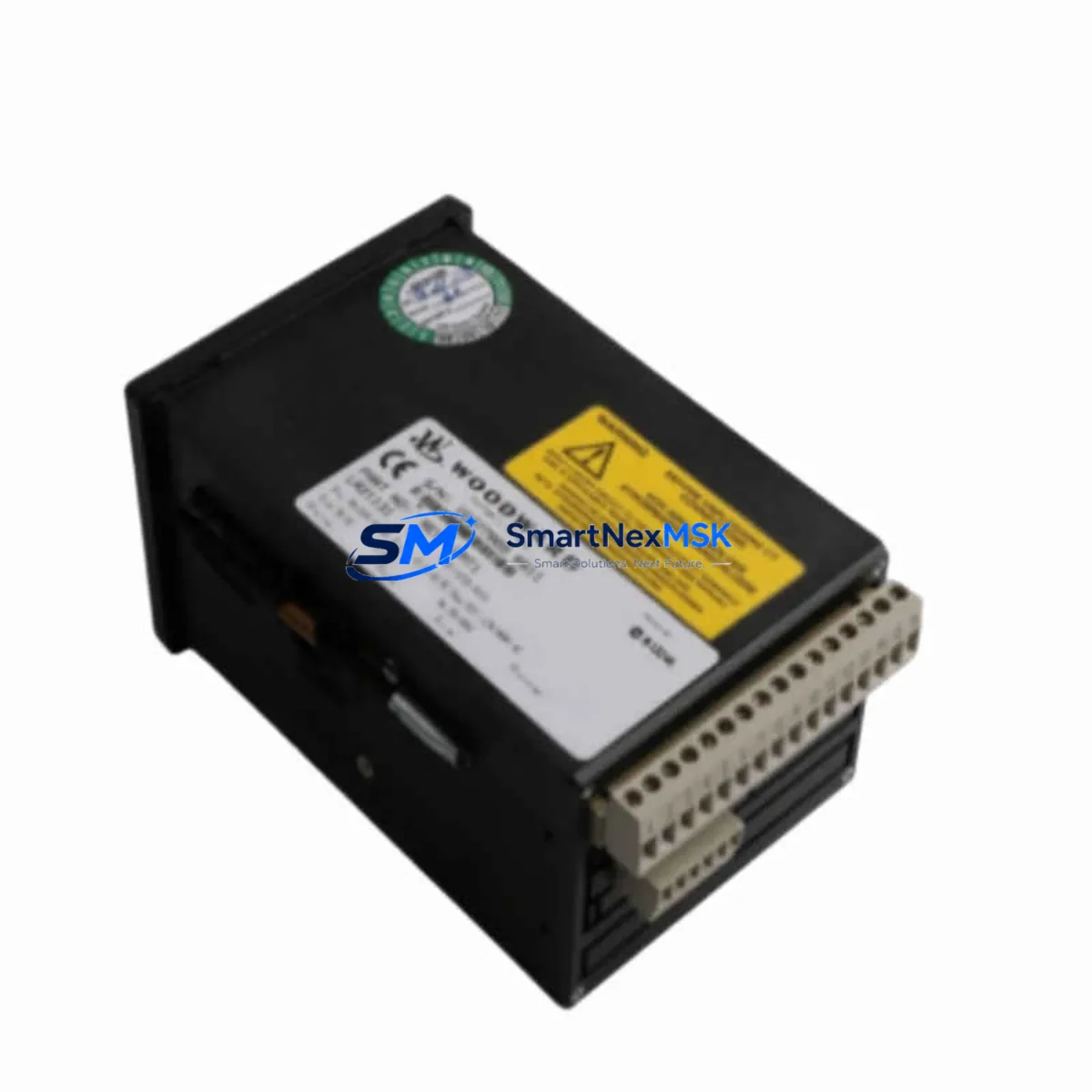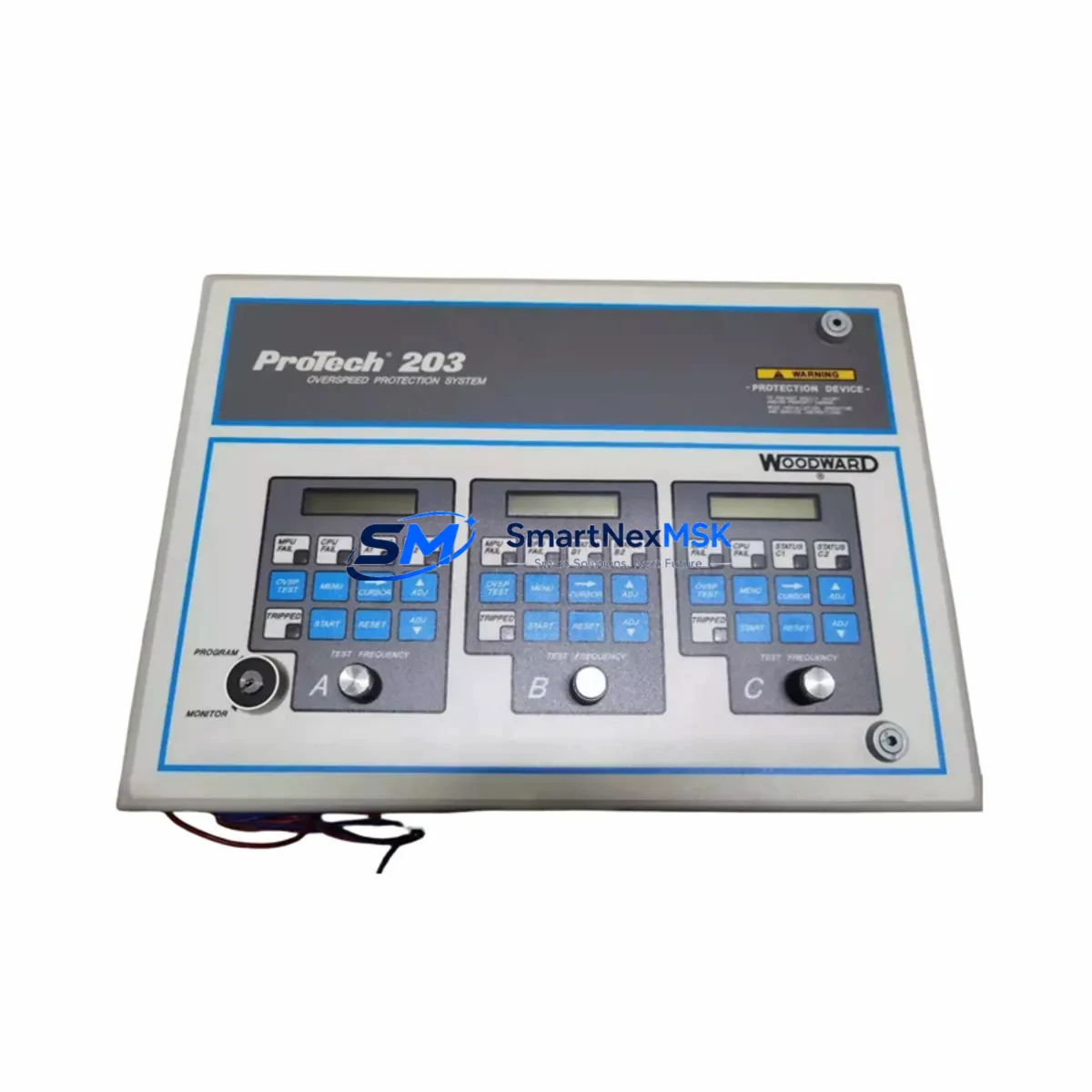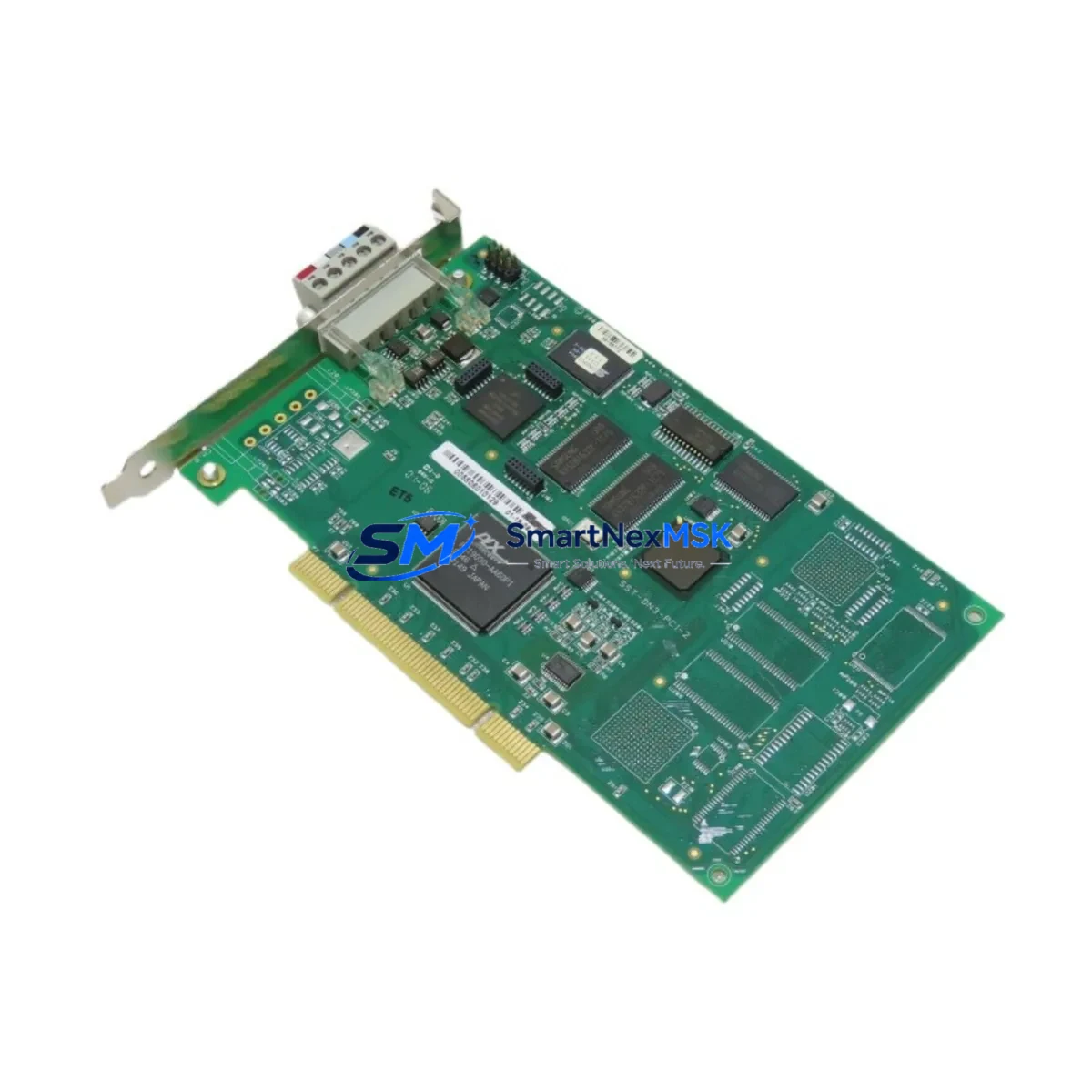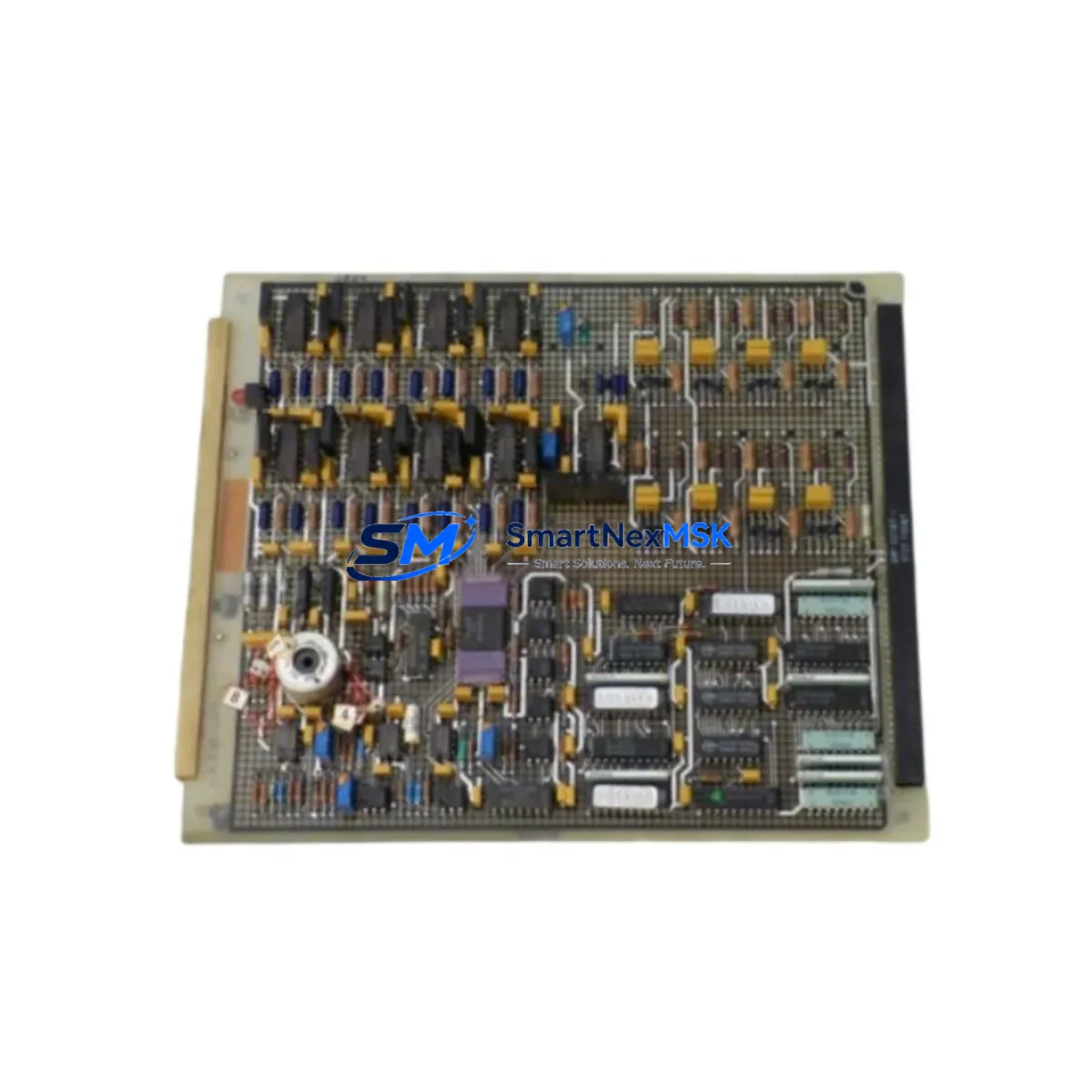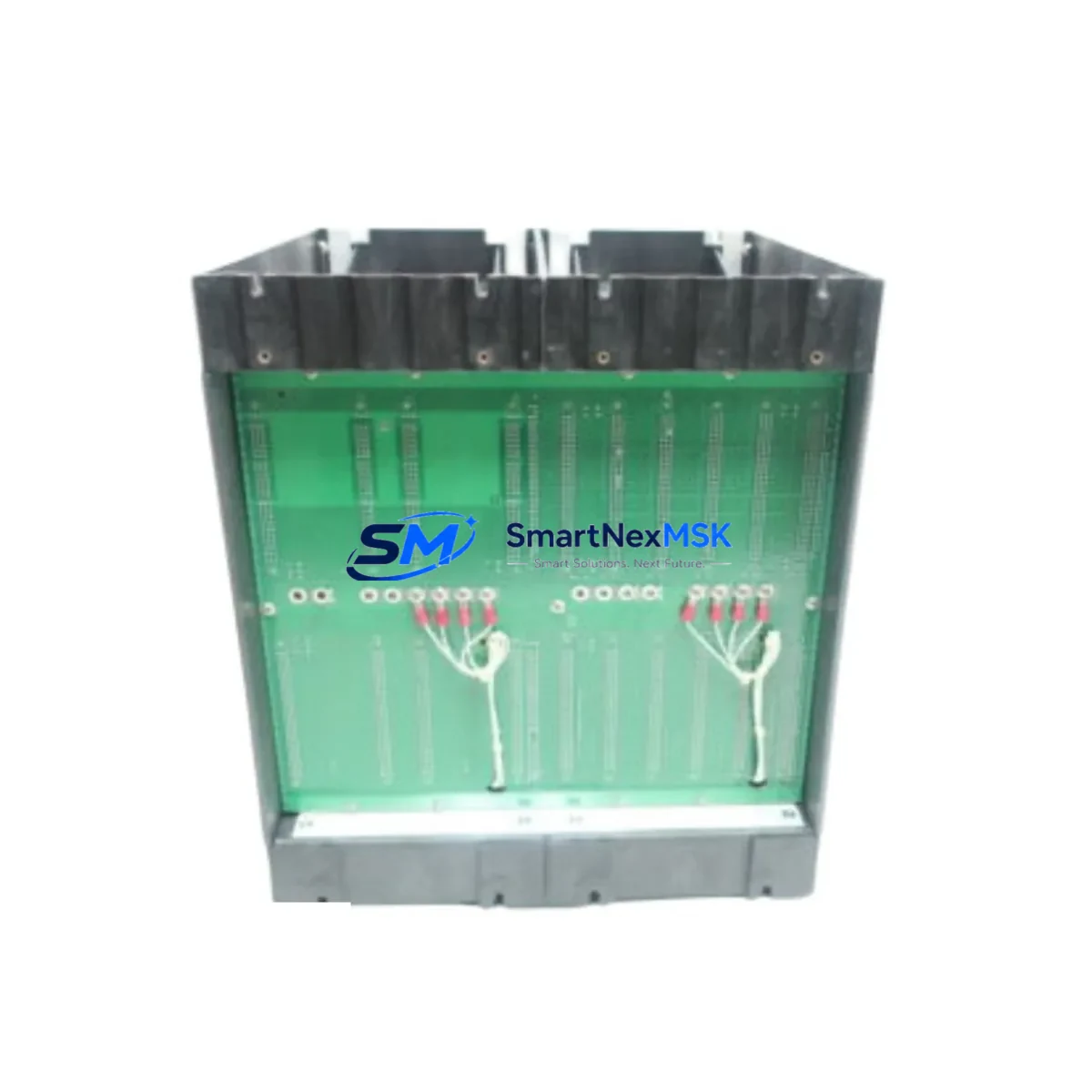
WOODWARD 5437-843 Retrofit-Ready Chassis for Micronet Control Systems
The WOODWARD 5437-843 is a 6-slot backplane chassis designed for the Micronet turbine and generator control platform. As legacy Micronet installations age and original chassis units become increasingly difficult to source, the 5437-843 serves as the structural and electrical backbone for retrofit projects aimed at extending system life, restoring control continuity, and avoiding costly full-system replacements. Whether you are managing a gas turbine control cabinet, a steam turbine governor system, or a combined-cycle plant automation rack, this chassis provides the mechanical and electrical foundation required for a reliable, low-disruption upgrade.
For maintenance engineers and procurement teams working on aging Micronet installations, the 5437-843 chassis is the starting point for any rack-level retrofit. The 6-slot configuration accommodates the standard Micronet I/O and controller module lineup, including the Micronet CPU module, analog input modules, digital output modules, and the dedicated power supply module that feeds the backplane. Before committing to a chassis swap, engineers should verify the power supply capacity — the Micronet power supply module must deliver sufficient current headroom for all populated slots, particularly when high-density I/O modules are installed.
Wiring compatibility is a critical checkpoint during any 5437-843 installation. The chassis rear connector pinout must be cross-referenced against the existing field wiring termination blocks. In many retrofit scenarios, the original terminal strip assemblies and field wiring harnesses can be reused, significantly reducing rewiring labor and the risk of introducing new faults. Where wiring modifications are necessary, using the same wire gauge and shielding specification as the original installation preserves signal integrity across analog input channels and discrete I/O circuits.
Communication continuity is equally important. The Micronet platform typically relies on a dedicated communication module — often a serial or proprietary network interface card — to exchange data with the plant DCS, SCADA system, or operator HMI. During chassis replacement, the communication module slot assignment and address configuration must be preserved exactly. Any change to module slot position can cause the Micronet CPU to lose its communication map, requiring a full program reload and re-commissioning of the communication link. Coordination with the HMI engineering team is recommended before any chassis swap to ensure that screen tags, alarm setpoints, and trend configurations remain intact.
Upgrade Compatibility Table
| Parameter | Detail |
|---|---|
| SKU | 5437-843 |
| Brand | WOODWARD |
| Series | Micronet |
| Chassis Slots | 6-Slot Backplane |
| Application | Turbine & Generator Control, Industrial Automation |
| Interface Compatibility | Micronet CPU, I/O, Power Supply, and Communication Modules |
| Wiring Compatibility | Compatible with original Micronet field wiring harnesses and terminal blocks |
| Communication Support | Supports Micronet serial and network communication modules |
| Replacement Scope | Direct chassis replacement; module slot mapping must be preserved |
| Installation Environment | Control cabinet, turbine enclosure, industrial panel |
| Origin | Germany |
| Warranty | 12-Month Warranty |
| Shipping | Tested before dispatch; global express delivery available |
Retrofit Planning for Existing Automation Systems
A successful 5437-843 chassis retrofit requires a structured pre-installation audit of the entire Micronet control rack. Begin by documenting the current slot population: record the model number, slot position, and firmware revision of every installed module, including the Micronet CPU module, all analog input and output modules, digital I/O modules, and the communication interface card. This inventory becomes the reference baseline for post-installation verification.
The Micronet power supply module should be inspected and load-tested before the new chassis is installed. A degraded power supply that was marginal in the old chassis may fail entirely under the thermal and electrical stress of a new installation. If the power supply shows any signs of capacitor aging, output ripple, or voltage droop under load, it should be replaced concurrently with the chassis to avoid a secondary failure shortly after the retrofit is complete.
Terminal block assemblies and DIN rail mounting hardware inside the control cabinet should also be reviewed. In older Micronet installations, the terminal strips may have accumulated corrosion, loose screws, or damaged insulation that would not be visible during normal operation but could cause intermittent faults after the chassis disturbance. Replacing worn terminal blocks during the chassis retrofit is a low-cost step that significantly improves long-term reliability.
For systems that include a Micronet HMI panel or operator workstation, the engineering team should prepare a backup of all HMI project files, including screen layouts, tag databases, alarm configurations, and trend group definitions, before any hardware work begins. If the HMI communicates with the Micronet controller via a serial communication module or a dedicated network card, the communication parameters — baud rate, parity, station address — must be documented and verified after the chassis swap. In some installations, a programming cable connection to the Micronet CPU is required to reload the control program and re-initialize the I/O configuration after a chassis change.
Signal isolation requirements should not be overlooked. Where analog signals from field transmitters pass through signal isolators or signal conditioners before entering the Micronet analog input modules, the isolator output range and loop power configuration must be confirmed to match the module input specification. Any mismatch will produce calibration errors or out-of-range alarms immediately after startup.
Downtime Control During System Migration
Minimizing downtime during a Micronet chassis replacement requires careful sequencing of the work steps. The most effective approach is to pre-stage the new 5437-843 chassis with all modules installed and configured before the production system is taken offline. This means transferring the Micronet CPU module, I/O modules, and communication module to the new chassis in a controlled environment, verifying slot assignments, and performing a bench power-on test to confirm that the chassis backplane and power distribution are functioning correctly.
When the production outage window opens, the field wiring connections should be transferred systematically — one terminal block group at a time — using the pre-documented wiring schedule. Labeling each wire before disconnection and using a two-person verification process significantly reduces the risk of miswiring. Once all field connections are transferred, the Micronet CPU program should be reloaded from the most recent verified backup, and the I/O configuration should be forced through a complete scan cycle before the system is returned to automatic control.
For turbine control applications where the Micronet system governs speed, load, or fuel control loops, a staged startup sequence is strongly recommended. Begin with the control system in manual mode, verify all analog input readings against independent field instruments, confirm all digital output states against the field device status, and only then transfer control to automatic mode. This sequence protects the process from transient upsets caused by any residual configuration differences between the old and new chassis installations.
Maintaining a spare 5437-843 chassis in the plant warehouse, alongside a pre-configured set of Micronet I/O modules and a current backup of the CPU program, is the most effective long-term strategy for minimizing future downtime risk. With a pre-staged spare, the chassis swap time can be reduced to the duration of the field wiring transfer alone, typically a matter of hours rather than days.
Retrofit Support FAQ
Q: Is the WOODWARD 5437-843 a direct drop-in replacement for the original Micronet 6-slot chassis?
A: Yes. The 5437-843 is designed as a direct mechanical and electrical replacement for the original Micronet 6-slot chassis. Module slot positions, backplane connector pinouts, and power distribution architecture are compatible with the standard Micronet module lineup. Slot assignment mapping must be preserved during the swap to avoid CPU configuration errors.
Q: What pre-shipment testing is performed on the 5437-843?
A: Each unit undergoes functional power-on testing and backplane continuity verification before dispatch. Units are inspected for mechanical integrity, connector condition, and slot rail alignment. A test report is available upon request. All units are shipped with a 12-month warranty covering manufacturing defects and functional failures under normal operating conditions.
Q: Can the existing Micronet I/O modules and CPU be reused in the new chassis?
A: In most cases, yes. The 5437-843 chassis is compatible with the standard Micronet module family. Before reuse, each module should be inspected for physical damage, connector pin condition, and firmware revision compatibility. Modules that have been exposed to excessive heat, moisture, or vibration should be tested on a bench power supply before being reinstalled in the production chassis.
Q: What is the lead time and warranty coverage for the 5437-843?
A: Units in stock are available for immediate dispatch with global express shipping options. Standard lead time for in-stock units is 3–7 business days to most destinations. All units are covered by a 12-month warranty from the date of shipment. Warranty claims are supported by our technical team, and replacement units can be dispatched on an advance exchange basis to minimize production downtime.
—
© 2026 SMARTNEXMSK. All rights reserved.
Original Source: https://smartnexmsk.com
Contact: [email protected] | +86 18259474341