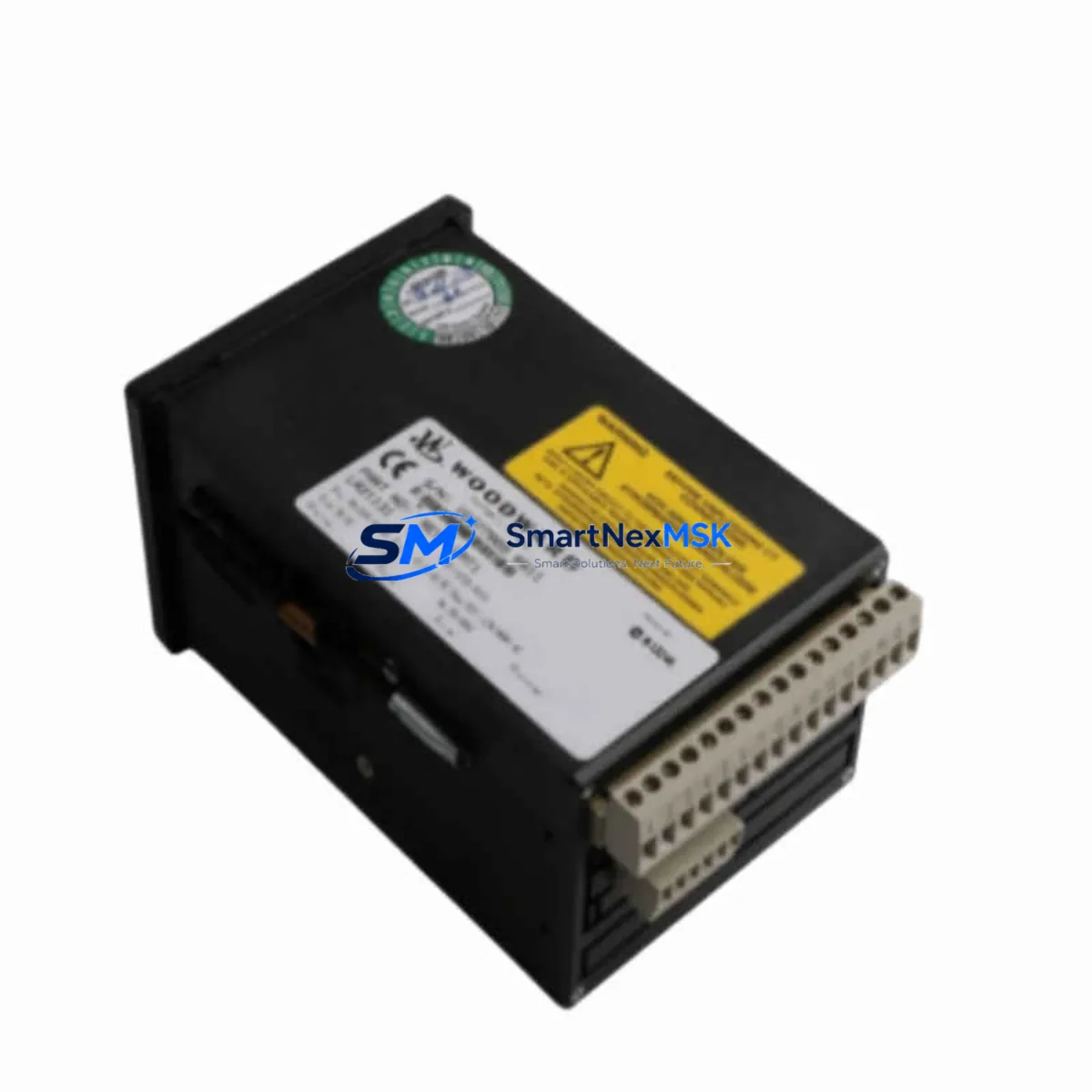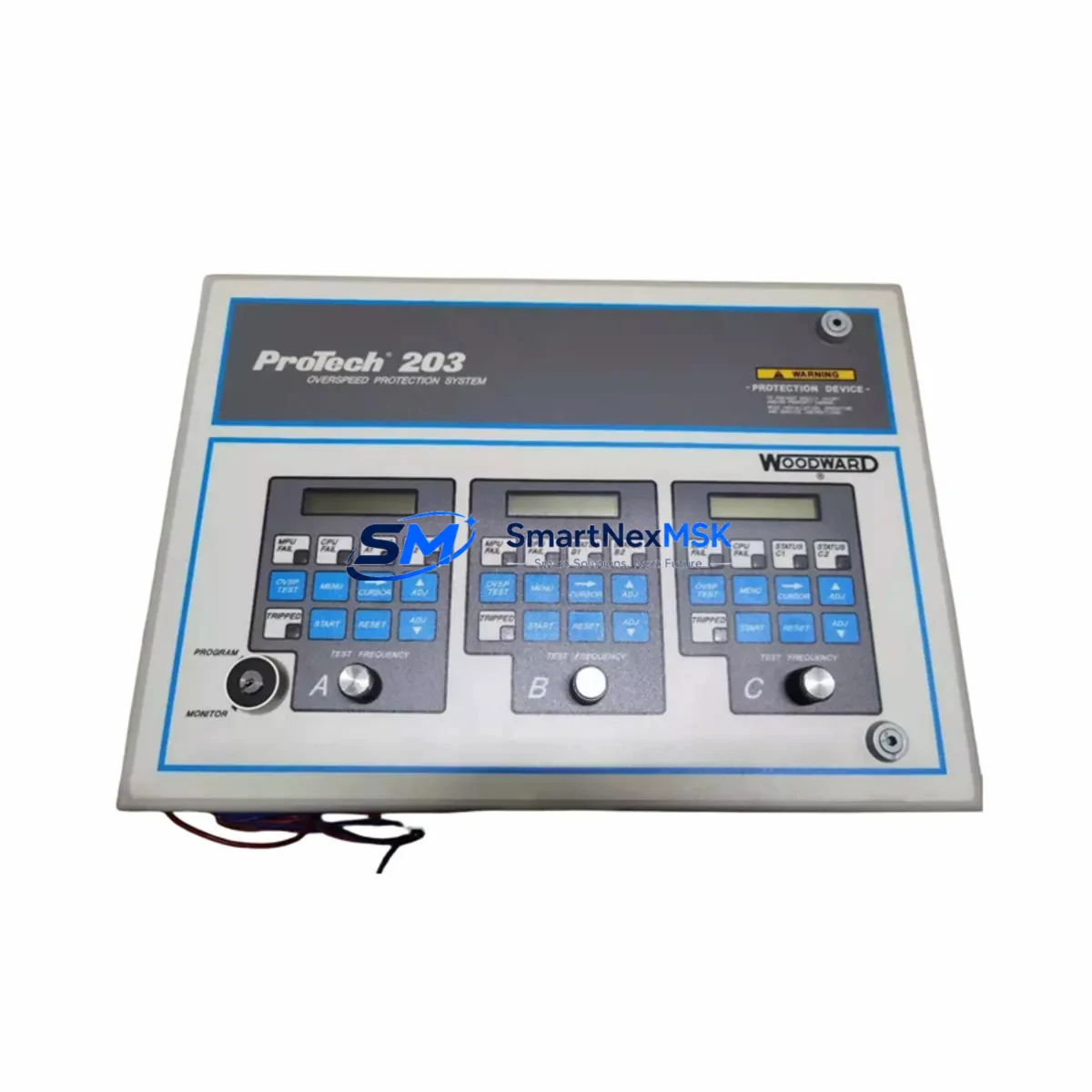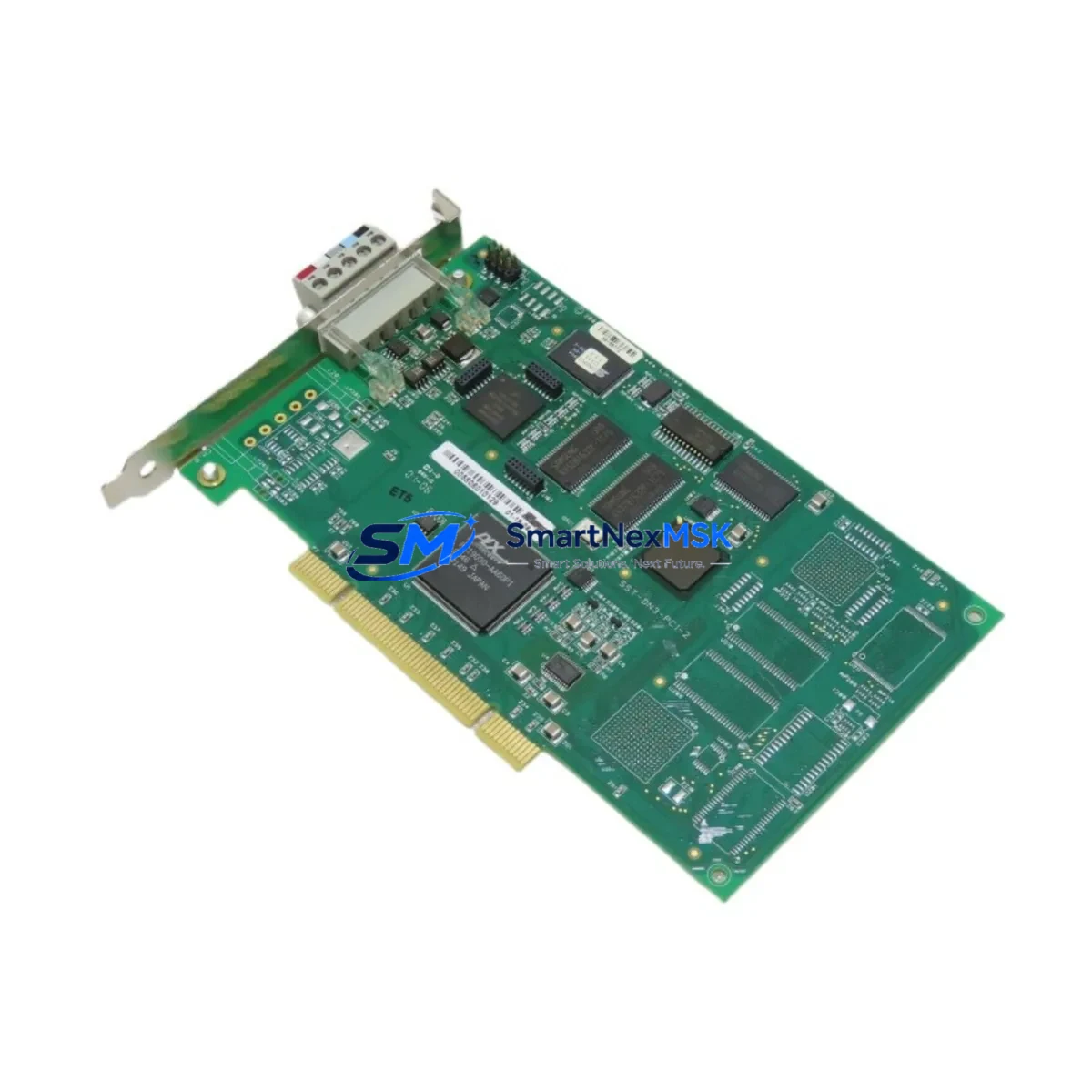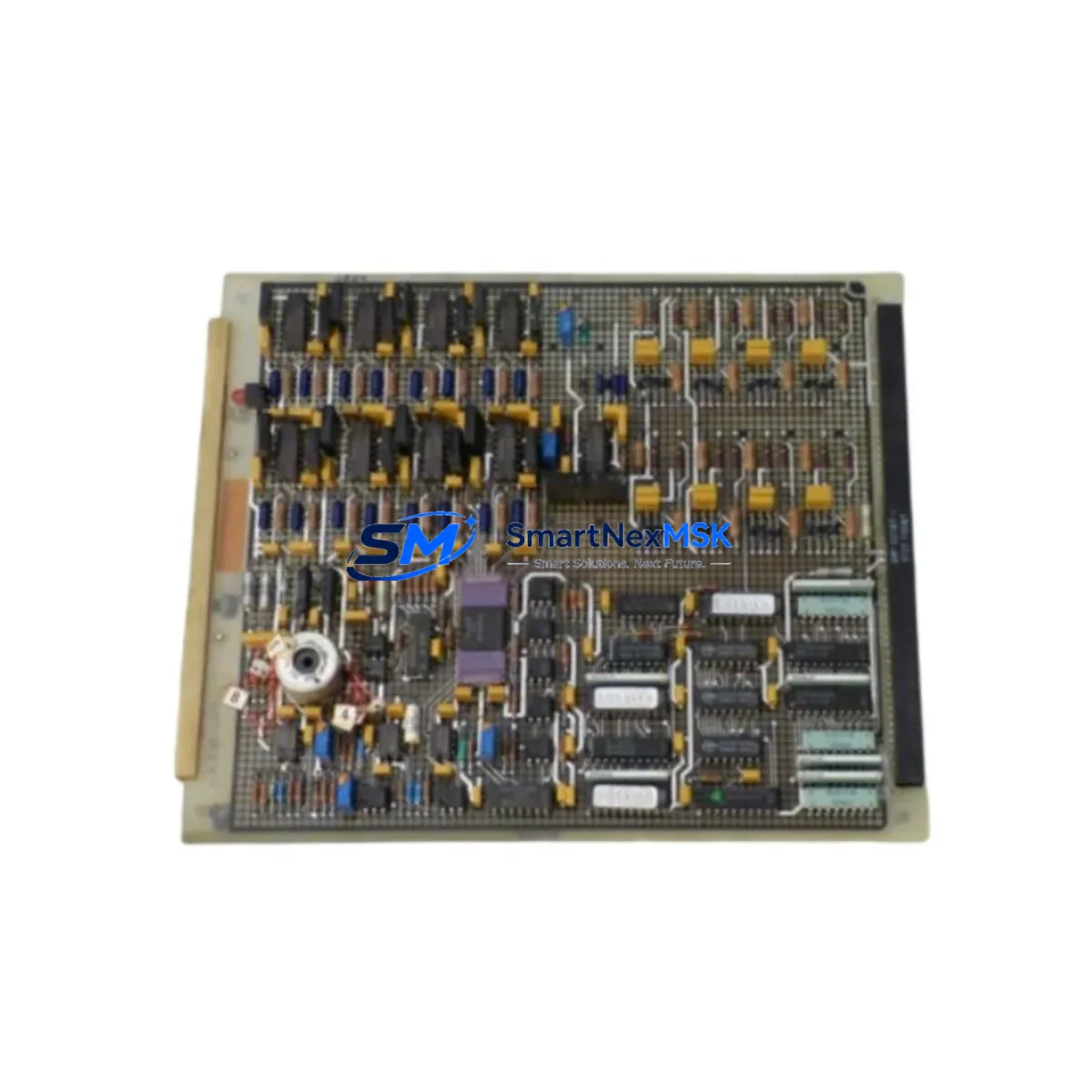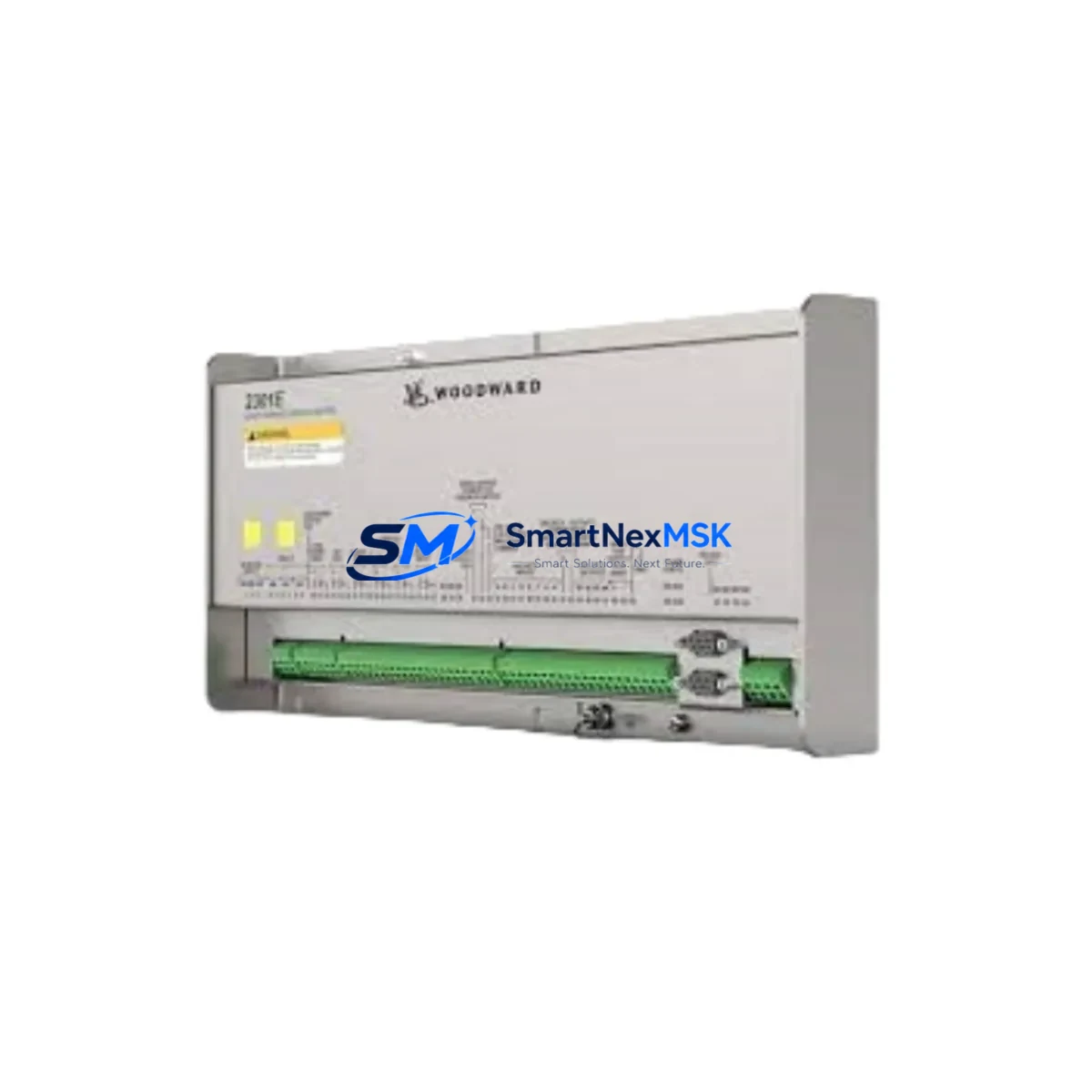
WOODWARD 8273-1011 Retrofit-Ready Load Share Module for EG Series Control Systems
The WOODWARD 8273-1011 is a retrofit-ready Load Share Module engineered for seamless integration into EG Series governor control systems. As legacy governor platforms approach end-of-life and OEM spare parts become increasingly scarce, the 8273-1011 provides a reliable, drop-in compatible replacement path for power generation facilities, industrial turbine installations, and parallel generator sets that depend on precise load sharing and isochronous speed control. Whether you are managing a planned upgrade cycle or responding to an unplanned failure, the 8273-1011 is stocked, tested, and ready to ship with a 12-month warranty.
Facilities operating aging WOODWARD EG governor platforms frequently encounter the challenge of sourcing discontinued control modules. The 8273-1011 addresses this directly — it is functionally equivalent to the original load share circuitry used in EG-3P and EG-6P governor assemblies, and it interfaces directly with the WOODWARD 2301A speed control and WOODWARD 2301D digital load sharing controller without requiring firmware modification or panel rewiring beyond standard terminal adaptation.
Upgrade Compatibility Table
| Parameter | Details |
|---|---|
| SKU / Part Number | 8273-1011 |
| Brand | WOODWARD |
| Compatible Series | EG Series (EG-3P, EG-6P), 2301A, 2301D Load Sharing Controllers |
| Module Function | Load Share & Speed Droop Control for Parallel Generator Sets |
| Interface / Connector | Standard EG Series terminal block; direct plug-in replacement |
| Communication Compatibility | Analog load sharing bus; compatible with existing 4–20 mA droop signal wiring |
| Installation Requirement | DIN rail or panel mount; verify terminal torque spec per WOODWARD installation manual |
| Replacement Recommendation | Direct replacement for discontinued 8273-series load share modules |
| Commissioning Notes | Verify droop percentage setting, load sharing gain, and speed reference before energizing |
| Warranty | 12-Month Warranty — covers manufacturing defects and functional failure under normal operating conditions |
Retrofit Planning for Existing Automation Systems
A successful retrofit of the WOODWARD 8273-1011 begins well before the module arrives on site. Engineers should start by auditing the existing control cabinet layout, confirming the governor actuator type (typically a WOODWARD EG-3P or EG-6P proportional actuator), and reviewing the original wiring diagram against the current field installation. In many aging installations, terminal labeling has drifted from the as-built drawings, making a point-to-point continuity check essential before any module swap.
Power supply integrity is the first critical checkpoint. The 8273-1011 operates on a regulated DC supply, and any ripple or voltage sag from an aging power supply module — such as a deteriorated WOODWARD 5009 power supply card or a third-party 24 VDC panel supply — can cause erratic load sharing behavior after installation. Replace or verify the panel power supply before commissioning the new module.
Terminal wiring adaptation is the next focus. If the existing installation uses a WOODWARD 8272-series predecessor module, the terminal assignments are largely compatible, but engineers should cross-reference the 8273-1011 installation manual for any pin reassignments on the load sharing bus terminals. Where the original system used a WOODWARD 2301A analog load sharing controller, the 4–20 mA droop reference signal wiring typically carries over without modification. Systems that have been upgraded to a WOODWARD 2301D digital controller may require a brief reconfiguration of the load sharing gain parameter within the 2301D software to match the 8273-1011 output characteristics.
For installations that include a WOODWARD 505 digital governor or a WOODWARD 723 analog governor as the primary speed controller, the 8273-1011 load share module operates as a subordinate droop-correction device. Confirm that the speed reference output from the primary governor is within the input range specified for the 8273-1011 before closing the load sharing loop. In multi-generator paralleling panels, also verify that the WOODWARD magnetic pickup (MPU) signal conditioner feeding the governor is producing a clean, noise-free frequency signal — a degraded MPU signal is a common root cause of load hunting after a module replacement.
Where the control cabinet includes a WOODWARD 8290-series I/O expansion module or a legacy analog I/O terminal board, confirm that the load sharing analog output from the 8273-1011 is correctly routed and that no intermediate signal conditioning card is introducing offset. HMI screens tied to the governor system — whether a standalone WOODWARD operator panel or a third-party SCADA display — should be reviewed to confirm that load percentage and droop status tags are reading correctly after the module swap. If the HMI uses hardwired analog inputs rather than a digital communication link, a simple loop calibration check is sufficient. For systems with Modbus RTU or Modbus TCP communication to a DCS or PLC, verify that the register map for load share status has not shifted after the module replacement.
Downtime Control During System Migration
Minimizing downtime during a load share module replacement requires a structured pre-outage preparation protocol. Before taking the generator offline, document the current droop percentage setting, load sharing gain, and speed reference value from the existing module — photograph the potentiometer positions or record the digital parameter values if the system supports it. This baseline ensures that the 8273-1011 can be configured to match the pre-outage operating point before the generator is returned to service.
Where the installation permits, perform a hot-standby test by temporarily running the generator in droop mode (disabling isochronous load sharing) while the new module is bench-tested against a load simulator. This approach keeps the generator online in a degraded but stable operating mode while the replacement module is verified. Once the 8273-1011 passes bench verification — confirming correct output voltage swing, droop response, and load sharing bus signal level — the actual module swap can be completed during a brief planned outage, typically under 30 minutes for an experienced technician.
After installation, bring the generator online in droop mode first, confirm stable speed and voltage, then gradually re-enable isochronous load sharing while monitoring the load sharing bus for oscillation. If load hunting is observed, reduce the load sharing gain on the 8273-1011 in small increments until the system stabilizes. Retain the original program logic in the upstream PLC or DCS without modification — the 8273-1011 is designed to be a transparent replacement that preserves existing control sequences and interlock logic.
Retrofit Support FAQ
Q1: Is the WOODWARD 8273-1011 a direct drop-in replacement for the 8273-series load share modules?
Yes. The 8273-1011 is functionally and dimensionally compatible with earlier 8273-series load share modules used in EG Series governor control systems. Terminal assignments are consistent with the original installation, and no panel rewiring is required beyond verifying terminal torque and confirming the droop percentage setting matches the pre-replacement baseline.
Q2: What commissioning steps are required after installing the 8273-1011?
After physical installation, verify the DC supply voltage at the module terminals, confirm the load sharing bus signal level, set the droop percentage to match the original operating parameter, and bring the generator online in droop mode before re-enabling isochronous load sharing. A full load test at 25%, 50%, 75%, and 100% rated load is recommended to confirm stable load sharing behavior across the operating range.
Q3: How is the 8273-1011 tested before shipment?
Each unit undergoes functional testing prior to shipment, including output voltage verification, droop response simulation, and load sharing bus signal level confirmation. Units are shipped with a test report and are covered by a 12-month warranty against manufacturing defects and functional failure under normal operating conditions.
Q4: What is covered under the 12-month warranty, and what is the process for a warranty claim?
The 12-month warranty covers manufacturing defects and functional failure under normal operating and environmental conditions. It does not cover damage resulting from incorrect installation, overvoltage, or physical impact. To initiate a warranty claim, contact our technical support team with the unit serial number, installation date, and a description of the fault symptom. Replacement or repair is processed within 5–7 business days of fault confirmation.
© 2026 SMARTNEXMSK. All rights reserved.
Original Source: https://smartnexmsk.com
Contact: [email protected] | +86 18259474341