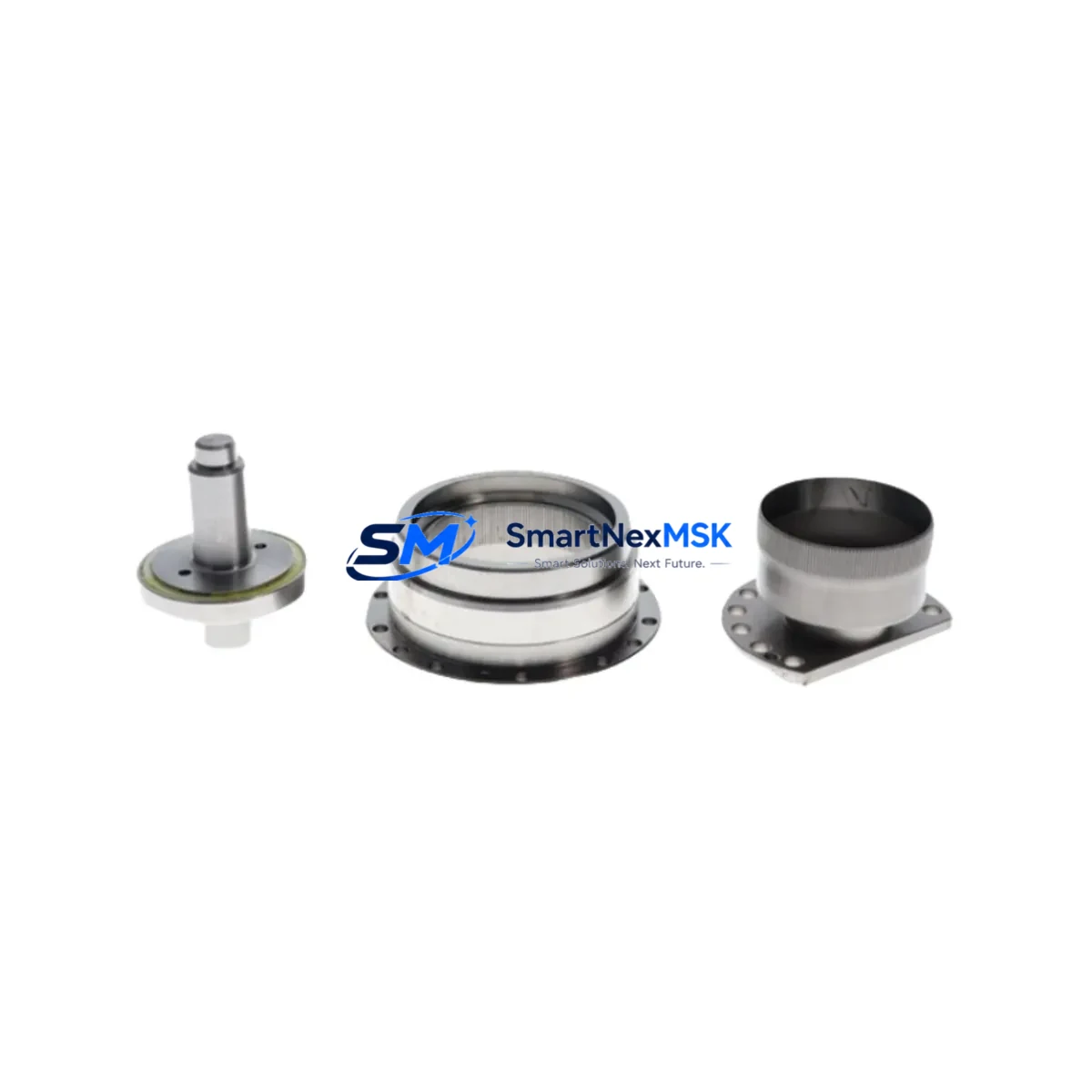
YASKAWA HW9381633-A Maintenance-Ready Spare for Motoman Automation
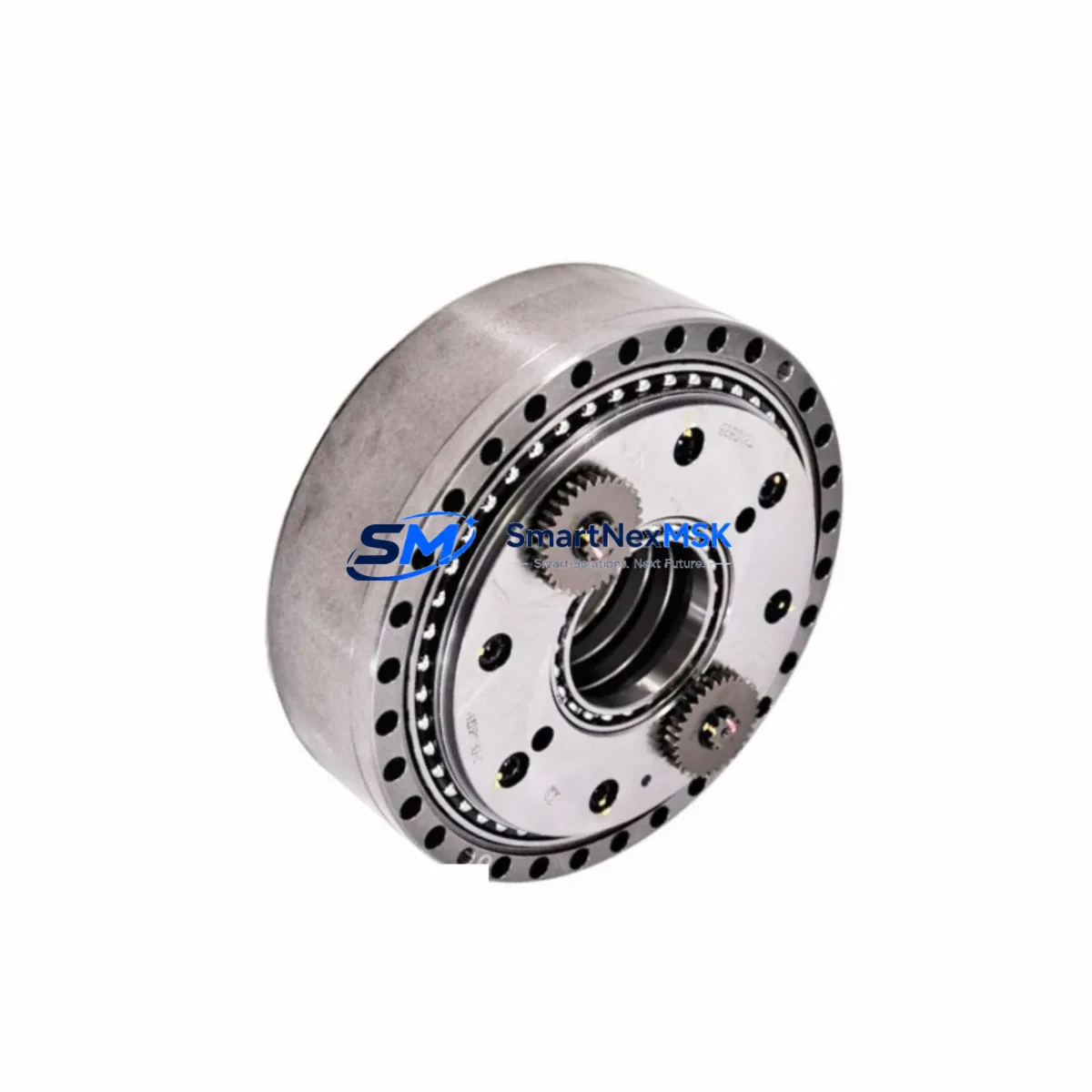
The YASKAWA HW9381633-A is an original OEM B-axis speed reducer engineered for Motoman industrial robot systems. In high-cycle manufacturing environments — automotive body shops, arc welding cells, material handling lines, and precision assembly stations — the B-axis reducer is a critical motion-transmission component. Its failure causes immediate robot downtime, production line stoppage, and costly emergency maintenance windows. Stocking the HW9381633-A as a certified spare is the single most effective measure a maintenance team can take to protect uptime continuity for Motoman robot installations.
This unit ships as a tested, original YASKAWA spare, verified against factory dimensional and torque specifications. Each unit undergoes pre-shipment inspection covering gear mesh integrity, bearing preload, seal condition, and output flange concentricity. A 12-month warranty covers manufacturing defects from the date of delivery, giving procurement engineers a documented quality assurance baseline for MRO inventory records.
Spare Maintenance Table
| Parameter | Specification / Value |
|---|---|
| Part Number | HW9381633-A |
| Brand | YASKAWA |
| Series Compatibility | Motoman (UP, EA, MA, HP, MH, VS series — confirm axis config with robot model) |
| Axis Position | B-Axis (Wrist Bend) |
| Component Type | Harmonic / Cycloidal Speed Reducer |
| Origin | Japan (OEM) |
| Lubrication | Factory-filled; verify grease type per robot maintenance manual before installation |
| Mounting Interface | Flange-mount; match to robot wrist housing per model-specific drawing |
| Operating Environment | Industrial robot cell; IP rating per robot enclosure class |
| Maintenance Interval | Per YASKAWA robot maintenance schedule (typically 12,000–24,000 operating hours) |
| Replacement Scenario | Abnormal noise, backlash increase, vibration, grease leakage, positional deviation alarm |
| Warranty | 12 Months from delivery date |
| Condition | New, Original OEM |
| Lead Time | In-stock units ship within 1–3 business days; tested before dispatch |
Maintenance Planning for Continuous Operation
When a Motoman robot exhibits B-axis positional deviation, abnormal wrist noise, or grease contamination around the wrist housing, the HW9381633-A speed reducer is the primary replacement target. However, experienced maintenance engineers know that a reducer failure rarely occurs in isolation. A comprehensive wrist-axis overhaul should simultaneously address the full mechanical and electrical ecosystem of the robot arm.
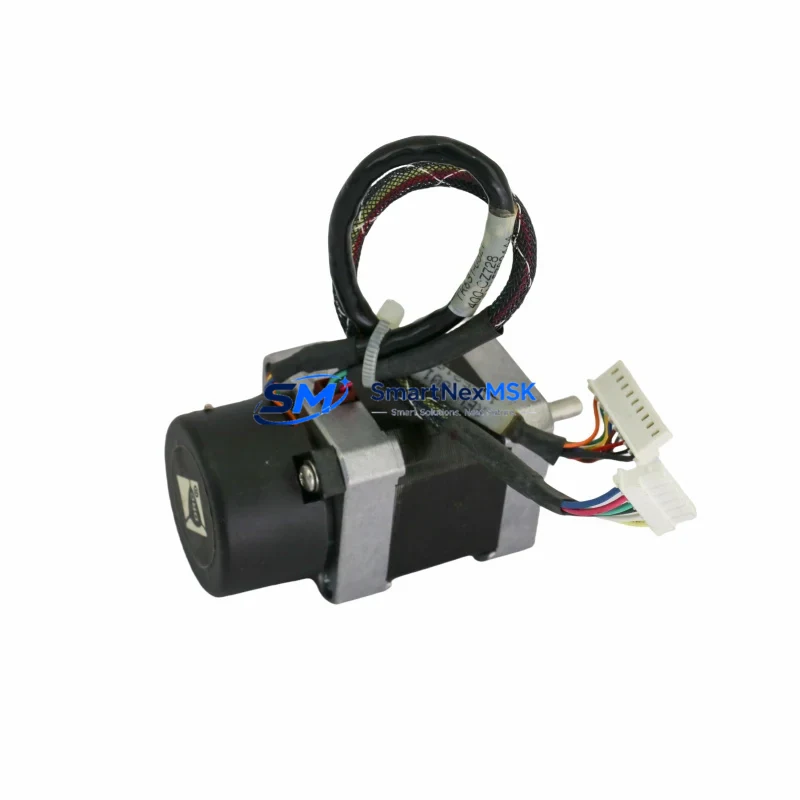
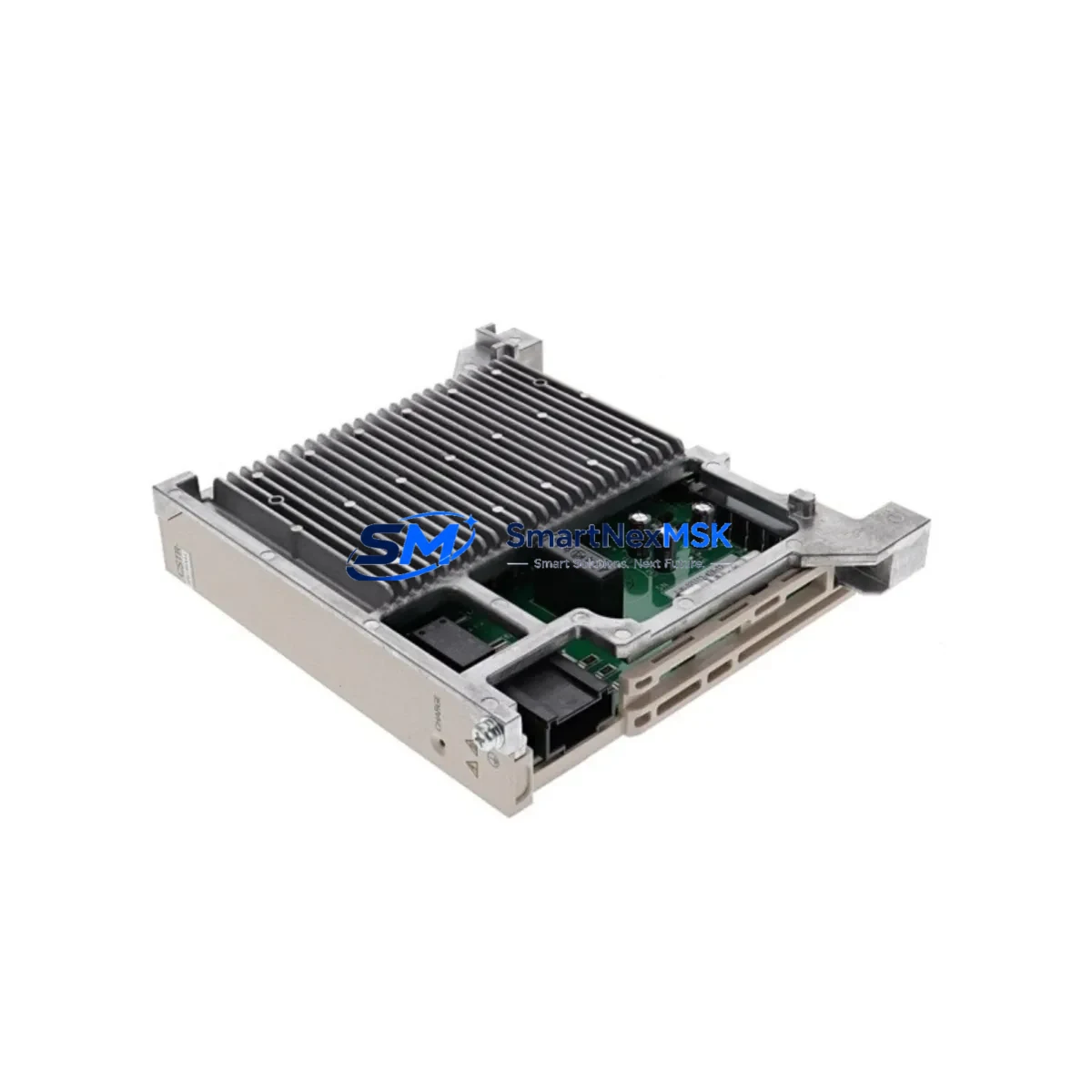
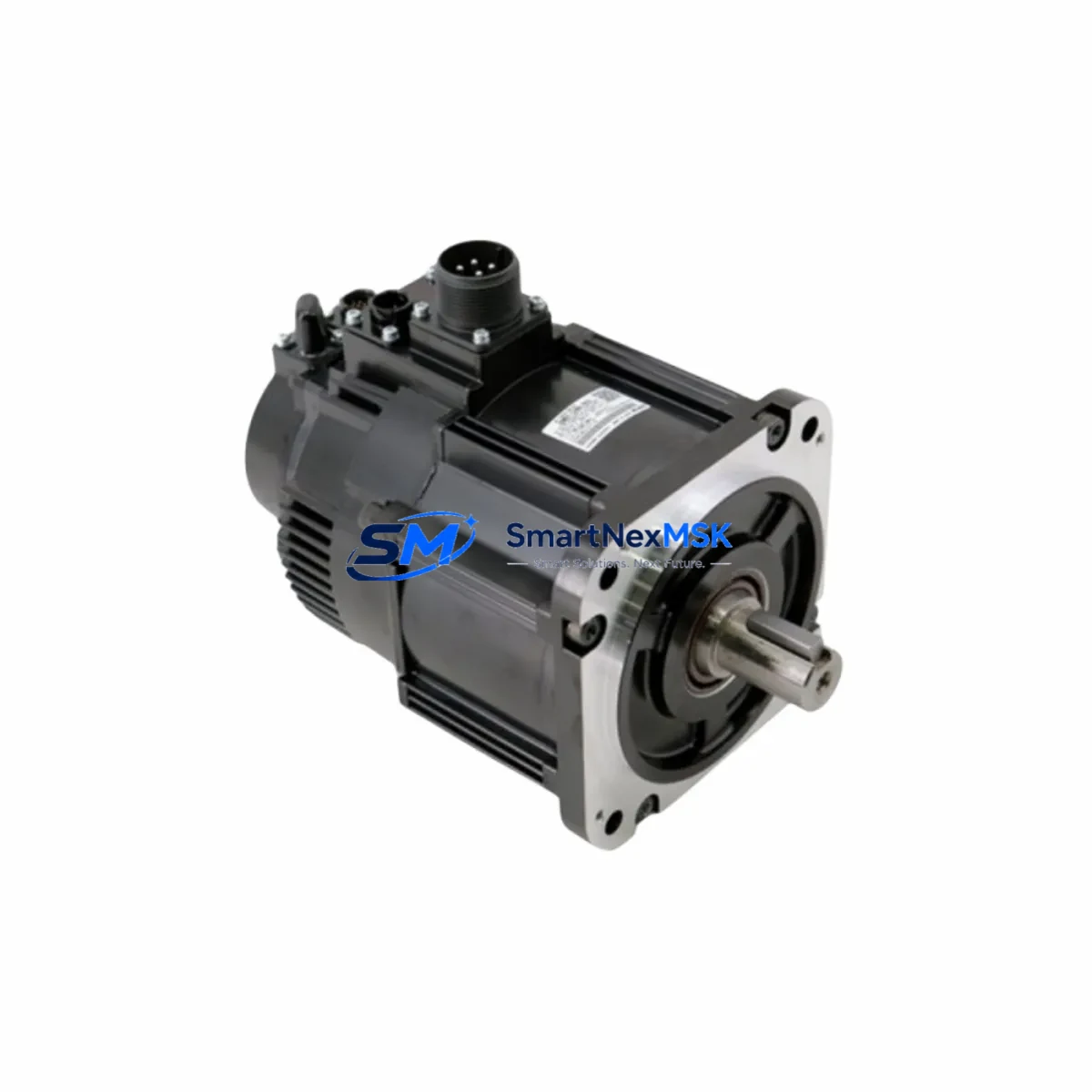
Begin by inspecting the servo motor driving the B-axis — typically a YASKAWA SGMAH or SGMPH series AC servo motor — for bearing wear, encoder feedback errors, and insulation resistance. A degraded reducer often transmits shock loads back into the motor shaft, accelerating motor bearing fatigue. Alongside the motor, check the servo drive (SGDH or SGDV series amplifier) for overcurrent history, regenerative resistor condition, and capacitor aging, as these faults frequently co-occur with mechanical drivetrain stress.
The robot controller (DX100, DX200, or YRC1000) should be inspected for alarm history related to position error overflow and torque limit exceedance on the B-axis. Pull the alarm log before disassembly to confirm whether the fault is purely mechanical or has an electrical root cause. Inside the controller cabinet, verify the I/O module status — particularly any safety I/O signals tied to the robot’s teach pendant enable circuit and external E-stop chain — to ensure no latent wiring fault will prevent restart after the reducer swap.
During the wrist disassembly, inspect the wrist harness and internal cable bundle routing through the robot arm. Repeated B-axis cycling causes cable fatigue at the wrist entry point; replace any cables showing insulation cracking or conductor exposure. Check the encoder cable connector at the B-axis motor for pin corrosion or intermittent contact, which can generate false position deviation alarms that mimic reducer failure symptoms.
For robots integrated into welding cells, also inspect the welding torch interface and tool-side signal isolator mounted at the wrist flange. Weld spatter ingress and vibration from a worn reducer can damage the torch connector and any signal conditioning modules in the tool circuit. If the robot communicates via DeviceNet, PROFIBUS, or EtherNet/IP fieldbus modules installed in the controller, verify communication integrity after the mechanical repair — vibration-induced connector loosening in the controller rack is a common post-maintenance fault.
Finally, confirm that the battery backup unit for the robot’s absolute encoder system is within its service life. A reducer replacement requires axis calibration; if the encoder battery is marginal, the calibration data may not be retained reliably, leading to a repeat service call. Replacing the battery as part of the planned maintenance window eliminates this risk at minimal cost.
Site Replacement Workflow
Step 1 — Pre-work verification: Download the robot’s current joint calibration data and zero-point position data to the programming pendant or a USB backup. Confirm the HW9381633-A part number against the robot’s maintenance manual BOM for the specific model and production year. Some Motoman variants use revision-specific reducer configurations; verify the flange interface and gear ratio match before opening the packaging.
Step 2 — Safe isolation: Place the robot in maintenance mode, engage the mechanical brake, and lock out the servo power at the controller. Verify zero energy state with a torque wrench on the B-axis before disassembly. Do not rely solely on the software brake — use a physical support fixture under the wrist assembly to prevent gravity-induced movement during reducer removal.
Step 3 — Reducer removal and inspection: Remove the wrist cover and document the existing grease condition and color. Discolored or metallic-particle-laden grease confirms reducer wear and should be photographed for maintenance records. Remove the output flange bolts in a cross pattern to prevent housing distortion. Extract the worn reducer and clean the mating surfaces on the robot arm housing.
Step 4 — Installation of HW9381633-A: Apply the specified YASKAWA grease type to the mating surfaces per the maintenance manual. Install the new reducer, torque all fasteners to specification in a cross pattern, and verify zero backlash at the output flange before reassembly. Reconnect the wrist harness and encoder cable, confirming connector seating and locking.
Step 5 — Calibration and test: Restore the robot to power, perform the zero-point calibration procedure per the DX100/DX200/YRC1000 maintenance manual, and run a slow-speed test cycle across the full B-axis range. Verify positional repeatability against the robot’s specification before returning to production speed. Log the replacement in the maintenance management system with the new part serial number and installation date.
This workflow minimizes total downtime to a planned window, eliminates repeat failures from incomplete inspections, and ensures the robot returns to full specification performance — protecting production schedules and reducing the risk of a second unplanned outage.
Spare Parts Support FAQ
Q1: Is the HW9381633-A compatible with all Motoman robot models?
The HW9381633-A is designed for specific Motoman robot variants using this B-axis reducer configuration. Compatibility depends on the robot model, production year, and wrist assembly revision. Always cross-reference the part number against your robot’s maintenance manual BOM or contact our technical team with your robot serial number for confirmation before ordering.
Q2: What pre-shipment testing is performed on each unit?
Each HW9381633-A unit undergoes dimensional inspection, gear mesh verification, bearing preload check, and seal integrity test before dispatch. Units are shipped in original YASKAWA packaging with a test record. The 12-month warranty covers manufacturing defects and is supported by our post-sale technical team.
Q3: Can this reducer replace an older revision of the same part number?
In most cases, yes — YASKAWA maintains backward compatibility within the same part number family. However, if your robot has been through a field modification or uses a non-standard wrist configuration, verify the flange bolt pattern, gear ratio, and housing interface dimensions before installation. Our team can assist with compatibility verification using your robot’s nameplate data.
Q4: What is the recommended spare parts inventory strategy for Motoman robot fleets?
For fleets of 5 or more Motoman robots of the same model, we recommend holding a minimum of one HW9381633-A reducer per 5 robots as a strategic buffer spare. Pair this with a servo motor spare, an encoder battery set, and a wrist harness assembly to cover the most common wrist-axis failure modes. This inventory posture supports a same-shift repair response for the majority of B-axis faults, keeping MTTR (Mean Time To Repair) within a single production shift.
© 2026 SMARTNEXMSK. All rights reserved.
Original Source: https://smartnexmsk.com
Contact: [email protected] | +86 18259474341