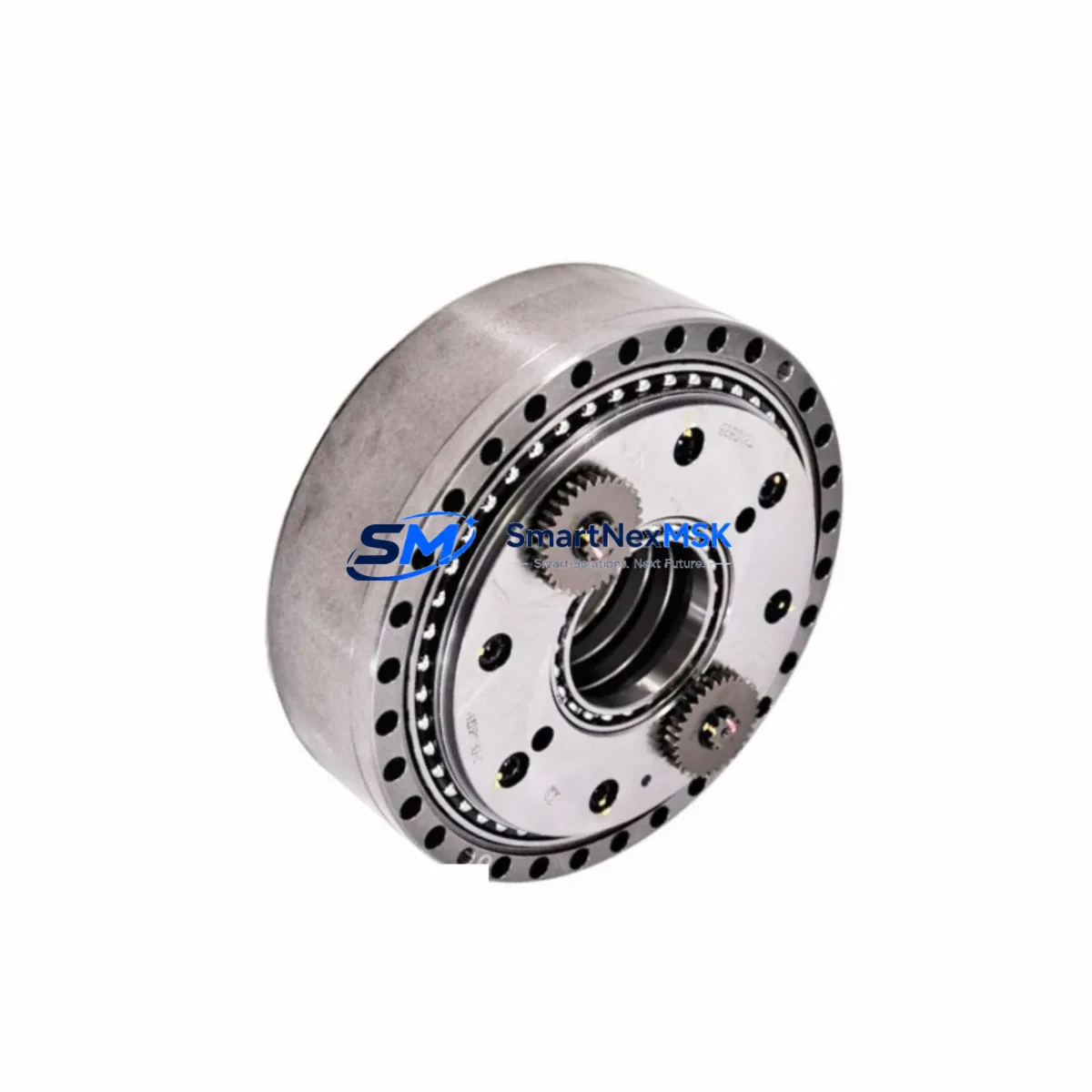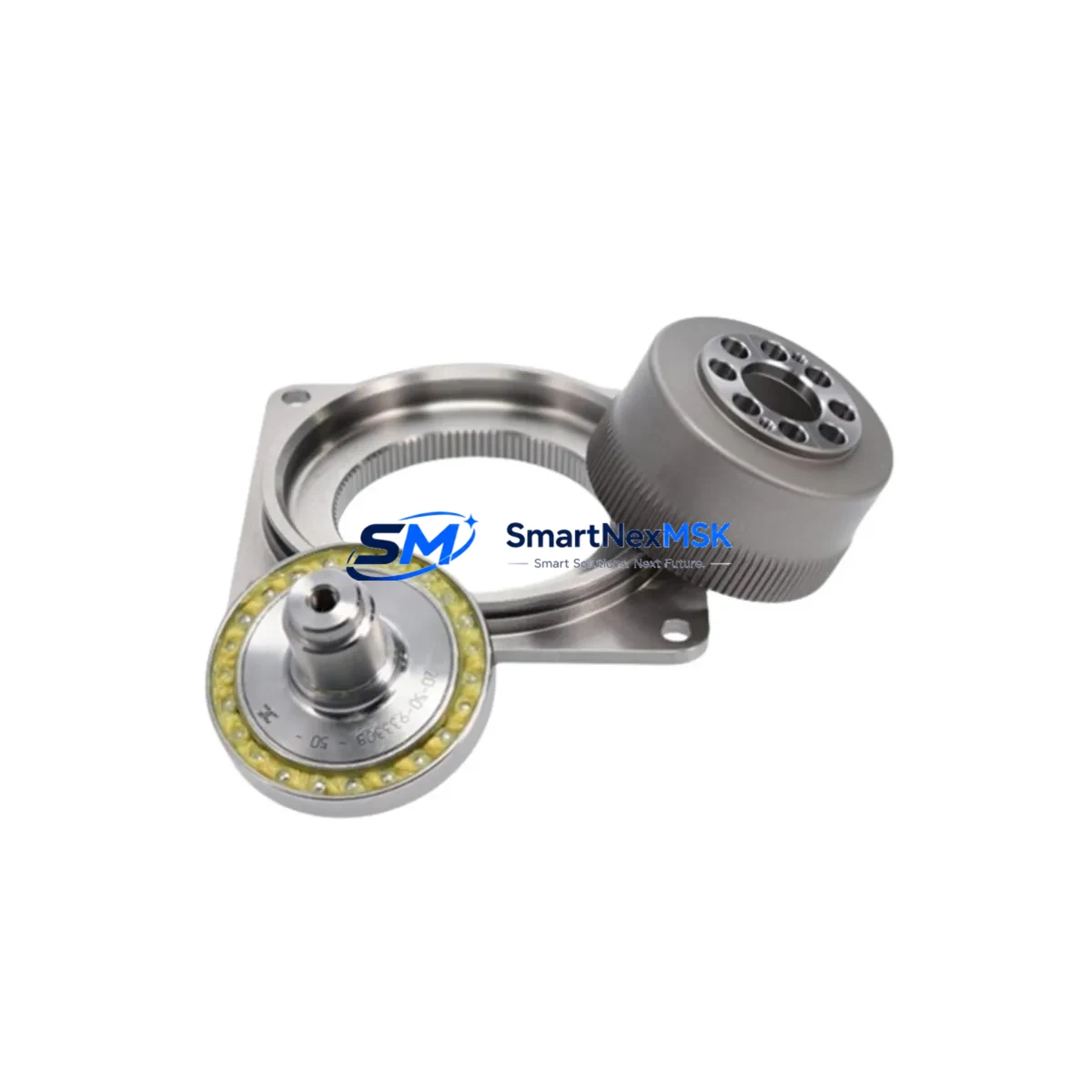
YASKAWA HW9381634-A Retrofit-Ready Wrist Reducer for Motoman Control Systems
The YASKAWA HW9381634-A is a precision wrist joint speed reducer engineered for the Motoman robot series, widely deployed across automotive assembly, arc welding, material handling, and general-purpose industrial automation lines. As legacy Motoman systems approach end-of-service milestones, the HW9381634-A has become a critical retrofit component for engineers tasked with extending the operational life of existing robot cells without full platform replacement. This unit provides a verified drop-in upgrade path for the 6th-axis wrist joint, maintaining the original gear ratio, flange interface, and torque rating required for uninterrupted production continuity.
Whether you are managing a planned overhaul or responding to an unscheduled breakdown, sourcing a genuine or OEM-equivalent HW9381634-A with documented compatibility is the first step in a successful retrofit. SMARTNEXMSK maintains ready stock of this reducer to support urgent replacement timelines, with pre-shipment functional testing and a 12-month warranty covering manufacturing defects and performance deviations.
Upgrade Compatibility Table
| Parameter | HW9381634-A Specification | Retrofit Notes |
|---|---|---|
| Applicable Series | Motoman UP, ES, MA, MH, HP series | Confirm robot model suffix before ordering |
| Axis Position | 6th Axis (Wrist Roll / R-axis) | Verify axis designation in robot nameplate |
| Mounting Interface | Standard YASKAWA wrist flange bolt pattern | No adapter plate required for direct-fit models |
| Gear Ratio | Matches OEM specification | No parameter change required in DX100/DX200/YRC1000 |
| Communication Compatibility | Passive mechanical component — protocol-independent | Compatible with MECHATROLINK-II/III servo drives |
| Controller Compatibility | DX100, DX200, FS100, YRC1000, NX100 | No controller firmware update required |
| Installation Requirement | Grease fill (Molywhite RE No.00 or equivalent) | Torque wrench required; follow YASKAWA maintenance manual |
| Calibration After Replacement | Zero-point calibration required | Use YASKAWA pendant or MotoSim for axis mastering |
| Warranty | 12 Months | Covers manufacturing defects and performance deviation |
Retrofit Planning for Existing Automation Systems
A successful HW9381634-A replacement begins well before the reducer arrives on-site. Engineers should pull the robot’s maintenance history from the DX200 or YRC1000 controller log to assess cumulative operating hours on the wrist joint and identify whether adjacent components — such as the HW9381635-A 5th-axis reducer or the HW9380646-A 4th-axis unit — are approaching their own service intervals. Replacing only the failed reducer while leaving a borderline adjacent unit in place risks a second unplanned outage within months.
Before disassembly, document the current zero-point calibration data stored in the controller. The DX100 and DX200 platforms store axis mastering values in battery-backed SRAM; a power interruption during the swap without prior data backup will require a full re-mastering procedure using a calibration jig or the robot’s witness mark method. For cells running continuous-path welding programs, even minor axis offset errors post-installation can cause weld seam deviation that requires offline re-teaching via MotoSim EG-VRC.
On the mechanical side, inspect the wrist housing for fretting wear at the reducer seat. If the housing bore shows ovality beyond YASKAWA’s published tolerance, a housing replacement — typically the HW9470969-A or equivalent wrist body assembly — should be planned in parallel. Attempting to seat a new HW9381634-A into a worn housing will accelerate backlash development and shorten the replacement’s service life significantly.
Grease selection is non-negotiable. YASKAWA specifies Molywhite RE No.00 for the wrist reducers on most Motoman UP and MA series robots. Using a substitute grease — even one with a similar NLGI grade — can cause thermal breakdown under the oscillating load profile of a 6th-axis wrist, leading to premature pitting of the cycloidal disc surfaces. Fill quantity should match the volume specified in the robot’s maintenance manual for the specific model variant.
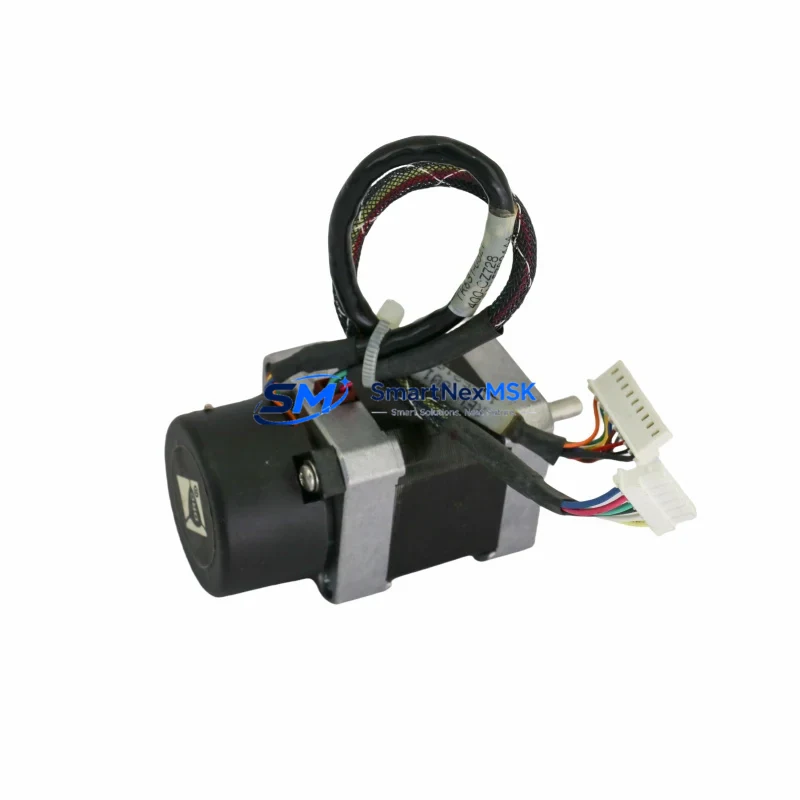
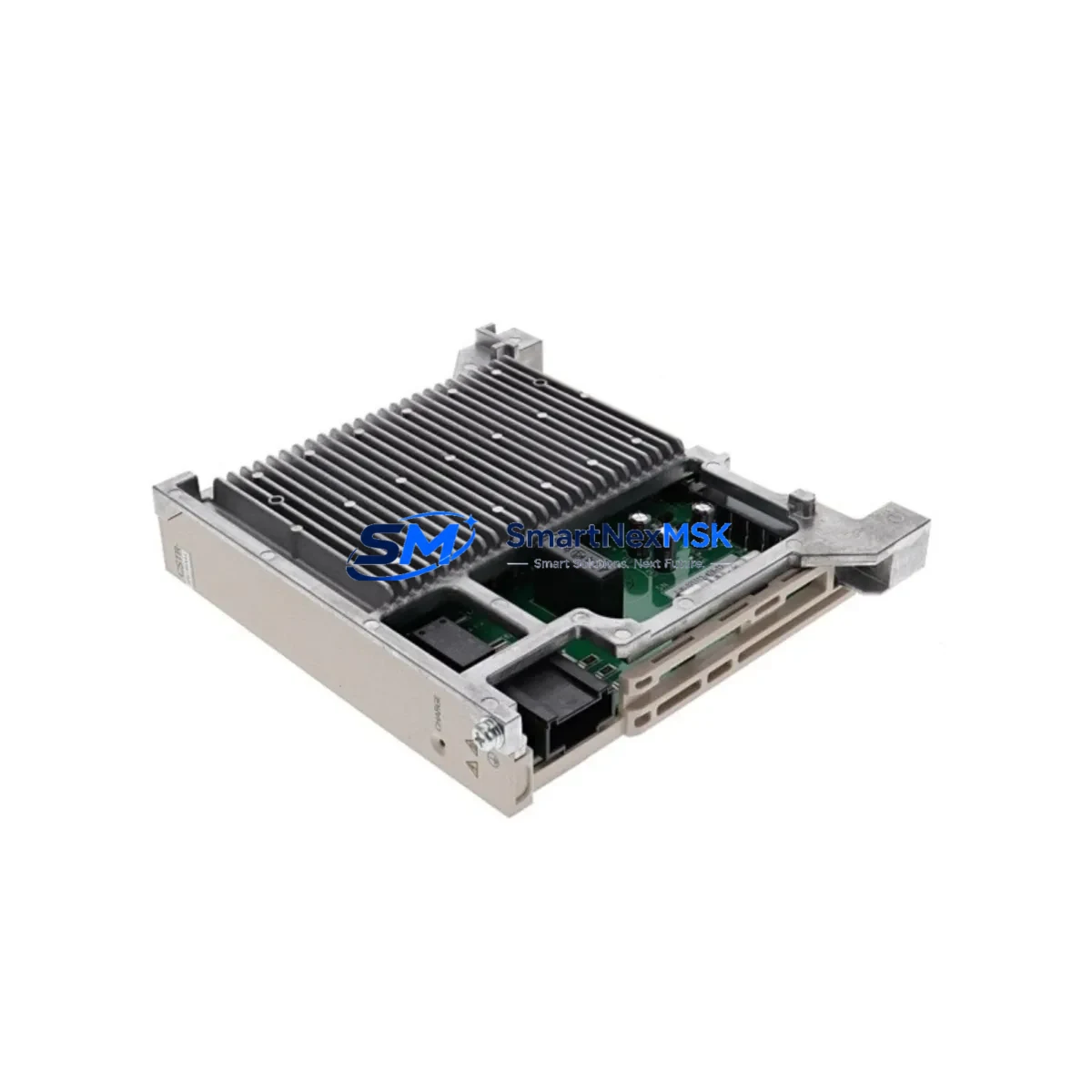
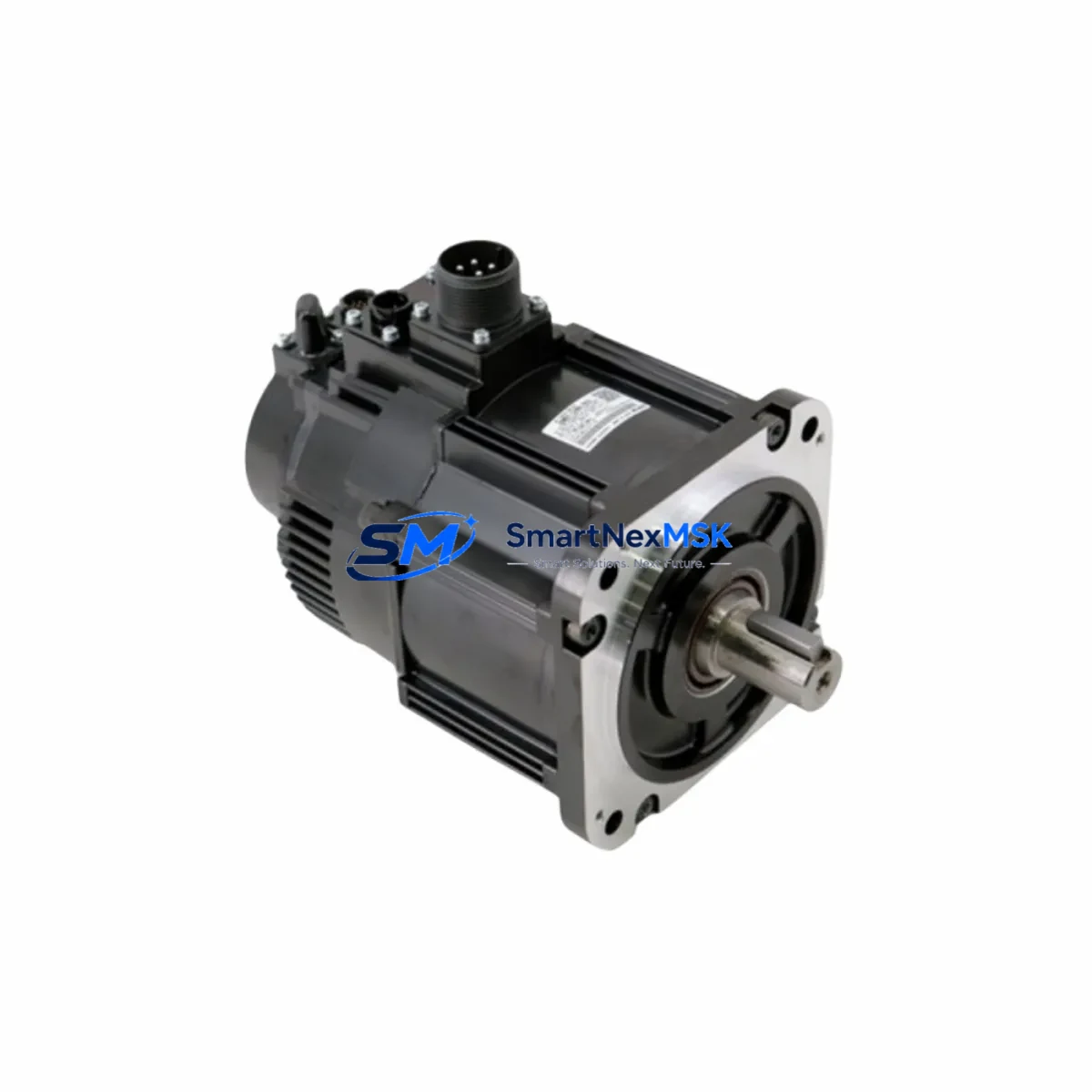
For cells where the Motoman robot interfaces with a JZRCR-YPU01-1 or JZRCR-NPU01-1 servo amplifier unit, verify that the amplifier’s encoder feedback channel for the R-axis is reading cleanly after reassembly. A loose encoder connector at the SGMRS series servo motor — which drives the wrist through the HW9381634-A reducer — is a common post-maintenance fault that presents as an axis alarm rather than a mechanical symptom. Reseat the encoder connector and confirm the feedback signal via the controller’s I/O monitor before running the robot at full speed.
If the retrofit is part of a broader control system upgrade — for example, migrating from an NX100 controller to a YRC1000 — the mechanical reducer swap can be coordinated with the controller changeover to minimize total downtime. The YRC1000’s auto-tuning function can compensate for minor inertia differences introduced by a new reducer, reducing the manual servo gain adjustment time that was previously required on DX100 platforms.
Downtime Control During System Migration
Minimizing production loss during a wrist reducer replacement requires a structured pre-outage preparation protocol. Begin by exporting the complete job file library from the DX200 or YRC1000 controller using a USB memory stick or the MotoPlus SDK backup utility. Store a verified copy off the controller before any mechanical work begins. This protects the teach pendant programs, I/O assignments, tool coordinate data, and user coordinate frames that define the robot’s working envelope.
For lines where the Motoman robot is integrated with a Keyence CV-X series vision system or a Cognex In-Sight camera for part location, document the camera calibration reference points and the vision job parameters before shutdown. A wrist reducer replacement that shifts the tool center point — even by fractions of a millimeter — can cause vision-guided pick failures if the TCP is not re-verified post-installation.
Schedule the mechanical replacement during a planned maintenance window rather than reacting to a catastrophic failure. A wrist reducer that has developed audible noise or increased backlash is signaling imminent failure; acting on that signal allows the team to stage the HW9381634-A, prepare the grease, gather the torque specifications, and assign a qualified technician — all before the line goes down. Reactive replacements under production pressure are the primary cause of installation errors, missed calibration steps, and repeat failures.
After installation and greasing, run the robot through a slow-speed (10% override) full-range wrist articulation cycle for at least 15 minutes before returning to production speed. This distributes the grease evenly across the cycloidal surfaces and allows the technician to confirm that no abnormal noise, vibration, or temperature rise is present. Only after this break-in check should the zero-point calibration be performed and the production program re-enabled.
Retrofit Support FAQ
Q: Is the HW9381634-A a direct replacement for all Motoman 6th-axis wrist reducers?
A: The HW9381634-A is the correct 6th-axis wrist reducer for specific Motoman UP, ES, MA, and MH series models. It is not universal across all Motoman variants. Always cross-reference the robot’s model number and the part number listed in the YASKAWA maintenance manual for your specific unit before ordering. Contact SMARTNEXMSK with your robot’s full model designation for confirmation.
Q: Does replacing the HW9381634-A require reprogramming the DX200 or YRC1000 controller?
A: No controller reprogramming is required. The HW9381634-A is a mechanical component and does not affect the controller’s software configuration. However, zero-point calibration (axis mastering) must be performed after installation to restore the robot’s positional accuracy. Existing job programs remain valid once calibration is complete.
Q: What pre-shipment testing does SMARTNEXMSK perform on the HW9381634-A?
A: Each unit undergoes dimensional inspection, backlash measurement, and rotational resistance verification before shipment. Units are packed with protective end caps and shipped in anti-vibration packaging to prevent transit damage. A 12-month warranty is included, covering manufacturing defects and performance deviations under normal operating conditions.
Q: Can the HW9381634-A be installed by an in-house maintenance team, or is a YASKAWA service engineer required?
A: Installation can be performed by a qualified in-house maintenance technician familiar with YASKAWA robot maintenance procedures. The YASKAWA maintenance manual for the specific robot model provides the required torque values, grease fill quantities, and calibration steps. SMARTNEXMSK can provide technical guidance on the replacement procedure upon request.
© 2026 SMARTNEXMSK. All rights reserved.
Original Source: https://smartnexmsk.com
Contact: [email protected] | +86 18259474341