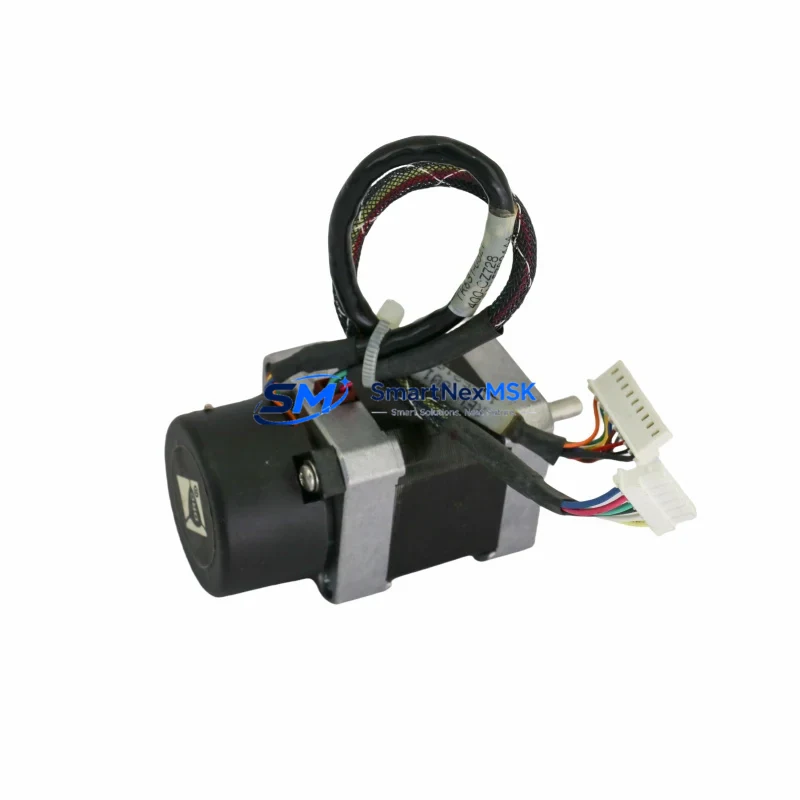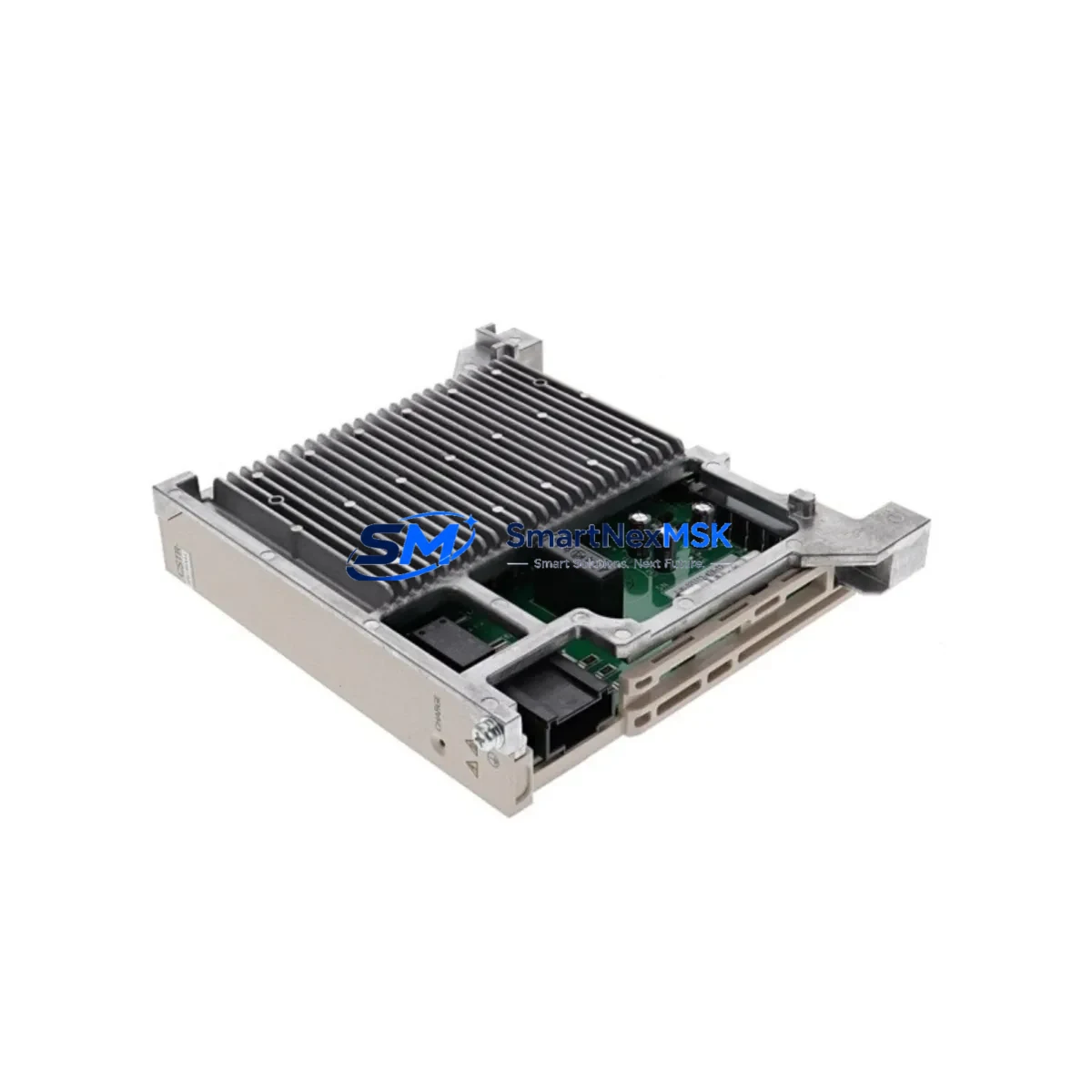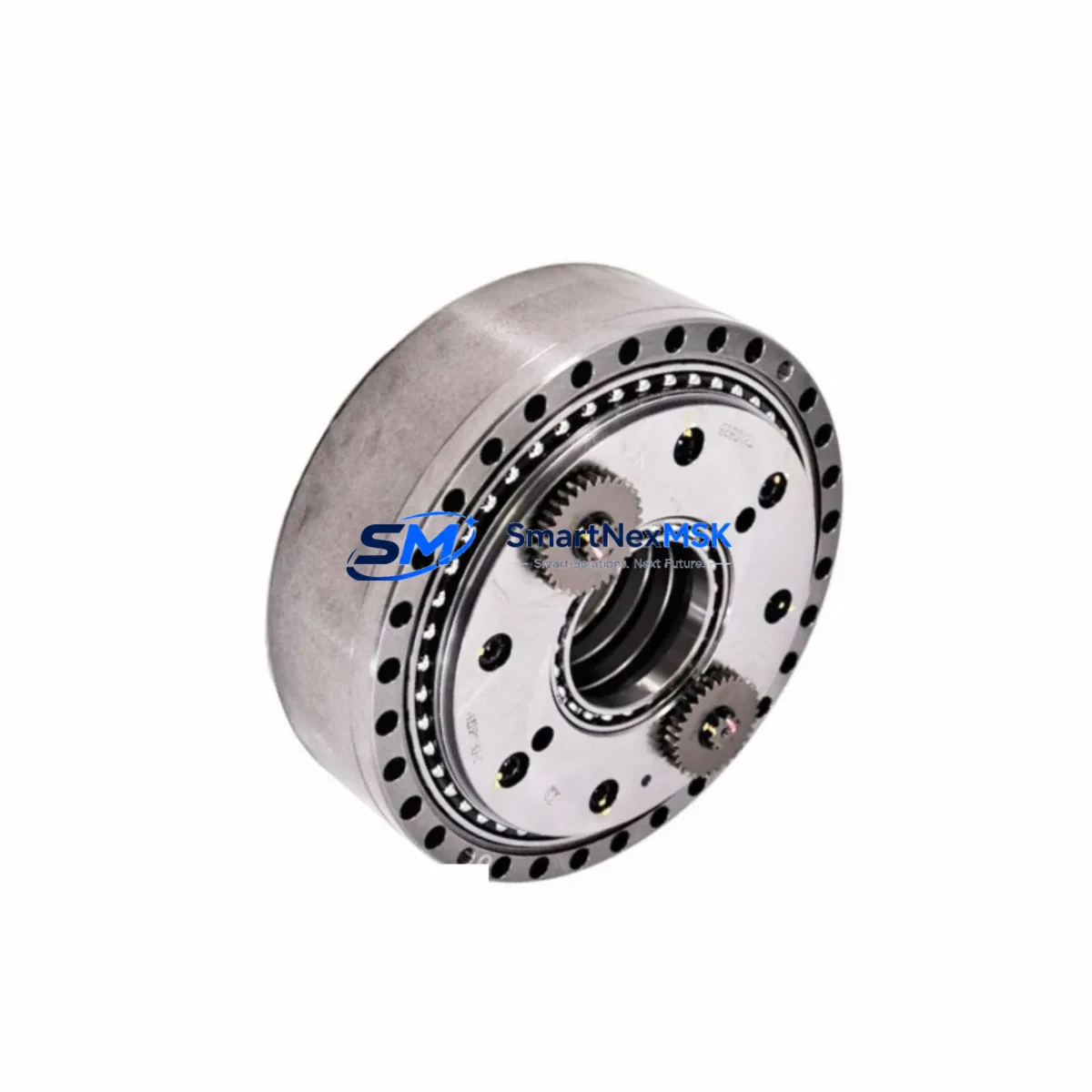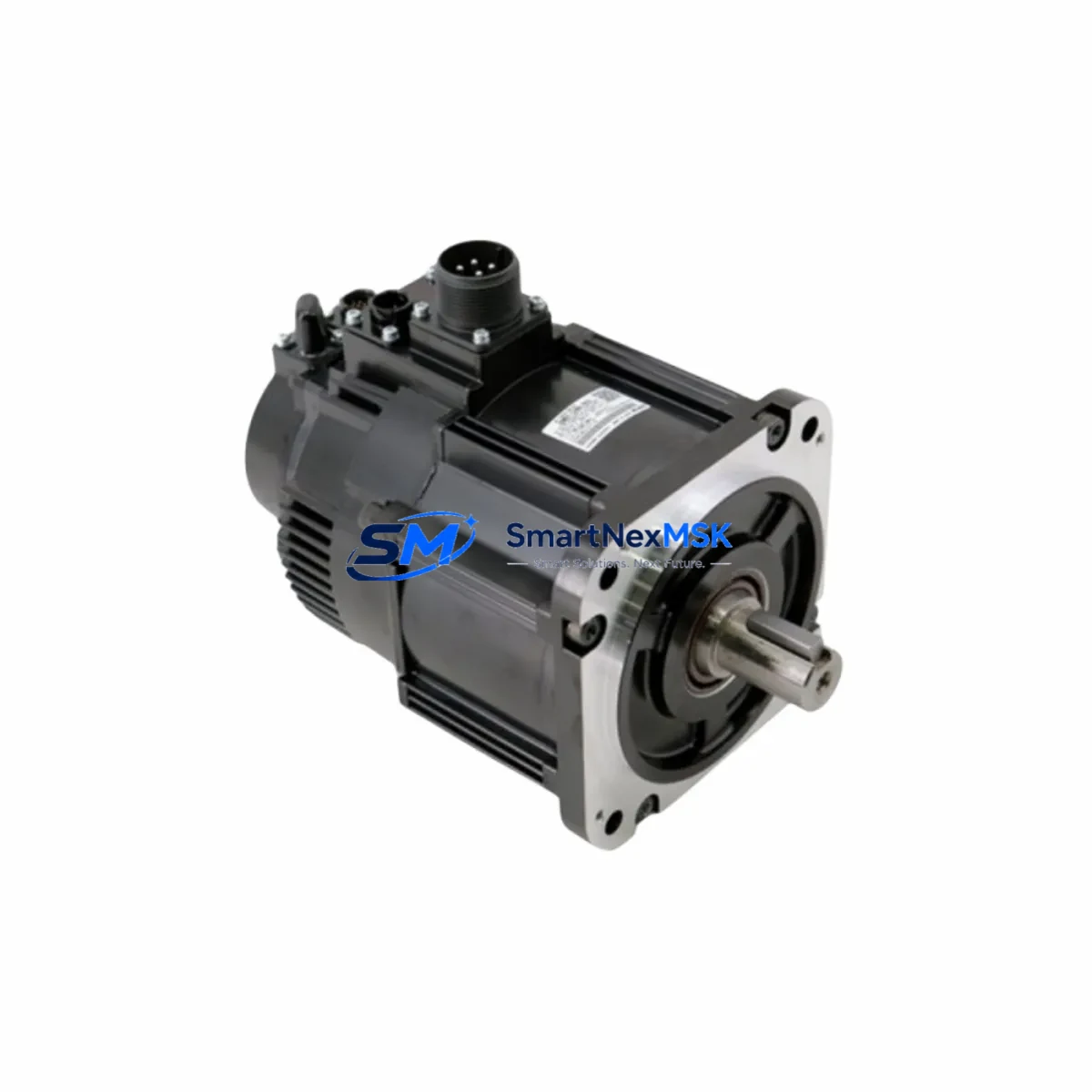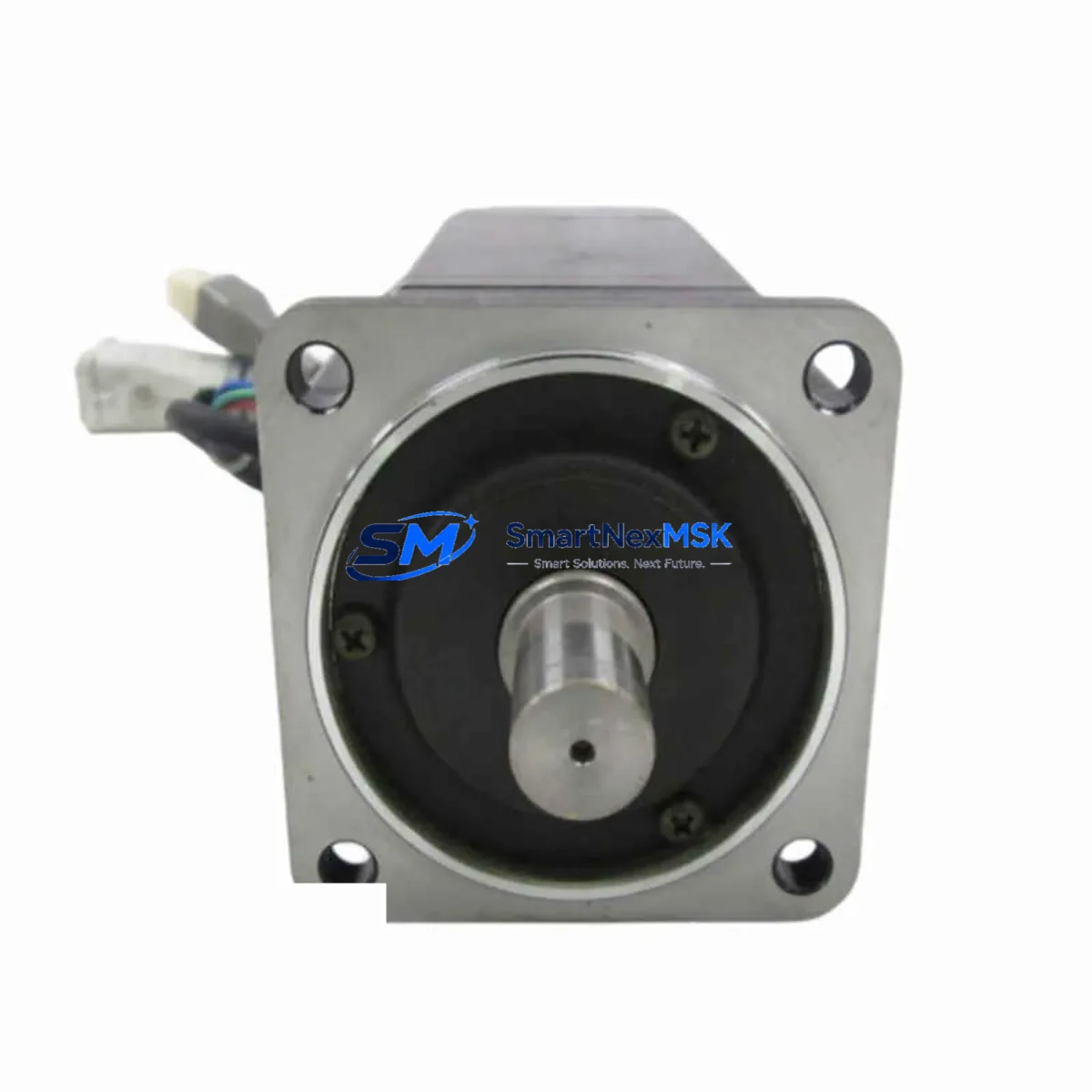
YASKAWA SGM-08A3FJ62 Retrofit-Ready AC Servo Motor for Sigma Series Control Systems
The YASKAWA SGM-08A3FJ62 is a 750W AC servo motor engineered for seamless integration into Sigma Series motion control architectures. Whether you are replacing a failed unit on an aging production line, upgrading a legacy servo drive system, or executing a planned control cabinet modernization, this motor delivers verified drop-in compatibility with the SGDH and SGDS series servo drives. Its integrated holding brake, 17-bit absolute encoder, and IP67-rated shaft seal make it a reliable choice for retrofit projects where downtime must be minimized and program logic preserved.
Industrial facilities running YASKAWA Sigma II or Sigma III platforms frequently encounter obsolescence challenges as original components reach end-of-life. The SGM-08A3FJ62 addresses this directly — it maintains the same 80mm flange frame, identical shaft dimensions, and compatible encoder signal protocol, allowing engineers to swap the motor without modifying the existing SGDH-08AE servo amplifier wiring harness or reconfiguring the CACR-SR servo parameter file. This is critical in environments where the JZRCR-NPP01B programming cable and MP2300 machine controller are already deployed and re-commissioning time must be kept to a minimum.
Before installation, engineers should verify the following: power supply capacity at the servo drive input (200–230V AC single or three-phase), terminal block wiring against the CN1 and CN2 connector pinout, backplane slot addressing if the drive is rack-mounted within a JEPMC-BU series base unit, and absolute encoder battery backup status on the SGDH amplifier. If the existing system uses a MECHATROLINK-II communication link, confirm that the node address DIP switch settings on the replacement drive match the original configuration to avoid address conflicts on the motion network.
For facilities migrating from older Sigma I (SGDB series) amplifiers to current Sigma-7 (SGD7S) platforms, the SGM-08A3FJ62 is fully compatible with the SGD7S-7R6A servo drive when paired with the JZSP-CMS00 encoder cable adapter. This migration path eliminates the need to replace the motor itself, reducing retrofit cost and preserving existing mechanical mounting. The SGD7S drive’s SigmaWin+ tuning software can auto-identify the motor parameters, further reducing commissioning time during the cutover window.
Upgrade Compatibility Table
| Parameter | SGM-08A3FJ62 (This Unit) | Notes / Retrofit Guidance |
|---|---|---|
| Rated Output | 750W | Matches SGDH-08AE / SGD7S-7R6A drive rating |
| Encoder Type | 17-bit Absolute | Compatible with Sigma II, III, and Sigma-7 drives |
| Flange Size | 80mm (NEMA 34 equivalent) | Direct bolt-on replacement; no mechanical modification |
| Shaft Diameter | 14mm with key | Verify coupling bore before installation |
| Brake | 24VDC Holding Brake | Confirm brake power supply circuit at CN1 connector |
| IP Rating | IP67 (shaft seal) | Suitable for wash-down and dusty environments |
| Communication | MECHATROLINK-II / Analog | Node address must match original drive configuration |
| Replacement Drives | SGDH-08AE, SGD7S-7R6A | Use JZSP-CMS00 adapter for Sigma-7 migration |
| Commissioning Tool | SigmaWin+ / JZRCR-NPP01B | Auto motor ID supported on SGD7S platform |
| Warranty | 12 Months | Covers manufacturing defects; includes pre-shipment test report |
Retrofit Planning for Existing Automation Systems
A successful retrofit begins well before the motor is physically replaced. Start by auditing the existing control cabinet layout: confirm that the SGDH-08AE servo amplifier (or its Sigma-7 equivalent, the SGD7S-7R6A) is mounted with adequate clearance for the regenerative resistor unit and that the 24VDC control power supply — typically a JZSP-BA01 or equivalent DIN-rail PSU — can sustain the brake release current without voltage droop.
Next, document the existing CN1 wiring. The SGM-08A3FJ62 uses a standard YASKAWA 26-pin encoder connector; if the original cable is a JZSP-CMP00-03 or JZSP-CMP19-03 type, it can be reused directly. For systems where the encoder cable has been field-modified or is of unknown origin, replacement with a factory-assembled JZSP-CMP00 series cable is strongly recommended to avoid intermittent encoder faults during high-speed operation.
In multi-axis systems controlled by an MP2300 or MP2310 machine controller over MECHATROLINK-II, each servo axis must retain its original node address. Before powering down for the swap, record the DIP switch positions on the SGDH amplifier and replicate them on the replacement unit. The MECHATROLINK-II network also requires that the termination resistor on the final node (often a JEPMC-W6002 cable terminator) remains in place after the motor swap to prevent communication errors on adjacent axes.
For facilities that also operate YASKAWA VS-616G5 or V1000 series variable frequency drives on auxiliary equipment within the same control cabinet, verify that the main breaker and transformer capacity accounts for the combined inrush current of both the servo and VFD loads during simultaneous startup. This is a commonly overlooked factor that can trigger nuisance tripping after a retrofit if the power distribution has not been re-evaluated.
Finally, if the machine HMI is a YASKAWA CP-317 or a third-party panel running a YASKAWA-compatible driver, confirm that the servo axis status tags (alarm code, torque reference, position feedback) are mapped correctly in the HMI project file. A motor swap does not change the drive’s communication register map, but a firmware update on the SGD7S during migration may shift certain extended parameter addresses — always cross-reference the SigmaWin+ parameter list against the HMI tag database before going live.
Downtime Control During System Migration
Minimizing production downtime during a servo motor replacement requires a structured cutover plan. The recommended approach is a staged swap: first, install and pre-configure the replacement SGDH-08AE or SGD7S-7R6A drive offline using SigmaWin+, loading the saved parameter file from the original unit. This eliminates the need for on-machine tuning during the live cutover window.
On the day of the swap, begin by saving the current absolute encoder position data from the SGDH amplifier’s EEPROM using the JZRCR-NPP01B programming cable and SigmaWin+ software. This backup ensures that if the new motor’s encoder battery is depleted or the absolute position is lost during installation, the reference position can be restored without a full machine re-homing cycle — a process that can take hours on complex multi-axis systems.
Physically, the SGM-08A3FJ62’s identical flange and shaft dimensions mean the mechanical swap can be completed in under 30 minutes by an experienced technician. After reconnecting the CN2 encoder cable and CN1 power cable, perform a static insulation resistance check between the motor windings and frame before energizing. Once powered, use SigmaWin+ to verify encoder communication, confirm brake operation, and run a low-speed jog test before returning the axis to automatic mode.
For MECHATROLINK-II networked systems, the total cutover time from power-down to verified automatic operation is typically 60–90 minutes when the above preparation steps have been completed in advance. This compares favorably to unplanned downtime scenarios where a failed motor is replaced reactively without pre-staged parameters or spare cables, which can extend to 4–8 hours or more.
Retrofit Support FAQ
Q1: Is the SGM-08A3FJ62 a direct replacement for the original YASKAWA SGM-08A3FJ62, and will it work with my existing SGDH-08AE drive?
Yes. The SGM-08A3FJ62 supplied by SMARTNEXMSK is a genuine or verified-compatible unit with identical electrical and mechanical specifications. It is fully compatible with the SGDH-08AE servo amplifier without any parameter changes, provided the existing encoder cable (JZSP-CMP00 series) is in good condition.
Q2: What commissioning steps are required after installation?
After physical installation, connect the JZRCR-NPP01B programming cable to the SGDH drive and use SigmaWin+ to verify motor recognition, restore the saved parameter file, and confirm absolute encoder initialization. Run a low-speed jog test and verify brake engagement before returning to automatic operation. For Sigma-7 (SGD7S) migrations, the auto-tuning function can be used to optimize gain settings for the new motor.
Q3: How do I verify wiring compatibility before installation?
Compare the CN1 (power) and CN2 (encoder) connector pinouts from the SGM-08A3FJ62 product datasheet against your existing cable assembly. The 26-pin encoder connector and 4-pin power connector are standard across the Sigma II and Sigma III motor families. If your cable is a JZSP-CMP19-03 (with brake wires), confirm that the brake circuit at CN1 pins 5 and 6 is correctly wired to the 24VDC brake power supply.
Q4: What does the 12-month warranty cover, and is a test report included?
All SGM-08A3FJ62 units shipped by SMARTNEXMSK include a pre-shipment functional test report confirming encoder communication, winding resistance, insulation resistance, and brake operation. The 12-month warranty covers manufacturing defects and verified functional failures under normal operating conditions. Units are shipped with original or equivalent packaging to prevent transit damage.
© 2026 SMARTNEXMSK. All rights reserved.
Original Source: https://smartnexmsk.com
Contact: [email protected] | +86 18259474341