
Circuit Breaker Spares: Keep the Trip Record
Keep complete breaker and trip-unit identity, approved protection records and unresolved acceptance work together before accepting a spare.
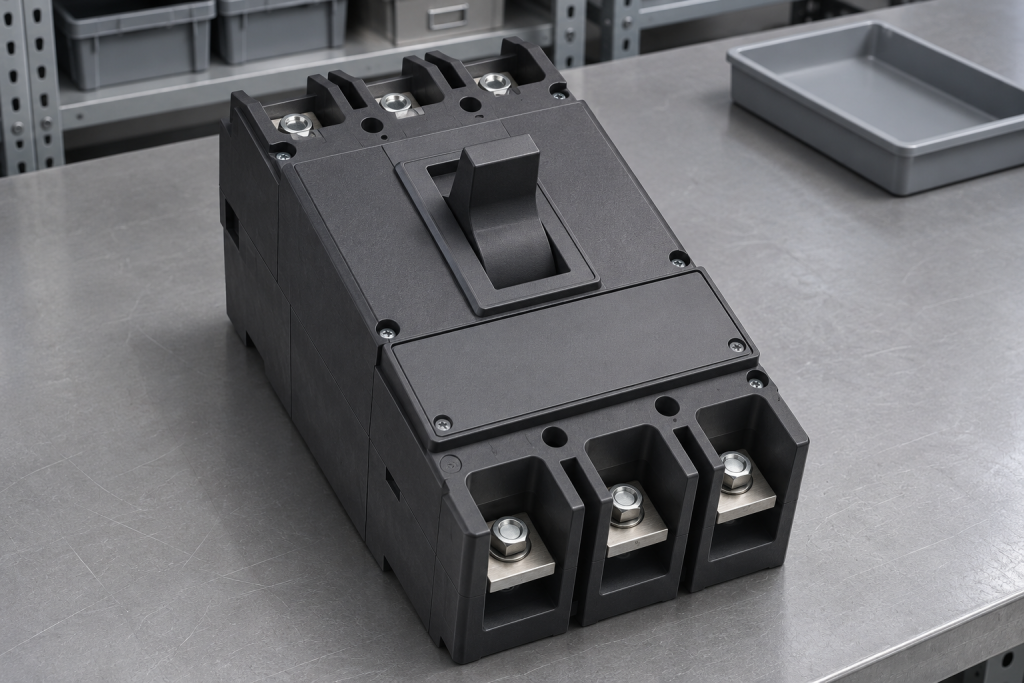
A circuit breaker spare can match the frame description while leaving the installed protection requirement unresolved. The offer identifies a current rating, but the enquiry contains no controlled trip unit record. A physically familiar assembly then reaches stores without evidence that its protection functions and documented configuration belong to the intended feeder.
For circuit breaker spares, keep complete hardware identity and the approved protection record together. This is a purchasing and documentary acceptance review, not a protection study, settings calculation or replacement procedure. Isolation, arc-flash risk, testing and return to service remain with qualified personnel under the equipment owner’s approved arrangements.
Define which assembly the purchase covers
Record the installed breaker, trip unit and associated assembly references from controlled documentation. State whether the request concerns a complete breaker, an authorised replacement trip unit or a separately identified accessory. A broad family name does not establish that these are equivalent supplies.
Schneider Electric’s electronic trip-system catalogue describes separate sensing, evaluation and tripping functions. The procurement implication is to preserve the identified combination, rather than treating an electronic module’s appearance as proof of a complete protective system.
Retain the complete codes, poles, installation arrangement and applicable equipment reference. Have the responsible reviewer identify which manufacturer documents establish the offered scope. Do not infer permission to exchange a trip unit between frames, generations or manufacturers from a common current figure.
Keep identity separate from the required settings
A hardware identification record answers what the component is. A protection record answers what the approved installation requires. Keep both records available, including the breaker location, protected equipment, responsible owner and relevant document revisions. Neither record substitutes for the other.
Ask engineering which protection functions and associated settings apply to the installed arrangement. Preserve their names, units, conditions and approval reference without shortening them into an unexplained dial position. Trip unit settings must remain tied to the identified equipment, not copied into a generic purchasing template as universal values.
The semiconductor fuse protection-scope guide covers a different component boundary. A fuse designation is not a substitute for an electronic breaker’s configuration record. Likewise, a contactor’s switching rating does not describe a breaker trip unit’s protection requirement.
Do not confuse defaults with an application decision
Schneider’s MicroLogic default-settings FAQ distinguishes supplied settings from settings determined for an application by a qualified consultant or plant engineer. Its scope is specific breaker families; it is not a recommended default for every circuit or a reason to reproduce numerical settings here.
For procurement, the important question is who will review the offered assembly against the approved requirement. Do not accept factory settings, a supplier’s generic preset or an unexplained photograph as application approval. Equally, do not assume that the values visible on an old unit are still the accepted baseline.
Identify documented load or distribution changes since the last approved protection record. Ask the responsible engineer to resolve their significance. This article provides no pickup value, delay, multiplier, coordination margin or instruction to change a dial. Urgency cannot make an undocumented setting correct.
Use a complete record, not one front-panel picture
Schneider’s MicroLogic trip-unit settings appendix separates switch settings, maintenance information and protection-menu fields in its record tables. That is a useful example of why a single current number or display photograph can leave relevant information missing.
Request the applicable manufacturer’s record format for the exact installed variant. Keep available approved settings sheets, drawing references and relevant verification records together. Do not reproduce an unrelated family’s table or assume that every listed menu or function exists on the proposed spare.
Distinguish an approved requirement from an as-found observation and a later accepted as-left record. Name the owner and revision for each. Where photographs are permitted, retain their context; do not open equipment, remove covers or disturb a protective circuit merely to complete a quotation request.
Make the remaining acceptance work visible
Ask the supplier to identify the complete offered assembly, supplied accessories and supporting manufacturer references. Separate commercial identity checks from review of the protection requirement and any authorised application verification. A quotation should identify differences rather than describing an alternative as equivalent without a review boundary.
The published molded-case circuit breaker category is a sourcing route, not an interchange or settings table. No individual model is endorsed here for an unidentified installation. Obtain the application owner’s decision before counting an offered alternative as qualified spare coverage.
A supplier’s test report establishes only the identity, conditions and checks actually covered. It does not automatically establish the installed protection scheme’s acceptance. Require the responsible personnel to define the necessary evidence; this guide supplies no injection-test procedure or pass threshold.
If the enquiry follows a fault trip, preserve the available event and condition records separately. Buying a spare does not diagnose the cause or authorise resetting and re-energising the installation. Keep unresolved condition and protection questions on hold with an owner and next action.
FAQ
Does matching the frame description qualify a breaker spare?
No. Confirm the complete assembly, trip unit, required protection record and applicable acceptance evidence.
Are factory settings an approved protection record?
No. Supplied settings do not replace the installation’s reviewed requirement or the responsible engineer’s decision.
Is a photograph of one dial sufficient?
No. Keep the applicable documented fields and their context; a photograph alone may omit relevant functions or approvals.
Does a successful supplier test approve return to service?
No. Its scope must be understood, and the installed application’s authorised acceptance remains a separate decision.
Prepare the breaker spare enquiry
Send complete breaker and trip-unit models, nameplate photos, available approved protection records, discontinued-part replacement needs and delivery requirements to [email protected] or WhatsApp/Phone +86 18259474341. Identify unresolved application questions without disturbing operating equipment.
Route this topic into a sourcing request
Connect the article topic to a model number, category, brand, quantity, and destination before opening the RFQ.
Related Insights
Continue with sourcing and model matching guides
 Nov 28, 2026
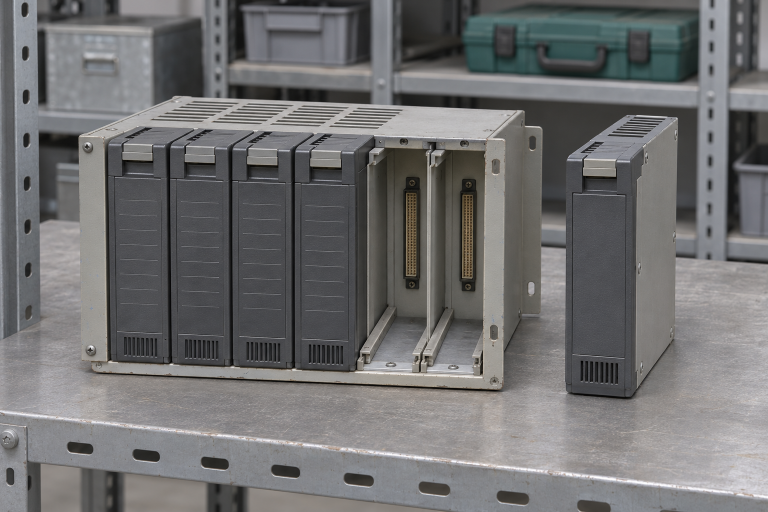
Series 90-30 Spares: Check the RX3i Rack Boundary
Separate exact Series 90-30 spares from the verified RX3i rack, processor and retained I/O needed for a planned migration.
Read guide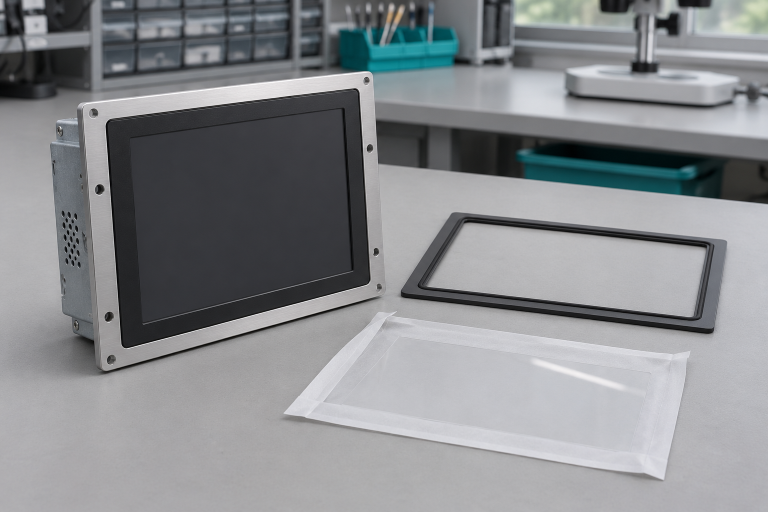 Nov 27, 2026
HMI Screen Spares: Identify the Failed Layer
Separate surface damage, touch input and the supported display assembly before specifying an HMI hardware spare.
Read guide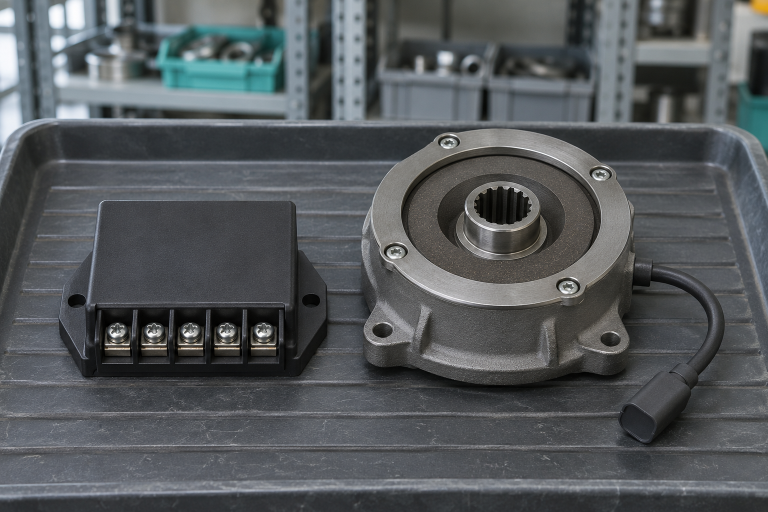 Nov 26, 2026
Motor Brake Rectifier Spares: Match the Coil
Check the fitted brake coil and approved control function before treating a motor brake rectifier as an exact spare.
Read guide