
Industrial Timer Spares: Match the Timing Function
Identify timer spares by the approved sequence, start and reset behavior, settings and complete assembly, not just the dial position.
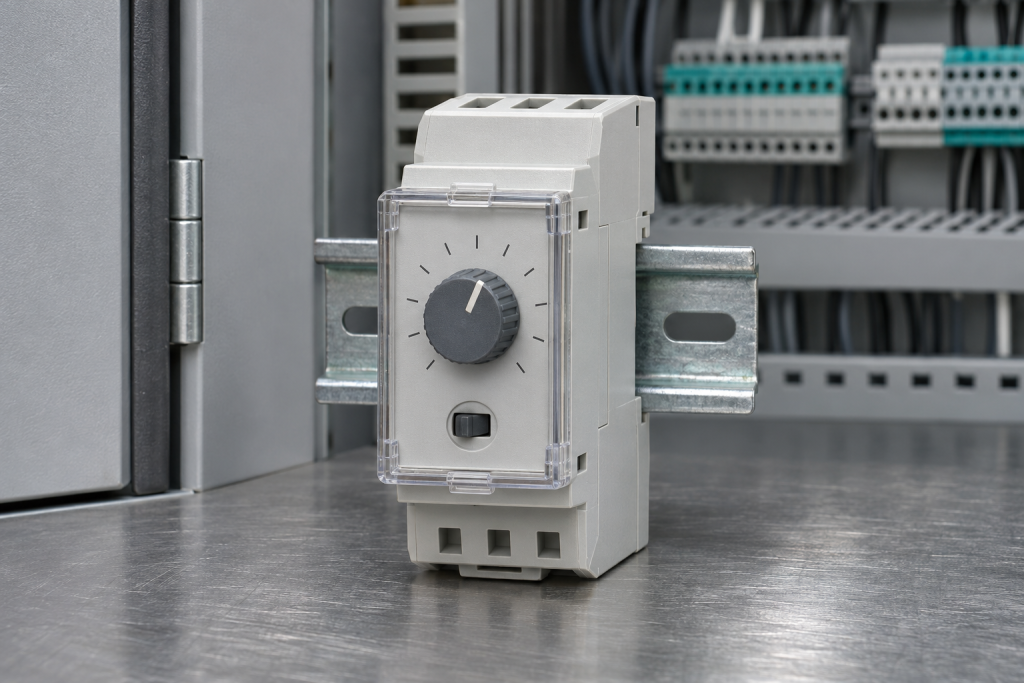
A timer replacement can fit the cabinet and still change the machine sequence. The delay may begin from a different event, the selected scale may use another unit, or an interrupted cycle may restart differently. For maintenance teams, the number on the dial is only one part of the spare requirement.
Industrial timer spares should be identified by the intended timing behavior as well as the complete device code. This guide concerns ordinary control timers, not safety timers or a procedure for changing live wiring. Installation and verification belong under the actual equipment instructions and the site’s approved controls.
Describe the event before naming the delay
Write down what starts the timing interval and what the output must do before and after that interval. OMRON’s timer overview distinguishes power-start from signal-start operation and describes different output modes. An on-delay, interval or repeating function is not adequately specified by a duration alone.
For procurement, attach a simple approved sequence description: initial state, triggering event, required output transition and completion condition. Identify the machine function served by the timer. Avoid an ambiguous request such as a replacement for a familiar-looking dial unit with the same front dimensions.
Keep the setting and its interpretation together
For a timer relay replacement, record the operating mode, time unit, selected range and setting, using photographs taken through an authorized inspection process. A dial position without its scale is not a complete configuration record. Keep those details separate from the supply-voltage identification and the contact arrangement.
Do not move selectors on an operating machine to discover what they do. If the existing setting cannot be read safely, use controlled records and the responsible engineer’s review. Treat an undocumented setting as an open question, rather than copying a convenient value onto the proposed spare. Preserve the approved configuration with the equipment record so that a later shift can understand the purchasing decision.
Make reset and repeated operation explicit
The first completed cycle does not describe every operating condition. OMRON’s timer terminology distinguishes operating time, OFF time and resetting time. The applicable device documentation, rather than a remembered behavior from another timer, must define the requirements for the installed unit.
Define timer reset behavior by asking what the approved sequence requires if the start signal disappears, a reset is requested, power is interrupted or a new cycle follows shortly afterwards. These are review questions, not instructions to interrupt a live process. Record whether each question is resolved by the manufacturer’s timing chart, the machine design or a controlled acceptance check.
Do not invent a universal reset duration or assume that every timer retains elapsed time. If the requested behavior is unsupported or unclear, hold the substitution for engineering review. Matching the nominal delay cannot resolve an undefined restart sequence.
Check the complete assembly, not the pin count
Capture the full timer code, supply specification, input arrangement, output type, mounting and mating interface. Include the socket or terminal base and retaining hardware when they form part of the installation. Mechanical resemblance should not silently become an electrical compatibility claim.
OMRON’s legacy timer replacement FAQ illustrates why a replacement review can involve the connection method and hold-down hardware as well as the timer function. Its model-specific examples are not a blanket substitution approval for another installed timer.
The existing relay contact-duty and socket review provides complementary electrical questions. Keep that load review separate from the timing sequence: correct contacts do not establish correct timing, and correct timing does not establish a suitable output circuit.
Define acceptance as a sequence comparison
Before ordering, name the person responsible for comparing the offered timer with the approved machine requirement. Prepare a record that connects the installed device, the proposed full code, the relevant manufacturer document and any unresolved difference. Ask the supplier which hardware and accessories are actually included.
For a controlled verification plan, list the expected initial output, start condition, timed transition, reset response and next-cycle behavior that matter to this installation. The authorized engineer should define the safe test environment and acceptance limits from the design and applicable instructions. A lamp changing state in an unidentified video does not establish the complete machine sequence.
Keep observed results separate from untested assumptions. Record the actual unit and configuration used, the conditions covered and the limitations. Do not mark an alternative as approved merely because it can be adjusted to a similar delay. Changes to wiring, timing logic or the machine sequence require the site’s appropriate change review.
Keep the sourcing request precise
Use the published OMRON sourcing page as a brand-level enquiry route when that is the installed manufacturer. It is not evidence of timer availability or an exact approved replacement. No individual catalog model is endorsed by this generic review.
Send the complete code and photographs with the mode, unit, range, start and reset requirements. Identify whether the request is for the exact device or an alternative awaiting review. Keep undocumented assumptions visible in the quotation and acceptance record.
FAQ
Does the same dial setting mean two timers behave identically?
No. Interpret the setting together with the unit, range, mode and triggering event. Preserve the full configuration rather than comparing a knob position alone.
Does an equal pin count prove that a timer is interchangeable?
No. Check the exact connection diagram, inputs, output arrangement, supply and mating assembly against the approved installation. Physical fit is not a complete qualification.
Should reset behavior be included in the purchase requirement?
Yes. State the required response to reset, interruption and the next cycle. Unresolved behavior should remain an engineering question, not an assumed feature of a substitute.
Can an ordinary timer be substituted for a safety timer?
This guide does not support that substitution. Safety-related functions require the applicable approved equipment and competent validation; a matching delay is not safety evidence.
Prepare the timer spare review
Send the complete model, nameplate photos, timing requirement, discontinued-part replacement need and delivery requirement to [email protected] or WhatsApp/Phone +86 18259474341. Identify any start, reset, mounting or compatibility question still awaiting engineering confirmation.
Route this topic into a sourcing request
Connect the article topic to a model number, category, brand, quantity, and destination before opening the RFQ.
Related Insights
Continue with sourcing and model matching guides
 Nov 28, 2026
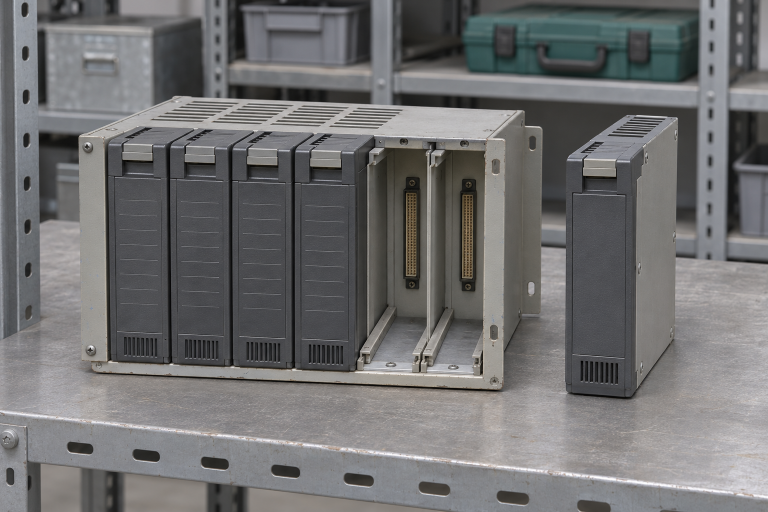
Series 90-30 Spares: Check the RX3i Rack Boundary
Separate exact Series 90-30 spares from the verified RX3i rack, processor and retained I/O needed for a planned migration.
Read guide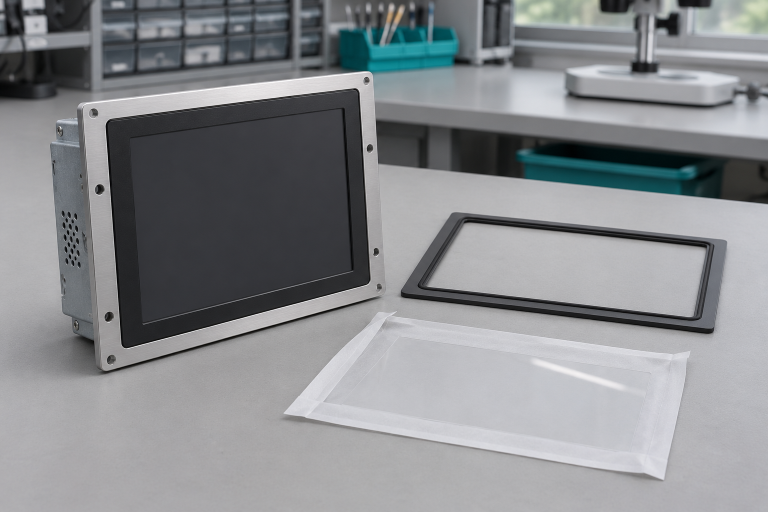 Nov 27, 2026
HMI Screen Spares: Identify the Failed Layer
Separate surface damage, touch input and the supported display assembly before specifying an HMI hardware spare.
Read guide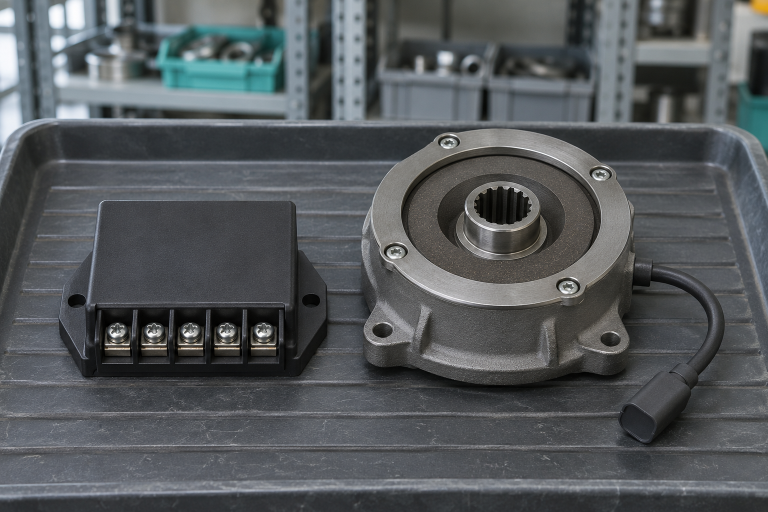 Nov 26, 2026
Motor Brake Rectifier Spares: Match the Coil
Check the fitted brake coil and approved control function before treating a motor brake rectifier as an exact spare.
Read guide