
Limit Switch Spares: Check Actuator Travel
Keep the complete limit-switch actuator, approach direction and documented travel characteristics together before accepting a replacement.
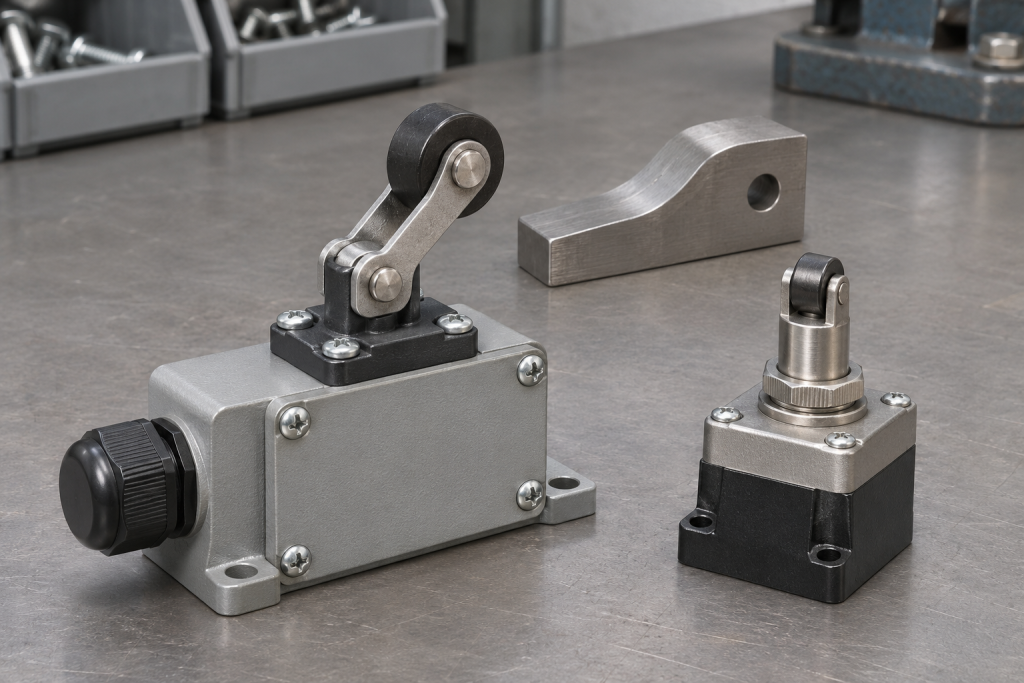
A limit switch spare can fit the mounting holes and still change the point at which a machine detects position. A different lever, roller or plunger may meet the operating body differently, while an apparently identical contact arrangement says little about the available movement. The purchasing requirement must describe the mechanical event, not only the electrical symbol.
For limit switch spares, keep actuator identity, documented travel characteristics and the installed operating arrangement together. This guide concerns ordinary position-detection procurement. It does not authorize changes to safety interlocks, machine stops, wiring or live equipment. Installation and acceptance remain under the equipment owner’s approved engineering process.
Identify the actuator as part of the complete code
Record the complete switch designation, head and actuator variant, mounting reference and cable-entry arrangement. Photographs should show the actuator and the way the installed operating body approaches it, when those photographs can be obtained safely. A front label alone may omit the mechanical interface that makes the device useful.
OMRON’s limit-switch actuator selection guide separates roller levers, adjustable levers, plungers and other arrangements. Their travel and operating characteristics differ by design and model. An adjustable-looking lever is not evidence that every spare can reproduce the approved mechanism.
Ask whether the offer is the complete assembly or only a body, head or accessory. Keep missing parts visible in the quotation. Do not let a common housing or family name conceal a different actuator, an absent mating part or an undocumented head configuration.
Keep operating and releasing positions distinct
OMRON’s switch terminology reference distinguishes the free, operating, releasing and total-travel positions. Pretravel concerns movement before operation; overtravel concerns movement after operation; movement differential relates operation to release. These terms describe different parts of the mechanical sequence.
For a limit switch replacement, request the applicable manufacturer drawing and characteristics for the exact offered variant. Retain the specified units and reference points. A linear distance and an actuator angle should not be treated as equivalent simply because two catalog numbers appear similar.
The useful purchasing question is whether the offered mechanism matches the approved position-detection requirement. Do not invent a universal travel allowance or choose an acceptance value from a generic illustration. Where the existing requirement is undocumented, identify that gap for engineering review before describing the alternative as interchangeable.
Preserve approach direction and the return event
Describe the operating body’s approved direction of approach and withdrawal, together with the required detected state. Include the relevant cam, dog or moving-part reference from controlled drawings. Ask which part of the operating sequence depends on the switch returning, not just the first change of contact state.
OMRON’s one-side and both-side operation FAQ explains a direction-dependent distinction for its WL series. That is a reason to preserve the actual variant and operating requirement, not permission to modify a switch head or copy a configuration from another machine.
A hand-operated click outside the application does not demonstrate the installed approach, release point or remaining movement. Nor does an unchanged PLC input prove that the replacement preserves the original mechanical arrangement. Keep electrical-state checks separate from the full position-detection acceptance boundary.
Review the whole movement without prescribing an adjustment
The comparison should include the documented movement after the detection event, the return path and any mechanical conditions that the equipment design requires. Ask the responsible engineer which differences would affect the approved application. Purchasing can gather the evidence; it should not decide a new machine setting from an urgent delivery request.
This guide deliberately supplies no cam angle, mounting offset, stroke percentage or live adjustment procedure. Those depend on the exact device and machine design. Do not use the switch as a substitute for a missing approved mechanical stop, or move an operating machine merely to make a spare enquiry more complete.
Retain the mechanical record alongside the contact configuration, applicable electrical rating, termination details and required environmental suitability. The industrial sensor model-matching checklist supplies the broader identity framework. Actuator travel adds a specific mechanical question; it does not replace electrical or environmental qualification.
Make the offered scope and acceptance owner explicit
Keep a short comparison record: installed complete code, offered complete code, actuator geometry, approach direction, relevant position and travel data, supporting drawing revision and unresolved differences. Identify whether the purchase is for an exact documented spare or an alternative awaiting approval.
Ask who will accept the mechanical comparison and who will own any controlled verification. Keep documentary review, receiving inspection and application validation separate. A supplier’s continuity result on an unidentified unit cannot establish the detection point on the actual machine.
Use the published industrial sensor category as a sourcing route when the complete installed switch has not yet been identified. No individual catalog model is endorsed here. A related listing does not establish the correct lever, operating point, safety function or availability.
If the function forms part of a protective or safety-related arrangement, retain that boundary explicitly and refer the decision to the site’s competent personnel. Similar dimensions and contacts do not qualify a safety substitution. Keep unresolved application questions on hold rather than counting the received unit as ready coverage.
FAQ
Do matching mounting holes qualify a limit switch spare?
No. The actuator, travel characteristics, approach, contact arrangement and documented application still need to match the approved requirement.
Is the releasing position the same as the operating position?
Do not assume that. Compare the exact manufacturer’s definitions and characteristics, including the movement differential relevant to the intended sequence.
Does a successful continuity check prove mechanical suitability?
No. It describes the conditions actually checked, not the installed approach, detection point, return event or available movement.
Can an ordinary limit switch replace a safety interlock?
This guide does not support that substitution. Safety-related arrangements require the applicable approved equipment and competent validation.
Prepare the limit-switch spare enquiry
Send the complete model, nameplate and actuator photographs, discontinued-part replacement need and delivery requirement to [email protected] or WhatsApp/Phone +86 18259474341. Identify any missing drawing or mechanical acceptance decision without disturbing operating equipment.
Route this topic into a sourcing request
Connect the article topic to a model number, category, brand, quantity, and destination before opening the RFQ.
Related Insights
Continue with sourcing and model matching guides
 Nov 28, 2026
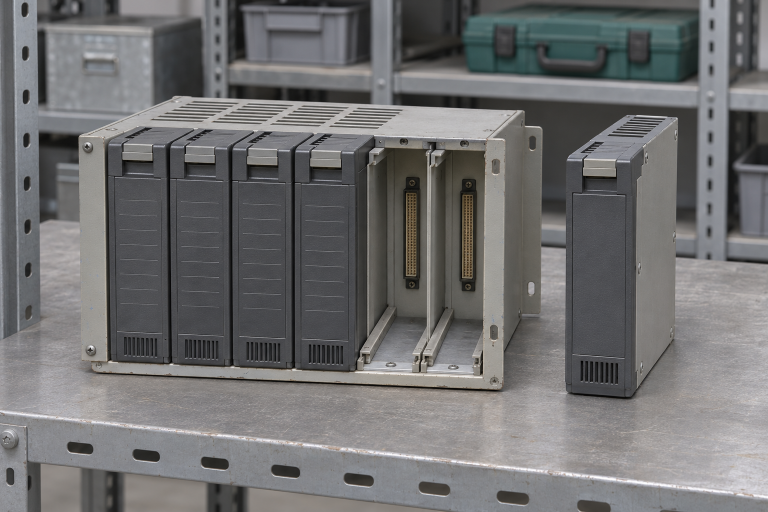
Series 90-30 Spares: Check the RX3i Rack Boundary
Separate exact Series 90-30 spares from the verified RX3i rack, processor and retained I/O needed for a planned migration.
Read guide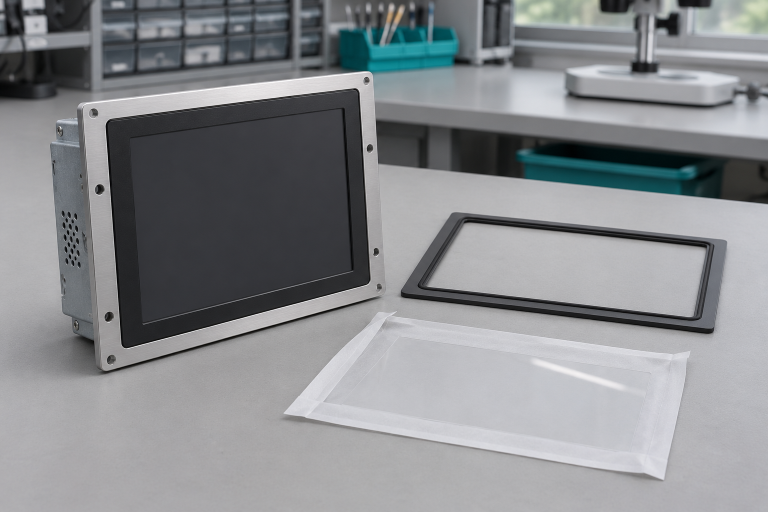 Nov 27, 2026
HMI Screen Spares: Identify the Failed Layer
Separate surface damage, touch input and the supported display assembly before specifying an HMI hardware spare.
Read guide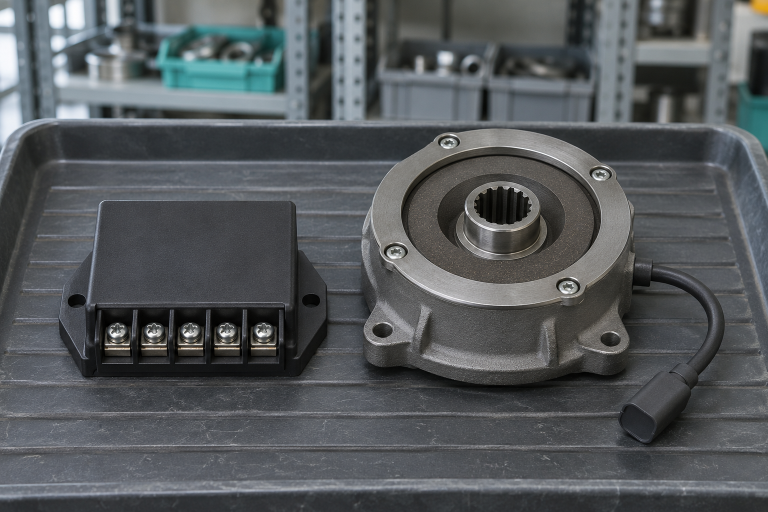 Nov 26, 2026
Motor Brake Rectifier Spares: Match the Coil
Check the fitted brake coil and approved control function before treating a motor brake rectifier as an exact spare.
Read guide