
Packaging Sensor Spares: Match the Detection Task
Check packaging sensor spares against the optical pair, PLC input, package material and line timing before approving a photoelectric replacement.

A packaging line can restart after a sensor swap and still miscount cartons, miss a film edge, or trigger a reject at the wrong moment. The replacement may fit the bracket and illuminate its status LED while failing the actual detection task. For maintenance and MRO teams, that is the difference between an available spare and a recoverable production function.
Packaging sensor spares should therefore be approved against the package, optical arrangement, electrical interface, and machine timing. This guide addresses ordinary product-detection sensors, not personnel-protection devices. It proposes an acceptance method, not a claim that any listed model is interchangeable or currently in stock.
Start with what the machine must detect
Write down the event: carton present, flap open, bottle passing, or tray correctly positioned. Then record the difficult conditions: transparent film, dark printing, glossy surfaces, the smallest package, and the background visible between products. A successful test with one convenient carton is not evidence for every production recipe.
SICK’s photoelectric sensor selection guide distinguishes through-beam, reflector-based and background-suppression arrangements and identifies response time as a selection consideration. Preserve the detection principle when assessing a spare, or explicitly validate the change. Similar housings do not make these arrangements interchangeable.
Specify the optical assembly, not just one housing
A through-beam station depends on a transmitter and receiver working across the same path. A reflector-based station also depends on its reflector and alignment. Record both sides, mounting distances, adjustment settings, and cable routing before a damaged unit leaves the machine.
For a paired optical station, record the transmitter and receiver identities separately, including the complete suffix on each label. Photograph the installed geometry before removing a damaged unit. The purchase request should distinguish a single component from a complete assembly and identify any companion device that must remain compatible.
Do not approve a receiver by the transmitter’s family name, or infer electrical output from a housing photograph. Ask for the candidate’s own data sheet and compare the actual connector drawing with the machine schematic. This guide deliberately does not nominate a specific model: the correct choice depends on the station, and a catalog specification conflict must be resolved before a unit becomes an approved spare.
Verify the signal all the way to the PLC
For any photoelectric sensor replacement, compare supply requirements, output type, connector pin assignment, and light-on or dark-on behavior with the machine drawing. A connector that mates physically does not establish an electrical match. Record the expected PLC input state with the beam clear and blocked, including what the machine should do when the signal is missing.
Timing deserves a separate check. Sensor response, input filtering, controller logic, and product spacing together determine whether the machine recognizes an event. During an approved test, check the shortest intended product gap at the intended operating speed. Do not change PLC filters or invert logic simply to make an unverified substitute appear functional.
Keep commissioning under qualified control and use the manufacturer’s instructions for the actual replacement. Perform installation and adjustment only within approved machine procedures, including isolation where required. Do not transfer settings, sensing limits or connection instructions from an unrelated family. Preserve the original settings record so an unexpected detection result can be investigated without guessing what changed.
Use a packaging-specific acceptance sheet
Before ordering, agree on observable pass conditions with maintenance and production. A practical test sheet should cover:
- Target variation: each relevant package material, color, orientation, and size, including the known difficult recipe.
- Empty path: no false product signal from the belt, guide rail, opposite machine surface, or normal background.
- Dynamic operation: correct counting and downstream action at approved speeds and minimum planned spacing.
- Physical installation: stable alignment, secure brackets, correct connector engagement, and cable clearance through normal adjustment travel.
- Recovery: expected behavior after an authorized restart and repeatable settings after a normal format change.
Perform machine tests within the site’s isolation and commissioning procedures, with guards and safety functions intact. Do not create hazards to test a spare. Record the conditions actually tested rather than writing an unqualified “tested OK.” If the relevant production format is unavailable, retain that limitation in the acceptance record.
Use a repeatable acceptance record rather than a verbal handover. Capture the installed label, drawings checked, package recipes tested, line speeds, output observations, adjustment positions and unresolved limitations. Include the person who authorized the test and the person who accepted the result. If a future replacement differs, this record provides the baseline against which the change is assessed.
The industrial sensor identity and interface checklist complements these packaging-specific dynamic checks.
Stock by recoverable station
The useful stock unit may include the sensor, matching connector lead, bracket, and reflector or companion device. Decide from the installed station and failure history, not from a supplier’s generic bundle. For broader requirements, the industrial sensor category is a starting point for identification, not an approved substitution list.
Keep unresolved differences visible on the purchase request. Require the supplier to distinguish exact supply from a proposed alternative. If a change needs new brackets, rewiring, or machine logic changes, schedule it as an engineering modification rather than concealing it inside an urgent spare order.
Frequently asked questions
Can I buy a replacement using only the sensor family name?
No. Obtain the full model suffix and article number, then confirm the sensing principle, output, connection, and installed arrangement. A family name is a search aid, not an acceptance specification.
Should a through-beam transmitter and receiver always be replaced together?
Not automatically. Diagnose the fault and check the manufacturer’s pairing requirements. Specify which component is needed, and verify the complete optical path after replacement.
Does a passing bench test prove packaging-line suitability?
No. A bench test can establish limited electrical and switching behavior. Production acceptance must also address actual packages, background, alignment, speed, and the downstream machine response.
Can an ordinary photoelectric sensor replace a safety light curtain?
No. Keep this spare-selection process separate from safety-device replacement. Safety functions require their own approved components, design verification, and validation by competent personnel.
Prepare a precise sourcing request
Send the complete model, nameplate photos of both sides of the sensing station, quantity, package type, any discontinued-part replacement requirement, and required delivery date to [email protected] or WhatsApp/Phone +86 18259474341. State whether only an exact spare is acceptable or an engineering-reviewed alternative may be considered.
Route this topic into a sourcing request
Connect the article topic to a model number, category, brand, quantity, and destination before opening the RFQ.
Related Insights
Continue with sourcing and model matching guides
 Nov 28, 2026
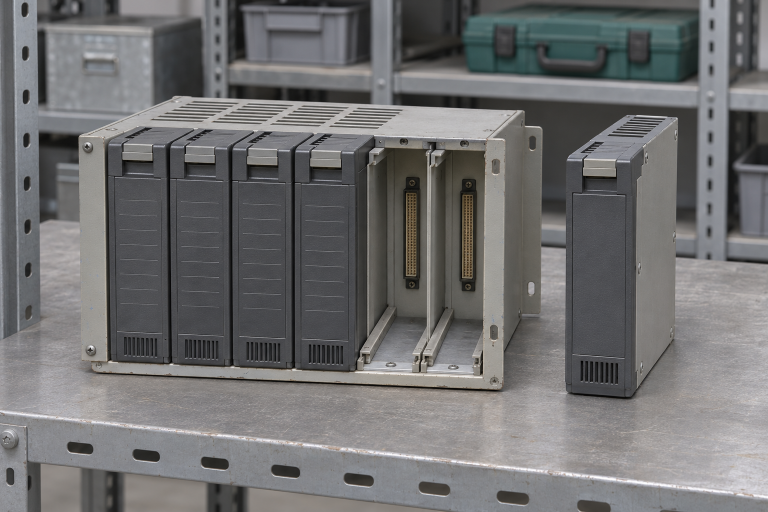
Series 90-30 Spares: Check the RX3i Rack Boundary
Separate exact Series 90-30 spares from the verified RX3i rack, processor and retained I/O needed for a planned migration.
Read guide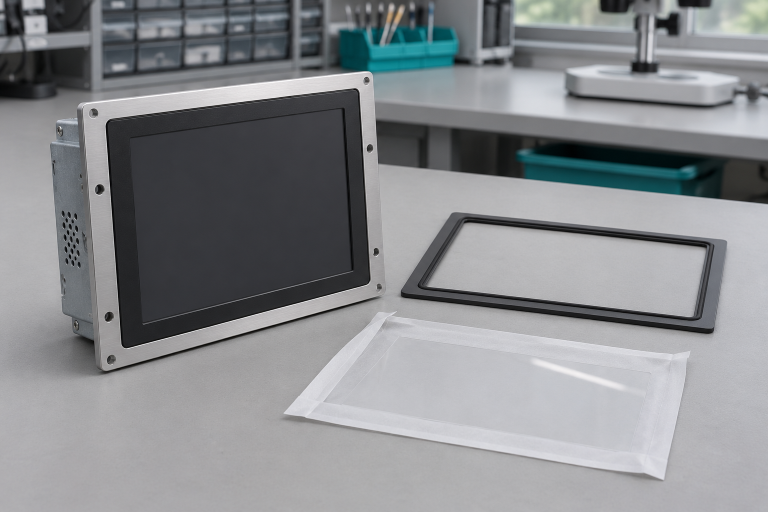 Nov 27, 2026
HMI Screen Spares: Identify the Failed Layer
Separate surface damage, touch input and the supported display assembly before specifying an HMI hardware spare.
Read guide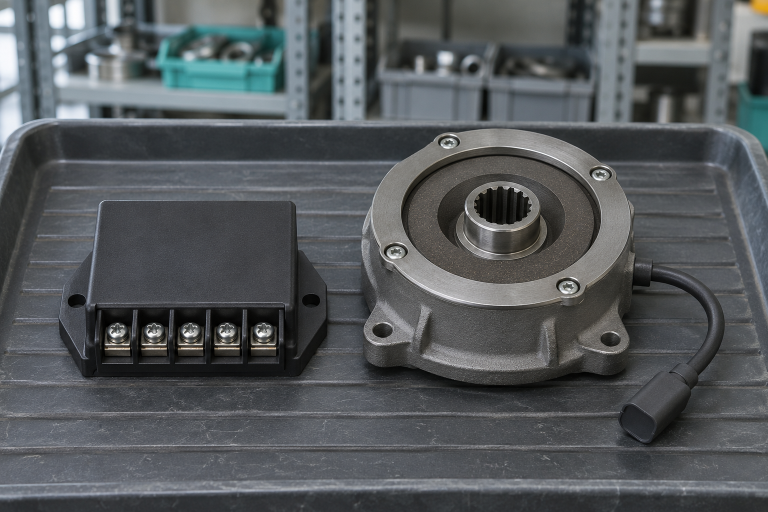 Nov 26, 2026
Motor Brake Rectifier Spares: Match the Coil
Check the fitted brake coil and approved control function before treating a motor brake rectifier as an exact spare.
Read guide