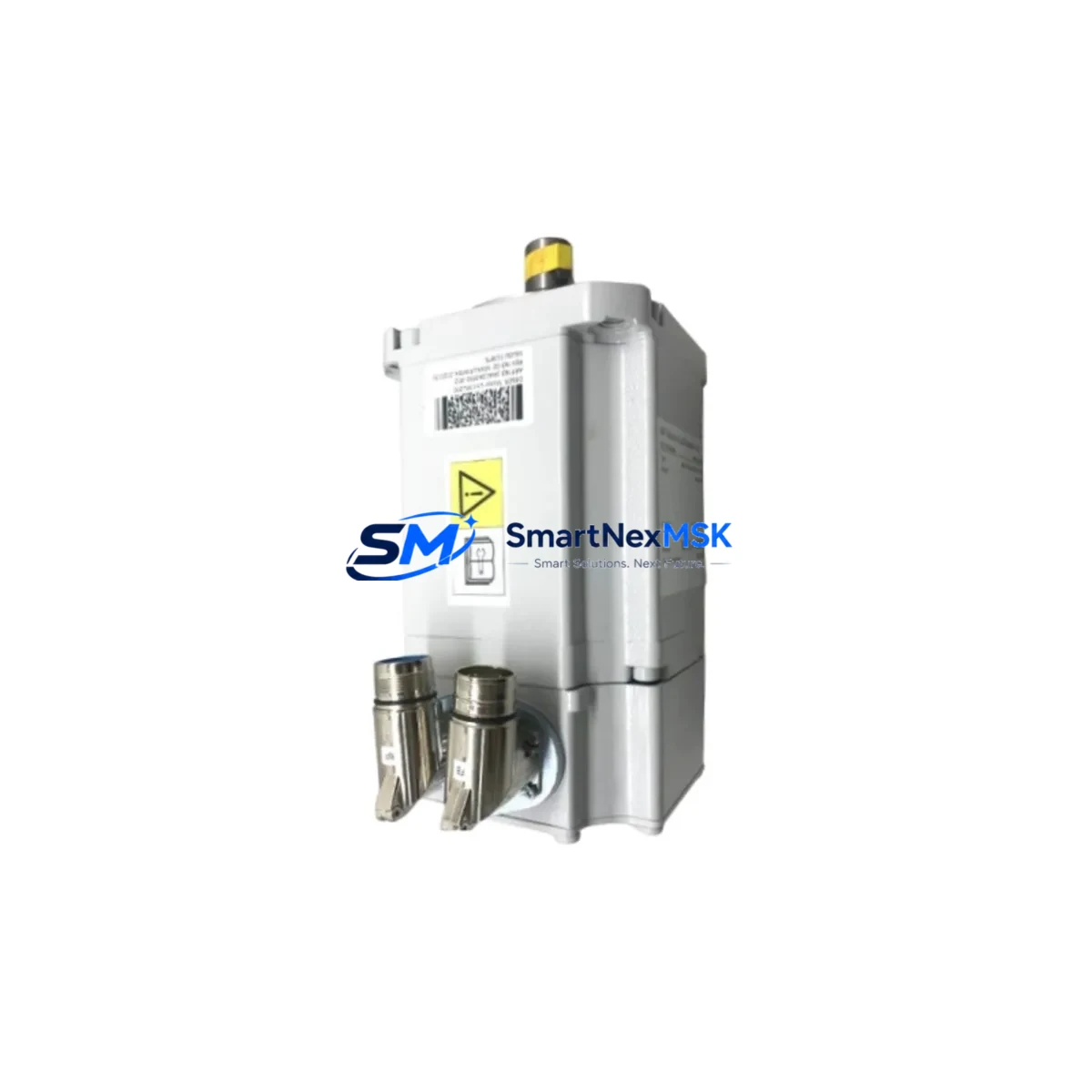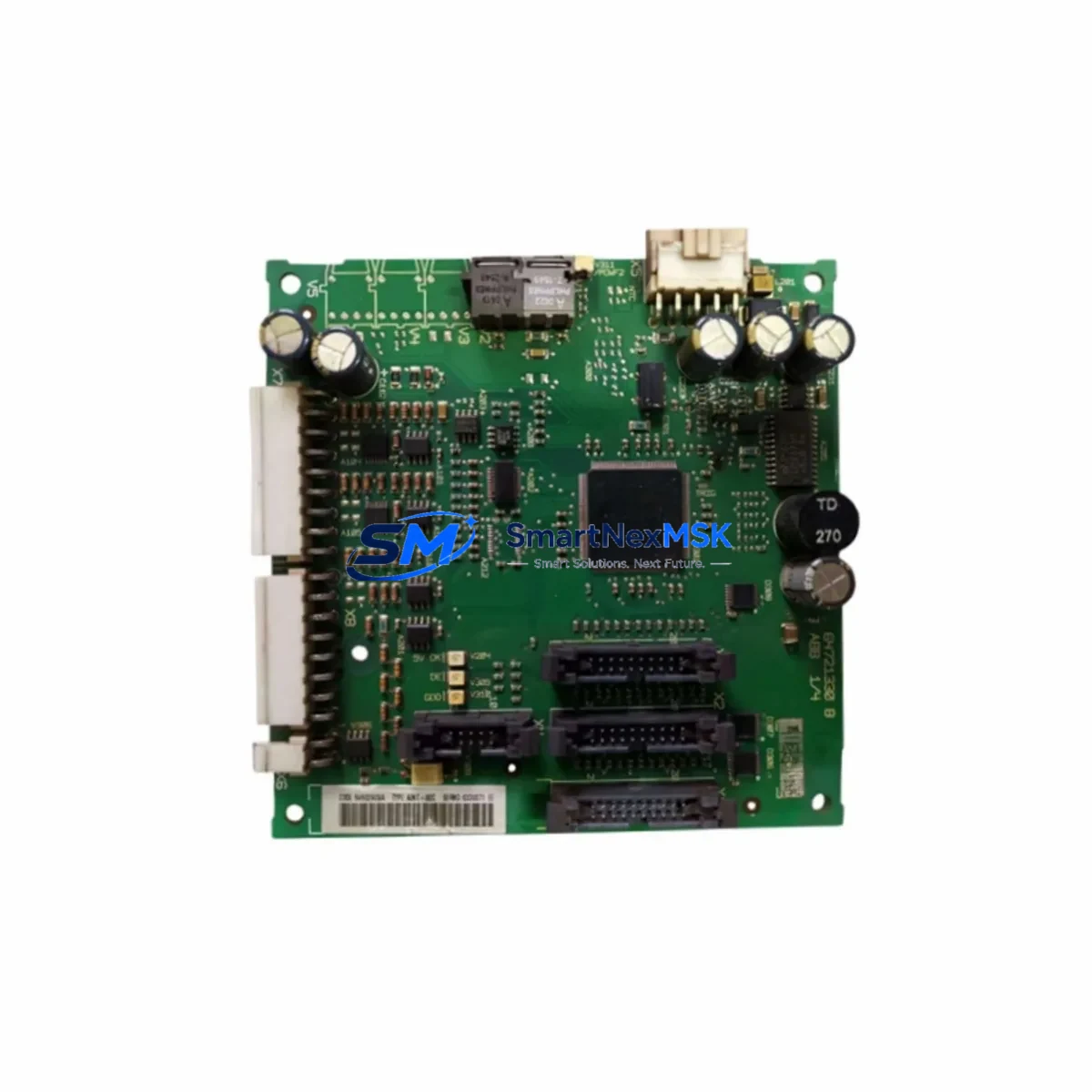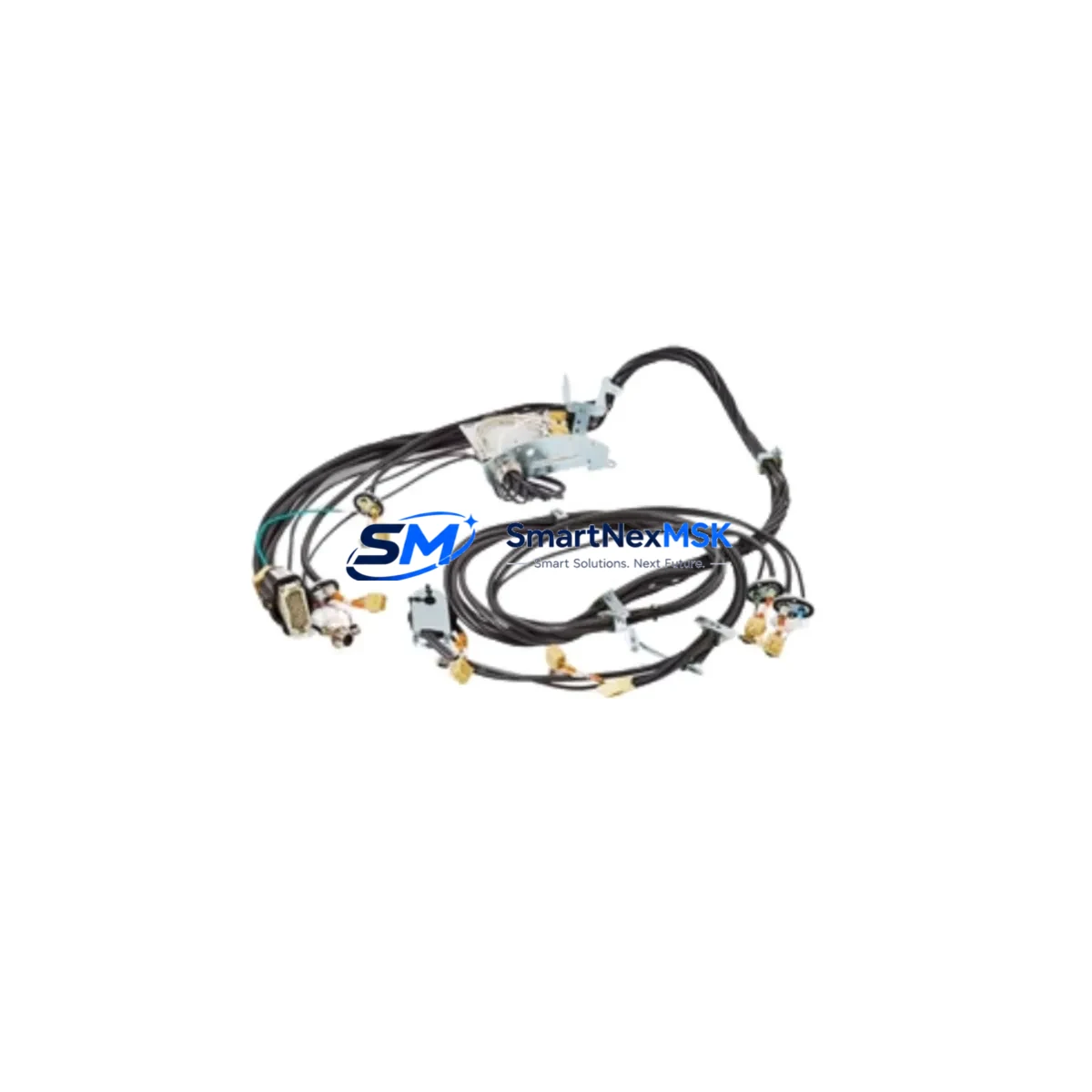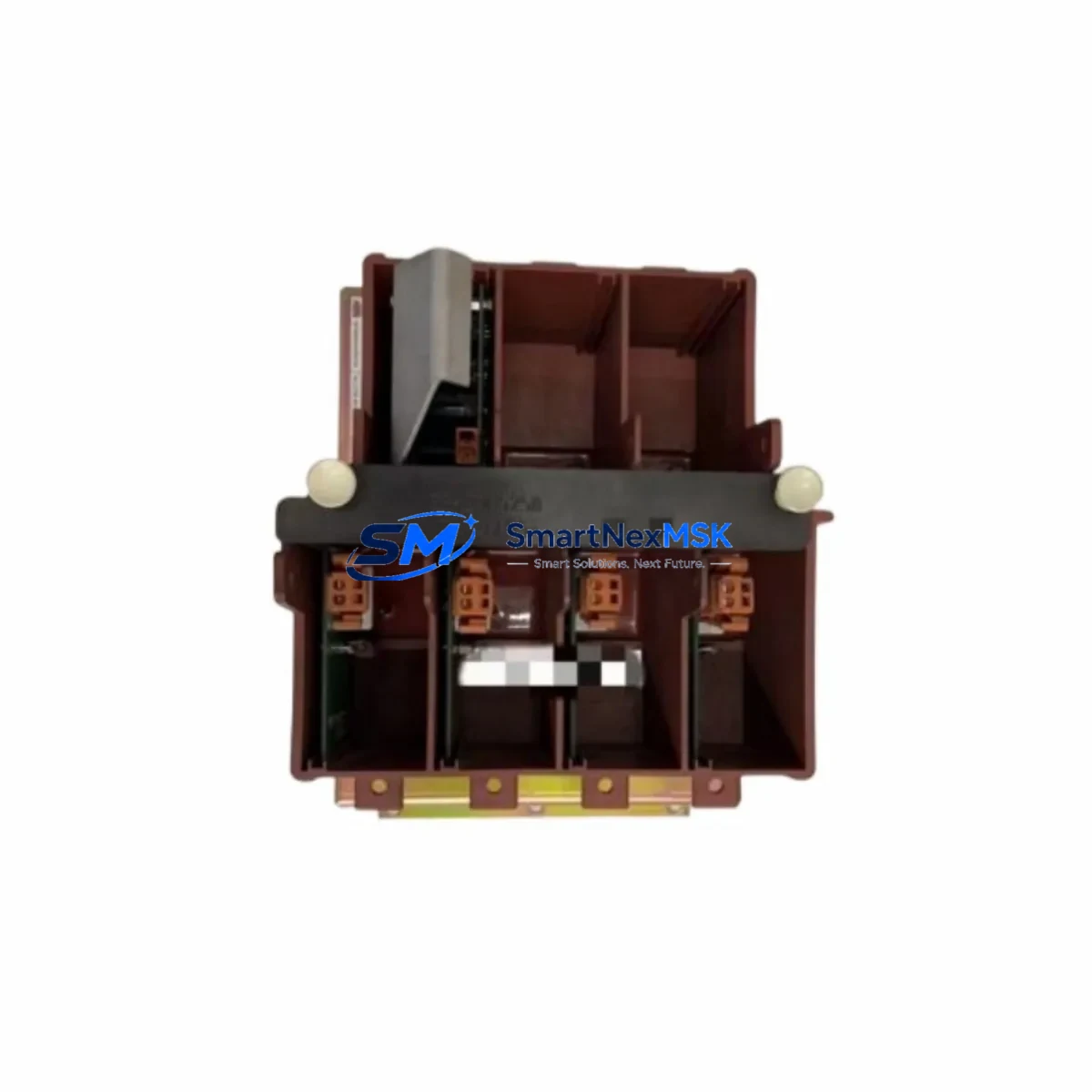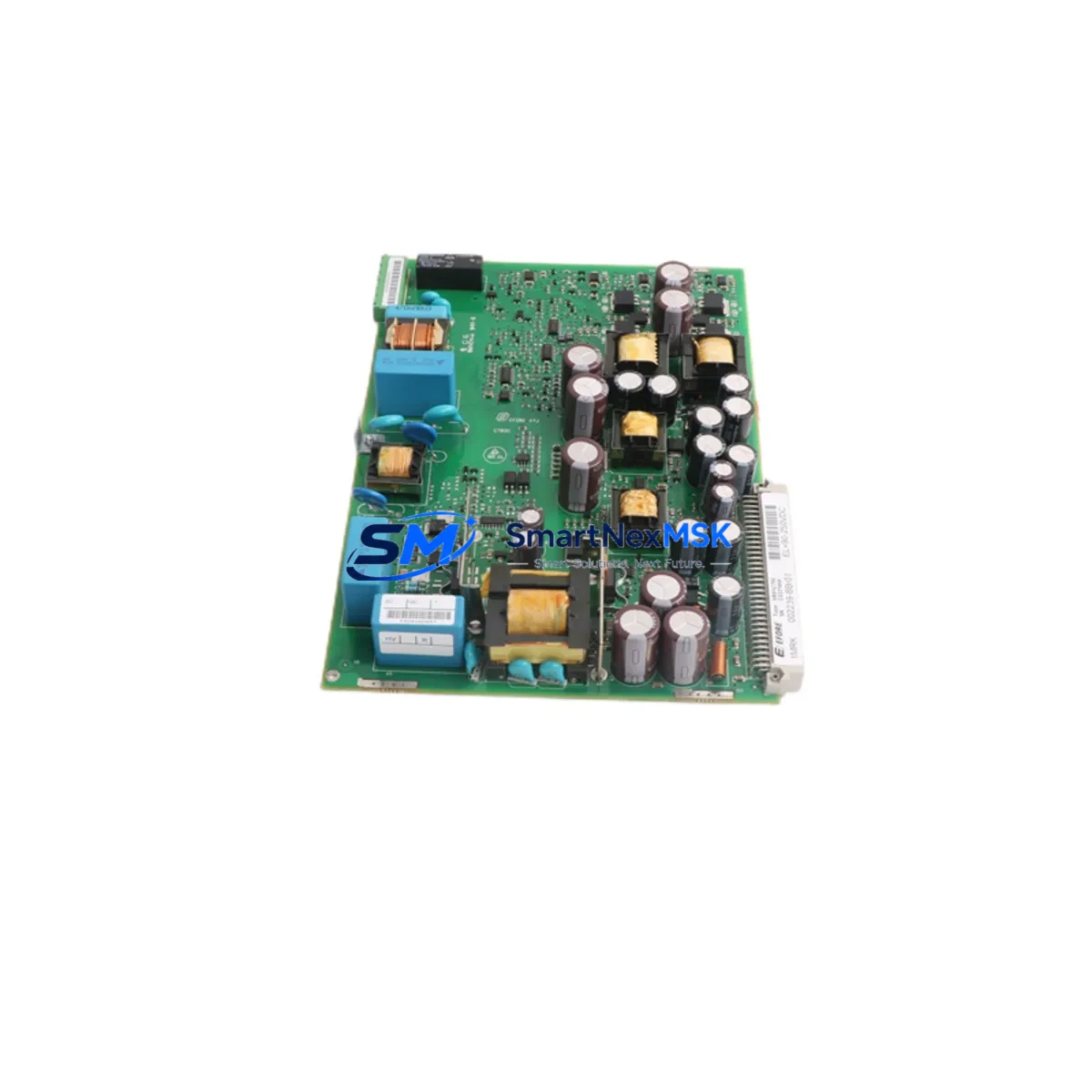
ABB 1MRK002239-BBR01 Spare for SR91C790 Automation: Spare Replacement & Industrial Downtime Risk Control
The ABB 1MRK002239-BBR01 is an original power supply module designed for the SR91C790 protection relay platform — a core component within ABB’s RELION and legacy REC/REL series protection and control systems. In substation automation, motor protection panels, and feeder protection cabinets, this PSU module is the backbone of relay energization. When it fails, the entire protection chain is compromised, leaving critical assets unprotected and triggering forced outages.
Sourced directly from authorized ABB distribution channels and manufactured in Germany, this spare is supplied as a genuine original part — not a remanufactured or third-party substitute. Each unit undergoes pre-shipment functional testing and ships with a 12-month warranty, ensuring your maintenance team receives a field-ready replacement with full traceability.
Spare Maintenance Table
| Parameter | Specification / Detail |
|---|---|
| Part Number | 1MRK002239-BBR01 |
| Compatible Series | SR91C790 / ABB RELION REC / REL Protection Relay Platform |
| Module Function | Internal Power Supply Unit (PSU) for Protection Relay |
| Manufacturer | ABB (Asea Brown Boveri) |
| Country of Origin | Germany (DE) |
| Product Type | Protection Relay Module |
| Application Environment | Substation automation, motor protection panels, feeder protection cabinets, MV/HV switchgear |
| Installation | Direct plug-in replacement; matches original backplane connector and rail mounting |
| Compatibility Verification | Cross-reference via ABB relay nameplate, firmware version, and hardware revision code |
| Pre-Shipment Testing | Functional output voltage test, load regulation check, insulation verification |
| Warranty | 12 Months from date of shipment |
| Maintenance Recommendation | Replace PSU module during planned outage; inspect auxiliary power input, fuse, and wiring harness simultaneously |
| Lead Time | In stock — ships within 1–3 business days |
Maintenance Planning for Continuous Operation
A protection relay PSU failure rarely occurs in isolation. When the 1MRK002239-BBR01 is flagged for replacement during a scheduled inspection or emergency callout, experienced maintenance engineers treat it as a trigger for a broader cabinet audit. The auxiliary DC supply feeding the relay — typically a 110 V DC or 220 V DC station battery bus — should be verified for voltage stability and ripple before the new module is energized. A degraded battery charger or failing DC/DC converter upstream can stress the replacement PSU and shorten its service life.
Within the same SR91C790 relay chassis, the binary input/output (I/O) module and communication interface card (IEC 61850 GOOSE or IEC 60870-5-103) share the internal bus powered by this PSU. If the relay has been de-energized for an extended period, inspect the I/O module for contact oxidation and verify that the trip output relay contacts operate freely. The analog measurement input module — responsible for current transformer (CT) and voltage transformer (VT) signal conditioning — should also be checked for calibration drift after a power interruption.
For cabinets housing multiple RELION relays, the station HMI panel (such as the ABB COM600 or RTU560 gateway) and the Ethernet switch module within the protection panel should be inspected for firmware currency and port integrity. A PSU replacement is an ideal opportunity to verify that fiber optic communication links between relays and the SCADA system are clean and within loss budget. Additionally, check the terminal block wiring on the relay’s CT/VT input terminals — loose connections at this point can introduce measurement errors that compromise protection accuracy after the relay is re-commissioned.
Maintenance planners should also review the status of the auxiliary relay module (output expansion board) and any signal isolator cards installed in the same panel. These components age in parallel with the PSU and are frequently overlooked until a secondary failure occurs. Keeping a matched set of these modules — including the power supply fuse assembly and backplane connector — in your on-site spare parts kit eliminates multi-day lead times during emergency outages and supports a true rapid-restoration maintenance posture.
Site Replacement Workflow
Step 1 — Isolation & Permit: Obtain a switching permit and isolate the relay panel from the auxiliary DC supply. Confirm zero voltage at the relay’s power input terminals using a calibrated multimeter before opening the chassis.
Step 2 — Module Extraction: Release the front-panel locking lever and slide the 1MRK002239-BBR01 module out along the guide rails. Note the hardware revision label on the outgoing module and confirm it matches the revision of the replacement unit. Mismatched hardware revisions between PSU and relay CPU board can cause initialization faults.
Step 3 — Visual & Connector Inspection: Before inserting the new module, inspect the backplane connector pins for corrosion or mechanical damage. Clean with isopropyl alcohol if necessary. Check the auxiliary input fuse — replace it as a matter of course during any PSU swap.
Step 4 — Module Insertion & Energization: Slide the replacement module into the chassis until the locking lever engages. Restore auxiliary DC supply and observe the relay’s self-test sequence on the front-panel LED indicators. A healthy startup sequence confirms correct PSU output voltage and successful communication with the CPU module.
Step 5 — Functional Verification: Using ABB’s PCM600 relay configuration tool or the relay’s local HMI, verify that all protection functions are active, settings are intact, and event logs show no hardware fault codes. Perform a secondary injection test on at least one protection element to confirm end-to-end trip circuit integrity before returning the relay to service.
Step 6 — Documentation: Record the replaced module’s serial number, hardware revision, and date of replacement in the relay’s maintenance log. Update the spare parts inventory to trigger a replenishment order for the consumed 1MRK002239-BBR01 unit, maintaining minimum stock levels for continuous operational readiness.
Spare Parts Support FAQ
Q1: What is the service life expectation for the 1MRK002239-BBR01, and when should it be proactively replaced?
ABB protection relay PSU modules are designed for long service life in controlled substation environments, but electrolytic capacitor aging and thermal cycling typically make 10–15 years a prudent proactive replacement interval. If the relay is installed in a high-ambient-temperature environment or has experienced repeated auxiliary supply disturbances, earlier replacement is advisable. Proactive replacement during a planned outage is always preferable to an emergency swap during a fault event.
Q2: How do I verify compatibility between the 1MRK002239-BBR01 and my installed SR91C790 relay?
Compatibility is confirmed by matching the relay’s nameplate model code (SR91C790), the hardware revision printed on the existing PSU module, and the relay’s firmware version as displayed in PCM600 or the local HMI. If the relay has been upgraded with a newer CPU board, cross-reference the ABB hardware compatibility matrix for the RELION platform before ordering. Our technical team can assist with compatibility verification prior to shipment.
Q3: What pre-shipment testing is performed on each unit, and what documentation is included?
Every 1MRK002239-BBR01 unit is tested for correct output voltage levels, load regulation performance, and insulation integrity before dispatch. Each shipment includes a test report, packing list with serial number, and warranty certificate valid for 12 months from the shipment date. Units are packed in anti-static ESD-safe packaging with foam cushioning to prevent transit damage.
Q4: Can this module be used as a long-term spare for aging SR91C790 systems that are no longer in ABB’s active production catalog?
Yes. The 1MRK002239-BBR01 is specifically stocked to support legacy SR91C790 and compatible RELION platform installations that are beyond ABB’s standard product lifecycle. We maintain buffer stock to support multi-year maintenance contracts and system life extension programs. Customers managing large fleets of aging protection relays are encouraged to discuss framework supply agreements to secure priority allocation and stable pricing over a 2–3 year horizon.
© 2026 SMARTNEXMSK. All rights reserved.
Original Source: https://smartnexmsk.com
Contact: [email protected] | +86 18259474341