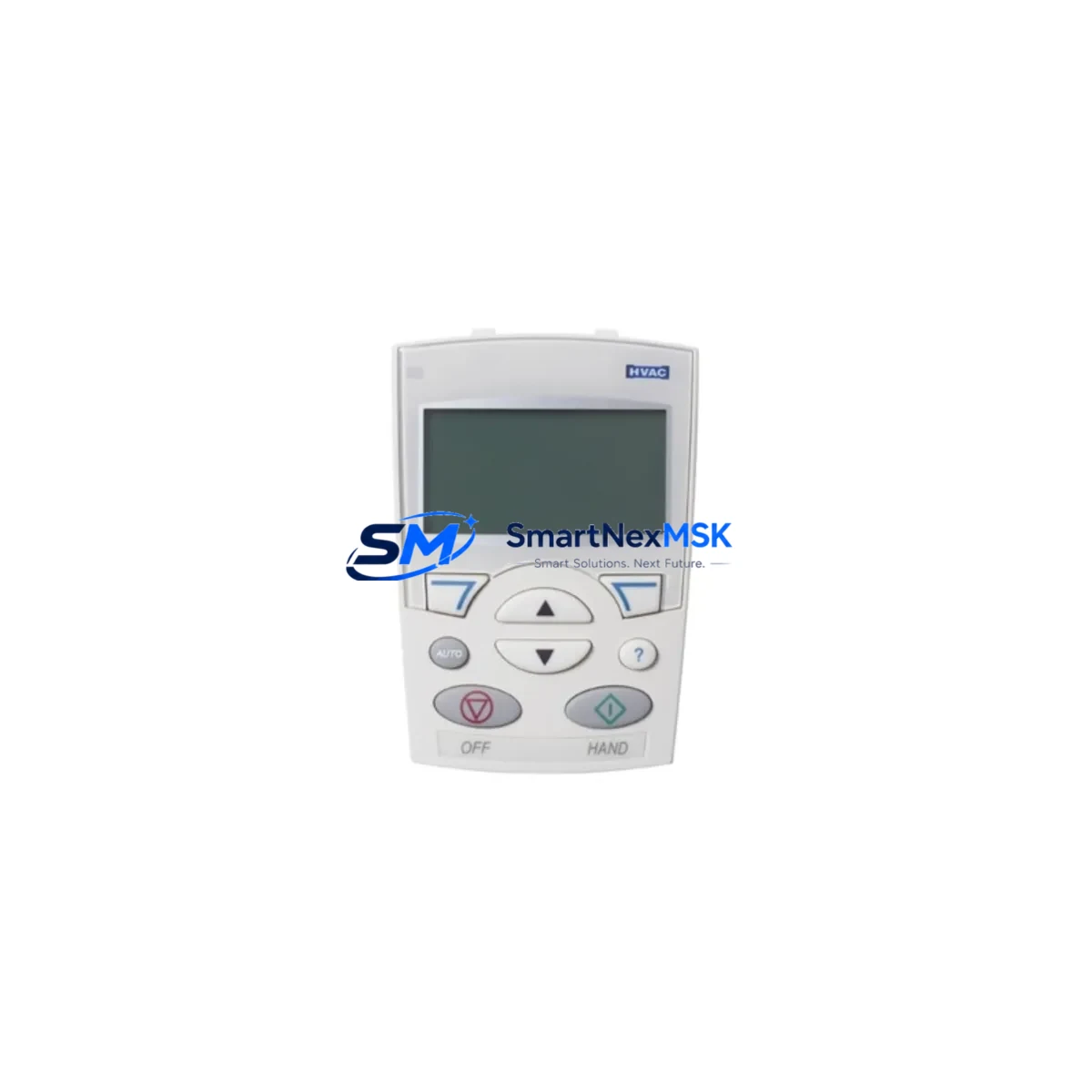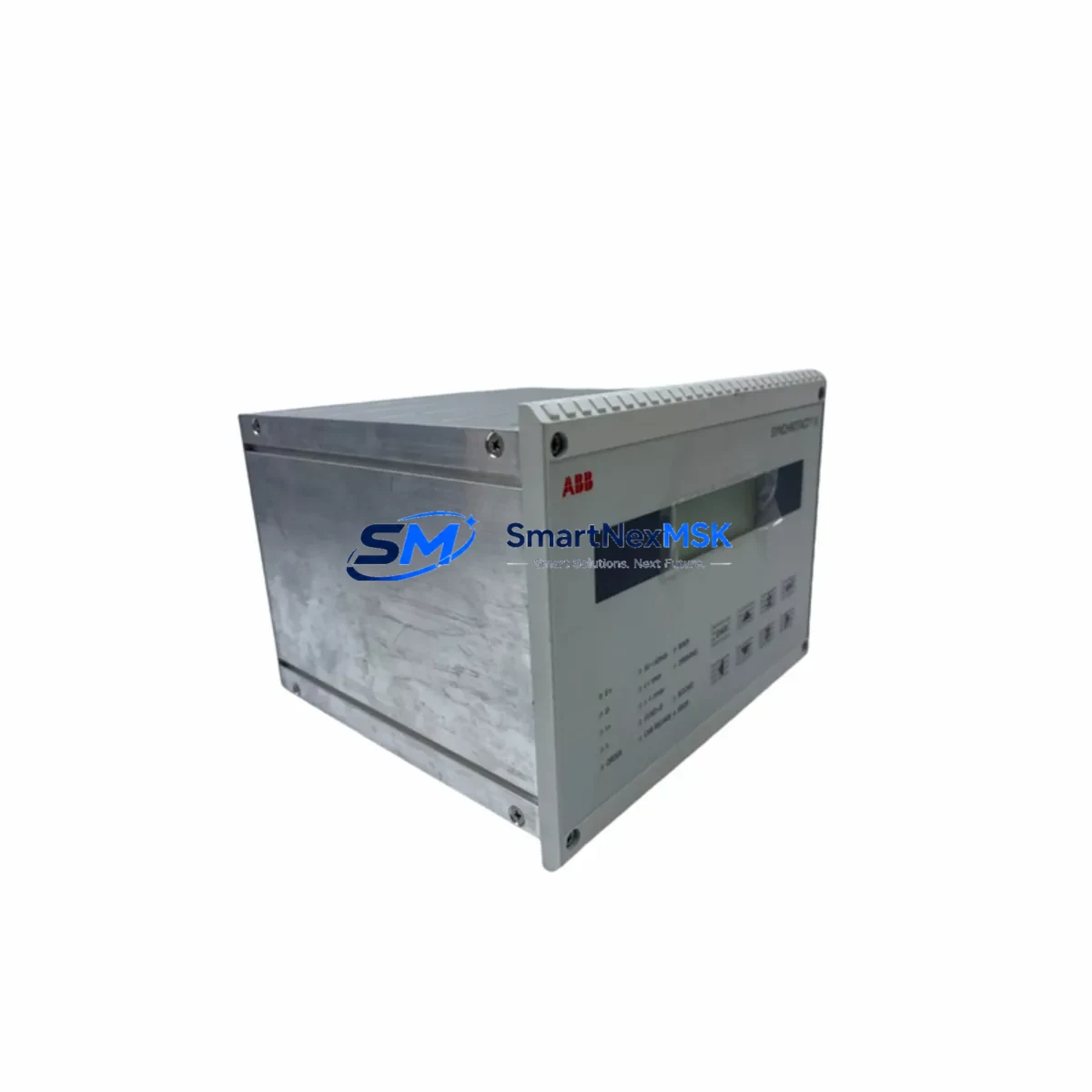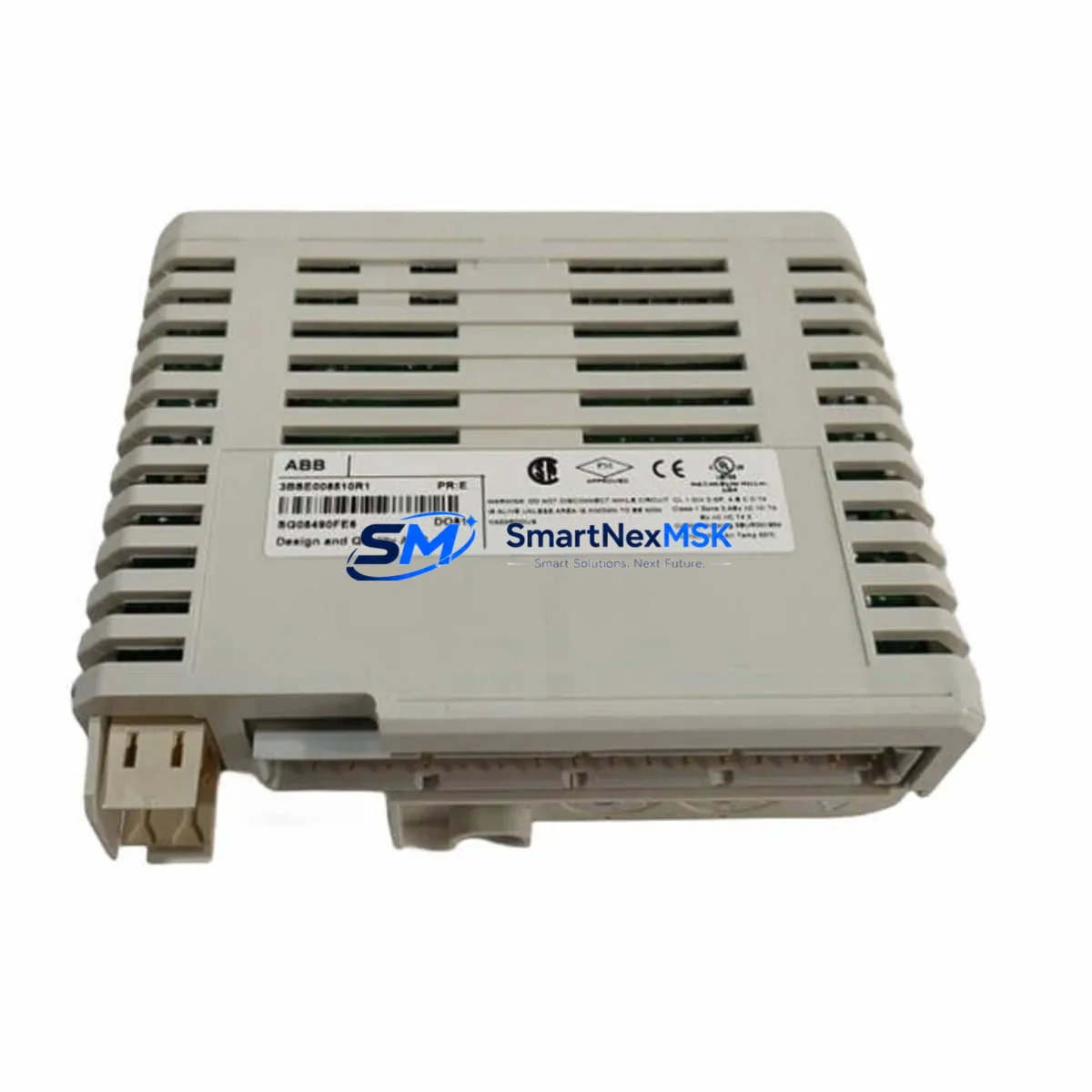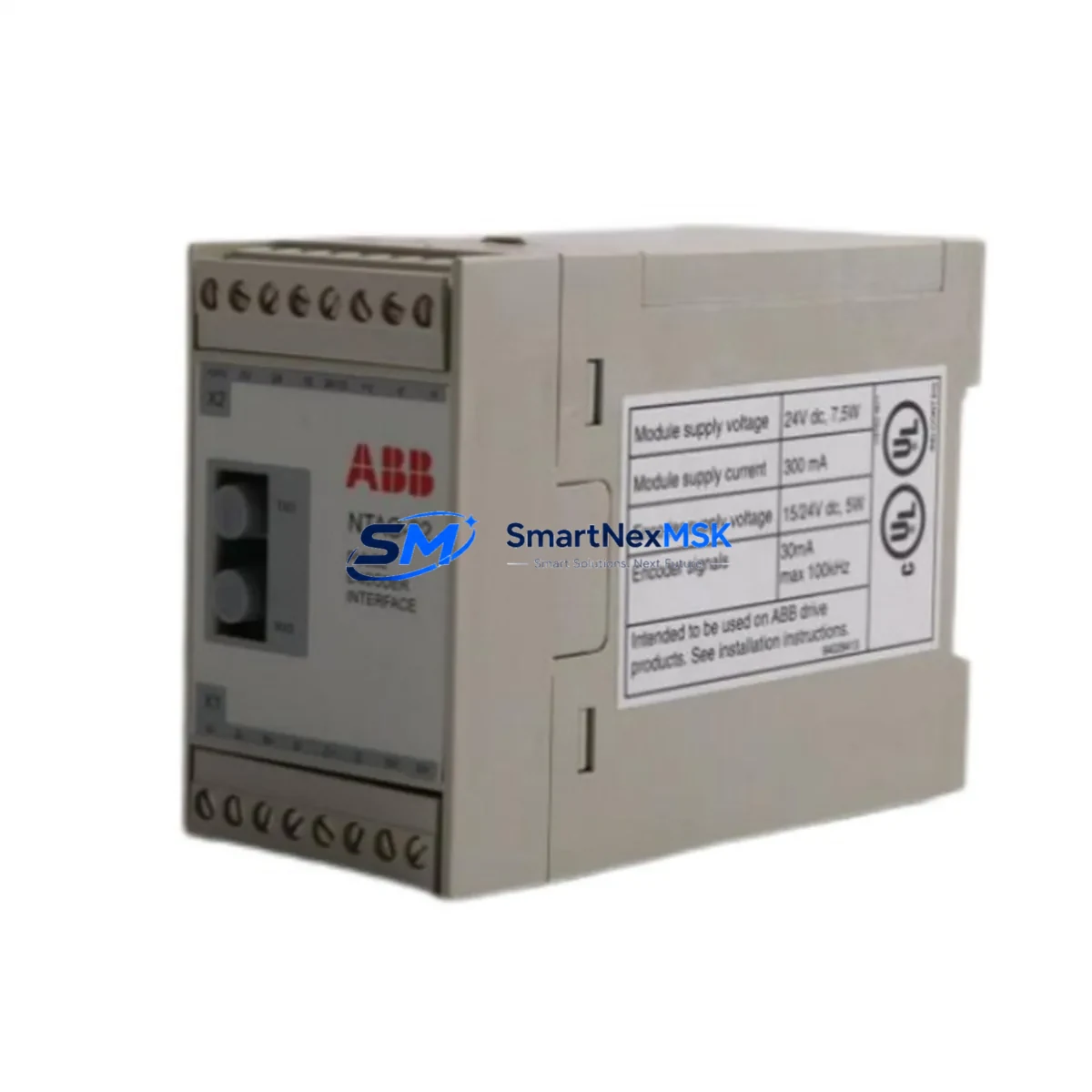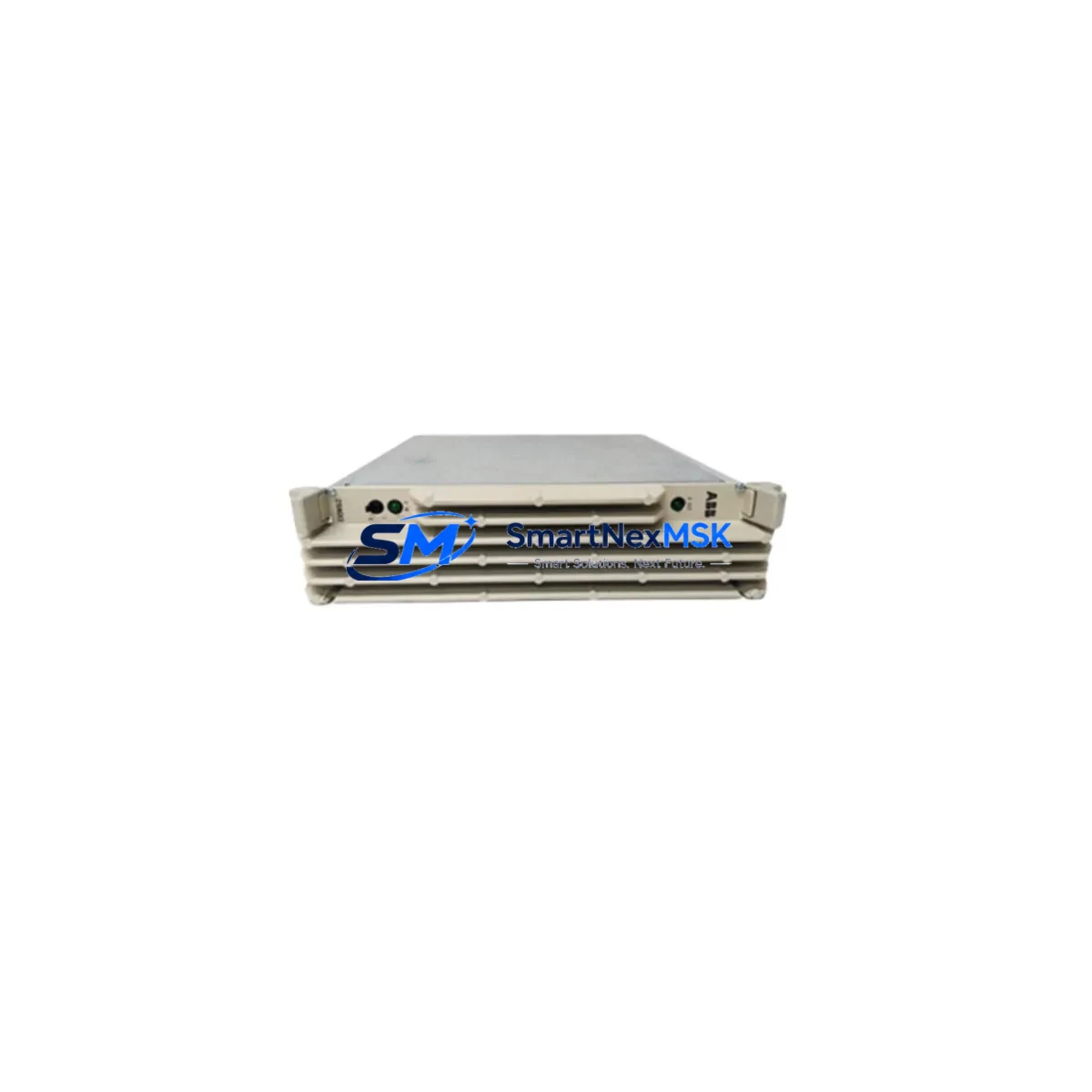
ABB 216NG63A Retrofit-Ready Drive Control Board for ACS Series Control Systems
The ABB 216NG63A is a retrofit-ready drive control board engineered for seamless compatibility with ABB ACS-series industrial drive platforms. As legacy automation infrastructure ages and OEM support windows close, facilities running ACS 400, ACS 600, ACS 800, and related drive families face increasing pressure to source reliable replacement components without triggering full system overhauls. The 216NG63A addresses this challenge directly — offering a verified drop-in upgrade path that preserves existing wiring topology, retains program logic compatibility, and minimizes commissioning time on the plant floor.
Whether your application involves a continuous process line, a conveyor drive system, a pump and fan control cabinet, or a precision servo axis, the 216NG63A delivers the control-layer reliability that ABB drive platforms are known for. This board handles the critical interface between the drive’s power stage and its supervisory control layer, managing speed reference signals, fault diagnostics, I/O mapping, and fieldbus communication — all functions that must be preserved without interruption during a retrofit.
Upgrade Compatibility Table
| Parameter | Details |
|---|---|
| SKU | 216NG63A |
| Brand | ABB |
| Compatible Series | ACS 400, ACS 600, ACS 800, ACS 550 (verify firmware revision) |
| Product Type | Drive Control Board |
| Interface / Backplane | Standard ABB drive backplane connector; verify slot position against drive frame size |
| Communication Compatibility | PROFIBUS-DP, Modbus RTU, DeviceNet (adapter-dependent); confirm RDCO or RPBA module pairing |
| Installation Requirement | Power-off installation; ESD precautions required; torque terminal screws to spec |
| Replacement Recommendation | Direct replacement for failed or end-of-life 216NG63A boards; confirm drive firmware version before swap |
| Commissioning Focus | Re-enter motor nameplate data; verify macro selection; restore fieldbus node address; test I/O mapping |
| Warranty | 12-Month Warranty — covers manufacturing defects and functional failure under normal operating conditions |
Retrofit Planning for Existing Automation Systems
A successful retrofit begins well before the replacement board arrives on site. Engineers planning a 216NG63A swap should start by documenting the existing drive configuration: pull the full parameter list from the ACS drive using DriveWindow or Drive Composer software, and save a backup to a PC or the NPBA-12 PROFIBUS adapter’s non-volatile memory if available. This parameter backup is your insurance policy — it allows rapid restoration of speed references, acceleration ramps, PID tuning values, and fault response settings after the board exchange.
Terminal wiring on ABB ACS-series drives is generally consistent across control board generations, but always cross-reference the existing wiring against the drive’s terminal diagram before disconnecting. Pay particular attention to the analog input channels (AI1, AI2) used for speed reference, the digital input assignments (DI1–DI6) for run/stop/fault reset commands, and the relay output wiring (RO1, RO2) connected to the control cabinet’s PLC — often a Siemens S7-300, S7-400, or Allen-Bradley ControlLogix — via hardwired interlock circuits.
If the existing system uses a RDCO-02 or RDCO-04 optical communication module for DDCS fiber-optic connectivity to an ACS 600 or ACS 800 master drive, confirm that the replacement 216NG63A board supports the same DDCS channel configuration. Similarly, if the drive communicates via a RPBA-01 PROFIBUS adapter or an RCAN-01 CANopen module mounted in the drive’s option slot, verify that the adapter firmware is compatible with the replacement control board revision.
For systems where the drive interfaces with a Siemens OP7 or OP17 HMI panel, or an ABB CP600 operator panel, confirm that the panel’s communication parameters — baud rate, parity, station address — are documented before the swap. HMI screen configurations referencing drive parameter addresses may require re-mapping if the replacement board uses a different parameter set structure. In multi-drive systems sharing a common DC bus, also verify that the master/follower configuration and the RMIO board addressing are correctly restored after the replacement.
I/O expansion modules such as the RAIO-01 analog I/O extension or the RDIO-01 digital I/O extension, if fitted to the drive’s option slots, should be left in place during the control board swap to avoid disturbing their wiring. The 216NG63A retrofit does not require removal of these expansion modules, which significantly reduces the risk of wiring errors during reassembly. After installation, perform a full I/O check from the PLC or DCS — verifying each digital input, analog reference channel, and relay output — before enabling the drive for a no-load test run.
Downtime Control During System Migration
Minimizing unplanned downtime during a drive control board replacement requires a structured pre-outage preparation protocol. Before scheduling the maintenance window, confirm that the replacement 216NG63A is on hand and has passed a pre-shipment functional test. Our units are tested prior to dispatch and ship with a test report; retain this document for your maintenance records and warranty reference.
Schedule the swap during a planned production stop rather than responding reactively to a drive fault. If the drive is part of a critical process loop — such as a kiln drive, a winder, or a compressor — coordinate with the process control team to ensure that the DCS or SCADA system (such as an ABB System 800xA or a Siemens PCS 7 node) is placed in manual override mode before power is removed from the drive cabinet. This prevents the control system from generating spurious alarms or initiating an emergency shutdown sequence during the maintenance window.
The physical board swap on an ACS-series drive typically takes 20–40 minutes for an experienced technician. The majority of commissioning time is spent on parameter restoration and I/O verification rather than the mechanical exchange itself. Using a pre-saved parameter file loaded via DriveWindow significantly compresses this phase. After parameter restore, run the drive in local control mode first — using the ACS panel’s LOC/REM key — to verify motor rotation direction and speed response before returning the drive to remote control from the PLC or DCS. This staged commissioning approach protects the original program logic and ensures that the field control loop is fully verified before production resumes.
Retrofit Support FAQ
Q1: Is the ABB 216NG63A a direct replacement for the original board in my ACS drive?
The 216NG63A is designed as a compatible replacement for the corresponding control board position in ABB ACS-series drives. Before installation, confirm the drive’s frame size, firmware version, and any fitted option modules (PROFIBUS adapter, I/O extension, encoder interface) to ensure full compatibility. If you are unsure, provide your drive’s full nameplate data and we will advise prior to shipment.
Q2: What commissioning steps are required after installing the 216NG63A?
After installation, restore the drive parameter set from your backup file using DriveWindow or Drive Composer. Verify motor nameplate data (voltage, current, frequency, speed, power), re-enter the application macro, confirm fieldbus node address and baud rate, and perform a full I/O check from the PLC. Run a no-load test before reconnecting the mechanical load.
Q3: How is the unit tested before shipment, and what does the 12-month warranty cover?
Each 216NG63A unit undergoes functional testing prior to dispatch. The 12-month warranty covers manufacturing defects and functional failure under normal operating conditions from the date of receipt. It does not cover damage resulting from incorrect installation, overvoltage events, or environmental contamination. A test report is included with each shipment.
Q4: Can this board be used in a system that has already been partially upgraded to a newer ABB drive generation?
Yes, in mixed-generation installations where some drives have been upgraded to ACS 880 while legacy ACS 800 or ACS 600 units remain in service, the 216NG63A supports continued operation of the legacy drives without requiring a full platform migration. This is a common scenario in phased retrofit projects where budget or process constraints prevent simultaneous replacement of all drive axes.
© 2026 SMARTNEXMSK. All rights reserved.
Original Source: https://smartnexmsk.com
Contact: [email protected] | +86 18259474341